
工业气体净化装置

Search documents
“含智量”+“含绿量”双提升 新的一年我国外贸表现亮点多多
Yang Shi Wang· 2026-02-03 02:41
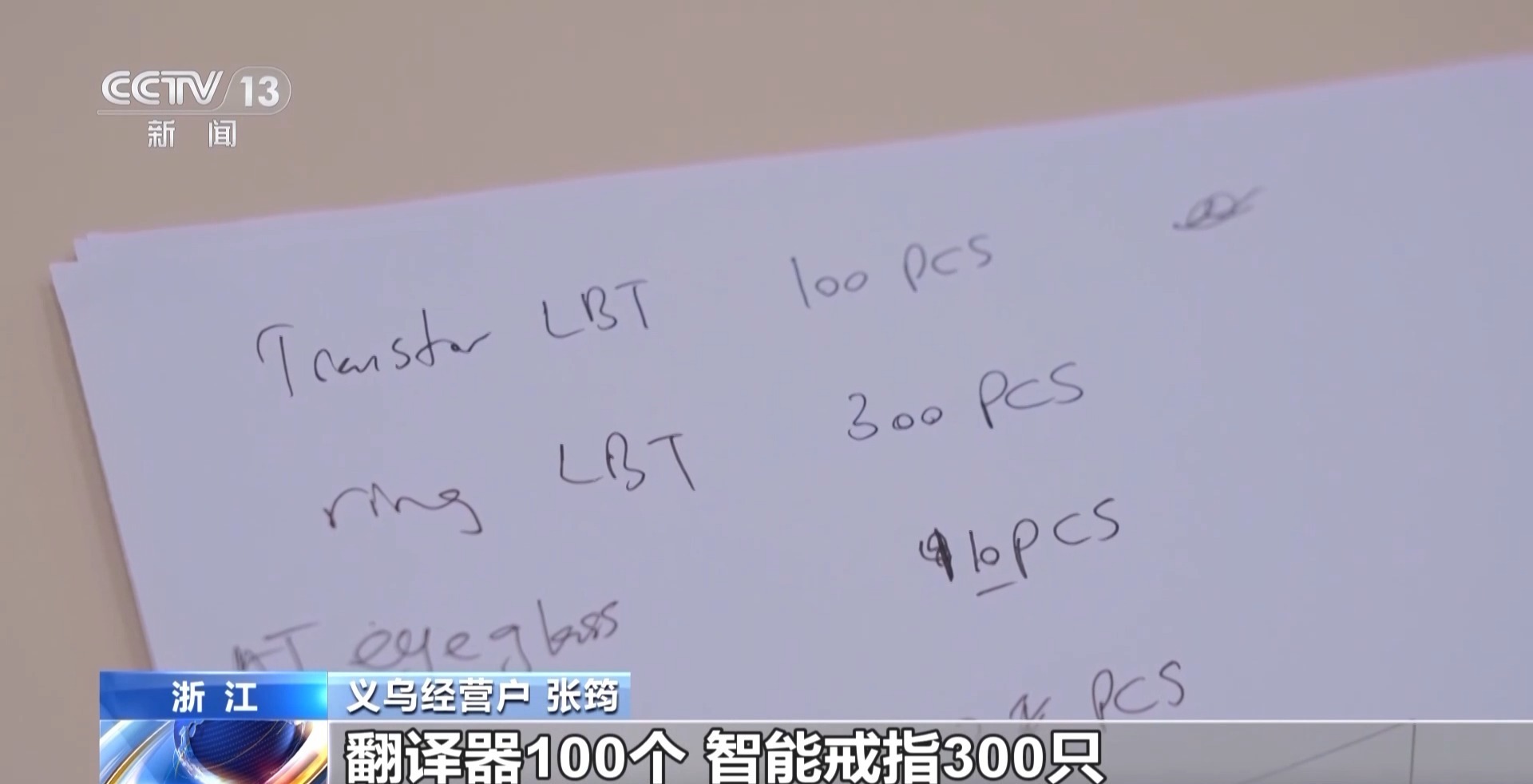
Group 1 - The core viewpoint of the articles highlights the rapid growth of artificial intelligence (AI) products in China's foreign trade, with significant contributions to export growth expected in the coming years [1][3] - In the first procurement meeting of the year in Yiwu, over 200 businesses received their first orders, showcasing the demand for AI products like smart translation devices and smart glasses [1][2] - A company in Shanghai, specializing in AR glasses, reported that over 75% of its customers are from Europe, America, and Japan, and it anticipates a two to threefold increase in performance by 2026 [2] Group 2 - The contribution of AI products to China's export growth is projected to exceed 32% by 2025, which will drive overall export growth by 1.7 percentage points [3] - The rise of AI products is accompanied by a focus on green technology, with significant advancements in energy efficiency and sustainability in various sectors, including industrial gas purification and textile manufacturing [4][6] - Companies are increasingly adopting green practices, such as utilizing renewable energy sources and improving energy efficiency, to meet the high environmental standards demanded by international clients [5][6]
视频丨“含智量”+“含绿量”双提升 新的一年我国外贸表现亮点多多
Yang Shi Xin Wen· 2026-02-03 00:10
Group 1: AI Product Market Growth - Various AI products are gaining popularity in the global market, with Chinese manufacturing accelerating its overseas expansion, becoming a new highlight in foreign trade [1] - At a procurement meeting in Yiwu, overseas buyers tested AI products like smart translation devices and smart glasses, resulting in significant orders for over 200 businesses [1][3] - The AR glasses company in Shanghai is experiencing increased international interest, conducting daily meetings with overseas partners to discuss product advancements [5] Group 2: Technological Advancements - Core technological breakthroughs are driving the global success of Chinese AI products, with a focus on overcoming challenges like "motion imaging latency" in augmented reality [9] - A strategic partnership has been established between a Chinese hardware provider and a renowned overseas software company to enhance product offerings [11] Group 3: Export Contributions and Economic Impact - According to the Ministry of Commerce, AI products are projected to contribute over 32% to export growth by 2025, boosting overall export growth by 1.7 percentage points [15] - High-tech and AI products are becoming the core drivers of China's foreign trade export growth [15] Group 4: Green Transition in Foreign Trade - The green transition is opening new growth opportunities for China's foreign trade, with significant advancements in energy efficiency and reduced carbon emissions in various sectors [19] - The export of industrial gas purification devices is expected to grow by 17.3% by 2025, while lithium batteries and wind turbine exports are projected to increase by 26.2% and 48.7%, respectively [19] Group 5: Environmental Standards and Market Demand - Chinese textile companies are enhancing their environmental standards to meet the high quality and sustainability demands of European clients [27] - Companies are integrating green requirements throughout their production processes, leading to stable foreign trade orders [25][29] Group 6: Future Directions for Green Development - The Ministry of Commerce plans to enhance the green and low-carbon development capabilities of enterprises, promoting training and encouraging leading companies to drive the transformation of foreign trade supply chains [31]

2025年进出口总值创历史新高 中国外贸展现韧性与活力
Ren Min Ri Bao Hai Wai Ban· 2026-01-17 07:10
Core Viewpoint - China's foreign trade demonstrates resilience and vitality, achieving a record high in total import and export value in 2025, maintaining its position as the world's largest goods trading nation [1][2]. Group 1: Trade Performance - In 2025, China's total import and export value reached 45.47 trillion yuan, a year-on-year increase of 3.8%, marking nine consecutive years of growth [1]. - Exports amounted to 26.99 trillion yuan, growing by 6.1%, while imports were 18.48 trillion yuan, with a modest increase of 0.5% [1]. - The growth in high-tech product exports was notable, with a year-on-year increase of 13.2%, contributing 2.4 percentage points to overall export growth [2]. Group 2: Import Trends - China maintained its status as the world's second-largest import market for 17 consecutive years, with imports reaching a historical high in 2025 [4]. - Import growth was driven by a recovering economy, with a continuous increase in imports for three consecutive quarters starting from Q2 [4]. - The 8th China International Import Expo saw record participation, with intended transaction amounts exceeding 80 billion USD [4]. Group 3: Trade Partnerships - China's trade partnerships expanded significantly, becoming a major trading partner for over 160 countries and regions, an increase of more than 20 since 2020 [6]. - Trade with ASEAN countries and Central Asian nations saw substantial growth, with imports from these regions increasing by 3.9% and over 1 billion USD in trade volume, respectively [6][7]. - In 2025, trade with countries involved in the Belt and Road Initiative reached 23.6 trillion yuan, growing by 6.3%, which is 2.5 percentage points higher than the overall trade growth rate [7].
锐财经|中国外贸展现韧性与活力
Ren Min Ri Bao Hai Wai Ban· 2026-01-17 04:56
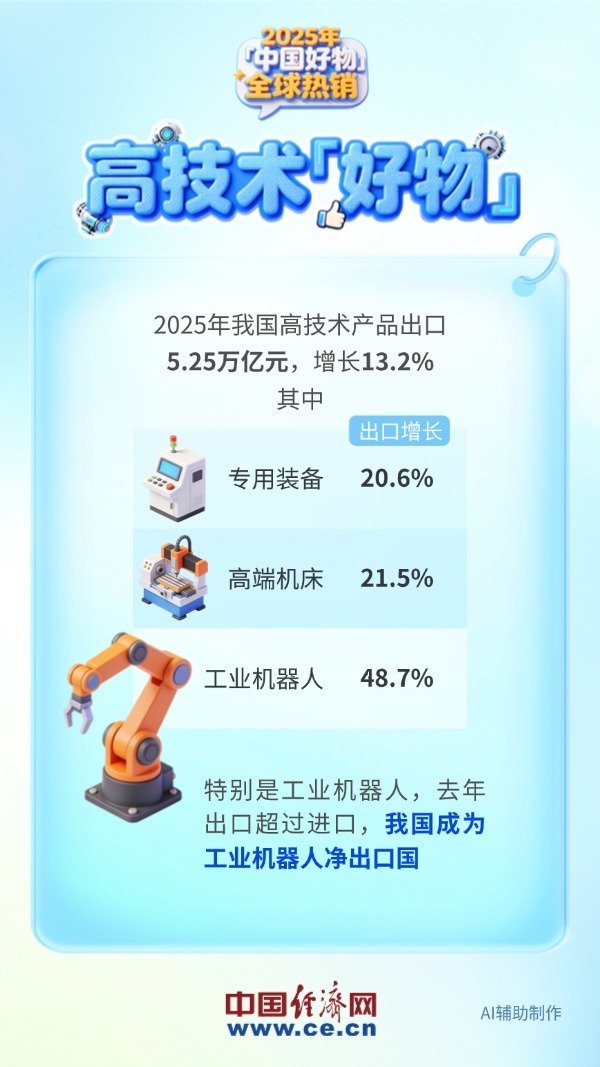
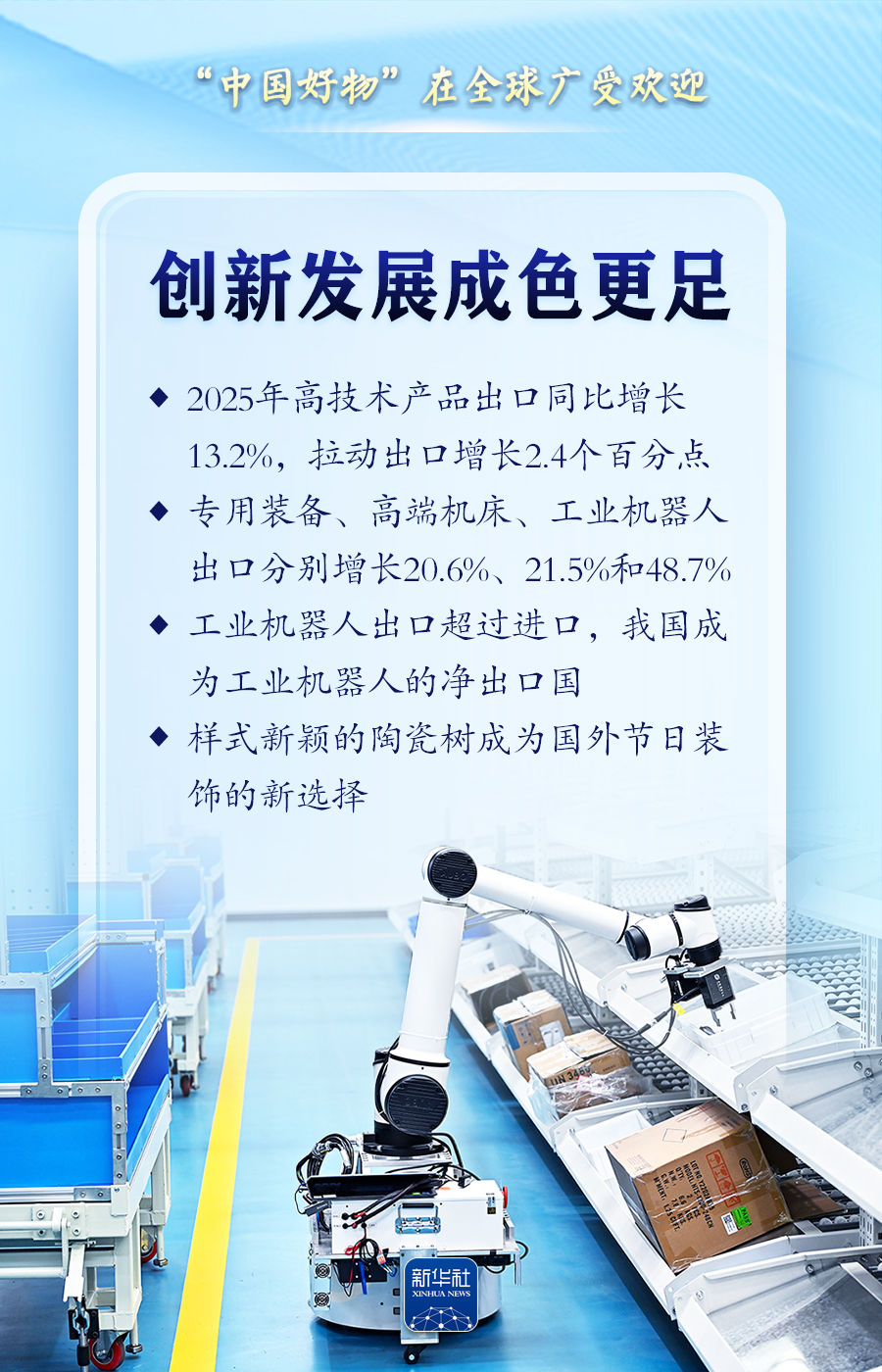
Core Viewpoint - In 2025, China's total goods trade import and export value reached 45.47 trillion yuan, marking a 3.8% year-on-year growth, maintaining its position as the world's largest goods trading nation for nine consecutive years [1] Group 1: Export Performance - Exports amounted to 26.99 trillion yuan, with a year-on-year increase of 6.1%, driven by high-tech product exports which grew by 13.2%, contributing 2.4 percentage points to overall export growth [2] - Notable increases in specific sectors include specialized equipment (20.6%), high-end machine tools (21.5%), and industrial robots (48.7%), with China becoming a net exporter of industrial robots [2] - Traditional industries are also evolving, with innovations such as desert air conditioners and culturally integrated ceramics gaining traction in international markets [2] Group 2: Import Trends - In 2025, China maintained its status as the world's second-largest import market for the 17th consecutive year, with imports reaching a historical high [4] - Import growth was supported by a recovering economy, with a 4.4% increase in December alone, and a successful eighth China International Import Expo generating over 800 billion USD in intended transactions [5] - The import of agricultural products reached nearly 1.5 trillion yuan, with significant growth in imports from over 130 countries, including a 9% increase from least developed countries benefiting from zero tariffs on 100% of product categories [5] Group 3: Trade Partnerships and Global Influence - China's trade partnerships expanded to over 160 countries and regions, with a notable increase in foreign enterprises engaging in trade with China [7] - Trade with the EU reached 5.93 trillion yuan, growing by 6%, and accounting for 13% of China's total trade, highlighting the mutual benefits of economic cooperation [7] - Trade with Belt and Road Initiative countries reached 23.6 trillion yuan, growing by 6.3%, and these partners now represent 51.9% of China's total foreign trade [8]
连续17年成为全球第二大进口市场 中国外贸展现韧性与活力
Ren Min Ri Bao· 2026-01-17 01:52
Core Viewpoint - In 2025, China's total goods trade import and export value reached 45.47 trillion yuan, marking a 3.8% year-on-year growth, maintaining its position as the world's largest goods trading nation for nine consecutive years [1] Group 1: Export Performance - Exports amounted to 26.99 trillion yuan, with a year-on-year increase of 6.1% [1] - High-tech product exports grew by 13.2%, contributing 2.4 percentage points to overall export growth [2] - Notable increases in specific sectors include specialized equipment (20.6%), high-end machine tools (21.5%), and industrial robots (48.7%), with China becoming a net exporter of industrial robots [2] Group 2: Import Trends - Imports reached 18.48 trillion yuan, with a modest growth of 0.5% year-on-year, marking China as the world's second-largest import market for 17 consecutive years [1][4] - From June onwards, imports maintained a continuous year-on-year growth for seven months, with December's growth accelerating to 4.4% [5] - The successful hosting of the 8th China International Import Expo resulted in a record number of participating companies and an intention to transact over 800 billion USD [5] Group 3: Trade Diversification - China has become a major trading partner for over 160 countries and regions, an increase of more than 20 since 2020 [7] - Trade with ASEAN countries has deepened, and trade with Central Asian countries surpassed 100 billion USD [7] - In 2025, trade with countries involved in the Belt and Road Initiative reached 23.6 trillion yuan, growing 6.3% year-on-year, accounting for 51.9% of China's total foreign trade [8] Group 4: Future Outlook - The Ministry of Commerce emphasizes the need to implement foreign trade policies effectively, expand diversified markets, and promote balanced development in imports and exports [8]
2025年进出口总值创历史新高,连续9年实现增长——中国外贸展现韧性与活力
Xin Hua Wang· 2026-01-16 23:47
Core Insights - In 2025, China's foreign trade maintained stable growth despite external pressures, with total import and export value reaching 45.47 trillion yuan, a year-on-year increase of 3.8% [4][5] - High-tech product exports grew by 13.2%, contributing 2.4 percentage points to overall export growth, with significant increases in specialized equipment, high-end machine tools, and industrial robots [5][6] - China has become the world's second-largest import market for 17 consecutive years, with imports reaching a historical high in 2025 [7][8] Group 1: Trade Performance - In 2025, China's exports amounted to 26.99 trillion yuan, up 6.1% year-on-year, while imports reached 18.48 trillion yuan, a 0.5% increase [4] - The import growth trend has been consistent, with a notable acceleration in December 2025, where the growth rate reached 4.4% [8] - The successful hosting of the 8th China International Import Expo resulted in a record number of participating companies and an intended transaction amount exceeding 800 billion USD [8] Group 2: Sectoral Highlights - Exports in the green energy sector saw significant growth, with lithium batteries and wind turbine exports increasing by 26.2% and 48.7%, respectively [6] - The export of electric motorcycles and bicycles grew by 18.1%, while railway electric locomotives saw a 27.1% increase [6] - Traditional industries are also evolving, with innovations such as desert air conditioners and culturally integrated ceramics gaining traction in international markets [5] Group 3: Trade Partnerships - China's trade partnerships have expanded, with over 160 countries and regions now considered major trading partners, an increase of more than 20 since 2020 [9] - Trade with ASEAN countries has deepened, and trade with Central Asian nations has surpassed 100 billion USD [9][10] - In 2025, trade with countries involved in the Belt and Road Initiative reached 23.6 trillion yuan, growing by 6.3%, which is higher than the overall foreign trade growth rate [10]
【图解】2025年出口逆势增长!“中国好物”全球热销
Zhong Guo Jing Ji Wang· 2026-01-15 23:50
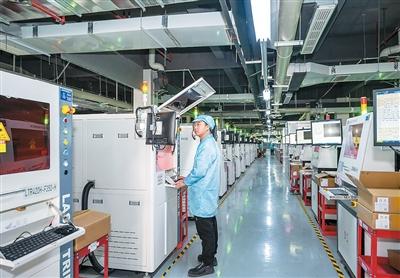
Core Viewpoint - In 2025, China's exports are projected to reach 26.99 trillion yuan, representing a year-on-year growth of 6.1%, despite facing headwinds in the global market [1]. Group 1: Export Growth by Sector - Green energy exports are expected to see significant growth, with lithium batteries increasing by 26.2% and wind turbine sets by 48.7% [9]. - Electric motorcycles and bicycles are projected to grow by 18.1%, while railway electric locomotives are expected to increase by 27.1% [9]. - Industrial gas purification devices are anticipated to grow by 17.3%, and electric forklifts by 5.2% [9]. Group 2: Innovative Products and Market Expansion - Ceramic companies are integrating traditional Chinese craftsmanship with overseas cultures, leading to innovative ceramic trees becoming popular as holiday decorations abroad [5]. - Home appliance companies have developed "desert air conditioners" that can operate normally in outdoor temperatures exceeding 60 degrees Celsius, expanding their export markets [5]. - Smartwatches integrated with AI models will provide real-time health advice, while smart toys with touch sensing and contextual dialogue features are expected to sell well in over 170 countries and regions by 2025 [10]. - Robotics, including搬运 robots with visual systems and welding robots capable of optimal welding solutions, are set to excel in large-scale overseas infrastructure and transportation projects, with export growth rates exceeding 60% [10].
2025年,“中国好物”在全球广受欢迎
Xin Hua She· 2026-01-15 03:38
Core Viewpoint - In 2025, China's exports are projected to reach 26.99 trillion yuan, reflecting a year-on-year growth of 6.1%, driven by quality improvements and the global popularity of "Chinese good products" [1] Group 1: Export Growth - Exports of lithium batteries and wind turbine generators are expected to grow by 26.2% and 48.7% respectively [3] - Exports of electric motorcycles and bicycles increased by 18.1%, while electric locomotives saw a growth of 27.1% [3] - Exports of industrial gas purification equipment rose by 17.3%, and electric forklifts experienced a growth of 5.2% [3] Group 2: Market Expansion - Exports to countries involved in the Belt and Road Initiative grew by 11.2%, contributing 5.4 percentage points to overall export growth [5] - ASEAN has been China's largest export market for three consecutive years [5] - Export growth rates to emerging markets in Latin America, the Middle East, Central Asia, and Africa are all faster than the overall growth rate [5] - China has become a "key link" in the global industrial and supply chains [5]
超45万亿元 去年我国进出口总值创历史新高
Zhong Guo Zheng Quan Bao· 2026-01-14 20:51
Core Insights - China's foreign trade achieved a record high of 45.47 trillion yuan in 2025, with a year-on-year growth of 3.8%, maintaining its position as the world's largest goods trader [1][6] - The export of high-tech products increased by 13.2%, contributing 2.4 percentage points to overall export growth [2] - The diversification of trade partners is evident, with trade relations established with 249 countries and regions, and a decrease in concentration among the top ten trading partners [4][5] Trade Performance - In 2025, exports reached 26.99 trillion yuan, growing by 6.1%, while imports totaled 18.48 trillion yuan, with a modest growth of 0.5% [1] - December 2025 saw a record monthly trade volume of 4.26 trillion yuan, marking a 4.9% year-on-year increase [1] - The import market remains robust, with China expected to be the world's second-largest import market for 17 consecutive years [5] High-Tech and Green Products - High-tech product exports, including specialized equipment and industrial robots, saw significant growth, with industrial robot exports increasing by 48.7% [2] - Green energy products, such as lithium batteries and wind turbines, also experienced substantial export growth, with increases of 26.2% and 48.7% respectively [2] Market Diversification - Trade with emerging markets is expanding, with notable growth in exports to ASEAN, Central Asia, and Africa [3][4] - The trade relationship with Europe remains strong, with over 50% of cosmetics and nearly 60% of automobiles imported from Europe, while exports of pharmaceuticals and industrial robots to Europe grew by over 20% [5] Future Outlook - The external environment for trade in 2026 is expected to be challenging, with global trade growth projected to slow down significantly [6] - Despite these challenges, China's institutional, market, and industrial advantages are expected to enhance its resilience in foreign trade [6]
2025年我国外贸规模再创新高
Shang Hai Zheng Quan Bao· 2026-01-14 17:51
Core Viewpoint - China's foreign trade is showing resilience and growth, with significant increases in exports and imports across various sectors, driven by green technology and diversified trade partnerships [1][2][3]. Group 1: Export Growth - By 2025, China's exports of lithium batteries and wind turbines are expected to grow by 26.2% and 48.7% respectively [1]. - In the green transportation sector, exports of electric motorcycles and bicycles are projected to increase by 18.1%, while electric locomotives are expected to rise by 27.1% [1]. - Exports of industrial gas purification devices are anticipated to grow by 17.3%, and electric forklifts by 5.2% [1]. Group 2: Import Trends - China's imports are projected to reach 18.48 trillion yuan by 2025, marking a historical high and maintaining its position as the world's second-largest import market for 17 consecutive years [1]. - Import growth has been steady, with a 4.4% increase in December, following seven months of year-on-year growth [1]. Group 3: Trade Diversification - China's foreign trade is becoming more diversified, with over 60% of countries and regions across all continents experiencing growth in trade with China [2]. - The share of China's top ten trading partners in total foreign trade has decreased to 47.7%, indicating a more balanced trade landscape [2]. Group 4: Belt and Road Initiative - In 2025, trade with Belt and Road Initiative countries is expected to reach 23.6 trillion yuan, a 6.3% increase, surpassing the overall foreign trade growth rate by 2.5 percentage points [2]. - The proportion of trade with Belt and Road partners in China's overall foreign trade is projected to rise to 51.9% [2]. Group 5: Business Vitality - In 2025, private enterprises are expected to continue driving foreign trade, with imports and exports reaching 26.04 trillion yuan, a 7.1% increase [4]. - Over 90% of surveyed multinational companies plan to continue investing in China, reflecting strong foreign confidence in the market [4]. Group 6: Future Outlook - For 2026, foreign trade is anticipated to exhibit a "stable quantity, improved quality" trend, with a focus on high-end equipment and green energy exports [5]. - The global trade environment is expected to improve, with increased demand driven by global monetary and fiscal easing [6].