彭博大宗商品指数

Search documents
黄金,再创新高!
证券时报· 2026-01-12 04:35
Core Viewpoint - The article discusses the recent surge in precious metal prices, particularly gold and silver, driven by geopolitical tensions and increased demand for safe-haven assets, despite heightened volatility in the market [1][3]. Group 1: Precious Metal Price Movements - On January 11, gold futures on the New York Commodity Exchange reached a historic high, surpassing $4,612 per ounce [1]. - In the first complete trading week of 2026, both gold and silver futures prices have shown significant increases, with gold rising by 3.96% and silver by 11.72% [3]. - Silver futures experienced extreme volatility, with a single-day increase of nearly 8%, a two-day cumulative rise exceeding 14%, and a subsequent two-day drop of over 7% [5]. Group 2: Market Influences - Geopolitical events, such as the U.S. raid in Venezuela, have heightened market risk aversion, contributing to the increased allocation of precious metals by investors [3]. - Goldman Sachs noted that silver lacks the demand support from global central bank reserves, making its price more sensitive to market liquidity [8]. - The Bloomberg Commodity Index underwent an annual rebalancing, significantly reducing the weight of precious metals, which may trigger passive liquidation of gold and silver positions [13]. Group 3: Future Outlook - Despite facing short-term downward pressure, multiple financial institutions anticipate that both precious and industrial metal prices will have room for growth this year [12]. - Goldman Sachs predicts that a normalization of monetary policy, particularly interest rate cuts driven by easing core inflation pressures, could support higher metal prices, especially for precious metals and copper [16]. Group 4: Oil Price Movements - International oil prices have also risen due to increased geopolitical risks and unexpected reductions in U.S. crude oil inventories, with West Texas Intermediate (WTI) rising by 3.14% and Brent crude by 4.26% [18].

白银短线拉升,有机构已开始做空
2 1 Shi Ji Jing Ji Bao Dao· 2026-01-09 17:07
Group 1 - The core viewpoint of the article highlights the significant volatility in the silver market, with prices reaching a historical high of $82.744 per ounce on January 6, followed by a sharp decline due to the Bloomberg Commodity Index's annual weight adjustment, which reduced the expected increase from 15% to 4% [1][3] - Despite the short-term fluctuations, the overall bullish trend for silver remains intact, supported by global market turmoil and expectations of interest rate cuts by the Federal Reserve [3][6] - The Bloomberg Commodity Index, a widely used benchmark in the commodity investment field, is undergoing a significant weight adjustment from January 8 to 14, 2026, which will impact silver and gold's market positions [5][6] Group 2 - The weight adjustment will lead to substantial selling pressure, with Citigroup estimating a sell-off of approximately $7 billion for both gold and silver, while Morgan Stanley predicts that silver will face the most significant selling pressure compared to previous years [5][6][10] - The Chicago Mercantile Exchange (CME) has raised margin requirements for precious metals, including silver, to manage market volatility, which is a common regulatory response to excessive trading activity [6][7] - Some investors are positioning themselves to short silver futures, anticipating a significant price drop due to the upcoming selling pressure from the index rebalancing [10][11] Group 3 - Despite recent price volatility, many institutions remain optimistic about silver's long-term prospects, viewing any weakness as a potential buying opportunity [13][14] - The silver market is expected to benefit from macroeconomic factors, including dovish signals from the Federal Reserve and new regulations in India that may increase demand [13][14] - Historical data suggests that silver has a higher potential for price appreciation compared to gold, with analysts indicating that the current gold-silver ratio implies significant upside for silver prices [14]
最猛资产突发跳水
Ge Long Hui· 2026-01-09 00:33
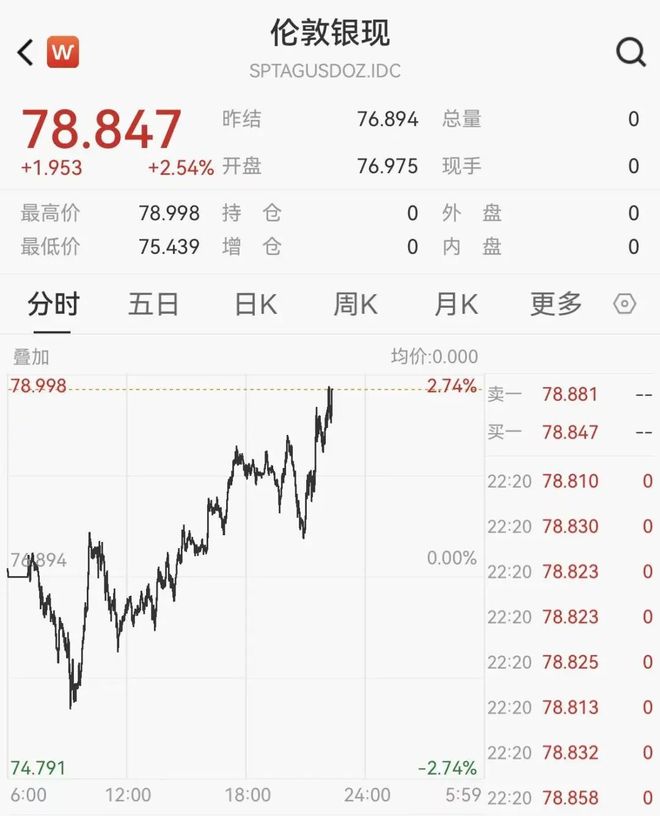
Group 1: Precious Metals Market - The prices of precious metals have sharply declined, with international gold prices dropping nearly $70 in a single day, and silver, platinum, and palladium experiencing declines of over 4% [2] - Following the largest annual increase since 1979, investors are opting to take profits, as indicated by a reduction in net long positions for gold and silver by 10,668 contracts to 126,873 and by 7,270 contracts to 16,595, respectively [3] - The upcoming rebalancing of the Bloomberg Commodity Index is expected to trigger panic selling in the market, with significant weight reductions for gold and silver [4][6] Group 2: Index Rebalancing Impact - The Bloomberg Commodity Index will undergo annual weight adjustments starting January 8, with gold's weight decreasing from 19.6% to 14.9% and silver's from 7.7% to 3.9% [5][6] - This weight reduction implies substantial passive selling, with Citigroup estimating that the sell-off for both gold and silver could reach around $7 billion each [7] Group 3: Insurance Capital and Stock Market - Insurance capital is increasingly engaging in stock purchases, with a notable example being Ping An Life's announcement of a 20% stake in Agricultural Bank of China H-shares, marking its fourth stake increase [8][9] - In 2025, insurance capital made 35 stake increases, the highest since 2016, with the allocation to stocks reaching 3.6 trillion yuan, accounting for 10% of total insurance funds [10] Group 4: Motivations Behind Insurance Capital Activity - Three core motivations for the concentrated stake increases by insurance capital include the need to enhance returns amid low interest rates, accounting changes that stabilize profit reporting, and policy support for long-term capital market investments [11] Group 5: Foreign Investment in Chinese Assets - Foreign investment giants are also increasing their positions in Chinese assets, with BlackRock raising stakes in several Hong Kong stocks on the first trading day of 2026 [12][13] - Goldman Sachs forecasts a 20% increase in the MSCI China Index and a 12% increase in the CSI 300 Index for 2026, predicting a net inflow of $200 billion from southbound funds [14] Group 6: Retail Investor Trends - The number of new retail investors in the A-share market reached 27.44 million in 2025, a 9.75% increase from 2024, marking the highest annual figure since 2022 [14] - Personal investors remain the primary source of new accounts, while institutional investor accounts saw a significant increase, with a 35% year-on-year growth [15]
资深商品交易员:美国“第二波”通胀隐忧浮现,70年代通胀浪潮或将重演
美股IPO· 2025-12-23 00:51
Core Viewpoint - A former commodity trader warns of a potential "second wave" of inflation reminiscent of the 1970s, driven by fiscal expansion, de-globalization, and ongoing supply constraints, which could impact markets even if it does not reach the extreme highs of 2021 [1][3]. Group 1: Inflation Dynamics - The current inflation environment may not mirror the 1970s exactly, as the U.S. faces a relative oversupply of crude oil, unlike the oil supply shocks of the past [3][4]. - The U.S. budget deficit is projected to reach 6.5% of GDP this year, while Germany is considering a spending plan close to €1 trillion (approximately $1.2 trillion), contributing to inflationary pressures [4]. Group 2: Investment Strategies - Long-term bonds are viewed as the worst-performing asset class in an inflationary environment, while short-duration bonds, such as the 2-year U.S. Treasury yielding around 3.5%, are more attractive [6]. - Stocks are considered a decent safe haven, particularly commodity producers, infrastructure, and industrial sectors, but valuations must be reasonable [7]. - Real estate is highlighted as a crucial asset class, with its price movements closely correlated to official inflation metrics, often compensating for underreported inflation [8]. Group 3: Commodity Focus - Commodities are identified as the best inflation hedge, with a recommendation to diversify beyond just oil and precious metals to include industrial metals (like copper) and agricultural products [9]. - The Bloomberg Commodity Index has an annual roll cost of approximately 2.9%, which investors should consider when holding typical commodity funds [9]. - The current investment portfolio allocation includes 65% in stocks (with 5% hedged through one-year put options), 20% in cash and short-term bonds, and 20% in commodities, with an effective commodity exposure of nearly 35% due to stock holdings related to commodities [9].