星灵安全守护体系

Search documents
录得首亏!广汽集团2025年营收同比下降10.43%至956.62亿元
Ju Chao Zi Xun· 2026-03-28 11:35
Financial Performance - In 2025, the company reported total revenue of approximately 95.66 billion, a decrease of 10.43% compared to 2024 [1] - The net profit attributable to shareholders was -8.78 billion, marking the first annual loss since the company's establishment [2] - The operating cash flow was -15.03 billion, a significant decline of 237.61% from the previous year [1] Sales and Market Performance - The total vehicle sales for 2025 were 1.72 million units, down 14.06% year-on-year, primarily due to intense industry competition and internal adjustments [2] - The company's self-owned brand sales saw a 22.83% decline, while joint venture brand GAC Toyota achieved a sales increase of 2.44% [3] - The overseas sales for self-owned brands reached approximately 125,000 units, representing a year-on-year growth of about 48% [3] Strategic Initiatives - The company is undergoing a strategic transformation from strategic control to operational control, implementing advanced management systems to enhance efficiency [2] - R&D investment exceeded 7.7 billion, with over 3,000 new patent applications filed, totaling more than 24,000 patents [2] - The company launched the "ONEGAC 2.0" strategy to expand its global presence, establishing sales networks in 87 countries and regions [3]


拆解车企2026新年致辞:反内卷、求质量成为集体共识
经济观察报· 2026-01-11 04:40
Core Viewpoint - The automotive industry is collectively reflecting on the past years of intense competition, termed "involution," and is advocating for a shift towards a more sustainable competitive landscape that emphasizes technology, quality, brand, and user experience rather than just cost and price [2]. Group 1: Involution and Industry Reflection - The automotive industry consensus in 2025 recognizes that endless low-price competition erodes profits and stifles innovation, leading to a narrow path that does not foster long-term competitiveness [2]. - Major automotive leaders, including those from FAW Group and BAIC Group, have publicly denounced "involution" and emphasized the need for fair competition and healthy industry development [2]. - Geely's chairman highlighted a pivotal moment in 2007 when the company decided to abandon low-price competition, marking a significant turning point in its development [2]. Group 2: Safety as a Priority - Safety has emerged as a critical topic in the automotive industry, especially following several high-profile electric vehicle accidents in 2025 [4]. - Companies like Chery and GAC have established stringent safety standards that exceed national regulations, with GAC introducing a comprehensive safety guarantee policy [4]. - Geely has expanded its safety focus to include data, software, and ecological safety, reflecting a broader understanding of safety beyond just physical vehicle safety [4]. Group 3: Openness and Collaboration - The automotive industry is shifting from a competitive mindset to one of collaboration across the supply chain, with companies forming partnerships with tech firms and other sectors [6][7]. - SAIC Group has articulated a strategy of "equal rights-driven advancement," listing numerous partners across various technological fields, indicating a move towards a more integrated ecosystem [6]. - Chery's initiative to collaborate with top global universities aims to create a platform for continuous innovation, moving beyond mere technology acquisition [7]. Group 4: Smart and Electric Transformation - The consensus among automotive companies is that electrification is a baseline requirement, while smart technology will determine competitive positioning in the industry [9]. - Companies like BYD and NIO are making significant investments in smart technology, with NIO announcing the production of advanced driving chips and operating systems [9]. - The evolution of vehicles into "mobile smart terminals" signifies a fundamental shift in the automotive value proposition, integrating technology and business models [9]. Group 5: Global Expansion - The export of Chinese automobiles has become a crucial factor for future success, with companies like BYD and Dongfeng accelerating their global strategies [12][13]. - The shift from mere product export to a comprehensive value chain export strategy is evident, as companies aim to establish sustainable competitive advantages in international markets [12]. - Chery's global strategy emphasizes becoming an integral part of local markets, highlighting the importance of localized operations and community engagement [13].

拆解车企2026新年致辞:反内卷、求质量成为集体共识
Jing Ji Guan Cha Wang· 2026-01-08 05:19
Core Insights - The automotive industry is undergoing a collective reflection on the competitive landscape, with major companies advocating against "involution" and promoting fair competition for healthy industry development [2][3] - There is a consensus that excessive price competition erodes profits and stifles innovation, prompting leading companies to shift focus from short-term market share to long-term competitiveness [2][3] - Emphasis on safety has become a key topic in the industry, with companies like Chery and GAC highlighting their commitment to exceeding safety standards and enhancing consumer trust [3][4] Group 1: Involution and Competition - Major automotive companies are calling for an end to "involution" in competition, focusing on technology, quality, brand, and user experience rather than just cost and price [2] - Geely's chairman reflects on the importance of moving away from low-price competition, marking a pivotal shift in the company's development [2] - The industry recognizes that internal competition leads to mutual deprivation in a stagnant market, hindering long-term strategic positioning [2] Group 2: Safety and Quality - Safety has emerged as a critical focus, with companies like Chery establishing stringent quality standards and receiving accolades for their commitment to safety [3][4] - GAC emphasizes that safety is a non-negotiable baseline, introducing comprehensive safety policies to address potential risks associated with electric vehicles [4][5] - Geely has expanded its safety vision to include data and software security, reflecting a broader understanding of safety beyond physical vehicle parameters [5] Group 3: Openness and Collaboration - The competitive landscape is evolving from direct confrontations among automakers to collaborative relationships across the supply chain [7][8] - Companies like SAIC and GAC are actively forming partnerships with tech firms and other industries to build a more integrated ecosystem [7][8] - Chery's initiative to create an open innovation platform with global universities illustrates a shift towards collaborative technological advancement [9] Group 4: Intelligence and Electrification - The consensus among automakers is that electrification is a prerequisite, while intelligence will determine competitive positioning in the future [11] - Companies are investing in advanced technologies, with NIO and Geely leading in the development of smart driving systems and integrated software solutions [11] - The automotive sector is transitioning towards becoming intelligent nodes within a broader digital ecosystem, enhancing user experience and connectivity [12] Group 5: Global Expansion - The trend of "going global" is increasingly seen as a critical factor for the future of automotive companies, with many emphasizing the need for a structured approach to international markets [13][14] - BYD and Dongfeng are accelerating their global strategies, focusing on localizing production and services to build sustainable competitive advantages [14][15] - The shift from mere product export to a comprehensive value chain approach is becoming essential for establishing a strong presence in overseas markets [15]

广汽冯兴亚:破局成关键词,要聚焦“四大引擎”
Nan Fang Du Shi Bao· 2026-01-04 03:32
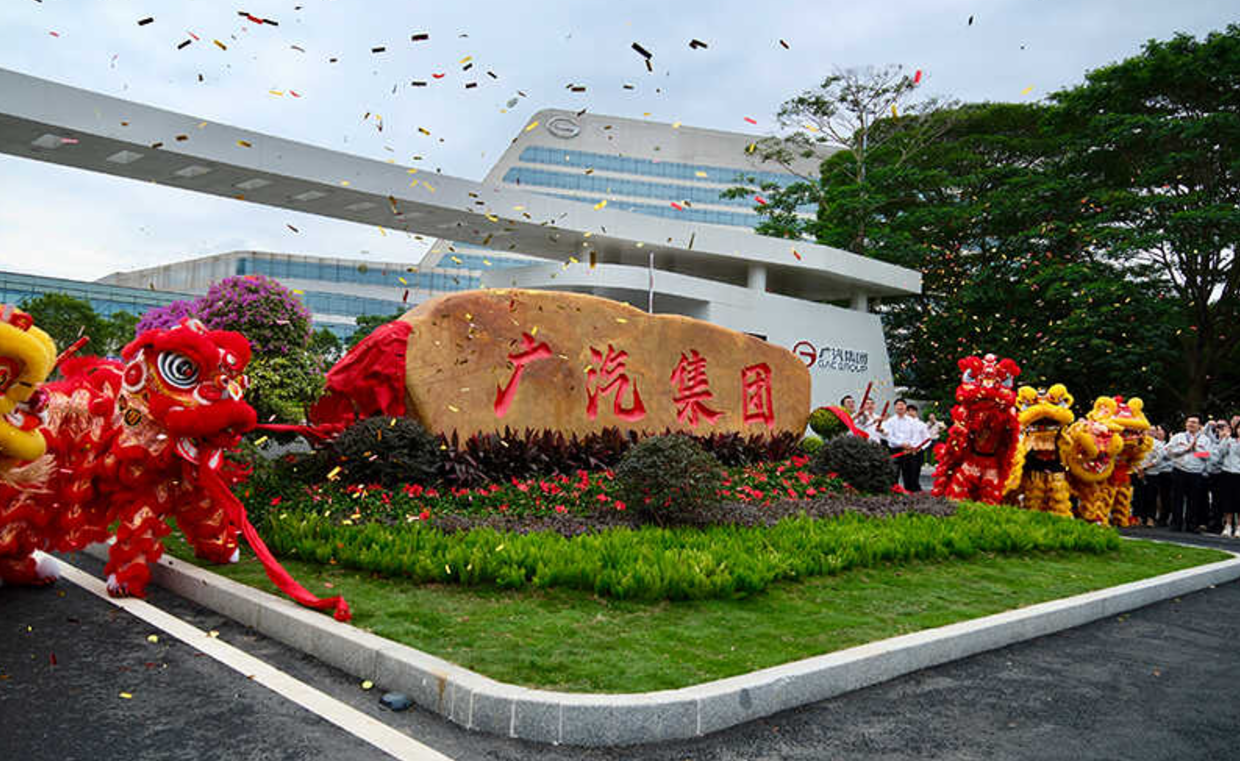
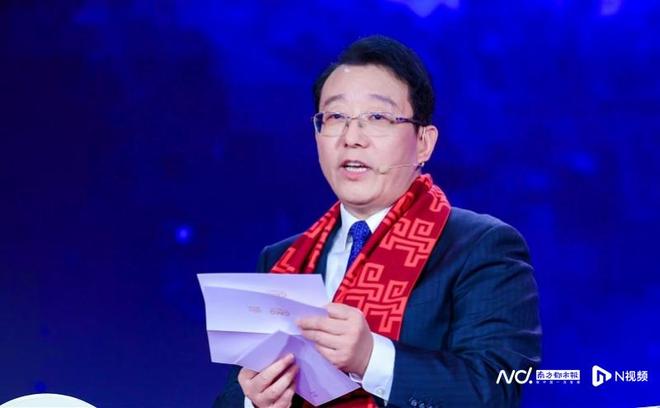
Core Insights - GAC Group's chairman, Feng Xingya, emphasized "breaking the situation" as the key theme for 2025, focusing on channel expansion and the establishment of 600 new experience stores to cover over 90% of county markets in China from the second half of 2025 to the first half of 2026 [1][10] Group 1: Organizational and Technological Breakthroughs - GAC Group is implementing a transformation strategy termed "Panyu Action," achieving breakthroughs in organization, technology, and talent to establish a new development framework [2] - The company has adopted IPD and IPMS processes to create a matrix organization that promotes cross-functional collaboration, addressing the fundamental questions of "who to build cars for" and "what cars to build" [4] - As a result of these changes, GAC has improved business efficiency by approximately 50%, reduced new car development cycles to 18-21 months, and lowered R&D costs by over 10% [4] Group 2: User-Centric Approach - GAC has established a 200-person user insight department and cross-departmental decision-making teams to prioritize user demand management [4] - The "User Feedback Conference," led by the chairman and attended by heads of various departments, allows direct interaction with users to address concerns and implement changes [4] Group 3: Technological Advancements - GAC has developed a "Star Spirit Safety Guardian System" that exceeds national standards, ensuring safety in intelligent driving and other critical systems through dual redundancy design [6] - The "Star Source Range Extender" technology converts 1 liter of fuel into 3.73 kWh of electricity, outperforming competitors by over 20% in sustained power generation [6] - GAC's ADiGO GSD intelligent driving assistance system covers 99.9% of road scenarios, and the new ADiGO SPACE intelligent cockpit has tripled response speed [6] Group 4: Internal Revitalization and Talent Management - GAC is promoting a project-based and profit-sharing incentive mechanism, linking individual contributions directly to project outcomes, fostering a competitive environment among employees [7] - The company has initiated an open recruitment process for middle management, resulting in two-thirds of the 50+ positions filled by new faces, injecting fresh energy into the organization [7] Group 5: Future Development Plans - GAC plans to continue focusing on "new technology, new products, new services, and new ecosystems" to build a high-quality development framework [8] - In 2026, GAC will launch 9 new models across its brands and introduce the first vehicle from the co-developed brand with Huawei [10]
广汽昊铂A800启动L3有条件自动驾驶高速道路研发测试
Xin Jing Bao· 2025-12-26 14:37
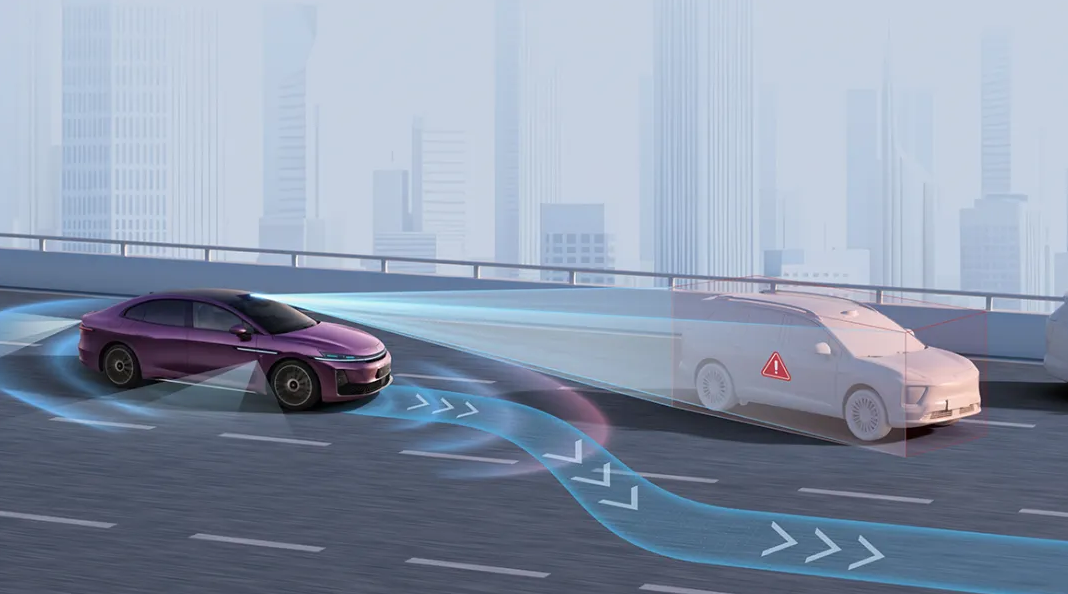
Core Viewpoint - GAC Group's A800 model has initiated L3 conditional autonomous driving testing on highways, with a maximum testing speed of 120 km/h, approved by relevant authorities in Guangzhou [1] Group 1: Company Developments - GAC Group's A800 model is focusing on L3 conditional autonomous driving technology, addressing the complexity of high-speed scenarios through a systematic approach [1] - The development and testing of the A800's L3 conditional autonomous driving feature is centered around GAC's self-developed Starling Safety Guardian system [1] - GAC is collaborating closely with Huawei to establish a complete technological closed loop for high-speed L3 conditional autonomous driving [1]
广汽获批L3有条件自动驾驶高速道路研发测试 最高测速120km/h
Yang Shi Wang· 2025-12-25 11:39
Core Viewpoint - GAC Group's Haobo brand has officially launched L3 conditional autonomous driving highway research and testing for the A800 model, with a maximum testing speed of 120 km/h, approved by relevant authorities in Guangzhou [1] Group 1: Industry Context - The distinction between the responsibilities of combined driving assistance and conditional autonomous driving is becoming increasingly clear, with most mainstream models operating at L2, where the driver bears responsibility. L3 represents a significant shift, as the system will take on the primary driving tasks in limited scenarios [3] - Highways present a challenging environment for L3 due to the compressed decision-making and execution time at speeds of 120 km/h, along with complex situations such as construction, accidents, and frequent lane changes [3] Group 2: Technical Approach - GAC employs a systematic approach in the development of the A800, centered around its self-developed Xingling Safety Guardian system, in deep collaboration with Huawei to create a complete technical loop for highway L3 conditional autonomous driving [5] - The vehicle features a 360-degree all-weather perception matrix that integrates multiple sensors to provide stable environmental information for highway scenarios [7] - The system aims for millisecond-level parallel judgment and precise control at high speeds, leveraging Huawei's Qian Kun Intelligent Driving ADS4 for computational power and algorithms [7] - Redundant designs in key areas such as perception, computation, steering, and braking ensure that the system can safely operate or smoothly take over in case of single-point anomalies [7] Group 3: Development Stage - Conducting high-speed tests at 120 km/h signifies that the system must complete full-process verification within the mainstream speed range, marking a transition from engineering development to a verifiable and regulatory phase [9] - The development of autonomous driving technology is a long-term endeavor, and GAC will continue to focus on verification work in real road scenarios, gradually advancing the maturity and application of L3 conditional autonomous driving technology [9]
携全品牌亮相2025广州车展,广汽集团发布“四大引擎”
Zhong Guo Qing Nian Bao· 2025-11-23 14:31
Core Insights - GAC Group showcased the achievements of the "Panyu Action" reform at the 2025 Guangzhou International Auto Show, emphasizing the creation of value for users through "four engines" based on "new technology, new products, new services, and new ecology" [2] - The company aims to enhance its core competitiveness by focusing on "user demand battle, product value battle, and service experience battle" [2] - GAC Group has implemented an integrated product development (IPD) process, resulting in a 50% improvement in business efficiency, a reduction in new car development cycles from 26 months to 18-21 months, and a more than 10% decrease in R&D costs [2][3] Group 1 - GAC Group's chairman introduced a project-based approach to stimulate employee engagement and established a profit-sharing incentive mechanism for employees [2] - The company has built an integrated product marketing and sales (IPMS) system, creating a "product commercialization team" to enhance user-centric processes [2] - In the field of new energy, GAC Group launched the "Xingyuan Range Extender," which addresses user concerns about battery depletion with high efficiency and quiet operation [3] Group 2 - GAC Group released the "Xingling Safety Guardian System," covering various safety aspects including intelligent driving and battery safety [3] - The company introduced the Eagle Claw System 2.0, the industry's first mass-produced active steering function for improved traction on complex terrains [3] - GAC Group plans to launch nine updated and new models by 2026, catering to diverse user needs from daily commuting to premium travel [3]
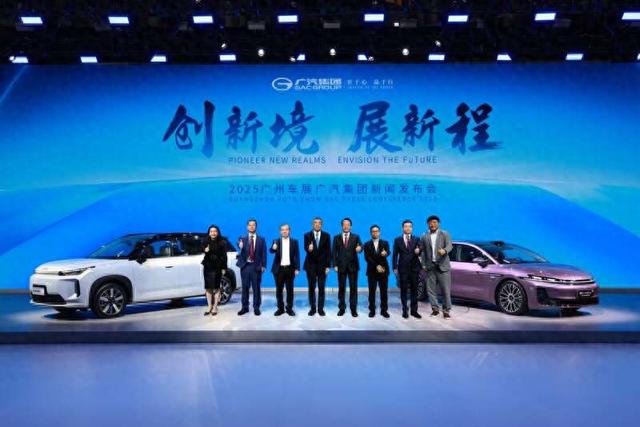
广汽集团发布“四大引擎” “番禺行动”周年业务效率提升约50%
Yang Shi Wang· 2025-11-22 13:33
Core Viewpoint - GAC Group showcased the achievements of the "Panyu Action" reform after one year and introduced the "Four Engines" strategy focused on "new technology, new products, new services, and new ecology" to create a "technology-leading, quality-leading, and ecology-leading" new GAC [1][5] Group 1: New Technology - GAC Group has integrated the IPD (Integrated Product Development) process, enhancing business efficiency by approximately 50%, reducing new vehicle development cycles from 26 months to 18-21 months, and lowering R&D costs by over 10% [3] - The company has launched the "Star Spirit Safety Guardian System," covering various safety aspects including intelligent driving and battery safety, and has achieved industry-leading efficiency with the Quark electric drive motor at 99% [7] Group 2: New Products - GAC Group has established a comprehensive R&D system driven by user needs, with plans to launch 9 new or revamped models by 2026 to meet diverse user demands [7] Group 3: New Services - The company plans to add 600 brand experience stores to cover over 90% of county markets in China, and has completed 45 OTA updates this year, enhancing over 300 features for nearly 1.5 million vehicle owners [8] Group 4: New Ecology - GAC is collaborating with industry partners to build a complete "26 Energy Action" ecosystem and has signed a long-term strategic cooperation agreement with CATL for battery swapping services, covering 1,000 stations in 45 cities [11] - The company has established a supercharging network across 31 provinces and 204 cities, with over 21,000 self-operated charging piles, leading in the number of DC charging piles among Chinese automakers [11]
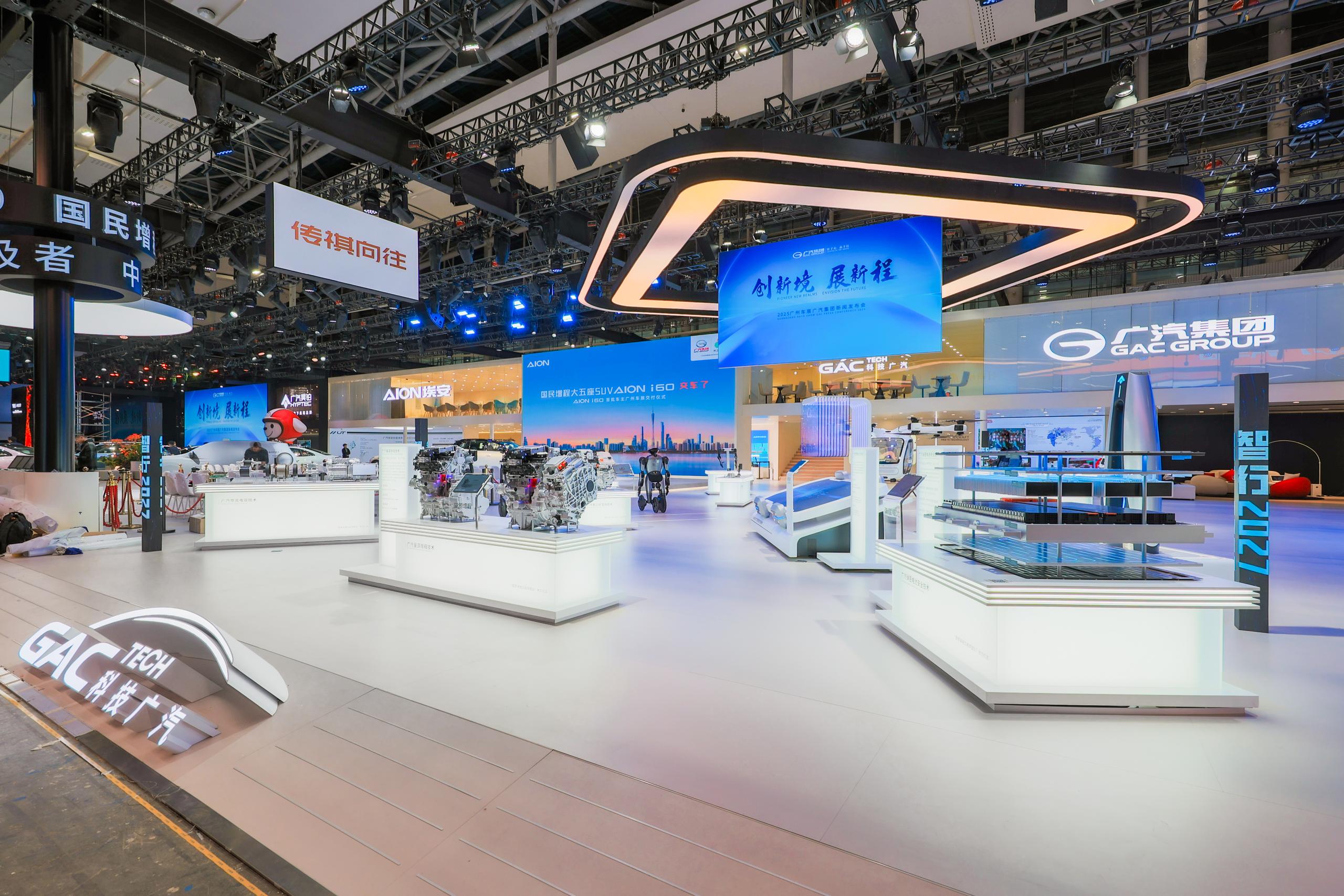
冯兴亚:再造新广汽!变革的果子正在成熟
Nan Fang Du Shi Bao· 2025-11-22 04:10
Core Viewpoint - GAC Group has achieved significant results in its "Panyu Action" reform initiative over the past year, focusing on creating value for users through new technologies, products, services, and ecosystems [2][4]. Group 1: Reform and Strategy - GAC Group emphasizes a user-centered approach, advancing the "Panyu Action" integrated reform, and focusing on three key battles: user demand, product value, and service experience [4]. - The introduction of the Integrated Product Development (IPD) process has improved business efficiency by approximately 50%, reduced new car development cycles from 26 months to 18-21 months, and lowered R&D costs by over 10% [4]. - A new Integrated Product Marketing and Sales (IPMS) system has been established, creating a product commercialization team to enhance user value [4]. Group 2: Technological Advancements - In the field of new energy, GAC's "Xingyuan" range extender has achieved breakthroughs in efficiency and quietness, while the Quark electric drive motor has reached an industry-leading efficiency of over 99% [5]. - GAC has launched the "Xingling Safety Guardian System," which covers various safety aspects including intelligent driving and battery safety, aiming for extreme reliability [6]. Group 3: Intelligent Systems and User Experience - The Eagle Claw System 2.0 features the industry's first mass-produced active steering function, enhancing stability on complex terrains [7]. - The upgraded "Xingling Zhixing" intelligent driving assistance system can cover 99.9% of road scenarios, with a threefold increase in response speed [7]. - GAC plans to launch nine new or updated models by 2026, focusing on diverse user needs from daily commuting to premium travel [7]. Group 4: Service and Ecosystem Development - GAC aims to enhance user service by planning to add 600 brand experience stores, covering over 90% of county-level markets in China [8]. - The company has completed 45 over-the-air (OTA) updates this year, adding and optimizing over 300 features across nearly 150,000 vehicles [8]. - GAC is building a comprehensive "26 Energy Action" ecosystem in collaboration with industry partners, including a long-term strategic partnership with CATL for battery swapping services [9]. Group 5: Charging Infrastructure and Smart Ecosystem - GAC has established a nationwide charging network with over 21,000 self-operated charging piles, leading in the number of direct current charging piles among Chinese automakers [9]. - Collaborations with major tech companies like Huawei and Tencent aim to create a robust AI smart ecosystem, enhancing user experience [9]. - The launch of the Aion UT super model allows consumers to purchase vehicles as easily as buying appliances, reflecting GAC's innovative business model [9].
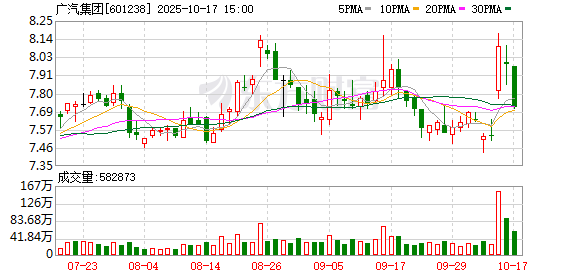
冯兴亚:广汽集团正从“制造导向”迈向“用户+技术”双轮驱动的“新广汽”
Zhong Guo Jing Ying Bao· 2025-10-17 11:53
Core Insights - GAC Group is undergoing a significant transformation in response to the evolving automotive industry, shifting from a manufacturing-driven model to a "user + technology" dual-driven approach [1][6][10] Group 1: Organizational Changes - GAC Group initiated the "Panyu Action" to drive internal systemic reform, achieving notable results in organization, processes, and culture over the past year [2] - The organization has optimized its structure around integrated reform of its self-owned brands, establishing a product project-centric operational system [4] - Shared service centers for functions like HR, finance, and procurement have improved operational efficiency and reduced management costs [4] Group 2: Process Innovations - GAC has restructured its Integrated Product Development (IPD) and Integrated Product Marketing and Sales (IPMS) systems, focusing on user needs [4] - The first phase of IPD reform has been completed, marking a shift from "engineers drawing blueprints" to "users defining products" [4] Group 3: Cultural Transformation - GAC has redefined its corporate culture to emphasize "user first, meritocracy, accountability, and collaborative efforts" [4] - The company has initiated a competitive recruitment process for managerial positions to enhance organizational vitality [4] Group 4: User-Centric Approach - GAC's recent collaboration with JD.com and CATL on the "National Good Car" project exemplifies its user-centered approach, focusing on safety, battery technology, and user services [5][6] Group 5: Technological Advancements - GAC has significantly increased its R&D investment, exceeding 58 billion yuan, with expectations to surpass 10 billion yuan this year [7] - The self-developed ADiGO GSD intelligent driving system covers 99.9% of roads, while the new ADiGO intelligent cockpit has improved response speed by three times [7] Group 6: Quality Assurance - GAC has launched the "Star Spirit Safety Guardian System," integrating nearly 30 years of manufacturing quality control experience with AI and big data [8] - The system has successfully preempted over 4.47 million potential risk scenarios through dual redundancy design in eight key systems [8] Group 7: Collaborative Ecosystem - GAC is enhancing its innovation ecosystem through partnerships with companies like Huawei, Tencent, and CATL, developing over 50 automotive-grade chips [9] - The collaborative approach aims to create a more expansive and globally influential innovation ecosystem [9] Group 8: International Expansion - GAC's overseas terminal sales increased by 42% year-on-year from January to September, with operations in 85 countries and regions [10] - The company is committed to localizing its operations and providing high-quality green smart travel experiences globally [10]