机械配件

Search documents
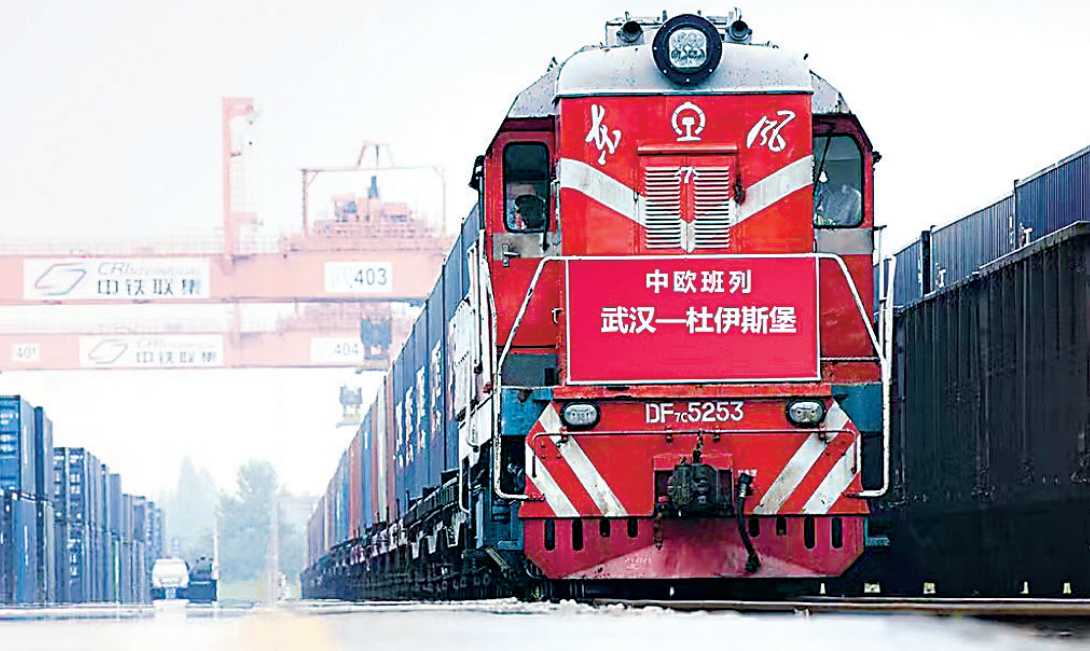
中欧班列(武汉)“春运”忙
Chang Jiang Ri Bao· 2026-02-24 00:38
Core Insights - The Wuhan China-Europe Railway Express continues operations during the Spring Festival, with significant cargo transport to Europe [3][4] - The service has seen a year-on-year increase of 42.9% in the number of trains operated during the holiday period, highlighting its growing importance in international logistics [4] - The railway has established a "green channel" for efficient operations, ensuring timely delivery of goods [4] Group 1 - During the Spring Festival holiday from February 15 to 23, Wuhan launched a total of 11 international trains, with 10 from Wujia Mountain Station and 1 from Xianglu Mountain Station [4] - The China-Europe Railway Express from Wuhan has transported various goods, including daily necessities, clothing, automotive parts, and home appliances to cities like Moscow, Budapest, and Milan [4][5] - The return trains are also bringing European goods such as daily products and baby supplies back to Wuhan, enhancing the festive atmosphere and consumer choices [5] Group 2 - The Wuhan China-Europe Railway Express currently operates 62 stable cross-border transport routes, covering 41 countries and 123 cities across Eurasia [5] - The collaboration among various entities, including the Wujia Mountain Station and other railway departments, has been crucial in maintaining efficient operations during the holiday [4]

武汉开出丙午马年首趟中亚班列
Chang Jiang Ri Bao· 2026-02-22 00:40
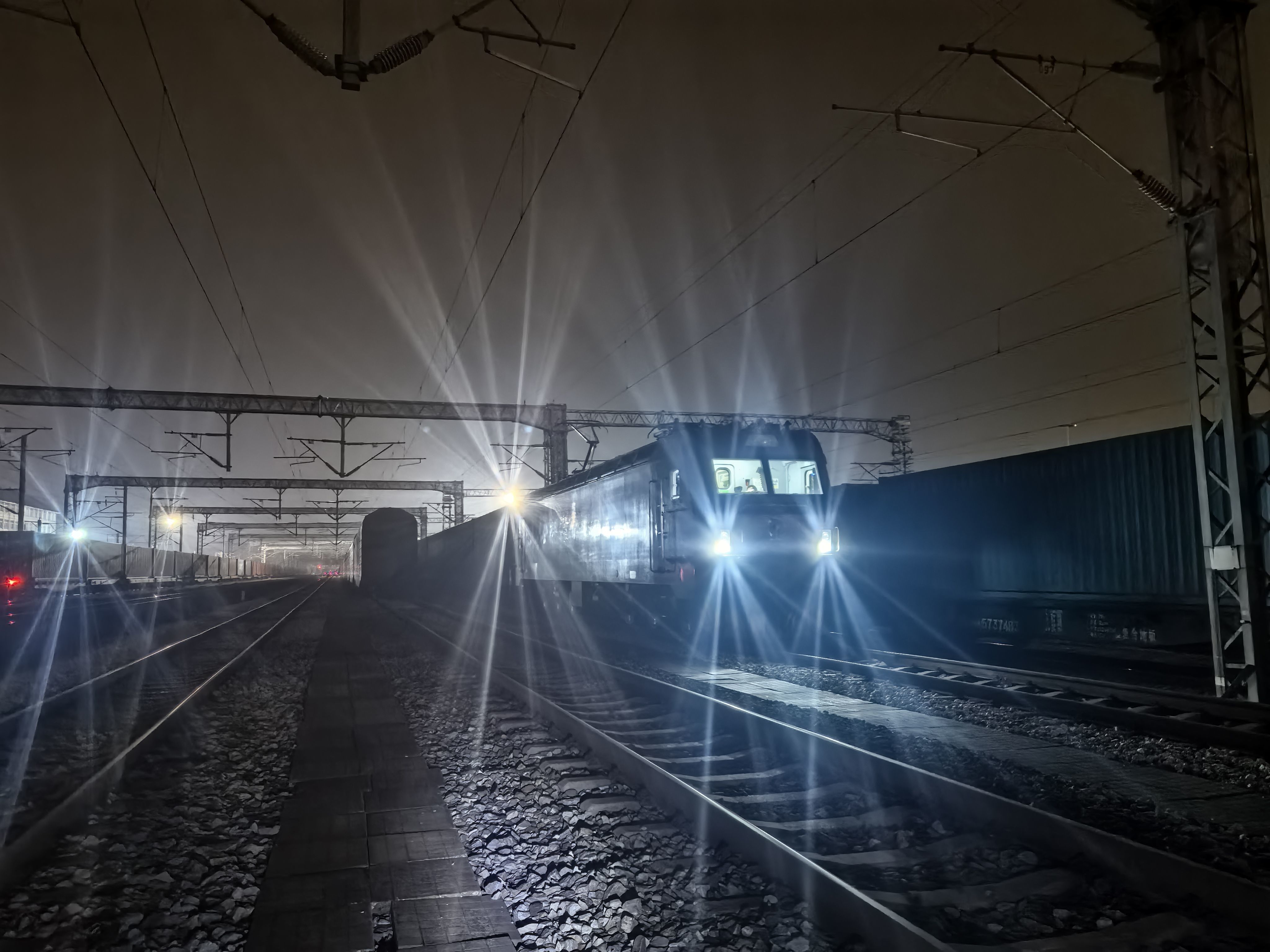
Core Viewpoint - The launch of the X9011 train from Wuhan marks a significant increase in the operation of Central Asia freight trains, reflecting the growing economic ties between Wuhan and Central Asia [4][7]. Group 1: Train Operations - The X9011 train, consisting of 55 cars and carrying over 1,500 tons of various goods, departed from Wuhan and is expected to take approximately 12 days to reach Uzbekistan [1]. - The Wuhan Railway Logistics Center and other departments have developed a detailed transportation organization plan to enhance the efficiency of Central Asia freight trains, ensuring seamless coordination across all operational stages [4]. Group 2: Growth in Freight Volume - The number of Central Asia freight trains departing from Wuhan has been increasing annually, with projections indicating that the number in 2025 will be nearly four times that of 2024, highlighting the strengthening economic exchanges with Central Asia [4]. - The product range transported by the Central Asia freight trains has evolved from basic consumer goods and building materials to include high-value products such as automotive parts, optoelectronic devices, and high-end machinery, indicating a shift towards more sophisticated exports [7]. Group 3: Export Structure Optimization - By 2025, over half of the export volume from Wuhan's Central Asia and China-Europe freight trains is expected to consist of high-end "Hubei-made" products, showcasing the results of industrial transformation and upgrading in Hubei [7].
中欧班列(武汉)新春首列发运
Zhong Guo Xin Wen Wang· 2026-02-17 03:05
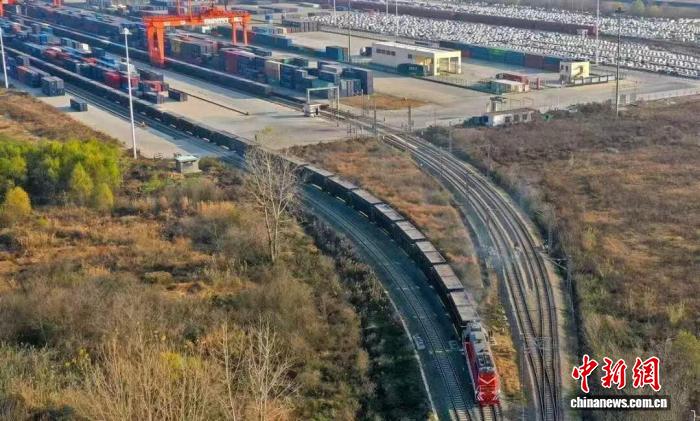
Core Viewpoint - The China-Europe Railway Express (Wuhan) has launched its first train of the Lunar New Year, carrying automobiles to Russia, supporting the internationalization of Hubei's leading enterprises and seizing opportunities in overseas markets [1][3]. Group 1: Logistics and Transportation - The China-Europe Railway Express (Wuhan) will provide stable and efficient logistics transportation during the Spring Festival, facilitating the shipment of Hubei-produced machinery parts, electronic products, and new energy vehicles to countries like Germany and Russia [3]. - The railway will also bring European daily goods and maternity products to Hubei, enhancing the festive consumption choices for local citizens [3]. Group 2: Growth and Expansion - By 2025, the China-Europe Railway Express (Wuhan) is projected to operate 1,010 trains annually, maintaining a steady growth trend with three consecutive years of over 1,000 trains [3]. - Currently, the railway has established 62 stable cross-border transport routes, covering 41 countries and 123 cities across Eurasia [3].
突破500万标箱!
中国能源报· 2025-11-30 08:34
Core Insights - The Western Land-Sea New Corridor has sent over 5 million TEUs since its launch in 2017, reaching 5.03 million TEUs as of November 29 this year, with a strong growth momentum in 2023 [1] - In 2023, the corridor has sent over 1.3 million TEUs, achieving a year-on-year growth of 55.3%, facilitating trade among countries along the corridor [1] - The export goods primarily include chemical products, machinery parts, and new energy vehicles, while imports mainly consist of bauxite, coal, and grain [3] Group 1 - The Western Land-Sea New Corridor has established a logistics artery connecting China's inland regions with ASEAN countries and the global market [1] - The corridor has achieved a balanced two-way flow of goods, with 657,000 TEUs sent upstream and 651,000 TEUs sent downstream, both showing over 50% year-on-year growth [3] - The station has optimized transportation organization to meet demand, setting a record of 14.05 train operations per day [5] Group 2 - Significant increases in imports from countries like Thailand, Mozambique, and Indonesia have been noted, particularly in pulp, spodumene, and rubber [5] - Exports from Chongqing and Guangxi, including generator sets and auto parts, have also seen notable growth [5]
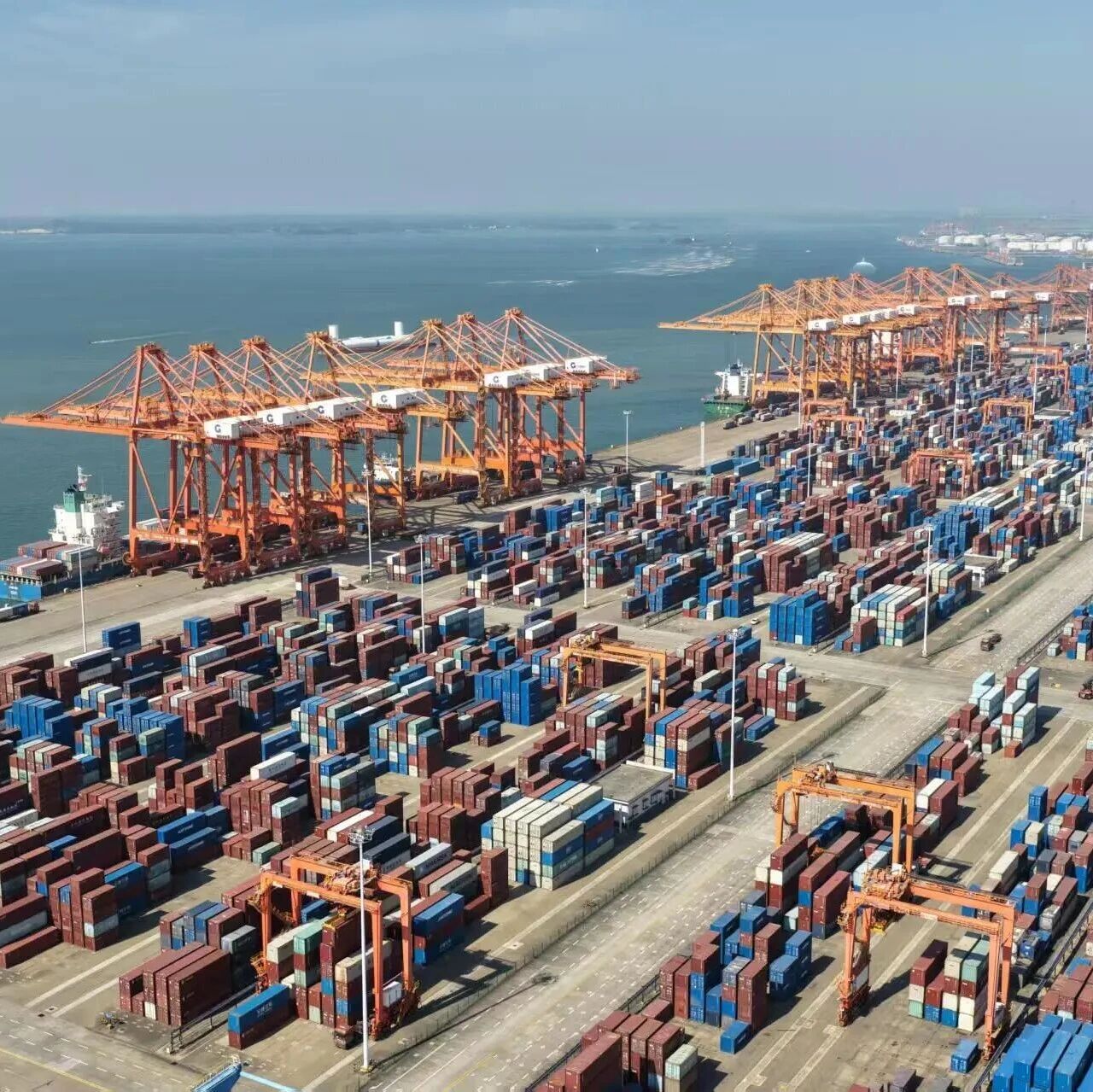
西部陆海新通道班列已累计发送货物突破500万标箱
Yang Shi Xin Wen· 2025-11-30 05:54
Core Insights - The Western Land-Sea New Corridor has sent over 5 million TEUs (Twenty-foot Equivalent Units) since its launch in 2017, with 500.3 million TEUs sent as of November 29 this year, indicating strong growth in logistics services for trade along the corridor [1] - In 2023, the corridor has sent over 1.3 million TEUs, reaching 130.8 million TEUs, which represents a year-on-year increase of 55.3% [1] Summary by Category Export and Import Goods - The main export goods this year include chemical products, machinery parts, and new energy vehicles, while the primary import goods consist of bauxite, coal, and grain [1] - The corridor has achieved a balanced two-way shipment, with 657,000 TEUs sent from ports to inland areas and 651,000 TEUs sent from inland to ports, both showing significant year-on-year increases of 58.9% and 57.1% respectively [1] Operational Efficiency - The railway company at the hub of the Western Land-Sea New Corridor has optimized transportation organization to meet demand, setting a record for daily loading and unloading operations six times this year, with a peak of 1,405 cars per day [1] - There has been a notable increase in imports of goods such as pulp, spodumene, and rubber from countries like Thailand, Mozambique, and Indonesia, while exports from Chongqing and Guangxi, including generator sets and auto parts, have also seen significant growth [1]
天津港旧日本杂货清关公司,天津报关流程怎么操作价比高
Sou Hu Cai Jing· 2025-11-29 16:46
Group 1 - The article discusses the importance of selecting the right customs agent for importing various products through Shanghai Port, including old equipment, home appliances, electronic components, toys, lighting, 3C products, and chemical products [1] - Commonly imported products through Shanghai Port include mechanical parts, switches, relays, circuit boards, valves, USB drives, industrial computers, alarm systems, digital cameras, and gaming consoles [1] - The article outlines the types of food products imported, such as coffee beans, honey, seaweed, seasonings, milk powder, fruit juices, candies, instant noodles, cooking oil, alcoholic beverages, mineral water, and snacks [1] Group 2 - The article provides a detailed step-by-step process for customs clearance at Shanghai Port, starting from the foreign supplier shipping goods to the final delivery at the designated location [3] - Key steps in the customs clearance process include document preparation, customs inspection, tax payment, and potential customs checks [3][4] - It emphasizes the need for a detailed packing list and compliance with documentation requirements to avoid issues during customs clearance [6]


美国钢铝关税上调至 50%!中小外贸企业如何破局?
Sou Hu Cai Jing· 2025-10-22 03:07
Core Viewpoint - The U.S. is increasing tariffs on imported steel and aluminum products from 25% to 50% starting June 2025, with stricter reporting requirements, significantly impacting over 20,000 small and medium-sized foreign trade enterprises in China, involving exports exceeding $30 billion [1][3]. Tariff Impact - The tariff increase aims to protect domestic steel and aluminum industries and support U.S. manufacturing by raising domestic capacity utilization from 72% to over 85%, potentially creating around 20,000 jobs [1]. - For Chinese SMEs, the increase in tariffs severely compresses profit margins, with an example showing a shift from a profit of $15 to a loss of $5 per unit due to the tariff hike [3]. Strategic Responses - Companies are encouraged to transition from low-cost competition to high-value competition, focusing on upgrading and transforming their operations [3][12]. - Exploring alternative materials, such as replacing aluminum with carbon fiber composites, can help avoid tariffs while maintaining market share [4]. Production Relocation - Establishing production bases or assembly plants in countries like Mexico and Canada, which benefit from tariff exemptions under the USMCA, is a long-term strategy to mitigate tariff impacts [6]. - Companies should consider local regulations, labor quality, and supply chain support when localizing production [6]. Tariff Exemption Applications - Certain steel and aluminum products used in specific fields can apply for tariff exemptions, such as medical devices and aerospace components [6]. - The application process involves checking exemption lists, preparing detailed documentation, and collaborating with U.S. customers to enhance success rates [7]. Market Diversification - Over-reliance on a single market is a critical weakness for SMEs; thus, exploring new markets in Europe, Southeast Asia, the Middle East, and South America is essential to mitigate risks [7][12]. - The European market has lower tariffs (10%-15%) and high environmental standards, while Southeast Asia offers rapid growth and price sensitivity, and the Middle East has strong demand for high-end products [7]. Industry Advocacy and Internal Management - Participation in industry associations for advocacy and negotiation for fair trade conditions is recommended [10]. - Companies should enhance internal management by optimizing supply chain efficiency and securing long-term agreements with suppliers to mitigate market volatility [10].

中欧班列“双节”期间持续畅通 物流动脉助力河南高水平开放
Zhong Guo Xin Wen Wang· 2025-10-01 15:55
Core Viewpoint - The Zhengzhou International Land Port is operating efficiently during the National Day and Mid-Autumn Festival, with multiple China-Europe freight trains departing and arriving, highlighting the importance of this logistics channel for international trade [1][3]. Group 1: Logistics Operations - On the first day of the "Double Festival," a China-Europe freight train loaded with machinery parts, photovoltaic components, and clothing departed from Zhengzhou, heading to Liège, Belgium [1]. - Three additional outbound trains were dispatched to Moscow, Tashkent, and Menghai, while six return trains arrived from Russia and Central Asia [1]. - The logistics operations remain uninterrupted during the holiday period, showcasing the efficiency of the international logistics corridor [1]. Group 2: Import and Consumer Behavior - Consumers, such as Ms. Li, express satisfaction with the quality and affordability of European food products available through the China-Europe freight trains, indicating a growing demand for imported goods during holidays [3]. - The Zhengzhou International Land Port has established an import goods exhibition center to cater to the increasing consumer interest in European products [3]. Group 3: Strategic Development - Since the launch of the first China-Europe freight train in Henan in 2013, the logistics network has expanded significantly from "1 station 1 port" to "26 stations 9 ports," covering over 40 countries and 140 cities [3]. - The cumulative number of freight trains operated has surpassed 16,000, establishing a vital bridge for economic and cultural exchanges between China and Europe [3]. - The company plans to enhance domestic and international networks, strengthen hub functions, and improve the quality and efficiency of freight train operations to support deeper integration into the Belt and Road Initiative [3].
天普股份: 宁波市天普橡胶科技股份有限公司章程(2025年8月修订)
Zheng Quan Zhi Xing· 2025-08-29 16:52
Core Points - The company, Ningbo TIP Rubber Technology Co., Ltd., was established in accordance with the Company Law and Securities Law of the People's Republic of China, and it was registered with a capital of RMB 134.08 million [3][4][6] - The company issued 33.52 million shares to the public and was listed on the Shanghai Stock Exchange on August 25, 2020 [3][4] - The company's business scope includes the research, manufacturing, and processing of rubber and plastic products, as well as automotive and motorcycle parts [5][6] Company Structure - The company is a permanent corporation, and its legal representative is the director executing company affairs [4][5] - Shareholders are liable for the company's debts only to the extent of their subscribed shares, while the company is liable for its debts with all its assets [4][5] - The company has established a Communist Party organization to conduct activities in accordance with the Party's regulations [5] Share Issuance and Management - The company's shares are issued in the form of stocks, and all shares of the same category have equal rights [7][8] - The total number of shares issued by the company is 134.08 million, all of which are ordinary shares [8][9] - The company cannot provide financial assistance for others to acquire its shares, except for employee stock ownership plans [9][10] Shareholder Rights and Responsibilities - Shareholders have rights to dividends, voting, and supervision of the company's operations [13][14] - Shareholders holding more than 3% of shares for over 180 days can request to inspect the company's accounting books [14][15] - Shareholders must comply with laws and the company's articles of association, and they are liable for damages caused by abusing their rights [18][19] Corporate Governance - The company’s board of directors is responsible for convening shareholder meetings and reporting on its work [22][23] - Shareholder meetings can be held annually and must be convened within six months after the end of the previous fiscal year [22][23] - The company must disclose legal opinions on the legality of the meeting procedures and the qualifications of attendees [23][24] Decision-Making Process - Ordinary resolutions require a simple majority, while special resolutions require two-thirds of the votes at the shareholder meeting [80][81] - Certain significant matters, such as capital increases or decreases, mergers, and amendments to the articles of association, require special resolutions [82]

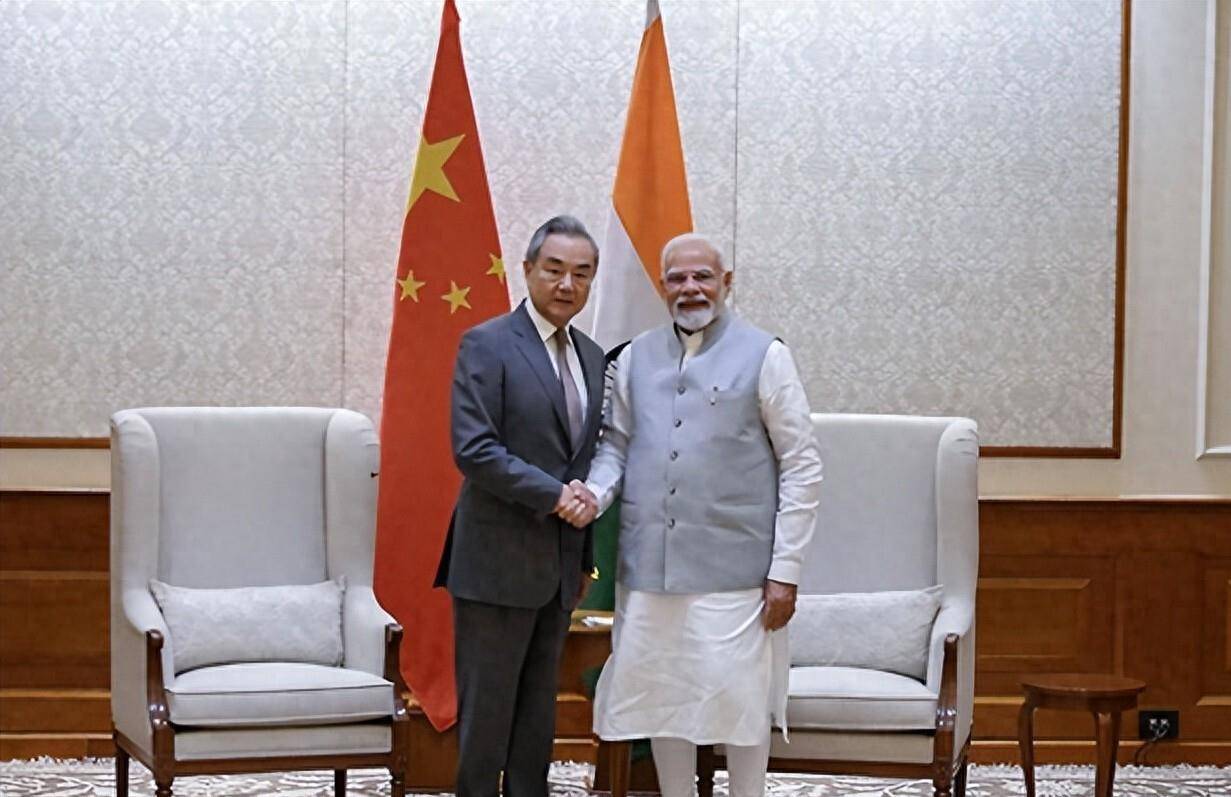
中方外长密见印度三高层,莫迪一句话让人意外,中印谈成20件大事
Sou Hu Cai Jing· 2025-08-21 02:16
Core Points - The visit of Chinese Foreign Minister Wang Yi to India in August 2025 marks a significant shift in Sino-Indian relations, breaking a three-year diplomatic freeze and signaling a potential strategic partnership rather than rivalry [1][3] - The backdrop of this visit is the U.S. imposing punitive tariffs of up to 50% on key Indian exports, which has severely impacted India's economy, leading to a capital outflow of $25 billion and a stock market loss of $1.2 trillion [3][9] - India is facing its most severe economic challenges in a decade, with GDP growth plummeting from 7.8% to 6.1%, making the ambitious goal of a $5 trillion economy seem increasingly unattainable [3][9] Group 1: Diplomatic Developments - Modi's personal reception of Wang Yi indicates a strategic pivot in India's foreign policy, emphasizing partnership over competition with China [1][3] - The two countries agreed on 20 cooperation outcomes, including the reopening of border trade markets and commitments to supply chains in critical sectors like rare earths and fertilizers [3][5] - Despite these agreements, China remains firm on core issues, particularly regarding territorial sovereignty, and has avoided specific financial commitments, instead using vague terms like "providing convenience" [5][7] Group 2: Economic Context - The U.S. trade war has forced India to seek alternatives, with the Modi government viewing the engagement with China as a potential lifeline amid economic distress [3][8] - The lack of concrete agreements, such as on rare earths, suggests that the cooperation may be more about political maneuvering than substantial economic benefits [9] - The strategic calculus for both nations involves leveraging their positions against U.S. pressures, with India attempting to use concessions on border issues to gain economic relief [8][9] Group 3: Geopolitical Implications - The visit is interpreted as a response to U.S. unilateralism, with both countries expressing a commitment to oppose such actions in their joint statements [5][7] - India's acknowledgment of the "One China" principle indicates a significant diplomatic concession, potentially limiting its leverage in future negotiations [5][7] - The fragile nature of the agreements reached suggests that they could easily unravel under future U.S. policy shifts, highlighting the precarious balance of power in the region [9]