
模型手办

Search documents
“次元”消费成新宠 微博IN的商业密码
Bei Jing Shang Bao· 2025-11-02 16:01
Core Insights - The core viewpoint of the articles emphasizes the emergence of "dimension" commerce, driven by a shift in consumer demand from functional satisfaction to emotional recognition, particularly among young consumers [1][5]. Group 1: Business Model and Structure - Weibo IN Cross-Dimensional Gravity Field is Beijing's first urban commercial entity focused on "dimension" culture, with a total construction area of approximately 42,000 square meters, repurposed from the 2008 Olympic beach volleyball venue [3]. - The business model includes a retail segment accounting for 45%, experience and trend segments at 30%, and dining options at 25%, featuring a variety of offerings from collectible figures to themed restaurants [2]. - The project emphasizes the "first-store economy" by introducing leading brands like Bandai and Hasbro, while ensuring product line differentiation to avoid internal competition [2][3]. Group 2: Operational Strategy - Continuous innovation is key to maintaining consumer interest, with Weibo IN planning to host 500-600 events annually, including IP pop-ups and esports tournaments [4]. - The operational strategy involves leveraging both industry development and scene expansion, focusing on integrating diverse entertainment experiences beyond traditional anime and gaming [4][5]. - The project aims to create a multi-layered esports event matrix and collaborate with outdoor cultural projects to enhance the urban cultural consumption landscape [5]. Group 3: Market Trends and Future Directions - The "dimension" commerce sector is characterized by emotional engagement and community culture, with young consumers seeking social recognition through participation in related activities [5][6]. - Future strategies should focus on global expansion, learning from mature overseas models, and enhancing the international influence of Chinese original IPs [7]. - To effectively grow the "dimension" consumer base, businesses need to innovate content and foster community engagement, utilizing technologies like VR and AR to enhance user experiences [7].

晶采观察|逆势向上!中国外贸“有底气、有朝气、有锐气”
Yang Guang Wang· 2025-10-14 14:05
Core Viewpoint - China's foreign trade demonstrates resilience and growth despite global economic challenges, with significant exports of cultural and innovative products contributing to this success [2][5]. Group 1: Trade Performance - In the first three quarters, China's exports of holiday goods, dolls, and animal-shaped toys exceeded 50 billion yuan, reaching over 200 countries and regions [2]. - Total goods trade in the first three quarters amounted to 33.61 trillion yuan, reflecting a year-on-year growth of 4%, which is an acceleration of 0.5 percentage points compared to the first eight months [2][5]. Group 2: Key Strengths - The first keyword "confidence" highlights the stability of China's foreign trade, supported by a large industrial scale and strong supply chain capabilities [3]. - The second keyword "vitality" emphasizes the new growth momentum driven by the continuous development of new productive forces and the optimization of export product structures [3][4]. - The third keyword "sharpness" points to the rise of "national trend products," which represent a blend of Chinese culture, creativity, and manufacturing strength, gaining popularity both domestically and internationally [4]. Group 3: Notable Exports - Significant exports include a liquefied natural gas production platform valued at nearly 15 billion yuan, capable of meeting the gas needs of a city with a population of ten million [4]. - Exports of industrial robots increased by 54.9% in the first three quarters, showcasing the expanding application scenarios for Chinese manufacturing [4]. Group 4: Future Outlook - The upcoming China International Import Expo in Shanghai will feature a range of innovative products, including family companion robots, indicating ongoing advancements in technology and product offerings [4]. - Overall, China's foreign trade is characterized by resilience, structural optimization, and a dual focus on quantity and quality, contributing significantly to global economic stability [5].
中国潮玩已成外贸出口新亮点
Zheng Quan Ri Bao· 2025-10-14 01:15
Core Insights - Chinese trendy toys have become a new highlight in foreign trade exports, with over 50 billion yuan in exports of holiday goods, dolls, and animal-shaped toys in the first three quarters of 2025, reaching over 200 countries and regions [1][2] - The transformation from "OEM workshop" to "IP source" has been rapid, with companies leveraging unique product designs and international strategies to break cultural and geographical barriers [2][3] - The global trendy toy market is projected to grow from 8.7 billion yuan in 2015 to 44.8 billion yuan in 2024, with a compound annual growth rate of nearly 23% [4] Industry Trends - The core competitiveness of trendy toys lies in IP, which has evolved beyond mere symbols to create emotional connections and drive consumer demand [3][6] - Companies like Pop Mart have successfully expanded internationally, with 571 stores in 18 countries by mid-2025, and overseas revenue reaching 5.59 billion yuan, accounting for 40.3% of total revenue [4][5] - The trend of "going global" is seen as essential for Chinese trendy toy companies, with many planning to open stores in multiple countries [5] Challenges and Considerations - Intellectual property protection remains a significant concern, with customs intercepting 1.83 million suspected infringing LABUBU products this year [6] - The need for a systematic approach to IP protection is emphasized, advocating for the registration of original narratives as global languages and continuous innovation to raise imitation costs [6]

前三季度外贸“成绩单”发布:出口企业信心指数连续5个月回升
Zhong Guo Jing Ying Bao· 2025-10-13 16:48
Group 1: Core Insights - China's manufacturing sector is experiencing significant growth, with exports of industrial robots increasing by 54.9% and wind power equipment exports rising by 23.9% in the first three quarters [1] - Trade with Shanghai Cooperation Organization (SCO) member countries has deepened, with imports and exports reaching 2.75 trillion yuan, a year-on-year increase of 2.4% [1] - The total value of China's goods trade reached 33.61 trillion yuan in the first three quarters, reflecting a 4% year-on-year growth, with exports growing by 7.1% and imports declining by 0.2% [2] Group 2: Export Trends - The export structure is continuously optimizing, with over 500 billion yuan worth of festive goods, toys, and animal-shaped products exported to over 200 countries, many of which are original Chinese products [2] - The popularity of Chinese cultural products, such as lanterns and bamboo crafts, has surged internationally, showcasing the appeal of original Chinese IP [3] - The number of foreign trade enterprises has increased to 700,000, a rise of 5.2% year-on-year, with private enterprises accounting for 61.3% of total trade [3] Group 3: Economic Stability and Challenges - China's foreign trade has shown resilience, with both exports and imports achieving year-on-year growth for four consecutive months [4] - Major provinces like Guangdong, Jiangsu, and Zhejiang contributed significantly to national trade growth, accounting for over 80% of the total increase [4] - Despite global economic uncertainties and rising protectionism, China's economic fundamentals remain strong, supporting sustained trade growth [4] Group 4: Cross-Border E-commerce - Cross-border e-commerce has emerged as a vital growth driver, with imports and exports reaching 1.37 trillion yuan in the first half of the year, a 10.3% increase [5] - The structure of cross-border e-commerce exports is dominated by apparel, jewelry, and electronics, while imports focus on beauty products and fresh food [5] - Customs reforms and innovations, such as electronic tax payment systems and streamlined logistics, are enhancing the efficiency and quality of cross-border e-commerce [6]
前三季度我国出口节日用品、玩偶、动物造型玩具超500亿元 中国潮玩已成外贸出口新亮点
Zheng Quan Ri Bao· 2025-10-13 16:09
Core Insights - The rise of domestic products has led to significant growth in China's export of holiday goods and toys, with over 50 billion yuan exported to more than 200 countries in the first three quarters of 2025, showcasing the influence of Chinese traditional culture and manufacturing strength [1] - The transformation of China's toy industry from a manufacturing hub to an IP powerhouse has been rapid, with unique product designs and international strategies driving this change [2][3] - The global toy market is experiencing robust growth, with a compound annual growth rate of nearly 23% from 2015 to 2024, prompting Chinese toy companies to expand internationally [4] Industry Trends - The export of trendy toys is fueled by the reconstruction of IP competitiveness, where successful IPs create emotional connections and drive consumer demand [3] - Companies like Pop Mart have successfully launched limited edition products that create significant consumer interest, demonstrating the market penetration power of "culture + creativity" [2] - The overseas revenue for Pop Mart reached 5.59 billion yuan in the first half of 2025, accounting for 40.3% of total revenue, with a staggering 1142.3% year-on-year growth in the Americas [4] Market Expansion - The trend of "going global" has become essential for Chinese toy companies, with Pop Mart opening stores in 18 countries and TOPTOY planning to expand into 5 to 6 countries [4][5] - The protection of intellectual property is a critical issue as companies expand internationally, with significant numbers of infringing products being intercepted by customs [5][6] - Future strategies will focus on enhancing IP protection and creating a robust legal and cultural framework to support the long-term value of brands [6]
国新办举行新闻发布会 介绍2025年前三季度进出口情况
中汽协会数据· 2025-10-13 07:33
Core Viewpoint - China's foreign trade has shown resilience and growth in the first three quarters of the year, with total imports and exports reaching 33.61 trillion yuan, a year-on-year increase of 4% [4][6]. Group 1: Trade Performance - In the first three quarters, exports amounted to 19.95 trillion yuan, growing by 7.1%, while imports were 13.66 trillion yuan, a slight decline of 0.2% [4][5]. - The trade growth rate has accelerated each quarter, with the third quarter showing a 6% increase, marking eight consecutive quarters of year-on-year growth [4][5]. - The trade with countries involved in the Belt and Road Initiative reached 17.37 trillion yuan, up 6.2%, accounting for 51.7% of total trade [4][5]. Group 2: Export Trends - Exports of mechanical and electrical products reached 12.07 trillion yuan, increasing by 9.6%, representing 60.5% of total exports [5]. - High-tech product exports, including electronic information and high-end equipment, grew significantly, with increases of 8.1%, 22.4%, and 15.2% respectively [5]. - The export of cultural and traditional products has gained popularity, with items like dragon boats and wood carvings seeing strong demand [11]. Group 3: Import Dynamics - Imports began to recover, with a 0.3% increase in the second quarter and a further acceleration to 4.7% in the third quarter [5]. - Key imports such as crude oil and metal ores saw year-on-year increases of 4.9% and 10.1% respectively [5]. - The number of foreign trade enterprises reached 700,000, with private enterprises accounting for 61.3% of total trade [5][6]. Group 4: Regional Trade Developments - The western region of China saw a robust trade performance, with imports and exports totaling 3.21 trillion yuan, a year-on-year increase of 10.2% [14][15]. - The development of infrastructure and trade channels, such as the Western Land-Sea New Corridor, has significantly boosted trade in the western region [14][15]. Group 5: APEC and Bilateral Trade - Trade with APEC economies grew by 2%, reaching 19.41 trillion yuan, which constitutes 57.8% of China's total trade [20]. - Trade with South Korea amounted to 1.74 trillion yuan, with exports growing by 0.6% and imports by 3.1% [20][21]. Group 6: Private Enterprises - Private enterprises contributed significantly to trade, with a total of 19.16 trillion yuan in imports and exports, marking a 7.8% increase [25][26]. - These enterprises have been proactive in exploring new markets, with notable growth in exports to emerging markets like ASEAN and Africa [26]. Group 7: Cross-Border E-commerce - Cross-border e-commerce exports reached approximately 1.63 trillion yuan, growing by 6.6% in the first three quarters [35][36]. - The government has implemented various measures to facilitate the growth of cross-border e-commerce, including streamlined customs processes [36][37]. Group 8: Processing Trade - Processing trade reached 6.18 trillion yuan, a year-on-year increase of 6.9%, accounting for 18.4% of total trade [56][57]. - The sector is increasingly moving towards high-value-added processes, with a notable rise in high-tech product exports [56][57]. Group 9: Trade with ASEAN - Trade with ASEAN reached 5.57 trillion yuan, growing by 9.6%, maintaining ASEAN's status as China's largest trading partner [62][63]. - The upcoming upgrade of the China-ASEAN Free Trade Area is expected to further enhance trade relations [63].

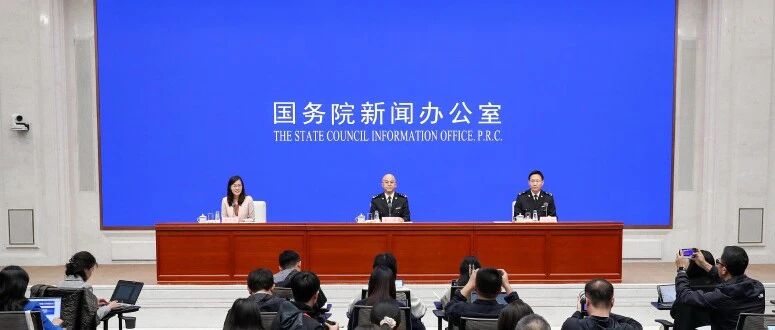
海关总署:今年中秋节,国潮花灯和竹编小玉兔在海外圈粉无数
Sou Hu Cai Jing· 2025-10-13 06:14
Core Insights - Recent years have seen a rise in the popularity of Chinese "trendy" products globally, contributing to a new highlight in China's foreign trade exports [1][3] - In the first three quarters, China's exports of holiday goods, dolls, and animal-shaped toys exceeded 50 billion yuan, reaching over 200 countries and regions [1][3] Group 1 - The global success of these products reflects the influence of Chinese traditional culture, the creativity of foreign trade enterprises, and the hard power of Chinese manufacturing [2][3] - The Mid-Autumn Festival saw significant overseas interest in traditional products like lanterns and bamboo rabbits, showcasing the appeal of Chinese cultural elements [2][3] - The toy industry has leveraged 3D printing technology to reduce the new product development cycle from 15 days to 3 days, enhancing competitiveness [2][3] Group 2 - The General Administration of Customs plans to continue enhancing intellectual property protection, supporting enterprise innovation, and optimizing the cross-border trade environment [2][3] - Measures will be implemented to ensure efficient and smooth delivery of these "hot-selling" products to global consumers [2][3]

海关总署介绍“国潮”出海:前三季度我国出口节日用品、玩偶、动物造型玩具超500亿元
Sou Hu Cai Jing· 2025-10-13 05:11
Core Insights - The press conference highlighted the significant growth of Chinese "national trend" products in global markets, showcasing their appeal to overseas consumers [1][3] - In the first three quarters, China's exports of holiday goods, dolls, and animal-shaped toys exceeded 50 billion yuan, reaching over 200 countries and regions [3] Group 1: Export Performance - Exports of holiday goods, dolls, and animal-shaped toys surpassed 50 billion yuan in the first three quarters [3] - These products are recognized as "national trend" items, reflecting the influence of Chinese traditional culture and the creativity of foreign trade enterprises [3] Group 2: Innovation and Technology - Chinese toy companies have leveraged 3D printing technology to reduce the new product development cycle from 15 days to 3 days, enhancing their competitive edge [3] - The integration of cultural connotations and brand value in products like blind box figurines and model toys represents the strength of Chinese original IP [3] Group 3: Future Initiatives - The government plans to enhance intellectual property customs protection, support enterprise innovation, and optimize the cross-border trade business environment [3] - Measures will be implemented to ensure efficient and smooth delivery of popular products to global consumers [3]
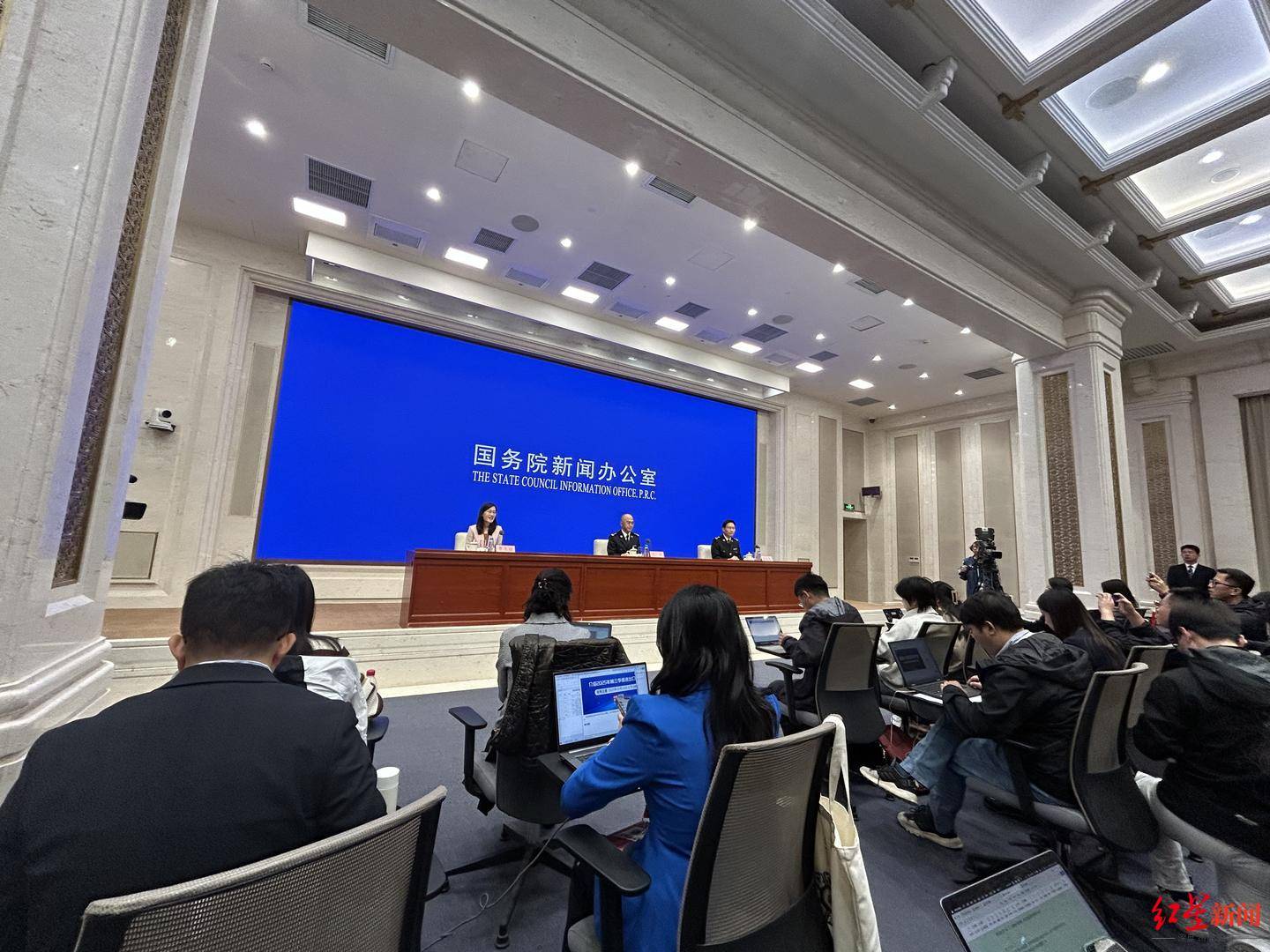
海关总署:前三季度我国出口节日用品、玩偶玩具超500亿元
2 1 Shi Ji Jing Ji Bao Dao· 2025-10-13 03:54
Core Viewpoint - The export of holiday goods, dolls, and animal-shaped toys from China exceeded 50 billion yuan in the first three quarters, highlighting the growing popularity of domestic products in the global market [1] Group 1: Export Performance - In the first three quarters, China's export of holiday goods, dolls, and animal-shaped toys surpassed 50 billion yuan [1] - These products were sold to over 200 countries and regions worldwide [1] Group 2: Market Trends - Many domestic "trendy" products have become global bestsellers, attracting overseas consumers [1] - The use of 3D printing technology by toy companies has significantly reduced the new product development cycle from 15 days to 3 days [1]