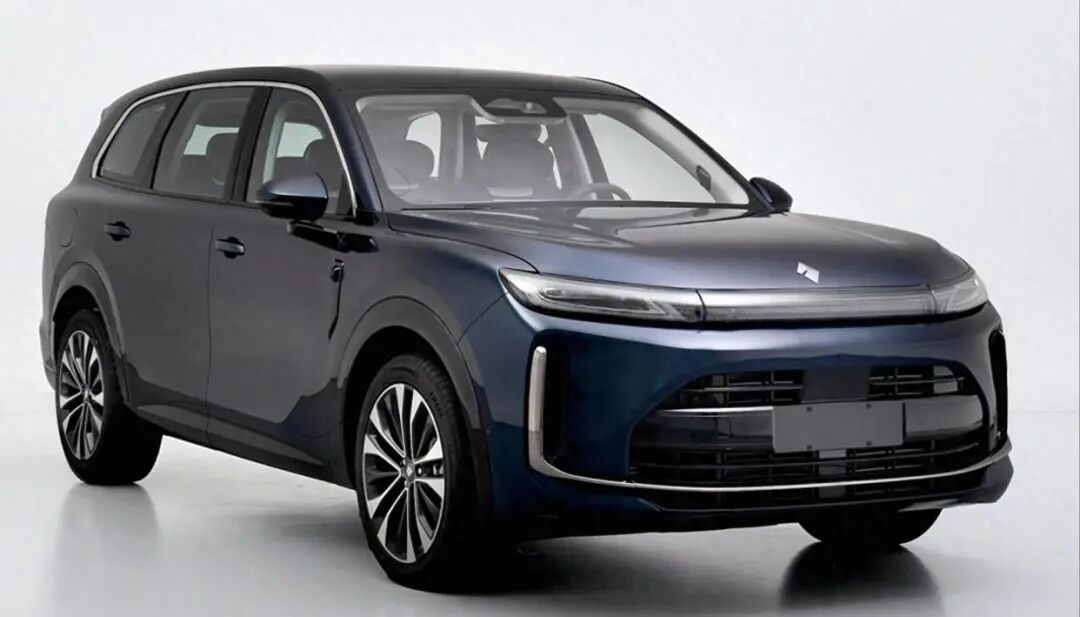
广汽丰田铂智7

Search documents
享界法务发布“麋鹿测试”声明;2026年1-2月中国占世界汽车份额30%丨汽车交通日报
创业邦· 2026-03-29 11:15
Group 1 - The core viewpoint of the article highlights the recent developments in the automotive industry, including safety tests, new model launches, and market share projections for China [2][3]. Group 2 - Xiangjie Automotive's legal department issued a statement regarding malicious "moose test" videos of the Xiangjie S9, asserting that the actual test results were 84.1 km/h for the S9 and 83.3 km/h for the S9T, both of which are competitive in the luxury sedan segment [2]. - Lamborghini's CEO, Stephan Winkelmann, announced that the upcoming fourth model, Lanzador, will be a plug-in hybrid (PHEV) instead of a fully electric vehicle, citing a decline in consumer acceptance of electric models in the ultra-luxury market [2]. - GAC Toyota's new electric flagship sedan, the Platinum 7, has received over 10,000 pre-orders, indicating strong market interest [3]. - According to Cui Dongshu from the Passenger Car Association, global automotive sales are projected to reach 96.89 million units in 2025, with a 6% year-on-year increase, while China's market share is expected to peak at 35.4% in 2025 before declining to 29.7% in 2026 [3].


一周新车盘点 | 比亚迪大唐正式亮相 小鹏G6增程版正式上市
Xin Lang Cai Jing· 2026-03-08 12:49
Group 1: BYD Tang Launch - BYD officially launched its new large SUV, Tang, on March 5, positioning it as the flagship model of the Dynasty series with a 7-seat layout and equipped with the latest megawatt-level fast charging technology, set to be released in the first half of this year [1][5] - The exterior design follows the family design language of the Dynasty series, featuring a dual-layer through-type light strip and a simplified style that aligns with current large SUV trends, with dimensions of 5263/1999/1790 mm and a wheelbase of 3130 mm [1][3] - The interior features a new three-screen layout, including a fully digital instrument panel, a floating central control screen, and a passenger entertainment screen, along with advanced comfort features in the seating arrangement [3][5] Group 2: BYD Tang Specifications - The Tang will offer both plug-in hybrid (DM-i) and pure electric (EV) versions, with the DM-i model having a maximum power of 408 horsepower and the EV model reaching a peak power of 796 horsepower, achieving 0-100 km/h in 3.9 seconds and a CLTC pure electric range of 950 km [5][7] - The vehicle supports BYD's latest megawatt-level fast charging technology, allowing for rapid charging from 10% to 70% in about 5 minutes and from 10% to 97% in approximately 9 minutes, even under extreme cold conditions [5][7] Group 3: Market Positioning and Pricing - As the new flagship of BYD's Dynasty series, the Tang aims to enhance the brand's technological image, with pricing considerations to avoid internal competition with the higher-end Tengshi N8L, which starts at around 300,000 yuan [7] - The entry price for full-size new energy SUVs has dropped below 200,000 yuan, with mainstream pricing in the range of 230,000 to 270,000 yuan, indicating that the Tang may enter a similar price range, potentially impacting the market space of the lower-positioned Tang L [7] Group 4: Xpeng G6 Launch - Xpeng Motors announced the launch of the G6 Super Range Extender model on March 6, priced at 186,800 yuan, featuring a CLTC pure electric range of 430 km and a comprehensive range of 1704 km, equipped with an 800V high-voltage platform and 5C supercharging capability [9][11] - The G6's design remains consistent with the recently updated 2026 pure electric model, with minor adjustments to the front bumper and new LED daytime running lights, and dimensions of 4771/1920/1650 mm with a wheelbase of 2890 mm [9][11] Group 5: G6 Specifications and Market Competition - The G6 is powered by a 1.5T range extender engine with a maximum power of 150 horsepower, paired with a 55.8 kWh lithium iron phosphate battery, and a driving motor with a maximum power of 296 horsepower [11][18] - The G6 enters the highly competitive compact hybrid SUV market, with expected competitors including models from BYD, Leap Motor, and Lynk & Co, indicating a challenging landscape for market share [11][18] Group 6: GAC Aion i60 Entry Model - GAC Aion introduced a new entry-level configuration for the AION i60 series, priced at 102,800 yuan, featuring a 1.5L range extender system with a pure electric range of 210 km and a comprehensive range of 1240 km [16][18] - The new model maintains the design of existing versions, with dimensions of 4685/1854/1660 mm and a wheelbase of 2775 mm, while simplifying several comfort features compared to the standard version [16][18] Group 7: GAC Toyota BZ7 Pre-sale - GAC Toyota's new pure electric mid-large sedan, BZ7, officially began pre-sales on March 5, with a starting price of 179,800 yuan, and potential discounts bringing the price down to 156,800 yuan [21][23] - The BZ7 features a modern design with a focus on intelligent technology, including the HarmonyOS cockpit and advanced driving assistance systems, with dimensions of 5130/1965/1506 mm and a wheelbase of 3020 mm [21][23]

2026格局与趋势 |(上):天黑请睁眼
3 6 Ke· 2026-02-10 01:20
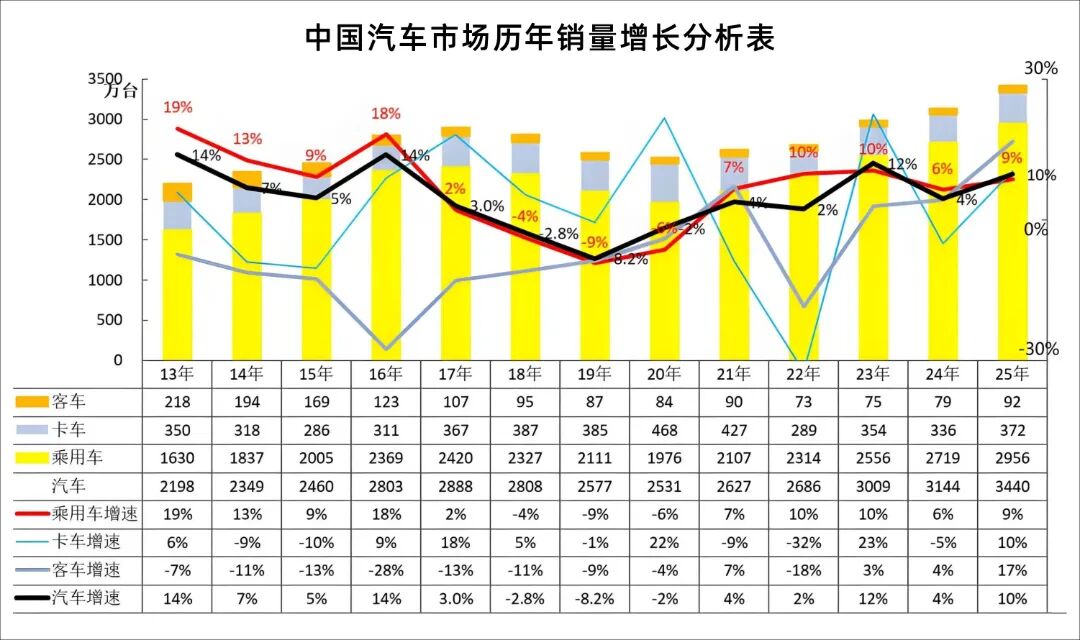
Core Viewpoint - The Chinese automotive market is facing significant challenges in 2026, with predictions of a decline in sales due to economic pressures and changing consumer behavior, despite some optimistic forecasts for growth in exports and specific segments like new energy vehicles [1][3][4]. Group 1: Market Trends and Predictions - In 2026, the overall automotive sales in China are expected to range between 34.5 million to 35 million units, with a potential decline in domestic retail sales by over 5% if no significant policy changes occur [3][7]. - January 2026 data shows a dramatic decline in retail sales, with a 28% year-on-year drop, indicating a challenging start to the year [6]. - Various institutions predict a range of outcomes for 2026, with the most pessimistic forecasts suggesting a 7% decline in sales, while the most optimistic predict only a 1% increase [4][7][8]. Group 2: Policy and Economic Influences - Key factors affecting the market include adjustments to subsidy policies for new energy vehicles, which have shifted from full exemptions to partial reductions, impacting consumer purchasing behavior [6][9]. - The decline in consumer confidence and shrinking middle-class income due to economic downturns are expected to further suppress automotive sales [6][9]. Group 3: Competitive Landscape - The automotive industry is experiencing intense competition, with a shift from price wars to a focus on technological advancements and value creation as companies seek to stabilize their market positions [12][16]. - Major players are adjusting their sales targets, with some aiming for significant growth while others adopt more conservative strategies in response to market conditions [18][19]. Group 4: Export Opportunities - Exports are projected to be a key growth area, with expectations of a 12-15% increase, potentially reaching 8 million units, which could help offset domestic market declines [22][26]. - The global supply chain dynamics are pushing Chinese automotive companies to enhance their international presence, with a focus on building global production and R&D capabilities [26][28]. Group 5: Segment-Specific Insights - The new energy vehicle segment is anticipated to grow, with retail sales expected to increase by 12-15%, driven by favorable policies for mid-range models [9][10]. - The large six-seat SUV market is projected to maintain strong growth, with expectations of a 30-50% increase in sales, despite overall market challenges [31][32].



全新奇瑞QQ3、极氪8X等 2026年一季度新车展望
Zhong Guo Zhi Liang Xin Wen Wang· 2026-01-30 07:51
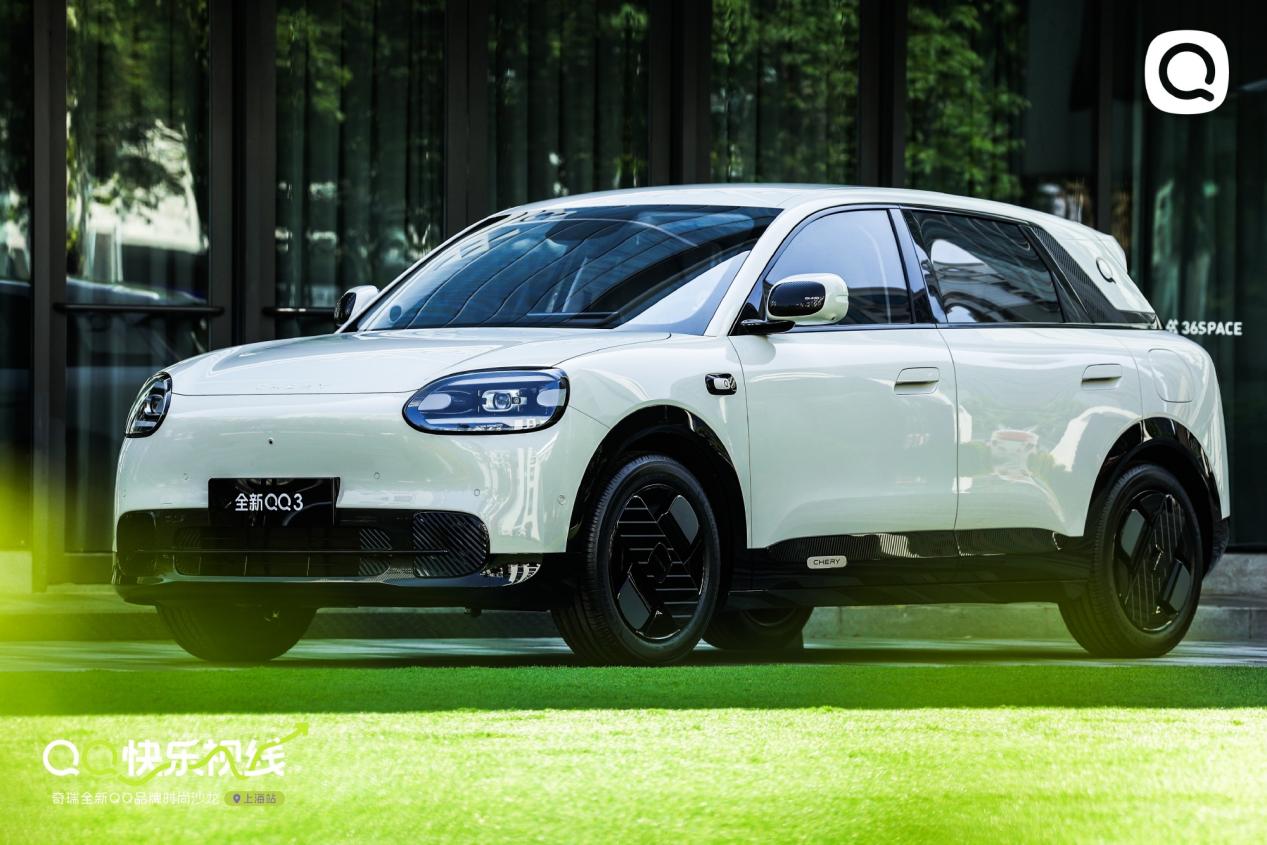
Group 1 - The Chinese automotive market is entering a competitive phase in 2026, with major automakers launching new products focused on electrification and intelligence across various segments [1] - New products will cater to diverse consumer needs, including sedans and SUVs, as domestic brands, joint ventures, and new forces compete [1] Group 2 - The all-new Chery QQ3, an electric city car, will be launched in February, featuring AI models and the Falcon 500 driver assistance system [2][4] - The new Kia Sportage will be released on February 7, with updated design and upgraded 2.0T engine, enhancing its appearance and performance [5][7] - The Zeekr 8X, a high-performance flagship SUV, is expected to launch in Q1, offering two battery capacities and a powerful hybrid system [8][10] - The Buick Envista E7, a new mid-size SUV, will debut in Q1, featuring advanced driver assistance and hybrid technology [11][13] - The GAC Toyota BZ7, a large electric sedan, is set to launch in March, equipped with Huawei's DriveOne electric drive system and a minimalist interior design [14][16] - The Chery Fengyun T9L, a large five-seat SUV, will be released after the Spring Festival, featuring advanced driving assistance and a powerful hybrid system [17][19] - The Chery iCAR V27, a smart hard-core SUV, will showcase a classic design with modern technology and a long-range hybrid system [20][22]
价值竞争取代“价格战”,2026年中国汽车消费向高端化转型
Xin Hua Cai Jing· 2026-01-20 05:00
Core Insights - The adjustment of the new energy vehicle purchase tax policy in 2026 marks a shift in competition within the Chinese automotive market from price competition to value competition [1][4] - The new policy encourages consumers to opt for higher-end models to receive full subsidies, indicating a trend towards market premiumization [1][2] Group 1: Policy Changes - The 2026 policy modifies the subsidy structure for scrapping and replacing vehicles, changing from fixed amounts to a percentage of the vehicle price, with new energy vehicle scrapping subsidies adjusted from 30,000 yuan to 12% of the vehicle price (capped at 20,000 yuan) [2] - The replacement subsidy is also changed to a percentage basis, with new energy vehicles receiving 5% of the vehicle price (capped at 15,000 yuan), requiring higher-priced vehicles to qualify for full subsidies [2] Group 2: Market Trends - The average retail price of domestic passenger cars has increased from 151,000 yuan in 2019 to 184,000 yuan in 2024, indicating a resilient consumer structure [1] - Over 30% of consumers are setting their next vehicle budget at over 300,000 yuan, reflecting a growing sensitivity to "value" rather than "low price" [1][3] Group 3: Consumer Behavior - Data shows that the market share of vehicles priced between 200,000 and 300,000 yuan increased from 18% in 2024 to 19% in December 2025, with the 300,000 to 400,000 yuan segment also showing stable growth [3] - More than 63% of consumers are budgeting for their next vehicle at over 300,000 yuan, indicating a shift in focus from brand prestige to genuine value [3] Group 4: Industry Response - Traditional luxury brands like Mercedes-Benz and Audi are now including features such as heated seats and OTA upgrades as standard to enhance practical value [4] - The industry is experiencing a shift where product strength is becoming the core of competition, moving away from price wars, with a focus on providing solid technology and superior configurations in mainstream price ranges [4]
贴着补贴线买车!2026年Q1新车盘点:宝骏华境S、广丰铂智7等登场
Xin Lang Cai Jing· 2026-01-04 11:31
Core Insights - The new automotive subsidy policy requires a minimum price of 150,000 yuan for fuel vehicles and 166,700 yuan for new energy vehicles to qualify for full subsidies, prompting a review of significant new models launching in Q1 2026 that meet these criteria [1][13]. Group 1: Key Models - Baojun Huajing S, the first flagship model from SAIC-GM-Wuling and Huawei's strategic partnership, features advanced intelligent driving and cockpit interaction technologies, enhancing its market appeal [2][14]. - The iCAR V27 is positioned as a "new hard-core family SUV" with a range of over 1,200 km, addressing range anxiety and targeting family users with its competitive pricing expected below 200,000 yuan [6][19]. - GAC Toyota's Platinum 7, with a price range of 180,000 to 220,000 yuan, aims to compete with popular models like BYD Han and XPeng P7, showcasing advanced technology and a design close to luxury D-class sedans [7][20][22]. - Dongfeng Nissan's NX8 expands the N series lineup, featuring a high-voltage platform and fast charging capabilities, with a predicted price range of 150,000 to 200,000 yuan, appealing to tech-savvy and family-oriented consumers [10][12][23]. Group 2: Market Trends - The introduction of these models reflects a clear trend in the automotive market where technological value is becoming the core of vehicle competitiveness, particularly within the mainstream price range of 150,000 to 200,000 yuan [13][24].
消息称小米SU7换代车型明年2季度上市,要涨2万元;比亚迪推进L3量产内测,已完成15万公里验证丨汽车交通日报
创业邦· 2025-12-17 10:19
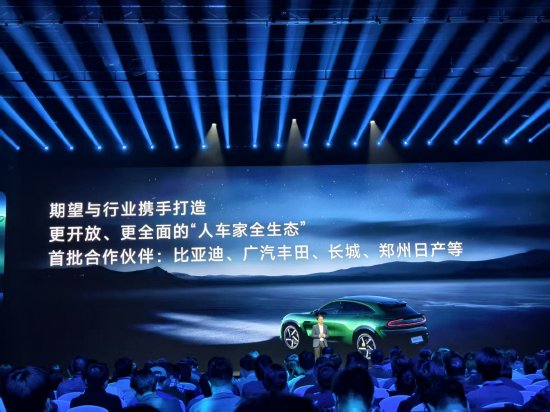
Group 1 - Xiaomi's CarloT ecosystem has opened to over 30 categories of partners, with initial partners including BYD, GAC Toyota, Great Wall, and Zhengzhou Nissan [2] - The timeline for the CarloT ecosystem includes physical interface and power supply products in 2024, home control by 2025, and vehicle control by 2026 [2] - The first model compatible with Xiaomi's ecosystem, the BYD Fangchengbao Titanium 7, has already been launched [2] Group 2 - The new generation of Xiaomi's SU7 model is expected to launch in Q2 2025 with a price increase of 20,000 yuan [2] - Xiaomi's "on-the-spot selection" feature for car purchases was opened to all users on December 3, 2025, allowing for quick delivery and warranty services [2] Group 3 - BYD has initiated L3-level autonomous driving testing in Shenzhen, completing over 150,000 kilometers of real-world validation [2] - The testing includes various scenarios such as rainy weather and nighttime driving, positioning BYD as one of the first companies to gain L3-level autonomous driving approval in 2024 [2] Group 4 - Lantu Automotive has signed a deep cooperation agreement with CATL to enhance collaboration in new technologies, product supply, and global market synergy [2] - This partnership aims to ensure stable supply and technological leadership in battery technology for Lantu Automotive [2]


小米汽车:比亚迪、广汽丰田等首批合作伙伴已加入CarloT生态
Xin Lang Cai Jing· 2025-12-17 03:45
Core Insights - Xiaomi announced the opening of its CarloT ecosystem with over 30 product categories available for collaboration [1][3] - The timeline for the CarloT ecosystem rollout includes physical interface and power supply products in 2024, home control for vehicles in 2025, vehicle control for homes in 2026, and a vehicle central gateway in 2027 [1][3] - Initial partners in the CarloT ecosystem include BYD, GAC Toyota, Great Wall Motors, and Zhengzhou Nissan, with the first compatible model, BYD Fangchengbao Titanium 7, already launched [1][3] Timeline of CarloT Ecosystem - 2024: Deployment of physical interfaces and power supply CarloT ecosystem products [1][3] - 2025: Launch of home control for vehicles and establishment of the smart interconnectivity ecosystem alliance [1][3] - 2026: Introduction of vehicle control for homes [1][3] - 2027: Development of the vehicle central gateway [1][3] Partnerships - Initial partners include major automotive manufacturers such as BYD, GAC Toyota, Great Wall Motors, and Zhengzhou Nissan [1][3] - GAC Toyota's first model to integrate with Xiaomi's ecosystem is the Platinum Smart 7 [1][3]
合资品牌的2025:用品牌溢价换喘息的一年
Tai Mei Ti A P P· 2025-12-16 05:23
Core Insights - The Chinese automotive industry is undergoing a significant transformation, moving from a "market for technology" model to a "brand for survival" approach as foreign joint venture brands face declining market shares and increased competition from local manufacturers [2][20] - The year 2025 is characterized as a turning point for joint venture brands, which are now prioritizing survival over growth by leveraging their brand equity to maintain market presence [3][20] Market Performance - In 2025, the overall market for joint venture brands in China has seen a decline, with monthly retail shares for German brands dropping from 18.4% at the beginning of the year to around 14% by year-end, and Japanese brands hovering between 11% and 13% [6][20] - The market share of joint venture brands fell from nearly 28% at the start of the year to about 22% by the end, indicating a broader trend of decline across the sector [6][20] Pricing Strategies - Joint venture brands have adopted a "one-price" model to combat declining sales, which involves sacrificing brand premiums for market share, leading to significant price reductions across various models [10][12] - The average prices of several key brands have decreased significantly, with Volkswagen's average price dropping by 15.37% and Honda's by 18.54% [11] Localization Efforts - There is a notable shift towards localization in management and product development, with foreign brands increasingly empowering local teams to make decisions that cater to the Chinese market [17][20] - The transition to local management is evident, with several key appointments of Chinese executives in leadership roles across major automotive brands [18][19] Technological Adaptation - Joint venture brands are increasingly adopting local technologies and solutions, such as Huawei's smart solutions, to meet the demands of Chinese consumers for advanced features in electric vehicles [14][15] - The focus has shifted from traditional automotive engineering to integrating smart technology and user-friendly interfaces, reflecting changing consumer priorities [14][15] Long-term Implications - The current strategies employed by joint venture brands are seen as a survival tactic rather than a sustainable growth strategy, raising questions about their long-term competitiveness in the evolving market [13][20] - The shift in valuation from brand equity to survival costs indicates a fundamental change in how these brands will operate in the future, as they must adapt to new consumer expectations and market dynamics [20]



韧性2025|合资与豪华车企,还有戏吗?
Xin Lang Cai Jing· 2025-12-11 08:22
Core Insights - By the end of 2025, China's automotive market has transitioned from a fragmented exploration phase to a systematic breakthrough in smart electric transformation, with a nearly 60% penetration rate of new energy vehicles [1] - Joint ventures and luxury brands have recognized the need to abandon their previous technological arrogance and adapt to the Chinese market, demonstrating resilience in their strategies [1][3] Group 1: Industry Transformation - The most significant change in 2025 is the deep integration between joint ventures and luxury brands with Chinese tech companies, moving from simple supply relationships to comprehensive collaboration in R&D [3] - Brands like Audi and Toyota are now incorporating advanced Chinese technologies into their vehicles, indicating a shift in strategy where smart features are seen as essential rather than optional [3][4] Group 2: Market Strategy - Joint ventures are adopting a dual strategy of maintaining fuel vehicles while simultaneously developing new energy vehicles, with fuel vehicles still holding about 50% market share [4][6] - SAIC Volkswagen's "oil-electric dual progress" strategy exemplifies this approach, allowing them to leverage stable cash flow from fuel vehicles to support new energy development [6][7] Group 3: Luxury Brand Adaptation - Luxury brands are diversifying their product offerings to include pure electric, hybrid, and range-extended vehicles, moving away from a singular focus on electric models [8][9] - BMW, Mercedes-Benz, and Audi are all implementing strategies that combine their luxury heritage with advanced Chinese technology to enhance their competitive edge [9][10] Group 4: Competitive Dynamics - The automotive industry is shifting from a zero-sum game of disruption to a new phase of adaptation and coexistence, where the ability to adjust to market demands is becoming the primary competitive advantage [14][16] - The collaboration with Chinese tech firms is seen as a way to quickly fill technological gaps and enhance product offerings, while also maintaining a foothold in the fuel vehicle market [16][17]