
泰山原浆啤酒

Search documents
80后最爱喝的啤酒,要破产了?
36氪· 2026-01-21 14:33
Core Viewpoint - Shandong Taishan Brewery Co., Ltd. has entered bankruptcy reorganization due to heavy historical debt burdens, reflecting the challenges faced by many regional traditional breweries amid industry adjustments. The reorganization aims to refocus on production and operational efficiency while seeking a path for transformation and recovery [5][8][9]. Financial Situation - As of October 31, 2025, Taishan Brewery's total assets are approximately 622 million yuan, with total liabilities around 663 million yuan, resulting in a debt-to-asset ratio of 106.63% [7]. - The court has determined that the company cannot repay its debts and lacks the ability to clear all liabilities, thus justifying the reorganization process [7][9]. Industry Context - The beer consumption trend is shifting from quantity to quality, with a growing preference for craft, fresh, and premium beers. Traditional brands that fail to innovate and restructure may face significant challenges [5][8]. - Taishan Brewery's situation is indicative of broader issues within the regional beer industry, where many brands are struggling to adapt to changing consumer preferences and competitive pressures [16][19]. Strategic Response - The reorganization is not merely a financial restructuring but a strategic move to address brand sustainability, industry transformation, and local economic ecology [9][14]. - The company aims to leverage the reorganization to implement a comprehensive debt reduction, capital injection, and reform strategy, which is essential for its long-term survival and growth [9][18]. Historical Background - Founded in 1952, Taishan Brewery has evolved from a local state-owned brewery to a national leader in the fresh beer segment, successfully navigating market changes and consumer trends [11][12]. - The introduction of the "7-day short shelf life" fresh beer product line in 2013 marked a significant innovation, allowing the company to capture a niche market and enhance brand perception [12][13]. Future Outlook - The reorganization presents an opportunity for Taishan Brewery to clarify its ownership structure, optimize governance, and attract strategic investors, which could facilitate a modern corporate framework [18]. - The company is expected to explore new market opportunities and expand its product offerings, potentially integrating local cultural elements into its branding and marketing strategies [19].

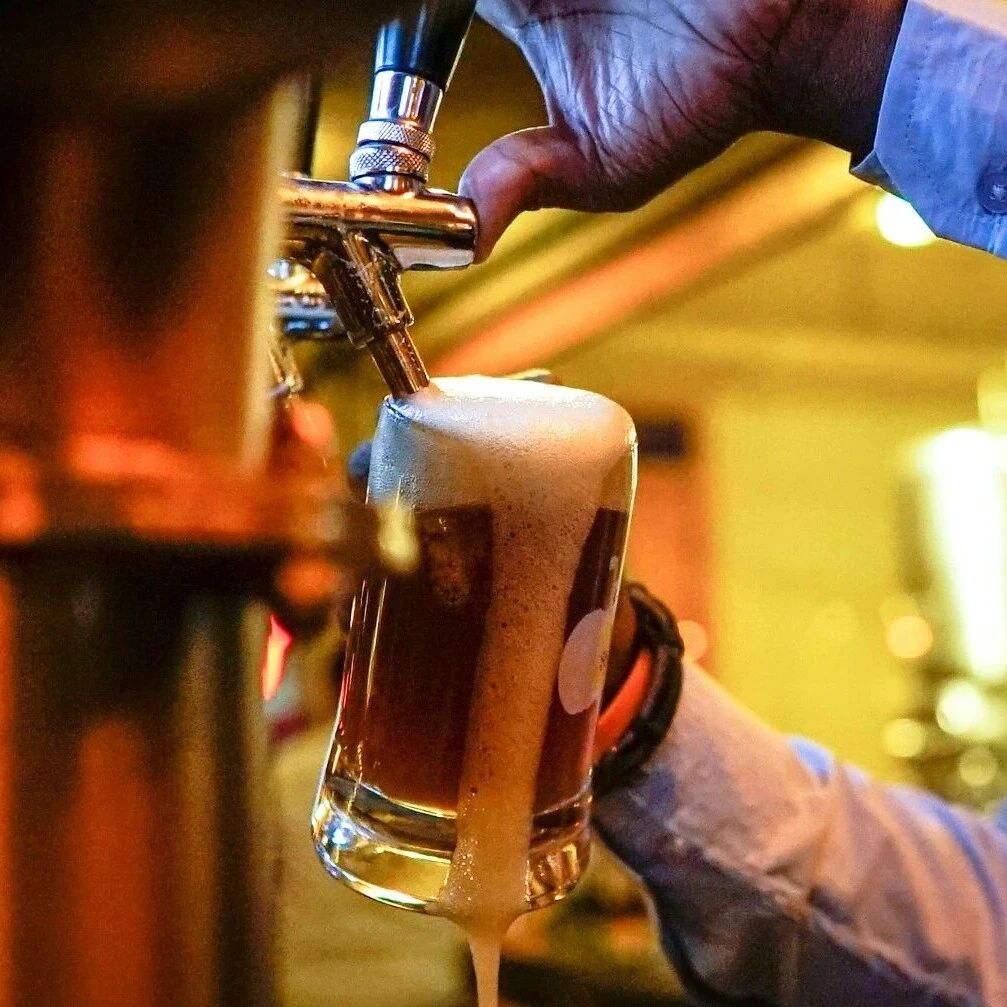
80后最爱喝的啤酒,要破产了?
创业家· 2026-01-19 10:29
Core Viewpoint - Shandong Taishan Brewery Co., Ltd. has entered bankruptcy reorganization due to heavy historical debt burdens, not product or market issues, aiming to refocus on production and consumer service [5][7][14]. Group 1: Bankruptcy Reorganization - The court has accepted the bankruptcy reorganization application for Taishan Brewery, with total assets of approximately 622 million and total liabilities of about 663 million, resulting in a debt-to-asset ratio of 106.63% [7][9]. - The reorganization process will provide a "protection period" for the company, allowing it to avoid asset seizures and maintain basic operations while developing a debt repayment and business restructuring plan [9][19]. - This reorganization is seen as a strategic choice to address long-term financial risks and is crucial for the brand's survival and industry transformation [9][19]. Group 2: Company History and Market Position - Founded in 1952, Taishan Brewery became a popular local brand, modernizing in the 1990s and maintaining a strong market presence in Shandong [11][12]. - The company successfully pivoted to high-end fresh beer with the launch of Taishan Raw Beer in 2013, emphasizing freshness and quality, which resonated with evolving consumer preferences [12][14]. - Despite challenges, Taishan Brewery's core assets, including brand recognition and loyal customer base, remain strong, indicating potential for recovery post-reorganization [14][19]. Group 3: Industry Context and Transformation Strategies - The Chinese beer industry is undergoing significant transformation, with traditional brands facing pressure from market saturation and changing consumer preferences [16][18]. - Taishan Brewery's shift to high-end products and direct-to-consumer sales models serves as a potential blueprint for other regional breweries seeking to adapt [18][19]. - The modernization of supply chain capabilities and organizational structures is essential for traditional breweries to thrive in a competitive landscape [18][19].
泰山啤酒重整:鲜啤王牌,何以渡劫?
3 6 Ke· 2026-01-19 00:24
Core Viewpoint - The article discusses the financial struggles of Taishan Beer and its parent company, Tiger Color Group, highlighting the impending bankruptcy restructuring and the impact of debt crises on the company's operations and market confidence [1][15][20]. Group 1: Company Background and Financial Performance - Taishan Beer, under the control of Tiger Color Group, has faced significant challenges, with its parent company Tiger Color Printing entering bankruptcy restructuring due to ongoing losses and debt issues [1][8][15]. - At its peak, Taishan Beer achieved annual revenue exceeding 1.6 billion yuan, but recent financial performance has declined, with 2024 revenue reported at approximately 501.5 million yuan, a decrease of 22.6% from its peak in 2021 [23]. - The company has been heavily impacted by the financial troubles of its parent company, with liabilities reaching approximately 663 million yuan and an asset-liability ratio of 106.63% as of October 2025 [13][15]. Group 2: Debt Crisis and Legal Issues - Tiger Color Printing has accumulated significant overdue debts, with a total of 515.55 million yuan overdue as of November 2024, leading to its bankruptcy restructuring in June 2025 [8][10]. - The shares of Taishan Beer held by Tiger Color Group have been judicially frozen, totaling approximately 987 million yuan, which has further complicated the company's financing capabilities and market confidence [11][13]. - The company is under pressure due to a failed IPO agreement, which could trigger a buyback obligation for Tiger Color Group if it does not complete a qualified IPO by June 30, 2024 [20][21]. Group 3: Market Position and Future Prospects - Taishan Beer operates in a highly competitive market, facing pressure from larger players in the fresh beer segment, which has affected its market position and sales [13][19]. - Despite the challenges, the company continues to expand its distribution network, with plans to increase the number of specialized stores to 3,183, aiming for deeper operational support for these outlets [23]. - The company has a history of innovation, having introduced a fresh beer product with a shelf life of only seven days, which has been a key selling point in its marketing strategy [19].
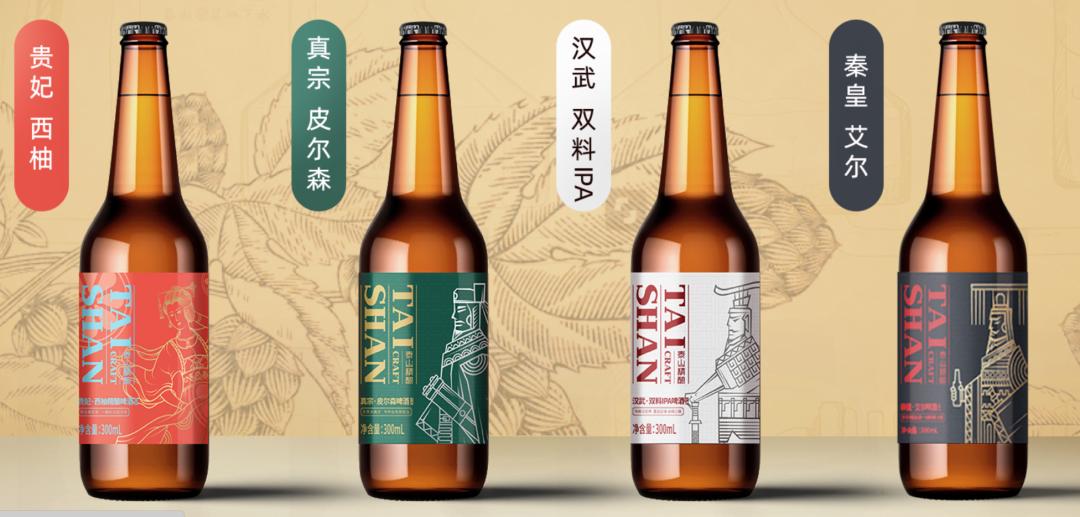
80后最爱喝的啤酒 , 要破产了?
3 6 Ke· 2026-01-18 06:06
Core Viewpoint - Shandong Taishan Brewery Co., Ltd. has entered bankruptcy reorganization, highlighting the financial struggles faced by many regional traditional breweries amid industry adjustments and shifts in consumer preferences towards higher quality products [1][2][10]. Financial Situation - As of October 31, 2025, Taishan Brewery's total assets are approximately 622 million yuan, with total liabilities around 663 million yuan, resulting in a debt-to-asset ratio of 106.63% [2]. - The court determined that Taishan Brewery cannot repay its due debts and lacks sufficient assets to cover all liabilities, thus qualifying for bankruptcy reorganization [2]. Management Perspective - The management emphasizes that the company's challenges stem from historical debt rather than product or market issues, and the reorganization will allow a renewed focus on production and consumer service [2][8]. Historical Context - Founded in 1952, Taishan Brewery has evolved from a local brewery to a national player in the fresh beer segment, successfully adapting to consumer trends and market demands [5][6]. - The introduction of the "7-day short shelf life" fresh beer in 2013 marked a significant innovation, allowing the company to capture a niche market and establish a strong brand presence [6][7]. Market Dynamics - The brewery's struggles reflect broader challenges in the beer industry, where traditional brands must innovate and restructure to remain competitive against premium and craft beer segments [10][11]. - The shift from low-margin, high-volume sales to high-value, quality-focused products is essential for survival in the current market landscape [10][11]. Reorganization Strategy - The reorganization process will provide a legal framework for debt resolution and business restructuring, allowing the company to avoid asset seizures and maintain operations during this critical period [3][4]. - The strategy includes potential debt reduction, capital infusion, and operational reforms, aiming for a comprehensive recovery [3][4][12]. Future Outlook - The next six months to a year will be crucial for Taishan Brewery's transformation and potential rebirth, leveraging its established brand and market trust [4][13]. - The company may explore new product offerings and partnerships to enhance its market position and consumer engagement [13].
经营与重整并行:泰山啤酒称保障产品稳定供应
Sou Hu Cai Jing· 2026-01-16 02:15
Core Viewpoint - Taishan Beer is undergoing a bankruptcy reorganization, which is viewed as a necessary step for long-term development rather than a sign of impending closure. The company aims to resolve historical debt issues and refocus on production and consumer service [5]. Group 1: Production and Operations - The production line operates at a consistent pace of 40,000 bottles per hour, maintaining a "7-day model" standard even during the reorganization process [3]. - The first night shift after the court's acceptance of the reorganization was conducted without interruption, demonstrating the company's commitment to its operational standards [3]. Group 2: Company History and Market Position - Taishan Beer has developed into a vibrant brand over 20 years, pioneering a 7-day shelf-life raw beer in 2010 and creating a unique sales model that connects factories directly to consumers [7]. - The company has expanded its market presence significantly, with over 3,000 specialized stores across 28 provinces and cities, primarily in Shandong [7]. Group 3: Financial Performance and Future Plans - In 2024, Taishan Beer is projected to achieve a revenue of 50.152 million yuan, with a sales volume of 80,000 tons in 2025, maintaining revenue levels from the previous year [9]. - The company plans to launch 13 new products in 2025 and has received the prestigious "Qingzhu Award" in the industry, indicating strong performance in product development and market expansion [9]. Group 4: Consumer Impact and Marketing Strategy - The reorganization is not expected to affect consumers, as the company remains committed to product quality and freshness [10]. - Future marketing strategies will focus on younger consumer demographics, enhancing the competitiveness of specialized stores, and aiming for a target of "1,000 stores per province" [10].
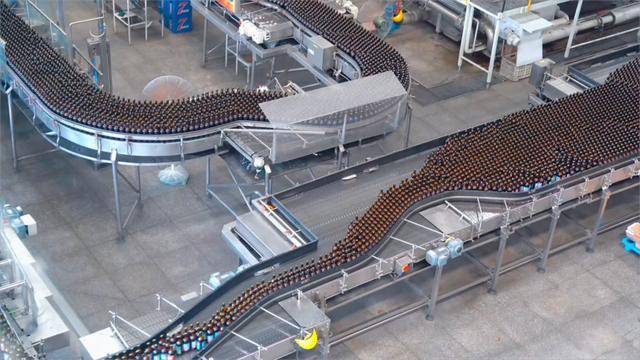
泰山啤酒回应破产重整
Bei Jing Shang Bao· 2026-01-15 07:47
Core Viewpoint - The core issue facing Taishan Beer is not related to its products or market, but rather a heavy historical debt burden, leading the company to enter bankruptcy reorganization to focus on production and consumer service [1]. Company Situation - Taishan Beer has officially entered judicial reorganization as of January 13, following a court ruling by the People's Court of Taishan District, Tai'an City, Shandong Province [1]. - The total assets of Taishan Beer are approximately 622 million yuan, while the total liabilities amount to about 663 million yuan, resulting in a debt-to-asset ratio of 106.63% [1]. - The court determined that Taishan Beer is unable to repay its due debts and lacks sufficient assets to cover all liabilities, indicating a clear lack of repayment capability [1].
主打七天保质期的泰山啤酒被债务压垮了
Xin Lang Cai Jing· 2026-01-14 12:20
Core Viewpoint - Shandong Taishan Beer Co., Ltd. has entered bankruptcy reorganization due to insolvency, with total assets of approximately 622 million yuan and total liabilities of about 663 million yuan, resulting in a debt-to-asset ratio of 106.63% [1][2] Company Overview - Taishan Beer was established in 1979 and became a wholly foreign-owned enterprise after being acquired by Hong Kong Tiger Color Group in 2000 [1] - The company operates over 3,000 specialized stores nationwide and has advantages in product marketing, technology innovation, and brand vitality, indicating potential for reorganization [1][2] Financial Situation - As of October 31, 2025, Taishan Beer is unable to repay its debts and lacks sufficient assets to cover all liabilities, leading to a severe cash flow shortage and operational difficulties [1][2] - The company reported a revenue of 50.152 million yuan in 2024 and aims for a sales volume of 80,000 tons in 2025, maintaining revenue levels similar to the previous year [10] Bankruptcy Reorganization - The court accepted the bankruptcy reorganization application based on the company's inability to pay due debts and the presence of reorganization value [2] - The management clarified that the reorganization is not an indication of closure but a necessary step for long-term development and to address historical debt issues [5] Market Context - The Chinese beer market shows growth potential, with 338 breweries achieving a total production of 30.9525 million kiloliters and sales revenue of 151.748 billion yuan in 2025, indicating a competitive landscape [6] - Major beer companies dominate the market, with top players capturing nearly 90% of the market share, making it challenging for second-tier brands like Taishan Beer to break through [6] Product and Marketing Strategy - Taishan Beer has introduced innovative products, including a "Herbal" series and high-end offerings, to cater to diverse consumer preferences and health trends [8] - The company has adopted a direct sales model through specialized stores, enhancing brand experience and retaining more channel profits [5][8] Future Outlook - Despite the current financial challenges, the company remains optimistic about its future, aiming to expand its store network significantly and maintain consumer engagement during the reorganization process [11]
青岛啤酒收购即墨黄酒告吹,茅台换帅
2 1 Shi Ji Jing Ji Bao Dao· 2025-10-27 03:53
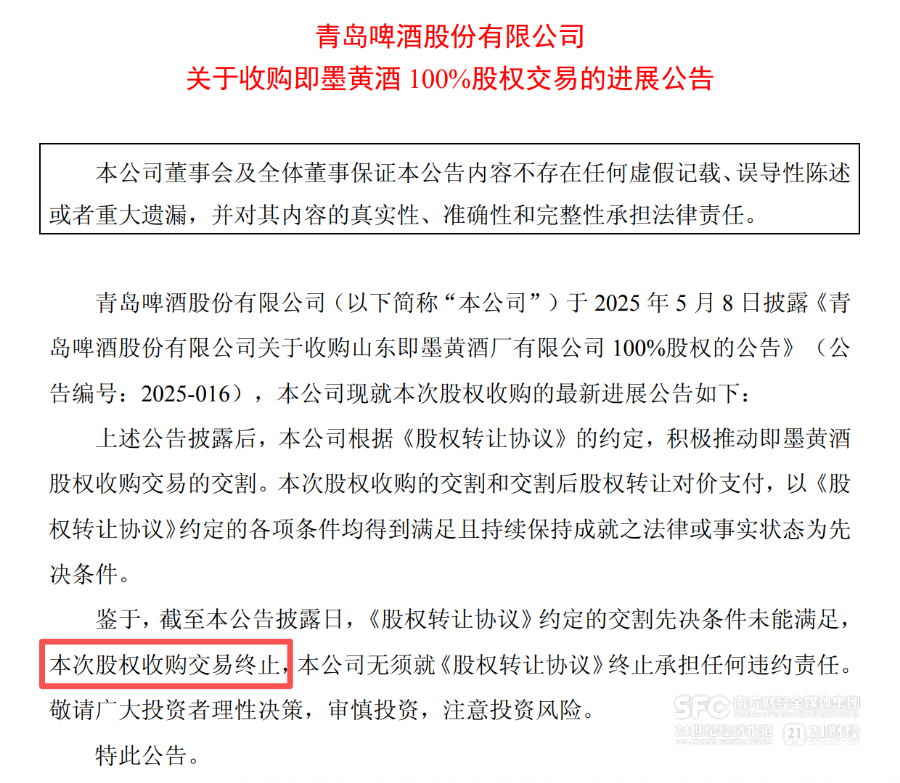
Group 1: Qingdao Beer Acquisition Termination - Qingdao Beer announced the termination of its acquisition of a 100% stake in Jimo Huangjiu due to unmet conditions in the share transfer agreement [2][4] - The acquisition was initially valued at 665 million yuan and was part of a trend where the capital market showed interest in Huangjiu [4] - The company stated it would not bear any liability for the termination of the share transfer agreement [4] Group 2: Leadership Changes in Major Alcohol Companies - Moutai Group appointed Chen Hua, the former director of the Guizhou Provincial Energy Bureau, as the new chairman, replacing Zhang Deqin after only a year and a half [10] - Xi Feng Wine announced the promotion of Zhang Yong to general manager of its marketing company, replacing Zhou Yanhua, who retired at the age of 55 [11] - Huichuan Beer appointed Yi Wenxin as the new general manager following the resignation of Liu Xiangyu and Chen Jiting [12][13] Group 3: Financial Performance of Alcohol Companies - Jin Hui Wine reported a revenue of 2.305 billion yuan and a net profit of 324 million yuan for the first three quarters, with a significant decline in Q3 net profit by 33% [15][16] - Yanjing Beer and Zhujiang Beer both reported slower growth in Q3, with Yanjing's revenue at 4.875 billion yuan, a 1.55% increase, and Zhujiang's revenue at 1.875 billion yuan, a 1.34% decline [17] - Heineken's Q3 net revenue decreased by 0.3%, with a 4.3% decline in organic sales volume, leading to a downward revision of its annual sales forecast [19][20] Group 4: Market Trends and Consumer Behavior - The National Bureau of Statistics reported a 1.6% year-on-year growth in the tobacco and alcohol sector for September, with a 4% increase for the first nine months of 2025 [23]




三季报密集披露,关注业绩表现
Ping An Securities· 2025-10-27 03:28
Investment Rating - The industry investment rating is "stronger than the market," indicating an expected performance exceeding the market by more than 5% over the next six months [26]. Core Views - The report highlights a mixed performance in the consumer sector, with certain sub-industries like media and home appliances showing positive growth, while others like food and beverage and retail are experiencing declines [2][4]. - The report emphasizes the importance of focusing on companies with strong earnings visibility as the third-quarter earnings reports are being released [2]. - Key investment themes include high-end liquor, fast-growing beverage companies, and the potential of the tourism sector as consumer spending rebounds [2]. Summary by Sections Food and Beverage - Alcohol - The launch of limited edition products is expected to drive sales growth, particularly for leading companies in market management and branding [2]. - Focus areas include high-end liquor, next-tier liquor with national expansion, and local market strongholds [2]. Food and Beverage - Mass Market - The report suggests identifying high-growth sectors through third-quarter earnings, recommending companies like Dongpeng Beverage and Yili Group [2][15]. - Dairy products are expected to benefit from holiday season stocking, with major dairy companies entering a profit recovery phase [2]. Social Services - The tourism sector is projected to benefit from increasing consumer spending, with recommendations for companies like Ctrip and Huazhu Group [2]. - The beauty market is evolving, with domestic brands gaining traction, particularly those responsive to consumer needs [2]. Apparel and Textiles - The sports consumption sector is supported by policy, with investment opportunities in outdoor sports brands like Anta Sports [2][17]. Media - Companies that can tap into consumer sentiment and emotional trends are likely to find opportunities, with a focus on brands like Pop Mart [2][18].
燕京啤酒董事长耿超回应推出倍斯特汽水;泰山啤酒一季度净利同比增长超600%丨酒业早参
Mei Ri Jing Ji Xin Wen· 2025-05-16 00:53
Group 1 - Yanjing Beer is launching Beiste soft drink to meet the growing demand for non-alcoholic beverages among consumers, especially in dining scenarios [1][2] - The Chinese beer production volume for large-scale enterprises is projected to decline by 1.9% in 2024, while the carbonated beverage market is expected to grow at an annual rate of 8.58%, reaching 162.2 billion yuan by 2027 [1] - Yanjing aims to maximize channel value by leveraging its existing beer sales channels for the new soft drink, capitalizing on the significant growth potential in the soft drink market [1][2] Group 2 - Taishan Beer reported a net profit of 3.86 million yuan in Q1 2025, marking a substantial year-on-year increase of 621.6%, with sales volume rising by 12% from January to April [3] - The sales of Taishan raw beer have shown steady growth, with profits reaching 16.11 million yuan in 2024, an increase of 6.8% year-on-year, contributing to enhanced investor confidence [3] - The positive financial performance is expected to provide Taishan Beer with increased cash flow, further solidifying its market position [3] Group 3 - Shaanxi Xifeng Liquor has outlined its strategic goals for 2025, emphasizing the importance of market breakthroughs, marketing support, brand value enhancement, quality assurance, cultural empowerment, and management efficiency [4] - The company's comprehensive strategy for 2025 aims to transition from stabilizing its market position to accelerating towards higher objectives, which is expected to have a profound impact on its operations [4] - Xifeng's focus on various aspects such as market, brand, quality, culture, and management is designed to strengthen its position in the liquor industry and achieve new breakthroughs [4]
