
离子注入机

Search documents
2026年电子行业春季策略报告:兼顾周期与成长,看好存储芯片景气持续-20260401
Shanghai Aijian Securities· 2026-04-01 08:23
Group 1 - The report highlights a strong outlook for the semiconductor industry, particularly in the storage chip sector, driven by multiple factors including AI demand and smartphone upgrades [3][49][62] - The DeepSeek AI model has initiated a new wave of innovation in the industry, leading to significant market interest and investment opportunities [9][14][24] - The report notes a significant divergence in performance among electronic sub-sectors in 2025, with printed circuit boards and integrated circuit manufacturing showing substantial gains, while consumer electronics lagged [3][8][25] Group 2 - The three major storage giants, Micron, Samsung, and SK Hynix, have initiated price increases for their products, indicating a new growth cycle in the storage market [51][58] - Historical analysis shows that the storage chip market has experienced cyclical trends, with the current cycle being driven by both AI server demand and smartphone upgrades [62][68] - The report emphasizes the importance of the semiconductor industry in China, particularly in overcoming technological barriers and achieving breakthroughs in critical areas [3][29][47] Group 3 - The report identifies key investment opportunities in the semiconductor supply chain, particularly in storage chip modules, packaging, and manufacturing, as well as related equipment and materials [4][49][62] - The impact of U.S.-China trade policies is highlighted, with certain sectors benefiting from export restrictions while consumer electronics face challenges [25][29][31] - The global server market is projected to grow significantly, with China playing a crucial role in driving this growth [33][34][62]




【太平洋科技-每日观点&资讯】(2026-03-31)
远峰电子· 2026-03-30 13:36
Market Overview - The Shanghai Composite Index increased by 0.24%, while the Shenzhen Component Index decreased by 0.25%. The ChiNext Index and the North Star 50 both fell by 0.68% and 0.84% respectively [1] - The TMT sector led the market with notable gains in SW Communication Cables (+7.94%), SW Semiconductor Equipment (+3.28%), and SW General Publishing (+1.95%) [1] - Conversely, the TMT sector also saw declines in SW Consumer Electronics (-1.92%), SW Gaming III (-1.79%), and SW Discrete Devices (-1.60%) [1] Domestic News - Aibang's ARAI glasses are set to launch their first smart glasses product, featuring a micro-optical machine with a volume of only 0.03cc, which is one-fifth of the common 0.15cc solutions in the industry [1] - In the semiconductor industry, TSMC's 2nm process capacity is fully booked until 2028 due to high demand from major tech companies like Nvidia, AMD, Qualcomm, and Apple [1] - Kaistone released two new series of advanced ion implantation machines, Hyperion and iKing 360, covering various applications including advanced logic, storage, SiC, compound semiconductors, IGBT, and SOI materials [1] - STMicroelectronics raised up to 3.2 billion RMB for the development and industrialization of CIS solutions for high-performance imaging, smart driving, and visual AI applications [1] Overseas News - In the semiconductor packaging and testing sector, DDR5 memory prices have seen significant reductions, with some products dropping by up to $100, particularly Corsair's 32GB model, which is now priced around $379.99, down from a peak of $490 [2] - Samsung's NAND wafer factory in Xi'an, China, has successfully completed a process upgrade, achieving mass production of the eighth-generation V-NAND (V8 NAND) with 236 layers, and is targeting 286 layers for the next generation by 2026 [2] - TrendForce has revised its global laptop shipment forecast for 2026, now expecting a year-on-year decline of 14.8%, down from a previous estimate of 9.2% due to weakening consumer demand and rising supply chain costs [2] - Netflix and YouTube have become the preferred video service platforms for French users, with predictions that Netflix's global monthly active users will exceed 1 billion by 2027, while YouTube's user base is expected to approach 3 billion [2] AI News - Apple plans to introduce a new iOS feature called "Extensions," allowing users to integrate more third-party AI chatbots with Siri, creating a dedicated section in the App Store for these extensions [3] - Suno launched version 5.5, enabling users to train models using their own voices to create AI-generated music, with features for personalized music models based on user preferences [3] - Soul AI Lab released an open-source model, SoulX-LiveAct, which generates real-time digital human videos with expressive emotions and rich body movements based on input images, audio, and commands [3] - Meta announced the launch of TRIBE v2, a brain activity model that predicts high-resolution fMRI brain signals based on multimodal training with video, audio, and text [3] Industry Tracking - The first commercial satellite remote sensing control station in Southwest China, the Meishan Receiving Station, has been put into operation, marking a significant breakthrough in the commercial aerospace industry [4] - Researchers from Tsinghua University have observed the decay rate of false vacuum in accordance with quantum field theory predictions, utilizing Rydberg atom rings [4] - Zhirun Medical showcased a flexible brain-machine interface system with the highest channel count in the domestic clinical-grade sector, demonstrating international leadership in stability and signal acquisition efficiency [4] - A domestic industrial device for solution-based polyolefin elastomers has entered trial operation in Tianjin, alleviating reliance on imports for strategic emerging industries [4] Annual Reports - Lens Technology reported total revenue of 74.41 billion RMB for 2025, a year-on-year increase of 6.46%, with a net profit of 4.02 billion RMB, up 10.87% [7] - Zhongwei Company achieved total revenue of 12.39 billion RMB, a 36.62% increase, with a net profit of 2.11 billion RMB, up 30.69% [7] - GigaDevice reported total revenue of 9.20 billion RMB, a 25.12% increase, with a net profit of 1.65 billion RMB, up 49.47% [7] - Sirepu reported total revenue of 2.14 billion RMB, a 75.65% increase, with a net profit of 173 million RMB, up 187.72% [7]



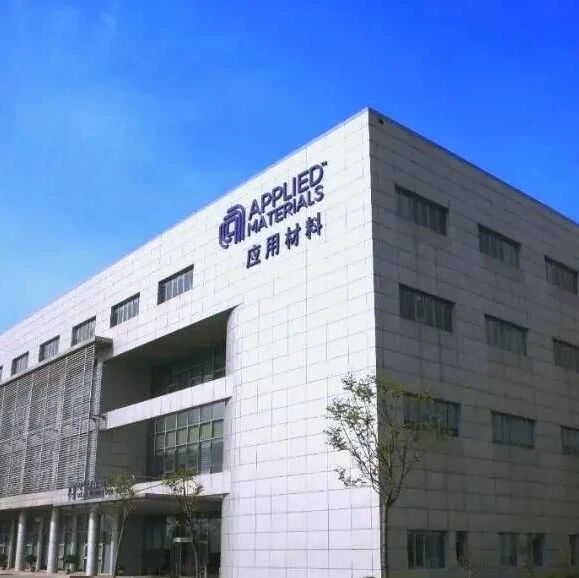
应用材料被罚2.52亿美元!
国芯网· 2026-02-12 12:00
Core Viewpoint - The article discusses the settlement between the U.S. Department of Commerce and Applied Materials regarding illegal exports of semiconductor manufacturing equipment to China, highlighting the implications for the semiconductor industry and regulatory environment [2][4]. Group 1: Settlement Details - The U.S. Department of Commerce announced a settlement of $252 million with Applied Materials due to allegations of illegal exports of semiconductor manufacturing equipment to China [2]. - The core equipment involved, ion implantation machines, were shipped to South Korea for assembly before being sent to China without the necessary export licenses [4]. - The illegal goods exported to China were valued at approximately $126 million, and the fine imposed is double the value of the goods, representing the maximum penalty allowed by law [4]. Group 2: Regulatory Context - The settlement marks the second-highest fine ever issued by the Department of Commerce's Bureau of Industry and Security [4]. - Applied Materials expressed satisfaction with the resolution and noted that investigations by the U.S. Department of Justice and the U.S. Securities and Exchange Commission have been terminated without further action [4]. - In 2023, reports indicated that Applied Materials was under criminal investigation for allegedly circumventing export restrictions to Chinese wafer foundries [4].

TCL华星广州第8.6代OLED产线开启设备招标
WitsView睿智显示· 2026-02-11 09:49
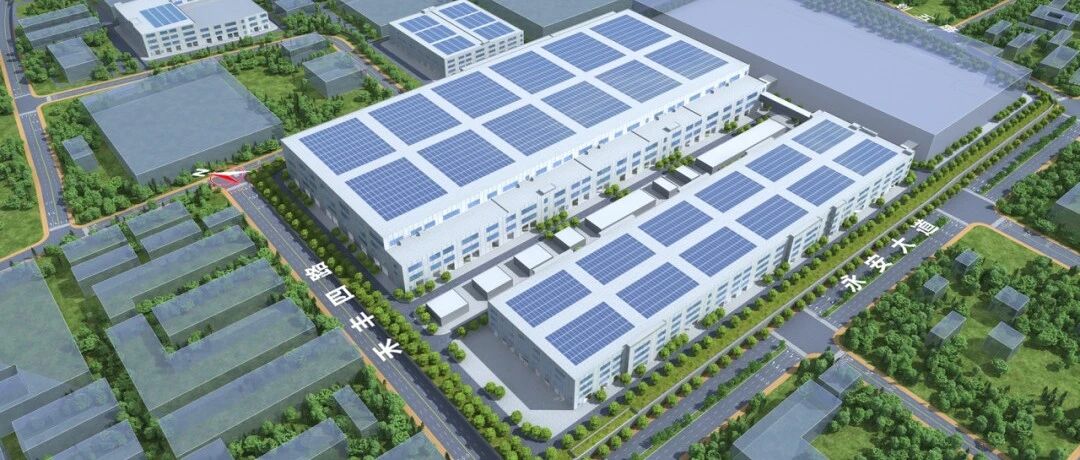
Core Viewpoint - TCL Huaxing Optoelectronics is actively expanding its OLED production capabilities through international equipment tenders, indicating a strategic move to enhance its manufacturing capacity and technology in the OLED sector [1][2][3]. Group 1: Equipment Tenders - On February 6, TCL Huaxing Optoelectronics announced 17 equipment tenders, including 4 inkjet printers, 1 deposition machine, 8 sputtering machines, 17 plasma-enhanced chemical vapor deposition (PECVD) machines, 12 dry etching machines, and 2 ion implanters [1]. - The tenders are part of the international bidding process, with a deadline set for February 27, 2026, for various equipment including scanning electron microscopes and focused ion beams, all located in Guangdong Province [2]. Group 2: Production Plans and Market Position - Compared to the investment plan announced in November 2025, the tender timeline has been slightly delayed, but the roadmap for mass production by the fourth quarter of 2027 remains intact [3]. - TCL Huaxing Optoelectronics plans to build an inkjet printing OLED production line in Guangzhou, based on 8.6-generation glass substrates (2290 mm × 2620 mm), with a monthly capacity of 22,500 sheets and a total investment of 29.5 billion RMB, expected to be completed by October 2027 [3]. - With this move, TCL Huaxing becomes the fourth player in the 8.6-generation OLED market, following Samsung Display, BOE, and Visionox [5].

“投资取经团”为何涌向山东?
经济观察报· 2026-01-30 02:58
Core Viewpoint - Shandong's leading venture capital institutions are exploring investment paths through a comprehensive approach that includes stringent screening, segmented risk control, and deep resource empowerment, ultimately aiming for ecological value realization [1][17]. Investment Strategy and Goals - The Shandong provincial government aims to actively expand effective investment, targeting over 9.8 billion yuan in investments across 2,000 key projects by 2026 [2]. - The "Action Plan for Promoting High-Quality Development of Venture Capital" aims for an annual growth of over 10% in venture capital investment by 2027, with a management scale exceeding 400 billion yuan and over 3,800 existing funds [2]. - The local venture capital ecosystem is rapidly forming, with institutions like Lushin Venture Capital Group and Shandong New Momentum Fund leading the way, having nurtured over 300 specialized and innovative enterprises [2]. Policy and Institutional Innovations - Shandong's financial resources are shifting from "allocation" to "investment," using equity investment to guide social capital into early-stage hard technology investments [3]. - The province has established a "fault tolerance balance" mechanism that emphasizes compliance, differentiated assessment, market-oriented methods, and collaboration with social capital [19][22]. External Interest and Learning - Other regions, including Chongqing and Hainan, are sending delegations to learn from Shandong's model, particularly its approach to early-stage hard technology investments and its unique "national capital leading + full-cycle empowerment + fault tolerance balance" mechanism [4][6]. Investment Mechanisms and Practices - Shandong's venture capital institutions employ a phased investment strategy to manage risks associated with early-stage hard technology companies, with funding tied to specific technological milestones [14]. - The institutions are transitioning from merely providing capital to becoming resource connectors, addressing core pain points in enterprise growth [15]. Exit Strategies and Returns - The primary exit strategy for investments remains through company listings, with over 40 portfolio companies having gone public as of January 2026 [16]. - Shandong is also exploring S funds and merger exits to broaden exit channels, with a focus on creating a sustainable investment ecosystem [22]. Fault Tolerance Mechanism - The province's fault tolerance mechanism allows investment teams to apply for exemptions if they follow due diligence and management processes, even if projects fail [19][20]. - Shandong is implementing a "combination balance" strategy, recognizing the strategic value of projects that may initially incur losses but contribute to broader industry goals [21]. Future Directions - Shandong plans to issue unified guidelines for government investment fund fault tolerance and enhance the linkage between fault tolerance mechanisms and exit strategies [23].


“投资取经团”为何涌向山东?
Jing Ji Guan Cha Wang· 2026-01-29 13:27
Core Insights - Shandong Province is prioritizing the expansion of effective investment, aiming to promote 2,000 key provincial projects with an investment of over 980 billion yuan by 2026 [1] - The province's action plan targets an annual growth of over 10% in venture capital investment by the end of 2027, with a management scale exceeding 400 billion yuan and a focus on early-stage investments in hard technology [1][2] - A significant influx of external delegations is visiting Shandong to learn from its investment strategies, particularly in early-stage hard technology [2][3] Investment Strategy - Shandong's government is shifting from "allocation" to "investment," using equity investment to leverage social capital for early-stage hard technology [2] - The province is establishing a "one-on-one" full-chain tracking service mechanism for signed funds and projects to ensure effective implementation of the action plan [4] - The Shandong New Momentum Fund has launched a 3 billion yuan fund targeting future industries, with a total scale exceeding 400 billion yuan [4][5] Ecosystem Development - Local venture capital firms, such as Luxin Venture Capital, are adopting a "fund + park + industry" model, having nurtured over 300 specialized enterprises [1][6] - The investment approach includes a combination of capital and policy incentives, such as rent-free factory space and R&D subsidies, to attract early-stage hard technology teams [6][11] - The investment institutions are evolving from merely providing funds to acting as resource connectors, facilitating partnerships and operational support for portfolio companies [10][11] Risk Management - Shandong's venture capital institutions are implementing a phased investment strategy to manage risks associated with early-stage hard technology projects [9] - A "tolerance mechanism" has been established to allow for project failures as long as due diligence and compliance processes are followed, alleviating the fear of investment losses [13][14] - The province is exploring a "government-led + market participation" model to share risks and benefits, enhancing the attractiveness of early-stage investments [17][18]
1.36亿元!清华大学采购大批仪器(2026年1月)
仪器信息网· 2026-01-21 03:55
Core Insights - Tsinghua University has announced procurement intentions for 18 types of instruments and equipment, with a total budget of 136 million yuan, scheduled for January 2026 [1][2]. Procurement Overview - The procurement includes various advanced technologies such as: - Plasma Enhanced Chemical Vapor Deposition (PECVD) system with a budget of 2.7 million yuan [4] - Inductively Coupled Plasma Enhanced Chemical Vapor Deposition (ICP-CVD) system with a budget of 3 million yuan [4] - High-Density Plasma Chemical Vapor Deposition (HDPCVD) system with a budget of 24 million yuan [4] - Atomic Layer Deposition (ALD) system with a budget of 9 million yuan [4] - Ion Implanter with a budget of 20 million yuan [4] - Other equipment includes vacuum annealing systems, electron beam evaporators, and various testing instruments [5]. Detailed Equipment List - The detailed procurement list includes: - Directional Magnetization Vacuum Annealing System: 4 million yuan [4] - General Electron Beam Evaporator: 4 million yuan [4] - New Material Etching Machine: 5 million yuan [5] - Scanning Electron Microscope: 5 million yuan [5] - Hall Effect Tester: 2.9 million yuan [5] - Critical Dimension Measurement System: 7 million yuan [5] - Electron Beam Lithography System: 30 million yuan [5].

37只基金“浇灌”山东硬科技“新苗”
Xin Hua Wang· 2026-01-14 01:53
Group 1 - The "Investment Qilu, Win the Future" high-quality development capital docking event was held in Jinan, resulting in a total signing scale of 34.7 billion yuan [1] - The event promoted 150 financing projects and attracted participation from 7 national-level funds, 5 financial asset investment companies, and 117 domestic private equity investment institutions and financial representatives [1] - A total of 37 funds and 13 projects were signed in Shandong, covering multiple hard technology sectors such as artificial intelligence, high-end equipment manufacturing, new energy, new materials, and biomedicine [1] Group 2 - The Shandong Lixin Gongrong New Momentum Artificial Intelligence Venture Capital Fund was established with a total subscription scale of 1 billion yuan, with Lixin Venture Capital Group and its subsidiary contributing 400 million yuan [1] - The fund will focus on investments in artificial intelligence and related frontier technology fields, aiming for forward-looking layout along the upstream and downstream industrial chain of new generation information technology [1] - Aien (Shandong) Semiconductor Technology Co., Ltd. presented its project at the event, planning to relocate its headquarters from Guangzhou to Jinan, with a financing target of 50 million yuan for research, talent, and raw materials [1][2]
37只基金13个项目落地山东
Da Zhong Ri Bao· 2026-01-14 01:06
Group 1 - The event "Investment in Qilu, Win the Future" held in Jinan resulted in the signing of multiple funds and projects, with a total scale of 34.7 billion yuan [2] - A total of 150 financing projects were promoted, attracting participation from 7 national-level funds, 5 financial asset investment companies, and 117 domestic private equity investment institutions and financial representatives [2] - 37 funds and 13 projects were successfully signed in Shandong, covering various hard technology sectors such as artificial intelligence, high-end equipment manufacturing, new energy, new materials, and biomedicine [2] Group 2 - The newly established Shandong Lixin Gongrong New Kinetic Energy Artificial Intelligence Venture Capital Fund has a total subscription scale of 1 billion yuan, with Lixin Venture Capital Group and its subsidiary contributing 400 million yuan [2] - The fund will focus on investments in artificial intelligence and related cutting-edge technology fields, aiming for forward-looking layouts along the upstream and downstream industrial chain of new generation information technology [2] - Aien (Shandong) Semiconductor Technology Co., Ltd. is one of the companies that presented at the event, planning to relocate its headquarters to Jinan and aiming to raise 50 million yuan for research, talent, and raw materials [2][3] Group 3 - Lixin Venture Capital is also an angel investor in Aien Semiconductor, providing initial funding and participating in the establishment of the company's organizational structure, talent system, and corporate governance [3] - This "investment + empowerment" deep engagement model exemplifies how patient capital nurtures hard technology startups [3]
先导基电:子公司凯世通现有存量客户已突破12家
Zheng Quan Ri Bao Zhi Sheng· 2026-01-07 13:12
Core Insights - The company, Xian Dao Ji Dian, has reported that its subsidiary, Kai Shi Tong, will exceed 12 existing clients by the first half of 2025, with its ion implantation products validated by several mainstream 12-inch wafer fabs in China [1] Group 1: Product Development and Market Position - The product range includes low-energy high-current ion implanters, ultra-low temperature ion implanters, and high-energy ion implanters, with the low-energy high-current ion implanter for CIS device doping achieving its first equipment acceptance [1] - The high-energy ion implanter is progressing well in industrialization and is continuously expanding its new client base [1] - The company is accelerating the development of high-energy ion implantation equipment, hydrogen ion implantation equipment, and medium current ion implantation equipment to enhance its competitive differentiation [1] Group 2: Client Acquisition and Market Share - The company is not only receiving repeat orders from existing core clients but has also successfully gained recognition from several new clients, leading to applications in more niche process areas and a steady increase in market share [1] - In the future, Kai Shi Tong aims to provide clients with high-performance, high-efficiency, and comprehensive one-stop ion implantation equipment and solutions, further expanding its client base and enhancing market coverage capabilities [1]
