
腌制食品

Search documents
春节走亲戚,这几种食物千万别给孩子吃
Xin Lang Cai Jing· 2026-02-20 06:13
Core Viewpoint - The article emphasizes the importance of being cautious about children's dietary choices during the Spring Festival, highlighting specific foods that pose risks to their health and safety. Group 1: Alcohol and Alcohol-Containing Foods - Alcohol consumption in children can lead to acute alcohol poisoning, as their liver metabolizes alcohol at only one-third the rate of adults. Even 50 milliliters of beer can exceed safe blood alcohol levels for children [2] - There is no safe amount of alcohol for children, and foods containing alcohol, such as alcohol-infused candies and dishes, should be strictly avoided [2] Group 2: Nuts - Nuts pose a choking hazard for children under five due to their hard texture and shape, which can easily lead to airway obstruction [3] - It is recommended to ensure that young children are seated while eating nuts and to cut them into small, manageable pieces to reduce choking risks [3] Group 3: Sticky Foods - Sticky foods like rice balls, glutinous rice cakes, and jelly can easily block airways if swallowed improperly and may cause intestinal obstruction in children [4][5] - Children under three years old should avoid these foods, and caregivers should ensure that children chew thoroughly and do not talk or laugh while eating [5] Group 4: Honey - Honey should not be given to infants under one year old due to the risk of botulism from bacteria that can thrive in their immature gut [6] - Children over one year can consume honey in moderation, but caution is advised regarding the source of the honey [6] Group 5: Ginkgo Nuts - Ginkgo nuts can cause food poisoning if consumed improperly, and the outer skin can cause skin irritation [7] - It is advised to remove the skin and cook the nuts thoroughly, with a daily limit of 15 nuts for adults and a recommendation for children to avoid them altogether [7] Group 6: Caffeinated Beverages - Caffeinated drinks like tea, coffee, and sodas can negatively affect children's nervous systems and sleep patterns, and they should be limited in children's diets [8] - The best beverages for children and adolescents are plain water and milk, with a strong recommendation against energy drinks and sodas [8] Group 7: Pickled Foods - Pickled foods are high in salt and can strain children's kidneys, with excessive intake leading to health issues such as high sodium levels and increased cancer risk [9][10] - It is advised that children avoid pickled foods, especially during festive occasions, to mitigate health risks [10]
中新健康|春节走亲戚,这几种食物千万别给孩子吃
Xin Lang Cai Jing· 2026-02-20 04:11
Core Viewpoint - The article highlights the potential dangers of certain foods for children during the Spring Festival, emphasizing the need for parents to be cautious about what they allow their children to consume [1][2]. Group 1: Alcohol and Alcohol-Containing Foods - Alcohol consumption in children can lead to acute alcohol poisoning, as their liver can only metabolize alcohol at one-third the rate of adults. Even a small amount, such as 50 milliliters of beer, can be harmful [3]. - There is no safe amount of alcohol for children, and foods containing alcohol, such as alcohol-infused candies and dishes, should be strictly avoided [3]. Group 2: Nuts - Nuts pose a choking hazard for children under five due to their hard texture and shape, which can easily lead to airway obstruction [4]. - If nuts are to be consumed, they should be prepared in small, manageable pieces, and children should be supervised to ensure they are sitting down while eating [4]. Group 3: Sticky Foods - Sticky foods like rice balls, glutinous rice cakes, and jelly can easily get stuck in a child's throat, leading to choking or intestinal blockage [5][6]. - It is advised that children under three years old should not consume these types of foods, and caregivers should ensure children chew thoroughly and avoid distractions while eating [6]. Group 4: Honey - Honey should not be given to infants under one year old due to the risk of botulism from bacteria that can thrive in their immature gut [7]. - Children over one year can consume honey in moderation, but parents should avoid giving them unverified wild honey [8]. Group 5: Ginkgo Nuts - Ginkgo nuts can cause food poisoning if consumed improperly, and their outer skin can cause skin irritation [9]. - It is recommended to remove the skin and thoroughly cook ginkgo nuts before consumption, with a limit of 15 nuts per day for adults and avoidance for children [10]. Group 6: Caffeinated Beverages - Caffeinated drinks like tea, coffee, and sodas can negatively impact children's nervous systems and sleep patterns, and they should be avoided [11]. - The best beverages for children and adolescents are plain water and milk, with a recommendation to limit the intake of functional and carbonated drinks [11]. Group 7: Pickled Foods - Pickled foods are high in salt and can strain children's kidneys, with excessive intake leading to health risks such as high sodium levels and potential cancer risks [12]. - It is advised that children avoid pickled foods, especially during festive occasions, to minimize health risks [13].
当心春节“剩宴”暗藏隐形刺客
Xin Lang Cai Jing· 2026-02-11 03:19
Core Viewpoint - The article emphasizes the importance of safely handling leftover food during the Spring Festival to prevent foodborne illnesses while minimizing waste. Group 1: Foodborne Pathogens - Staphylococcus aureus is commonly found in the environment and on human skin, capable of proliferating in leftover high-protein and high-starch foods, producing toxins that can cause food poisoning even after heating. Symptoms include severe vomiting and diarrhea [2] - Escherichia coli O157:H7 can lead to hemorrhagic diarrhea and is often found in undercooked beef and unpasteurized milk. Symptoms include severe diarrhea, abdominal pain, nausea, and vomiting. Proper cooking of meat to an internal temperature of at least 74°C is essential [3] - Listeria monocytogenes can grow under refrigeration and is found in ready-to-eat meats, raw vegetables, soft cheeses, and ice cream, posing a significant risk to pregnant women and immunocompromised individuals. Symptoms include fever, muscle pain, headache, nausea, vomiting, and diarrhea [4] - Clostridium botulinum produces a potent neurotoxin and is commonly associated with contaminated canned and preserved foods. Symptoms include blurred vision, dry mouth, muscle paralysis, and respiratory difficulties [5] Group 2: Safety Measures for Leftovers - Inspect leftover food for color, smell, and texture before consumption; discard if any abnormalities are detected [6] - Separate raw and cooked foods during handling and storage to prevent cross-contamination [7] - Refrigerate leftovers within 2 hours of cooking to inhibit bacterial growth; most meat dishes can be stored for 1 to 2 days, while seafood should be consumed immediately [7] - Leafy greens can generate high levels of nitrites overnight, making them unsuitable for consumption as leftovers, while other vegetables can typically be refrigerated overnight [8] - Reheat leftovers thoroughly, ensuring the food reaches an internal temperature of at least 75°C to kill potential pathogens [9] - Use clean, sealable containers for storing leftovers to prevent bacterial contamination [10]
宠物食品八大禁忌,你踩坑了吗?
Nan Fang Nong Cun Bao· 2026-01-08 07:34
Core Viewpoint - The article emphasizes the importance of understanding pet dietary restrictions, highlighting eight major food items that are toxic to pets, which can lead to severe health issues or even death if consumed [10][74]. Group 1: Pet Food Taboos - Chocolate is highly toxic to pets, particularly dogs and cats, due to their inability to metabolize theobromine and caffeine, leading to symptoms like vomiting, diarrhea, and potentially fatal heart failure [12][16]. - Grapes and raisins can cause acute kidney failure in pets, with no established safe consumption level, making them extremely dangerous [19][23]. - Onions, garlic, and related products contain compounds that can destroy red blood cells in pets, leading to hemolytic anemia, with symptoms that may appear days after ingestion [26][30]. - Xylitol, an artificial sweetener found in sugar-free products, can cause a rapid drop in blood sugar and liver damage in pets, with symptoms appearing within 15-30 minutes of consumption [33][39]. - Alcohol is harmful to pets, causing liver damage and neurological issues, with even small amounts leading to severe health consequences [42][46]. - High-salt and high-fat foods, such as pickled products and fried foods, can lead to kidney strain, obesity, and pancreatitis in pets [48][50]. - Sharp bones, particularly from cooked poultry and fish, can splinter and cause serious internal injuries to pets [54][62]. - Dairy products, including milk, can cause digestive issues in pets due to their inability to process lactose after weaning, leading to gastrointestinal distress [66][70]. Group 2: Dietary Guidelines - The article advises pet owners to prioritize specialized pet food that meets the specific needs of their pets, rather than human food, to avoid dietary mistakes that could harm their pets [74][76]. - In case of accidental ingestion of toxic foods, it is crucial to seek immediate veterinary assistance while providing details about the consumed items [77].


6种常见饮食与癌症发生发展有关,很多人每天都在吃
Xin Lang Cai Jing· 2026-01-08 03:31
Group 1: Cancer-Causing Foods - Six common dietary habits are linked to cancer development, including pickled foods, moldy foods, and processed meats, which are recognized by the World Health Organization as carcinogenic factors [1] - High-sugar diets are considered a "fast track" for cancer cells, with a study indicating that high sugar intake is associated with increased risk for 45 diseases, including liver, pancreatic, breast, and prostate cancers [2] - Long-term excessive salt intake can damage the gastric mucosal barrier, promoting abnormal cell proliferation and increasing the risk of stomach cancer [6] Group 2: Recommendations for Healthier Eating - It is recommended to reduce daily added sugar intake to below 25 grams (approximately 6 teaspoons) [3] - To avoid the risk of esophageal and stomach cancers, it is advised to change the habit of eating very hot foods, suggesting the use of wide, shallow bowls to cool food more quickly [5] - Limiting salt intake to no more than 5 grams per day is suggested, along with being cautious of "hidden salt" in various condiments and snacks [9] Group 3: Specific Food Types to Avoid - Pickled foods can produce nitrites during the pickling process, which may form strong carcinogens when combined with gastric proteins, leading to higher rates of stomach and nasopharyngeal cancers in regions with high consumption [10] - Processed meats, especially smoked varieties, increase the risk of colorectal cancer due to carcinogenic substances produced during smoking that can damage DNA [11] - Moldy foods, particularly grains and nuts containing aflatoxins, are known carcinogens closely associated with liver cancer [13]
还吃?这些食物会加速结石形成→
Xin Lang Cai Jing· 2026-01-07 13:11
Group 1 - Kidney stones are mineral deposits in the kidneys formed from crystals and organic matrix when certain minerals in urine become oversaturated, with calcium oxalate stones being the most common type [3][15] - Prevention of kidney stone recurrence requires intervention in daily diet and lifestyle, along with timely use of medications specific to the type of stones [3][15] Group 2 - Patients should limit high oxalate foods, which are significant contributors to calcium oxalate stone formation; common high oxalate foods include spinach, purslane, amaranth, beets, bamboo shoots, starfruit, sesame, and cocoa powder [5][17] - Cooking methods such as blanching can significantly reduce oxalate content; for example, blanching 180g of spinach in 1000ml of boiling water for 1 minute removes 43% of oxalate [6][19] - High purine foods like organ meats, seafood, and rich meat broths should also be limited as they can lead to uric acid stone formation [8][19] - High salt foods, including pickled products and processed meats, should be avoided as excessive sodium increases urinary calcium excretion, promoting kidney stone formation; the recommended daily salt intake for adults is no more than 5 grams [9][19] Group 3 - It is recommended for most kidney stone patients to drink 2.5 to 3.0 liters of fluid daily, ensuring a urine output of at least 2.0 to 2.5 liters [10][20] - Water is the preferred liquid, with moderate consumption of tea and coffee being acceptable; however, caffeine intake should not exceed 400mg, approximately equivalent to 2 cups of 355ml American coffee [12][22] - Adequate dietary calcium intake is essential to lower kidney stone risk, as calcium binds with oxalate in the digestive tract to form insoluble calcium oxalate, thus reducing the formation of calcium oxalate stones; the recommended daily calcium intake for adults in China is 800mg [12][22] - A balanced diet with sufficient vegetables and fruits is beneficial for alkalizing urine and providing citrate, although care should be taken with high oxalate fruits and vegetables [12][22]
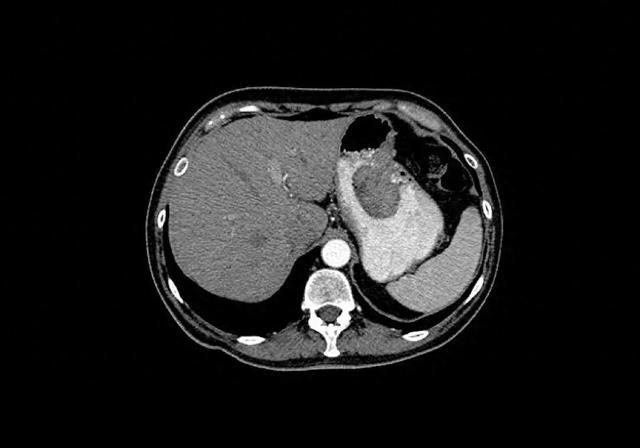
脂肪肝警报,肥胖是元凶?健康减重,助你“肝”劲十足
Xin Lang Cai Jing· 2025-12-28 16:22
Core Viewpoint - The relationship between fatty liver and obesity is closely intertwined, with obesity being a significant risk factor for the development of fatty liver disease, and fatty liver potentially exacerbating obesity issues [1][2][6]. Group 1: Relationship Between Fatty Liver and Obesity - Fatty liver occurs when excess fat accumulates in the liver, exceeding 5% of its weight, and is often linked to non-alcoholic fatty liver disease (NAFLD) [1]. - Obese individuals have a significantly higher probability of developing fatty liver due to excess energy intake being stored as fat, which can invade the liver [1]. - The accumulation of fat in the liver can disrupt its metabolic functions, creating a vicious cycle where obesity leads to fatty liver, which in turn worsens obesity [1][6]. Group 2: Potential Hazards of Obesity-Related Fatty Liver - Fatty liver can progressively damage liver function, potentially leading to conditions such as fatty liver inflammation, liver fibrosis, cirrhosis, and even liver cancer if not addressed [2]. - Obesity-related fatty liver is often associated with other metabolic diseases, increasing the risk of cardiovascular diseases such as coronary heart disease and stroke [2]. Group 3: Key Strategies for Healthy Weight Loss - A balanced diet is crucial for weight loss and liver health, with recommendations to reduce daily caloric intake by 300-500 kilocalories to achieve a healthy weight loss of 0.5-1 kilogram per week [3]. - Regular physical activity, including at least 150 minutes of moderate-intensity aerobic exercise weekly, is essential for burning excess fat and improving liver health [4]. - Establishing good lifestyle habits, such as ensuring adequate sleep (7-8 hours), avoiding smoking and excessive alcohol consumption, and managing stress, is vital for effective weight management and liver health [5]. Group 4: Seeking Professional Help - If lifestyle changes do not lead to significant weight loss or if fatty liver conditions worsen, it is important to seek professional medical advice for personalized treatment plans [5].
莒县农商银行:金融护航“舌尖经济” 助力食品加工产业提质增效
Qi Lu Wan Bao· 2025-12-01 07:28
Core Insights - The food processing industry in Juxian County is transitioning from traditional workshops to large-scale production, contributing to rural revitalization and stimulating the consumer market [1] Group 1: Financial Support and Services - Juxian Rural Commercial Bank is focusing on tailored financial products and comprehensive services to meet the operational needs of the food processing industry [1] - The bank introduced a specialized "Green Food Industry Loan" that simplifies the approval process, allowing for loans to be disbursed in as little as three working days, addressing the urgent funding needs of food processing enterprises [2] - A food processing company successfully secured a loan of 500,000 yuan, resulting in a 40% increase in production value during the peak season compared to the previous year [2] Group 2: Comprehensive Service Model - The bank has implemented a dual service model combining on-site visits and online convenience to facilitate banking operations for food processing enterprises, allowing them to focus on production [2] - Services include free aggregation payment and corporate settlement, which help reduce transaction costs and improve cash flow efficiency for food processing companies [3] Group 3: Industry Development and Collaboration - The healthy development of the food processing industry relies on collaboration across the entire supply chain, with the bank extending its financial services to all segments of the industry [3] - The bank aims to support the growth of the food processing sector by optimizing credit products and enhancing service efficiency, contributing to the overall economic development of the region [3]
中国人最爱的生活方式,正在疯狂致癌
虎嗅APP· 2025-10-29 00:27
Core Viewpoint - The article discusses the high prevalence of esophageal cancer in China, attributing it to dietary habits and lifestyle choices, and emphasizes the importance of early detection and screening for high-risk populations [3][5][27]. Group 1: Esophageal Cancer Prevalence - China accounts for over half of the global esophageal cancer cases, with more than 75% of the world's patients located in Asia [7][9]. - The incidence rate of esophageal cancer in China is approximately 38.37 cases per 100,000 people, with a significantly higher rate in men at 56.20 cases per 100,000 [9][11]. - Rural areas in China exhibit a higher incidence and mortality rate of esophageal cancer, approximately double that of urban areas [11][12]. Group 2: Risk Factors - Major risk factors for esophageal cancer include smoking, alcohol consumption, and dietary habits such as high-temperature and spicy food consumption [19][22]. - A study indicates that individuals with "hot food" and "spicy food" eating habits have a 1.9 times and 1.5 times higher risk of developing esophageal cancer, respectively [23][25]. - The consumption of pickled foods, which are prevalent in high-incidence regions, is linked to increased cancer risk due to high salt content and the presence of carcinogenic substances [25][26]. Group 3: Survival Rates and Detection - The five-year survival rate for esophageal cancer in China is only 28.8%, significantly lower than that of other cancers like gastric and colorectal cancer [28][31]. - Early detection is crucial, as many patients do not seek medical attention until the disease is advanced, making timely diagnosis and treatment challenging [32][33]. - Regular endoscopic screenings are recommended for high-risk individuals, particularly those over 45 years old or with a family history of esophageal cancer [33][36].
