
腾讯文档

Search documents
除夕惊变!金价突然失守5000大关,港股却派发大红包!
Sou Hu Cai Jing· 2026-02-18 06:20
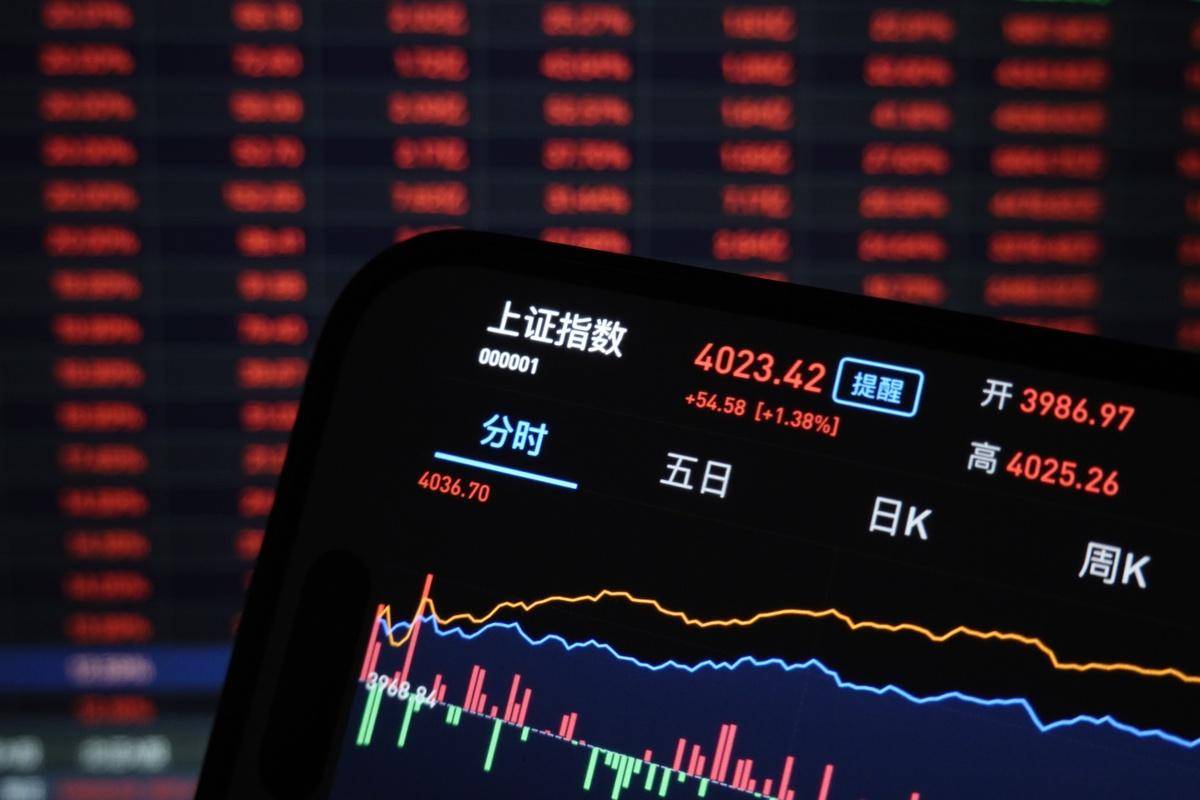
Group 1: Gold Market Analysis - On February 16, the international gold price fell below the psychological level of $5000 per ounce, closing around $4976 per ounce with a daily decline exceeding 1% [2] - The decline in gold prices is attributed to two main factors: the absence of significant buying power from Chinese investors during the Spring Festival holiday and a strengthening U.S. dollar, which remained above the 97 mark [2] - Despite the drop, geopolitical risks related to Ukraine and the Middle East still exist, and the technical support level for gold is now at $4900, which is critical for bulls [4] Group 2: Hong Kong Stock Market Performance - The Hong Kong stock market showed a strong performance on the last trading day before the Lunar New Year, with the Hang Seng Index rising by 0.52% and the Tech Index increasing by 0.13%, marking a cumulative increase of over 32% for the year [4][6] - Technology stocks, particularly Tencent, led the gains, with Tencent's stock price surging nearly 8% after the announcement of integrating DeepSeek into WeChat, resulting in a market capitalization increase of approximately 320 billion HKD [6] - Other tech companies like Baidu and NetEase also made significant moves, with NetEase reporting a net profit of 33.8 billion yuan for 2025 and holding a cash reserve of 163.5 billion yuan [7] Group 3: Semiconductor Sector Growth - The semiconductor sector experienced a significant rally, with stocks like Langqi Technology and Zhaoyi Innovation seeing gains of over 14% and 9% respectively, driven by the excitement around DeepSeek's integration [9] - The underlying logic for this surge is the revaluation of Chinese tech assets, with AI technologies accelerating across various fields [9] Group 4: Gold Stocks Performance - Despite the drop in gold prices, gold-related stocks in the A-share market showed resilience, with companies like China Gold and Hunan Gold experiencing strong performance [10] - The market's long-term bullish sentiment on gold remains intact due to expectations of Federal Reserve rate cuts and central bank purchases, suggesting that as long as gold prices stabilize, the narrative for gold stocks can continue [10] Group 5: Future Market Outlook - Analysts suggest that the revaluation of technology stocks is just beginning, with a focus on semiconductors in the short term and resource products in the medium term [10] - The gold market faces a critical test at the $4900 level, with potential further declines if it fails to hold, but long-term bullish sentiment is supported by global central bank easing expectations [10]

元宝自己也承认,它确实存在差距!!
Xin Lang Cai Jing· 2026-02-05 09:58
Group 1: Overall Strategy and Competitive Landscape - The core viewpoint is that the true winners in AI will be companies that deeply integrate technology with their core business, rather than those that merely focus on model performance [2][3] - Tencent's AI strategy emphasizes practical application over merely achieving top rankings in model evaluations, leveraging its extensive ecosystem of services like WeChat, QQ, and gaming [2][3] - Tencent's significant investment in AI is not just to catch up with leading models but to solidify and expand its ecosystem advantages, ensuring its vast user base operates on a self-controlled and efficient technological foundation [4][5] Group 2: Core Advantages and Specific Capabilities - Tencent's unique advantages lie in its vast ecosystem, which includes over 1.4 billion combined monthly active accounts across WeChat and QQ, providing an unparalleled testing ground for AI applications [8][9] - The company's pragmatic approach focuses on enhancing user experience and business efficiency through AI, ensuring that technology serves measurable commercial value [8][9] - Tencent's strong cash flow from established businesses allows for substantial long-term investments in AI without compromising overall financial health [9][10] Group 3: Future Outlook and Key Decisions - The necessity for strategic autonomy in AI development is highlighted, as reliance on external models could jeopardize Tencent's core business profits and influence [14][15] - Tencent's path in AI involves a focus on specialized chips that cater to its specific business needs, which is seen as a long-term competitive strategy [12][13] - The competition in AI is characterized as a marathon, requiring a balance of strategic patience and rapid iteration in application ecosystems [6][7]

计算机行业深度报告:被低估的腾讯AI“野望”
Guolian Minsheng Securities· 2026-01-31 11:03
Investment Rating - The report maintains a "Buy" rating for the computer industry, particularly focusing on Tencent's AI business and its strategic direction [4]. Core Insights - Tencent's AI strategy has evolved from "Make AI Everywhere" to a clear focus on building an "intelligent agent ecosystem" by the second half of 2025, with WeChat agents as a core barrier [1]. - The company is accelerating its large model technology development and organizational structure to enhance its competitive edge in AI applications [1][27]. - Tencent's unique social ecosystem provides a competitive moat in the agent era, leveraging its C-end and B-end ecosystems to create a robust commercial landscape [2][3]. Summary by Sections Strategic Review - Tencent's AI strategy has transitioned through four phases: foundational capabilities (2016-2020), practical applications (2021-2023), product applications (2024), and ecological intelligence (2025 onwards) [18][19]. - The focus has shifted from broad AI capabilities to specific applications within the WeChat ecosystem, aiming to create a comprehensive intelligent agent [20][25]. Organizational Structure - In December 2025, Tencent upgraded its large model research structure, enhancing its core capabilities and accelerating the pace of AI commercialization [27]. - The recruitment of top talent, such as Yao Shunyu, is expected to boost Tencent's large model development competitiveness [28]. Product Layout - Tencent's AI product ecosystem is structured as "1+3+N," which includes one core large model, three major platforms, and numerous vertical applications [30]. - The product offerings include the self-developed Hunyuan large model, which supports various applications across consumer and enterprise sectors [36]. Ecological Advantages - Tencent's competitive edge in the agent era is rooted in its social ecosystem, which enhances user understanding and service capabilities [2]. - The C-end ecosystem, particularly WeChat, is positioned to expand monetization opportunities through AI agents [2][3]. Core Competitiveness - Tencent's ability to integrate vast and effective scenarios into its ecosystem is expected to provide significant commercial potential compared to competitors [2][3]. Investment Recommendations - The report suggests focusing on companies that support Tencent's AI ecosystem, including infrastructure and service providers, as well as those directly benefiting from AI agent applications [14].
独家对话腾讯云产业生态部杨晨:上任500天,这位船长如何带伙伴用AI穿越「求生焦虑」?
雷峰网· 2026-01-29 00:35
Core Viewpoint - The article discusses Tencent Cloud's strategic shift towards AI SaaS as a primary focus for its ecosystem partners, moving away from traditional GPU computing and MaaS models, which are deemed unsustainable and less profitable [4][8][9]. Group 1: Strategic Direction - Yang Chen, the new head of Tencent Cloud's Industry Ecosystem Cooperation Department, emphasizes the need for partners to find sustainable revenue streams amidst the AI wave [3][5]. - The decision to focus on AI SaaS aligns with Tencent's business model, which has evolved to include a significant portion of SaaS offerings, unlike competitors heavily reliant on IaaS [12][21]. - The shift towards AI SaaS is seen as a way to create more stable and sticky revenue streams compared to the volatile GPU computing market [10][17]. Group 2: Market Opportunities - AI SaaS is expected to redefine customer value propositions, moving from traditional software functionalities to intelligent efficiency engines that drive business outcomes [15][17]. - The market for AI SaaS is growing, with commercial empowerment SaaS experiencing a 128% increase, and specific products like Tencent Maps and Tencent Questionnaire exceeding 200% growth [21][22]. - The integration of AI capabilities into SaaS products is driving customer willingness to pay, as these solutions address real business needs [22][33]. Group 3: Partner Engagement and Transformation - Yang Chen highlights the importance of changing partner mindsets to embrace AI SaaS, moving from a focus on resource resale to value-based sales [18][35]. - Tencent Cloud is implementing a three-pronged approach to support partners: product integration, comprehensive training, and incentive structures to encourage the sale of AI SaaS [19][31]. - The company aims to create a collaborative ecosystem where partners evolve alongside Tencent Cloud, enhancing their service capabilities and customer relationships [22][37].
走出舱门就是“战场”:不拼价格拼AI
第一财经· 2026-01-22 13:23
Core Insights - The article highlights the intense competition in the cloud computing industry, particularly driven by advancements in AI technology, with major players like Alibaba Cloud, Tencent Cloud, and Baidu Intelligent Cloud vying for market share [2][4]. Group 1: Market Dynamics - The competition landscape has shifted from traditional metrics like computing and storage to a focus on AI capabilities and performance of AI models [2]. - Cloud computing market capacity is expected to expand significantly due to the demand driven by AI, with predictions that the incremental growth in the AI cloud market in 2024 will exceed the total growth of the previous year [4]. - Major cloud providers are experiencing a surge in AI-related orders, with Tencent Cloud reporting a doubling of orders related to AI and SaaS products, and a 50-fold increase in revenue from AI large model products over two years [3]. Group 2: Strategic Shifts - Companies are increasingly prioritizing application development over mere resource sales, with a shift from focusing on raw computing power to creating solutions that address specific business challenges [6][7]. - The competitive pricing landscape is evolving, with major players engaging in a price war for large models, leading to a decrease in token costs, but this approach is viewed as unsustainable for long-term business health [6]. - The demand for AI applications, particularly in sectors like industrial quality inspection and healthcare, is growing, indicating a broader adoption of AI technologies across various industries [5]. Group 3: Future Outlook - The article suggests that by 2025, the market will see a significant turning point, with increased activity and competition in AI applications, particularly in the second half of the year [4]. - The focus for cloud providers is expected to shift towards developing applications that leverage AI to solve real business problems, moving away from a purely resource-based sales model [6][7].

走出舱门就是“战场”:不拼价格拼AI 云巨头“军备竞赛”升级了
Di Yi Cai Jing· 2026-01-22 12:06
Core Insights - The cloud computing industry is experiencing intensified competition, particularly in the AI sector, with companies leveraging advertising to highlight their market share and capabilities [1][2]. Group 1: Market Dynamics - Major cloud providers like Tencent Cloud and Alibaba Cloud reported significant growth in AI-related products, with Tencent Cloud's AI and SaaS orders doubling and AI model product revenue increasing over 50 times in two years [2]. - Alibaba Cloud aims to capture 80% of the incremental AI cloud market in China by 2026, indicating a strong focus on future growth rather than past achievements [2]. - The cloud computing market is expected to expand due to the demand driven by AI, with predictions that the incremental market growth in 2024 will exceed the total market size of the previous year [2]. Group 2: Competitive Strategies - The competition among cloud providers has shifted from traditional metrics like computing and storage to AI capabilities and infrastructure performance [1][4]. - A price war has emerged in the large model segment, with major players like Alibaba Cloud, Baidu Smart Cloud, and Tencent Cloud announcing price reductions or free offerings for their models [4]. - Companies are advised to focus on creating application scenarios rather than engaging in price wars, as user retention is low when competition is solely based on token consumption [4]. Group 3: Application and Resource Management - There has been a surge in demand for AI applications, particularly for building intelligent agent platforms, with some clients opting for private or hybrid deployments while others choose public cloud services [3]. - Tencent Cloud's SaaS offerings have seen substantial growth, with approximately 20% of its revenue now coming from SaaS products [3]. - As the market evolves, cloud providers are shifting their strategies from resource sales to application-focused solutions, addressing specific business challenges faced by enterprises [5].
走出舱门就是“战场”:不拼价格拼AI,云巨头“军备竞赛”升级了
Di Yi Cai Jing· 2026-01-22 11:44
Core Insights - The competition in the cloud computing market has intensified, particularly in the AI sector, with companies focusing on different metrics to highlight their advantages [1][4] - Major cloud providers like Tencent Cloud and Alibaba Cloud have reported significant growth in AI-related products and services, indicating a robust market expansion [2][4] Group 1: Market Dynamics - The cloud computing market is expected to expand significantly due to the demand driven by AI, with predictions that the incremental growth in the AI cloud market will exceed the total growth of the previous year [4] - Companies are experiencing a shift in competition from resource-based metrics to application-based solutions, emphasizing the need for innovative use cases rather than just price competition [5][6] Group 2: Company Performance - Tencent Cloud reported a doubling of orders related to AI and SaaS products, with AI model product revenue increasing over 50 times in two years [2] - Alibaba Cloud aims to capture 80% of the incremental growth in China's AI cloud market by 2026, indicating aggressive growth targets [2] Group 3: Pricing Strategies - A price war has emerged among major cloud providers, with companies like Alibaba Cloud and Tencent Cloud announcing reductions in the cost of AI models and services [5] - The focus on token consumption as a primary business model is deemed unsustainable, with a call for companies to develop applications that enhance user engagement rather than merely competing on price [5][6] Group 4: Future Outlook - The cloud market is anticipated to shift towards solving specific business problems using AI, moving away from a focus solely on resource sales [6][7] - The competitive landscape is evolving, with leading model providers narrowing the performance gap, suggesting that future competition will hinge on the ability to address real-world challenges [7]

格隆汇2026“下注中国”十大核心资产之腾讯控股
Ge Long Hui· 2026-01-14 07:14
Core Viewpoint - Tencent Holdings has been recognized as a core asset in the digital economy for 2026, showcasing its resilience and growth potential in the AI era through a stable organizational structure and robust cash flow generation capabilities [1][25]. Group 1: Organizational Governance and Ecosystem - Tencent maintains a stable governance model with low-frequency adjustments, ensuring long-term strategic execution [3]. - The management structure is clearly defined, with Ma Huateng as Chairman and CEO, and Liu Chiping as President, focusing on strategic execution and capital allocation [3]. - Tencent's ecosystem is characterized by a balanced revenue structure, with key segments including value-added services (49%), online advertising (18%), and fintech & enterprise services (32%) [5][11]. Group 2: Revenue and Growth Engines - The gaming business remains a core cash flow engine, with flagship products like "Honor of Kings" and "Peacekeeper Elite" sustaining stable revenue streams [6]. - Tencent's advertising revenue is projected to reach 121.4 billion yuan in 2024, driven by AI-enhanced efficiency in ad placements [16]. - The fintech and enterprise services segment is expected to generate 212 billion yuan in 2024, leveraging the social ecosystem for high-frequency engagement [12][11]. Group 3: Financial Strength - Tencent boasts a stable and high-quality free cash flow, providing a solid foundation for long-term growth and shareholder returns [22]. - The company has a strong profit margin and operational cash flow, enabling consistent dividend payments and stock buybacks [22]. - Strategic investments in companies like JD.com, Meituan, and Pinduoduo enhance ecosystem synergy and cash flow stability [22]. Group 4: AI Empowerment and Digital Infrastructure - Tencent's focus on AI applications across various business segments is expected to drive efficiency and revenue growth [15][21]. - The integration of AI in advertising, gaming, and enterprise services enhances user engagement and operational efficiency [18][21]. - Tencent's video platform, WeChat Channels, is evolving into a core commercial driver, leveraging its social ecosystem for enhanced user retention and monetization [19][25].

格隆汇2026“下注中国”十大核心资产之腾讯控股
格隆汇APP· 2026-01-14 07:04
Core Viewpoint - Tencent Holdings has been recognized as a core asset in the digital economy for 2026, showcasing its ability to transform into a new growth certainty in the AI era, supported by a robust social content ecosystem and consistent cash flow generation [2][38]. Group 1: Organizational Stability and Governance - Tencent maintains a "low-frequency adjustment, high stability" governance model, which contrasts with the frequent organizational changes seen in many internet companies, providing a solid foundation for long-term strategic execution [3][4]. - The management structure is clearly defined, with Ma Huateng as Chairman and CEO overseeing strategic direction, while President Liu Chiping manages overall strategy execution and capital allocation [4]. Group 2: Revenue Structure and Ecosystem - Tencent's revenue structure is balanced and stable, with three core segments: value-added services (49%), online advertising (18%), and fintech and enterprise services (32%) for 2024 [7][8]. - The social network, primarily through WeChat and QQ, serves as a foundational asset, with WeChat reaching 1.411 billion monthly active accounts by June 2025, making it the most frequently used super app in China [9][10]. Group 3: Gaming and Cash Flow - The gaming business is a key cash flow engine, with flagship products like "Honor of Kings" and "Peacekeeper Elite" maintaining strong revenue streams, achieving a record quarterly revenue of 59.5 billion yuan [12]. - Tencent's gaming strategy focuses on lifecycle management and global distribution, leveraging AI technology across the development and operational processes to enhance efficiency and cost control [12][19]. Group 4: Financial Technology and Enterprise Services - Tencent's fintech services, including WeChat Pay and QQ Wallet, penetrate high-frequency scenarios, while enterprise services encompass Tencent Cloud and WeChat Work, laying a solid foundation for future AI empowerment [16][17]. - The fintech and enterprise services segment is projected to generate 212 billion yuan in revenue for 2024, contributing to long-term stable growth [17]. Group 5: AI Empowerment and Growth Engines - AI is integrated across Tencent's core businesses, enhancing operational efficiency and user engagement through applications in advertising, gaming, and enterprise services [19][22]. - The advertising business has rebounded, achieving 121.4 billion yuan in revenue for 2024, driven by AI's ability to optimize ad placement and improve return on investment [20]. Group 6: Financial Strength and Cash Flow - Tencent's financial strength is characterized by stable and high-quality free cash flow, enabling consistent dividends, stock buybacks, and strategic investments [32][34]. - The company's approach of "steady operation + cash returns" is particularly attractive in uncertain market conditions, providing a solid valuation foundation [33][36].
冲上热搜!第一次知道微信还有“遗失提醒”功能
Xin Lang Cai Jing· 2026-01-09 15:38
Core Viewpoint - The article discusses a new feature of WeChat Pay that alerts users about potential lost items after making a purchase at a participating merchant, highlighting the functionality and user reactions to this service. Group 1: Feature Overview - Users reported receiving a lost item reminder from WeChat Pay shortly after dining at a merchant, indicating the service's proactive approach to customer care [1][2]. - The transaction details included a payment of ¥23.00 made on November 25, 2025, at 18:34 [2]. Group 2: User Reactions and Awareness - Some users were already aware of the "lost item reminder" feature, suggesting that it may not be widely known among all WeChat Pay users [5]. - Many users expressed surprise at the existence of such a feature, indicating a potential for increased user engagement if more people are informed [7]. Group 3: Customer Service and Privacy - Tencent's customer service clarified that only select merchants support this lost item reminder feature, and if a merchant does not offer it, they will attempt to notify customers through customer service [7]. - The customer service also assured that only transaction information is shared in the notifications, with no personal information disclosed [7].
