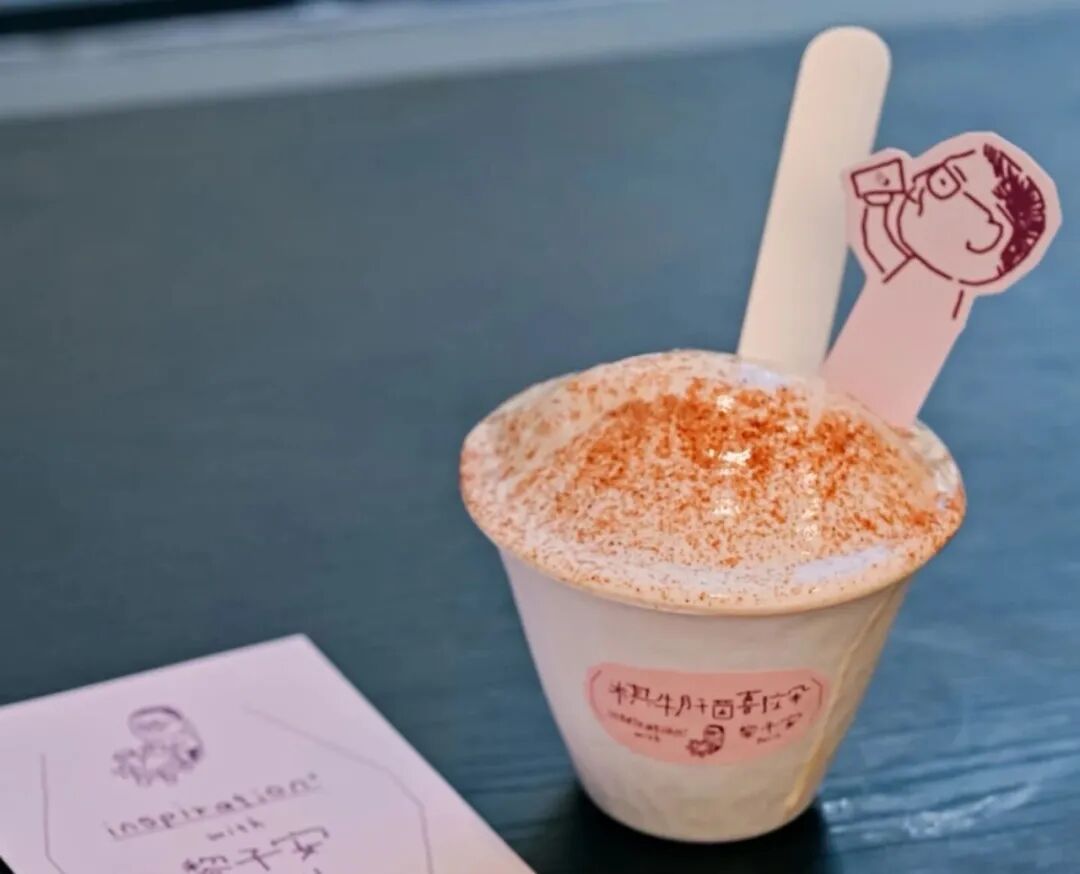
醉步上道

Search documents
酒业年度盘点:2025热榜事件简述,你最关注的是哪件事?
Sou Hu Cai Jing· 2025-12-26 03:11
Core Insights - The Chinese liquor industry in 2025 is undergoing significant transformation amidst challenges such as a sluggish macro environment, consumption differentiation, production contraction, and weak sales, leading to a reshaping of the industry landscape [2] - The industry is encouraged to innovate and break old rules to find new growth paths, reflecting a mix of pressure and hope [2] Group 1: Industry Developments - The Ministry of Industry and Information Technology has classified liquor production as a "historical classic industry," elevating its status and marking a shift towards high-quality development [3] - A stringent "ban on alcohol" was introduced, impacting high-end liquor sales and indicating a shift from government consumption to market-driven consumption [4] - The launch of "Da Zhen·Zhen Jiu" by Zhen Jiu represents a strategic move towards creating a "super product" in the liquor market, emphasizing quality and innovative packaging [5] Group 2: Market Strategies - The establishment of two platform companies by Wuliangye's distributors aims to enhance market control and stabilize high-end product prices, reflecting a shift towards a dual-driven model of channels and capital [7] - Sichuan Province has released a 21-point action plan to promote the high-quality development of the liquor industry, focusing on production capacity and market expansion [8] - Wuliangye's 12·18 conference emphasized the importance of quality, cultural heritage, and innovation in navigating market changes [9] Group 3: Consumer Engagement - The return of the white liquor milk tea "Drunk Step on the Road" by Tea Baidao highlights the growing trend of "micro-drunk" consumption among younger consumers [13] - The fifth live broadcast by Zhen Jiu's chairman garnered significant attention, showcasing innovative business models and strong consumer engagement [10] Group 4: Awards and Recognition - The 16th China (Dalian) Light Industry Commodity Expo featured a wine exhibition and quality competition, showcasing the strength and cultural appeal of Chinese liquor brands [16] - The announcement of the first batch of Chinese consumer brands included notable liquor brands, indicating recognition of quality and market position [5][6] Group 5: Future Outlook - The liquor industry is expected to continue evolving with a focus on quality, cultural integration, and innovative marketing strategies, as seen in the initiatives from various companies and government bodies [18][19]





茶饮品牌,开始集体卷“传家宝”了
东京烘焙职业人· 2025-12-20 08:33
Core Viewpoint - The tea beverage industry is experiencing a significant shift towards nostalgia, with brands returning to classic products as a strategic response to market saturation and consumer demand for familiar flavors [3][5][41]. Group 1: Industry Trends - In 2025, tea brands are moving away from novelty and focusing on classic flavors, as the rapid innovation cycle has become unsustainable [6][7]. - The trend of "classic product returns" is driven by a need for value creation and consumer familiarity, leading to a resurgence of familiar tastes [8][9]. - Major brands are reviving historical products that once defined consumer experiences, utilizing minor innovations to reintroduce them to the market [9][10]. Group 2: Successful Product Returns - In April 2025, Shuyi Shao Xian Cao reintroduced its popular product "Chengman Mountain Tea Flower," which had previously sold over 9 million cups in 2022, marking the start of the nostalgia trend [12][10]. - Nayuki's tea is preparing for the summer with the return of "Baqi Yangmei," which achieved sales of 3 million cups in just half a month [14][16]. - Tea Baidao reintroduced classic fruit teas and upgraded its "Double Ball Ice Cream Red Tea" to enhance consumer satisfaction during the summer season [18][20]. Group 3: Consumer Engagement and Brand Strategy - The return of classic products is not merely nostalgia marketing; it is a strategic adjustment to address growth pressures and competition in a saturated market [41][50]. - Brands are leveraging the emotional connection consumers have with classic products, which often serve as a form of social currency and personal memory [51][49]. - The focus on classic products allows brands to maintain operational efficiency and quality assurance, as these items have established recipes and consumer trust [48][46]. Group 4: Innovative Marketing Approaches - Brands are employing innovative strategies to revitalize classic products, such as deconstructing traditional combinations and integrating new elements to create unique offerings [61][62]. - The marketing approach has shifted from merely selling products to creating meaningful experiences and cultural symbols that resonate with consumers [66][68]. - Engaging consumers in the product creation process, such as through DIY options and feedback mechanisms, enhances brand loyalty and anticipation for product returns [70][73]. Group 5: Long-term Value Creation - Establishing annual return rituals for classic products helps brands cultivate consumer habits and expectations, transforming short-term hits into long-term assets [75][78]. - The essence of successful classic product revitalization lies in maintaining quality while innovating, ensuring that nostalgia does not compromise brand integrity [80][81].
茶酒融合:“微醺经济”的双向奔赴
Nan Fang Nong Cun Bao· 2025-11-05 15:12
Core Viewpoint - The integration of tea and alcohol is emerging as a significant trend in the beverage industry, driven by the demand for "micro-drunk" experiences among younger consumers, leading to innovative product offerings and cross-industry collaborations [5][6][46]. Group 1: Industry Trends - The Guizhou Provincial Department of Commerce has issued a draft guideline to promote the transition from "selling alcohol" to "selling lifestyle," emphasizing the integration of alcohol and tea products to expand cross-industry consumption markets [2][3]. - The trend of alcohol and tea fusion is not new, with both alcohol and tea companies seeking growth opportunities through innovative product combinations [5][6]. - The younger demographic is increasingly becoming the main consumer group for alcohol, prompting companies to innovate beyond traditional high-alcohol products to attract this audience [8][49]. Group 2: Product Innovations - Major alcohol brands are launching lower-alcohol or non-alcoholic products to cater to younger consumers, with examples including Moutai's introduction of over ten youth-oriented products at a recent trade fair [12][18]. - The collaboration between Luckin Coffee and Moutai to launch the "Sauce Aroma Latte" achieved remarkable sales, with over 5.42 million cups sold on the first day, generating over 100 million yuan in revenue [28][30]. - New tea drinks incorporating alcohol, such as "Drunken Steps" by Tea Baidao and "Lychee Ice Brew" by Grandpa's Tea, have also gained popularity, indicating a growing acceptance of alcohol-infused beverages [32][39]. Group 3: Market Dynamics - The market for low-alcohol beverages is expanding, with data showing that fruit wine accounts for 38% of instant retail channels, growing at 72% annually, while tea and alcohol combinations account for 25%, growing at 65% [54][55]. - Health consciousness among consumers is influencing the beverage market, with a significant percentage of consumers expressing concerns about the health impacts of traditional tea drinks, leading to a demand for healthier options [60][61]. - The fusion of tea and alcohol is seen as a strategic move to address the challenges faced by both industries, allowing them to meet consumer demands for "micro-drunk" experiences while ensuring health considerations are met [63].



当茶遇见酒,能调出什么新口味|经济观察
Chang Sha Wan Bao· 2025-10-13 23:40
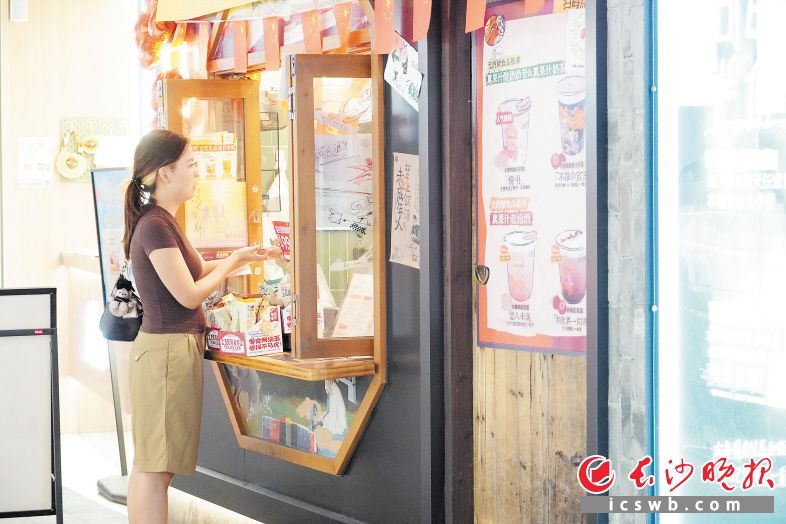
Core Insights - The fusion of tea and alcohol is becoming a popular trend among urban consumers, with brands like Cha Baidao and Mixue Group exploring this "micro-drunk economy" by introducing alcoholic beverages into their offerings [2][6][10] Industry Trends - The new tea beverage market is transitioning from a blue ocean to a red ocean, with the market size expected to exceed 350 billion yuan by 2024, while the top five brands hold nearly 40% market share [6] - The craft beer market in China is projected to grow from 20 billion yuan in 2020 to 80 billion yuan by 2024, with a compound annual growth rate exceeding 30% [6] - Traditional alcohol brands are recognizing the need to attract younger consumers, with a focus on lightweight, portable beverages that align with the preferences of the 85-94 age group [6][10] Consumer Behavior - The combination of tea and alcohol is appealing to consumers, with products like "Drunken Step on the Road" and various fruit-infused alcoholic teas gaining traction [4][5] - The price range for these new alcoholic tea products is generally between 15 to 25 yuan, making them accessible to a broader audience [7] Market Opportunities - The integration of alcohol into tea beverages represents an opportunity for both new tea brands and traditional alcohol companies to expand their consumer base and explore new growth avenues [6][10] - Brands are encouraged to create engaging consumption scenarios and emotional connections with consumers to enhance brand loyalty and market presence [9][10]
奶茶加白酒,第一天就卖了近12万杯!要让年轻人喝酒,还是跨界最好用?
Mei Ri Jing Ji Xin Wen· 2025-09-23 12:49
Core Viewpoint - The return of the classic white liquor milk tea "Drunk Step on the Road" by the new tea drink brand Cha Baidao highlights the growing trend of cross-industry collaboration between liquor and tea drink brands, aiming to capture the expanding market of young consumers in the "micro-drunk economy" [1][9][10]. Group 1: Product Launch and Market Response - "Drunk Step on the Road" was first launched in 2020 as a collaboration between Cha Baidao and Luzhou Laojiao, and it has made a comeback after five years, achieving nearly 120,000 cups sold on its first day [1][2]. - The product has generated significant buzz on social media, with consumers expressing surprise at its taste, which combines milk and a subtle hint of white liquor [2][4]. - Sales of "Drunk Step on the Road" have been strong in various locations, particularly in settings like cinemas where consumers seek a light alcoholic beverage [4][5]. Group 2: Industry Trends and Consumer Behavior - The beverage market is increasingly leaning towards younger, lower-alcohol, and healthier options, with young consumers driving the "micro-drunk economy" [1][9]. - Reports indicate that over 60% of white liquor consumption is now attributed to young consumers aged 18-35, with the potential market size for young drinkers reaching 400 billion yuan [10][11]. - The trend of cross-industry collaborations is seen as a way for liquor brands to attract younger consumers, with various brands experimenting with new flavors and marketing strategies [11][12]. Group 3: Future Outlook and Challenges - Industry experts suggest that while the initial sales of "Drunk Step on the Road" are promising, long-term success will depend on the product's ability to encourage repeat purchases [8][15]. - The market for low-alcohol beverages is growing, with a reported market size of approximately 634.1 billion yuan in 2023, indicating a shift in consumer preferences towards lighter options [15]. - Experts caution that the novelty of liquor and tea drink collaborations may wear off, and brands need to focus on product quality and consumer engagement to sustain interest and sales [16].

白酒搭奶茶 能撬动4000亿年轻人酒饮市场吗?
Mei Ri Jing Ji Xin Wen· 2025-09-23 12:12
Core Viewpoint - The collaboration between Luzhou Laojiao and Cha Baidao, named "Drunken Steps to the Road," marks a significant attempt to merge the tea and liquor industries, aiming to attract younger consumers after a five-year hiatus [2]. Group 1: Product Launch and Market Response - The product was relaunched and achieved nearly 120,000 cups sold on the first day, indicating strong consumer interest and engagement [2]. - The reintroduction of this product has been humorously referred to as "Empress Xi's Return to the Palace" by netizens, highlighting its nostalgic appeal [2]. Group 2: Industry Trends and Consumer Behavior - Liquor brands are increasingly seeking to engage with younger demographics through innovative collaborations, as seen with Moutai's partnership with Luckin Coffee to launch a sauce-flavored latte [2]. - The shift in consumer demand is towards experiences and consumption scenarios, rather than just the products themselves, suggesting a need for brands to adapt their marketing strategies [2]. - Industry experts suggest that such cross-industry collaborations may not lead to frequent repurchases, but serve to make liquor brands more approachable and relevant to younger consumers [2].
白酒搭奶茶,能撬动4000亿年轻人酒饮市场吗?
Mei Ri Jing Ji Xin Wen· 2025-09-23 12:07
Group 1 - The core idea of the article is the collaboration between Luzhou Laojiao and Cha Baidao, marking a return of their product "Drunken Steps on the Road" after five years, which combines milk tea and liquor for the first time [1] - The product's re-launch was met with significant consumer interest, achieving nearly 120,000 cups sold on the first day, indicating strong demand among young consumers [1] - The liquor industry is increasingly seeking to engage younger audiences through innovative collaborations, as seen with Moutai's partnership with Luckin Coffee and various promotional events by Luzhou Laojiao [1] Group 2 - Current consumer preferences are shifting towards experiences and consumption scenarios rather than just products, highlighting the importance of emotional engagement in marketing strategies [1] - Industry experts suggest that such cross-industry collaborations may not lead to frequent repurchases, but serve to make liquor brands more approachable and relevant to younger consumers [1] - The trend of periodic collaborations is viewed as a more realistic approach for liquor brands to connect with new generations, rather than relying on constant engagement [1]
喜茶“菌子新品”火出圈,用做菜的思路做奶茶?
东京烘焙职业人· 2025-09-23 08:33
Core Viewpoint - The beverage industry is experiencing a creative product explosion, with innovative drinks gaining significant consumer attention and sales momentum, indicating a shift in product development strategies [5][15][39]. Group 1: New Product Trends - Recent collaborations, such as the "Mushroom Ice Cream" by Heytea and a celebrity chef, have led to immediate sell-outs, showcasing the appeal of unique flavor combinations [4][7]. - Creative drinks like "Drunken Milk Tea" and "Bean Juice Milk Tea" are becoming popular, suggesting a trend towards more adventurous flavor profiles [12][15]. - The introduction of visually striking toppings and ingredients, such as whole fruits or unique textures, is becoming a key factor in attracting consumers [19][24]. Group 2: Flavor Innovation - The integration of local flavors into beverages, such as the "Bean Juice Milk Tea" inspired by traditional recipes, is creating buzz and driving consumer interest [25][28]. - The use of basic ingredients like rice and grains is emerging as a new trend, with products like rice-based drinks gaining popularity and high sales [30][32]. - Alcohol-infused beverages are also making a comeback, with significant sales reported for products like "Drunken Milk Tea" [34]. Group 3: Market Dynamics - The beverage industry is shifting focus from mere marketing tactics to enhancing product quality, taste, and health benefits, indicating a move towards "productism" [38][40]. - Continuous creative output is essential for brands to maintain relevance and consumer interest in a competitive market [41][42]. - The current trend emphasizes that innovative drinks are no longer optional but a necessity for brands to thrive [41].
年轻人成白酒消费主力,茶百道泸州老窖联名白酒奶茶“醉步上道”开售
Sou Hu Cai Jing· 2025-09-18 07:04
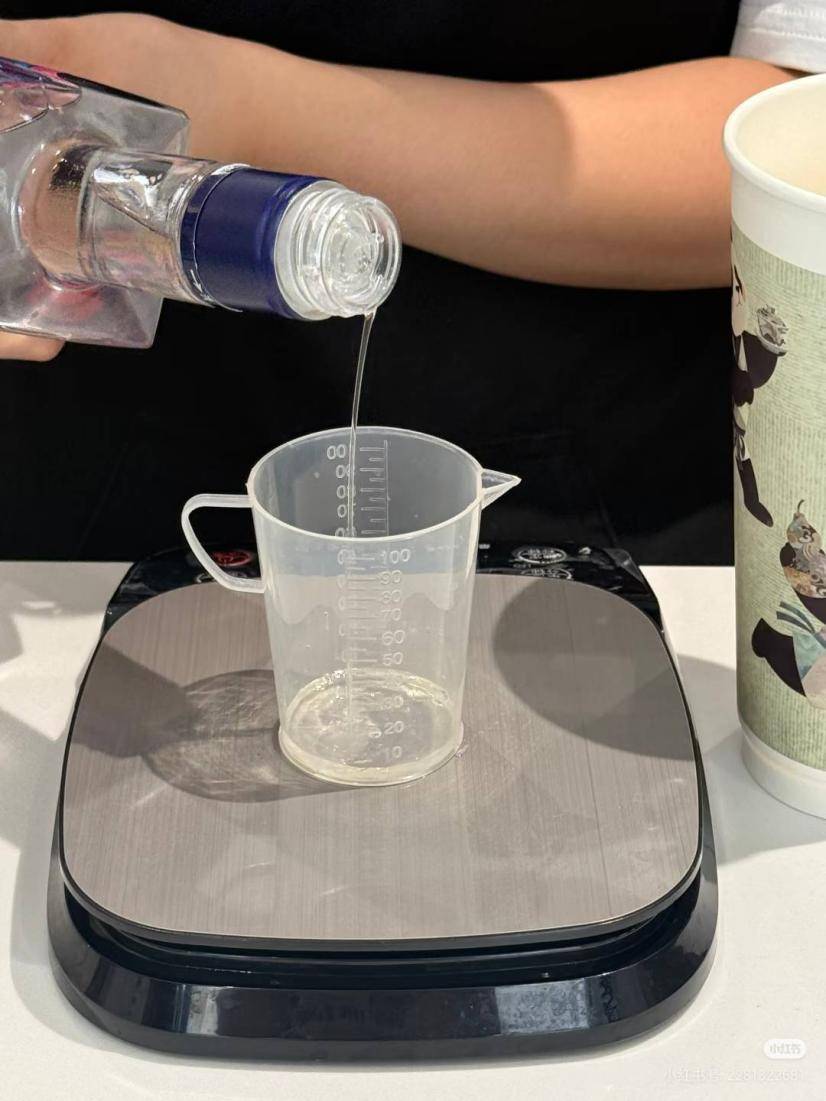
Core Viewpoint - The return of the classic drink "Drunk Step on the Road" by the tea brand Cha Baidao, in collaboration with Luzhou Laojiao, highlights the growing trend of combining traditional liquor with modern beverages, catering to the increasing demand from younger consumers for a "slightly tipsy" experience [1][3][5] Group 1: Product Launch and Features - "Drunk Step on the Road" achieved nearly 120,000 cups sold on its first day of re-launch [1] - The drink combines real Luzhou Laojiao liquor with milk tea, maintaining a focus on quality by using genuine liquor in each cup [3] - Each serving contains approximately 3 grams of white liquor, with a total caloric content of about 174 kilocalories, appealing to health-conscious consumers [3] Group 2: Market Trends and Consumer Insights - The Chinese liquor industry report indicates that over 60% of liquor consumption is now driven by the younger demographic, particularly those aged 18-35 [5] - The rise of the "slightly tipsy economy" reflects a shift in consumer preferences, with Cha Baidao's reintroduction of "Drunk Step on the Road" aligning with these market trends [5] - The management emphasizes the importance of effective new product launches and lifecycle management of classic products, leveraging supply chain advantages to balance quality and cost [5]
“菌子新品”火出圈,用做菜的思路做奶茶?
3 6 Ke· 2025-09-18 01:44
Core Insights - The article highlights the emergence of creative beverages in the market, with brands like Heytea and Cha Baidao launching innovative products that quickly gain popularity and sell out [1][6][17] - The trend indicates a shift in consumer preferences towards unique and visually appealing drinks, moving away from traditional offerings [6][17] Group 1: Product Innovations - Heytea's collaboration with celebrity chef Li Zi'an resulted in the launch of "Mushroom Ice Cream," which combines flavors of pu-erh tea, mushrooms, and soy sauce, leading to high consumer interest [1][4] - Cha Baidao's "Drunken Milk Tea" sold 120,000 cups on its first day of re-release, showcasing the demand for creative alcoholic beverages [16] - Other brands like A-Ma Handmade and Four Leaf Coffee are also introducing unique products, such as "Delicious Douzhi Milk Tea" and mushroom coffee, respectively, indicating a broader trend in the industry [1][4][12] Group 2: Consumer Engagement - Social media feedback on new products like Heytea's ice cream has been overwhelmingly positive, with consumers describing the experience as "magical" and "harmonious" [4][6] - The limited availability of these creative drinks has created a sense of urgency among consumers, leading to long queues and high demand [4][12] - The trend of integrating local flavors into beverages, such as using traditional ingredients like douzhi, is generating significant consumer curiosity and engagement [12][14] Group 3: Market Trends - The article suggests that the beverage industry is moving towards a "productism" phase, where the focus is on creating high-quality, innovative drinks rather than merely chasing marketing trends [17] - Brands are increasingly prioritizing the quality and uniqueness of their products, indicating a shift in strategy from rapid expansion to sustained creative output [17] - The rise of creative beverages reflects a broader consumer desire for healthier and more exciting drinking experiences, positioning these products as essential rather than optional in the market [17]