
麒麟9030芯片

Search documents
2025科技与资本报告|芯片国产替代
Bei Jing Shang Bao· 2025-12-14 07:40
Core Viewpoint - The Chinese semiconductor industry is experiencing a significant wave of domestic substitution driven by the AI boom and a focus on self-sufficiency, with strong revenue and profit growth expected through 2025 [1][2]. Industry Overview - The semiconductor sector in China showed robust recovery in the first three quarters of 2025, with revenue reaching 479.38 billion yuan, a year-on-year increase of 11.49%, and net profit of 41.35 billion yuan, up 52.98% [8]. - The chip design segment remains highly prosperous, while the storage sector benefits from strong demand for high-end products like HBM and DDR5 due to AI computing needs [1]. Company Performance - Cambrian Technology, a leading AI chip company, saw its stock price surge, reaching 1,525 yuan per share, with a market cap exceeding 643 billion yuan, reflecting a 121.42% increase from late July to late August [6]. - Cambrian's revenue for the first nine months of 2025 reached 4.607 billion yuan, a staggering increase of 2,386.38% year-on-year, and it turned a net loss of 724 million yuan into a profit of 1.605 billion yuan [7]. Technological Advancements - Domestic companies are making significant technological breakthroughs, with SMIC achieving mass production of 14nm FinFET technology, reducing reliance on foreign foundries [9]. - The collaboration between domestic chip design and equipment companies is enhancing the entire semiconductor supply chain, leading to a positive cycle of process breakthroughs and capacity expansion [10]. Capital Market Dynamics - The implementation of the "1+6" policy on the Sci-Tech Innovation Board has opened smoother financing channels for hard tech companies, with semiconductor firms being major beneficiaries [12]. - Recent IPOs and fundraising efforts in the semiconductor sector, such as those by Moer Technology and Muxi Co., indicate a strong market interest and a shift towards valuing domestic technology [12][14]. Product Launches and Market Impact - Huawei's launch of the Mate XTs smartphone featuring the Kirin 9020 chip marks a significant return to high-end chip production, showcasing the company's resilience and technological advancements [16]. - The introduction of the Kirin 9030 Pro chip in various Huawei products demonstrates substantial performance improvements, enhancing the competitiveness of domestic high-end chips in the market [18]. Future Outlook - The ongoing technological advancements and capital influx are expected to reshape the global semiconductor market, positioning Chinese companies favorably in the international landscape [19].

又一个重磅题材信号来了!
Ge Long Hui A P P· 2025-11-28 08:42
Core Viewpoint - The Mate80 series from a certain company has adopted a "quantity increase and price decrease" strategy, defying the trend of rising component prices in the smartphone industry, which has left competitors at a disadvantage [1][3][4]. Pricing Strategy - The Mate80 series has seen a price reduction of 800 yuan for the standard version, bringing it down to 4699 yuan, while the Pro and ProMax versions have decreased by 500 yuan [1]. - With additional e-commerce platform subsidies, the actual price drop could reach up to 1000 yuan [2]. Competitive Landscape - Competitors in the Android market were preparing for price increases due to rising costs of key components, such as a 30% increase in Qualcomm Snapdragon 8 chip prices and a 200% increase in DRAM memory prices over six months [2][6]. - The price reduction by the certain company has rendered similar models from competitors nearly incomparable, causing panic among rival brands [3][4]. Supply Chain Advantages - The Mate80 series boasts over 90% of its components sourced from domestic suppliers, which has allowed the company to maintain lower costs compared to competitors reliant on international supply chains [5][7]. - The self-developed Kirin 9030 chip significantly reduces external procurement costs, with internal costs potentially being half of the approximately 200 USD that competitors pay for flagship chips [5]. Market Impact - The goal for the Mate80 series is to achieve sales of over 20 million units, which would help expand the HarmonyOS ecosystem to 50 million devices, attracting more developers and enhancing the product ecosystem [5]. - The success of the Mate80 series could lead to market share loss for competitors who are heavily dependent on international supply chains [5][9]. Industry Trends - The smartphone market is currently in a phase of stock competition, with rising procurement costs leading to higher retail prices, which could hinder sales across the board [6][9]. - The certain company's ability to lower prices amidst rising costs indicates a shift in the industry, potentially forcing competitors to source components domestically to remain competitive [10][11]. Investment Opportunities - The situation presents significant investment opportunities in the domestic storage industry, which is likely to see growth due to increased demand from the certain company's success [12]. - Key players in the domestic storage supply chain, including equipment manufacturers and chip producers, are expected to benefit from this trend [12][13][14]. Conclusion - The Mate80's reverse pricing strategy signifies a shift towards "domestic substitution and ecological independence" in China's tech industry, presenting potential growth for investors focused on companies with strong technological barriers and solid performance [15].
高端市场狙击苹果,华为Mate80系列打响“性价比”之战
Hua Xia Shi Bao· 2025-11-26 11:49
Core Insights - Huawei has launched its flagship Mate 80 series and Mate X7 foldable phone, aiming to strengthen its position in the high-end smartphone market as competition intensifies with Apple [1][5] - The Mate 80 series features significant performance improvements, with the Mate 80 Pro Max showing a 42% increase in overall performance compared to its predecessor [2][4] - Despite performance enhancements, the prices of the new models have decreased, with the Mate 80 starting at 4699 yuan, which is 800 yuan lower than the Mate 70 [3][4] Product Details - The Mate 80 series includes four models, all equipped with the HarmonyOS 6 operating system, and utilizes the Kirin 9020 and 9030 chips [2][3] - The pricing strategy reflects a focus on "cost-performance" in a market where memory prices are rising due to increased demand for AI technologies [4][5] Market Competition - Huawei aims to capture more market share in the high-end segment, where it faces strong competition from Apple, which has seen a 37% year-on-year increase in iPhone sales [5][6] - In Q3, Huawei held a 13% market share in China's smartphone market, experiencing a 19% decline in sales year-on-year, while it ranked first in the high-end market with a 33% share [6][7] Ecosystem Development - Huawei's HarmonyOS ecosystem has made significant strides, with over 30 million applications and services available, and a growing developer base of over 10 million [6][7] - The HarmonyOS currently holds a 4% share in the global smartphone market, indicating a stable but modest presence compared to Android and Apple [7]
降了800元,4699元起售,华为发布Mate 80:Pro+变为Pro Max,麒麟9030芯片,渠道商:定价比预计的要低
3 6 Ke· 2025-11-26 02:14
Core Viewpoint - The launch of Huawei's Mate 80 series on November 25 marks a significant development in the competitive smartphone market, with new pricing strategies and technological advancements aimed at regaining market share in the high-end segment [1][3]. Pricing Strategy - The starting price for the Mate 80 series is set at 4,699 yuan for the base model, with reductions of 800 yuan for the Mate 80 and 500 yuan for the Mate 80 Pro and Pro Max compared to their predecessors [1][10]. - This pricing strategy is seen as a potential advantage in a market where other brands are increasing prices due to rising storage chip costs [10]. Technological Advancements - The Mate 80 series features the new Kirin 9030 chip, marking a significant upgrade in Huawei's chip technology [3][7]. - It is the first flagship model to run on HarmonyOS 6, with over 300,000 applications and services already available in the ecosystem [7]. Market Position and Competition - Huawei's market share in the high-end smartphone segment is recovering, with a reported 21.4% share in 2023, compared to Apple's 61.8% [3]. - The competition remains intense, with Huawei closely following Vivo and Apple in terms of market share, having shipped 10.5 million units recently [9]. - Analysts suggest that while the Mate 80 series may face challenges in the short term due to ecosystem adjustments, it could strengthen Huawei's position in the high-end market in the long run [9]. Market Dynamics - The smartphone market is currently experiencing a contraction, with a 3% year-on-year decline expected by Q3 2025 [8]. - The gap in market share among top manufacturers is narrowing, with only a 3% difference between the first and fifth positions [8].
性能影像体验实现全线跃升
Shen Zhen Shang Bao· 2025-11-25 23:18
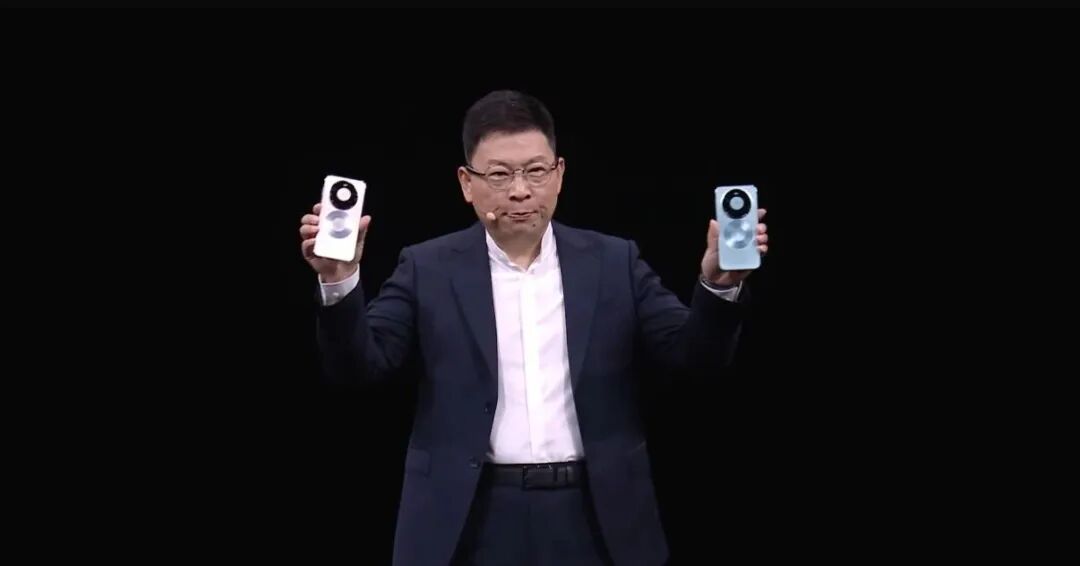
Core Insights - Huawei has launched the Mate 80 series and Mate X7 foldable phone, emphasizing significant advancements in design, performance, and imaging capabilities [1][2]. Group 1: Mate 80 Series Features - The Mate 80 series includes Mate 80, Mate 80 Pro, Mate 80 Pro Max, and Mate 80 RS, with the Mate 80 Pro Max featuring an all-metal design and a 42% performance improvement over the previous generation [1]. - The series introduces four pioneering technologies: Transparent Linglong Screen, Outdoor Exploration Mode, No Network Emergency Communication, and the second-generation Red Maple Imaging system [2]. - The Transparent Linglong Screen utilizes a dual-layer OLED architecture, achieving breakthroughs in brightness, power consumption, and lifespan [2]. - The Outdoor Exploration Mode allows weather queries via Beidou satellites without a network, with a maximum battery life of 14 days in extreme mode [2]. - The No Network Emergency Communication operates at 700MHz, penetrating three floors and covering over 13 kilometers [2]. - The second-generation Red Maple Imaging system enhances color accuracy in challenging lighting conditions and offers a feature for capturing multiple effects in one shot [2]. - Performance improvements are noted with a 35% increase for Mate 80 compared to Mate 70, and up to 42% for Mate 80 Pro with 16GB RAM [2]. Group 2: Mate X7 Foldable Phone - The Mate X7 features a leading foldable architecture design and runs on the HarmonyOS 6, supported by a large VC graphene heat dissipation system for sustained high performance [3]. - It includes a 5600mAh battery, capable of lasting up to 10 days in outdoor exploration mode [3]. - Since the launch of its first foldable flagship in 2019, Huawei has released over ten foldable phones, achieving a cumulative market shipment of over ten million units [3].
降了800元 4699元起售 华为发布Mate 80:Pro+变为Pro Max 麒麟9030芯片!渠道商:定价比预计的要低
Mei Ri Jing Ji Xin Wen· 2025-11-25 15:52
Core Viewpoint - The launch of Huawei's Mate 80 series on November 25 marks a significant development in the competitive smartphone market, with new pricing strategies and technological advancements aimed at regaining market share in the high-end segment [1][4]. Pricing Strategy - The starting price for the Mate 80 series is set at 4,699 yuan, which is 800 yuan lower than the previous generation. The Mate 80 Pro and Mate 80 Pro Max series are also priced 500 yuan lower than their predecessors [1][8]. - This pricing strategy is expected to provide Huawei with a competitive edge in a market where other brands have increased their prices [8]. Technological Advancements - The Mate 80 series features the new Kirin 9030 chip, built on a 7nm process, marking a significant iteration in Huawei's chip technology [4][6]. - The series is the first to launch with HarmonyOS 6, which has over 300,000 applications and services, indicating progress in Huawei's software ecosystem [6]. Market Position and Competition - Huawei's market share in the high-end smartphone segment is reported at 21.4% for 2023, with a notable recovery in its competitive stance against Apple, which holds 61.8% [4]. - The smartphone market is currently experiencing a contraction, with a 3% year-on-year decline expected by Q3 2025, and the competition among top manufacturers is intensifying [7]. Sales Performance - The Mate series has historically contributed significantly to Huawei's sales, with the Mate 40 series achieving sales of 30 million units at its peak [5]. - The Mate 80 series is seen as crucial for Huawei's strategy to reclaim its position in the high-end market, especially after previous supply chain challenges [7]. Future Outlook - Analysts suggest that while the Mate 80 series may face challenges in gaining immediate traction, it could solidify Huawei's position in the high-end market in the long term [8]. - The ongoing development of the HarmonyOS ecosystem is expected to create a competitive barrier, potentially reducing user attrition [7].
降了800元,4699元起售,华为发布Mate 80:Pro+变为Pro Max,麒麟9030芯片!渠道商:定价比预计的要低
Mei Ri Jing Ji Xin Wen· 2025-11-25 15:09
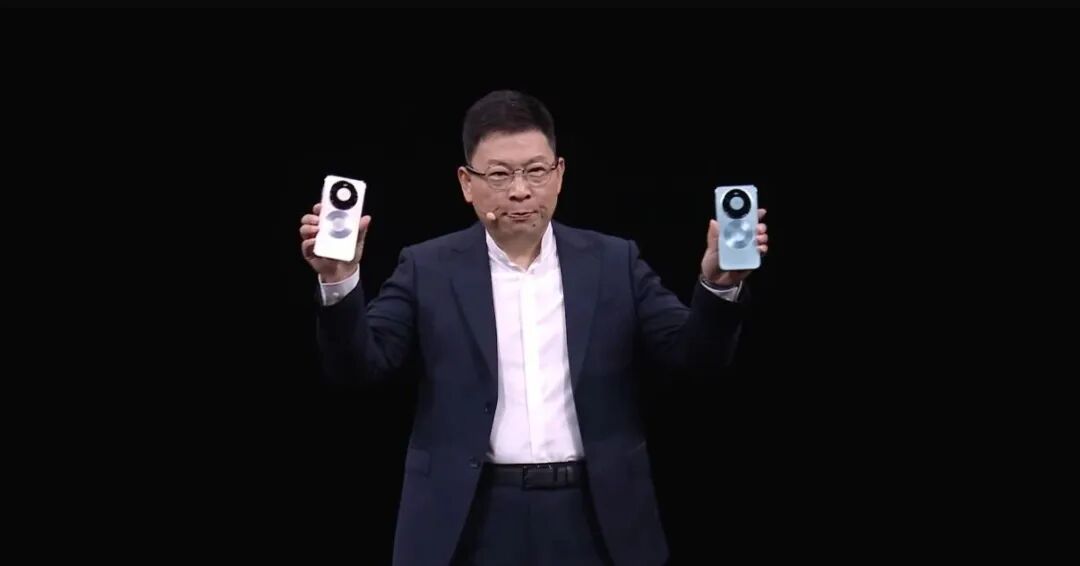
Core Insights - The smartphone industry is experiencing intense competition as Huawei launches its Mate 80 series, which includes significant price reductions compared to previous models [1][9] - The Mate 80 series features the new Kirin 9030 chip and is the first to run on HarmonyOS 6, indicating Huawei's advancements in both hardware and software [3][7] - Huawei's market share in the high-end smartphone segment is showing signs of recovery, with a reported 21.4% share in 2023, compared to Apple's 61.8% [3][4] Pricing Strategy - The starting price for the Mate 80 series is set at 4699 yuan, which is 800 yuan lower than the previous generation, while other models also see price reductions of around 500 yuan [1][9] - This pricing strategy may provide Huawei with a competitive edge in a market where other brands are increasing prices [9] Product Features - The Mate 80 series incorporates advanced technologies such as the second-generation Kunlun glass and emergency communication capabilities, allowing for connectivity over 13 kilometers without a network [4] - The new Kirin 9030 chip represents a significant technological advancement for Huawei, marking a return to high-performance chip production [7] Market Position - As of Q3 2025, Huawei holds a 16% market share in the Chinese smartphone market, closely following Vivo's 18% and surpassing Apple's 15% [8] - The competition remains tight, with the gap between the top and fifth-ranked manufacturers narrowing to just 3% [8] Future Outlook - Analysts suggest that while the Mate 80 series may face challenges in the short term due to market adjustments and competition from Apple's iPhone 17 series, it has the potential to strengthen Huawei's position in the high-end market over time [8] - The ongoing development of the HarmonyOS ecosystem, with over 300,000 applications, is expected to enhance Huawei's competitive stance against established operating systems [7]
【太平洋科技-每日观点&资讯】(2025-11-26)
远峰电子· 2025-11-25 11:20
Market Overview - The main board saw significant gains with notable stocks such as Dingxin Communication (+10.07%), Huanrui Century (+10.06%), and Shida Group (+10.04) [1] - The ChiNext board led with Jia Yuan Technology (+20.00%) and Guangku Technology (+20.00%) [1] - The Sci-Tech Innovation board also experienced gains with Dekeli (+20.00%) and Changguang Huaxin (+20.00%) [1] - Active sub-industries included SW Printed Circuit Boards (+5.82%) and SW Gaming III (+5.36%) [1] Domestic News - Huawei launched the new Mate 80 series, featuring the Kirin 9020 chip, which shows a 35% performance improvement over the Mate 70 [1] - TCL Huaxing signed a contract to build a printed OLED pilot verification platform, aiming to increase monthly production capacity from 3,000 to 9,000 large panels [1] - Shunluo Electronics announced that its TLVR inductor products have achieved mass supply, marking progress in high-performance magnetic devices for AI servers [1] - BOE's Jingdong project phase three has officially started, with expectations to achieve mass production by December 2026, adding over 10 million pieces of annual capacity [1] Company Announcements - Huashi Technology announced an investment of 22.5 million yuan to increase its stake in Hangzhou Yuchuang Robot Technology Co., Ltd. to 15% [2] - Liansheng Technology plans to terminate certain value-added telecommunications business licenses to align with its strategic transformation [2] - Allianz Ruishi announced an investment of 8 million yuan to establish Jiangsu Yuanqi Lian'an Robot Technology Co., Ltd., focusing on embodied intelligent robots [2] - Weijie Chuangxin received a government subsidy of 5 million yuan, accounting for 21.07% of its net profit for 2024 [2] International News - Enjet signed a business agreement with JWMT to develop glass substrate post-processing technology for next-generation high-density packaging [3] - The European Commission approved a 450 million euro subsidy for ON Semiconductor to build an 8-inch silicon carbide factory in the Czech Republic [3] - AIST announced the successful construction of Japan's first 12-inch wafer shared pilot line supporting advanced processes [3] - Microsoft launched a new open-source small language model, Fara-7B, designed for computer operations [3]
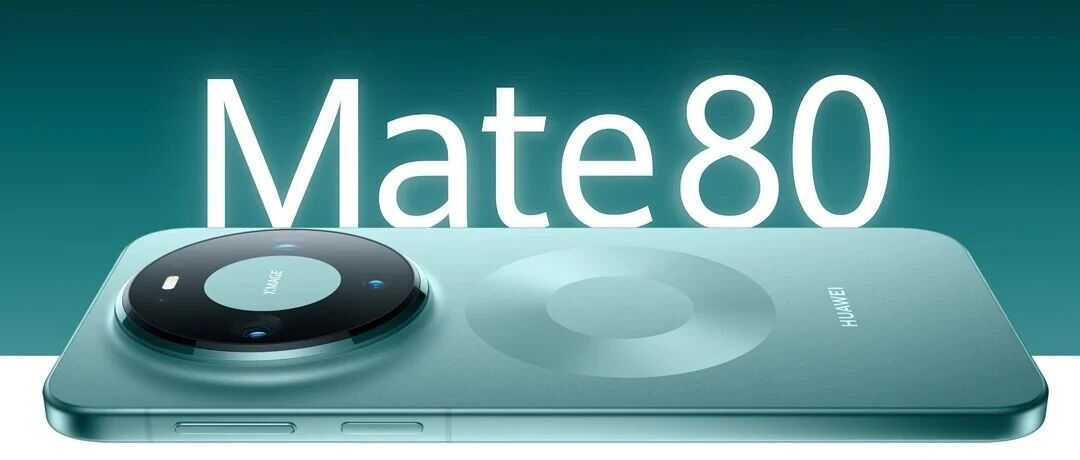
首发搭载麒麟9030芯片:华为Mate80系列正式发布
半导体行业观察· 2025-11-25 08:32
Core Viewpoint - Huawei officially launched the new Mate 80 series, which includes Mate 80, Mate 80 Pro, Mate 80 Pro Max, and Mate 80 RS, all equipped with HarmonyOS 6 and set to be available for sale on November 28 [1] Performance Enhancements - The Mate 80 series features significant performance improvements over the Mate 70 series, with the Mate 80 showing a 35% performance increase with the Kirin 9020 chip, while the Mate 80 Pro with 12GB RAM also shows a 35% increase with the Kirin 9030 chip, and the Mate 80 Pro with 16GB RAM shows a 42% increase with the Kirin 9030 Pro [14][15] - The software enhancements include a 45% improvement in operating smoothness and a 34% increase in loading speed compared to the Mate 70 series, along with support for 3DGS rendering acceleration and ray tracing hardware acceleration [15] Imaging System - The Mate 80 series introduces the second-generation Red Maple imaging system, which enhances light intake by 96% and dynamic range by 300% [50] - The camera specifications include a 50MP main camera with variable aperture, a 12MP periscope telephoto lens, and a 40MP ultra-wide camera for the Mate 80, while the Mate 80 Pro features a 50MP main camera, a 48MP macro telephoto lens, and a 40MP ultra-wide camera [50][51] Design and Display - The Mate 80 series adopts a dual-ring design with a full metal body and offers four color options. The devices are equipped with second-generation Kunlun glass, enhancing drop resistance by 20 times and scratch resistance by 2 times [34] - The display features a 6.75-inch OLED screen with a resolution of 2832×1280, supporting adaptive refresh rates from 1-120Hz and a peak brightness of 8000 nits for the Mate 80 Pro Max [35][38] Communication and Battery - The Mate 80 series supports various communication technologies, including satellite communication and emergency communication capabilities, with a maximum range of 13 kilometers [56] - The battery specifications include a 5750mAh capacity with fast charging options, supporting both wired and wireless charging [56] Pricing and Availability - The pricing for the Mate 80 series starts at ¥4699 for the base model and goes up to ¥12999 for the Mate 80 RS Ultimate Master version, with all models set to be available for purchase on November 28 [57]
长鑫存储、摩尔线程、英伟达,重磅!美联储,利好;766亿,抄底!
Sou Hu Cai Jing· 2025-11-24 01:38
Industry Highlights - Changxin Storage launched its latest DDR5 product series with a maximum speed of 8000 Mbps and a maximum chip capacity of 24 Gb, showcasing the competitive technological strength of domestic storage chips [1] - The "first domestic GPU stock" Moer Thread initiated subscription with an issue price of 114.28 yuan per share, aiming to raise a total of 8 billion yuan for the development of new AI chips and graphics chips [1] - The White House is considering approving the export of Nvidia's H200 AI chips to China, with the U.S. Department of Commerce reviewing potential changes to export restrictions [1] Market Dynamics - U.S. stock markets saw collective gains on November 22, with the Nasdaq China Golden Dragon Index rising by 1.23%, following dovish comments from Federal Reserve officials regarding potential interest rate cuts [2] - WTI crude oil futures fell by 1.6% to $58.06 per barrel, influenced by expectations of a possible peace agreement between Russia and Ukraine [2] Stock Market Trends - Hong Kong's Hang Seng Index dropped by 2.38% on November 21, marking a weekly decline of 5.09%, while the Hang Seng Tech Index fell by 3.21% [3] - The Shanghai Composite Index experienced a single-day drop of 2.45%, the second-largest decline of the year, with significant inflows into equity ETFs as investors sought to capitalize on lower prices [3] Corporate Developments - 16 hard technology products received rapid approval, including AI and chip ETFs from various fund companies, indicating a growing interest in technology-focused investments [3] - Huawei is set to launch the Mate 80 series and Mate X7 on November 25, potentially featuring the new Kirin 9030 chip [4] Economic Insights - China's inbound tourism has surged, with a year-on-year increase of over 100% in visitor numbers, particularly from the U.S. and France, indicating a strong recovery in the tourism sector [12] - The Ministry of Industry and Information Technology announced the initiation of commercial trials for satellite IoT services, aiming to enhance market supply and support emerging industries [13]
