5C电池

Search documents
电动化下半场:“低温”大战开启
高工锂电· 2026-03-15 09:57
Core Viewpoint - The electric vehicle industry is entering a critical phase where low-temperature performance of batteries is essential for various applications, leading to intense competition among major players like CATL, BYD, and Guoxuan High-Tech [3][4]. Group 1: Low-Temperature Solutions - Major battery manufacturers are focusing on low-temperature solutions, with BYD's second-generation blade battery achieving fast charging in under 12 minutes at -30°C, while CATL's sodium-ion battery allows for immediate charging without preheating [4][6]. - The competition is not just about battery performance but also about creating a comprehensive ecosystem that includes charging infrastructure and vehicle compatibility [9][10]. Group 2: Charging Infrastructure and Market Dynamics - The future of fast charging infrastructure, particularly in northern markets, is crucial for the growth of electric vehicles, with BYD planning to expand its fast-charging stations significantly [7][8]. - The penetration of 800V high-voltage platforms is expected to exceed 10% by 2025, with a projected sales volume of nearly 1.5 million units, indicating a shift towards higher voltage systems in the market [7][8]. Group 3: Material Innovations - The introduction of lithium iron phosphate (LFP) and manganese iron phosphate (LMFP) materials is set to redefine the competitive landscape, with BYD's advancements in low-temperature performance potentially disrupting the dominance of ternary materials [11][12]. - CATL's M3P battery, which utilizes manganese iron phosphate, is already being deployed in various vehicle models, showcasing the trend towards multi-material strategies in battery technology [13]. Group 4: Commercial Vehicle Applications - CATL's sodium-ion battery is being integrated into commercial vehicles, demonstrating its capability to operate effectively in extreme cold conditions, thus expanding the application range of low-temperature batteries [14][15].




800V新能源车渗透率破10%,超充电池、超充桩等率先升级
高工锂电· 2026-02-26 11:00
Core Viewpoint - The article emphasizes the collaborative upgrade of the supercharging ecosystem, highlighting the increasing penetration of the 800V high-voltage platform in the electric vehicle market and the simultaneous advancements in battery and supercharging infrastructure [1]. Group 1: 800V High-Voltage Platform - The 800V high-voltage platform is transitioning from a high-end configuration to a mainstream standard, with a projected penetration rate exceeding 10% by 2025, translating to nearly 1.5 million units sold, and a forecast of 15% penetration in 2026 [2]. - As the penetration of 800V high-voltage electric vehicles rises, supporting components such as batteries and supercharging stations are also undergoing upgrades [3]. Group 2: Battery Technology - The mainstream battery for the 800V high-voltage platform is the 5C battery, utilized in models like Xiaopeng G9 Max, NIO ET9, and others, with major suppliers including CATL, Zhongchuang Innovation, and Yiwei Lithium Energy [3]. - The narrative around 6C batteries is shifting from a ternary material system to lithium iron phosphate (LFP), with CATL and SAIC General collaborating on LFP 6C batteries, and Chu Neng New Energy set to release a 6C LFP "Everest" battery in October 2025 [4]. Group 3: Supercharging Infrastructure - The supercharging infrastructure is evolving, with BYD initiating a megawatt-level supercharging competition in early 2025, applying it to models with a 1000V high-voltage platform, thus closing the loop for rapid energy replenishment for 800V and above models [4]. - BYD's second-generation megawatt supercharging station, with a maximum output power of 1.5 megawatts, is in the construction phase, featuring two charging guns and two 200kWh energy storage cabinets to enhance charging efficiency and reduce fluctuations [5][6]. Group 4: Industry Collaboration - The widespread adoption of ultra-fast charging technology relies on the technical and product collaboration among automakers, battery manufacturers, and charging station companies across the supply chain [7].


超快充赛道进入“生态竞逐”时间
中国能源报· 2025-12-27 00:38
Core Viewpoint - The rapid development of ultra-fast charging technology is expected to alleviate user pain points in energy replenishment, driven by continuous technological penetration and deepening industry collaboration [1][2]. Group 1: Market Dynamics - The ultra-fast charging market is experiencing accelerated growth due to the dual drivers of technological maturity and rising demand, with numerous companies announcing advancements in product mass production [2][4]. - Major automotive and battery manufacturers are intensifying their focus on ultra-fast charging technology, leading to the introduction of new products and solutions [3][4]. Group 2: Product Innovations - Li Auto plans to mass-produce its self-branded 5C battery, enhancing safety performance and user experience [4]. - Chuangneng New Energy launched the "Zhu Feng" 6C fast-charging battery, achieving a specific energy density of 190Wh/kg and a volume energy density of 420Wh/L, supporting over 1000 km range for electric vehicles [4]. - A new commercial vehicle ultra-fast charging battery, Gen2, was released by Xinwanda, following the introduction of a large-capacity battery for heavy trucks [4]. Group 3: Infrastructure Development - The surge in private car ownership is driving the rapid deployment of ultra-fast charging stations in residential and commercial areas, while the electrification of logistics heavy trucks is boosting the construction of high-power DC charging facilities [5][11]. - There is a need for improved charging infrastructure in lower-tier cities and counties, as the current coverage remains insufficient [11]. Group 4: Safety Standards and Challenges - The implementation of ultra-fast charging requires a comprehensive optimization of vehicles, batteries, charging equipment, and thermal management, presenting technical challenges [7]. - The new national standard for electric vehicle batteries, effective from July 2026, includes safety tests for fast charging cycles, emphasizing the need for enhanced safety measures in ultra-fast charging technology [8][9]. Group 5: Ecosystem Development - A well-structured ultra-fast charging ecosystem is crucial for the industry's growth, necessitating collaboration among battery manufacturers, vehicle producers, and charging infrastructure providers [10]. - The current lack of unified charging standards and service disparities must be addressed to facilitate the widespread adoption of ultra-fast charging technology [10][11].
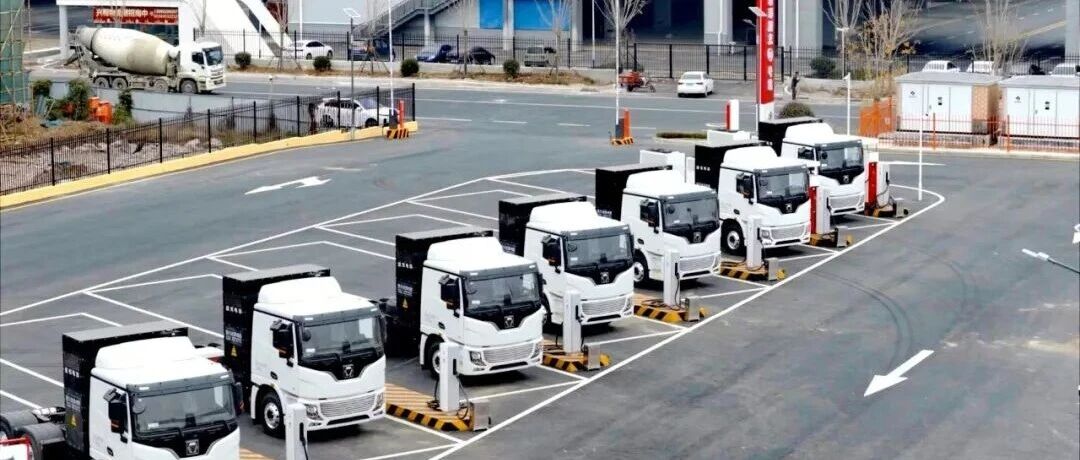
“充电像加油”还有多远?超快充技术狂奔,安全标准体系亟待升级
Zhong Guo Neng Yuan Wang· 2025-12-24 09:29
Core Insights - The competition in the new energy vehicle charging market is intensifying, driven by the dual forces of technological maturity and rising demand for ultra-fast charging solutions [1] Group 1: New Products and Solutions - Ultra-fast charging technology is becoming a key direction in the evolution of charging technologies, with major domestic and international automakers and battery manufacturers increasing their investments and innovations in this area [2] - Li Auto plans to mass-produce its self-developed 5C battery, enhancing safety and user experience [2] - Chunan New Energy launched the "Zufeng" 6C fast-charging battery, achieving a continuous 6C charging rate and a range of over 1000 kilometers [2] - A new commercial vehicle ultra-fast charging battery, Gen2, was released by Xinwanda, following the introduction of a large-capacity battery for heavy trucks [2] - Huawei introduced a liquid-cooled megawatt fast charging solution with a peak power of 1.5 megawatts, capable of charging 20 kWh per minute [2] Group 2: Infrastructure Development - The surge in private car ownership is accelerating the deployment of ultra-fast charging stations in residential and commercial areas, while the electrification of logistics heavy trucks is driving the construction of high-power DC charging equipment [3] Group 3: Safety Standards and Challenges - Achieving fast charging performance requires a multi-dimensional optimization of vehicles, batteries, charging equipment, thermal management, and costs, presenting certain technical challenges [4] - The new national standard for electric vehicle batteries, effective from July 2026, includes safety tests for fast charging cycles, requiring batteries to pass external short-circuit tests after 300 fast charging cycles [4] - The development of new anode materials, such as silicon-based and hard carbon, is necessary to meet the higher safety requirements posed by ultra-fast charging [5] Group 4: Ecosystem Construction - The development of ultra-fast charging technology is entering a "fast lane," with applications expanding beyond passenger vehicles to commercial vehicles and emerging eVTOL markets [6] - A more complete and efficient ultra-fast charging ecosystem is crucial for the speed and quality of industry development, necessitating collaboration among battery, vehicle, and charging infrastructure sectors [6] - There is a need for unified charging standards and communication protocols to enhance compatibility between charging stations and batteries, facilitating user convenience [6] Group 5: Regional Infrastructure Gaps - Coverage of charging infrastructure in third- and fourth-tier cities and rural areas remains insufficient, with a need for improved ratios of fast and ultra-fast charging stations [7] - The existing charging network is lagging in adapting to vehicle evolution, indicating a need for policy support to encourage the construction of high-quality charging stations in rural areas and ultra-fast networks for logistics heavy trucks [7]


理想汽车首次大规模召回 是电池的原因吗?
2 1 Shi Ji Jing Ji Bao Dao· 2025-11-03 23:12
Core Viewpoint - Li Auto has initiated a recall of 11,411 units of the 2024 MEGA model due to safety concerns related to a fire incident, emphasizing its commitment to user safety and proactive measures in addressing potential risks [1][2][3]. Group 1: Recall Details - The recall will affect all MEGA vehicles produced between February 18, 2024, and December 27, 2024, starting from November 7, 2025 [1]. - The recall is linked to a fire incident that occurred on October 23, 2023, in Shanghai, where the owner escaped without injury [1][2]. - Preliminary investigations revealed that the coolant's corrosion resistance was insufficient, potentially leading to battery overheating and safety hazards [2]. Group 2: Safety Measures - Li Auto will provide free replacements of coolant, battery, and front motor controller for the recalled vehicles [3]. - The company has emphasized its zero-tolerance policy for potential hazards and is conducting thorough safety inspections and repairs for all affected MEGA vehicles [3]. Group 3: Battery Technology Insights - The MEGA model features a 5C battery developed in collaboration with CATL, focusing on fast charging capabilities [3][5]. - The battery technology employs a liquid cooling system designed to enhance thermal management, increasing the heat exchange area by five times compared to traditional designs [5]. - The choice of battery materials, including high-nickel ternary lithium and lithium iron phosphate, reflects a balance between cost, performance, and safety [4][5].
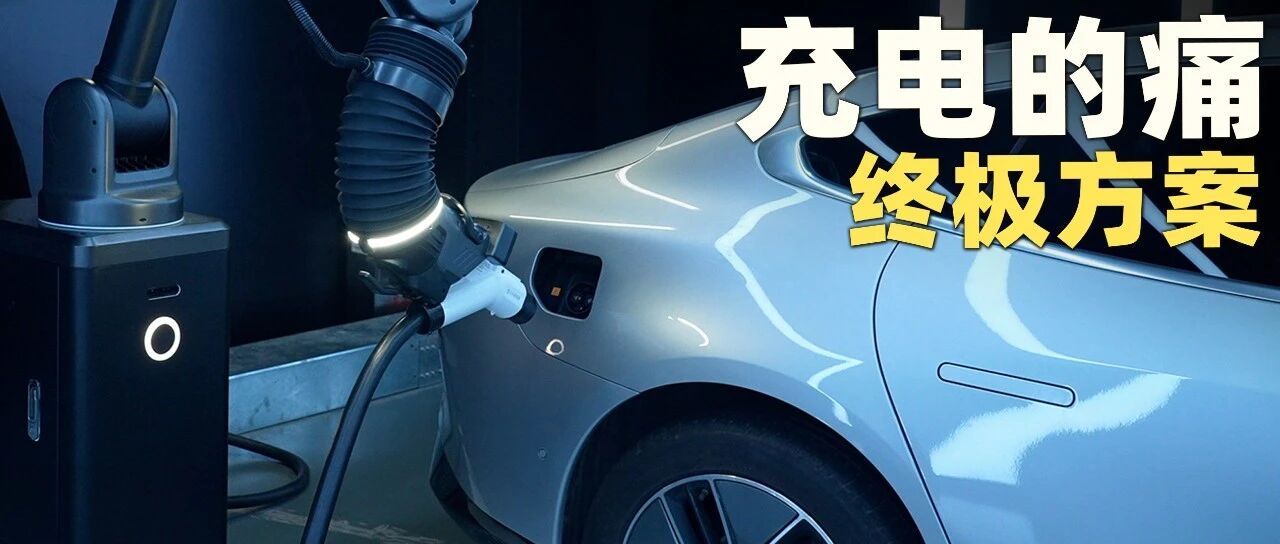
这才是超快充的终极形态?未来黑科技走进现实了?
电动车公社· 2025-09-18 17:56
Group 1 - The article highlights the rapid development of new technologies in the electric vehicle (EV) charging sector, such as 5C batteries and megawatt fast charging, addressing the previous concerns about slow charging times [1] - It points out the practical challenges faced by users, including the cumbersome charging guns and unsanitary conditions at charging stations, even in high-end locations [1] Group 2 - The article introduces a solution to improve the charging experience, mentioning a "charging robot" that boasts a lifespan of 5 million cycles and a price of over 100,000 [3] - It emphasizes the importance of technological upgrades in enhancing user experience alongside charging speed improvements [3]
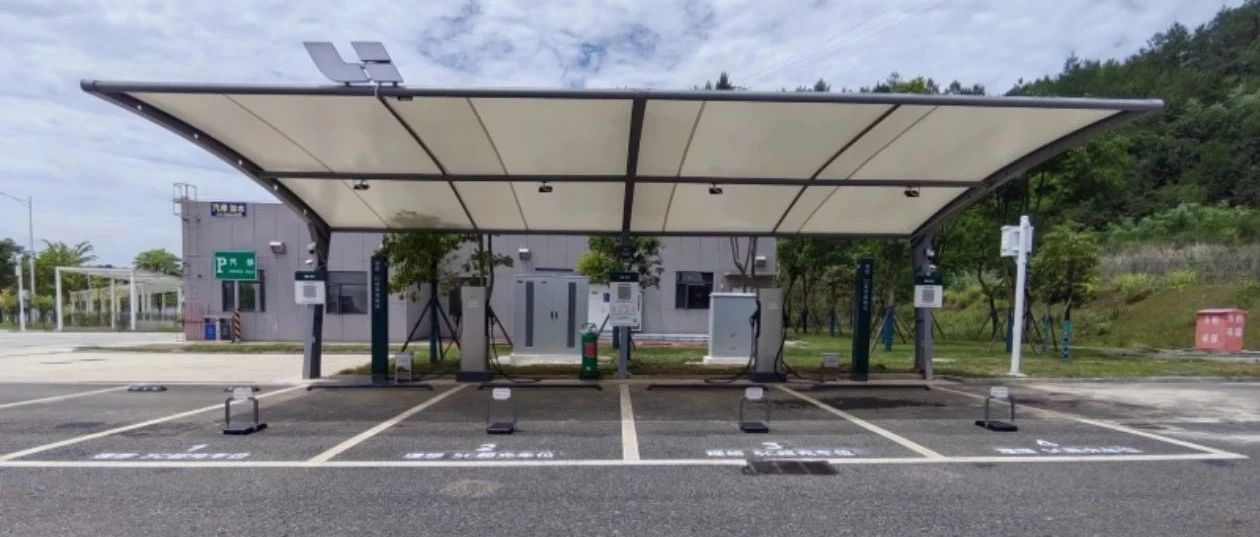
理想首次在湖南高速布局8站, 全部为5C桩
理想TOP2· 2025-06-28 14:30
Core Viewpoint - The company has launched its first high-speed supercharging stations in Hunan, featuring all 5C charging piles, which are designed to prioritize charging for its own electric vehicles while also accommodating other brands [1][3]. Group 1: Charging Station Operations - The newly opened stations in Hunan consist of eight locations, each equipped with four 5C charging piles, and are open to all new energy vehicles [1][5]. - The charging capacity of each station varies, with most ranging from 480-600 kW, limiting the simultaneous use of multiple 5C piles [2]. - The company plans to focus on high-speed stations with all 5C piles, while city stations may have more operational flexibility [3]. Group 2: Strategic Expansion - The company aims to secure charging resources in densely populated areas and high-traffic highways, with a willingness to invest in regions with limited charging infrastructure [4]. - The company has already made progress in provinces with no existing high-speed charging stations and is actively pursuing opportunities for expansion [4]. Group 3: Product Value Proposition - The supercharging system is positioned as the optimal solution for the Chinese market ahead of the large-scale commercialization of solid-state batteries, integrating 5C batteries, supercharging stations, and next-generation electric vehicle designs [5]. - The company emphasizes a balanced approach to cost, real-world range, charging speed, capacity limitations, and overall user value, aiming for positive user experiences to drive sales [5].
“智驾”是否该叫停?理想汽车CEO李想回应!小米、理想、问界改口,“智驾”更名为“辅助驾驶”
Mei Ri Jing Ji Xin Wen· 2025-05-07 15:14
Core Insights - The CEO of Li Auto, Li Xiang, believes that the smart driving industry is at a critical juncture, comparing the current state to "darkness before dawn," suggesting that significant advancements are imminent despite current challenges [2][3] Industry Developments - Li Auto has transitioned from traditional algorithms to end-to-end models and is now entering the Visual Language Action (VLA) model phase, indicating a technological evolution in smart driving [2] - The company aims to address industry challenges, such as high battery costs and slow charging times, by developing solutions like range-extended products and advanced battery technology [3] Market Trends - Recent shifts in terminology from "smart driving" to "assisted driving" by companies like Xiaomi and Aito have sparked discussions in the industry, reflecting a broader trend towards more cautious language regarding autonomous driving capabilities [3][6] - Xiaomi has updated its marketing materials to replace "Xiaomi Smart Driving" with "Xiaomi Assisted Driving," indicating a strategic rebranding effort [3] - Aito has also adopted the term "smart assisted driving" in its communications, showing a similar trend in the industry [6]