
Boxster

Search documents
保时捷中国总裁及CEO潘励驰:保时捷的“过冬”手册 收缩、重仓与不妥协
2 1 Shi Ji Jing Ji Bao Dao· 2026-02-03 00:16
Core Insights - Porsche's global deliveries in 2025 fell to 279,400 vehicles, a 10% year-on-year decline, marking the largest annual drop since 2009. In China, sales plummeted by 26% to 41,900 units, nearly returning to levels seen a decade ago [1][5][15] - The company emphasizes maintaining brand value and supply-demand balance over merely pursuing sales volume, as stated by Porsche China CEO, Pan Licheng [1][6] Sales and Market Strategy - Porsche is undergoing a significant reduction in its dealership network in China, from approximately 150 to around 80 by the end of 2026, as part of a strategy to optimize its dealer network and focus on quality rather than quantity [2][3] - The "Rui Jing Plan" aims to transform traditional 4S stores into community-oriented spaces that integrate new car sales, used car sales, after-sales service, and community activities [3][11] Cost Management and Investment - The company is implementing cost-cutting measures while simultaneously increasing investments in the Chinese market, including establishing a research and development center in Shanghai [3][10] - The R&D center aims to develop a new generation of infotainment systems within an 18-month timeframe, reflecting a rapid development pace uncommon for German automotive standards [3][9] Product Development and Innovation - Porsche plans to launch a fully electric Cayenne and other models tailored for the Chinese market, with a focus on maintaining the brand's core values of safety and driving experience [4][7] - The company is committed to ensuring that any advancements in automation and smart driving technologies do not compromise safety, with a focus on driver control and reliability [4][13] Brand Strategy and Consumer Engagement - The "Win Back China" strategy focuses on strengthening brand power, meeting consumer demands, and fostering positive community feedback rather than solely increasing sales figures [5][15] - The company acknowledges the structural changes in consumer preferences and the intensified competition from local brands, which have led to significant price reductions in the luxury segment [7][15] Future Outlook - Porsche anticipates that the introduction of new models will stabilize sales and enhance brand loyalty, while also preparing for ongoing challenges in the luxury car market [7][8] - The company remains open to exploring local partnerships and innovations to enhance its offerings in the Chinese market, while maintaining strict quality standards [12][14]
对话保时捷中国CEO潘励驰:首度详解如何“赢回中国”
Feng Huang Wang· 2026-01-26 08:26
Core Insights - Porsche's global sales declined by 10% in 2025, with a 26% drop in deliveries in China, which remains the company's second-largest market [1][2] - The company emphasizes a "quality over quantity" approach, focusing on maintaining brand value rather than chasing sales numbers [1][2] Sales Performance - Porsche delivered approximately 42,000 vehicles in China in 2025, despite the overall luxury car market contraction [1][2] - The Cayenne and other key models have gained market share in their segments, showcasing resilience despite the sales decline [2] Brand Strategy - Porsche's CEO likens brand management to a marathon, emphasizing long-term goals over short-term gains [2][6] - The company has seen a 12% growth in its used car business, indicating a successful strategy to attract new customers and maintain market share [2] Financial Services - Over 50% of Porsche's sales are completed through its financial services, which help strengthen customer relationships [2] - The company highlights the importance of vehicle residual values in maintaining brand prestige, with Porsche leading in this area among luxury brands [2] Market Adjustments - Porsche plans to introduce a new SUV model positioned above the Cayenne, responding to consumer demand for larger vehicles in China and the U.S. [3][4] - The company is optimizing its dealer network, planning to reduce the number of dealerships from approximately 114 to around 80 by the end of 2026 [4] R&D and Localization - Porsche has established its first comprehensive R&D center outside Germany in China, focusing on local market insights and needs [5] - The company is collaborating with local suppliers, such as Botai, to enhance product development and ensure seamless integration of new technologies [5][9] Long-term Vision - Porsche's long-term strategy emphasizes brand community engagement, with over 73,000 participants in brand community activities in China, a 150% increase year-on-year [7] - The company is actively working to promote its classic car business in China, aiming to enhance brand heritage and consumer connection [8] Challenges and Future Outlook - Porsche acknowledges the challenges posed by changing consumer preferences, market competition, and macroeconomic factors as reasons for the sales decline [10][12] - The company aims to enhance cost efficiency while maintaining a focus on local R&D and product development to better meet consumer demands [11][12]
奥博穆卸任后反思:保时捷第二代Macan全面转型纯电动车是个错误决定
Xin Lang Cai Jing· 2026-01-10 11:13
Core Viewpoint - The former CEO of Porsche, Oliver Blume, publicly acknowledged significant strategic mistakes during his tenure, particularly regarding the decision to transition the Macan model to an all-electric version, which he now admits was a misjudgment [1][3][6]. Group 1: Strategic Missteps - Blume recognized that since Porsche's IPO three years ago, shareholders have suffered losses, and he accepted this criticism [3]. - The decision to design the second-generation Macan as a fully electric vehicle was deemed a mistake due to the inflexibility of the product portfolio at that time [3][6]. - The Macan model has been a crucial revenue pillar for Porsche, achieving a production milestone of one million units in just 12 years, making it the third model in Porsche's history to reach this sales figure [3][5]. Group 2: Market Response and Adjustments - Porsche plans to correct its strategic errors by increasing the production of fuel and hybrid vehicles, acknowledging strong market demand for these models [3][8]. - The first-generation Macan will cease production in mid-2026, leading to a product gap until a new fuel-powered crossover is expected to launch in 2028 [7][8]. - The new fuel-powered crossover will be developed using the Volkswagen Group's Premium Platform Combustion (PPC) platform, which may impact Porsche's brand identity [8]. Group 3: Financial and Operational Challenges - Porsche is facing significant financial pressure due to a sharp decline in the Chinese luxury car market and high tariffs in the U.S., which account for over 50% of its total sales [10][12]. - The company has adjusted its sales expectations in China, reducing its dealer network from 154 to 100 by the end of 2026 to improve operational efficiency [12][13]. - A global cost-cutting plan includes laying off 1,900 permanent positions and not renewing contracts for 2,000 temporary workers [14]. Group 4: Future Strategy - Porsche's future strategy focuses on high-end fuel and hybrid sports cars, as the company believes there will still be a market for fuel vehicles in China for the next 10 to 15 years [15]. - The leadership transition to new CEO Michael Leiters will be crucial in navigating the product gap and reversing market decline [16].

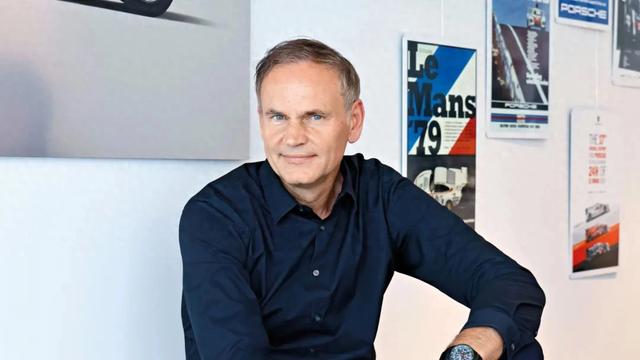
“我们犯了大错误”,车企一把手罕见认错
汽车商业评论· 2026-01-08 23:05
Core Viewpoint - The former CEO of Porsche, Oliver Blume, acknowledged significant strategic errors during his tenure, particularly regarding the decision to transition the second-generation Macan to an all-electric vehicle, which he now admits was a mistake [5][20]. Group 1: Strategic Missteps - Porsche's decision to make the second-generation Macan an all-electric vehicle was based on a rigid product portfolio that lacked flexibility, leading to a misjudgment of market readiness for such a transition [5][13]. - The Macan has been a crucial revenue driver for Porsche, achieving a production milestone of one million units in just 12 years, making it the third model in Porsche's history to surpass this figure [7][9]. - The discontinuation of the fuel-powered Macan in Europe due to new safety regulations has created a product gap, with the new electric Macan not fully meeting market demand for a lower-priced fuel-powered crossover [11][13]. Group 2: Adjustments and Future Plans - Porsche is now focusing on correcting its strategic errors by developing a new fuel-powered crossover that will not carry the Macan name, aiming to maintain brand identity while addressing market needs [17][19]. - The company plans to leverage synergies within the Volkswagen Group to expedite the development of this new vehicle, which will share a platform with the new Audi Q5 [15][17]. - Porsche is also reintroducing gasoline-powered models like the Boxster and Cayman, indicating a shift back to high-end fuel and hybrid sports cars, as the luxury electric vehicle market in China is still developing [27]. Group 3: Market Challenges - Porsche is facing significant challenges in its core markets, with the Chinese luxury car market experiencing an over 80% drop and high tariffs in the U.S. impacting profitability [24][27]. - The company has adjusted its sales expectations in China, reducing its dealer network and production capacity to maintain profitability amid declining sales [24][27]. - The leadership transition to new CEO Michael Leiters will be critical in navigating these challenges and addressing the product gap created by the shift in strategy [28].
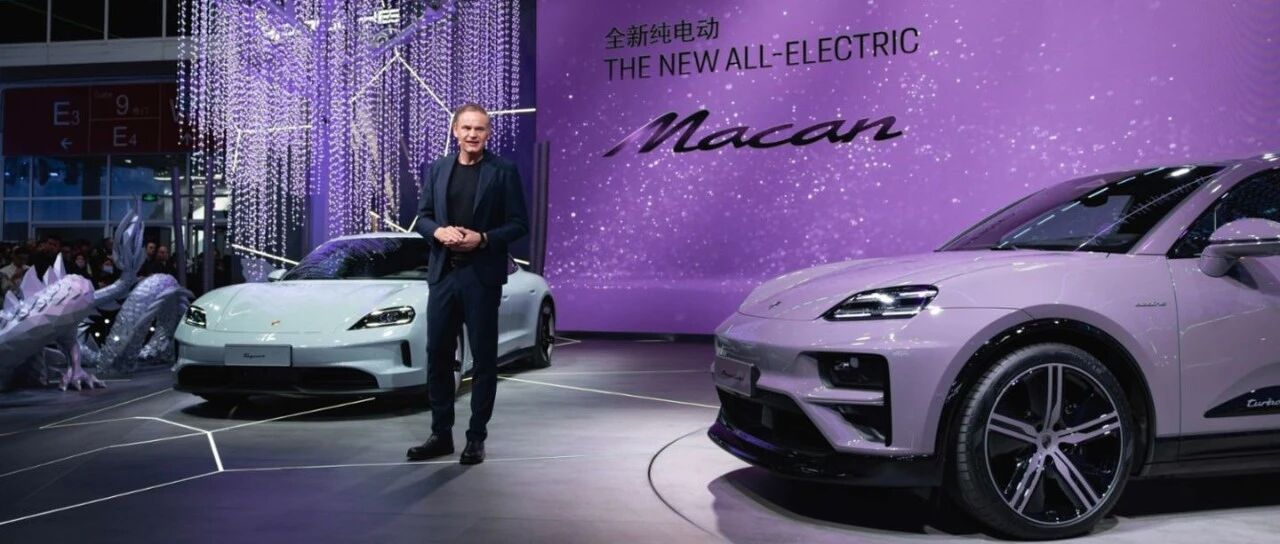
中年男人最爱的豪车,利润暴跌99%
3 6 Ke· 2025-11-04 05:37
Core Viewpoint - Porsche, once hailed as the "most profitable car company in the world," is facing a severe operational crisis, with profits plummeting by 99% and a significant loss reported in the third quarter of 2025 [1][2]. Financial Performance - In the first three quarters of 2025, Porsche reported a loss of €9.66 billion (approximately ¥80 billion) and a drastic decline in sales profit from €40.35 billion to €40 million year-on-year, marking a 99% drop [1][2]. - The company's operating revenue for the first nine months of 2025 was approximately €26.86 billion, a 6% decrease compared to the previous year [2]. - The gross margin per vehicle fell to 13.2% in Q3 2025, the lowest for the year, indicating a significant erosion of brand value [2][4]. Market Dynamics - The Chinese market, once a key driver for Porsche, has seen a continuous decline in sales, dropping from 95,700 units in 2021 to 32,000 units in the first three quarters of 2025, a 26% year-on-year decrease [4][5]. - While the U.S. market showed some growth with 64,446 units delivered in the first three quarters of 2025, the impact of tariffs has diminished this growth, with additional costs reaching €300 million [4][5]. Strategic Challenges - Porsche's profit collapse is attributed to a combination of strategic missteps, external shocks, and market misjudgments [5][6]. - The company has shifted its strategy from a focus on electric vehicles to a more diversified approach, which has led to significant restructuring costs amounting to €2.7 billion in the first three quarters of 2025 [6][8]. - The management's decision to delay electric vehicle launches and extend the lifecycle of combustion engine models has resulted in a disconnect with market demands [8][10]. Management Changes - The announcement of the end of the "shared CEO" model and the potential appointment of Michael Leiters, who has extensive experience in product development, has raised market expectations for a turnaround [9][10]. Historical Context - Porsche has faced crises before, notably in the 1990s, and successfully revived its brand with the introduction of the Boxster, which attracted younger consumers [10][12]. - The current crisis is seen as a pivotal moment for Porsche, with the need to balance new energy product capabilities, intelligent experiences, and brand value to navigate the evolving market landscape [12][14]. Future Outlook - The company aims to regain its footing in the Chinese market by focusing on younger, digitally-savvy consumers and optimizing its dealer network [12][14]. - The success of Porsche's turnaround efforts will depend on its ability to adapt to changing consumer preferences and market conditions, particularly in the context of increasing competition in the electric vehicle space [12][14].
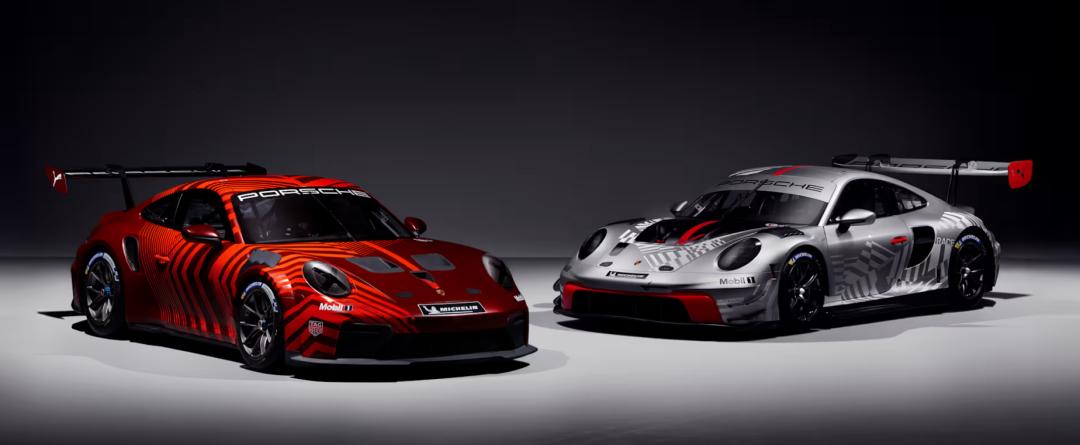
产品为王,保时捷也不能例外
Zhong Guo Jing Ji Wang· 2025-10-28 06:10
Core Insights - Porsche reported a significant loss of €966 million (approximately ¥8 billion) in Q3, with profits plummeting 99% from €4 billion in the same period last year to just €40 million [1][3] - The decline in sales and profits has raised concerns about Porsche's market position, leading to discussions about its ability to recover through new product launches [1][3] Financial Performance - Q3 sales revenue was €8.7 billion, below market expectations of €9 billion, with a total revenue of approximately €26.86 billion for the first three quarters, a 6% year-on-year decline [1][3] - Deliveries in the first three quarters totaled 212,509 units, a 6% decrease compared to the previous year, with notable declines in key markets such as China, where sales dropped 26% [2][4] Strategic Challenges - Porsche's losses are attributed to past strategic decisions, including the postponement of electric vehicle launches and the extension of the lifecycle for several fuel and hybrid models, resulting in additional costs of approximately €2.7 billion [3][4] - The U.S. tariff policy has further pressured Porsche's performance, with an estimated additional cost of €300 million in the first three quarters of 2025, leading to a projected total loss of €700 million for the year [4] Market Dynamics - Despite the challenges, Porsche achieved record delivery numbers in the U.S. market, with sales increasing by 5% to 64,446 units, contrasting with a 26% decline in China [4][5] - The company is facing intense competition in the entry-level segment, with competitors offering superior price, quality, and emotional value, leading to a loss of younger customers [7][10] Product Development and Innovation - Porsche has not introduced a new flagship model in over a decade, leading to concerns about its product lineup and market appeal [5][11] - The electric vehicle strategy has been inconsistent, with the flagship electric model Taycan experiencing a 10% decline in sales, and the new electric Macan facing delays and challenges in the competitive Chinese market [8][10] Future Outlook - Porsche plans to optimize its organizational structure, with plans to lay off 1,900 employees and cut 2,000 temporary positions by 2025 [4][11] - The company anticipates that its performance will hit bottom this year, with expectations of significant improvement starting in 2026, although this is still far from its historical profit margins of 15% [4][11]
保时捷停售燃油版Boxster和Cayman,电动版2026年亮相
Cai Jing Wang· 2025-09-04 07:18
Core Viewpoint - Porsche has officially discontinued the fuel-powered versions of the Boxster and Cayman, closing global order channels for these models, while the exact production cessation date remains unannounced [1] Group 1 - Porsche has not disclosed the official production end date for the Boxster and Cayman models [1] - There are rumors suggesting that Porsche may take until 2026 to fulfill all existing orders for the 718 Cayman and Boxster [1] - The company is actively developing electric versions of these models, with mass production expected to begin in 2026 [1]
汽车早餐 | 安徽将免收高速清障服务费;通用汽车CEO抛售其所持公司股票的40%;保时捷停售燃油版Boxster和Cayman
Zhong Guo Qi Che Bao Wang· 2025-09-04 01:11
Domestic News - Anhui Province will waive towing and lifting fees for highway rescue services starting September 20, 2025, to enhance road network efficiency and public satisfaction [2] - Chongqing City has allocated an additional budget of 135 million yuan for vehicle and electric bicycle trade-in subsidies, with specific allocations for scrapping and replacing vehicles [3] - In August, China's new energy vehicle retail sales reached 1.079 million units, a year-on-year increase of 5% and a cumulative retail of 7.535 million units for the year, up 25% [4] International News - The labor committee of Volkswagen Group is pressuring CEO Oliver Blume to relinquish his dual leadership role as both CEO of Volkswagen and Porsche, a concern since Porsche's IPO in 2022 [5] - General Motors CEO Mary Barra sold 370,000 shares of the company, cashing out approximately $21.67 million, which represents 40% of her holdings, raising investor concerns about the company's future performance [6] - The Korea Exchange reported that all top ten corporate groups in South Korea, including Samsung and Hyundai, have submitted plans to enhance corporate value [7] Corporate News - Wang Xiaofei has been appointed as the new Executive Vice President of Changan Ford, succeeding Yang Dayong [12] - NIO's CEO Li Bin announced a target of 50,000 monthly deliveries in Q4 2025, with specific production targets for the L90 and new ES8 models [13] - China Export & Credit Insurance Corporation has insured a $285 million project for a nickel material production line in Morocco, marking the successful launch of Africa's first new energy materials base [14] - EVE Energy has officially opened its solid-state battery production base in Chengdu, with an annual capacity of nearly 500,000 cells, targeting high-end applications [15]


