Club Med地中海俱乐部

Search documents
再创新高!复星体验式文旅马年开门红
Feng Huang Wang Cai Jing· 2026-02-24 07:42
Core Insights - The Spring Festival holiday in 2026 saw a significant increase in guest traffic and room prices across various vacation products under Fosun Tourism Group, indicating a strong start to the year [1] Group 1: Domestic Resorts Performance - Club Med's domestic resorts achieved an average occupancy rate of 90% during the six core days of the Spring Festival, with daily room prices continuing to rise year-on-year [2] - The resorts in Changbai Mountain and Beidahu Lake experienced a surge in occupancy rates, exceeding 95% in the five days following the holiday, driven by the excitement surrounding the Milan Winter Olympics [2] - The total revenue from inbound tourism at five domestic resorts increased by 250% year-on-year, while outbound tourism revenue for domestic customers visiting European resorts grew by 160% [2] Group 2: Entertainment and Cultural Events - The Nanjing Xianlin Resort hosted the premiere of the stage play "The Master and Margarita," which received enthusiastic responses both online and offline, showcasing a successful integration of drama and vacation experiences [3] Group 3: Super Resort Performance - Atlantis Sanya reported a total revenue of over 124 million yuan during the nine-day holiday, marking a 20% year-on-year increase, with an average occupancy rate of 98% and a 17% rise in daily room prices [4] - The Taicang Alps International Resort capitalized on the ice and snow consumption trend, achieving a 30% increase in visitor numbers and revenue, with the ski school recording its highest teaching income [4] Group 4: Cultural Engagement and Revenue Growth - The Club Med Lijiang International Resort hosted the third Amizhe Intangible Cultural Heritage Festival, attracting over 10,000 visitors and achieving record revenue growth, with average occupancy rates of 85% and 88% for the Lijiang resort and hotel respectively [5] - The CEO of Fosun Tourism Group highlighted the significance of the Spring Festival, noting the release of travel demand and the positive impact of policy changes following the Hainan Free Trade Port's opening [5]
再创新高:复星体验式文旅马年开门红
Huan Qiu Wang· 2026-02-24 06:50
Core Insights - The article highlights the strong performance of Fosun Tourism Group during the 2026 Spring Festival holiday, with significant increases in both guest traffic and room rates across various vacation products [1][3][5] Group 1: Performance Metrics - Club Med's domestic resorts achieved an average occupancy rate of 90% during the six-day core holiday period, with daily room rates continuing to rise year-on-year [1] - The total revenue from inbound tourism at five domestic resorts increased by 250% year-on-year, while outbound tourism revenue for domestic customers visiting European resorts grew by 160% [1] - In the Sanya Atlantis resort, total revenue during the nine-day holiday exceeded 124 million yuan, marking a 20% year-on-year increase, with an average occupancy rate of 98% and a 17% rise in daily room rates [3] Group 2: Event Highlights - The third Amizhe Intangible Cultural Heritage Festival in Lijiang featured immersive activities, attracting over 10,000 visitors and achieving record-high revenue for the resort [5] - The Taicang Alps International Resort hosted various themed events, leading to a 30% increase in guest traffic and revenue, with the ski school achieving record income [6] Group 3: Strategic Outlook - Fosun Tourism Group's CEO emphasized the significance of the Spring Festival, noting the release of travel demand and the positive impact of policy changes following the Hainan Free Trade Port's opening [5] - The company plans to continue focusing on the vacation sector, leveraging global resources and enhancing content innovation to drive higher quality development in China's cultural tourism industry [7]


王均金郭广昌南存辉现身浙商年会:今年经济怎么样?民企未来靠什么
第一财经· 2026-01-18 15:51
Core Viewpoint - The article emphasizes the resilience of the Chinese economy amidst challenges, highlighting the importance of innovation and global opportunities for private enterprises in China [3]. Group 1: Economic Resilience and Challenges - The current economic environment is warmer compared to the previous year, with negative factors being gradually digested, showcasing the resilience of the Chinese economy [3]. - The past few decades of rapid economic growth have led to challenges that require reflection on whether companies overestimated their capabilities and competitiveness [5]. Group 2: Innovation and Product Development - The era of relying on a single successful strategy is over; companies must focus on innovation and enhancing product quality to improve competitiveness [6]. - The hospitality sector, exemplified by the Atlantis Hotel in Sanya, has seen improved occupancy rates and pricing, indicating strong consumer demand for high-quality products despite a backdrop of consumption downgrade [6]. Group 3: Importance of Technology and ESG - Emphasis on technological innovation as a new engine for private enterprise development, with a call for investment in foundational research and key technologies [6]. - The significance of ESG (Environmental, Social, and Governance) initiatives and green technology development is highlighted as a global consensus and a substantial market opportunity [6]. Group 4: Globalization and International Opportunities - Despite domestic market challenges, globalization remains a key focus, with companies encouraged to build global capabilities and perspectives [8]. - The example of Fosun's global operations, with overseas revenue reaching 46.67 billion yuan in the first half of 2025, illustrates the potential of Chinese enterprises in the global market [8]. Group 5: Competitive Landscape and Future Directions - Chinese private enterprises, particularly in emerging sectors like AI and biotechnology, are becoming globally competitive, with significant price differentials in international markets [9]. - The new era of globalization involves not just product exports but also the allocation of innovative resources globally and participation in setting international standards [9].
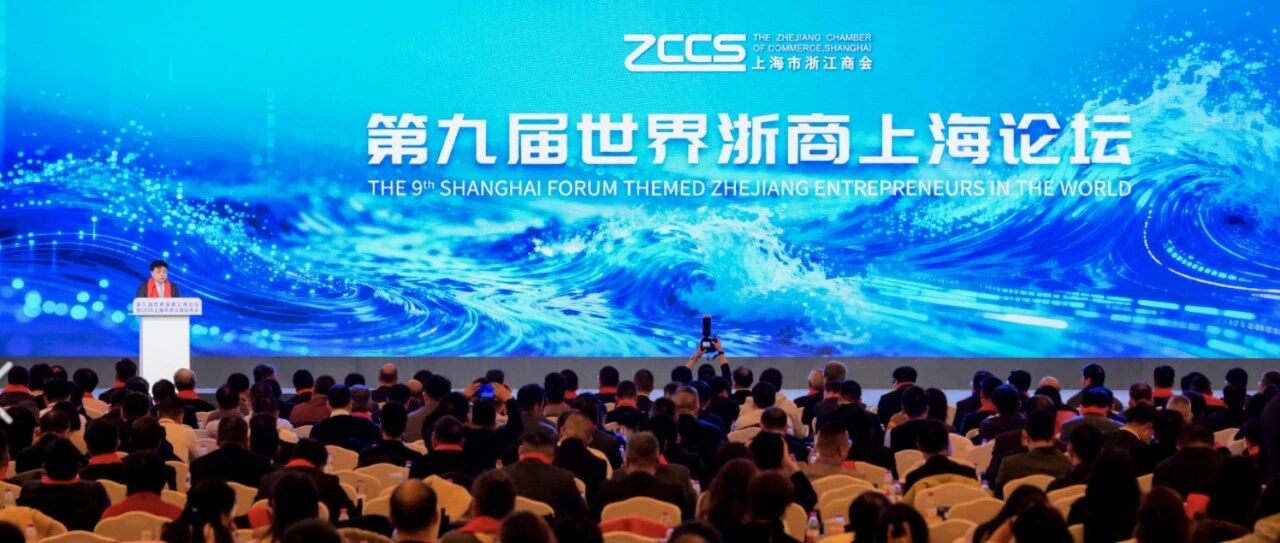
王均金郭广昌南存辉现身浙商年会:今年经济怎么样?民企未来靠什么
Di Yi Cai Jing· 2026-01-18 15:04
Group 1: Economic Resilience and Innovation - The current economic environment is showing signs of improvement compared to the previous year, indicating the resilience of the Chinese economy [1] - The era of relying on a single successful strategy is over; companies must focus on innovation and enhancing product quality to improve competitiveness [3] - The hospitality sector, exemplified by the Atlantis Hotel in Sanya, is experiencing higher occupancy rates and prices, reflecting a strong consumer market despite a backdrop of consumption downgrade [3] Group 2: Green Technology and ESG - Emphasis on green, low-carbon, and circular development is becoming a global consensus, presenting significant market opportunities for businesses [4] - Companies are encouraged to develop core advantages in green manufacturing to navigate upcoming carbon tariffs and trade barriers [4] Group 3: Globalization and Market Expansion - Despite challenges in the domestic market, there is a consensus among entrepreneurs that international expansion and globalization remain key focus areas [5] - The company has accelerated its globalization efforts, with overseas revenue reaching 46.67 billion yuan in the first half of 2025, accounting for 53% of total revenue [5] - Chinese private enterprises are increasingly competitive in emerging industries such as AI and biotechnology, with significant profit potential in international markets [6] Group 4: New Opportunities in Global Resource Allocation - The new era of "going global" involves not just exporting products but also strategically allocating innovation resources and participating in the establishment of international standards [6] - Emerging sectors such as commercial space, deep-sea exploration, and quantum technology are creating new opportunities and reshaping the global industrial landscape [6]
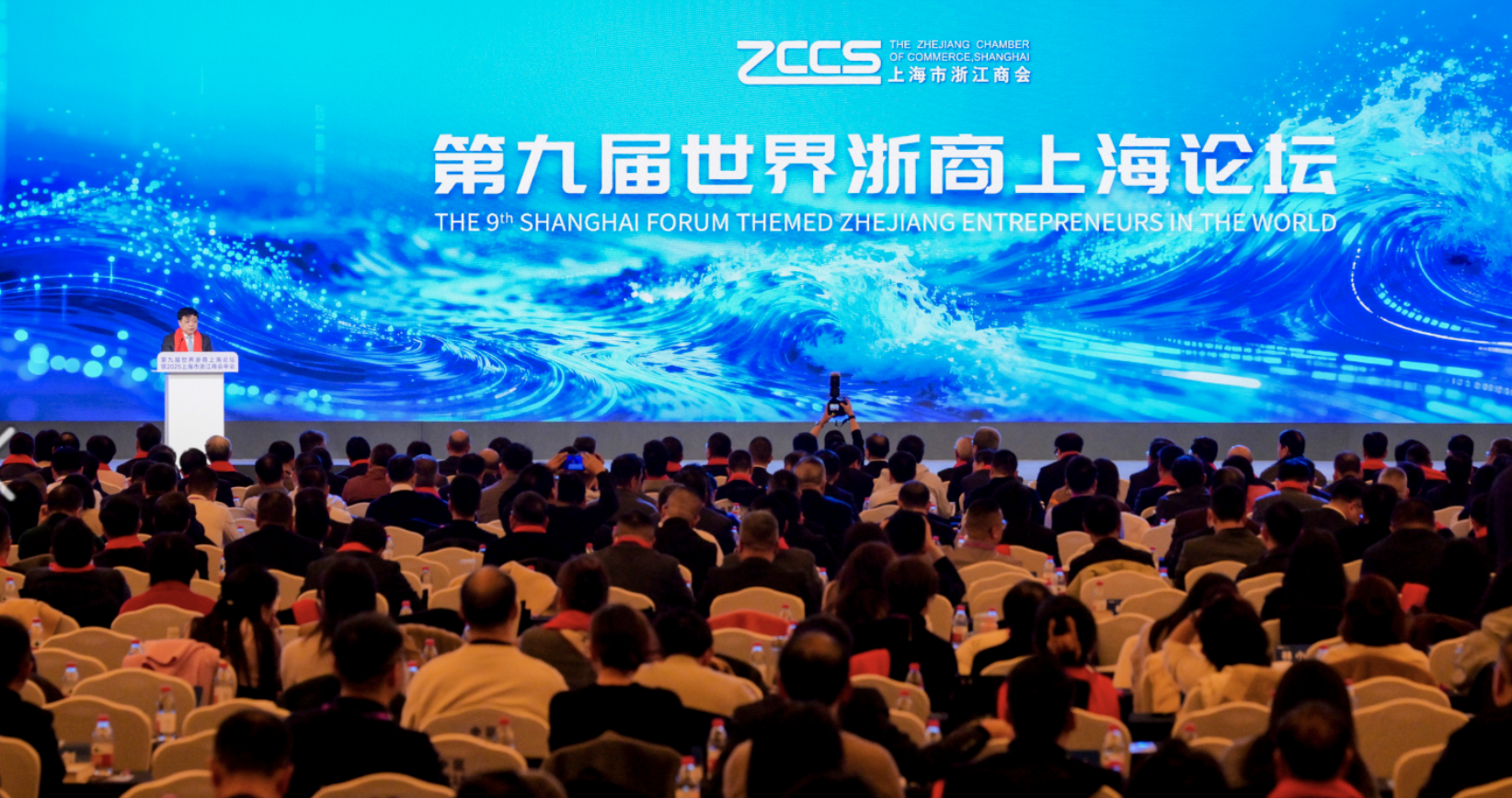
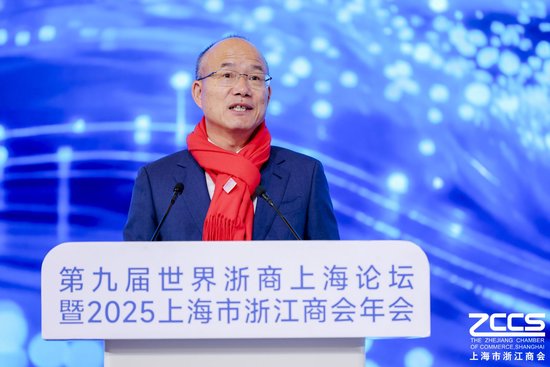
郭广昌告诫企业家:顺风顺水时会高估自己和企业的能力,提升竞争力是发展核心
Xin Lang Cai Jing· 2026-01-18 10:42
Core Viewpoint - The forum emphasizes the resilience, innovation, and aspirations of Zhejiang merchants amidst the waves of the Chinese economy, highlighting the importance of maintaining a competitive edge through innovation and market economy principles [3][13]. Economic Outlook - The current economic climate is warmer compared to the previous year, with negative factors gradually being digested, indicating the resilience of the Chinese economy [3][4]. - There is optimism for 2026, with expectations for significant growth and opportunities for businesses to excel [3][4]. Innovation and Competitiveness - The strength of China's economy is attributed to its market economy and the resilience of private enterprises, particularly in emerging sectors like AI, robotics, and biomedicine [4][14]. - Fosun's biopharmaceutical platform, Fuhong Hanlin, is set to achieve breakthroughs with multiple products expected to reach global markets by 2025, showcasing strong global competitiveness [4][14]. Globalization Strategy - Fosun is committed to globalization, with operations in over 40 countries and regions, and overseas revenue reaching 46.67 billion yuan, accounting for 53% of total revenue in the first half of 2025 [18]. - The company aims to leverage China's capabilities and resources to enhance its global presence and competitiveness [18]. Consumer Market Insights - The Chinese consumer market, with over a billion people, presents continuous opportunities, emphasizing the need for companies to enhance product quality and innovation [16][17]. - Fosun's ventures in tourism and consumer products have received positive market feedback, with high occupancy rates and successful product launches [16][17].

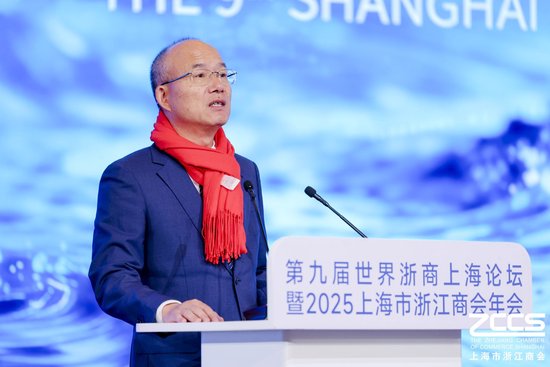
郭广昌最新演讲:今年的冬天没有去年那么冷
Xin Lang Cai Jing· 2026-01-18 10:36
Core Viewpoint - The forum emphasizes the resilience, innovation, and aspirations of Zhejiang merchants amidst the waves of the Chinese economy, highlighting the importance of maintaining a competitive edge through innovation and market economy principles [3][13]. Economic Outlook - The current economic climate is warmer compared to the previous year, with negative factors gradually being digested, indicating the resilience of the Chinese economy [3][4]. - There is optimism for 2026, with expectations for significant growth and opportunities for businesses to excel [3][4]. Innovation and Competitiveness - The strength of China's economy is attributed to its market economy and the resilience of private enterprises, particularly in emerging sectors like AI, robotics, and biomedicine [4][14]. - Fosun's biopharmaceutical platform, Fuhong Hanlin, is set to achieve breakthroughs with multiple products expected to be globally competitive by 2025, including the world's first successful PD-1 monoclonal antibody for gastric cancer [4][14]. Globalization Strategy - Fosun is committed to globalization, with operations in over 40 countries and regions, and overseas revenue reaching 46.67 billion yuan, accounting for 53% of total revenue in the first half of 2025 [18]. - The company aims to leverage China's capabilities and resources to enhance its global presence and competitiveness [18]. Consumer Market Insights - The Chinese consumer market, with over a billion people, presents continuous opportunities, emphasizing the need for companies to enhance product quality and innovation [16][17]. - Fosun's ventures in tourism and consumer goods have seen positive market responses, with high occupancy rates in hotels and successful product launches [16][17].
复星旅文披露2025年核心成果:三亚·亚特兰蒂斯累计接待游客超3800万人次
Cai Jing Wang· 2026-01-04 04:04
Group 1 - The core focus of the company in 2025 includes innovation in cultural tourism, project expansion, and ecological integration, with steady growth in visitor numbers and revenue from core projects, alongside multiple strategic partnerships and product launches [1] - The establishment of the AI Lab in February 2025 aims to enhance technology development and customer experience, upgrading the AI G.O and AI CELLS systems to drive the AI engine [1] - The launch of the world's first all-scenario AI vacation assistant, AIG.O, in September 2025, is based on Alibaba's Tongyi Qianwen model, providing comprehensive services throughout the travel experience [1] Group 2 - The Sanya Atlantis resort celebrated its seventh anniversary in April 2025, having received over 38 million visitors and generated over 10 billion yuan in revenue since its opening in 2018, while also creating over 3,000 jobs annually [2] - The Club Med brand, celebrating its 75th anniversary in 2025, operates over 60 resorts globally, welcoming over 1.5 million guests annually, with revenue growth from 1.5 billion euros in 2015 to 2.1 billion euros in 2024, and a fivefold increase in operating profit [2] - The Taicang Alps International Resort has welcomed over 2 million visitors and generated over 500 million yuan in revenue since its opening, with a second phase project commencing in June 2025, involving an investment of approximately 5 billion yuan [2] Group 3 - In November 2025, the company launched three core product lines and a new super cultural tourism mall brand, HiSphere, with the first project planned in Chongqing covering 500,000 square meters [3] - A long-term global strategic partnership with BYD was established in December 2025, aimed at creating exclusive benefits for BYD's 15 million global car owners and the company's 20 million members, integrating BYD vehicles into over 70 high-end vacation destinations [3]
专访复星旅文CEO鲍将军: Club Med 十年内扩展到100家,加速盘活存量资产
Bei Jing Shang Bao· 2025-12-08 10:31
Core Viewpoint - Fosun Tourism Group is focusing on a light asset strategy post-privatization, aiming to expand its Club Med brand and develop new product lines, including super cultural tourism malls, by 2035 [2][4]. Group 1: Club Med Expansion - By 2035, Fosun plans to operate 100 Club Med Mediterranean resorts, 20 Club Med Joyview resorts, and 5 super cultural tourism malls globally [2][3]. - Club Med Mediterranean resorts account for nearly 90% of Fosun's revenue, with reported operating revenue of 10.23 billion yuan, of which 9.25 billion yuan comes from Club Med [2][4]. Group 2: Super Cultural Tourism Malls - The first super cultural tourism mall is set to open in Chongqing in 2026, covering nearly 500,000 square meters and featuring immersive theme districts and indoor theme parks [3]. - The strategy for super cultural tourism malls focuses on revitalizing existing assets in prime locations, indicating a shift towards commercial tourism transformation [3][4]. Group 3: Asset Optimization and Capital Structure - Fosun is accelerating its light asset strategy, planning to divest heavy asset projects like those in Lijiang and Taicang by 2026 [6]. - The independent listing of Atlantis in Sanya through a REITs model is underway, which is expected to improve cash flow and reduce overall debt [6][8]. Group 4: AI Integration in Operations - Fosun is leveraging AI technology to enhance customer experience and operational efficiency, providing personalized services based on visitor data [7][8]. - The AI systems are designed to automate quality control and operational processes, allowing staff to focus on customer engagement [7][8]. Group 5: Focus on Inbound Tourism - Inbound tourism is identified as a key growth area, with Club Med Lijiang receiving 20% of its visitors from international tourists and Atlantis seeing a 140% increase in international visitors year-on-year [10][11]. - The company aims to address challenges faced by international tourists, such as booking difficulties and the need for personalized services, to enhance their experience [10][11].
Club Med十年内扩展到100家 加速盘活存量资产
Bei Jing Shang Bao· 2025-12-07 15:28
Core Insights - Fosun Tourism Group has unveiled its new strategy for 2026, emphasizing a continued shift towards a light asset model following its privatization nine months ago [1] - The company aims to accelerate its global expansion, with plans to operate 100 Club Med resorts by 2035 and to push for the independent listing of Atlantis [2][4] - The company is also focusing on divesting heavy asset projects, such as those in Lijiang and Taicang, to optimize its capital structure and reduce debt [4][5] Group 1: Club Med Development - Club Med is a core brand for Fosun Tourism, contributing nearly 90% of the company's revenue, with operational revenue reaching 102.3 billion yuan in the first half of 2025, of which 92.5 billion yuan came from Club Med [2] - By 2035, the company plans to operate 100 Club Med resorts, 20 Club Med Joyview resorts, and 5 HiSphere super cultural tourism malls, targeting different segments of the vacation market [2][3] Group 2: Super Cultural Tourism Malls - The first super cultural tourism mall is set to open in Chongqing in 2026, covering nearly 500,000 square meters and featuring immersive theme districts and indoor theme parks [3] - The company aims to revitalize existing large shopping centers in China by integrating cultural tourism elements, which is seen as a key strategy for future growth [3] Group 3: Atlantis Independent Listing - The independent listing of Sanya Atlantis through a REITs model is in progress, with documentation submitted and awaiting regulatory approval [4] - Successful listing is expected to improve cash flow and significantly reduce the company's overall debt ratio, marking a critical step in optimizing capital structure post-privatization [4] Group 4: AI Integration - Fosun Tourism is leveraging AI technology to enhance customer experience and operational efficiency, covering the entire visitor journey from pre-arrival to post-visit [6][7] - AI systems are being used to automate quality control and operational processes, allowing staff to focus on building personal connections with guests [7] Group 5: Inbound Tourism Opportunities - The inbound tourism market is a key focus for Fosun Tourism, with international visitors making up 20% of total guests at Club Med Lijiang and a 140% year-on-year increase at Sanya Atlantis [8] - The company is addressing challenges faced by international tourists, such as booking difficulties and the need for personalized services, to enhance their experience and increase repeat visits [8][9]
展望2026|专访复星旅文CEO鲍将军: Club Med 十年内扩展到100家,加速盘活存量资产
Sou Hu Cai Jing· 2025-12-07 08:46
Core Insights - Fosun Tourism Group has unveiled its new strategy for 2026, emphasizing a continued shift towards a light-asset model following its privatization, with plans for global expansion and asset optimization [1][7] Group 1: Strategic Goals - By 2035, the company aims to operate 100 Club Med resorts globally, 20 Joyview resorts, and 5 super cultural tourism malls, targeting different segments of the vacation market [3][4] - The Club Med brand accounts for nearly 90% of Fosun Tourism's revenue, with a reported operating revenue of 102.3 billion yuan in the first half of 2025, of which 92.5 billion yuan came from Club Med [3][4] Group 2: Asset Management - The company plans to divest from heavy asset projects such as Lijiang and Taicang, with the latter already selling 250 properties this year, and aims to complete these divestitures by 2026 [8] - The independent listing of Atlantis in Sanya through a REITs model is underway, which is expected to improve cash flow and reduce overall debt for the company [7][8] Group 3: New Product Lines - The super cultural tourism mall project is set to open in Chongqing in 2026, covering nearly 500,000 square meters and featuring immersive theme districts and indoor amusement parks [4][5] - The company is focusing on revitalizing existing commercial assets in China, leveraging their prime locations for cultural tourism transformation [4][5] Group 4: AI Integration - Fosun Tourism is adopting AI technology to enhance customer experience, providing personalized services based on visitor profiles and improving operational efficiency through automated feedback systems [10][11] - The integration of AI aims to standardize non-standardized tourism products, allowing staff to focus on building connections with guests [10][11] Group 5: Focus on Inbound Tourism - The company is prioritizing the inbound tourism market, with Club Med Lijiang receiving 20% of its visitors from international tourists and Atlantis seeing a 140% year-on-year increase in international visitors [12] - To attract international guests, the company is addressing challenges such as booking difficulties and service customization to enhance the overall visitor experience [12][13]