Falcon 9火箭

Search documents
2025商业航天报告:中国商业航天行业发展研究报告
Sou Hu Cai Jing· 2026-02-26 08:28
Core Insights - The report highlights that China's commercial space industry is entering a period of rapid development, driven by accelerated construction of space-based networks and the rise of private enterprises as key engines of growth [1][2]. Group 1: Industry Overview - The global space economy is projected to reach $415 billion by 2024, with commercial space contributing approximately 70% of this revenue, establishing itself as the dominant force in the industry [1]. - The emergence of private companies, exemplified by SpaceX, has led to a significant transformation in the space sector, shifting from government-led initiatives to market-driven activities [1][12]. Group 2: Policy Support - China's commercial space development has been significantly bolstered by clear and robust policy guidance since 2014, encouraging private capital participation and designating commercial space as a "strategic emerging industry" [2][23]. - Multiple provinces, including Beijing, Shanghai, and Guangdong, have introduced specialized action plans to foster regional commercial space industry clusters, enhancing the overall ecosystem [2][25]. Group 3: Technological Advancements - Key technological breakthroughs, particularly in reusable rocket technology, are essential for reducing launch costs and expanding market opportunities [3]. - Companies like Blue Arrow Aerospace and Galactic Glory are making significant progress in critical technology areas, such as liquid oxygen-methane engines and vertical landing recovery systems [3]. Group 4: Future Trends - The integration of commercial space with cutting-edge information technologies is expanding application boundaries, with AI models being utilized for satellite image analysis, enhancing data processing efficiency [4]. - A vision for a seamless information network integrating air, space, land, and sea is emerging, with satellite communication playing a crucial role in bridging the digital divide [4]. Group 5: Challenges Ahead - Despite the promising outlook, challenges remain, including the need for reliable rocket recovery, management of large satellite constellations, and addressing space debris [5]. - The commercial space sector faces high investment costs and long cycles, with economies of scale yet to fully materialize, placing ongoing pressure on companies [5].



马斯克“世纪大合并”:一场对xAI的单方面输血
华尔街见闻· 2026-02-03 10:43
Core Viewpoint - The merger of SpaceX and xAI aims to create a "space data center," but immediate cash needs are a pressing concern for xAI, which has only been operational for three years [2][4]. Group 1: Financial Overview - SpaceX's valuation is set at $1.5 trillion, while xAI is valued at $250 billion following a completed registration on February 2 [3]. - xAI burned approximately $9.5 billion in cash over the first nine months of 2025, with revenues of only about $210 million, significantly lagging behind competitors like OpenAI and Anthropic [4][9]. - In contrast, SpaceX generated $1 to $2 billion in free cash flow last year, driven by the growth of its Starlink satellite internet business, with total revenues reaching around $16 billion [11]. Group 2: Investor Sentiment - Some SpaceX investors reacted negatively to the merger, with shares of EchoStar, a major shareholder, dropping nearly 5% since the announcement [6][7]. - Investors are seeking more clarity on the narrative surrounding the merger, as expressed by Michael Sobel from Scenic Management [8]. Group 3: Strategic Implications - The ambitious plan for a "space data center" is met with skepticism, as the feasibility and cost-effectiveness of generating AI computing power in space remain uncertain [13]. - The merger complicates SpaceX's IPO ambitions, as the financial strain from xAI's cash burn could overshadow its recent successes in the rocket launch sector [10][11]. Group 4: Regulatory Environment - The current regulatory landscape is favorable for Musk, with the Trump administration rolling back various regulations that could impact the merger [15]. - The Federal Trade Commission is now led by Andrew Ferguson, who is less likely to block large tech deals compared to previous leadership [15]. Group 5: Historical Context - Musk has a history of complex transactions, such as the acquisition of SolarCity and the leveraged buyout of Twitter, which have involved significant financial maneuvering [17]. - The interconnected nature of Musk's ventures creates a "Musk economy," where the success of one entity is crucial for the stability of others [18].


【Space X】全产业链!一天吃透马斯克的“商业帝国”
Sou Hu Cai Jing· 2026-01-30 12:30
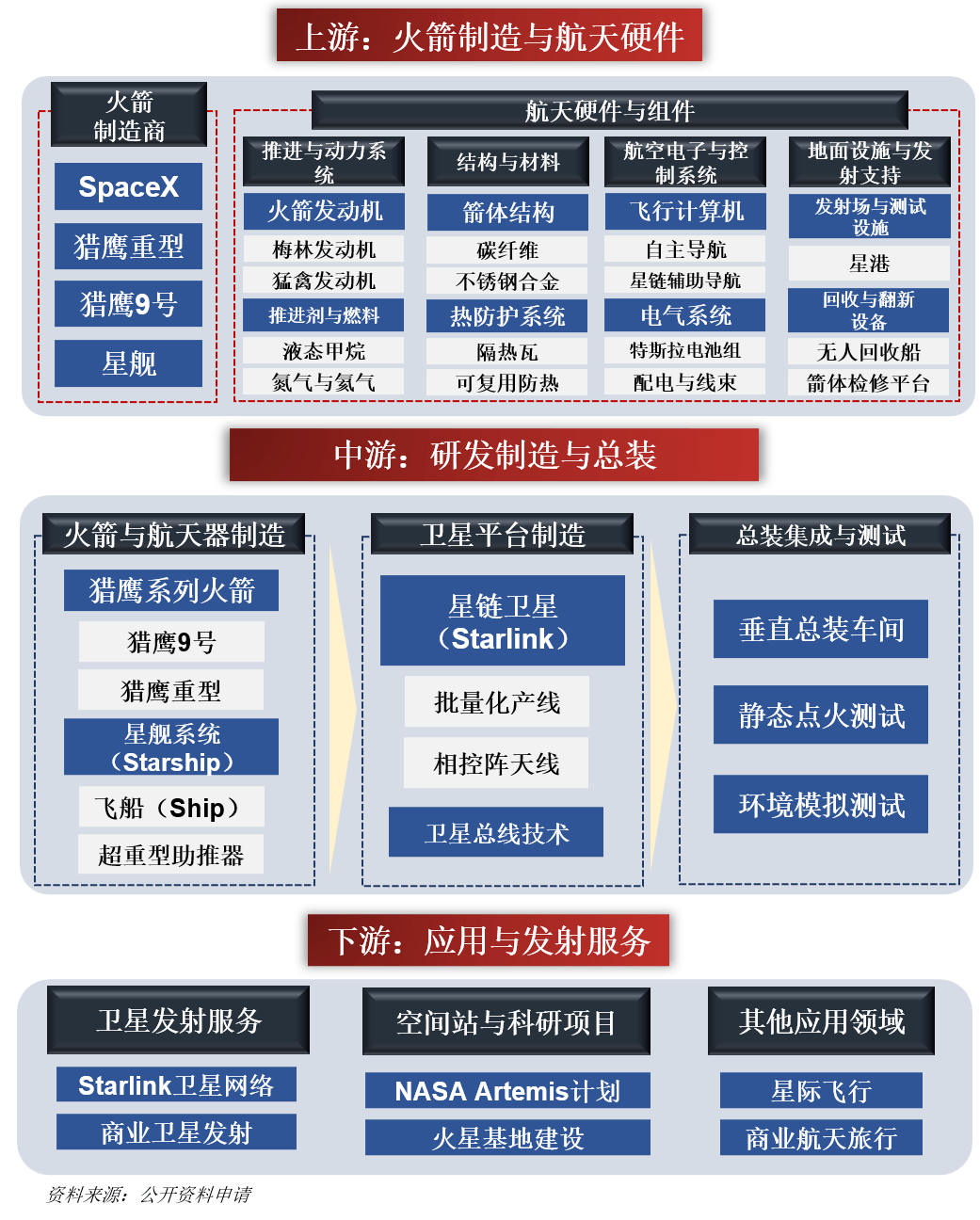
Core Insights - SpaceX has evolved through four key stages: initial struggle, technological breakthroughs, ecosystem development, and mature expansion, leading to its current dominance in the space industry [3][4]. Stage Summaries - **Initial Stage (2002-2008)**: SpaceX faced bankruptcy after three failed Falcon 1 launches but secured a $1.6 billion contract with NASA after a successful fourth launch in 2008, marking a turnaround [3]. - **Technological Breakthrough Stage (2008-2015)**: The Falcon 9 became the main rocket, achieving land recovery of the first stage booster in 2015, significantly reducing launch costs to $15-20 million [4]. - **Ecosystem Development Stage (2015-2020)**: SpaceX initiated the Starlink and Starship projects, transitioning from a rocket service provider to a space infrastructure company, with Starlink becoming the largest low Earth orbit satellite constellation [4]. - **Mature Expansion Stage (2020-Present)**: By 2023, SpaceX captured nearly 90% of U.S. orbital launch tasks and confirmed plans for an IPO with a valuation exceeding $100 billion [4]. Revenue Breakdown - SpaceX's core business is divided into two main segments, with Starlink emerging as the primary growth driver. By 2025, Starlink is expected to add over 4.6 million active users, generating $13-15 billion in revenue, accounting for 60-65% of total revenue [7][8]. - The revenue forecast for 2024 and 2025 across different business segments is as follows: - Starlink: $7-11 billion (2024), $13-15 billion (2025) [12] - Launch Services: $2.5-4 billion (2024), $5-7 billion (2025) [12] - Government and Defense Contracts: $1.2-1.8 billion (2024), $2-2.3 billion (2025) [12] - Starship Early Ecosystem and New Business: $0.2-0.4 billion (2024), $0.5-0.8 billion (2025) [12] Core Business Operations - SpaceX possesses advanced production, testing, and launch facilities, maintaining control over critical processes unlike NASA's outsourcing model [4][13]. - The Falcon series includes Falcon 1, Falcon 9, and Falcon Heavy, with Falcon 9 being the most frequently launched rocket globally [13][15]. Competitive Advantages - SpaceX's engine technology, particularly the Raptor engine, has undergone three generations of improvements, enhancing reliability and reducing costs through 3D printing [18][21]. - The company holds a dominant position in the global launch market, with Falcon 9 expected to conduct 165 launches in 2025, representing 97% of its total launches [22]. Business Model - SpaceX's business model focuses on creating a self-sustaining ecosystem, where rocket launches serve as a strategic foundation for scaling space services and interstellar exploration [38]. - The company offers two pricing models for launches: a full launch package at $69.85 million and a rideshare option for small satellites starting at $325,000 [40][41]. Future Projections - Launch volume predictions indicate Falcon 9 will maintain high launch frequency, while Starship is expected to accelerate commercialization with projected launches increasing significantly from 5 in 2026 to 150 by 2028 [42].
星链卫星降低轨道高度运行,太空资源"圈地运动"进一步升级
3 6 Ke· 2026-01-05 10:50
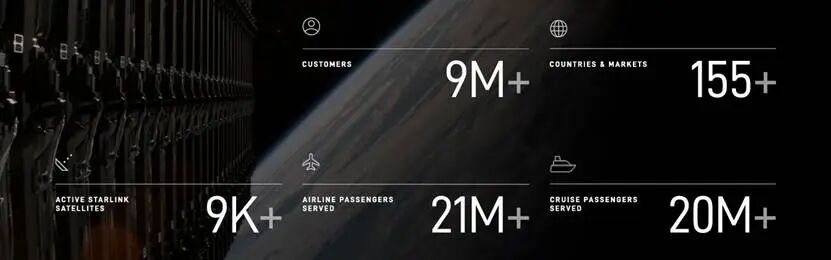
Core Viewpoint - SpaceX is lowering the orbital altitude of thousands of Starlink satellites to reduce collision risks, which has sparked industry debate and raised concerns about increasing competition for limited orbital resources [1][5]. Group 1: Satellite Operations and Adjustments - SpaceX's Vice President of Starlink, Michael Nichols, announced a major reorganization plan to lower the altitude of approximately 4,400 satellites from about 550 kilometers to around 480 kilometers [2]. - This adjustment aims to create a safer operational environment and facilitate quicker deorbiting of malfunctioning satellites, thereby reducing space debris [2]. - The upcoming solar minimum in the early 2030s will decrease atmospheric density, extending the natural decay time of satellites at higher altitudes; lowering the altitude can reduce this decay time from over four years to a few months, increasing the decay rate by over 80% [2]. Group 2: Increasing Congestion in Low Earth Orbit (LEO) - The number of objects in low Earth orbit (LEO) is projected to rise significantly, from about 13,700 in 2019 to approximately 24,185 by 2025, marking a 76% increase [3]. - By the end of 2029, it is estimated that around 70,000 satellites could be in LEO, more than five times the number in 2019 [3]. - The frequency of satellites needing to perform collision avoidance maneuvers has increased, with the percentage rising from 0.2% in 2019 to 1.4% by early 2025 [3]. Group 3: Challenges and Competition in Satellite Internet - The congestion in the 400-600 kilometer altitude range is expected to become more pronounced, even with SpaceX's adjustments [5]. - The current lack of coordination among satellite operators complicates the situation, making SpaceX's proactive lowering of orbits a viable solution to mitigate collision risks [4]. - The competition for limited orbital resources is intensifying, highlighting the inadequacy of existing international space regulations [5][11]. Group 4: SpaceX's Market Position and Developments - Starlink has rapidly become the fastest-growing satellite service provider, connecting over 9 million users, with 4.6 million new users added in 2025 alone [7]. - SpaceX has completed over 300 dedicated Falcon 9 rocket launches for the Starlink constellation, with more than 3,000 optimized V2 Mini satellites deployed in 2025, significantly increasing the constellation's capacity [8]. - The advancements in satellite technology and deployment strategies position SpaceX favorably in the competitive satellite internet landscape [8][11].
SpaceX宣布:降轨!此前曾危险抵近中国空间站
Xin Lang Cai Jing· 2026-01-02 08:49
Core Viewpoint - SpaceX's Starlink plans to lower the orbits of approximately 4,400 satellites by 2026 to enhance space safety, marking the largest satellite deorbiting operation in the company's history [1][2] Group 1: Starlink's Actions and Impacts - In 2026, Starlink will lower its satellites from approximately 550 kilometers (342 miles) to about 480 kilometers (298 miles) to reduce collision risks and facilitate quicker deorbiting in case of satellite anomalies [2][8] - A recent incident involved a Starlink satellite experiencing an anomaly, resulting in a rapid descent of 4,000 meters and the creation of debris, which poses risks to other operational satellites [2][8] - Starlink has become a dominant force in the U.S. commercial satellite constellation expansion, with over 10,000 satellites in orbit and achieving 167 orbital launches in 2025, accounting for 85% of the total U.S. launches that year [2][8] Group 2: Global Commercial Space Industry Trends - The global commercial space industry is entering a "golden age," driven by low Earth orbit satellite internet like Starlink, characterized by technological integration and collaborative innovation across the entire industry chain [4][9] - As of December 2025, there have been 325 space launches globally, with 4,026 satellites placed into orbit, including 87 launches from China, highlighting the significant role of private enterprises in the commercial space sector [4][9] - SpaceX's Falcon 9 rocket leads in launch frequency and payload capacity, while China's space industry is steadily advancing to close the gap with international leaders, supported by emerging private companies [4][9] Group 3: Future Prospects for China's Commercial Space Industry - In the next 1 to 2 years, China's commercial space sector is expected to experience accelerated technological breakthroughs and market expansion, with advancements in reusable rocket technology and satellite mass production [5][10] - The commercial space market's growth will benefit upstream satellite manufacturing and core components, while downstream application services are anticipated to become the largest value pool [5][10] - Increased international competition is expected, with China and the U.S. likely to develop a "parallel running" dynamic, where China may lead in certain areas like satellite mass production, but still needs breakthroughs in heavy rockets and reliable reusable technologies [6][10]
SpaceX宣布:降轨!此前曾危险抵近中国空间站
证券时报· 2026-01-02 08:41
Core Viewpoint - The article discusses the significant developments in the global commercial space industry, particularly focusing on SpaceX's Starlink project and its plans to lower satellite orbits to enhance space safety, while also highlighting the rapid growth and competitive landscape of the commercial space sector in China and the U.S. [1][2][6] Group 1: Starlink's Actions and Impact - SpaceX plans to lower the orbits of approximately 4,400 Starlink satellites from about 550 kilometers to around 480 kilometers by 2026 to reduce collision risks and space debris [1][4] - The initiative is described as the largest satellite deorbiting operation in SpaceX's history, aimed at improving space safety [1][4] - Starlink has over 10,000 satellites in orbit and accounted for 85% of U.S. orbital launches in 2025, breaking its own annual rocket launch record for the sixth consecutive year [4] Group 2: Global Commercial Space Industry Trends - The global commercial space industry is entering a "golden age," characterized by technological integration and collaborative innovation across the entire industry chain, with the U.S. and China as the primary launch leaders [6][7] - As of December 2025, there have been 325 space launches globally, with China conducting 87 launches, including 23 by private commercial rocket companies [7] - The rapid expansion of commercial satellite constellations, such as Starlink, has raised concerns about space safety due to increased congestion in low Earth orbit [5][6] Group 3: Future of China's Commercial Space Sector - In the next 1-2 years, China's commercial space sector is expected to experience accelerated technological breakthroughs and explosive market growth, with advancements in reusable rocket technology and satellite production capabilities [8] - The commercial space market's growth will benefit upstream satellite manufacturing and core components, while downstream application services are anticipated to become the largest value pool [8] - Increased competition between China and the U.S. is expected, with China likely to lead in certain areas like satellite mass production, although challenges remain in heavy rockets and high-reliability reusable technologies [9]

SpaceX估值超越OpenAI,翻倍冲8000亿,明年下半年准备上市
Sou Hu Cai Jing· 2025-12-07 16:34
Group 1 - SpaceX's valuation is projected to rise from $400 billion to $800 billion, with an IPO planned for the second half of next year [1][4] - The company is currently in discussions for an internal share sale, with potential new share prices estimated around $300, leading to a valuation of approximately $560 billion [4][8] - The board has been actively preparing for this move, indicating a strategic shift towards enhancing liquidity for employees and early shareholders [4][6] Group 2 - SpaceX's business model is driven by both rocket launches and satellite networks, with Falcon 9 being the mainstay for commercial and crewed launches [6] - The Starlink satellite network has nearly 9,000 satellites and over 8 million active users, providing a strong revenue stream [6] - A significant acquisition involving EchoStar for spectrum trading has been agreed upon, with an investment exceeding $20 billion, aimed at expanding mobile satellite services [6][8] Group 3 - The overall strategy suggests that investors will have the opportunity to invest in a complete ecosystem of SpaceX's launch capabilities and satellite network, rather than isolated business units [6][8] - There is a caution regarding the potential volatility in the secondary market for internal share sales, with fluctuating estimates and uncertainties surrounding final pricing [6][8]

SpaceX估值超越OpenAI,或翻倍至8000亿美元,计划明年下半年上市
华尔街见闻· 2025-12-06 11:10
Core Viewpoint - SpaceX is negotiating a new round of internal share sales that could elevate its valuation to $800 billion, doubling its previous valuation of $400 billion from this summer and surpassing OpenAI's record of $500 billion, reclaiming the title of the world's most valuable private startup [1][2][6]. Valuation Surge - The latest valuation target of $800 billion indicates a remarkable growth rate, with the CFO recently informing investors about the sale plan. The valuation represents a significant increase from the $400 billion valuation achieved during the July financing round [5][6]. - There are indications that the share price for the transaction could be around $300, leading to an estimated valuation of approximately $560 billion, although this figure remains unconfirmed [5][6]. Business Growth Drivers - SpaceX's valuation surge is primarily driven by its dominance in the aerospace and communications sectors. As the highest-volume rocket launch provider globally, SpaceX leads the commercial satellite and crewed space launch markets with its Falcon 9 rocket and is developing the more powerful Starship for lunar and Martian missions [9]. - The satellite business is viewed as a key engine for driving valuation. SpaceX's Starlink division currently operates around 9,000 satellites in low Earth orbit and has over 8 million active customers, significantly outpacing competitors like Amazon. The company is also working on a satellite connectivity service for consumer mobile phones, having recently agreed to acquire spectrum blocks from satellite operator EchoStar, investing over $20 billion in cash, stock, and debt commitments [10]. IPO Plans - Alongside the internal share sale, SpaceX has clarified its IPO timeline and structure, aiming for an IPO in the second half of next year [3][12]. - Notably, there has been a significant change in the IPO structure. Previously, there were plans to spin off the Starlink satellite internet service for independent listing, but executives have now decided to pursue a unified public listing that includes both rocket launch and satellite services [13][14][15].
全球最贵独角兽?SpaceX估值剑指8000亿美元,计划2026年IPO
Jin Rong Jie· 2025-12-06 03:12
Group 1 - SpaceX is negotiating a new round of equity sales with investors, targeting a staggering valuation of $800 billion (approximately 5.65 trillion RMB) [1][3] - This valuation surpasses the previous record set by OpenAI at $500 billion, making SpaceX the most valuable private startup globally [2][5] - The recent valuation is double the $400 billion valuation from the last secondary stock sale [3] Group 2 - The surge in valuation is attributed to three main factors: 1. SpaceX's absolute leadership in reusable rocket technology, with the Falcon 9 rocket being the most used launch vehicle globally, and the potential commercialization of Starship to further reduce space transportation costs [6] 2. The acceleration of Starlink's commercialization, with the satellite internet market just beginning, as Starlink provides services to over 100 countries and has signed strategic agreements with multiple governments, potentially becoming a "space version of AWS" with annual revenues exceeding $100 billion [6] 3. Strengthened defense attributes due to close ties with the Trump administration, positioning SpaceX as part of the U.S. national strategic infrastructure amid increasing geopolitical tensions [7] Group 3 - SpaceX plans to conduct an initial public offering (IPO) in the second half of next year to further enhance liquidity [2][9] - Elon Musk has expressed concerns about operating a public company due to the potential for baseless lawsuits and operational difficulties, but he also indicated a desire to find a way for Tesla shareholders to participate in SpaceX [10]
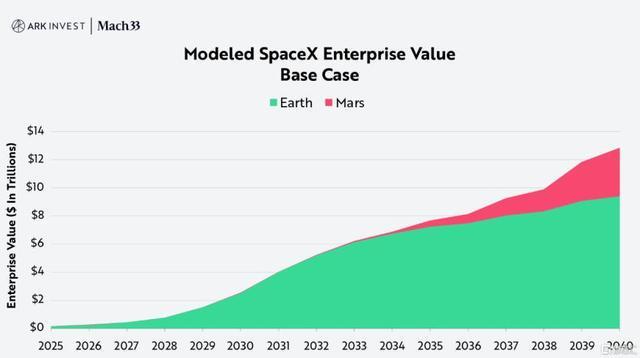
SpaceX估值超越OpenAI,或翻倍至8000亿美元,计划明年下半年上市
美股IPO· 2025-12-06 02:01
Core Viewpoint - SpaceX is in the process of a new internal share sale, with its valuation expected to double from $400 billion to $800 billion, surpassing OpenAI's record of $500 billion, and plans for an IPO in the second half of 2026 [1][3][4]. Valuation Increase - The latest valuation target for SpaceX indicates remarkable growth, with the CFO recently informing investors about the share sale plan, aiming for a valuation of $800 billion, which represents a doubling from the $400 billion valuation reached in July [7][10]. - Bloomberg reports that while the $800 billion figure is not independently verified, initial estimates suggest a potential trading price of around $300 per share, corresponding to an estimated valuation of approximately $560 billion [7][8]. Business Growth Drivers - The surge in SpaceX's valuation is primarily driven by its dominance in the aerospace and communications sectors, being the highest-producing rocket launch company globally [10]. - The Starlink division, with around 9,000 satellites in low Earth orbit and over 8 million active customers, is seen as a key engine for valuation growth, significantly outpacing competitors like Amazon [11]. IPO Plans - SpaceX has clarified its IPO timeline and structure while pursuing the share sale, targeting an IPO in the second half of next year [12][13]. - Notably, the company has shifted from plans to spin off Starlink for independent listing to pursuing a unified public offering that includes both rocket launches and satellite services, reflecting improved financial conditions in its rocket business [15].