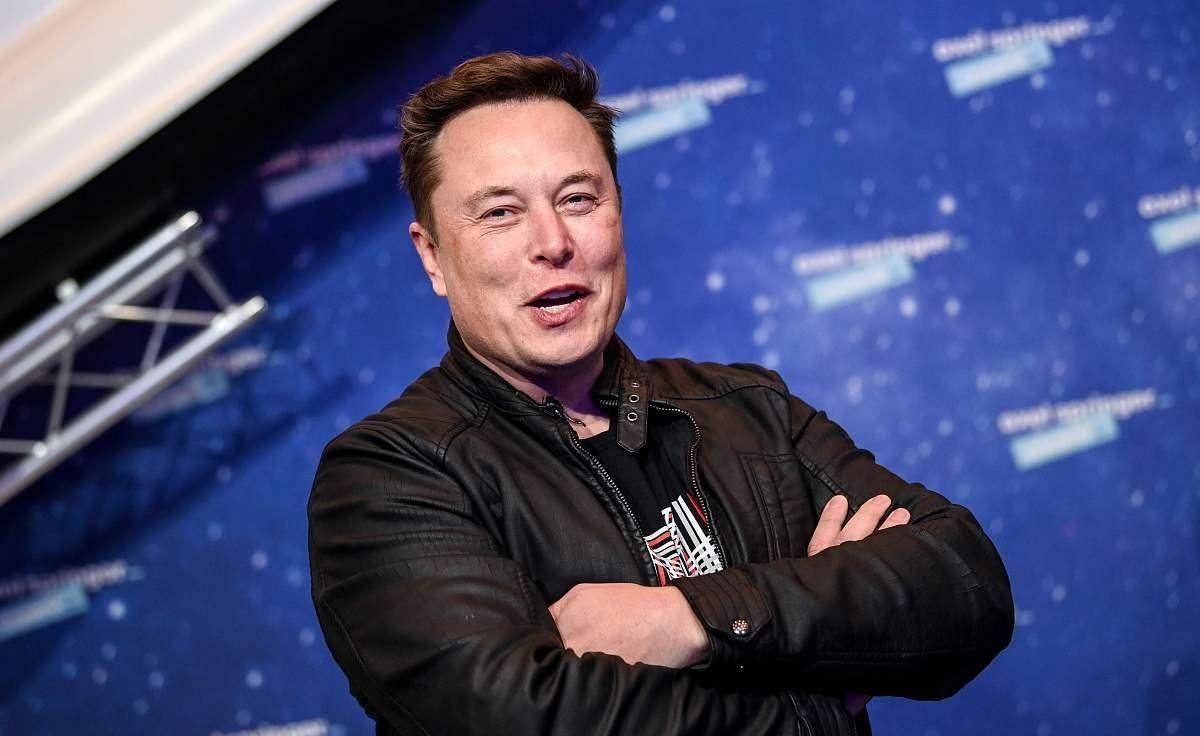
Starship火箭

Search documents
SpaceX拟最早3月秘密提交IPO文件,估值或超1.75万亿美元
Sou Hu Cai Jing· 2026-02-28 01:09
Group 1 - SpaceX is considering submitting its IPO documents as early as next month, which would be the largest listing plan for the company to date [2] - The company is expected to file the IPO registration draft with the SEC in March, aiming for a June listing, potentially becoming the first of three large IPOs this year [2] - SpaceX is seeking a valuation of over $1.75 trillion (approximately 11.7 trillion RMB) for the IPO, following a recent acquisition of Musk's AI startup xAI, which valued the combined entity at $1.25 trillion (approximately 8.4 trillion RMB) [2] Group 2 - SpaceX is preparing for a potential IPO in 2026 to fund projects such as the Starship rocket, AI data centers in space, and a lunar base [3] - The company has selected major banks including Bank of America, Goldman Sachs, JPMorgan, and Morgan Stanley for senior roles in the IPO [3] - SpaceX may adopt a dual-class share structure in the IPO, granting Musk and other insiders additional voting rights to influence decision-making [3]

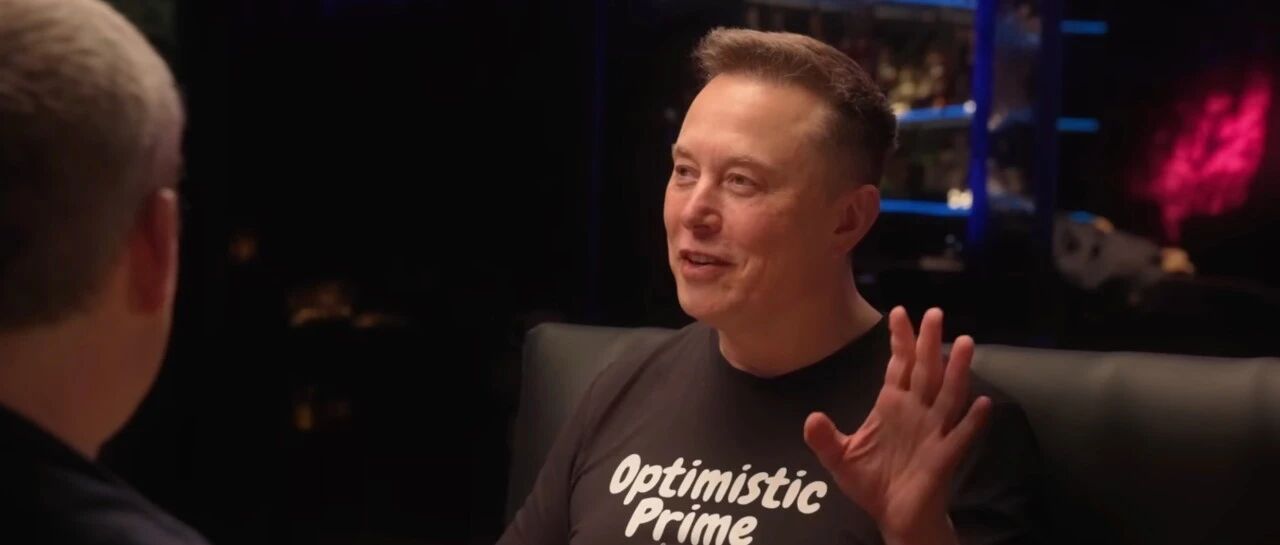
“公司终局是纯 AI、纯机器人!”马斯克酒后激进预言:让机器人造机器人,未来要靠AI留着人类智能
AI前线· 2026-02-07 05:33
Core Insights - The core argument presented is that relocating computational power to space is not primarily about cost savings on electricity, but rather about addressing the limitations of terrestrial energy production, which cannot keep pace with the exponential growth of chip computing power [2][5][6]. Group 1: Space Data Centers and Energy Challenges - Musk emphasizes that the main issue is energy supply, as global electricity generation outside of China is stagnating, while chip computing power is growing exponentially [6][10]. - He argues that building solar power plants on Earth faces significant regulatory hurdles, making space a more viable option for energy generation [8][10]. - In space, solar energy efficiency is projected to be five times greater than on Earth, eliminating the need for battery storage, thus making it a more cost-effective solution for AI deployment [8][9][16]. Group 2: AI Deployment and Future Predictions - Musk predicts that within five years, the amount of AI deployed and operational in space will exceed the cumulative total on Earth, with annual AI capacity in space potentially reaching hundreds of gigawatts [24][26]. - He asserts that the future of the strongest companies will be a closed loop of pure AI and robotics, minimizing human involvement in processes to enhance efficiency [3][24]. Group 3: Manufacturing and Supply Chain Bottlenecks - The discussion highlights that manufacturing capabilities, particularly for critical components like turbine blades, are significant bottlenecks in scaling energy production [12][13][20]. - Musk indicates that SpaceX and Tesla are working towards achieving a solar power capacity of 100 gigawatts, emphasizing the need for a complete supply chain from silicon to solar panels [14][15][16]. Group 4: SpaceX's Business Model and IPO Considerations - Musk discusses the potential for SpaceX to become a major supplier of computational power in space, likening it to a cloud service provider [25][29]. - He notes that the public market offers significantly more capital than private markets, which may necessitate an IPO to fund future expansions [31][32][36]. Group 5: AI and Human Interaction - Musk expresses concerns about the future relationship between humans and AI, suggesting that as AI intelligence surpasses human intelligence, the focus should be on ensuring AI values support the continuation of human civilization [54][55][61]. - He argues that the ultimate goal should be to maximize the range and longevity of consciousness and intelligence, which includes the preservation of human civilization [55][60].

马斯克“世纪大合并”:一场对xAI的单方面输血
华尔街见闻· 2026-02-03 10:43
Core Viewpoint - The merger of SpaceX and xAI aims to create a "space data center," but immediate cash needs are a pressing concern for xAI, which has only been operational for three years [2][4]. Group 1: Financial Overview - SpaceX's valuation is set at $1.5 trillion, while xAI is valued at $250 billion following a completed registration on February 2 [3]. - xAI burned approximately $9.5 billion in cash over the first nine months of 2025, with revenues of only about $210 million, significantly lagging behind competitors like OpenAI and Anthropic [4][9]. - In contrast, SpaceX generated $1 to $2 billion in free cash flow last year, driven by the growth of its Starlink satellite internet business, with total revenues reaching around $16 billion [11]. Group 2: Investor Sentiment - Some SpaceX investors reacted negatively to the merger, with shares of EchoStar, a major shareholder, dropping nearly 5% since the announcement [6][7]. - Investors are seeking more clarity on the narrative surrounding the merger, as expressed by Michael Sobel from Scenic Management [8]. Group 3: Strategic Implications - The ambitious plan for a "space data center" is met with skepticism, as the feasibility and cost-effectiveness of generating AI computing power in space remain uncertain [13]. - The merger complicates SpaceX's IPO ambitions, as the financial strain from xAI's cash burn could overshadow its recent successes in the rocket launch sector [10][11]. Group 4: Regulatory Environment - The current regulatory landscape is favorable for Musk, with the Trump administration rolling back various regulations that could impact the merger [15]. - The Federal Trade Commission is now led by Andrew Ferguson, who is less likely to block large tech deals compared to previous leadership [15]. Group 5: Historical Context - Musk has a history of complex transactions, such as the acquisition of SolarCity and the leveraged buyout of Twitter, which have involved significant financial maneuvering [17]. - The interconnected nature of Musk's ventures creates a "Musk economy," where the success of one entity is crucial for the stability of others [18].

10.5万亿,史上“真最大”IPO来了
Sou Hu Cai Jing· 2026-02-03 06:52
Core Viewpoint - SpaceX, led by Elon Musk, is preparing for an IPO in June 2026, aiming to raise $50 billion and potentially achieve a valuation of $1.5 trillion, marking a significant milestone in capital markets and possibly the largest financing event in human history [3][23]. Group 1: SpaceX and xAI Acquisition - SpaceX plans to acquire xAI for a total valuation of $1.25 trillion, which would set a record for non-public company mergers [3]. - The acquisition is part of Musk's strategy to create a "complete ecosystem" where AI and space technology are interdependent, addressing the limitations of AI development due to hardware constraints [4][6]. Group 2: AI Industry Challenges - The AI industry faces significant challenges, including increasing computational power requirements and limitations in data center infrastructure, such as rising electricity costs and land scarcity [5]. - Musk identifies space as an ideal solution for these challenges, leveraging SpaceX's capabilities to create a "space data center" that can utilize abundant solar energy and avoid land and cooling issues [6]. Group 3: Role of xAI - xAI is positioned as a core application in the space computing scenario, with its models tested in extreme environments that cannot be replicated on Earth [7]. - The integration of AI into the aerospace industry is seen as a transformative step, with AI acting as the "brain" of the operation, enhancing efficiency and reliability in space missions [7]. Group 4: SpaceX's Historical Context - SpaceX has evolved from near bankruptcy in its early years to becoming one of the most valuable private companies globally, achieving significant milestones in rocket reusability and satellite deployment [9][10]. - The company is now facing new challenges related to the increasing demands of AI models, necessitating the development of space-based solutions for computational needs [10]. Group 5: Comparison with Chinese Commercial Space Industry - The article highlights the differences between the U.S. and Chinese commercial space industries, including disparities in launch capacity, recovery methods, and operational scale [14][15]. - Chinese companies are developing their unique paths, focusing on specific technologies and market needs, while also facing challenges in scaling and technological maturity [18][19]. Group 6: Future Outlook - If SpaceX's IPO is successful, it will not only break financing records but also serve as a public experiment in valuing the vision of a multi-planetary civilization [23]. - The success of SpaceX could provide a significant opportunity for the Chinese commercial space sector, attracting global capital and resources towards companies that demonstrate practical advancements in the industry [23].
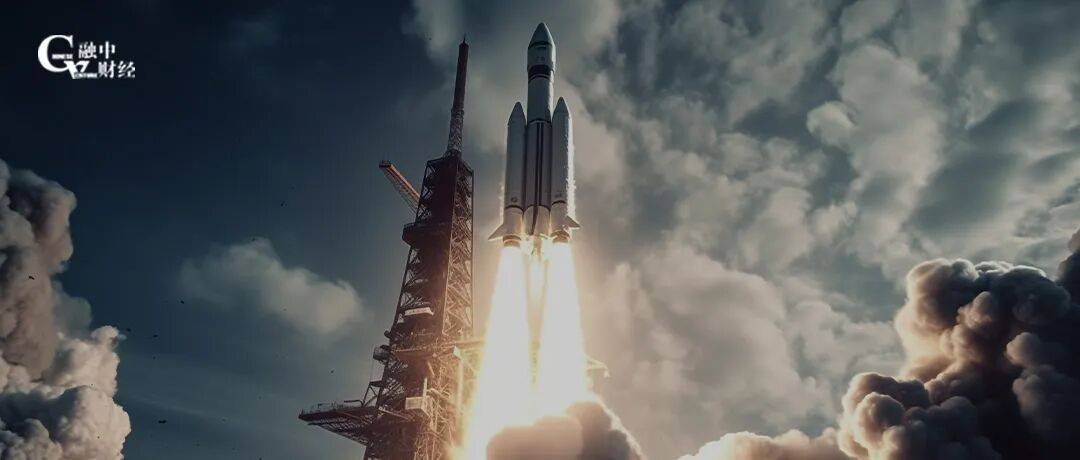
马斯克放大招:SpaceX+xAI 合体,剑指太空数据中心
是说芯语· 2026-02-03 04:28
Core Viewpoint - SpaceX has acquired Elon Musk's AI company xAI for $250 billion, aiming to create the world's most valuable private enterprise by integrating rocket, satellite internet, AI technology, and social media platforms [2][12]. Group 1: Acquisition Details - The acquisition price of $250 billion is based on xAI's recent funding round of $20 billion [2]. - Musk's statement emphasizes the goal of creating a vertically integrated innovation engine for ambitious projects both on Earth and in space [2][3]. Group 2: AI Development Strategy - Musk highlights the need for AI computing capabilities to transition to space to meet global energy demands sustainably, as current ground-based solutions are insufficient [3][6]. - SpaceX plans to launch a constellation of 1 million satellites to create an orbital data center, utilizing near-constant solar energy, which will significantly reduce operational costs [6]. Group 3: Technical Roadmap - The plan includes launching 100 tons of satellites annually, each generating 100 kilowatts of computing power, which would add 100 gigawatts of AI computing capacity each year [6]. - Musk predicts that within 2 to 3 years, space will become the most cost-effective method for generating AI computing power, enabling unprecedented speed and scale in AI model training [6]. Group 4: Starship's Role - The Starship rocket is identified as a critical tool for deploying the necessary satellites for the space data center [7]. - Musk anticipates that Starship will significantly increase payload capacity, with plans to deliver millions of tons of cargo to orbit annually [8]. Group 5: Long-term Vision - Musk envisions using Starship to establish a permanent research and manufacturing base on the Moon, which could produce satellites for deeper space deployment [9]. - The potential exists to send 500 to 1000 terawatts of AI satellites into deep space annually through lunar manufacturing [9]. Group 6: Business Integration - This acquisition marks Musk's third major corporate restructuring, following the merger of xAI with X last year [10][11]. - The integration of SpaceX, xAI's Grok chatbot, and social media platform X creates a highly valuable private enterprise, with Musk's companies operating as a cohesive unit [12][15].

SpaceX 宣布收购 xAI,马斯克剑指太空数据中心
华尔街见闻· 2026-02-03 02:28
Core Viewpoint - SpaceX has acquired AI company xAI for $250 billion, based on xAI's recent $20 billion funding round, aiming to create a vertically integrated innovation engine for both Earth and space [1][2]. Group 1: Acquisition Details - The acquisition is part of Musk's strategy to restructure his business empire, following the merger of xAI with X last year, which valued the AI company at $80 billion and the social media platform at $33 billion [3][16]. - Musk emphasized that relying solely on ground solutions for AI will not meet global energy demands, suggesting that space-based AI is the only scalable solution [3]. Group 2: Space Data Center Strategy - SpaceX plans to launch a constellation of 1 million satellites to create a space-based data center, utilizing near-constant solar energy and minimizing operational costs [8]. - Musk estimates that launching 1 million tons of satellites, each generating 100 kW of computing power, will add 100 GW of AI computing capacity annually [9]. Group 3: Starship's Role - The success of the space data center relies on the capabilities of the Starship rocket, which will begin delivering more powerful V3 Starlink satellites this year [10][11]. - Starship is expected to achieve a launch frequency of once per hour, transporting millions of tons of payload annually, which will support the deployment of the necessary satellites for the data center [12]. Group 4: Long-term Vision - Musk envisions establishing a permanent research and manufacturing base on the Moon, utilizing lunar resources to produce satellites for deeper space deployment [13]. - The potential to launch 500 to 1000 terawatts of AI satellites into deep space annually through lunar manufacturing is highlighted [13]. Group 5: Business Integration - This acquisition marks Musk's third major corporate restructuring in recent years, further integrating his various companies, including SpaceX, xAI, and Tesla [15][19]. - The transaction creates the world's most valuable private company, consolidating resources and personnel across Musk's ventures [17].

马斯克确认SpaceX将IPO,目标估值1.5万亿美元或成史上最大上市交易
Jin Rong Jie· 2025-12-11 04:47
Core Insights - SpaceX is preparing for its initial public offering (IPO), aiming for a valuation of approximately $1.5 trillion and plans to raise over $30 billion, potentially making it the largest IPO in history [1][2] - The IPO timeline is projected for mid to late 2026, contingent on market conditions and the progress of the Starlink and Starship projects [1] - Elon Musk currently holds about 42% of SpaceX, which could increase his net worth significantly if the IPO valuation is realized [1][2] Group 1 - SpaceX's IPO is expected to be a historic event, with a target valuation of $1.5 trillion and fundraising exceeding $30 billion [1] - The company has been cash flow positive for several years and conducts stock buybacks twice a year [1] - The primary revenue source for SpaceX remains the commercial Starlink satellite internet service [1] Group 2 - Musk refuted claims that SpaceX relies on NASA subsidies, stating that NASA's contribution to total revenue will not exceed 5% next year [2] - If the IPO is successful, Musk's net worth could rise from $460.6 billion to approximately $952 billion, positioning him close to becoming the world's first trillionaire [2] - The IPO marks a significant milestone for SpaceX, which has been in operation for nearly 25 years, as it moves towards the public market [2]
SpaceX计划明年IPO,募资远超300亿美元,估值或达1.5万亿美元
Ge Long Hui A P P· 2025-12-09 23:01
Core Viewpoint - SpaceX is advancing its initial public offering (IPO) plan, aiming to raise over $30 billion, which would make it the largest IPO in history [1] Group 1: IPO Details - The company seeks a total valuation of approximately $1.5 trillion for the IPO [1] - The IPO is planned for the middle to the end of 2026 [1] Group 2: Funding Utilization - SpaceX intends to use part of the IPO proceeds to develop a space data center [1] - The IPO process is primarily driven by the progress of the Starlink business and the development of the Starship rocket [1]
SpaceX估值超越OpenAI,翻倍冲8000亿,明年下半年准备上市
Sou Hu Cai Jing· 2025-12-07 16:34
Group 1 - SpaceX's valuation is projected to rise from $400 billion to $800 billion, with an IPO planned for the second half of next year [1][4] - The company is currently in discussions for an internal share sale, with potential new share prices estimated around $300, leading to a valuation of approximately $560 billion [4][8] - The board has been actively preparing for this move, indicating a strategic shift towards enhancing liquidity for employees and early shareholders [4][6] Group 2 - SpaceX's business model is driven by both rocket launches and satellite networks, with Falcon 9 being the mainstay for commercial and crewed launches [6] - The Starlink satellite network has nearly 9,000 satellites and over 8 million active users, providing a strong revenue stream [6] - A significant acquisition involving EchoStar for spectrum trading has been agreed upon, with an investment exceeding $20 billion, aimed at expanding mobile satellite services [6][8] Group 3 - The overall strategy suggests that investors will have the opportunity to invest in a complete ecosystem of SpaceX's launch capabilities and satellite network, rather than isolated business units [6][8] - There is a caution regarding the potential volatility in the secondary market for internal share sales, with fluctuating estimates and uncertainties surrounding final pricing [6][8]
马斯克狂言背后的投资密码:AI、机器人与太空的财富逻辑
Sou Hu Cai Jing· 2025-09-14 14:03
Group 1: Investment Opportunities from Optimus Robot - The introduction of the Optimus robot is expected to reshape the labor market due to its cost advantage of $20,000, which is significantly lower than the average annual wage of $58,000 for U.S. manufacturing workers [3][4] - The global manufacturing sector has faced a labor shortage for five years, with a vacancy rate of 8.2% in 2023, creating a strong demand for high-precision labor that Optimus can fulfill [4] - If Optimus achieves a production capacity of 100,000 units by 2025, it could replace 200,000 human workers, addressing 12% of the global manufacturing labor shortage [4][5] Group 2: Economic Impact of Starship Rocket - The Starship rocket aims to reduce the cost of space exploration from $5,000 per kilogram to $200 per kilogram, a 96% decrease, which could lead to a significant expansion of the space economy [6] - The global space economy was valued at $640 billion in 2023, and if Starship's cost reduction is realized, it could exceed $3 trillion by 2030, with a compound annual growth rate of 28% [6] - Key sectors expected to benefit from this cost reduction include space tourism, satellite internet, and lunar resource development [6] Group 3: Knowledge Production Revolution with Grok and Colossus - Grok AI aims to reduce the error rate in knowledge production from 3.2% to below 0.8%, significantly improving the efficiency of knowledge services [8] - The global knowledge services market was valued at $1.2 trillion in 2023, with Grok's potential market share reaching $18 billion if it achieves a 3% penetration rate by 2025 [9] - The Colossus supercomputing cluster, supporting Grok, is expected to drive an 8% growth in the high-end server market, which was valued at $48 billion in 2023 [9]