Genie Sim 3.0

Search documents
英伟达GTC大会物理AI成核心 智元亮相新仿真平台
Nan Fang Du Shi Bao· 2026-03-18 14:42
Core Insights - NVIDIA's GPU Technology Conference (GTC 2026) emphasizes physical AI as a core development direction, showcasing significant technological products and ecosystem solutions aimed at scaling intelligent robotics across various sectors such as industry, logistics, and healthcare [1] Group 1: Physical AI Development - NVIDIA's CEO Jensen Huang outlined a development blueprint for physical AI, announcing deep collaborations with global robotics leaders to promote large-scale deployment [1] - The new GR00T N2 embodiment base model, based on the DreamZero architecture, is expected to achieve over two times the efficiency in new tasks and environments compared to mainstream VLA models, with commercial availability planned for the end of 2026 [1] - The physical AI data factory Blueprint, an open reference architecture, aims to significantly reduce the R&D costs and cycles for physical AI systems, already collaborating with cloud platforms like Microsoft Azure [1] Group 2: Simulation Technology - NVIDIA's Isaac Sim emerged as a focal point at the conference, defined by Huang as a key pathway to lower the costs of physical AI deployment and an "accelerator" for robot evolution [1] - The success of physical AI relies on massive data generation capabilities, with simulation being the core method to achieve this goal [2] - The Genie Sim 3.0 simulation platform, developed by Zhiyuan Robotics, represents the first global full-loop solution from "simulation validation to real deployment," showcasing deep integration with NVIDIA's technology [2] Group 3: Industrial Applications - The Genie Sim 3.0 platform provides a comprehensive closed-loop solution from digital asset generation to automatic evaluation, accurately replicating various commercial scenarios such as supermarket stocking and logistics sorting [2] - The platform's industrial application has set a benchmark for NVIDIA's simulation technology, achieving a 100% success rate in real machine grasping with just 20,000 frames of simulation data training [2]

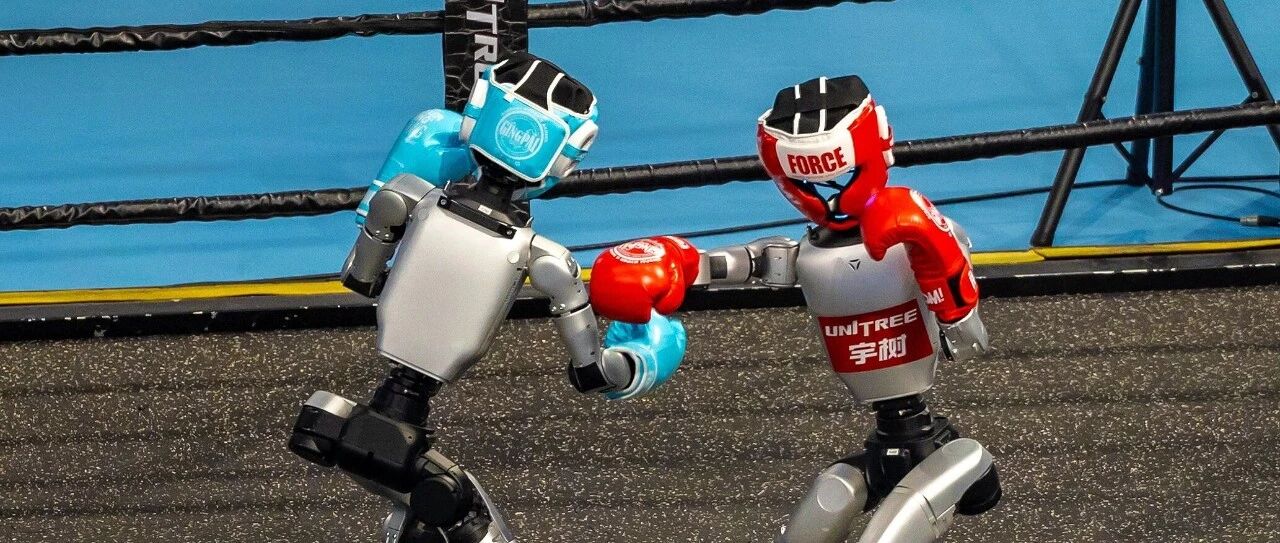
宇树、智元竞逐人形机器人赛道
Zhong Guo Jing Ying Bao· 2026-01-22 16:25
Core Insights - The 2026 Spring Festival Gala will feature a diverse range of robots, with multiple leading companies competing, including Yushu Technology, iFlytek, Siasun, and UBTECH, each showcasing their unique programs and technologies [1][2] - The human-shaped robot market is experiencing significant growth, with 2025 being termed the "year of mass production" for humanoid robots, and substantial investments in the sector [2][3] - Chinese companies dominate the global humanoid robot market, with ZhiYuan leading in both shipment volume and market share [3] Company Developments - Yushu Technology showcased its boxing skills of the Unitree G1 robot at CES, while also releasing various models at competitive prices [5] - ZhiYuan introduced a comprehensive product matrix at CES, including a language model-driven simulation platform, enhancing its capabilities in various applications [4][5] - Yushu's focus on hardware and immediate commercialization contrasts with ZhiYuan's AI-driven, long-term strategy, affecting their market positioning and investor appeal [6] Market Trends - The humanoid robot market is projected to grow exponentially, with global shipments expected to reach 2.6 million units by 2035 [7] - In 2025, the Chinese robot industry saw approximately 200 financing events totaling over 40 billion yuan, with humanoid robots receiving over 30 billion yuan in funding [2] - Major companies like Xiaopeng Motors and Tesla are planning to scale up humanoid robot production significantly by 2026, indicating a competitive landscape [7]

东海证券晨会纪要-20260114
Donghai Securities· 2026-01-14 02:21
Group 1: Non-Banking Financial Sector - The non-banking financial index rose by 2.6%, with brokerage and insurance indices increasing by 1.9% and 3.6% respectively, indicating a synchronized upward trend [6][7] - Daily average A-share trading volume reached 2.85 trillion yuan, a significant increase of 137% year-on-year and 51.6% month-on-month, reflecting heightened market trading enthusiasm [7] - The two financing balance stood at 2.63 trillion yuan, maintaining above the 2 trillion yuan mark for 106 consecutive trading days, suggesting sustained market vitality [7] Group 2: Insurance Sector - The "deposit migration effect" is driving sales in the insurance sector, as banks lower deposit rates and long-term deposits become scarce, leading to increased demand for insurance products [8] - The A-share market is performing well, benefiting from policy support and economic recovery, which has improved the investment returns for insurance funds [8] - Major insurance companies have proactively increased their allocations in high-dividend blue-chip stocks and cyclical sectors, enhancing their profit potential in the current market [8] Group 3: Currency and Exchange Rate - The People's Bank of China has implemented counter-cyclical measures to stabilize the RMB exchange rate, aiming to prevent excessive appreciation [11][12] - The estimated waiting settlement amount for foreign trade is approximately 480 billion USD, indicating potential for RMB appreciation if it surpasses the critical threshold of 6.80 [12] - The swap market reflects a shift in RMB appreciation expectations, with state-owned banks becoming net buyers in the swap market, indicating a bullish sentiment towards the RMB [13] Group 4: Food and Beverage Sector - The Consumer Price Index (CPI) for December showed a year-on-year increase of 0.8%, with food prices improving, particularly fresh vegetables and fruits, which rose by 18.2% and 4.4% respectively [16][17] - The food and beverage sector saw a 2.12% increase, with pre-processed food leading the gains at 6.72% [18] - Major retail players like Sam's Club and Alibaba are expanding aggressively, with Sam's Club sales expected to exceed 200 billion yuan in 2026 [19] Group 5: Machinery and Equipment Sector - The "Artificial Intelligence + Manufacturing" initiative aims to enhance the application of AI in manufacturing, with goals set for 2027 to establish a leading global position in AI technology [23] - Numerous Chinese companies showcased their innovations at the CES exhibition, highlighting advancements in robotics and AI applications in manufacturing [24][25]
机械设备行业周报:《“人工智能+制造”专项行动实施意见》发布,多家中国企业亮相CES展会-20260113
Donghai Securities· 2026-01-13 08:16
Investment Rating - The industry investment rating is "Overweight" [1] Core Insights - The report highlights the active mergers and acquisitions in the industry, focusing on global expansion and cutting-edge cooling technologies [3] - The implementation of the "Artificial Intelligence + Manufacturing" initiative aims to enhance the application of AI in manufacturing, with specific targets set for 2027 [13] - The CES exhibition showcased significant advancements in humanoid robotics, with Chinese brands leading in global sales [16] Summary by Sections 1. Policy Tracking - The "Artificial Intelligence + Manufacturing" initiative was released on January 7, 2026, aiming for significant advancements in AI technology and its application in various manufacturing sectors by 2027 [13] - The initiative includes the development of high-level industrial intelligent bodies and the promotion of typical application scenarios [13][14] 2. Robotics Industry Dynamics - The CES exhibition featured numerous Chinese companies showcasing their innovations in humanoid robotics, including products from companies like Zhiyuan Robotics and others [15] - Zhiyuan launched a new simulation platform, Genie Sim 3.0, which integrates advanced technologies for creating high-fidelity environments [16] - The report notes that Zhiyuan's AGIBOT leads in humanoid robot sales globally, with significant market share projected for 2025 [16] 3. Recent Tracking of Export Chain Companies - Juxing Technology forecasts a net profit of 2.419 to 2.764 billion yuan for 2025, reflecting a growth of 5% to 20% year-on-year [20] - The company has shown resilience despite external challenges, with a focus on e-commerce channels and product innovation contributing to its growth [22] - Jack Technology is transitioning to a smart manufacturing service provider, emphasizing the development of AI-integrated sewing machines and solutions for the garment industry [28][29] 4. Market Review - The report notes that the mechanical equipment industry outperformed the broader market, with a weekly increase of 5.39% compared to a decline of 2.79% in the CSI 300 index [31]
CES 2026:智元机器人、星动纪元、宇树科技、云深处、傅利叶、北京人形、魔法原子、加速进化、众擎机器人、银河通用都有哪些亮点产品?
机器人大讲堂· 2026-01-10 09:05
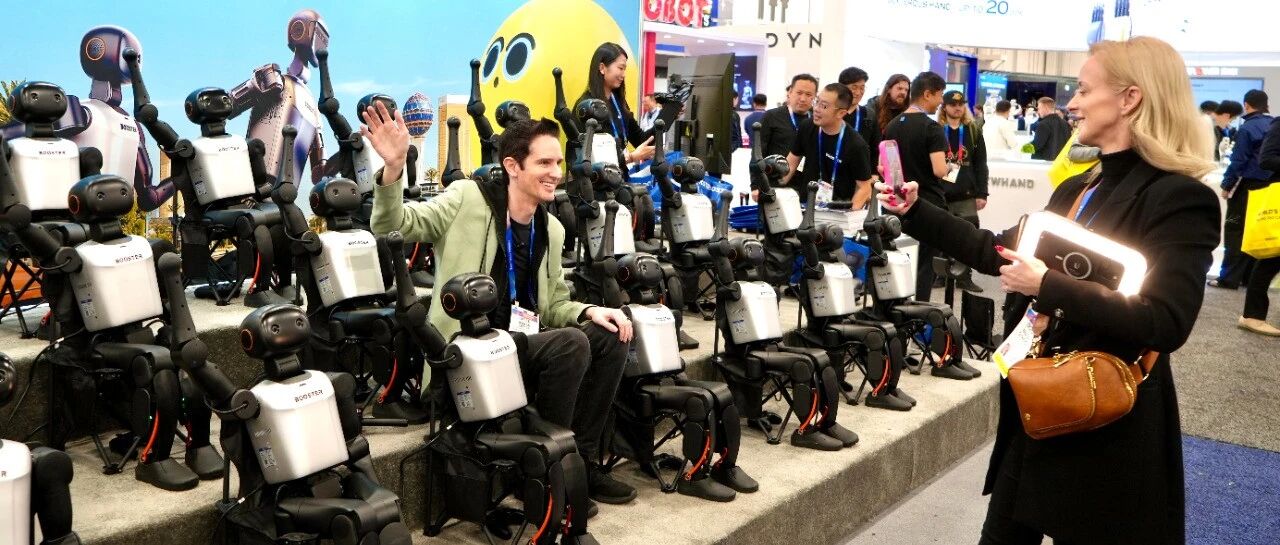
Core Insights - The article highlights the dominance of Chinese humanoid robot companies at CES 2026, with 20 companies participating, accounting for 58.8% of the total exhibitors, significantly outpacing the 5 companies from the US and South Korea, each representing 14.7% [2][3]. Group 1: Chinese Humanoid Robot Companies - Chinese humanoid robot companies showcased a wide range of products, including those from YuTree Technology, ZhiYuan Robotics, and others, demonstrating a collective strength in the industry [3]. - ZhiYuan Robotics presented its full series of humanoid robots, including the Expedition A2, which features multilingual interaction capabilities [4]. - The Lingxi X2 robot received positive feedback for its cultural integration through dance and Tai Chi demonstrations [6]. - The G2 robot showcased its adaptability in service scenarios by simulating a hotel waiter [7]. - ZhiYuan also launched the Genie Sim 3.0, an open-source simulation platform aimed at supporting industry technology development [9]. Group 2: Notable Exhibitors and Innovations - Xingdong Era displayed its core products, including the Xingdong L7 and Q5 humanoid robots, which have been implemented in logistics and manufacturing [10]. - The company reported collaborations with 9 of the top 10 global tech firms and secured a significant order worth nearly 50 million yuan in the logistics sector [12]. - Fourier's GR-3 humanoid robot attracted attention for its friendly design and multi-modal interaction system [13]. - YuTree Technology highlighted its humanoid robots H2, R1, and G1, along with quadruped robots, showcasing technological breakthroughs [17]. - The A2 quadruped robot is designed for industrial applications, capable of carrying a load of 25 kg [19]. Group 3: International Competitors - Boston Dynamics announced the mass production of its Atlas humanoid robot, which features advanced capabilities and has secured initial orders from major stakeholders [76][78]. - NEURA Robotics introduced its third-generation humanoid robot, designed in collaboration with Porsche, combining industrial performance with consumer-friendly aesthetics [79][82]. Group 4: Industry Trends and Future Outlook - The CES 2026 event signals a critical period for the commercialization of humanoid robots, with a shift in focus from concept demonstrations to order fulfillment and practical applications [83]. - Key areas of competition will include product reliability, scene adaptability, and scalable profitability, with industrial manufacturing, logistics, and companion services emerging as significant market segments [83].

国产人形机器人集中亮相CES2026
Zheng Quan Ri Bao· 2026-01-09 16:43
Core Insights - The CES 2026 showcased humanoid robots as a highlight, with multiple Chinese companies presenting their latest products, attracting significant attention [1][4] - Fourier Intelligent Technology debuted its full-size humanoid robot "Care-bot" GR-3, demonstrating its embodied intelligence in real-life scenarios [1][4] - Zhiyuan Robotics introduced its comprehensive product matrix and the new simulation platform Genie Sim 3.0, showcasing its capabilities in the field of embodied intelligence [1][4] Company Highlights - Fourier's GR-3 features a warm color scheme and "supercar-level" interior materials, equipped with emotional response capabilities, allowing it to interact with users during activities like chess [2][4] - Zhiyuan Robotics presented the compact humanoid robot Q1, which is 53 cm tall, weighs about 4 kg, and integrates 28 self-developed high-precision joints for dynamic balance and interaction [2][4] - Qinglang Intelligent showcased various robots, including the humanoid robot XMAN-R1 and cleaning robots C40 and C55, indicating a strong presence of Chinese companies in the humanoid robot sector [1][4] Industry Trends - The development systems for humanoid robots gained widespread attention, with Zhiyuan Robotics launching its first large language model-driven open-source simulation platform, Genie Sim 3.0, capable of generating tens of thousands of scenarios in minutes [4][5] - The industry is transitioning towards a "platform + ecosystem" model, where leading companies integrate resources through open-source platforms, fostering collaboration among developers and creating a robust industrial cluster [5][6] - The global robotics industry is accelerating its transformation, with a focus on more complex and interactive functionalities that go beyond simple operational intelligence, marking a new growth point for humanoid robots [4][5]
能跑跳、能干活、能签单,中国人形机器人站上C位
Xin Jing Bao· 2026-01-09 09:35
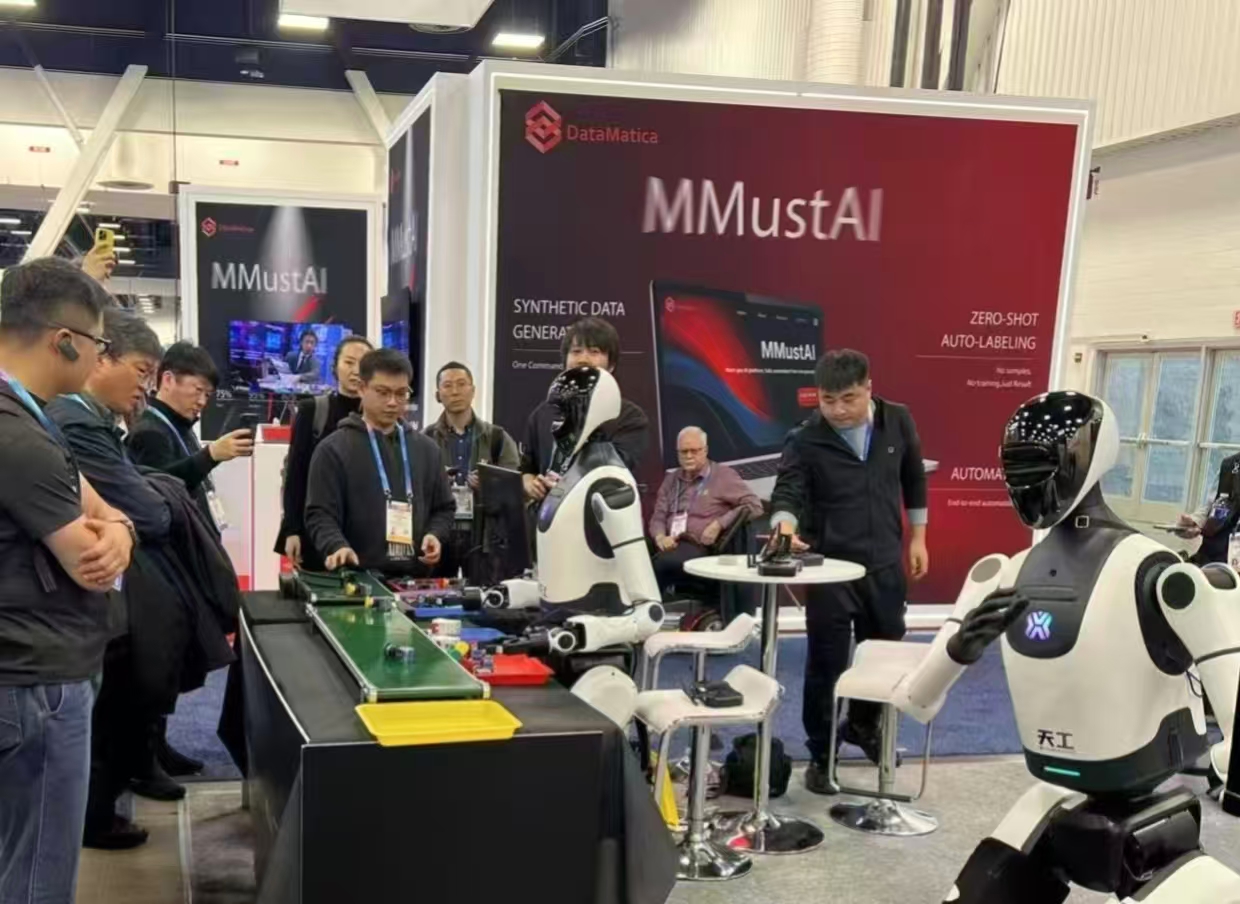
Core Insights - The CES 2026 showcased a significant dominance of Chinese companies in the robotics sector, with 149 out of 598 exhibitors being Chinese, accounting for nearly one-quarter of the total [1] - In the humanoid robot segment, 21 out of 38 exhibitors were from China, representing over half of the participants [1] - Chinese humanoid robot manufacturers are noted for their advantages in product variety, supply chain efficiency, and cost-effectiveness, with expectations for industry growth by 2026 [1] Group 1: Technology and Applications - Chinese humanoid robot companies demonstrated capabilities in motion control and practical applications across various scenarios, including industrial manufacturing, family companionship, and commercial services [2] - Notable companies like Yushu Technology and Zhongqing showcased advanced technologies in high-precision torque control and dynamic balance through performances with their robots [2] - AI integration was highlighted, with companies like Zhiyuan showcasing robots capable of language interaction and service applications, emphasizing the fusion of "brain" and "body" in real-world scenarios [2] Group 2: Market Expansion and Sales - The CES 2026 served as a crucial platform for Chinese robot companies to expand into global markets, with several companies reporting immediate sales during the event [3] - Companies like Songyan Power are shifting focus from product display to commercial implementation, targeting key regions such as North America, the Middle East, Europe, and Southeast Asia for market expansion [3] Group 3: Supply Chain and Component Innovation - The exhibition featured a concentration of Chinese companies from various segments of the robotics supply chain, indicating a move towards specialization and maturity within the industry [5] - Innovations in dexterous hands were showcased, with companies like Lingxin demonstrating mass-produced high-dexterity products at competitive prices, making advanced components more accessible [5] - Breakthroughs in tactile technology were presented, with companies like Pashini demonstrating advanced sensors that enable new application scenarios [5] Group 4: Software and Remote Operations - Companies like Jijia Vision are focusing on cutting-edge software developments, particularly in world models, which are becoming more mature as data engines in the field of embodied intelligence [6] - Remote operation capabilities were highlighted by companies like Rui Erman, showcasing real-time remote control of robots from Beijing to Las Vegas, demonstrating the potential for global operational networks [6] - The collective presence of Chinese humanoid robot and supply chain companies at CES 2026 indicates a competitive landscape where technological prowess is matched by engineering, commercialization, and ecosystem development capabilities [6]
CES观察|能跑跳、能干活、能签单,中国人形机器人站上C位
Bei Ke Cai Jing· 2026-01-09 09:35
Core Insights - The CES 2026 showcased a significant dominance of Chinese companies in the robotics sector, with 149 out of 598 exhibitors being Chinese, accounting for nearly one-quarter of the total [1] - In the humanoid robot segment, 21 out of 38 exhibitors were from China, representing over half of the participants [1] - The event highlighted advancements in various applications of humanoid robots, including industrial, commercial, and home companionship [2][8] Group 1: Company Highlights - Companies like Yushu Technology and Zhiyuan Robotics demonstrated their capabilities in motion control and application scenarios, showcasing robots capable of dance and combat [4] - The Beijing Humanoid Robot Innovation Center made its debut, emphasizing the importance of showcasing the practical capabilities of humanoid robots to enhance international influence [8] - The company Lingqiao Intelligent presented its high-performance dexterous hand, significantly reducing costs to make it more accessible for research institutions and startups [10] Group 2: Technological Advancements - The event featured robots that integrated advanced AI capabilities, such as language interaction and autonomous sorting, demonstrating their practical applications in real-world scenarios [6][7] - Breakthroughs in tactile technology were showcased, with companies like Pasini Sensory Technology presenting advanced multi-dimensional tactile sensors [11] - The development of world models as data engines in embodied intelligence was highlighted, indicating a shift towards more sophisticated evaluation and reinforcement learning environments [11] Group 3: Market Expansion and Sales - The CES 2026 served as a critical platform for Chinese robotics companies to expand their global market presence, with several companies reporting immediate sales during the event [8] - Companies like Songyan Power are shifting their focus from product display to commercial implementation, targeting key regions for market expansion [8] - The event underscored the importance of a well-defined and efficient industrial ecosystem, indicating a maturation of the robotics industry [9][12]
智元第一,宇树第二!中国人形机器人企业领跑全球
Zhong Guo Zheng Quan Bao· 2026-01-09 08:30
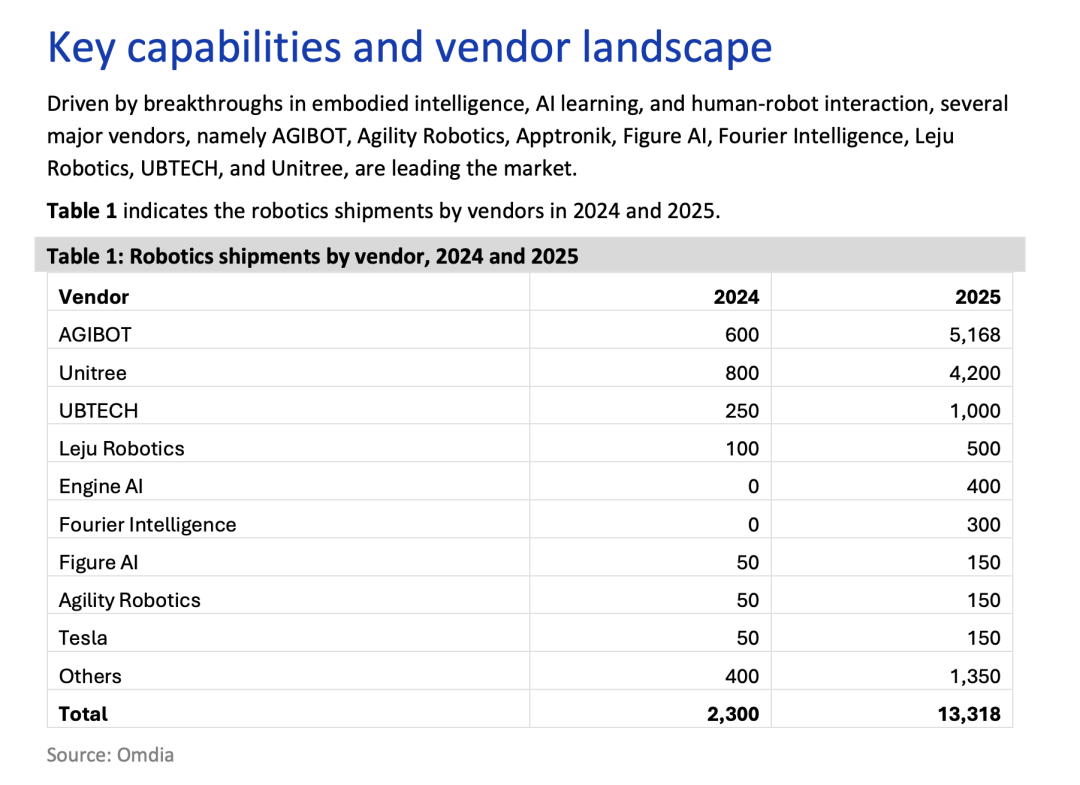
Core Insights - The report by Omdia highlights the dominance of Chinese manufacturers in the humanoid robot market, with Zhiyuan leading with over 5,100 units shipped, capturing 39% of the global market share [1] - By 2025, the top six humanoid robot manufacturers will all be Chinese, collectively accounting for 86.9% of global shipments [1] Group 1: Market Performance - In 2024, total shipments of humanoid robots are projected to be 2,300 units, increasing to 13,318 units in 2025 [2] - The report indicates that the humanoid robot index rose by 1.66%, with significant stock price increases for companies like Jizhi Co. and Hongxun Technology [3] Group 2: Industry Developments - At CES 2023, several Chinese humanoid robot companies showcased their products, including Zhiyuan's launch of the Genie Sim 3.0 platform, which enhances model training and application [4] - Other companies like Unitree and Fourier Intelligence also presented their latest humanoid robots and solutions, indicating a strong presence in the market [4][5] Group 3: Future Projections - Omdia predicts exponential growth in the humanoid robot market, with global shipments expected to reach 2.6 million units by 2035 [6] - Companies like Zhiyuan and Tesla are positioned as leaders in the industry, driving rapid development and innovation [6] Group 4: Strategic Investments - Companies are actively investing in humanoid robotics, with Hongrun Construction and Guoji Precision Engineering announcing partnerships and new product lines aimed at enhancing their market positions [7] - The domestic humanoid robot shipment is expected to rise to 62,500 units by 2026, marking a significant milestone for the industry [7]

中国企业,正主宰全球人形机器人市场
财联社· 2026-01-09 03:18
Core Insights - The article highlights that Zhiyuan Innovation, a leading Chinese robotics company focused on embodied intelligence, is projected to lead the global market in humanoid robot shipments and market share by 2025 [1][2]. Group 1: Market Position and Growth - According to Omdia's report, Zhiyuan Robotics is expected to ship over 5,168 humanoid robots in 2026, capturing 39% of the global market share [2]. - Following Zhiyuan, two other Chinese companies, Yushu Technology and UBTECH, hold 32% and 7% of the market share, respectively [4]. - The global sales of humanoid robots are anticipated to grow more than fourfold from 2024 to 2025, indicating a rapidly expanding market [4]. Group 2: Competitive Landscape - The report includes both bipedal humanoid robots and wheeled products with humanoid upper bodies, showcasing a diverse range of offerings in the market [5]. - A study by Citigroup predicts that the number of robots will surge to 648 million units by 2050, with China's current leadership potentially aiding its development [5]. - Omdia notes that Chinese suppliers are setting benchmarks in large-scale production, with humanoid robots being more affordable than those produced by Western companies [5]. Group 3: Technological Advancements - AI integration is enabling robots to perform complex tasks, enhancing their applications across various sectors such as manufacturing, logistics, healthcare, and customer service [5]. - Companies are heavily investing in advanced AI models to improve robot capabilities [5]. Group 4: Product Development and Recognition - At the recent CES event in Las Vegas, Zhiyuan Robotics gained significant international recognition, launching new products including the Genie Sim 3.0 simulation platform and the portable Q1 robot [6]. - Zhiyuan has developed a diverse product matrix of humanoid robots, which are being deployed in various commercial scenarios, including reception, entertainment, industrial manufacturing, logistics, security, data collection, and education [6]. Group 5: Future Projections - Omdia projects that global humanoid robot shipments will exponentially increase to 2.6 million units by 2035, driven by advancements in AI models, dexterous robotic hands, and self-reinforcement learning [8]. - The number of Chinese companies involved in the humanoid robot sector has surpassed 150, supported by favorable industrial policies and training infrastructure [8].