LED屏

Search documents
共赴智能经济新形态:两业协同下的广东高质量发展探索样本
Nan Fang Du Shi Bao· 2026-02-24 05:24
Group 1: Manufacturing and Automation - The manufacturing process is increasingly automated, with companies like Guangdong Yida Textile achieving a 75% automation coverage in shirt production, resulting in a threefold increase in efficiency [3] - Guangdong's home appliance industry is also embracing automation, with major companies implementing automated production lines and AI technology to enhance product quality and functionality [3][4] - The integration of AI and automation in manufacturing is leading to significant improvements in production efficiency and a reduction in labor costs, exemplified by the 80% automation in certain garment production processes [3][4] Group 2: Intelligent Services and Robotics - Companies like Kuku Intelligent Robot Co. are deploying coffee robots that can prepare a cup of coffee in about one minute, showcasing the application of AI in everyday services [10] - The humanoid robots from Shenzhen Yuejiang Technology are gaining traction in global markets, with over 50% of their revenue coming from international sales [8] - The use of AI-powered robots in service industries is breaking traditional boundaries between manufacturing and services, as seen in various applications across Guangdong [10] Group 3: Autonomous Vehicles and Transportation - WeRide's Robotaxi service has commenced 24-hour operations in Guangzhou, highlighting the advancements in autonomous driving technology and its integration into urban transportation [11] - The company has developed a comprehensive autonomous driving platform that significantly reduces data collection costs, showcasing the technological capabilities of Guangdong's automotive sector [12] - The presence of a complete automotive supply chain in Guangdong is facilitating rapid growth and innovation in the autonomous vehicle industry [12] Group 4: Agricultural Technology - Guangzhou XAG Technology is pioneering smart agriculture solutions, utilizing drones and AI for crop management across various countries, enhancing agricultural efficiency [7] - The company has established an IoT platform for agriculture, enabling comprehensive monitoring and management of farming activities [7] - The integration of technology in agriculture is contributing to the overall high-quality development of Guangdong's economy [6]
线下消费商业设施设备更新提速 多家商业综合体春节假期全新亮相
Zheng Quan Ri Bao· 2026-02-23 16:48
本报记者 杜雨萌 "中小企业是经济的'毛细血管',数量庞大、机制灵活,是技术创新的重要源泉和就业的主要容器。降低申报设备更新项目 的投资额门槛,不仅能够扩大政策的惠及面,还能进一步增强有效投资的后劲。"袁剑琴说。 付一夫也认为,降低申报设备更新项目的投资门槛,将对中小企业形成精准赋能,有利于解决其升级资金不足、申报难等 痛点,激活其技术改造动力。同时,这也将向上游传导出大量智能化、绿色化设备需求,向下游催生更多创新消费场景。 国家信息中心经济预测部政策仿真研究室副研究员袁剑琴进一步提出,从直接效应来看,支持线下消费商业设施的设备更 新,有利于破除消费的物理瓶颈和体验限制,将潜在的消费意愿转化为现实的消费行为。从间接效应来看,通过推动线下消费 商业设施的设备更新,可提升消费供给体系的质量与效率,助力培育新型消费业态,畅通"投资优化供给—供给创造消费需求 —消费引领新投资"的循环联动。 去年年底召开的中央经济工作会议将"坚持内需主导,建设强大国内市场"置于2026年八项重点任务之首,并将"优化'两 新'政策实施"作为推动该项任务落实的重要内容之一。在此背景下,2026年"两新"政策在设备更新领域的优化举措,不仅在 ...
我国多领域设备更新加快落地“惠企利民” 为假日消费注入新动能
Yang Shi Wang· 2026-02-22 07:27
Group 1 - The core viewpoint of the articles highlights China's continued push for large-scale equipment upgrades across various sectors to stimulate holiday consumption and support social welfare [1][3][5][7] Group 2 - The offline commercial facilities' equipment upgrades have been included in the policy for the first time this year, with several commercial complexes in Shanghai, Zhejiang, and Sichuan showcasing new equipment during the Spring Festival [1] - In the grain and oil processing sector, new equipment for peanut oil production has been implemented to ensure market supply during the holiday period [3] - The policy for upgrading old elevators has been expanded to include the installation of new elevators in old residential communities, benefiting over 600 households in a Beijing community [5] Group 3 - A new round of equipment upgrades is set to launch in 2026 across 31 provinces and regions, covering approximately 20 sectors including industry, electronic information, and energy conservation [7] - The application conditions and review processes for equipment upgrade projects will be optimized, lowering the investment threshold and increasing support for small and medium-sized enterprises [7]

降门槛、扩范围!新一轮设备更新已陆续启动
Yang Shi Xin Wen· 2026-02-22 02:25
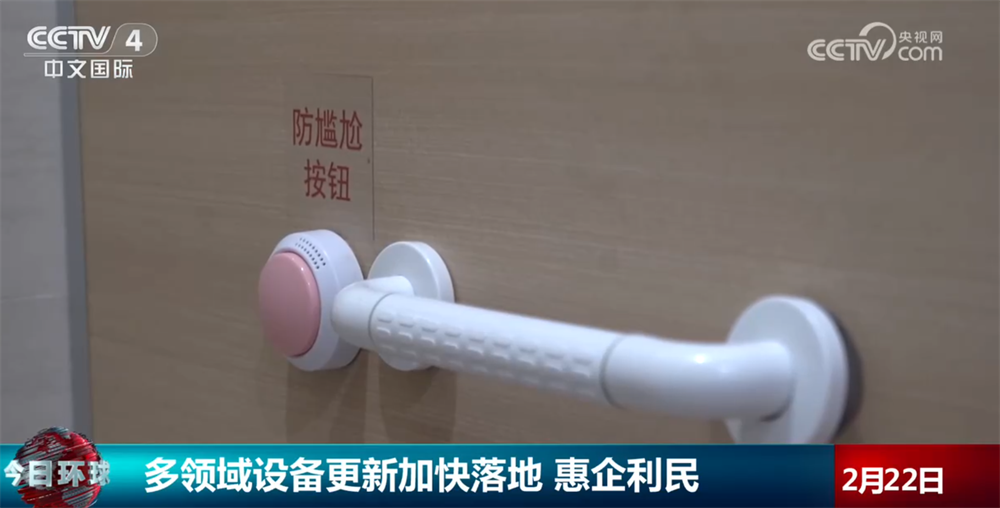
我国今年继续推进大规模设备更新,多个领域的设备更新项目加快落地。为激发假日消费活力、保障社 会民生提供更加有力的支撑。 粮油生产企业相关负责人 邹业飞:生产出来的花生油,不但口感更正、味道更好,并且各项指标都更 优。 在延续老旧电梯更新政策的基础上,今年设备更新还扩围至老旧小区加装电梯。在北京的一个老旧小区 里,21部新加装的电梯在不久前投入使用,惠及600多户社区居民。 社区居民 龚皓:原来上楼很艰难,现在有了电梯以后,一键上楼,确实是非常方便了。 目前,2026年新一轮设备更新已在31个省(区、市)和新疆生产建设兵团陆续启动,涉及工业、电子信 息、节能降碳环保等约20个领域。各领域将优化申报条件和审核流程,进一步降低申报设备更新项目的 投资额门槛,加大对中小企业设备更新的支持力度,扩大政策惠及面。 线下消费商业设施的设备更新,在今年被首度纳入设备更新政策当中。在这个春节假期,上海、浙江、 四川等地的一批商业综合体,在完成设备更新后首度与消费者见面。商场里的老化电子屏被换成新的 LED屏,卫生间和客梯进行了无障碍改造,通风、照明、配电等设备也都焕然一新。 商场工作人员 詹湘赟:新的电气类设备和硬件设施提升了 ...
降门槛、扩范围 新一轮设备更新已陆续启动
Yang Shi Xin Wen· 2026-02-22 02:03
我国今年继续推进大规模设备更新,多个领域的设备更新项目加快落地。为激发假日消费活力、保障社 会民生提供更加有力的支撑。线下消费商业设施的设备更新,在今年被首度纳入设备更新政策当中。在 这个春节假期,上海、浙江、四川等地的一批商业综合体,在完成设备更新后首度与消费者见面。商场 里的老化电子屏被换成新的LED屏,卫生间和客梯进行了无障碍改造,通风、照明、配电等设备也都焕 然一新。目前,2026年新一轮设备更新已在31个省(区、市)和新疆生产建设兵团陆续启动,涉及工 业、电子信息、节能降碳环保等约20个领域。各领域将优化申报条件和审核流程,进一步降低申报设备 更新项目的投资额门槛,加大对中小企业设备更新的支持力度,扩大政策惠及面。 (文章来源:央视新闻) ...
用春晚的视角打开国产科技变化
Xin Lang Cai Jing· 2026-02-16 11:53
【#用春晚的视角打开国产科技变化# 】从1983年首届春晚至今,四十余载舞台变迁,正是一部国产科 技的进阶史。早年以简易舞美、有线直播为主,靠电话互动开启全民联欢;90年代引入LED屏与卫星传 输,舞台告别朴素,信号覆盖全球。2010年后,全息、AR、VR大规模落地,4K、8K超高清制播全面 国产化,人机共舞、数控舞台成为常态。近年AI视觉追踪、虚拟交互、智能同传接连亮相,机器人登 上春晚舞台到今年智能生态亮相……科技从点缀变为主角。春晚舞台的每一次升级,都映照出中国制造 向中国智造、中国创造成长的坚实脚步。#春晚的科技元素一年比一年夯# ...
激情冰雪 逐梦冬奥
Zhong Guo Zhi Liang Xin Wen Wang· 2026-02-12 06:06
Core Insights - The article highlights the significant presence of Chinese brands at the Milan Winter Olympics, showcasing their commitment to sports culture and international exchange [1][2]. Group 1: Event Highlights - The "China Night" event, hosted by Mengniu and guided by the Chinese Olympic Committee, aimed to promote Chinese sports culture and the Olympic spirit [1]. - The "Li Ning Night" event featured a special exhibition showcasing advancements in sports technology, aesthetics, and environmental practices [1]. Group 2: Brand Participation - Chinese companies like Mengniu and TCL are competing in the commercial arena of the Olympics, leveraging their product quality and technology to gain international recognition [2]. - Mengniu, as the first global Olympic partner in the dairy industry, emphasizes the synergy between sports and nutrition, aligning its brand spirit with Olympic values [4]. Group 3: Sponsorship Dynamics - The "TOP sponsors" represent the pinnacle of Olympic sponsorship, with fierce competition among brands to secure these positions [3]. - TCL's involvement as a new "TOP sponsor" at the Milan Winter Olympics includes providing advanced display technology for broadcasting [3]. Group 4: Apparel and Innovation - Li Ning has become the official sportswear partner for the Chinese Olympic Committee, introducing innovative designs and materials for the athletes' outfits [6]. - The outdoor award outfits feature advanced sports technology, emphasizing performance and sustainability through the use of recycled materials [7]. Group 5: Future Outlook - The upcoming 2026 sports events, including the World Cup, are expected to intensify competition among sports brands for marketing opportunities [7]. - Long-term planning and consistent brand influence are essential for companies aiming to leverage sports sponsorship effectively [7].



以现代科技助力深刻重塑奥运会运行方式——中国元素闪耀米兰冬奥会
Ren Min Ri Bao· 2026-02-10 22:35
Group 1: Event Overview - The Milan-Cortina Winter Olympics commenced on February 6, showcasing a blend of Chinese elements and global participation in sports [1] - The event is characterized by its decentralized nature, with 18 venues spread over 22,000 square kilometers in Northern Italy, presenting significant logistical challenges [3] Group 2: Technological Innovations - Alibaba Cloud's upgraded technology, initially used in the Beijing Winter Olympics, is now applied in Milan-Cortina, featuring a 360-degree real-time replay system that enhances athlete performance analysis [2] - The integration of AI models into the Olympics' core operations marks a significant advancement, facilitating event management, resource coordination, and global broadcasting [2][3] Group 3: Sustainability Efforts - The "Energy Consumption Treasure" system developed by Alibaba Cloud monitors energy usage across venues, aiming for precise tracking of the event's carbon footprint [4] - The International Olympic Committee (IOC) emphasizes that the cloud computing and AI technologies provided by Chinese companies significantly enhance operational efficiency and sustainability [4] Group 4: Media and Broadcasting - The International Broadcast Center in Milan is equipped to serve nearly 3 billion viewers globally, ensuring high-quality and continuous coverage of the events [4] - TCL, as a global Olympic partner, supplies advanced display technologies for various venues, enhancing the viewing experience for both athletes and audiences [5][6] Group 5: Chinese Brand Participation - Chinese sports brands like Anta and Berghaus are actively involved, providing specialized equipment for various national teams, showcasing China's advancements in winter sports technology [8] - TCL's presence at the Olympics serves as a platform for Chinese companies to integrate into global supply chains and showcase technological innovations [7] Group 6: Cultural Exchange - The "China House" at the Winter Olympics features cultural displays that blend traditional Chinese elements with the Olympic spirit, promoting cultural exchange among visitors [9] - Events such as the "Italy and China: Olympic Spirit and Artistic Heritage" cultural exchange highlight the role of sports in fostering international friendship and collaboration [10]
深圳宝安 新质影像产业聚链成势
Jing Ji Ri Bao· 2026-02-10 22:10
Core Viewpoint - Shenzhen's Bao'an District is accelerating the development of a new quality imaging industry by integrating culture and technology, aiming for over 100 billion yuan in revenue from the digital creative industry cluster by 2030 [1]. Group 1: Industry Development - Bao'an aims to promote synergy between imaging, hardware, software, and content creation to foster continuous cultural productivity [2]. - The district currently hosts 262 imaging-related companies, with over 95% being hardware manufacturers, contributing to a robust ecosystem [2]. - In the first three quarters of 2025, the digital creative industry cluster in Bao'an generated an added value of approximately 6.506 billion yuan, with a growth rate of 30.76% [2]. Group 2: Policy and Support Measures - On January 29, Bao'an introduced measures to support high-quality development in the new quality imaging industry, covering key areas such as space, technology, platforms, and finance [3]. - The "Action Plan for High-Quality Development of the Smart Glasses Industry in Bao'an (2025-2027)" aims to gather over 100 industry chain enterprises and establish more than 10 benchmark application projects by the end of 2027 [3]. Group 3: Technological Innovation - The new quality imaging industry is entering real-world applications in cultural tourism, urban governance, and industrial inspection, evolving into a reusable production tool [2]. - Over 70 companies showcased more than 200 new technologies and products at the Shenzhen (Bao'an) New Quality Imaging Industry Innovation Application Conference, highlighting advancements in ultra-high-definition display, XR virtual shooting, and AI image processing [5]. Group 4: Ecosystem Construction - Bao'an is establishing the "Shenzhen (Bao'an) New Quality Imaging Industry Alliance" to enhance collaboration among key enterprises and promote integration across the industry chain, innovation chain, funding chain, and talent chain [9]. - The district is focused on creating a complete ecosystem from technology and equipment to content and dissemination, emphasizing a dual-drive model of "hardcore technology + content ecology" [9]. Group 5: Future Directions - Bao'an is committed to optimizing the industrial development environment and building an open and collaborative industrial ecosystem, focusing on content creation, intelligent filming, immersive experiences, and digital dissemination [11]. - The district's initiatives aim to enhance the integration of imaging capabilities into urban cultural tourism and new consumer scenarios, fostering a vibrant industry landscape [10].
“中国屏”“中国AI” 在米兰冬奥批量出圈,冰雪体育营销加码
Di Yi Cai Jing· 2026-02-08 13:15
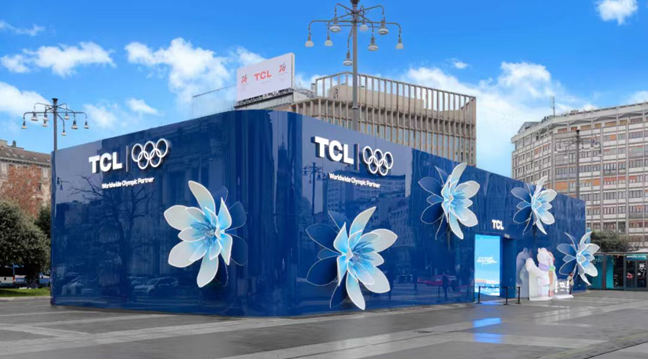
Core Insights - The 2026 Winter Olympics in Milan and Cortina is showcasing an increasing presence of Chinese technology products, positioning it as a "golden window" for Chinese manufacturing to demonstrate its technological strength globally [1] - Chinese brands, including TCL, Alibaba, and Anta, are actively participating as sponsors, reflecting their competitive strength and aggressive marketing strategies in the global market [1] Group 1: Chinese Technology Empowerment - TCL has joined the ranks of global partners for the Winter Olympics, integrating its technology and products into the event's operations and user experience [3] - The "Snow Velvet Wonderland" exhibition by TCL at Milan's central train station features innovative products like TVs, air conditioners, and AR/AI glasses, showcasing future technology [3][4] - TCL's "Olympic Screen Universe" initiative includes providing hundreds of large-screen TVs and digital signage for broadcasting, enhancing the viewing experience for athletes and spectators [4] Group 2: AI and Smart Solutions - The Winter Olympics is noted as the "smartest" in history, with Alibaba's AI model enhancing operational efficiency for national Olympic committees across 11 countries [5] - AI technology is also being utilized for high-precision reconstruction of snowy scenes during broadcasts, improving the clarity of fast-paced sports action [5] Group 3: Sports Marketing and Brand Promotion - TCL has signed Chinese freestyle skier Gu Ailing as its global brand ambassador and is sponsoring top athletes, leveraging the Olympics to promote its brand [6] - Other Chinese brands, such as Changhong and Midea, are also increasing their presence in winter sports marketing, with Changhong partnering with the International Ski Federation [7] - Chinese apparel brands are gaining visibility, with teams from various countries wearing outfits from brands like Li Ning and Anta during the opening ceremony [8] Group 4: Athlete Endorsements - Sports stars are becoming popular choices for brand endorsements, with Gu Ailing securing numerous deals post-2022 Beijing Olympics, highlighting the effectiveness of athlete endorsements over entertainment figures [9] - The marketing strategies of Chinese brands are evolving, with a need for more creativity and storytelling in their campaigns to enhance global appeal [9]