
TRON 2

Search documents
深圳机器人八企突围记
2 1 Shi Ji Jing Ji Bao Dao· 2026-02-27 23:08
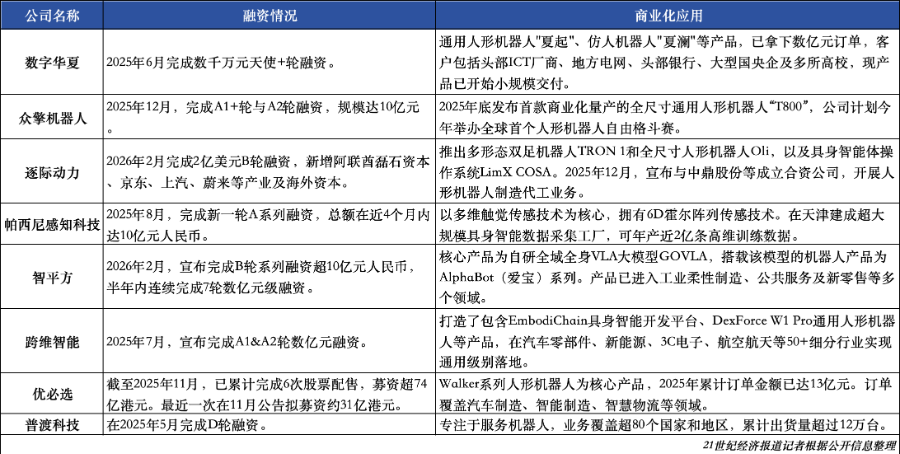
Group 1 - Cartwheel Robotics, a humanoid robot company founded in 2022, has ceased operations due to failed financing [1] - In contrast, Shenzhen's robot industry is thriving, with eight key companies achieving significant milestones in financing and technology commercialization [2][3] - The Shenzhen government aims to accelerate the development of a global AI hub, targeting over 10% growth in the AI industry cluster [2] Group 2 - The total financing in the embodied intelligence sector exceeded 50 billion yuan by October 2025, marking a growth of over 400% compared to the previous year [3] - Companies like Zhihui Square and Zhuji Dynamics have completed substantial funding rounds, with Zhihui Square's valuation surpassing 10 billion yuan [4] - UBTECH, recognized as the "first stock of humanoid robots," has raised over 7.4 billion HKD since its IPO, indicating strong market confidence in its commercial potential [4] Group 3 - Zhihui Square launched the GOVLA 0.5 model and the AlphaBot series, achieving over 50,000 hours of fault-free operation [5] - Zhuji Dynamics introduced the TRON 2 robot and the LimX COSA system, showcasing innovation in embodied intelligence [6] - UBTECH's Walker S2 robot features autonomous battery swapping technology, enhancing its operational efficiency in industrial settings [7] Group 4 - Shenzhen's "Robot Valley" benefits from a robust ecosystem of universities and research institutions, facilitating rapid development and innovation in robotics [8][9] - The city has established a financial service system to support the entire lifecycle of technological innovation, including a 2 billion yuan fund for AI and robotics [9][10] - By 2025, Shenzhen's robot industry is projected to achieve a 31.4% increase in added value, with industrial robot production expected to grow by 43.1% [10] Group 5 - Shenzhen's action plan aims to cultivate over 1,200 companies in the embodied intelligence sector by 2027, with a focus on creating more billion-dollar enterprises [10] - The city is committed to strengthening its position in AI technology, emphasizing the development of core technologies in algorithms, models, and intelligent robots [10]

一年分野,深圳机器人八企突围记
2 1 Shi Ji Jing Ji Bao Dao· 2026-02-26 07:58
Core Insights - The article highlights the contrasting fortunes of robotics companies in the US and China, with Cartwheel Robotics ceasing operations due to funding failures, while Shenzhen's robotics sector thrives with significant investments and technological advancements [1][2][3]. Company Developments - Cartwheel Robotics, founded in 2022, has shut down due to unsuccessful financing efforts [1]. - Shenzhen's robotics companies, including Digital Huaxia, Zhongqing Robotics, Zhijijia, and others, have seen varied trajectories, with some achieving significant funding and commercial success [3]. - Zhijijia has completed 12 rounds of financing, surpassing a valuation of 10 billion yuan, becoming Shenzhen's first embodied intelligence company to reach this milestone [5]. - Zhongqing Robotics raised 1 billion yuan in multiple financing rounds and launched the T800 humanoid robot, marking a significant step in commercialization [5][9]. - Digital Huaxia has secured orders worth hundreds of millions for its humanoid robots, indicating strong market demand [8]. Industry Trends - The embodied intelligence sector has experienced explosive growth, with total financing exceeding 50 billion yuan, a 400% increase from the previous year [4]. - Shenzhen's government aims to establish the city as a global leader in artificial intelligence, with a target of over 1,200 related enterprises by 2027 [13]. - The robotics industry in Shenzhen has shown robust growth, with a 31.4% increase in added value in the first three quarters of 2025 [12]. Technological Advancements - Companies are focusing on practical applications of robotics, with significant innovations in product development and technology upgrades [6]. - Zhijijia launched the GOVLA 0.5 model, while Zhongqing Robotics introduced the T800 humanoid robot, showcasing advancements in robotics technology [6][9]. - Cross-dimensional Intelligence has developed a model that achieved over 100 million yuan in revenue, indicating successful market penetration [7]. Market Applications - Shenzhen's robotics companies are expanding into various sectors, including industrial manufacturing, commercial services, and household applications [9]. - Digital Huaxia's robots are being utilized in government and banking sectors, while Zhijijia's modular service space is set to deploy 1,000 units in three years [9]. - The industry is increasingly focused on real-world applications, with companies like Pudu Technology and others achieving significant sales and international reach [9].

具身智能产业链跟踪(32):特斯拉官微预热OptimusV3亮相
Yin He Zheng Quan· 2026-02-09 13:27
Investment Rating - The report suggests a positive outlook on the embodied intelligence industry, highlighting potential investment opportunities in various companies within the sector [4][38]. Core Insights - The embodied intelligence market in China is rapidly growing, with expectations to exceed 1 trillion yuan by 2026, driven by significant technological advancements and capital investments [15][24]. - Key players in the industry are actively engaging in financing activities, indicating strong market interest and confidence in the sector's future [33]. - The report emphasizes the importance of application scenarios, particularly in industrial settings, where humanoid robots are expected to enhance efficiency and reduce labor costs [34]. Industry Market Review - The embodied intelligence index experienced a slight decline of 0.19% from February 2 to 6, 2026, ranking 14th among 31 industry indices, but has shown a year-to-date increase of 30.37%, outperforming the CSI 300 by approximately 7.52 percentage points [4][6]. - The static PE ratio of the embodied intelligence index was approximately 37.4 times as of February 6, 2026, indicating a valuation at historical median levels [7]. - The trading volume for the index constituents reached 14.04 billion shares during the same period, reflecting a 23.4% decrease week-on-week [7]. Industry Events Summary - Shenzhen Zhujidongli announced the completion of a $200 million financing round, focusing on the commercialization of humanoid robot technology [14]. - Songying Technology completed consecutive Pre-A and Pre-A+ financing rounds, with funds directed towards the development of its ORCA physical AI system [16]. - Tesla is set to unveil its third-generation humanoid robot, with an anticipated production capacity of 1 million units per year [18][19]. - Jingzhi Technology launched the Bolt, the world's fastest humanoid robot, achieving a peak speed of 10 m/s [20]. - The Beijing Humanoid Robot Innovation Center secured over 700 million yuan in its first round of market financing, marking a significant step towards commercialization [22]. Latest Industry Perspectives - The report highlights the increasing focus on the main machine manufacturers, with several companies achieving notable production milestones [33]. - Application scenarios are identified as a critical breakthrough point for the commercialization of embodied intelligence, particularly in industrial environments [34]. - The report notes the importance of dexterous hands in humanoid robots, which significantly impact their operational capabilities and cost structures [35]. - The core components of the industry, such as motors and reducers, have seen a rise in average PE ratios, indicating a competitive landscape with increasing entry of new players [36]. - The report emphasizes the need for technological breakthroughs in data training and simulation to overcome current limitations in the industry [37].

深圳教授造机器人,砍下14亿融资
2 1 Shi Ji Jing Ji Bao Dao· 2026-02-05 00:56
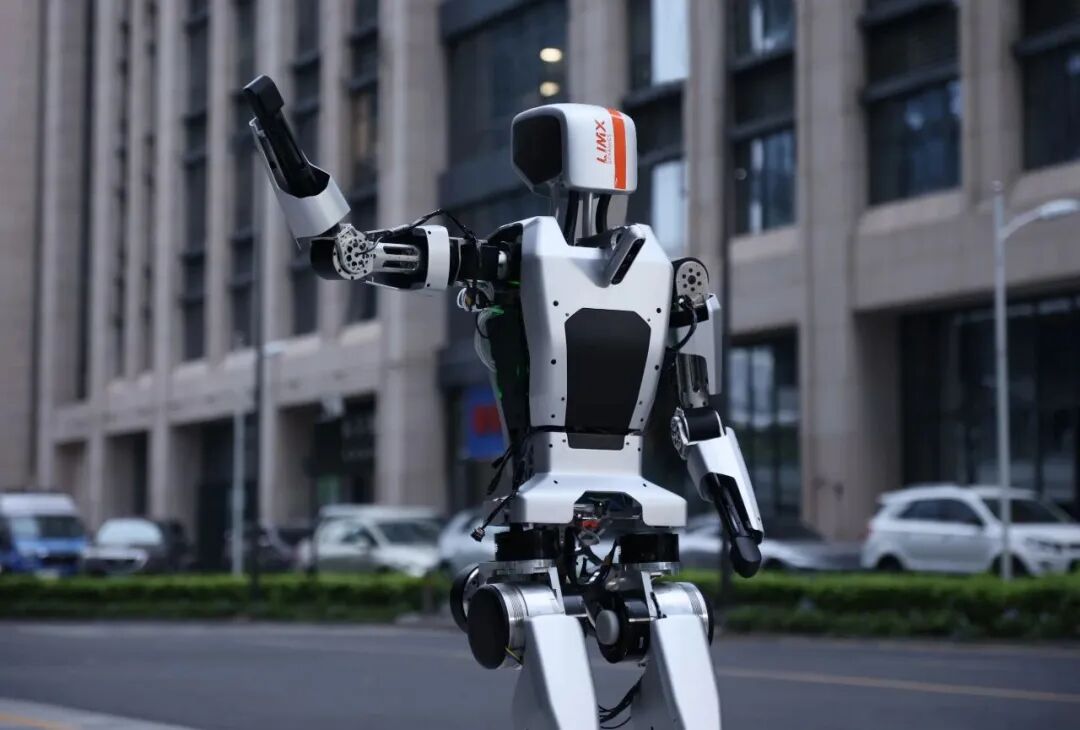
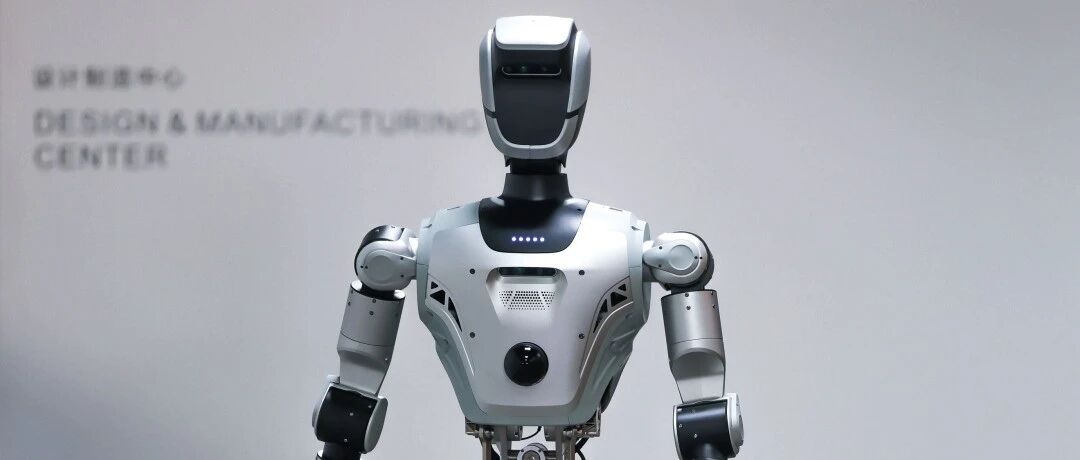
Core Insights - The article highlights the significant progress and funding achievements of Shenzhen-based robotics company, Zhujidi Dynamics, which recently completed a $200 million Series B financing round, equivalent to approximately 1.4 billion RMB [2] Group 1: Company Overview - Zhujidi Dynamics, founded by Zhang Wei, focuses on bipedal robotics and has a strong academic background in automation and robotics [4] - The company aims to develop humanoid robots with advanced motion control capabilities, utilizing a "cerebellum AI" approach to enhance performance and adaptability [4] Group 2: Product Development - The company has successfully tested its bipedal robot, PI, in various challenging terrains, leading to the development of the TRON 1, the world's first multi-modal bipedal robot [5] - The TRON 2, launched in December 2025, is priced starting at 49,800 RMB and features a modular design that allows for various configurations, enhancing its versatility [5] Group 3: Technological Innovations - The LimX COSA system, released in January, enables robots to think and act simultaneously, integrating a "cerebellum" for motion control and a "brain" for autonomous decision-making [7] - The company aims to provide a development platform akin to Windows for humanoid robots, allowing developers to easily access functionalities through APIs and SDKs [9]
2亿美元!人形机器人开年最大融资诞生!
Robot猎场备忘录· 2026-02-03 00:02
Core Viewpoint - LimX Dynamics, a leading humanoid robotics company in China, has successfully completed a $200 million (approximately 1.39 billion RMB) Series B financing round, setting a record for the largest single financing in the embodied intelligence sector in China by 2026 [2][5]. Financing and Investment - The Series B financing was backed by several renowned domestic and international institutions, including Stone Venture, Dongfang Fuhai, and JD.com, among others [2]. - Previous funding rounds included a strategic investment led by JD.com and a total of 500 million RMB raised in A and A+ rounds, with investors such as Alibaba Group and Lenovo Capital [5]. Company Overview - LimX Dynamics was established in Shenzhen in 2022, focusing on breakthroughs in core technologies that integrate embodied intelligence [5]. - The company aims to drive original innovation in general humanoid robots and modular base robots through product engineering and supply chain ecosystem development [5]. Product Innovations - **TRON 2**: A versatile, modular humanoid robot base that allows for rapid switching between various configurations (bipedal, quadrupedal, and wheeled) to adapt to different tasks and environments [6]. - **LimX COSA**: An embodied Agentic OS that integrates high-level cognitive and decision-making capabilities with full-body motion control, enabling robots to understand tasks and adapt to changing environments [7]. Data and Training Strategies - LimX Dynamics introduced the LimX Data Recipe strategy to address challenges in data scarcity and high collection costs in the embodied intelligence industry [8]. - **LimX VGM**: A video generation model that allows for training using human operation video data without requiring real machine samples [8]. - **LimX DreamActor**: A new training paradigm that enhances pre-training efficiency in simulation and ensures high success rates in real-world deployment [8]. Industry Context - The advancements in artificial intelligence and large model technologies are driving the current wave of embodied intelligence, with software algorithm improvements being crucial for enhancing humanoid robot functionalities [11]. - Companies with strong AI capabilities and a focus on hardware design are becoming increasingly attractive to investors, as evidenced by the significant funding received by such startups since 2025 [11].
人形机器人公司逐际动力完成2亿美元新融资,海外头部基金参与,上汽、蔚来加注
3 6 Ke· 2026-02-02 04:28
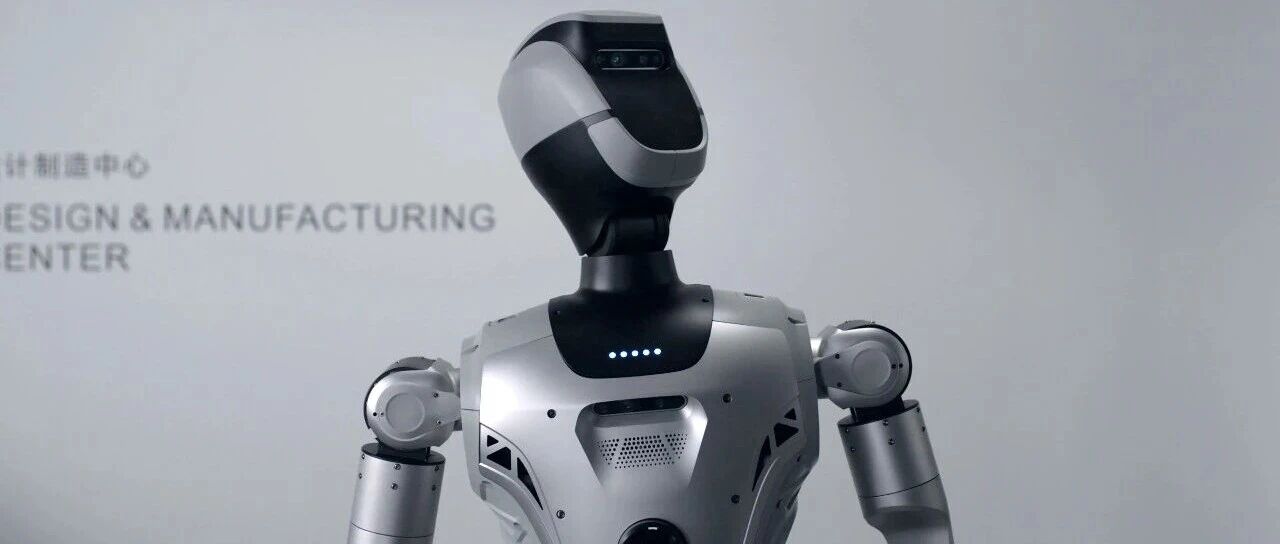
Core Insights - LimX Dynamics, a humanoid robotics company, has successfully completed a $200 million Series B funding round, with investors including Stone Venture, Dongfang Fuhai, and JD.com among others [1] - The robotics industry is at a critical juncture, transitioning from impressive demonstrations to practical, reliable applications in real-world environments [1][12] - LimX Dynamics has introduced two key technologies: the TRON 2 multi-modal humanoid robot and the LimX COSA operating system, aimed at addressing the "knowledge-action gap" in robotics [1][5] Funding and Investment - The Series B funding round attracted a diverse group of institutional investors and strategic industry partners, indicating strong confidence in the company's technology and market potential [1] - Existing shareholders, including SAIC Group and NIO Capital, have also increased their investments, reflecting ongoing support for the company's vision [1] Technological Advancements - TRON 2 features a modular architecture that allows for flexible reconfiguration, enabling it to adapt to various tasks without the need for entirely new designs [2][4] - The robot can switch between different forms, such as dual-arm and dual-leg configurations, to meet specific operational requirements, enhancing its versatility [2][4] - LimX COSA serves as the "brain" of the robot, enabling it to autonomously prioritize and execute complex tasks without relying on pre-programmed instructions [5][7] Market Positioning - LimX Dynamics aims to redefine the role of robotics in industries that require high adaptability and interaction, focusing on both B2B and B2C applications [12] - The company is leveraging China's supply chain advantages to accelerate the development of a localized ecosystem that includes developers, customers, and distribution channels [12] - The emphasis on creating reliable and natural interactions in everyday scenarios is crucial for the successful integration of robots into daily life [12]
逐际动力完成2亿美元B轮融资:中东资本入局,「本体硬件+大小脑技术」齐发力
IPO早知道· 2026-02-02 02:05
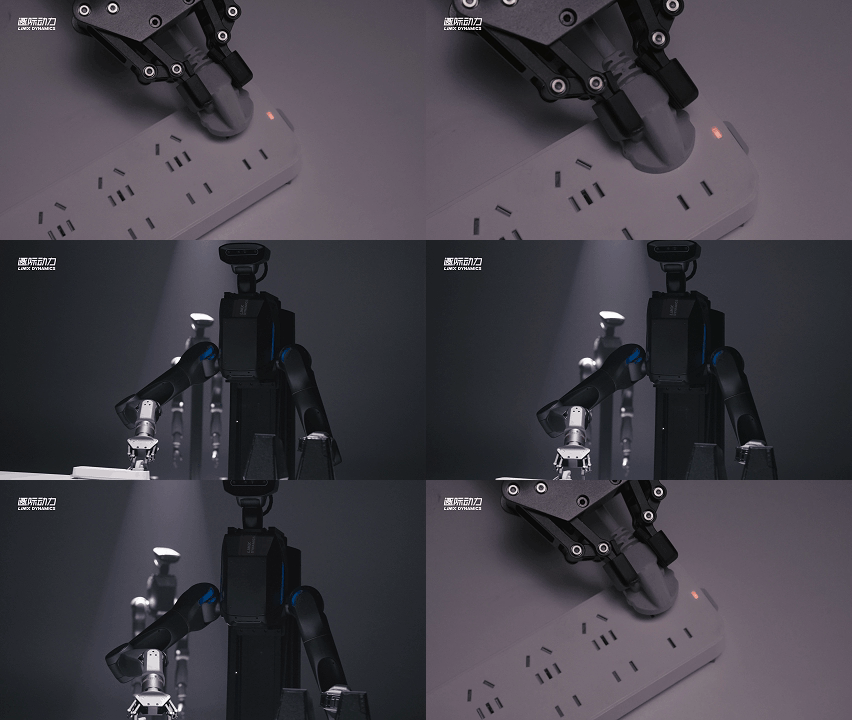
Core Insights - LimX Dynamics has completed a $200 million Series B financing round, with participation from various well-known domestic and international institutional investors, including Stone Venture, Dongfang Fuhai, and others [2] - The company plans to increase R&D and market investments by 2026, focusing on breakthroughs in core technologies related to embodied intelligence and humanoid robotics [4] Group 1: Company Overview - LimX Dynamics, established in 2022, is an AI-driven humanoid robotics company aiming to create full-size general-purpose humanoid robots and has developed innovative products like the multi-modal robot TRON [4] - The company emphasizes disruptive innovation in embodied intelligence, aiming to enhance the generalization capabilities of AGI in the physical world across various sectors, including research, manufacturing, and home applications [4] Group 2: Product Innovations - The TRON 2 robot features a modular design that allows for flexible combinations of various forms, enabling developers and industry users to quickly construct suitable robot shapes for different applications without the need for repeated hardware customization [6] - LimX COSA is an independently developed embodied Agentic OS that integrates high-level cognition, decision-making, and full-body motion control, allowing humanoid robots to understand tasks, perceive environments, and adjust decisions in real-time [8]
最新报告 | TrendForce人形机器人产业研究--1Q26季度报告出刊
TrendForce集邦· 2026-01-16 06:24
Core Insights - The humanoid robot industry is transitioning from functional exploration to commercial implementation by 2026, with significant technological differentiation and market expansion observed globally [2] - The focus has shifted from pure hardware development to integrated soft and hard solutions, driven by advancements in key components like high-capacity memory and electronic skin [2] Industry Dynamics - Developers are now prioritizing the practical application of humanoid robots, moving towards mass production and real-world use cases [3] - Companies like Figure AI and 1X are targeting the home market with robots that feature soft fabric coverings, while Chinese firms such as Yushu, Xiaopeng, Midea, and others are focusing on diverse forms to enhance operational efficiency in specific industrial or outdoor scenarios [3][8] Key Component Analysis - The cost structure of the humanoid robot supply chain is becoming clearer, with the motion layer accounting for approximately 55% of the BOM cost, followed by the cognitive layer at 23%, the sensing layer at 15%, and the power layer at 7% [4] - Memory specifications are increasing due to AI model demands, starting from 32GB and moving towards a mainstream of 64-128GB; core actuation components like planetary roller screws are becoming essential for high thrust requirements [4] Quarterly Trend Outlook - The first quarter of 2026 shows a trend towards practical and structural transformation in the humanoid robot industry, with manufacturers focusing on task execution capabilities post soft-hard integration [5] - Products with simpler designs that lower manufacturing barriers and provide commercial value are emerging, creating a faster path to mass production [5]

900亿,中国AI最快IPO诞生
投资界· 2026-01-09 03:30
Core Viewpoint - MiniMax has successfully launched on the Hong Kong Stock Exchange with an IPO price of 165 HKD per share, experiencing a surge of over 70% on its opening day, leading to a market capitalization exceeding 900 billion HKD. The public offering was oversubscribed by 1,837 times, attracting top-tier institutional investors globally [2][3]. Group 1: Company Background and Founding - MiniMax was founded in 2022 by Yan Junjie, a former executive at Shangtang, and has quickly become one of the fastest AI unicorns from establishment to IPO. Yan, born in 1989, is seen as a prominent figure in China's AI wave [2][3]. - The company aims to create intelligence collaboratively with everyone, as stated in its mission [8]. Group 2: Investment Journey - The investment journey of MiniMax has been marked by significant backing from prominent investors, with Mingshi Venture Capital participating in six funding rounds, making it the most involved institution in MiniMax's investment history [9]. - Mingshi's investment decision was influenced by the belief in the potential of AI, despite the market being at a low point for AI investments at the time [7][9]. Group 3: Strategic Insights and Innovations - MiniMax has adopted a unique approach by investing in a multi-modal development strategy, which carries inherent risks but reflects a commitment to innovation [8]. - The company has made significant strides in AI model development, particularly with the introduction of the MoE architecture, which has set a precedent for large-scale commercial deployment [11][12]. Group 4: Market Recognition and Future Outlook - The successful IPO of MiniMax is seen as a validation of the capabilities of Chinese AI companies on the global stage, with expectations for more undervalued Chinese tech firms to emerge [12][21]. - Mingshi Venture Capital believes that the next decade will see the rise of at least 150 Chinese tech companies among the world's top 500, with aspirations to partner with a third of these emerging leaders [21].

对近期重要经济金融新闻、行业事件、公司公告等进行点评:晨会纪要-20251224
Xiangcai Securities· 2025-12-24 02:43
Group 1: Machinery Industry - In November 2025, sales of construction machinery showed mixed results, with 8 products experiencing year-on-year growth while 4 declined, particularly driven by strong demand for cranes, which saw sales growth of 16.6% for truck cranes, 44.6% for all-terrain cranes, and 66.2% for crawler cranes, largely due to wind power installations and electrification trends [2][3] - Excavator sales in November increased by 13.9% year-on-year, with domestic sales up 9.1% and exports up 18.8%, attributed to recovering demand in Europe and the US, as well as sustained high demand in mining [2][3] - The loader segment also saw significant growth, with total sales up 32.1% year-on-year, driven by replacement demand and electrification, with electric loader penetration reaching approximately 25.7% in November [2][3] - Forklift sales rose by 14.1% year-on-year in November, with domestic sales increasing by 23.9%, primarily due to equipment upgrades and electrification [3] - The outlook for the machinery industry remains positive, with expectations of continued growth in domestic sales driven by major projects and overseas demand from emerging markets and mineral-rich countries [2][3] Group 2: Machine Tool Sector - In November 2025, the production of metal cutting machine tools was approximately 71,000 units, reflecting a year-on-year decline of 2.7%, while cumulative production from January to November reached 783,000 units, showing a year-on-year increase of 12.7% [4][5] - The production of metal forming machine tools in November was about 15,000 units, up 7.1% year-on-year, with cumulative production for the year at 161,000 units, also showing a year-on-year increase of 7.3% [4][5] - Fixed asset investment in the manufacturing sector grew by 1.9% year-on-year, maintaining positive growth, while manufacturing profits increased by 7.7% year-on-year, although the growth rate has slowed [5] Group 3: Robotics Industry - Industrial robot production in November 2025 reached approximately 70,000 units, marking a year-on-year increase of 20.6%, with cumulative production from January to November at 674,000 units, up 29.2% [5] - Strategic partnerships in the robotics sector are emerging, such as the collaboration between UBTECH and Texas Instruments, which aims to enhance the deployment of humanoid robots in manufacturing [5] - The introduction of innovative humanoid robots, such as the TRON 2 by Zhijidongli, showcases advancements in modular design and adaptability for various operational tasks [5] Group 4: Investment Recommendations - The manufacturing PMI in November rose by 0.2 percentage points to 49.2%, indicating a recovery in production and new orders, driven by the end of the National Day holiday effects and positive outcomes from US-China trade talks [6] - The report maintains a "buy" rating for the machinery sector, highlighting the potential for sustained growth in the construction machinery segment and the burgeoning humanoid robotics market [6]