Huan Qiu Shi Bao

Search documents
泰国看守总理:如达成一致,泰柬将签署停火声明
Huan Qiu Shi Bao· 2025-12-26 23:01
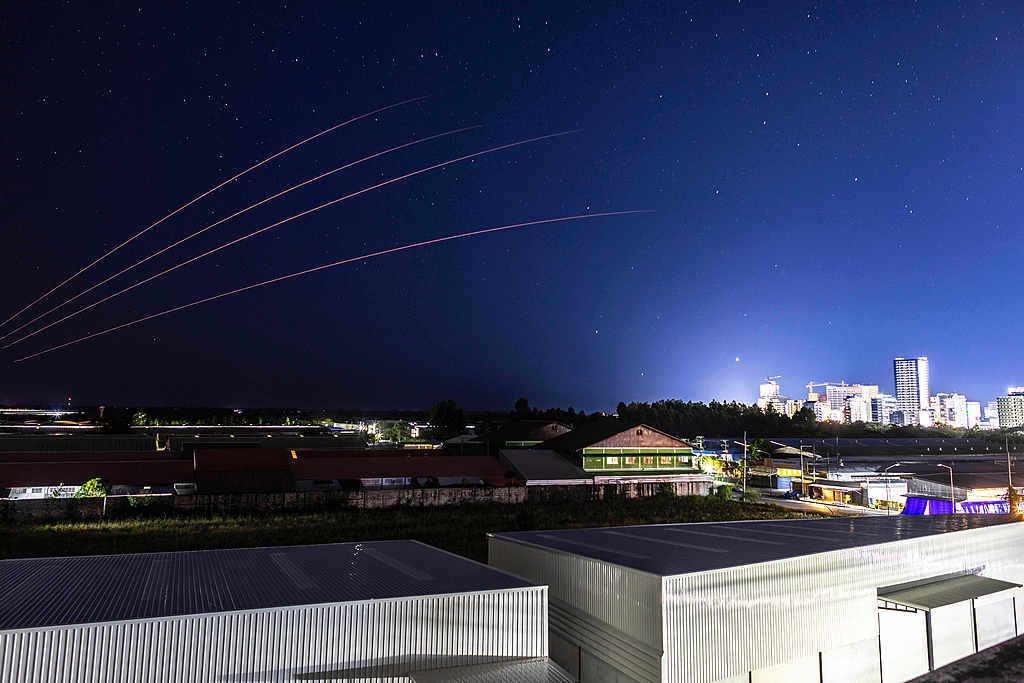
【环球时报驻柬埔寨特约记者 董开映 环球时报特约记者 任重】据柬埔寨《新鲜新闻》26日报道,柬泰边界事务联合委员会秘书处会议进入第三 天,双方继续深入讨论,以推动实现停火,并寻求解决方案。泰国看守总理阿努廷26日表示,泰国国防部长纳塔蓬·那帕尼27日将前往尖竹汶府边 境口岸出席边界总委员会会议,如泰柬双方在会议上达成一致,则将于当天签署停火声明。 据泰国《国家报》26日报道,过去两天,会谈气氛一直很紧张。两国边界事务联合委员会秘书处会议虽然已进行到第三天,但柬埔寨方面依然拒 绝泰国方面提出的三项停火条件:柬方必须首先宣布停火;停火必须是真诚、持续的;柬方必须在排雷行动中予以真诚合作。泰国国防部长纳塔 蓬此前表示,如果泰国的停火条件不被接受,泰国将不会签署任何和平协议。 两国的谈判并未改变前线紧张态势。《新鲜新闻》报道称,柬埔寨国防部26日通报,当天在该国班迭棉吉省部分地区,泰方F-16战机一小时内投 下40枚炸弹。此外,柬埔寨宗教事务部25日就柏威夏省一尊印度教毗湿奴神像被泰军拆除发表声明,谴责相关行为破坏文化遗产。《印度教徒 报》25日报道称,印度外交部表示,这种"不尊重神像的行为"不应发生,伤害了全球各地 ...

俄方称乌克兰要再征兵200万
Huan Qiu Shi Bao· 2025-12-26 23:01
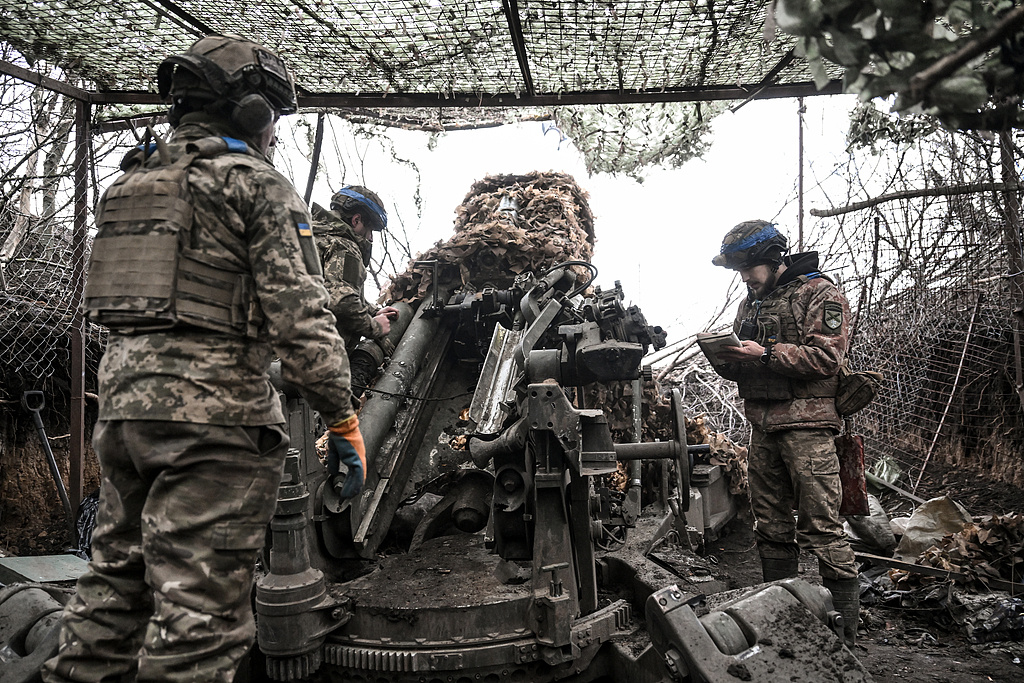
乌总统泽连斯基25日晚在视频讲话中称,他与美国特使威特科夫等人通话近一个小时,效果"非常好",双方讨论了诸多细节,有一些"好想 法"和"新想法"。26日,泽连斯基在社交媒体上发布消息表示,乌国家安全与国防委员会秘书乌梅罗夫已向其汇报与美方最新接触的情况。泽连斯 基称,他将在"不久的将来"与美国总统特朗普举行最高级别会晤。泽连斯基强调,双方已就近期举行会晤达成明确共识,且他预判"新年之前可能 会有很多事情得到解决"。 扎哈罗娃表示,乌克兰安全部门及征兵机构已接到指示,要求通过大幅缩减可豁免兵役的健康状况清单,"最大限度收紧征兵政策"。扎哈罗娃 称,这些举措"恐难解决乌军兵力损耗补充的系统性问题",并补充道,乌克兰民众参军意愿日益低迷,部分人甚至"宁愿入狱也不愿入伍"。 【环球时报特约记者 伊文】俄罗斯外交部25日称,乌克兰当局计划于2026年初征召200万人入伍。据俄罗斯卫星通讯社报道,当地时间25日,俄 罗斯外交部发言人扎哈罗娃在新闻发布会上表示,乌克兰或将很快启动全面动员,征兵部门已接到命令,要求在2026年初发放200万份征兵通知。 另据塔斯社报道,俄罗斯总统新闻秘书佩斯科夫25日表示,俄总统特别代表德米 ...
尹锡悦被韩国特检组求刑十年,韩国执政党:此次求刑不是终点,而是开始
Huan Qiu Shi Bao· 2025-12-26 23:01
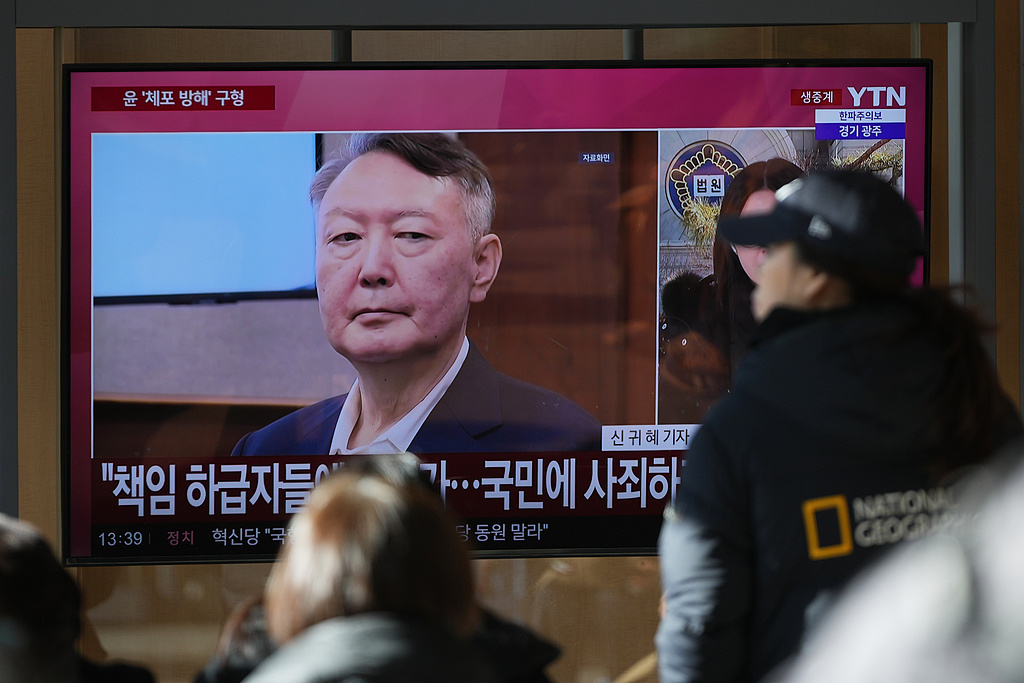
Group 1 - The core point of the article is that the South Korean special investigation team has requested a 10-year prison sentence for former President Yoon Suk-yeol for his involvement in the emergency martial law incident on December 3, which is the first sentencing request in four related trials [1][3] - The court is set to announce its verdict on January 16, which may serve as a "barometer" for subsequent related trials [1] - The special investigation team emphasized the severity of the crimes, stating that the actions of the former president severely undermined the legal order in South Korea and caused significant harm to the citizens who trusted him [3][4] Group 2 - The case against Yoon is divided into three parts: a 5-year sentence for obstructing the execution of an arrest warrant, a 3-year sentence for infringing on the rights of state councilors and providing false information to the media, and a 2-year sentence for fabricating martial law documents [3] - The prosecution highlighted that the former president's actions, including the privatization of the presidential guard and organized obstruction of court orders, are unprecedented and represent a serious violation of the law [3][4] - The Democratic Party of Korea has stated that the prosecution's request confirms the principle that those who trample on constitutional order must be held accountable, viewing it as a return to justice [5]
日本大幅增加防卫费,中方:暴露日本右翼势力险恶用心
Huan Qiu Shi Bao· 2025-12-26 23:01
Core Viewpoint - The Japanese government has approved a record defense budget exceeding 9 trillion yen for the fiscal year 2026, reflecting a significant shift towards military expansion and modernization in response to perceived threats, particularly from China [1][2][3]. Defense Budget Overview - The defense budget includes funding for various military enhancements, such as 1.001 billion yen allocated for a coastal defense system involving drones, and 11 billion yen for testing long-endurance drones to prevent airspace violations [1][2]. - An additional 301 billion yen is earmarked for acquiring long-range missiles, including hypersonic missiles, while 51 billion yen is designated for upgrading missile defense systems [2]. - The budget also plans to reorganize the Air Self-Defense Force into an "Aerospace Self-Defense Force," with 11 billion yen allocated for satellite interference monitoring equipment [2]. Strategic Implications - This budget marks the 14th consecutive year of defense spending increases in Japan, focusing on offensive capabilities and new operational strategies, including long-range strikes and enhanced air and naval forces [2][3]. - Analysts suggest that this shift represents a transformation from a "defensive" to an "active deterrent" military posture, potentially altering the regional security landscape [3]. Domestic and International Reactions - There is growing criticism from the international community regarding Japan's military expansion, with concerns that it reflects a resurgence of militarism [1][3]. - Domestic protests have emerged against the government's military spending, highlighting concerns over the economic burden on ordinary citizens and questioning the effectiveness of increased defense spending in ensuring national security [3].
2025,全球南方展现韧性与活力的一年
Huan Qiu Shi Bao· 2025-12-26 22:54
Core Insights - In 2025, the Global South is expected to emerge as a significant driver of global economic growth, achieving a 4.2% economic growth rate compared to the global average of 3.2% [3] - The Global South is increasingly forming a new cooperation pattern through trade, investment, and technology, with South-South trade growing by approximately 8% in the past year [4] - China is playing a pivotal role in supporting the Global South through market openness, cooperation platforms, and financial assistance, including a $4 billion increase in the South-South cooperation fund [13] Economic Growth - The Global South is projected to contribute about 80% of global economic growth in 2025, with a continued growth rate of around 4.0% expected in 2026 [3] - The shift in supply chains towards the Global South is evident, with significant investments from Chinese companies in manufacturing bases in Thailand [3] Trade and Cooperation - The Global South is accelerating the formation of a new cooperation framework, highlighted by events such as the Global South Financial Forum and the ASEAN-China-GCC Summit [4] - The share of South-South trade in global trade has surpassed one-third, with a tenfold increase over the past 30 years [4] Global Governance - The Global South is actively working towards a more equitable global governance system, with initiatives like the global governance proposal presented by China at the Shanghai Cooperation Organization meeting [6] - The G20 summit in South Africa marked a significant moment for the Global South, placing their development needs at the forefront of the agenda [7] Security and Stability - Amidst global security challenges, the Global South is taking proactive steps to improve international security dynamics, including condemning attacks in conflict zones and advocating for multilateralism [9] - The Global South is transitioning from a passive role in international security to becoming a proactive advocate for peace and security solutions [10] China's Role - China is enhancing its support for the Global South through various initiatives, including zero-tariff policies for least developed countries and hosting international trade expos [11][13] - China's defense modernization efforts are also contributing to the collective security of the Global South, reinforcing their ability to maintain independent development [14]
质疑声中,日本加速重启核电
Huan Qiu Shi Bao· 2025-12-25 23:01
Core Viewpoint - Japan's nuclear power sector is facing renewed scrutiny and public concern following a radioactive water leak incident at the "Puxian" reactor, coinciding with the government's plan to restart the Kashiwazaki-Kariwa nuclear power plant, the largest in the country, amid ongoing safety debates [1][2]. Group 1: Nuclear Power Restart Plans - The Kashiwazaki-Kariwa nuclear power plant is set to restart on January 20, 2024, with commercial operations expected to begin on February 26, 2024, marking the first restart of a nuclear unit since the Fukushima disaster in 2011 [1]. - The Japanese government is accelerating the nationwide push for nuclear power restarts to enhance energy security and manage rising living costs, driven by a significant increase in electricity demand from AI data centers [2]. Group 2: Economic Implications - Japan's reliance on fossil fuels has surged, with these sources accounting for 70% of the country's electricity needs, leading to a substantial import expenditure of 10.7 trillion yen (approximately 100 billion USD) on liquefied natural gas and coal last year [2]. - The high costs of fossil fuel imports are contributing to domestic inflation and posing challenges to the ruling Liberal Democratic Party's public support [2]. Group 3: Safety Concerns and Geographical Risks - Experts warn of significant geological risks associated with the Kashiwazaki-Kariwa nuclear power plant, which is located on a seismic fault line, raising concerns about the suitability of the site for nuclear facilities [3]. - There are unresolved issues regarding earthquake risks and the lack of credible evacuation plans, which remain critical challenges for Japan's nuclear safety management [3].
这个新年,美国消费者更节俭
Huan Qiu Shi Bao· 2025-12-25 23:01
Group 1 - The core consumer spending during the Christmas season in the U.S. is showing signs of weakness, with retail sales growth at 4.2%, lower than last year's 4.8% increase, and a real growth rate of only 2.2% after adjusting for inflation [1] - Foot traffic in physical retail stores has declined, with a 5.4% drop in visits during the last Saturday before Christmas compared to last year, indicating a shift towards more practical and frugal consumer behavior [1] - Despite the weak retail performance, the U.S. GDP growth in the third quarter reached its highest level in two years, primarily driven by strong consumer spending, although this growth is now under pressure due to rising living costs [1] Group 2 - Consumer spending supporting GDP growth is increasingly reliant on credit expansion, with 37% of Americans using loans to cover holiday expenses, and the average holiday debt rising to $1,223, the highest since 2022 [2] - The pressure from tariffs and high prices is impacting household budgets, leading to increased debt during the holiday season, as consumers find it difficult to forgo holiday traditions despite rising costs [2] - A significant portion of borrowers, 63%, expect to take three months or longer to pay off their holiday debt, with 41% still paying off last year's bills, which could lead to a heavy interest burden given the average credit card rates exceeding 20% [2]
出口额急剧下滑,供应链陷入风险,美关税棒打印度“玩具大国梦”
Huan Qiu Shi Bao· 2025-12-25 23:01
Core Viewpoint - The rapid growth of India's toy exports is facing significant challenges due to the recent imposition of high tariffs by the United States, which has led to a substantial decline in orders from American clients, jeopardizing India's ambition to become a global toy manufacturing hub [1][2]. Group 1: Impact of Tariffs - The U.S. imposed a 50% tariff on Indian toys due to India's continued purchase of Russian oil, resulting in a drastic drop in orders and a backlog of $20 million in undelivered goods [2][3]. - Many clients have either paused or canceled their orders following the tariff announcement, leading to a projected 15% decline in sales for the year, contrary to previous expectations of a 40% growth [2][3]. Group 2: Industry Challenges - India's toy industry, which was previously dominated by imports (with China accounting for about 70%), has seen a shift due to government initiatives aimed at boosting local manufacturing, including raising import tariffs from 20% to 70% [3][5]. - Despite a 42% increase in toy and sports goods exports since the introduction of the "National Toy Action Plan," the recent tariff changes have caused a significant drop in demand from the U.S., a key market for Indian toy exporters [3][4]. Group 3: Competitive Landscape - The Indian toy sector is highly fragmented, consisting mainly of small and medium-sized enterprises, which affects standardization, quality control, and brand recognition [6]. - Indian manufacturers face challenges such as reliance on outdated production methods and higher costs for raw materials compared to China, which undermines their competitiveness in the global market [5][6]. Group 4: Future Outlook - To remain competitive, Indian toy exporters are adjusting by lowering prices and simplifying designs, but these measures may not be sufficient to retain long-term business relationships and supply chain collaborations [4][6]. - The industry's ability to adapt to new markets and improve product design and cost structures will be crucial for overcoming the current challenges posed by high tariffs [4][6].
【环时深度】2025,美国国家认同撕裂的一年
Huan Qiu Shi Bao· 2025-12-25 23:01
Core Viewpoint - The article discusses the deepening political and social divisions in the United States, particularly in the context of the 2025 political landscape under President Trump's administration, highlighting a crisis of trust and identity among the American populace [1][2][4]. Group 1: Trust Crisis - The U.S. is experiencing a significant trust crisis, with over 60% of respondents in a recent survey believing that the political system is too divided to address national issues [4]. - The longest government shutdown in U.S. history occurred in 2025, lasting 43 days due to partisan disagreements, reflecting a "functional paralysis" in the legislative process [2]. - Large-scale protests have erupted across the country, with millions participating in demonstrations against the Trump administration's policies, indicating widespread discontent [2][3]. Group 2: Political Violence and Polarization - Political violence has surged, exemplified by the assassination of conservative activist Charlie Kirk, which has intensified discussions around hate speech and political polarization [4]. - The article notes a pattern of increasing political violence, including multiple assassination attempts and violent incidents targeting political figures, suggesting a deteriorating political climate [4]. - The division between supporters of the Democratic and Republican parties has become stark, with each side increasingly viewing the other as fundamentally opposed [6]. Group 3: Identity Crisis - The concept of "two Americas" has emerged, with stark contrasts in national identity between those aligned with Democratic values and those supporting Trump's "Make America Great Again" movement [6]. - This identity crisis is reflected in four key areas: political party opposition, racial divides, cultural conflicts, and differing attitudes towards immigration [6]. - The fragmentation of national identity is exacerbated by new factors such as economic oligarchy, generational differences, and the influence of social media [7][8]. Group 4: Future Outlook - The potential for further social discord is anticipated in 2026, with ongoing economic issues and upcoming elections likely to exacerbate existing tensions [10][11]. - The article suggests that without a unifying political figure capable of bridging divides, the polarization and identity crisis in the U.S. may continue to worsen [11].
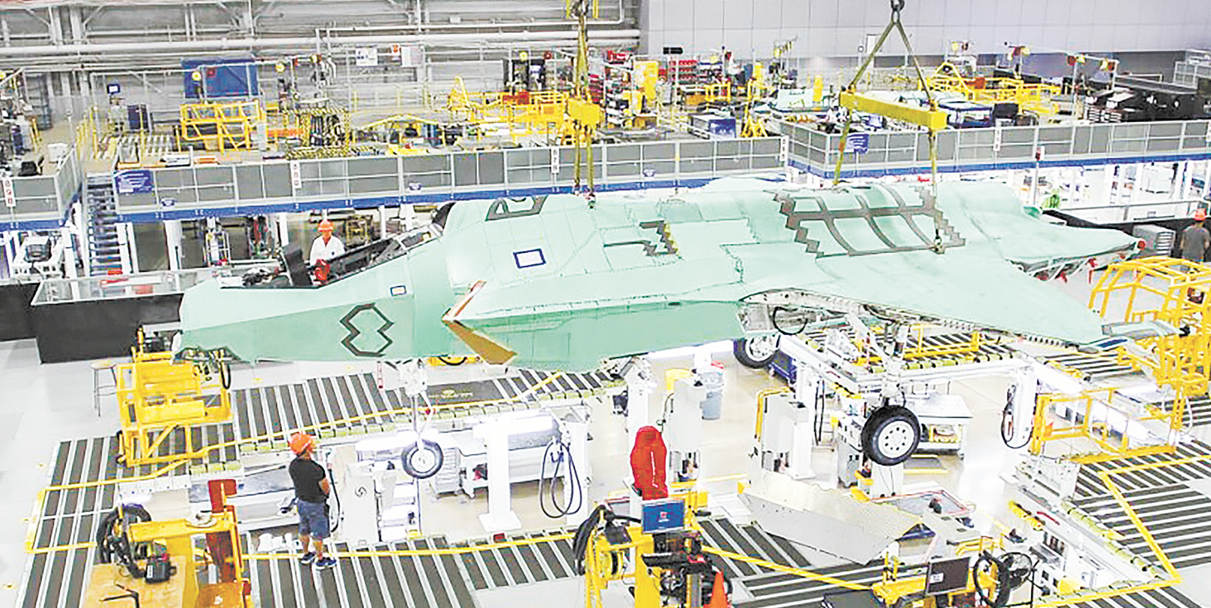
五角大楼监管不力,多个盟友取消订单,美报告:F-35“去年有一半时间无法升空”
Huan Qiu Shi Bao· 2025-12-25 22:54
Core Viewpoint - The F-35 stealth fighter program, the most expensive military procurement in U.S. history, is facing significant operational challenges, including low mission readiness rates, delivery delays, and soaring costs, which are impacting both U.S. military readiness and allied nations' plans [1][5][8]. Group 1: Mission Readiness and Performance - The average mission execution rate of the F-35 fighter jets is projected to be significantly below the U.S. military's minimum standard of 67%, with recent statistics indicating it has been around 55% in recent years, and is expected to drop further in 2024 [2][4]. - The low mission readiness is attributed to maintenance deficiencies by Lockheed Martin, which has not been held accountable for its poor performance under existing contracts [4][5]. Group 2: Cost and Procurement Issues - The total lifecycle cost of the F-35 program is expected to exceed $2 trillion, with reliability issues and high operational costs potentially hindering the planned procurement quantities [5][6]. - The U.S. Air Force is considering significant reductions in F-35 procurement, with the 2026 fiscal year procurement quantity already cut by half, and further reductions anticipated over the next decade [5][6]. Group 3: Delivery Delays - The F-35 program is experiencing severe delivery delays, with aircraft delivered in 2023 averaging 61 days late, and projections for 2024 indicating an average delay of 238 days [6][7]. - These delays are primarily attributed to hardware and software upgrade issues, which have also increased production costs and postponed the timeline for enhanced capabilities by five years [6][7]. Group 4: Impact on Allies - The ongoing issues with the F-35 program are prompting U.S. allies to reconsider their procurement plans, with countries like Spain and Switzerland either canceling or reducing their orders [8][9]. - Allies are increasingly looking towards alternative solutions, including joint development of new fighter jets and proven aircraft models, due to the F-35's reliability and cost challenges [8][9].