Jing Ji Ri Bao

Search documents
扎实推进“一国两制”实践和祖国统一大业
Jing Ji Ri Bao· 2025-12-29 22:17
Core Viewpoint - The article emphasizes the importance of the "One Country, Two Systems" policy as a strategic framework for national rejuvenation and unification, highlighting its role in maintaining stability and prosperity in Hong Kong and Macau while contributing to the overall development of the nation [1][2][7]. Group 1: Implementation of "One Country, Two Systems" - The "One Country, Two Systems" policy is a significant achievement of socialism with Chinese characteristics, aligning with the fundamental interests of the nation and the people, and is essential for the long-term stability of Hong Kong and Macau [2]. - The policy must be implemented accurately and unwaveringly, ensuring that it does not deviate from its original intent, with a focus on maintaining national sovereignty, security, and development interests [3][4]. Group 2: Integration with National Development - Hong Kong and Macau's integration into the national development framework is essential, providing them with unique advantages and aligning their interests with those of the nation [5]. - The construction of the Guangdong-Hong Kong-Macau Greater Bay Area enhances the resilience of Hong Kong and Macau's development, ensuring they have a solid backing from the nation amid global economic fluctuations [5]. Group 3: Achievements and Progress - Since their return to the motherland, Hong Kong and Macau have successfully implemented the "One Country, Two Systems" policy, leading to significant improvements in governance, economic growth, and social stability [7][8]. - Hong Kong's GDP has grown at an average annual rate of approximately 2.6% since its return, surpassing the average growth rate of developed economies during the same period [9]. Group 4: Strengthening National Identity and Values - There is a growing emphasis on patriotism and national identity in Hong Kong and Macau, with educational initiatives aimed at instilling a sense of belonging and understanding of national history among the youth [11]. - The promotion of core values related to patriotism is seen as essential for the long-term success of the "One Country, Two Systems" policy and for fostering a unified national identity [11]. Group 5: Future Directions and Challenges - The article outlines the need for continued exploration of the "One Country, Two Systems" framework as a model for peaceful unification with Taiwan, emphasizing the importance of addressing differences while promoting cooperation [12][16]. - It calls for deepening cross-strait integration and cultural exchanges to enhance mutual understanding and support for national rejuvenation efforts [14][15].
我国首个年注碳百万吨油田诞生 CCUS技术规模化应用迈出关键一步
Jing Ji Ri Bao· 2025-12-29 22:02
Group 1 - The core point of the article highlights that China's Xinjiang Oilfield has become the first oilfield in the country to achieve an annual carbon dioxide injection volume exceeding 1 million tons by the end of December 2025, marking a significant step in the large-scale application of CCUS technology [2] - The CCUS technology involves capturing and purifying carbon dioxide emissions from production processes, which are then reused and stored, enhancing oil recovery efficiency compared to traditional water flooding methods, thus achieving a win-win situation of emission reduction and production increase [2] - Since the early 2000s, the Xinjiang Oilfield has been pioneering the exploration of carbon dioxide enhanced oil recovery, overcoming various technical challenges related to geological reservoirs and process adaptation, with the annual carbon injection volume increasing from 126,000 tons in 2022 to 1 million tons in 2025, and a cumulative injection of over 2 million tons of carbon dioxide [2]


快递包装“瘦”下去“绿”起来
Jing Ji Ri Bao· 2025-12-29 22:02
Core Viewpoint - The express delivery industry in China is undergoing a significant green transformation, focusing on reducing packaging waste and enhancing sustainability through various innovative practices and regulatory frameworks [1][3][7]. Group 1: Industry Achievements - During the "14th Five-Year Plan" period, the express delivery sector achieved full coverage of electronic waybills and reusable packaging, with over 800 million recycled cardboard boxes annually [1]. - The standardization rate of express packaging reached 86%, and intelligent packing algorithms reduced material consumption by nearly 20% [2][3]. - Major companies like JD, SF, and Yunda have implemented green packaging initiatives, including the use of narrow tape and recycling boxes, with Yunda setting up over 20,000 recycling devices nationwide [2][3]. Group 2: Regulatory Framework - The introduction of three laws, 15 standards, and nine policies during the "14th Five-Year Plan" has established a comprehensive regulatory framework for green practices in the postal industry [3]. - The revised "Interim Regulations on Express Delivery" emphasizes the creation of a green and energy-efficient express service system, covering the entire lifecycle of packaging from design to disposal [3][6]. Group 3: Technological Innovations - The industry is leveraging technology to enhance packaging efficiency, such as using bamboo film bags that are 15% cheaper than traditional plastic bags and have higher durability [4]. - Smart algorithms in warehouses are optimizing packaging sizes, achieving a volume utilization rate of 90% and reducing material usage by approximately 20% [4][5]. Group 4: Collaborative Efforts - The postal industry is promoting collaboration with upstream e-commerce companies to minimize excessive packaging and enhance resource efficiency [5][6]. - The establishment of a green supply chain is encouraged through industry associations, aiming for a unified approach to packaging governance [7].
数智服务改变城市清洁模式——盈峰环境聚力智能环卫装备生产
Jing Ji Ri Bao· 2025-12-29 22:01
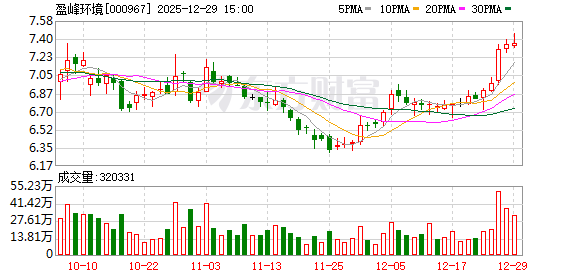
Core Insights - The company, Yingfeng Environmental Technology Group, has developed intelligent cleaning robots that can autonomously perform over 20 core tasks, winning 7 awards at the 2025 Shenzhen International AI Sanitation Robot Competition [2] - The sanitation industry is evolving from a perception of being "dirty and chaotic" to a model characterized by "intelligence, cleanliness, and beauty," driven by technologies such as 5G, AI, and IoT [2] Group 1: Intelligent Cleaning Solutions - The "Little Bee" robot operates without human intervention, efficiently completing cleaning tasks that previously required multiple workers and hours of labor [3] - The "Bee Cluster" system, which includes various models of cleaning robots, has been implemented in over 60 cities across more than 20 provinces in China, addressing challenges like rising labor costs and insufficient management [4] - The "Bee Nest" smart central platform enables coordinated operations among multiple AI devices, enhancing urban service capabilities [5] Group 2: Snow Removal Equipment - The "Snow Dragon" series of snow removal equipment has been deployed in over 20 provinces, effectively managing severe winter weather conditions [7] - The equipment features advanced materials and design, improving efficiency by clearing 5 more kilometers of snow per hour compared to traditional models [8] - A smart cloud platform allows for real-time monitoring and adjustment of snow removal operations, enhancing response times and service quality [9] Group 3: Focus on Carbon Neutrality - Yingfeng Environmental is committed to developing new energy sanitation vehicles, having launched the first pure electric street sweeper in China in 2008 [10] - The company has achieved significant advancements in noise reduction technology for its cleaning vehicles, aiming for a noise level of 74 decibels [11] - From January to November of this year, the company sold 3,865 units of new energy sanitation equipment, with products being exported to Southeast Asia, Central Asia, and Europe [12]

数智服务改变城市清洁模式
Jing Ji Ri Bao· 2025-12-29 22:00
Core Insights - The company has developed advanced cleaning robots, such as "Little Bee" and "Little Yellow Bee," which can autonomously perform over 20 core tasks, including cleaning, dumping, and charging, showcasing a shift in the sanitation industry towards intelligent and efficient solutions [1][2] - The "Bee Cluster" system, which includes various models of cleaning robots and an AI-driven central platform, has been implemented in over 60 cities across more than 20 provinces in China, addressing challenges like rising labor costs and insufficient management in traditional sanitation methods [3][4] Group 1: Smart Cleaning Solutions - The "Little Bee" robots are equipped with laser radar and 360-degree cameras for real-time environmental scanning and can complete cleaning tasks in significantly less time compared to human workers, reducing a 4-hour task to just 2.5 hours [2] - The "Bee Cluster" system allows for coordinated operations of multiple robots, enhancing the complexity and efficiency of urban services [4] Group 2: Snow Removal Equipment - The "Snow Dragon" series of snow removal equipment has been deployed in various provinces, effectively managing severe winter conditions by clearing snow immediately after it falls, thus ensuring road safety [5][6] - The "Snow Dragon" vehicles are designed with high-strength materials and advanced features that improve snow clearing efficiency by 20% compared to industry standards, allowing for faster road clearance [6] Group 3: Technological Innovations - The company has focused on developing low-noise, energy-efficient cleaning vehicles, such as the "Tornado" street sweeper, which aims to reduce operational noise to 74 decibels, addressing community concerns during nighttime operations [8][9] - The "Tornado" technology has undergone extensive testing and development, resulting in a product that is now widely used in over a hundred cities, with significant sales figures reported [9] Group 4: Environmental Commitment - The company emphasizes its commitment to carbon neutrality by continuously upgrading its electric sanitation equipment, which has led to a total sales volume of 3,865 units from January to November this year [8][9] - The company’s products are not only leading in the domestic market but are also being exported to Southeast Asia, Central Asia, and Europe, reflecting its global outreach and environmental mission [9]
企业凭什么抢滩AI玩具赛道
Jing Ji Ri Bao· 2025-12-29 22:00
萌趣的毛绒公仔,能变换表情,陪用户聊天解闷;智能机器狗,既会唱歌跳舞讲故事、实时回答问题, 也是孩子的"成长搭子"……在消费市场中,这些能互动、能养成的AI玩具正受到越来越多消费者欢迎。 京东平台数据显示,2025年上半年,AI玩具销量环比增长6倍,同比增速超200%。 AI玩具火爆的背后是技术的突破,一些大模型技术日趋成熟,以及芯片、传感器等硬件成本下降等, 为玩具智能化与情感化提供了可行性;同时也反映了消费市场的变革,现代年轻人更愿意为"情 绪"和"依赖感"付费,AI玩具精准踩中消费者需求,为其提供个性化、沉浸式的学习、陪伴或娱乐体 验。 随着AI玩具赛道热度上升,资本蜂拥而至,创业者摩拳擦掌。据不完全统计,2024年至今,国内AI玩 具赛道至少超30起投融资事件,其中2025年以来的主要投融资就有16起,且不乏多起亿元级、千万元级 投资。同时,不少科技创新企业、传统玩具厂商、互联网科技公司等争相入局,试图取得一席之地。前 瞻产业研究院发布的报告显示,截至2025年6月,我国AI玩具存续/在业企业数量已经达到1766家。 热潮之下,AI玩具赛道隐忧也在显现。从产品设计来看,部分企业为AI而AI,热衷堆砌传 ...
别被网红玫瑰盐迷了眼
Jing Ji Ri Bao· 2025-12-29 11:19
Core Viewpoint - The rise of rose salt as a trendy seasoning has been marred by health risks due to heavy metal contamination, highlighting multiple concerns in the influencer-driven food market [1][3]. Group 1: Marketing and Consumer Psychology - The popularity of rose salt is driven by effective marketing that taps into consumer psychology, emphasizing its "natural" and "mineral-rich" qualities [2]. - The unique pink color of rose salt appeals to the aesthetic preferences of consumers, transforming it into a social media symbol rather than just a seasoning [2]. - The marketing narrative surrounding Himalayan salt exploits consumer anxieties about industrial food, leading to misconceptions that higher prices equate to better nutrition [2]. Group 2: Health Risks - Rose salt does not meet national standards for edible salt, particularly in terms of color and purity, posing significant health risks [3]. - The high levels of heavy metals such as lead and arsenic in rose salt can lead to serious health issues, including potential damage to the nervous system and kidneys [3]. - Rose salt lacks the necessary sodium chloride content to be classified as edible salt and contains numerous insoluble impurities, which may increase the metabolic burden on the kidneys [3]. Group 3: Regulatory Issues - The recent food safety concerns reveal regulatory gaps, particularly in cross-border e-commerce, where differences in food standards are exploited by sellers [4]. - Some merchants import rose salt under the guise of "industrial salt" to bypass national food safety regulations, subsequently selling it as food [4]. - E-commerce platforms categorize rose salt as "imported seasoning" or "health products," allowing sales without proper safety certifications, while misleading marketing claims proliferate [4]. Group 4: Recommendations for Safety - Regulatory bodies need to enhance food safety regulations for cross-border e-commerce, clarifying the distinction between industrial and edible salt [5]. - E-commerce platforms should enforce stricter product labeling requirements and eliminate misleading advertising practices [5]. - Consumers are encouraged to prioritize standard-compliant, affordable salt options over trendy products, focusing on scientific understanding rather than marketing allure [5].
金观平:扩大内需与扩大开放并不矛盾
Jing Ji Ri Bao· 2025-12-29 09:07
Core Viewpoint - The relationship between expanding domestic demand and opening up to the outside world is crucial for China's economic response to various risks and challenges, ensuring a good start for the "14th Five-Year Plan" and achieving high-quality development [1] Group 1: Importance of Domestic Demand - Domestic demand is the fundamental driving force for China's economic development, with the central economic work conference prioritizing "domestic demand as the mainstay, building a strong domestic market" as a key task for 2026, highlighting the urgency of expanding domestic demand [1] - A strong and stable domestic demand market provides a "strategic depth" for expanding openness, as substantial domestic consumption and investment can absorb international quality goods and services, smoothing economic fluctuations and enhancing China's voice in the international economic system [1] Group 2: Synergy Between Domestic Demand and Openness - Expanding domestic demand and opening up are not contradictory; rather, they are mutually reinforcing and form an organic unity that drives sustainable economic development [2] - A smoother domestic circulation creates a gravitational field for global resources, facilitating the construction of a new development pattern that promotes both domestic and international dual circulation [2] - Historical growth periods in China's economy have coincided with coordinated expansion of domestic demand and openness, indicating that this synergy is both a historical lesson and a current necessity [2] Group 3: Balancing Demand and Supply - Correctly handling the relationship between expanding domestic demand and opening up requires achieving a higher-level dynamic balance where demand drives supply and supply creates demand [3] - Achieving this balance is challenging, as historical lessons remind that expanding domestic demand should adhere to market-oriented reforms, breaking industry monopolies and local protectionism to ensure growth is based on efficiency and innovation [3] - When expanding openness, it is essential to coordinate development and security within a robust risk prevention system to ensure the stability and sustainability of the Chinese economy [3]
国家金融监督管理总局:规范融资租赁强服务防风险
Jing Ji Ri Bao· 2025-12-29 06:00
专家表示,《办法》加强对与租赁物相关业务的管理要求,旨在树立鲜明导向,引导金融租赁公司紧紧 围绕企业设备资产需求,贴近产业、服务产业、深耕产业,逐步形成产业特色突出的金融服务模式。 为规范售后回租业务经营行为,防范租赁物权属瑕疵、估值虚高等问题与风险,《办法》要求,在尽职 调查阶段,金融租赁公司须核实承租人对租赁物的所有权,做好租赁物价值评估管理,严禁低值高估; 在审查审批阶段,要求售后回租业务金额不得高于租赁物价值,并做好对租赁物适格性、所有权转移真 实性、承租人融资和租赁物使用需求真实性、合法性和合理性审查;在合同执行阶段,要求金融租赁公 司重点做好资金用途监测和管理,防止资金挪用等问题。 中国社会科学院金融研究所银行研究室主任李广子认为,融资租赁将融资和融物有机结合,能够有效缓 解资金供求双方的信息不对称,降低金融风险;同时,通过将融资和融物相结合,融资租赁能够确保金 融服务融入生产经营真实场景,防止资金在金融体系空转,提高服务实体经济效率。 近期,国家金融监督管理总局发布《金融租赁公司融资租赁业务管理办法》(以下简称《办法》)。 《办法》有利于引导金融租赁公司发挥"融资+融物"独特功能,专注主业,做精 ...
内蒙古呼和浩特:产业三维发展显效应
Jing Ji Ri Bao· 2025-12-29 03:14
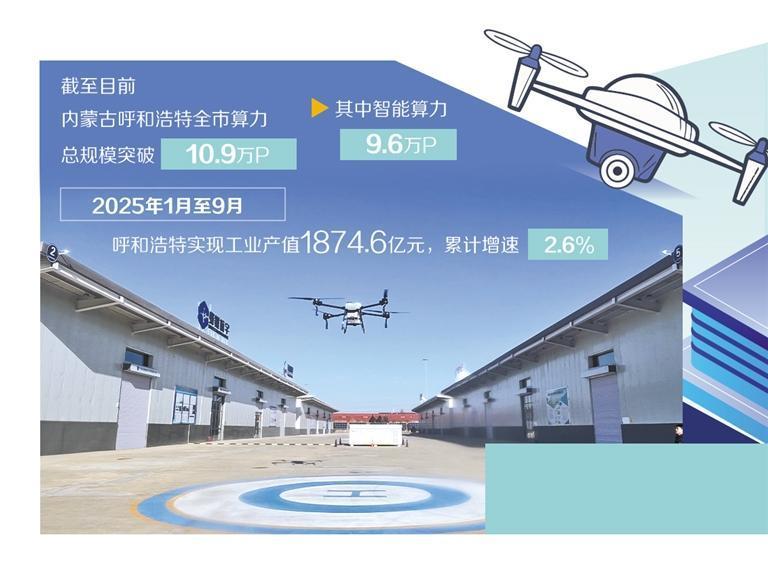
Group 1: Economic Development Strategy - Hohhot City in Inner Mongolia is focusing on a modern industrial system, promoting six industrial clusters: green agricultural and livestock product processing, new energy, new materials, biomedicine, next-generation information technology, and modern equipment manufacturing [1] - The city aims to achieve high-end, intelligent, and green transformation of industries through chain integration, regional collaboration, and innovation-driven approaches, forming a three-dimensional development model of "traditional industry upgrade + emerging industry breakthrough + future industry cultivation" [1] Group 2: Low-altitude Economy and Drone Industry - Zhongyi Low-altitude Technology (Inner Mongolia) Co., Ltd. has begun operations and is producing multi-rotor drones for various applications, including agricultural protection [3] - The company is collaborating with local vocational colleges to establish training bases, allowing students to gain practical experience in assembly, maintenance, and operation of drones [3] - Hohhot has favorable conditions for low-altitude economic development, with a solid industrial and talent foundation [3] Group 3: AI and Data Industry Development - The Inner Mongolia AI Model Innovation Space has signed contracts with 10 companies and is attracting more businesses in the AI industry, focusing on model technology research and talent cultivation [4] - The space aims to create a comprehensive ecosystem covering computing resources, development tools, adaptation centers, and application scenarios, facilitating the transition of large-scale algorithm applications from labs to industry [4] - Hohhot's total computing power has exceeded 109,000 P, with intelligent computing power at 96,000 P, and over 80% of data center electricity coming from green sources [5] Group 4: Investment and Industrial Growth - Hohhot has signed 18 projects in the low-altitude equipment manufacturing sector with a total investment of 7.59 billion, expecting to produce an additional output value of 1.03 billion [5] - From January to September 2025, Hohhot achieved an industrial output value of 187.46 billion, with a cumulative growth rate of 2.6%, accounting for 94.5% of the city's total industrial output [5] - The city is implementing 540 key industrial projects with an investment completion of 70.33 billion, showcasing strong development resilience [5]