
Xiao Fei Ri Bao Wang

Search documents
推动中国设计走向世界
Xiao Fei Ri Bao Wang· 2025-09-19 03:09
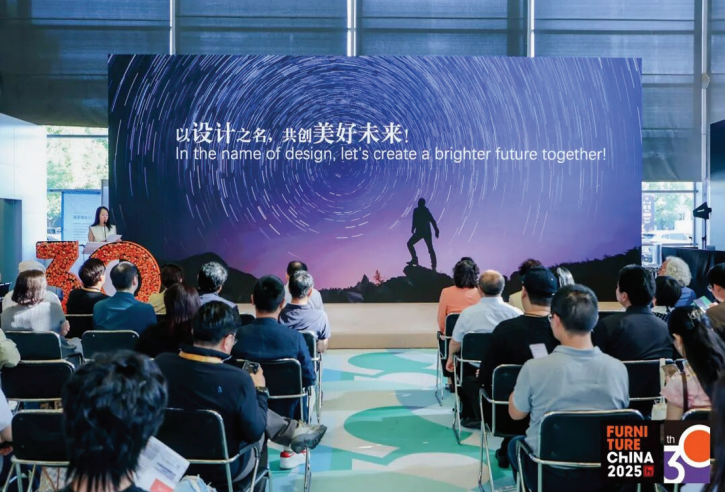
Core Insights - The "Design Ecosystem" 2025 China Furniture Association Design Work Committee Annual Meeting and the Jin Axe China Home Products Innovation Competition Award Ceremony were recently held in Shanghai, emphasizing the importance of design in the furniture industry [2][3] - The Design Work Committee has been instrumental in integrating design value with industrial development over the past 19 years, aiming to build a platform for innovation and collaboration [2] - The Jin Axe competition saw significant participation growth, indicating a strong interest in original design and innovation within the industry [3][4] Group 1 - Xu Xiangnan, Chairman of the China Furniture Association, highlighted the committee's role in fostering a design ecosystem that stimulates industry growth and encourages designers to contribute to China's goal of becoming a design powerhouse [2] - The committee's report detailed achievements in talent promotion, design competitions, and international exhibitions, with plans for further initiatives to enhance its influence [2][5] - The competition received 168 entries, with 28 individual product awards and 3 combination product awards, showcasing the industry's commitment to quality and innovation [4] Group 2 - Zhong Beihong, CEO of Shanghai Bohua International Exhibition Co., emphasized the focus on design leadership in the industry and the upgraded Jin Axe competition, which attracted more participants than the previous year [3] - Xu Baiming, Vice Chairman of the Design Work Committee, discussed the need for contemporary Chinese furniture design to balance cultural heritage, social needs, and sustainability, aiming for a design system with international influence [3] - Liang Weida, Chairman of Dongguan Jinda Furniture Co., shared insights on the evolution of the William Yunshang brand, focusing on the importance of design in transitioning from manufacturing to creation [4]

《钢钉》国家标准修订工作正式启动
Xiao Fei Ri Bao Wang· 2025-09-19 03:08
Group 1 - The National Standard Drafting Group for "Steel Nails" held its first working meeting in Xingtai, Hebei, focusing on the revision of the national standard [1] - The meeting emphasized the importance of high-quality development in the steel nail industry and aimed to create standards that are recognized both domestically and internationally [2][3] - Key figures from the hardware industry, including Zhang Dongli and Xu Zhichao, participated in the meeting, discussing the current state and development trends of the hardware products sector [2] Group 2 - The drafting group was tasked with ensuring the revised standards are scientifically sound, forward-looking, applicable, and economically feasible [2] - Discussions included the framework and main content of the "Steel Nails" standard, with a focus on data validation for technical requirements and testing methods [2] - The meeting concluded successfully, with a clear division of responsibilities among the participating units for the necessary data validation work [2]
《锁具制作工》国家职业标准获准颁布
Xiao Fei Ri Bao Wang· 2025-09-19 03:08
Core Points - The newly issued national occupational standard for "Lock Maker" provides a clear advancement pathway for practitioners and serves as a scientific guide for educational institutions to cultivate versatile talents [1][2] - The standard categorizes the "Lock Maker" profession into five levels: primary worker, intermediate worker, advanced worker, technician, and senior technician, detailing the occupational activities, skill levels, and theoretical knowledge required for each level [1] - The standard reflects the current status and level of the "Lock Maker" profession in China, emphasizing mainstream technologies and key skill requirements while considering regional differences and future development directions [1] Industry Implications - The China Hardware Products Association will continue to promote the alignment of standard development with industrial upgrades, strengthening the foundation for cultivating skilled talent across the entire industry chain [2] - The standard aims to contribute to the construction of a skilled workforce in China, supporting the broader initiative of building a strong skills nation [2]
二〇二五全国家具行业协会商会、产业集群工作会议在上海召开
Xiao Fei Ri Bao Wang· 2025-09-19 03:08
Group 1 - The meeting highlighted the challenges faced by the Chinese furniture industry due to global political and economic uncertainties, resulting in a complex situation of "recovering domestic demand, pressured external demand, and reduced profitability" [2] - The China Furniture Association is promoting policies to stimulate furniture consumption and encouraging innovation and adaptation among industry players to meet new trends and demands [2][7] - The association has initiated the "Top Ten Chinese Furniture Brands" evaluation to recommend outstanding companies for national honors and to support the "Chinese Furniture Brand Going Global" initiative [2] Group 2 - The China International Furniture Expo is expanding its exhibition area and aims to enhance both domestic and international sales, focusing on design as a key driver for industry advancement [3] - Various regional furniture associations are implementing strategies to support digital transformation, green development, and market expansion, with a focus on training and resource integration [3][4] - The meeting served as a platform for sharing successful cases and experiences related to the industry's transformation towards greening, intelligence, and high-end development [7] Group 3 - The furniture industry in regions like Qingfeng, Lankao, and Nankang is focusing on green transformation and building a robust ecosystem to enhance competitiveness and achieve high-quality development [5][6] - The emphasis on collaboration among associations, government, and enterprises is crucial for addressing industry challenges and fostering sustainable growth [6][7]
摩登上海设计周暨摩登上海时尚家居展启幕
Xiao Fei Ri Bao Wang· 2025-09-19 03:03
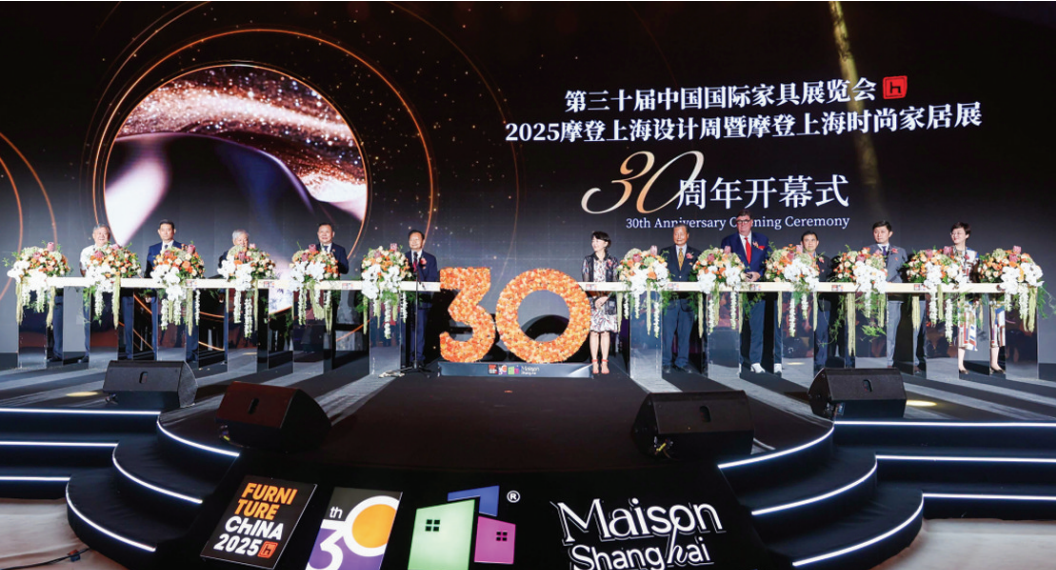
Core Viewpoint - The 2025 Modern Shanghai Design Week and Modern Shanghai Home Furnishing Exhibition have commenced at the Expo Center, showcasing advancements in various fields such as original design, lifestyle, high-end manufacturing, green technology, sustainability, cross-border trade, AI innovation, and new consumption trends, attracting 200,000 professional visitors from 160 countries and regions [1] Group 1 - The event features upgraded exhibition areas including the Design High Ground Pavilion, Commercial High-end Integrated Decoration Pavilion, and a new online-offline integrated factory direct sales model [1] - The exhibition includes 18+ trendy special events, three authoritative awards, and over 100 cutting-edge forums, emphasizing the theme "Crossing into a New Era" [1] - The dual exhibitions aim to guide global traffic and provide a comprehensive industry feast for the global home furnishing community [1]
年轻人成消费主力 旅居经济升温带动相关产业链发展
Xiao Fei Ri Bao Wang· 2025-09-19 03:02
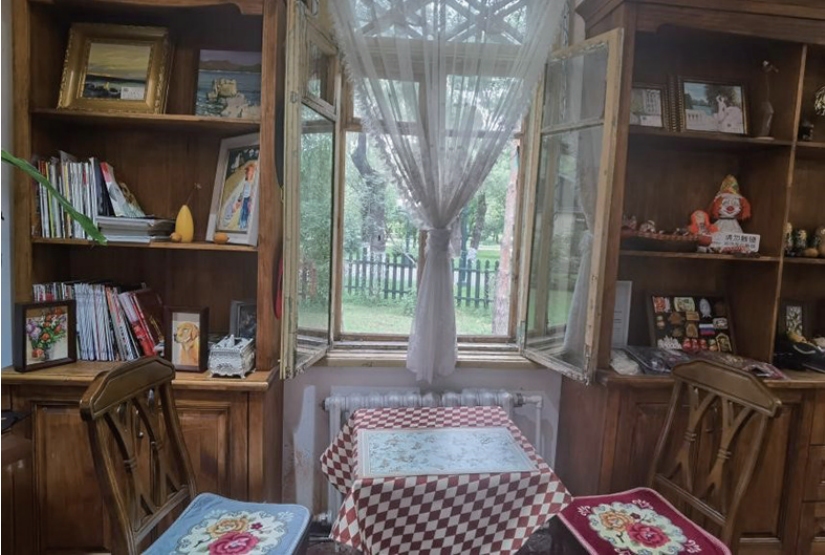
Core Insights - The travel and tourism market is experiencing a shift towards a "slow travel" model, emphasizing immersive experiences and local cultural engagement, which is becoming a new growth point in the industry [1][2][5] Group 1: Consumer Trends - Young travelers, particularly those from the "80s" and "90s" generations, represent over 70% of the demand for travel stays, seeking deeper emotional connections with destinations rather than just sightseeing [2] - The trend of longer stays is evident, with a 40% year-on-year increase in long-term rental orders of over five days, indicating a preference for deeper local experiences [3] Group 2: Policy and Economic Development - Various regions are actively developing policies to support the travel economy, leveraging local resources to enhance the travel experience and stimulate economic growth [5][7] - In Guizhou, the government is promoting the development of travel real estate as a key strategy for real estate transformation, encouraging the renovation of existing properties for short and long-term rentals [6] Group 3: Market Potential and Supply Chain - The potential demand for the travel market in China is estimated to reach 600 million people, with an overall market size approaching 3 trillion yuan, indicating significant growth potential [8] - The accommodation industry is evolving from basic lodging to comprehensive experiential services, with an increasing number of homestays offering local lifestyle guidance and unique activities to enhance guest experiences [8] Group 4: Industry Growth and Business Dynamics - The number of domestic homestay-related enterprises has reached 357,100, with a rapid increase in registrations, particularly in the Southwest and East China regions, reflecting the booming travel economy [8] - The shift towards travel stays is indicative of changing consumer preferences, with a growing emphasis on quality and diverse tourism experiences, supported by unique local advantages [8]
2025年安徽中医药高质量发展论坛在合肥举办
Xiao Fei Ri Bao Wang· 2025-09-19 03:02
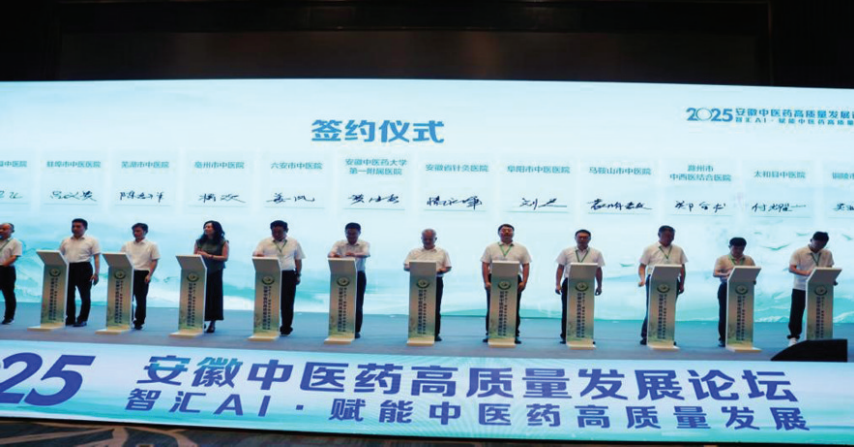
Core Insights - The forum titled "AI Empowering High-Quality Development of Traditional Chinese Medicine" was held in Hefei, focusing on the integration of artificial intelligence (AI) with traditional Chinese medicine (TCM) [2][3] - Over 600 participants, including government officials, industry leaders, and experts, gathered to discuss innovative development paths for TCM through AI [2][3] Group 1: Forum Highlights - The forum featured a speech by Zhu Xianfa, emphasizing the strategic significance of AI in promoting high-quality development in TCM and the need for innovative thinking [3] - Key activities included the joint awarding of 17 provincial TCM social organizations, marking the establishment of a collaborative innovation ecosystem [3] - The establishment of the Anhui Digital TCM Alliance was announced, focusing on data sharing, AI technology collaboration, and research outcome transformation [3] Group 2: Expert Presentations - Liu Liang, an academician, presented on how AI can reconstruct TCM research methodologies and enhance its clinical value [4] - A report from the National Administration of Traditional Chinese Medicine discussed the policy implications of promoting digital TCM development [4] - Li Candong provided insights into the development and application of an intelligent TCM health management system, showcasing its potential in personalized health management [4] Group 3: Future Directions - The forum adopted a dual-location model in Hefei and Bozhou, featuring four specialized sub-forums on various topics related to AI and TCM [5] - The discussions aimed to create a collaborative platform for government, industry, academia, and research, focusing on AI TCM diagnostic technology and digital standardization [5] - Future initiatives will continue to integrate resources, promote TCM culture, and foster innovation in the TCM industry [5]
平衡“特色”与“规范”
Xiao Fei Ri Bao Wang· 2025-09-19 02:55
Core Viewpoint - The travel residence industry is transitioning from a niche to a mainstream sector, emphasizing immersive local experiences and cultural exchanges, with "character" being its lifeline [1][3] Group 1: Industry Characteristics - The essence of the travel residence industry lies in its ability to provide unique experiences that reflect local culture and environment, which includes both natural and humanistic aspects [1] - The sustainability of these unique characteristics requires a framework of necessary regulations to prevent issues such as blurred operational boundaries and resource over-exploitation [1][2] Group 2: Regulation and Flexibility - Establishing regulations must maintain necessary flexibility to avoid stifling innovation; regulations should focus on bottom-line requirements like ecological protection and public order while allowing room for diverse expressions [2] - A dynamic adjustment mechanism is essential for balancing uniqueness and regulation, enabling regular evaluations and adaptations based on industry developments and local feedback [2] Group 3: Sustainability and Long-term Viability - The balance between uniqueness and regulation is crucial for the sustainable development of the travel residence industry, where unique attractions must translate into long-term operational capabilities [3] - Only by allowing unique characteristics to grow within a regulatory framework can the industry transition from merely attracting traffic to creating lasting value, benefiting both cultural and ecological development [3]
“展会+文旅”撬动城市消费多行业受益
Xiao Fei Ri Bao Wang· 2025-09-19 02:42
Core Insights - The article highlights the growing significance of trade shows in linking industry resources and stimulating cultural tourism consumption in China amid a shifting global economic landscape [1][2][3] Group 1: Importance of Trade Shows - Major trade shows like the China International Service Trade Fair and the Harbin International Economic and Trade Fair are pivotal in promoting trade and showcasing innovation [1][2] - The Chinese government emphasizes the strategic value of trade shows in enhancing service trade quality and market development [1] Group 2: Economic Impact - The Harbin International Economic and Trade Fair attracted over 1,500 enterprises from 38 countries, leading to a 23% increase in hotel bookings and an 11% rise in flight reservations [2] - The Digital China Summit in Fuzhou saw a 44% increase in overall cultural tourism consumption during the May Day holiday, with per capita spending exceeding 1,300 yuan [3] Group 3: Challenges in Integration - The "exhibition + cultural tourism" model faces challenges such as resource integration difficulties, shallow cultural fusion, weak innovation support, and inadequate service levels [4] - Experts identify the need for improved collaboration and communication among stakeholders to enhance overall effectiveness [5] Group 4: Recommendations for Improvement - Suggestions include strengthening collaborative mechanisms, deepening cultural exploration, encouraging innovation, and improving infrastructure and services [5] - The future of the "exhibition + cultural tourism" model is expected to trend towards specialization, branding, and internationalization, leveraging digital technologies [6]
2025腾讯全球数字生态大会零售与生活专场:首次披露智能化、国际化最新能力布局
Xiao Fei Ri Bao Wang· 2025-09-18 08:58
Core Insights - The 2025 Tencent Global Digital Ecosystem Conference emphasizes "growth and efficiency," highlighting the retail industry as a key focus area for potential investment opportunities [1][3]. Group 1: Market Trends and Opportunities - The macroeconomic environment is showing signs of recovery, with retail GDP leading the growth despite some sectors facing operational challenges [3]. - New consumption patterns, including quality-price ratio consumption and international market expansion, present strong growth opportunities in the retail sector [3][5]. - Tencent's strategy involves a dual focus on creating "human-centered" AI and international market expansion to drive higher quality growth [3][5]. Group 2: AI Implementation and Solutions - Tencent has identified three key solutions to alleviate AI-related anxieties among enterprises, focusing on strategic, tactical, and assurance layers [6][9]. - The company advocates for AI applications to be rooted in specific business scenarios to maximize their effectiveness [7][9]. - Tencent's AI solutions have demonstrated significant improvements in marketing efficiency, with AI-driven marketing achieving 2-3 times the efficiency of human teams [10]. Group 3: International Expansion and Digital Transformation - Despite global trade barriers, there is a consensus among enterprises on the necessity of globalization, with 80% of Chinese retail companies actively pursuing overseas markets [11][13]. - Tencent Cloud is enhancing its global product offerings to support Chinese enterprises in navigating compliance, localization, and intelligent upgrades as they expand internationally [11][14]. - The company has reported a doubling of its overseas customer base, with international business experiencing high double-digit growth for three consecutive years [13][14]. Group 4: Partnerships and Collaborations - Tencent has formed partnerships with various enterprises to enhance digital transformation, including collaborations with major brands like McDonald's and Beijing Universal Resort [15]. - The company continues to expand its ecosystem by signing cooperation agreements with multiple organizations to drive intelligent and international growth [15].

