Xiao Fei Ri Bao Wang

Search documents
全球业界127件新品首发 首发经济驱动乐器产业升级
Xiao Fei Ri Bao Wang· 2025-11-11 00:44
Core Insights - The 2025 China (Shanghai) International Musical Instruments Exhibition showcased significant innovations in the musical instrument industry, highlighting the impact of the "premiere economy" on industry transformation and upgrades [1][5] Group 1: Event Overview - The exhibition featured a record-breaking 127 new product submissions, demonstrating the global industry's commitment to innovation [1] - The event included a dual-track evaluation mechanism for the "Best New Product of the Year" and "Start-up Innovative Product," focusing on both established companies and emerging talents [1][4] - Nearly one-third of the 69 participating companies were from overseas and Hong Kong, Macau, and Taiwan, underscoring Shanghai's international appeal as a hub for musical instrument innovation [1] Group 2: Product Innovations - The Dunhuang brand "Butterfly Flower" guzheng, integrating traditional lacquer art with instrument making, was recognized for its unique craftsmanship [2] - The Hai Ming blue high-pitched pipa, developed by Guangzhou Lehai Instruments and a professor from the China Conservatory of Music, expanded the instrument's range, filling a market gap for professional ethnic orchestras [2] - The HUSH-X PRO headless electric guitar, featuring an integrated chip and audio algorithm platform, exemplifies the trend of merging technology with musical instruments [2] Group 3: Start-up Innovations - The "Start-up Innovative Product" track introduced creative designs such as the "Mountain and Sea" pocket music keyboard, which incorporates traditional music elements into a portable format [3] - Innovative products from start-ups are injecting fresh ideas into the industry, promoting differentiation and new market opportunities [3] Group 4: Industry Impact - The exhibition highlighted the diverse innovation outcomes in the musical instrument sector, showcasing the effective collaboration across the industry chain [4] - The introduction of the "Shanghai International Music Consumption Festival × New Product Launch Season" created a closed-loop model that connects product innovation with consumer experience [4] - The trends observed at the event are reshaping the musical instrument industry ecosystem, transitioning instruments from mere tools to comprehensive music solutions [4]
浙江正雅齿科博士后工作站授牌暨开题评审会举行
Xiao Fei Ri Bao Wang· 2025-11-07 05:37
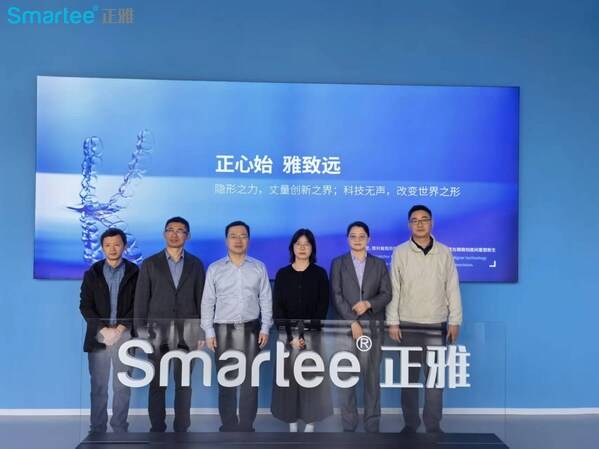
Core Points - The establishment of the postdoctoral research workstation by Zhejiang Zhengya Dental Co., Ltd. marks a significant achievement in the integration of industry, academia, and research, showcasing the company's organizational capabilities and professional level in high-level talent cultivation [1][3][4] - The company received the "Zhejiang Province Postdoctoral Workstation" plaque, indicating a breakthrough in building research platforms and cultivating talent independently [3] - The research project presented by postdoctoral researcher Zhang Sijia integrates the company's advantages in material research and clinical transformation, with guidance from university mentors [3][4] Summary by Sections Event Overview - The postdoctoral research workstation inauguration and project review meeting was successfully organized by the product R&D department, demonstrating the company's commitment to academic collaboration and technological innovation [1][3] Key Participants - The event was attended by various leaders and experts, including Chen Xuepeng from Zhejiang University, Zhu Xiujuan from Zhengya Dental, and other notable figures from academia and the healthcare sector [1][3] Research Project - The expert review panel, led by Chen Xuepeng, unanimously agreed on the project's significant research value and broad industrialization prospects after thorough questioning and discussion [3][4] Company Commitment - CEO Yao Junfeng expressed gratitude for government support and expert guidance, emphasizing the company's intention to increase R&D investment and promote deep integration of industry and academia [3][4] Recognition and Support - The South Lake District Human Resources and Social Security Bureau acknowledged Zhengya Dental's achievements in technological innovation and talent development, pledging continued support for the postdoctoral workstation [3][4]

国际口面肌功能多学科联合治疗研讨会在沪举办
Xiao Fei Ri Bao Wang· 2025-11-07 05:37
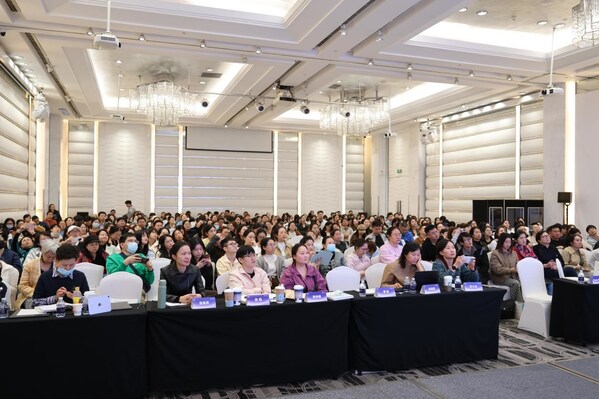
Core Insights - The "International Orofacial Myofunctional Multidisciplinary Treatment Symposium" was successfully held in Shanghai, focusing on the integration of multidisciplinary approaches in orofacial myofunctional therapy [1][2] - The event gathered authoritative experts and clinical scholars to discuss clinical collaboration and innovative practices in orofacial myofunctional therapy across various fields such as orthodontics, early intervention, sleep-disordered breathing, and temporomandibular joint disorders [2][4] Group 1: Development and Collaboration - The Chinese Academy of Orofacial Myology is experiencing rapid growth in orofacial myofunctional therapy due to increased interest from physicians and awareness among patients [4] - The association aims to support professionals in the correct diagnosis and standardized treatment of orofacial myofunctional disorders through education and training [4][7] - Strengthening collaboration with the International Association of Orofacial Myology (IAOM) is a priority to bridge international advancements with domestic clinical needs [4][7] Group 2: Clinical Applications and Importance - The symposium featured a presentation by Paula Fabbie, highlighting the significant role of myofunctional training in improving orthodontic outcomes and maintaining long-term stability [5][6] - Emphasis was placed on the necessity of interdisciplinary collaboration, integrating fields such as sleep medicine and speech therapy to achieve optimal treatment results [6] - Early identification and intervention of orofacial myofunctional issues are crucial for preventing complex dental problems in children [6] Group 3: Future Directions and Standardization - The conference reinforced academic exchanges between China and the international OMT community, laying a solid foundation for promoting multidisciplinary collaboration and standardized treatment protocols [7] - Future efforts will focus on enhancing cooperation and research to standardize the application of orofacial myofunctional therapy in clinical settings [7] - The goal is to ensure timely and effective treatment for more patients, with a vision for broader recognition and application of this field in China [7]
以绿色创新为引擎 中国皮革业开启“十五五”高质量发展新篇章
Xiao Fei Ri Bao Wang· 2025-11-05 00:14
Core Viewpoint - The leather industry in China is focusing on high-quality development through high-end, intelligent, and green initiatives, as outlined in the "14th Five-Year Plan" for the industry [1] Group 1: Industry Development Strategy - The "14th Five-Year Plan" will serve as a guiding document for the industry's development over the next five years, emphasizing systematic innovation for comprehensive ecological upgrades [1] - The industry is encouraged to build confidence and find breakthroughs in structural optimization and innovation-driven approaches amidst a complex international environment and evolving domestic consumption [1] - Collaborative innovation is essential, with a shift from scale competition to value competition, focusing on materials, processes, green manufacturing, and digitalization [1] Group 2: Environmental Initiatives - Many leather companies are accelerating their efforts in integrating green and intelligent practices, moving from end-of-pipe treatment to systematic innovation in environmental management [2] - Longfeng Company has invested 150 million yuan in a wastewater treatment project with a daily processing capacity of 40,000 tons, expected to be operational by 2026, showcasing a model for green manufacturing [2] - The industry is transitioning to a comprehensive, systematic, and engineering-based environmental management model, laying a solid foundation for pollution reduction and carbon neutrality [2] Group 3: Technological Innovation - Technological innovation is a core driver of green development, shifting from end-of-pipe control to quality enhancement [3] - Research on precise identification and solutions for leather odor has led to the development of a new odor removal agent that significantly reduces key odor compounds without affecting physical properties [3] - This innovation marks a transition from passive compliance to proactive quality improvement, enhancing product experience and market acceptance [3] Group 4: Digital Transformation - The industry is transitioning from automation to intelligent and smart manufacturing, with data collection and model optimization improving efficiency in key processes [4] - Digitalization is not only a tool for quality and cost reduction but also a core support for green manufacturing [4] - The future development of the leather industry will focus on value creation, technological breakthroughs, intelligent manufacturing, and systematic environmental governance, aiming for a high-end, sustainable, and internationally competitive modern leather industry [4]
鱼跃医疗三季度利润下滑36%背后:违规、投诉不断,千亿目标难追
Xiao Fei Ri Bao Wang· 2025-11-04 13:08
Core Viewpoint - Yuyue Medical is facing significant challenges in achieving its ambitious targets of 10 billion revenue and 100 billion market value by 2025, as evidenced by its recent financial performance and market conditions [1][4]. Financial Performance - For the first three quarters of 2025, Yuyue Medical reported revenue of 6.545 billion, an increase of 8.58% year-on-year, while net profit attributable to shareholders was 1.466 billion, a decrease of 4.28% [1][6]. - In Q3 2025, the company achieved revenue of 1.89 billion, up 9.6% year-on-year, but net profit fell by 36% to 263 million, indicating a clear trend of increasing revenue without corresponding profit growth [1][6]. Business Expansion - Yuyue Medical, founded in 1998, has expanded significantly since its IPO in 2008, acquiring multiple companies and diversifying its product offerings, which now include over 100 types of products and nearly 600 product registration certificates [2][3]. - The company has made strategic acquisitions, including brands like "Huatuo" and "An'er iodine," to enhance its market presence in various medical fields [2][3]. Market Challenges - The core business segments of Yuyue Medical have seen a decline, particularly in the respiratory treatment sector, which reported a revenue drop of 22.42% [4]. - The company is facing intense competition in the home medical device market, with foreign brands penetrating the mid-to-low-end segments, leading to pricing pressures on its products [7]. Cost Management - Yuyue Medical's sales expenses surged by 33.15% year-on-year to 1.233 billion, significantly outpacing revenue growth, primarily due to increased spending on e-commerce platform fees and advertising [7]. - The company has been investing heavily in new product development and marketing to counteract declining profits, but this has led to a squeeze on overall profitability [6][7]. Regulatory and Quality Issues - Yuyue Medical has faced regulatory challenges, including the cancellation of its pre-bid qualification due to alleged violations, and has been fined for price gouging during the pandemic [8]. - The company has received over 460 complaints regarding product quality and service issues, indicating potential reputational risks that could impact future sales [8].

自然堂港股IPO:销售费用三年超70亿、高度依赖单一品牌、投诉量超千条
Xiao Fei Ri Bao Wang· 2025-11-04 13:08
Core Viewpoint - The established domestic cosmetics brand, Chando, is preparing for an IPO in Hong Kong amid the rising trend of "national beauty brands" in the consumer market, but faces challenges such as unstable profitability and declining R&D investment [1][12]. Financial Performance - Chando's revenue for the years 2022 to 2025 (first half) is reported as 4.292 billion, 4.442 billion, 4.601 billion, and 2.448 billion respectively, with 90% of its revenue dependent on the single brand "Chando" [2]. - The net profit figures for the same period are 139 million, 302 million, 190 million, and 191 million, with the first half of 2025 already exceeding the full-year profit of 2024 [2]. R&D Investment - R&D expenditures have decreased over the years, with amounts of 120 million, 93.82 million, 91.21 million, and 42.38 million reported, leading to a declining R&D expense ratio from 2.8% in 2022 to 1.7% in the first half of 2025, which is significantly lower than peers [3][4]. Employee Structure - As of June 30, 2025, Chando has a total of 2,102 employees, with only 154 in R&D, making up 7.3% of the workforce, while administrative staff constitute 8.8% [5]. Consumer Complaints - Chando has received 1,144 complaints on the Black Cat Complaints platform, primarily related to issues such as price discrepancies, allergic reactions, and poor customer service [6][7]. - Complaints include specific cases of unfulfilled promises regarding price guarantees and missing items in orders, indicating potential issues in customer service and fulfillment [6][7]. Market Position and Strategy - The Chinese cosmetics market is the second largest globally, with a projected growth from 779.4 billion in 2019 to 934.6 billion by 2024, reflecting a compound annual growth rate of 3.7% [9]. - Chando's strategy appears conservative, with indications that it may not pursue aggressive expansion or acquisitions due to the associated risks and challenges [10][11][12].
小赢公益助力非洲教育
Xiao Fei Ri Bao Wang· 2025-10-31 09:18
Core Viewpoint - Education is crucial for sustainable development in Africa and lays a solid foundation for building a harmonious world, exemplified by the construction of new schools in the impoverished areas of Nairobi, Kenya, under the "Belt and Road" initiative [1][4]. Group 1: Education and Community Impact - The newly built Xiaoying DBSA Primary School and Page Vision Care Center provide a safe learning environment for over 600 children in the Mathare slum, highlighting the importance of education in community resilience [1][5]. - The "Silk Road Heart-to-Heart" international volunteer service event emphasizes the role of education as a core engine for human civilization, especially in times of crisis [4][6]. - The new school facilities serve not only as educational institutions but also as community hubs during emergencies, providing shelter and resources to families affected by disasters [4][6]. Group 2: Reconstruction Efforts - Following severe flooding in early 2024 that devastated schools in Mathare, the Xiaoying Public Welfare Foundation collaborated with other organizations to rebuild three severely damaged schools [5][6]. - The reconstruction project commenced on January 16, 2025, with a focus on creating safe and functional learning spaces, including classrooms and essential infrastructure [5][6]. - The completion of the new school buildings was celebrated on March 7, 2025, with over 300 attendees, showcasing community involvement and support [5][6]. Group 3: Organizational Commitment - Xiaoying Public Welfare Foundation's initiative in Africa represents a significant extension of its commitment to improving educational conditions, focusing on basic needs before fostering growth [7][8]. - The foundation aims to bridge the gap in educational equity, emphasizing that the desire for a better life is universal among children, regardless of their geographical location [8]. - Future plans include ongoing support for the Mathare community, aiming to collaborate with more partners to enhance educational opportunities for children [8].

在“传统”与“新潮”中走出特色路
Xiao Fei Ri Bao Wang· 2025-10-31 04:50
Core Viewpoint - The transformation of traditional brands, known as "laozihao," is essential for connecting with younger consumers while preserving their traditional roots [1][5] Group 1: Traditional vs. Modern - "Laozihao" must maintain their traditional craftsmanship and quality while innovating to attract younger consumers [2][4] - The integration of traditional techniques with modern flavors is exemplified by Daoxiangcun's innovative products that respect traditional methods [2][3] Group 2: Marketing and Consumer Engagement - Effective marketing strategies, such as live streaming and social media engagement, have been adopted by brands like Jinghua Tea to enhance brand visibility and connect with a broader audience [3][4] - The use of experiential retail, such as the "front store, back factory" model, allows consumers to engage with the production process, fostering a deeper connection to the brand [2][3] Group 3: Tailored Approaches - Different categories of "laozihao" must find unique paths that align with their brand identity, avoiding blind imitation of trends [4][5] - Innovations in product offerings, such as low-sugar options and diverse dining experiences, cater to the health-conscious preferences of younger consumers [4][5] Group 4: Cultural Significance - The mission of "laozihao" is to keep traditional culture alive in contemporary society, balancing heritage with modern consumer demands [5]
河北名优土特产展销月(石家庄专场)即将在京启动
Xiao Fei Ri Bao Wang· 2025-10-29 09:20
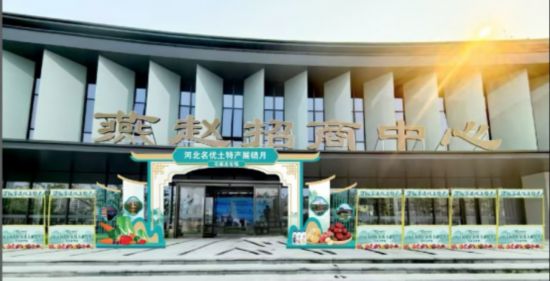
Core Viewpoint - The "Hebei Famous and Quality Specialty Products Exhibition Month (Shijiazhuang Session)" aims to enhance the collaboration between Beijing, Tianjin, and Hebei, showcasing Hebei's specialty products and facilitating their entry into the Beijing market, starting on October 31, 2025 [1][3]. Group 1: Event Overview - The event is organized by the Hebei Provincial Government Office in Beijing and the Shijiazhuang Municipal Government, with support from various local departments to ensure product traceability, pricing, and logistics coordination [3]. - The exhibition will last for one month, concluding on November 29, 2025, and will take place at the Yanzhao Investment Center near the South Square of Beijing West Station [3]. Group 2: Product Highlights - A total of 221 representative specialty products from 17 counties and districts in Shijiazhuang will be showcased, including local foods, processed agricultural products, and intangible cultural heritage crafts [5]. - Featured products include traditional foods like Luquan dairy products and Zhaoxian pear products, innovative items such as Zanhua sour jujube drinks, and cultural crafts like Xingtang blueprints and Lingxiu bronze artifacts [5]. Group 3: Sales and Marketing Strategy - The event will utilize an innovative model combining offline experience and online live streaming sales, providing a comprehensive shopping experience for consumers [5]. - Offline exhibitions will feature standard booths for on-site tasting and purchasing, while online sales will be conducted through platforms like Douyin, Kuaishou, and video accounts, allowing for broader consumer reach [5]. Group 4: Strategic Importance - This exhibition serves as a significant step for Hebei's specialty products to penetrate the Beijing market, offering a convenient way for consumers to access and purchase these products [6]. - The successful execution of this event will provide valuable insights for future market expansion in Beijing and contribute to the revitalization of rural industries in Hebei [6].
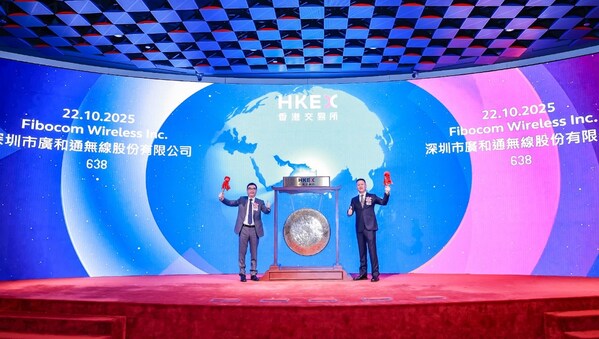
广和通登陆香港交易所主板
Xiao Fei Ri Bao Wang· 2025-10-24 09:41
Core Insights - Guanghetong officially listed on the Hong Kong Stock Exchange on October 22, 2025, becoming the first wireless communication module company in China to achieve "A+H" listing [1][3] - The listing is viewed as a new starting point for the company, which aims to deepen technological innovation and strengthen its leading position in module business [3] Company Strategy - The company plans to leverage the listing as an opportunity to enhance its investment in edge AI solutions and robotics, while expanding its global footprint [3] - Guanghetong is committed to integrating AI into various scenarios and smart devices, transitioning from "connecting everything" to "intelligently connecting everything" [3] Market Position - The listing marks a significant milestone for Guanghetong, allowing it to target a broader market and increase its global market share [3] - The company focuses on innovation in three key areas: communication, AI, and vehicle networking, aiming to introduce more products and solutions that meet industry demands [3]