
Xiao Fei Ri Bao Wang

Search documents
百亚股份 × 重庆市疾控中心:战略合作共助女性健康行业发展
Xiao Fei Ri Bao Wang· 2025-09-18 06:32
Group 1 - The core viewpoint of the article is the strategic partnership between Chongqing Baiya Hygiene Products Co., Ltd. and the Chongqing Center for Disease Control and Prevention to enhance women's health care products and standards [1][2] - The collaboration will focus on technical guidance, laboratory testing, joint research and public awareness campaigns to improve women's health care standards [1] - Baiya has already achieved preliminary results in women's health product development under the guidance of experts from the Chongqing CDC, indicating a commitment to integrating resources and strengthening cooperation [1] Group 2 - Future projects will include product testing standard research, health material development, and public science promotion to upgrade industry technical norms and promote healthy care concepts [2] - Baiya aims to use this partnership as a new starting point to strengthen its research capabilities and improve product quality, fulfilling its corporate social responsibility towards women's health [2]
中国工艺美术行业迎来华丽蝶变
Xiao Fei Ri Bao Wang· 2025-09-18 03:22
Core Viewpoint - The Chinese arts and crafts industry is undergoing a modernization transformation through the integration of traditional craftsmanship with innovative technologies and cultural elements, showcasing a successful blend of heritage and contemporary design [1][2][11]. Innovation-Driven - The China Light Industry Federation has implemented significant measures from 2020 to 2025 to promote the inheritance, innovation, and development of the arts and crafts industry, establishing 49 "Chinese Arts and Crafts Master Intangible Cultural Heritage Inheritance Bases" and 56 "Arts and Crafts Master Inheritance Innovation Bases" [2][3]. - The introduction of digital technologies has redefined the creative paradigm in arts and crafts, with platforms like the "Jingchu Pattern AI Design Platform" improving design efficiency by over 70% [3][4]. Breakthroughs in New Materials and Techniques - Innovations such as the integration of shape memory metals into Suzhou embroidery have transformed traditional two-dimensional pieces into interactive three-dimensional artworks [4]. - The development of titanium alloy-based jade porcelain paintings has positioned them as new favorites in the international high-end decoration market due to their unique properties [4]. Standardization and Legal Protection - The establishment of national standards, such as the "Zhuang Brocade" standard set to be implemented in May 2025, aims to unify quality and safety standards in the industry [5][6]. - The comprehensive approach to intellectual property protection has fostered innovation, with regions like Fujian and Jiangxi leading in patent applications and protections [7]. Industry Upgrade - The market size of China's traditional handicraft cultural heritage industry has surpassed 580 billion yuan, reflecting a nearly 150% increase since 2020, with a compound annual growth rate of 30% [8]. - The establishment of 67 national-level arts and crafts industrial clusters has become a crucial pillar for local economic development, with significant contributions from regions like Quanzhou and Putian [8]. Internationalization and Talent Development - The period from 2020 to 2025 is critical for the internationalization of the Chinese arts and crafts industry, with cultural product exports reaching approximately 148.4 billion USD in 2023 [9]. - A multi-faceted talent cultivation system, including 49 "Chinese Arts and Crafts Master Intangible Cultural Heritage Inheritance Bases," is being developed to support the industry's growth [9].
以大师经济推动工艺美术产业升级
Xiao Fei Ri Bao Wang· 2025-09-18 03:22
Core Insights - The research group led by Cai Daying is focusing on the "Master Economy" and its innovative elements, aiming to explore the structure, models, and value of the master industry through various visits and discussions in Beijing [1][2][3][4]. Group 1: Research Activities - The research group visited multiple locations including the Beijing Design Society Craft Art Design Innovation Research Center and the Internet 3.0 (Metaverse) Industry Base to gather insights on the master economy [1][2]. - Discussions were held with key figures in the craft art industry, including Beijing craft art masters, to understand the transition from traditional craftsmanship to modern applications [1][3]. Group 2: Industry Transformation - The focus is on upgrading the craft art industry from a "classic industry" to a "fashion industry," leveraging technologies like the Metaverse and AIGC to create innovative applications [2][3]. - There is a consensus on the need to integrate traditional techniques with modern aesthetics and market demands, particularly in the context of wearable fashion [3][4]. Group 3: Strategic Collaboration - The discussions emphasized the importance of building higher-level engineering platforms to empower the master community and activate consumer potential through digital technologies [3][4]. - The concept of "Master Economy" is seen as a means to create cultural IPs with international recognition, supported by social forces and collaborations with various cultural and creative parks [4]. Group 4: Future Directions - The research aims to transition from "academic leadership" to "academic practice," enhancing understanding of the master economy's development needs and industry transformation challenges [4]. - The China Craft Art Society plans to continue monitoring the trends in the Beijing craft art industry's transformation and upgrade, promoting a new ecosystem for efficient interaction between the master community and the industry [4].
“工美杯”北京工艺美术大赛20届成果展发布会在京召开
Xiao Fei Ri Bao Wang· 2025-09-18 03:16
Group 1 - The "Gongmei Cup" Beijing Arts and Crafts Competition has successfully held 20 editions since its inception, showcasing over 10,000 entries and becoming a significant platform for the protection, inheritance, and innovation of traditional crafts in Beijing [2] - The 2025 competition saw a record number of submissions, with 671 works collected across 9 major categories and 26 subcategories, resulting in 376 awarded pieces, including 40 gold, 75 silver, and 112 bronze awards [1][2] - The event highlighted the collaboration between the arts and crafts industry and national institutions, with four masters donating representative works to the China Arts and Crafts Museum, enhancing public access to artistic excellence [2] Group 2 - Beijing's arts and crafts are deeply rooted in its ancient cultural heritage, continuously evolving in materials, techniques, and themes, contributing to the city's cultural confidence and quality [3] - The city has been recognized as a "City of Design" by UNESCO since 2012, promoting the integration of arts and crafts with urban culture and modern design, which is becoming a vital force in enhancing urban quality [3] - The Beijing Economic and Information Technology Bureau emphasizes the importance of arts and crafts, planning to leverage new technologies like AI and virtual reality to transform traditional design, production, and dissemination methods [3]
文创产品应在创意与文化间寻找平衡
Xiao Fei Ri Bao Wang· 2025-09-18 03:16
Core Viewpoint - The controversy surrounding the "Bat Peach Bottle" refrigerator magnet highlights the challenges of balancing creativity and cultural significance in the development of cultural and creative products [1][2][3] Group 1: Market Dynamics - The cultural and creative market is experiencing a bifurcation, with leading IPs like the Palace Museum and Dunhuang continuously creating phenomenal products, while many souvenirs in tourist areas remain trapped in homogenization [1] - The root of this market division lies in the varying depths of understanding traditional culture, leading to many products falling into "sticker-style" design, which superficially incorporates cultural elements without conveying the essence of the culture [1] Group 2: Cultural Innovation - True cultural innovation should transform the spiritual core of traditional culture into modern design language, requiring a systematic mechanism for the transformation of traditional cultural elements [2] - A collaborative system involving front-end research, mid-end design, and back-end market strategies is essential for overcoming homogenization in cultural products [2] Group 3: Industry Standards and Evaluation - Industry regulators should strengthen guidance by establishing standards for digital collection of cultural resources and intelligent restoration technologies, providing institutional support for industry development [2] - It is crucial to create an evaluation system that prioritizes cultural value over commercial interests, allowing cultural products to fulfill their mission of cultural dissemination [2] Group 4: Reflection and Future Directions - The controversy surrounding the Bat Peach Bottle serves as a reminder for industry practitioners to reflect on future shortcomings and seek a balance between creativity and culture [3] - Cultural products should act as "translators" of culture, enabling the cultural industry to transition from mere phenomena to paradigms, ensuring that future generations inherit meaningful cultural symbols [3]
跨界研学拓思路 赋能文房新路径
Xiao Fei Ri Bao Wang· 2025-09-18 03:16
Core Insights - The event "Cross-Boundary Empowerment, Intelligent Creation of the Future" organized by the China Writing Brush Association aimed to break industry barriers and draw lessons from the agricultural sector to address challenges in the writing brush industry [1] Group 1: Industry Challenges and Recommendations - The industry faces a "three more, three less" issue, indicating an over-reliance on traditional management and a lack of data-driven analysis [2] - Establishing a big data platform and a product traceability system is essential for transitioning from experience-driven to data-driven operations [2] - The industry should shift from "selling products" to "selling services" to enhance consumer experience and engagement [3] Group 2: Brand Development and Market Expansion - The writing brush industry suffers from a lack of brand recognition despite having historical significance, and products are often undifferentiated [4] - Recommendations include building strong internal quality standards and effectively communicating brand stories to enhance market presence [4] - The industry should focus on product innovation, expand sales channels, and create engaging consumer experiences [6][7] Group 3: Standards and Quality Control - There are challenges in the implementation of existing national and industry standards, including difficulties in execution, updating, and supervision [5] - Suggested actions include enhancing training on standards, establishing product inspection mechanisms, and updating standards to keep pace with industry developments [5] Group 4: Future Directions - The insights gained from the agricultural sector highlight the need for the writing brush industry to adopt data sharing, brand promotion, and innovative management practices [7] - The event served as a platform for long-term collaboration between different industries, emphasizing the importance of learning from each other [7][8]
弘扬抗战精神 汇聚奋进力量
Xiao Fei Ri Bao Wang· 2025-09-18 03:10
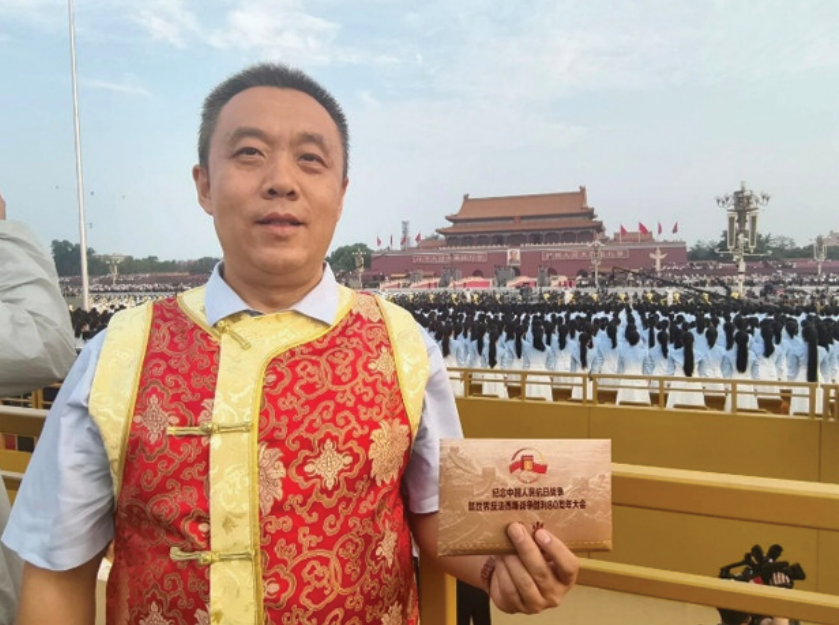
铭记伟大历史胜利,凝聚正义和平力量。9月3日,纪念中国人民抗日战争暨世界反法西斯战争胜利80周年大会在北京天安门广 场隆重举行。北京工艺美术行业优秀代表受邀参加纪念大会,在现场见证这场展示国家力量、传承民族精神、捍卫世界和平的 盛大仪式。 在这里,大国的钢铁脊梁与人民的炽热情怀同频共振,长安街上的铁流滚滚与工美匠人手中的天工奇巧交相辉映。这不仅集中 展示了传承和弘扬伟大抗战精神,更是为新时代的工美匠人吹响了踔厉奋发、勇毅前行的嘹亮号角。现场的每位代表都心潮澎 湃、无比激动,他们的观礼感言也代表了北京工美人的情怀与心声。 □本报记者 贾淘文 北京市人大代表 北京燕京八绝博物馆馆长 北京金漆镶嵌有限责任公司董事长柏群: "作为一名非遗传承人和文博工作者,在这关键的历史节点,我们更要坚定理想信念,坚定不移地听党话、感党恩、跟党走。同 时,要秉持脚踏实地、求真务实的态度,将我们的博物馆打造得更具特色,让民族产品更加丰富多彩,使非遗传承更具蓬勃活 力,以实际行动为非遗传承事业的发展、北京博物馆之城的建设以及全国文化中心的繁荣,做出新的、更大的贡献!" 第47届世界技能大赛珠宝加工冠军 北京市工艺美术技师学院教师张宇鹏: ...

新理念催生新风格 钻石市场迎来新生机
Xiao Fei Ri Bao Wang· 2025-09-18 02:50
Core Viewpoint - The diamond market is undergoing significant transformation driven by consumer demand for diverse designs and personalized experiences, moving beyond traditional wedding symbolism [1][2][3] Group 1: Changing Consumer Behavior - The proportion of consumers purchasing diamonds for self-reward has increased significantly, with 46% of consumers buying diamonds for themselves, surpassing purchases for engagements and weddings [1] - There is a notable rise in male consumers entering the diamond market, indicating a shift in perception where diamond jewelry is no longer exclusively for women [1][2] - Non-wedding related diamond sales have surged from 30% to 62% over the past three years, highlighting a growing trend towards everyday wear and unique designs [3] Group 2: Design Trends - New design styles, particularly gender-neutral aesthetics, are becoming crucial for the diamond market, allowing for personal expression and breaking traditional gender norms [1][2] - The integration of cultural elements, such as Chinese traditional aesthetics, is gaining popularity, with collaborations like the Palace Museum and Chow Tai Fook showcasing the potential of cultural fusion in diamond jewelry [2] - Sales data indicates high repurchase rates for items featuring gender-neutral or culturally inspired designs, suggesting strong consumer interest in these styles [3] Group 3: Market Outlook - The demand for personalized and culturally rich products is expected to continue growing, providing ample opportunities for innovation in diamond jewelry design [3] - The combination of design innovation and technological advancements is likely to expand the possibilities for materials, craftsmanship, and style in the diamond market [3] - The evolving consumer preferences necessitate continuous design innovation for companies to remain competitive in the dynamic diamond industry [3]

善琏“福笔”携非遗共富“上上签”亮相展会
Xiao Fei Ri Bao Wang· 2025-09-18 02:39
Core Viewpoint - The 55th National Writing Tools Expo will be held from October 9 to 12 in Xi'an, showcasing the development of traditional Chinese writing tools, particularly the "Fu Pen," which integrates traditional craftsmanship with modern creativity [1][9]. Group 1: Event Overview - The expo aligns with national cultural development strategies and provides a platform for exhibitors to leverage growth opportunities [1]. - The "Fu Pen" from the Shanjian Lake Pen Town is highlighted as a key attraction, representing a blend of traditional culture and modern design [1][2]. Group 2: Product Development - The "Fu Pen" is a collaborative effort between Yao Yulin and her husband Yang Wen, focusing on both the technical aspects of pen-making and the cultural significance of the product [2]. - The product aims to redefine the perception of traditional lake pens, making them portable cultural symbols rather than mere decorative items [2]. Group 3: Production and Employment - The "Fu Pen" workshop plans to increase monthly production capacity to 5,000 units, creating more job opportunities for local villagers [2][6]. - The workshop employs 12 low-income villagers, increasing their average monthly income by over 3,000 yuan [6]. Group 4: Sustainability and Innovation - Yao Yulin incorporates eco-friendly practices in the production process, using local natural materials and optimizing traditional methods to achieve zero waste [3]. - Innovative product lines, such as the "Canal Boat Pen" and "Blue and White Porcelain Pen," have achieved annual sales of 50,000 sets, contributing to 40% of the workshop's total revenue [3]. Group 5: Digital Transformation - The workshop has embraced digital tools, creating a live-streaming platform to train a new generation of hosts and expand sales channels beyond traditional retail [5]. - Sales have doubled compared to the previous era dominated by physical stores, with products reaching a national audience through online platforms [5]. Group 6: Community Impact - The workshop's operations have led to a 65% increase in annual revenue, significantly benefiting local communities and addressing the challenges faced by rural women [6]. - Yao Yulin has trained over 400 rural women in pen-making skills, resulting in the establishment of female-led e-commerce teams that have processed over 600,000 orders [6]. Group 7: Future Prospects - The initial batch of 2,000 "Fu Pens" sold out quickly, with total sales exceeding 20,000 units, and plans to further increase production capacity to 20,000 units per month [8]. - The couple's efforts in promoting the "Fu Pen" and engaging with local artisans are expected to enhance the visibility of traditional craftsmanship at the upcoming expo [9].
国标帮你守住 “重量底线”
Xiao Fei Ri Bao Wang· 2025-09-18 02:38
Core Viewpoint - The implementation of the national standard GB/T 36128-2018 has established clear weight measurement tolerances for jewelry products, aiming to protect consumer rights and ensure fair trading practices in the jewelry market [2][3][4]. Group 1: Background and Implementation of the National Standard - Prior to the introduction of the national standard, consumers faced difficulties in asserting their rights due to a lack of unified measurement tolerances, leading to widespread issues in the jewelry market [2]. - The GB/T 36128-2018 standard was officially released on May 14, 2018, and came into effect on December 1, 2018, marking the first time a national standard specifically addressed weight tolerances for precious metal jewelry [2][3]. - The standard was developed by authoritative technical institutions to ensure its scientific validity and practicality, covering products weighing up to 200 grams [2][3]. Group 2: Key Provisions of the National Standard - The standard specifies allowable weight deviations for different weight categories of jewelry, such as ±0.002 grams for items weighing ≤1 gram, ±0.004 grams for items between 1 and 10 grams, and ±0.01 grams for items between 10 and 200 grams [3]. - Measurement equipment must meet strict accuracy requirements, with scales for items under 1 gram needing a precision of 0.1 milligrams and those over 10 grams requiring a precision of 1 milligram [3]. Group 3: Current Market Practices and Regulatory Actions - Despite the standard's implementation, some small jewelry retailers and online sellers still engage in practices that violate the standard, such as using inaccurate weighing devices and providing vague product labeling [4]. - Regulatory authorities have increased market oversight, with instances of fines and refunds issued to businesses found in violation of the weight measurement standards [4]. Group 4: Consumer Guidance - Consumers are advised to follow three steps to protect their rights: check product labels for accurate weight, request on-site measurements using compliant scales, and retain purchase receipts and measurement reports [5][6]. - Understanding and utilizing the national standard can empower consumers to ensure they receive fair value for their jewelry purchases [6].