Xiao Fei Ri Bao Wang

Search documents
国标帮你守住 “重量底线”
Xiao Fei Ri Bao Wang· 2025-09-18 02:38
Core Viewpoint - The implementation of the national standard GB/T 36128-2018 has established clear weight measurement tolerances for jewelry products, aiming to protect consumer rights and ensure fair trading practices in the jewelry market [2][3][4]. Group 1: Background and Implementation of the National Standard - Prior to the introduction of the national standard, consumers faced difficulties in asserting their rights due to a lack of unified measurement tolerances, leading to widespread issues in the jewelry market [2]. - The GB/T 36128-2018 standard was officially released on May 14, 2018, and came into effect on December 1, 2018, marking the first time a national standard specifically addressed weight tolerances for precious metal jewelry [2][3]. - The standard was developed by authoritative technical institutions to ensure its scientific validity and practicality, covering products weighing up to 200 grams [2][3]. Group 2: Key Provisions of the National Standard - The standard specifies allowable weight deviations for different weight categories of jewelry, such as ±0.002 grams for items weighing ≤1 gram, ±0.004 grams for items between 1 and 10 grams, and ±0.01 grams for items between 10 and 200 grams [3]. - Measurement equipment must meet strict accuracy requirements, with scales for items under 1 gram needing a precision of 0.1 milligrams and those over 10 grams requiring a precision of 1 milligram [3]. Group 3: Current Market Practices and Regulatory Actions - Despite the standard's implementation, some small jewelry retailers and online sellers still engage in practices that violate the standard, such as using inaccurate weighing devices and providing vague product labeling [4]. - Regulatory authorities have increased market oversight, with instances of fines and refunds issued to businesses found in violation of the weight measurement standards [4]. Group 4: Consumer Guidance - Consumers are advised to follow three steps to protect their rights: check product labels for accurate weight, request on-site measurements using compliant scales, and retain purchase receipts and measurement reports [5][6]. - Understanding and utilizing the national standard can empower consumers to ensure they receive fair value for their jewelry purchases [6].
以刀为笔 以石咏怀 扩展千年洮砚文化新内涵
Xiao Fei Ri Bao Wang· 2025-09-18 02:31
Core Viewpoint - The article highlights the life and achievements of Li Jiangping, a master craftsman of Tao inkstones, emphasizing his dedication to preserving and innovating this traditional Chinese art form over nearly three decades [4][11]. Group 1: Master Background - Li Jiangping is a sixth-generation inheritor of the Tao inkstone-making technique, recognized as a national-level intangible cultural heritage representative [4][11]. - He has received over 120 awards at various levels, and his works are collected by numerous museums and cultural institutions [4][11]. - Li has published over 20 papers and completed significant projects funded by national art foundations [4][11]. Group 2: Artistic Journey - Li's journey with Tao inkstones began in childhood, influenced by his family's long-standing tradition in inkstone crafting [5][6]. - He faced challenges and injuries while learning the craft, which deepened his commitment to mastering the art [6][7]. - His experience in a Tao inkstone factory provided him with practical skills and exposure to various artistic influences [7][8]. Group 3: Cultural Integration - Li emphasizes the importance of cultural knowledge in inkstone crafting, stating that understanding literature and art enhances the quality of his work [8][9]. - He has actively sought to improve his artistic skills by studying calligraphy and painting, which has enriched his inkstone designs [9][10]. - The integration of Tang poetry into his work culminated in the "Tang Poetry Series Inkstones" project, showcasing the connection between literature and craftsmanship [10][11]. Group 4: Recognition and Legacy - Li's work has been recognized at various art exhibitions, including awards for his inkstone designs [10][12]. - He has contributed to the education of over 100 students, with many achieving advanced levels in the craft [11]. - Li aims to ensure the continuation of the Tao inkstone tradition, blending cultural heritage with modern artistic expression [11][12].


让“入境流量”成为“消费留量”
Xiao Fei Ri Bao Wang· 2025-09-17 13:00
Core Insights - The latest data from the National Taxation Administration shows that as of the end of August, the number of duty-free shops for outbound tax refunds in China has exceeded 10,000, with a year-on-year increase of 247.8% in the number of people enjoying tax refunds, and a 97.5% and 96.9% year-on-year growth in sales and tax refund amounts respectively, indicating a strong boost to inbound consumption from the tax refund policy [1] - The potential of inbound tourist consumption is significant, contributing to diverse consumer demands and directly promoting local economic prosperity and development [1] - The key to unlocking the consumption potential of inbound tourists lies in creating a friendly and convenient shopping environment, along with providing diverse consumption options that meet their needs [1] Tax Refund Policy Innovations - Innovations in tax refund policies, such as the "Code Refund" online service launched by the Sichuan tax department, have made the tax refund process more convenient for outbound travelers [2] - In Beijing, the tax department has introduced a real-time refund feature via Alipay, allowing tax refunds to be transferred directly to travelers' electronic wallets [2] - Shanghai has piloted the first self-service tax refund machine, enabling travelers to generate tax refund application forms easily, which significantly enhances the consumer experience [2] Economic Impact - The innovations in tax refund policies not only provide tangible convenience for inbound tourists but also enhance their overall shopping experience and satisfaction [2] - When tax refunds are no longer a hassle, tourists are more likely to extend their stay in China, explore more attractions, enjoy local cuisine, and purchase more products, thereby driving growth in retail, dining, and accommodation sectors [2] - The tax refund benefits serve as a bridge connecting "inbound flow" with "consumption retention," stimulating demand for consumption among inbound tourists and encouraging merchants to innovate [3]
预制菜渗透80%连锁餐饮成"隐形主角" 行业现存争议与困惑有哪些?
Xiao Fei Ri Bao Wang· 2025-09-17 12:50
Core Insights - The debate surrounding pre-prepared meals has gained significant public attention, evolving from a corporate discussion to a widespread societal issue, highlighting existing controversies and confusions within the industry [1] - The pre-prepared meal market in China is projected to reach a scale of 485 billion yuan in 2024, with an expected growth to 617.3 billion yuan by 2025, reflecting a year-on-year increase of 27.3% [1] Industry Overview - Pre-prepared meals have become a cost-reduction and efficiency-enhancing tool for many restaurant businesses, with overall costs decreasing by 8% after their adoption [2] - Over 80% of chain restaurants utilize pre-prepared meals, with a significant demand coming from quick-service restaurants and takeaway outlets [2] - Research indicates that over 70% of takeaway businesses incorporate pre-prepared meal options, with "meal kits" being a common offering [2] Market Dynamics - As of 2024, there are approximately 28,000 registered companies related to pre-prepared meals in China, with a projected annual registration exceeding 11,700, marking a year-on-year growth of 120.43% [2] - By August of this year, 9,291 pre-prepared meal-related companies had been registered, reflecting a year-on-year increase of 23.32% [2] - The majority of pre-prepared meal companies are concentrated in East China, accounting for 40.15% of the total [2] Consumer Sentiment - Consumer opinions on pre-prepared meals are polarized, with some embracing the convenience and variety they offer, particularly for gatherings and special occasions [2]
游族网络《新盗墓笔记》四周年庆:IP角色高还原度成新版本亮点
Xiao Fei Ri Bao Wang· 2025-09-16 07:53
Core Insights - The core focus of the article is the fourth anniversary celebration of the MMO mobile game "New Tomb Raider Notes," developed by Youzu Interactive and authorized by Nanpai Sanshu, highlighting the launch of an AI partner system that enhances player interaction and immersion [1][6]. Game Features - The AI partner system allows players to engage with iconic characters like Zhang Qiling and Wu Xie, enhancing combat strategy and enjoyment through dynamic skill releases and combo formations [2][6]. - Players can experience personalized interactions with AI partners, which generate responses based on character traits and player dialogue, creating a deeper emotional connection [2][3]. - The game introduces a new main storyline that continues the "Ten-Year Agreement" theme, featuring new gameplay modes and celebratory events to enhance player engagement [6]. Technological Innovation - The development of the AI partner system is a significant technical challenge, requiring deep learning from the original work and extensive tuning to ensure character fidelity [6]. - Youzu Interactive aims to integrate AI technology across various aspects of game development and distribution, enhancing operational efficiency and elevating the gaming experience to new levels of intelligence and personalization [6]. Marketing and Community Engagement - The fourth anniversary celebration includes extensive promotional strategies and welfare activities designed to create an immersive experience for both new and returning players, showcasing the synergy between IP and technology [7].


晋商银行上半年净利润增长,两折转让不良资产、合作方变相高息惹投诉
Xiao Fei Ri Bao Wang· 2025-09-15 07:10
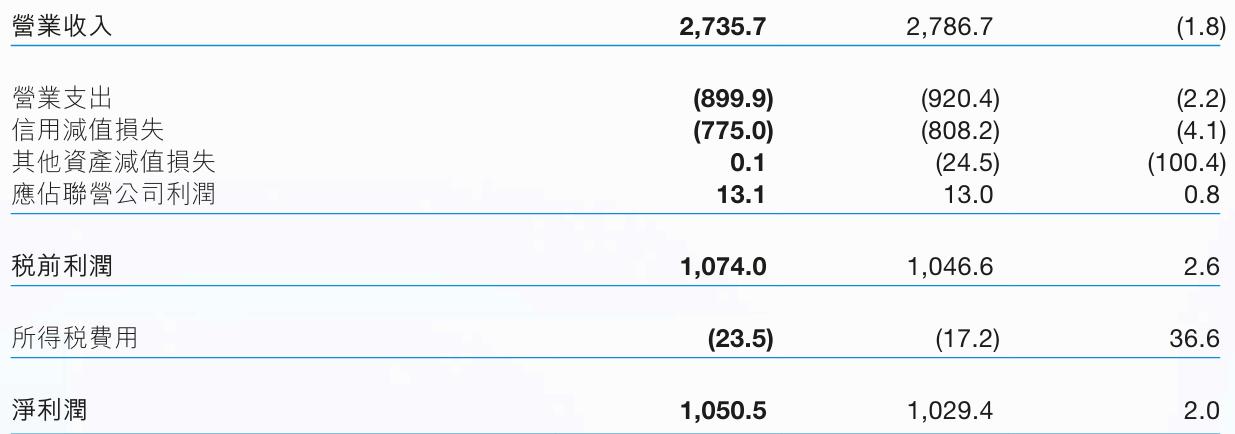
消费日报网讯(记者 卢岳)晋商银行发布半年财报显示,上半年实现营业收入27.36亿元,同比下降1.8%;净利润10.51亿元,同比增长2%。该行营收下滑 主要原因是利息净收入下降,利润增长则依赖投资证券收益净额大增44.5%及营业支出下降等。 报告期末,晋商银行前十大客户贷款集中度达54.4%,超出监管红线。在资产质量方面,该行个贷不良率攀升至2.71%,对公不良率有所下降。近日晋 商银行宣布,该行拟转让14.21亿元不良资产预计录得11.11亿元亏损,并需额外计提3.66亿元减值准备。 目前,晋商银行的消费贷业务正在扩张,其旗下晋商消金投诉也在增长,投诉量达数千条,涉及合作方违规催收、变相高息等问题。另外,二者与已被 立案侦查的P2P平台达飞云贷存在合作纠纷,引发"双重催收""两头还款"争议。 两折转让不良资产 公开资料显示:晋商银行2008年由太原市商业银行更名,2009年2月28日正式挂牌成立,并于2019年7月18日在香港交易所上市。 2025年上半年,晋商银行实现营业收入27.36亿元,同比减少1.8%;净利润为10.51亿元,同比增长2%。 | 營業收入 | 2,735.7 | 2,786.7 | ...
天空牌照争夺战:低空电池产业迎来千亿级投资风口
Xiao Fei Ri Bao Wang· 2025-09-15 06:04
Group 1: Policy Breakthrough - The issuance of the first batch of "Sky Licenses" marks a significant policy breakthrough, opening new development space for the low-altitude economy and igniting investment in upstream core supporting industries, particularly eVTOL battery technology [1][2] - The "Sky License" is not merely a management tool but acts as an "amplifier" of industrial value, setting stringent technical and safety thresholds that allow companies with core technologies to gain scarcity premiums [1][2] Group 2: Industry Valuation Logic - The issuance of "Sky Licenses" has reshaped the valuation system in the industry, with companies meeting certification standards seeing their financing valuations increase by 30%-50% [2] - The licensing process has led to the inclusion of technical certification clauses in battery supplier contracts, with high penalties for non-compliance, and brokerages adjusting their rating standards to incorporate "license acquisition capability" into core valuation models [2] Group 3: Battery Technology Revolution - Semi-solid state batteries have become the preferred solution for low-altitude flying vehicles, achieving commercialization milestones that align with the technical requirements of the "Sky License" [3] - Key performance indicators for semi-solid state batteries include safety, energy density, and cycle life, with specific examples of successful developments from companies like Dongfeng Group and Honeycomb Energy [3] Group 4: Capacity Competition - The demand for batteries in the low-altitude economy differs significantly from the automotive industry, focusing on performance rather than cost sensitivity, which alters the competitive landscape [4] - Leading companies are targeting the low-altitude sector with specialized products and capacity expansions, such as Yiwei Lithium Energy and Honeycomb Energy, which are developing high-performance batteries for eVTOL applications [5] Group 5: Market Valuation Effects - The "Sky License" has created a unique commercial value loop, where technical advantages translate directly into market access, reflected in significant changes in valuation models [6] - Companies that obtain licenses see their price-to-sales ratios increase from traditional levels of 1.5-2 times to 3-5 times, indicating a notable valuation premium [6] Group 6: Material Breakthroughs - The core bottleneck for mass production of all-solid-state batteries lies in material costs, which are expected to remain 5-10 times higher than liquid batteries for the next few years, but the performance-first demand in low-altitude applications makes solid-state electrolytes a new investment hotspot [7][8] Group 7: Standardization Competition - The low-altitude economy is entering a phase of intense standardization competition, with Chinese companies leveraging their first-mover advantage in solid-state battery production to transition from "standard followers" to "rule makers" [9][10] Group 8: Investment Opportunities - Investors are advised to focus on companies that have obtained "Sky License" pre-approval, those collaborating on eVTOL projects, and firms with patent layouts in solid-state electrolytes and high-nickel materials, as these are critical to the supply chain and will benefit from the growth of the low-altitude battery market [11][12] Group 9: Future Outlook - By 2030, the demand for eVTOL batteries is expected to reach 30 GWh, creating a trillion-level market opportunity, with broader prospects in building the entire low-altitude ecosystem beyond just battery technology [13] - The "Sky License" system is anticipated to evolve, leading to a multi-tiered management system that will create diverse investment opportunities as more companies gain access [13]
从天气服务到智能决策 墨迹天气服贸会展示气象SaaS服务,激活气象数据商业价值
Xiao Fei Ri Bao Wang· 2025-09-15 04:40
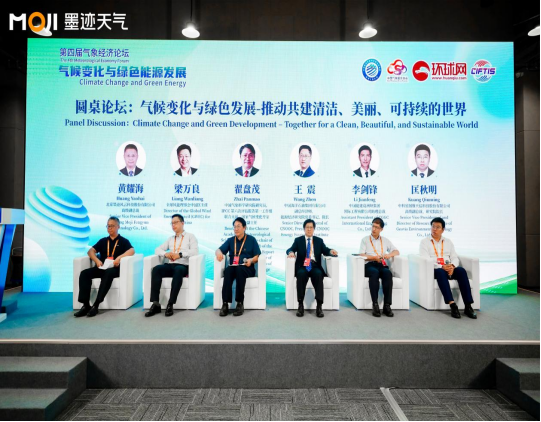
Group 1 - The 2025 China International Service Trade Fair (CIFTIS) opened in Beijing, showcasing the advanced technological innovations and diverse applications of Moji Weather in the commercial meteorological service sector [1] - Moji Weather operates a dual-driven business model targeting both consumer (C-end) and business (B-end) sectors, providing precise weather forecasts and life service indices, as well as comprehensive meteorological service solutions for various industries [2][3] - The introduction of the AeroMetis aviation meteorological SaaS service, which integrates a large language model, represents a strategic shift from "weather service" to "intelligent decision-making value," enhancing service capabilities [2] Group 2 - Meteorological data is becoming a crucial production factor in the digital transformation of enterprises, with Moji Weather providing scientific decision support to help clients manage risks and seize opportunities amid climate change [3] - During the CIFTIS, the Meteorological Managers Forum was held, where Moji Weather's Senior Vice President Huang Yaohai discussed the theme of "climate change and green development" [4] - Moji Weather is enhancing its meteorological service capabilities by optimizing monitoring and forecasting services through extensive user data and advanced meteorological algorithms, focusing on precision and industry-specific needs [6] Group 3 - The company supports the green and low-carbon transition in the energy sector by providing critical meteorological services for the site selection, construction, and operation of renewable energy projects like wind and solar power [6] - Moji Weather aims to promote its technological expertise and solutions globally, participating in international meteorological research cooperation [6] - Future development will focus on refined and scenario-based meteorological forecasting technologies, integrating meteorological data with renewable energy and urban governance applications to contribute to a sustainable world [6]
深圳强化食品安全全链条监管
Xiao Fei Ri Bao Wang· 2025-09-15 03:06
Core Viewpoint - Shenzhen is implementing stringent food safety measures, establishing a comprehensive regulatory framework from production to consumption, and enhancing its food safety governance capabilities [1][2]. Group 1: Food Safety Regulations - Shenzhen has introduced the first local food safety supervision regulation in the country, the "Shenzhen Special Economic Zone Food Safety Supervision Regulation," to enforce food safety responsibilities [2]. - The city has achieved full coverage of food safety quick testing capabilities across 74 streets, and all large catering units, school canteens, and off-campus catering enterprises have implemented "Internet + Bright Kitchen" systems [2]. Group 2: Standardization and Brand Building - Shenzhen has developed a "Zhenpin" standard system with 500 standards and published 842 standards, including 3 local and 839 group standards, impacting 29 provinces and 163 cities [3]. - The city has received national recognition for its "Zhenpin" brand initiatives, being included in typical cases for promotion by national authorities [3]. Group 3: Governance and Community Involvement - The Shenzhen Market Supervision Bureau has established an intelligent command system to enhance food safety governance, including remote video inspections for food business licensing [4]. - The city has initiated a youth food education program, integrating it into the school education system, and has built a food safety and nutrition health exchange platform [4].
国标升级 燃气灶具热效率提升
Xiao Fei Ri Bao Wang· 2025-09-15 02:59
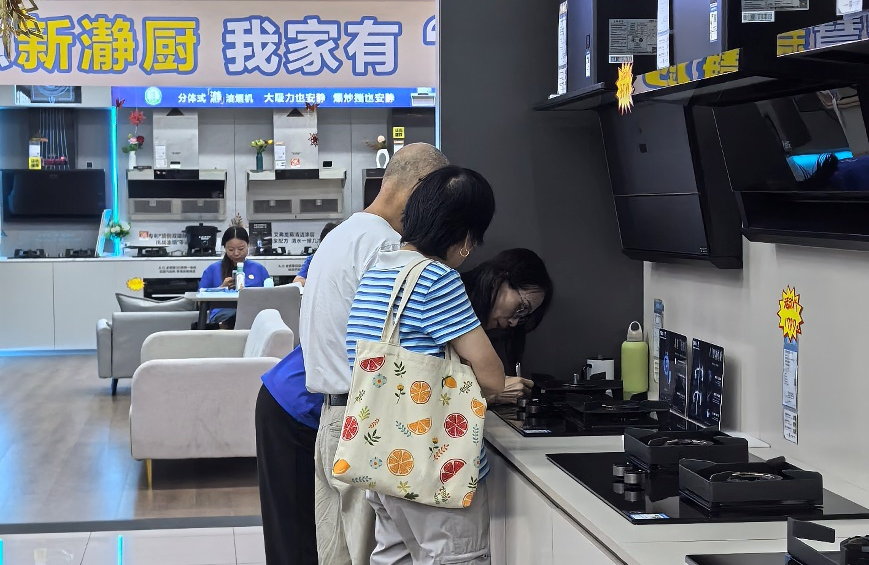
Group 1 - The article highlights the increasing safety concerns related to gas stoves, with 27 deaths and 158 injuries reported in gas safety incidents in 2024 alone, prompting the need for technological innovation in gas stove safety [1] - The new national standard GB 30720-2025, effective from March 1, 2026, sets higher requirements for key safety indicators such as thermal efficiency and flameout protection devices, driving industry upgrades and technological advancements [1][6] - The introduction of mandatory flameout protection devices since 2007 has significantly improved safety, automatically cutting off gas supply within 60 seconds if the stove accidentally goes out [2][4] Group 2 - The market is witnessing a shift towards high-end gas stoves with innovative features like timing devices, which allow users to set cooking times and automatically shut off the gas, addressing safety concerns while enhancing convenience [3][4] - The new energy efficiency standards require first-level energy efficiency products to achieve a thermal efficiency of 70%, while second-level products must reach 64%, pushing manufacturers towards technological breakthroughs [6][7] - The implementation of the new standards is expected to lead to a consolidation in the gas stove market, favoring brands that meet the new requirements and possess core technological capabilities, while those that do not comply may be eliminated [7]