
Xin Hua Cai Jing

Search documents
房地产市场趋向筑底期 专家建议供需两端加大调控力度
Xin Hua Cai Jing· 2026-01-21 08:43
Core Viewpoint - The real estate market is expected to enter a bottoming phase by 2026, with reduced negative impact on economic growth due to policy optimization and enhanced financing support [1][2]. Group 1: Market Adjustments - The real estate market is undergoing positive changes as the transition between old and new models continues [1]. - It is anticipated that major cities will optimize existing policies by 2026, potentially eliminating restrictive home purchase regulations [1]. - The scale of special bond issuance for real estate is projected to reach between 200 billion to 300 billion yuan, facilitating the de-inventory of 20 million to 30 million square meters of commercial housing [1]. Group 2: Financial and Policy Support - Financially, the central bank may moderately lower mortgage and housing provident fund loan rates, while fiscal policies could introduce home purchase interest subsidies [1][2]. - The financing coordination mechanism will continue to be strengthened, ensuring that financial institutions meet reasonable financing needs, including those of private real estate companies [1][2]. Group 3: Sales and Investment Trends - Real estate sales growth is expected to show a pattern of lower performance initially, followed by improvement, with a projected year-on-year decline in sales area of about 6% [2]. - The investment decline in the real estate sector is expected to narrow to around 10% for the year, indicating a reduction in the intensity of industry adjustments [2]. Group 4: Economic Impact - The negative impact of the real estate market on nominal GDP is projected to decrease significantly, with a forecasted contribution rate decline of about 15% and a reduction in GDP growth drag of approximately 0.6 percentage points compared to 2025 [2]. Group 5: Recommendations for Policy Adjustment - It is suggested to lower the cost of first-time home purchases and broaden purchasing thresholds, including a potential reduction of mortgage rates by 0.25 to 0.5 percentage points [2]. - Accelerating the coverage of special loans for real estate companies and ensuring liquidity support for those maintaining normal operations is also recommended [2].
欧洲央行行长拉加德:美国关税提高对通胀影响甚微
Xin Hua Cai Jing· 2026-01-21 08:29
新华财经北京1月21日电欧洲央行行长拉加德表示,美国总统特朗普新一轮的关税措施对欧洲通胀的影 响微乎其微。她表示:"如果我们从短期来看,直接影响相对较小。" 不过,她警告说,包括德国在内的大型出口国将比其他国家遭受更大的打击,并提醒人们注意可能出现 的信心冲击。 (文章来源:新华财经) 拉加德称,特朗普最新的威胁将使欧元区的平均关税税率从约12%提高到15%。她表示:"通胀可能会 受到非常轻微的影响,可能略有上升,但由于通胀率已控制在1.9%,因此影响将是微乎其微的。" ...
从“杭州六小龙”到“上海五朵金花”——AI企业批量上市潮背后的培育逻辑之变
Xin Hua Cai Jing· 2026-01-21 08:09
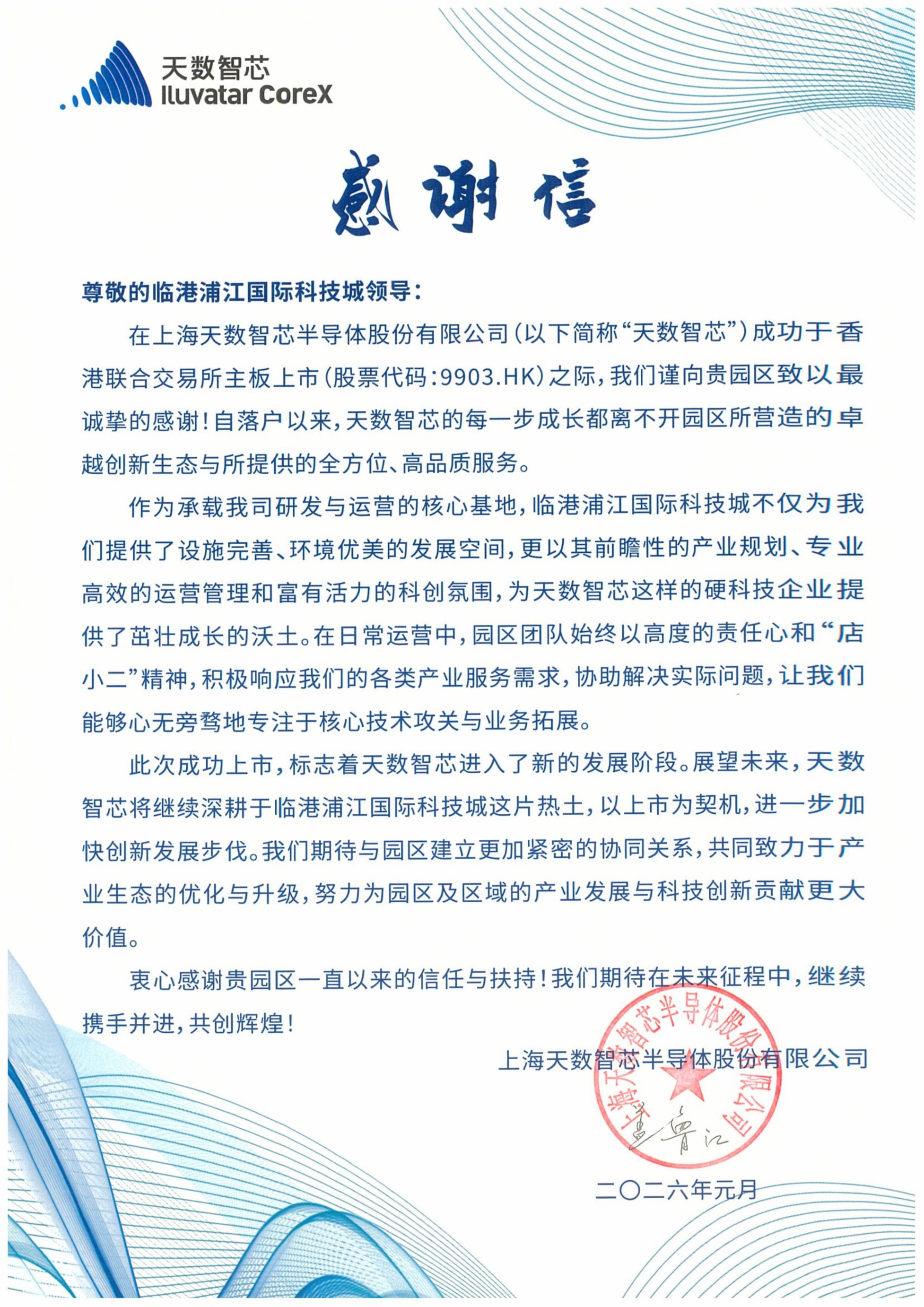
Core Insights - The beginning of 2026 marks a significant surge in the AI industry in Shanghai, with five major AI companies going public within a month, showcasing a comprehensive industrial chain from GPU chips to biomedicine [1] - Unlike the "spot explosion" seen in Hangzhou's AI cluster, Shanghai's IPO wave demonstrates a rare depth and systemic collaboration across various sectors [1] - Three of the five IPO companies are from the Lingang Group's industrial park, which has gathered over 1,600 AI enterprises, achieving an industry scale exceeding 100 billion yuan [1] Group 1 - The AI industry in Shanghai is experiencing a concentrated explosion, with five companies including Wallen Technology and TianShu ZhiXin successfully listing [1] - The previous notable AI cluster was the "Six Little Dragons" in Hangzhou, but Shanghai's listing wave covers a complete industrial chain, indicating systemic collaboration [1] - The Lingang Group's industrial park has been pivotal in nurturing these companies, focusing on long-term development rather than chasing fleeting trends [2][4] Group 2 - The success of AI companies like TianShu ZhiXin and Wallen Technology is attributed to a decade-long systematic layout in the integrated circuit industry, initiated around 2013 [5] - The park has strategically attracted leading companies in various fields, forming a robust semiconductor industry cluster that avoids low-level homogenization [5] - The focus on high-value upstream design and downstream application scenarios has led to a clear industrial structure, with successful IPOs reflecting years of concentrated effort [5] Group 3 - The growth of companies is not linear; their needs evolve through different stages, from initial support to market validation and global talent acquisition [6] - The Lingang Group has established a full lifecycle nurturing system to support companies at various growth stages, providing tailored resources and assistance [6] - Wallen Technology's journey illustrates the importance of timely support from the park, which helped the company navigate financial challenges and achieve significant milestones [6] Group 4 - MiniMax, a young AI company, has rapidly established itself, breaking industry norms with its strategic positioning and market approach [7][8] - The company has achieved notable success with its open-source text model, becoming a leading product in the global market [7] - The entrepreneurial culture in the Caohejing area fosters collaboration and resource sharing among companies, enhancing growth opportunities [8] Group 5 - The Caohejing area is becoming a hub for AI innovation, with significant investments from leading companies like Chery and Mihayou, focusing on AI applications in various sectors [9][10] - The collaboration between traditional leaders and new AI companies is facilitated by the park's ecosystem, promoting mutual growth and innovation [10] - The shift in focus from mere policy incentives to providing real-world testing environments is reshaping the competitive landscape for industrial parks [11] Group 6 - The Lingjing Lab in Caohejing exemplifies the transformation of industrial parks into practical testing grounds for AI technologies, fostering innovation through collaboration [11][12] - The park is also developing a unique spatial computing platform that integrates advanced models, supporting the digital economy and regional development [13] - The park's commitment to using its own facilities for testing and validating technologies helps reduce market trial costs for companies [13]

稳利率、强汇率:印尼央行多线应对资本外流压力
Xin Hua Cai Jing· 2026-01-21 08:06
Group 1 - The central bank of Indonesia is adopting a "steady interest rate, strong exchange rate" strategy to address ongoing capital outflows and risks of currency depreciation, maintaining the benchmark interest rate unchanged [1] - The central bank's governor emphasized that the current interest rate decision aligns with the goal of maintaining the stability of the Indonesian rupiah, and interventions in both offshore and onshore foreign exchange markets have been strengthened [1] - The global economic uncertainty, driven by U.S. tariff measures, geopolitical tensions, and fragile global supply chains, is expected to slow global economic growth from 3.3% in 2025 to 3.2% in 2026 [1] Group 2 - The central bank has implemented a liquidity incentive program amounting to 397.9 trillion Indonesian rupiah and has purchased 13.21 trillion Indonesian rupiah in government bonds to alleviate fiscal financing pressures [1] - Following the resignation of Deputy Governor Juda Agung, the central bank submitted a list of three candidates to the president, aiming to reassure the market regarding policy continuity and institutional independence [2] - The central bank anticipates an acceleration in GDP growth in the fourth quarter of 2025, supported by domestic demand and government stimulus measures, although there remains an output gap [2] Group 3 - Concerns over fiscal discipline and the risk of a fiscal deficit have arisen following the dismissal of the long-trusted finance minister and increased spending by the new finance minister [3] - Data from the bond market indicates that foreign investors net sold approximately 4.6 billion USD in government bonds from September to November, with a total net inflow of only 337 million USD for the year, marking a recent low [3] - On January 19, the Indonesian rupiah reached a historic low against the U.S. dollar [3]
债市日报:1月21日
Xin Hua Cai Jing· 2026-01-21 08:00
Core Viewpoint - The bond market shows a warming trend, with significant strength in long-term bonds and a general decline in yields across various maturities, indicating a positive sentiment in the market [1][2]. Market Performance - The closing prices for government bond futures indicate an upward trend, with the 30-year main contract rising by 0.75% to 112.25, while the 10-year and 5-year contracts also saw slight increases [2]. - The yields on major interbank bonds have generally decreased, with the 10-year government bond yield down by 0.35 basis points to 1.8305% and the 30-year yield down by 2.1 basis points to 2.256% [2]. International Market Trends - In North America, U.S. Treasury yields increased across the board, with the 10-year yield rising by 7.94 basis points to 4.293% [3]. - In Asia, Japanese bond yields fell, with the 10-year yield down by 6.2 basis points to 2.279% [4]. - In the Eurozone, yields on 10-year bonds from France, Germany, Italy, and Spain all increased, reflecting a mixed sentiment in the region [4]. Primary Market Activity - The Ministry of Finance's recent bond auctions showed that the weighted average yields for 91-day and 7-year bonds were lower than market expectations, indicating strong demand with bid-to-cover ratios of 3.11 and 5.91 respectively [5]. - Agricultural Development Bank's financial bonds also saw lower yields than market estimates, with bid-to-cover ratios indicating robust interest [5]. Liquidity and Funding Conditions - The central bank conducted a reverse repurchase operation of 363.5 billion yuan at a rate of 1.40%, resulting in a net injection of 122.7 billion yuan into the market [6]. - The Shibor rates showed mixed performance, with the overnight rate declining while the 7-day and 14-day rates increased slightly [6]. Institutional Insights - According to Everbright Futures, recent changes in the bond market are driven by structural monetary policies and fiscal measures, suggesting a focus on quality and efficiency in policy implementation [8]. - Union Credit noted that the space for comprehensive interest rate cuts is limited, while reserve requirement ratio cuts are more flexible, indicating a cautious approach to monetary policy [8]. - Zheshang Bank observed a shift in market dynamics, with trading-oriented bonds performing strongly, contrasting with the more stable performance of previously favored investment-grade bonds [8].
【环球财经】东京股市日经股指五连跌
Xin Hua Cai Jing· 2026-01-21 07:50
Core Viewpoint - The Tokyo stock market experienced a slight decline on January 21, with the Nikkei index falling for five consecutive trading days, marking the first occurrence of such a streak since mid-January 2025 [1] Market Performance - The Nikkei 225 index closed down by 0.41%, while the Tokyo Stock Exchange index fell by 0.99% [1] - The Nikkei index decreased by 216.46 points, ending at 52,774.64 points; the Tokyo Stock Exchange index dropped by 35.90 points, closing at 3,589.70 points [1] Influencing Factors - The decline in the Tokyo stock market was influenced by a significant drop in the three major U.S. stock indices overnight, leading to a lower opening for the Tokyo market [1] - Despite the overall decline, some investors increased their buying activity at lower prices, which helped to narrow the extent of the market's decline [1] Sector Performance - Among the 33 industry sectors on the Tokyo Stock Exchange, most sectors experienced declines, with banking, insurance, and services sectors showing the largest drops [1] - Conversely, sectors such as non-ferrous metals, petroleum and coal products, and electric and gas industries saw increases [1]
韩国1月出口加速 汽车疲软与贸易逆差凸显结构性挑战
Xin Hua Cai Jing· 2026-01-21 07:47
Group 1 - The core viewpoint of the articles highlights that South Korea's exports have shown a significant increase driven primarily by the semiconductor industry, with a year-on-year growth of 14.9% in January 2026, surpassing the revised growth of 13.3% in December 2025 [1] - The semiconductor exports surged by 70.2%, fueled by global AI and data center investment trends, while wireless communication devices and petrochemical products also saw increases of 48% and 18% respectively [1] - However, there is a notable decline in the automotive sector, with exports dropping nearly 11%, and shipbuilding exports decreasing by 18%, indicating a divergence in industry performance [1] Group 2 - The weakening of the Korean won, which has depreciated over 8% against the US dollar since late June 2025, has provided support for exports by enhancing price competitiveness in international markets [2] - Despite the benefits of currency depreciation for exports, it has also raised import costs, contributing to inflationary pressures, with overall inflation and core inflation exceeding the Bank of Korea's target of 2% [2] - Exports to major trading partners have shown mixed results, with exports to China and the US increasing by 30.2% and 19.3% respectively, while exports to the EU and Japan have declined by approximately 15% and 13%, reflecting a growing divergence in regional demand [2]
收评:沪指冲高回落涨0.08% 有色金属板块领涨
Xin Hua Cai Jing· 2026-01-21 07:44
Market Overview - The market experienced a pullback after an initial rise, with the Shanghai Composite Index closing at 4116.94 points, up 0.08%. The Shenzhen Component Index rose by 0.70% to 14255.12 points, while the ChiNext Index increased by 0.54% to 3295.52 points. The total trading volume in the Shanghai and Shenzhen markets was 2.6 trillion yuan, a decrease of 177.1 billion yuan compared to the previous trading day [1]. Sector Performance - The precious metals sector led the gains, with stocks like Sichuan Gold and Zhaojin Mining hitting the daily limit. The chip industry chain continued to strengthen, with companies such as Huatian Technology and Loongson Technology also reaching the daily limit. The lithium mining sector saw a rebound, with Shengxin Lithium Energy and Dazhong Mining hitting the daily limit. The oil and gas sector was active, with Huibo Technology and Intercontinental Oil & Gas also reaching the daily limit. Conversely, the consumer sector weakened, particularly in the liquor segment, and the banking sector experienced fluctuations and declines [2]. Institutional Insights - CITIC Securities noted that Meta has initiated the AI glasses era in September 2023, with an expected product explosion in the industry by 2025. Companies like Google are anticipated to launch AI glasses products between 2026 and 2027. The inclusion of AI glasses in national subsidies by 2026 is expected to further boost consumer demand. The current challenges in AI glasses involve trade-offs among cost, weight, performance, and battery life. The optical display system is a critical component, with waveguide technology expected to become the mainstream direction in the future, potentially replacing smartphones as a comprehensive personal terminal. Lens manufacturers are currently focusing on sales channels and custom lenses to enhance average transaction value, with future opportunities in areas like waveguides and eye-tracking technology [3]. - CICC highlighted positive changes in real estate policies and supply-side dynamics. Since the second half of 2025, the transaction volume of new and second-hand homes has stabilized at a low level after adjusting for seasonal and year-on-year effects. On the supply side, there are signs of improvement, with a decrease in the volume of new land supply and a reduction in the number of high-tier cities offering land for sale [3]. Industry Developments - China's first offshore liquid rocket launch and recovery test platform is under construction in Yantai, Shandong. This platform is expected to be completed and begin testing around February 5, coinciding with the launch of a mainstream commercial liquid rocket. The Eastern Spaceport, as the only offshore launch mother port in China, has already successfully launched 137 satellites. This initiative is part of a broader strategy to develop a comprehensive commercial aerospace industry chain in Shandong, centered around cities like Yantai, Jinan, and Qingdao [4]. - Hangzhou aims to cultivate more than three internationally top-tier open-source foundational models by 2030, with the core AI industry revenue expected to exceed 600 billion yuan. The city plans to achieve a research and development investment intensity of 4.5% and support over 50,000 technology-based small and medium-sized enterprises [5]. ETF Trading Activity - There was a significant increase in trading volume for broad-based ETFs, with the SSE 50 ETF exceeding 15 billion yuan, marking the highest volume in ten years. Other ETFs, including the CSI 300 ETFs from various fund houses, also saw trading volumes surpassing 10 billion yuan [6].
科创板收盘播报:科创50指数涨3.53% 半导体股表现分化
Xin Hua Cai Jing· 2026-01-21 07:34
Core Points - The Sci-Tech Innovation 50 Index opened slightly lower on January 21 but experienced an upward trend throughout the day, closing significantly higher at 1535.39 points, with a gain of 3.53% and a trading range of 4.27% [1] - The overall Sci-Tech Innovation Index rose by 2.32% to close at 1862.69 points, with a total trading volume of approximately 310.8 billion yuan [1] - Among the 600 stocks in the Sci-Tech Innovation Board, there were more gainers than losers, with high-priced stocks showing mixed performance while most low-priced stocks increased [1] Sector Performance - Chemical raw materials and healthcare stocks showed strong performance, while electrical equipment and software service stocks experienced the largest declines [1] - Semiconductor stocks displayed mixed results [1] Individual Stock Performance - Longxin Zhongke reached the daily limit, showing the highest increase, while Kain Technology fell by 13.23%, marking the largest decline [2] - Haiguang Information led in trading volume with 17.75 billion yuan, while ST Pava had the lowest trading volume at 651.5 million yuan [3] - In terms of turnover rate, Zhongwei Semiconductor had the highest turnover rate at 33.04%, while Longteng Optoelectronics had the lowest at 0.28% [4]
英国12月通胀率升至3.4% 超出预期
Xin Hua Cai Jing· 2026-01-21 07:21
Core Viewpoint - The UK's inflation rate rose to 3.4% in December, exceeding the expected 3.3%, prompting the Bank of England to consider interest rate decisions in the upcoming month [1] Group 1: Inflation and Economic Growth - Despite sluggish economic growth, the UK's inflation rate remains the highest among the G7 countries [1] - The rise in utility costs and other government-regulated fees from the previous year will no longer factor into annual comparisons, leading to a significant slowdown in price increases expected in the coming months [1] Group 2: Bank of England's Outlook - Bank of England Governor Bailey indicated that the inflation rate could approach the central bank's target of 2% by April or May [1] - Financial markets anticipate that the Bank of England may lower interest rates once or twice in 2026, with each reduction expected to be 25 basis points [1]