Hua Xia Shi Bao

Search documents
“存储饥渴”催生业绩牛股!佰维存储、江波龙等利润暴增,业内预测涨价潮贯穿2026
Hua Xia Shi Bao· 2026-02-04 08:20
Core Viewpoint - The semiconductor sector, particularly memory chip stocks, is experiencing significant stock price volatility despite strong fundamentals, with expectations of continued price increases in the memory industry through 2026 [1][2][3]. Group 1: Stock Performance - Major memory chip companies saw substantial stock declines on February 2, with companies like Zhongwei Semiconductor down 13.67% and Puran shares down 13.01% [2]. - The recent downturn is attributed to profit-taking after a period of gains and concerns over weakening DRAM spot prices, alongside negative sentiment from the U.S. semiconductor market [2][3]. Group 2: Earnings Forecasts - Companies in the memory sector are projecting strong earnings for 2025, with Bawei Storage expecting revenue between 10 billion and 12 billion yuan, a year-on-year increase of 49.36% to 79.23% [3][4]. - Jiangbolong anticipates revenue of 22.5 billion to 23 billion yuan, reflecting a growth of 150.66% to 210.82% compared to the previous year [3][4]. Group 3: Market Dynamics - The global shift in memory production and rising prices are benefiting Chinese memory companies, driven by increased demand from AI servers and edge computing [6]. - The demand for high-profit memory products is expected to rise, with significant growth in AI server shipments projected for 2024 [6]. Group 4: Price Trends - Predictions indicate that memory product prices will continue to rise, with NAND Flash prices expected to increase by 33% to 38% and DRAM prices by 55% to 60% in the first quarter of 2026 [7][8]. - TrendForce has revised its forecasts, now expecting DRAM contract prices to rise by 90% to 95% and NAND Flash prices by 55% to 60% in the same period, reflecting ongoing supply-demand imbalances [8].

惊心动魄!金价深夜飙涨至5000美元,过山车行情背后:投行精准狙击散户
Hua Xia Shi Bao· 2026-02-04 08:19
华夏时报记者叶青北京报道 近日国际黄金价格上演惊心动魄的"过山车"行情,涨跌交替、波动剧烈,尽显贵金属市场的极端不确定性。COMEX黄金期货方面,2月2日盘中突然跳 水,最低下探至4400美元/盎司,随后整体走出触底反弹走势。2月3日该合约一改颓势,盘中一度冲高至5000美元/盎司,日内涨幅达6%。 "国际金价此番下跌,导火索是美国总统特朗普提名沃什出任下一任美联储主席。不过,这一因素并不足以解释短期内黄金、白银同步出现断崖式暴跌, 其主因还是强制平仓与保证金上调引发的连锁反应。"北京黄金经济发展研究中心研究员许亚鑫在接受《华夏时报》记者采访时表示。 小利空引发大崩盘 2月2日黄金、白银期货延续暴跌态势,核心原因是政策预期逆转、美元反弹、杠杆踩踏与监管收紧多因素共振。对此,创元期货分析师何燚接受《华夏时 报》记者采访时表示,近期金银价格大幅下跌的核心因素是短期多头交易拥挤,当前金银正处于高波动率市场,且波动率远超历史水平。任何资产在高波 动率背景下都会显现出极强的脆弱性,而前期的交易拥挤进一步放大了这种脆弱性,在此背景下,一个微小的利空因素就足以引发行情剧烈波动。 "1月份以来,金银价格连续暴涨,尽管交易所多 ...


再融资配套规则迎来修订,2026年以来已有20家公司完成定增
Hua Xia Shi Bao· 2026-02-04 08:11
本报(chinatimes.net.cn)记者谢碧鹭 北京报道 资本市场再融资板块的暖意持续蔓延,其中定向增发作为上市公司直接融资的核心渠道,正呈现出稳步 扩容、结构优化的良好态势。 Wind数据显示,以上市日为基准,截至2月4日午间,2026年以来已有20家上市公司顺利实施定向增 发,累计再融资金额达1267.7亿元。较去年同期相比,实施定增的公司数量同比增长33.33%,募资总额 同比增幅更是高达56.89%,实现数量与规模的双重大幅增长,为全年再融资市场平稳运行奠定坚实基 础。 回溯2025年,A股再融资市场已实现全面回暖,定向增发与可转债发行齐头并进,募资规模较2024年实 现跨越式增长。 Wind数据显示,以上市日为基准,截至2月4日午间,今年以来已有20家上市公司完成定向增发发行工 作,累计再融资金额达1267.7亿元,分别较去年同期增长33.33%和56.89%,增速显著高于市场预期,凸 显出定增市场的强劲增长动力。2026年以来,A股定增市场延续了2025年的回暖态势,开局表现强劲。 从融资规模分布来看,今年以来的定增市场呈现出明显的"头部聚集"特征,少数大额定增项目贡献了绝 大部分募资额度, ...
国内油价连续上涨,春节出行成本增加|油市跌宕
Hua Xia Shi Bao· 2026-02-04 07:41
本报(chinatimes.net.cn)记者何一华 李未来 北京报道 国内成品油价格开启2026年第二轮上涨。 2月3日下午,国家发改委发布公告称,近期国际市场油价波动上升,根据2月3日的前10个工作日平均价 格与上次调价前10个工作日平均价格对比情况,按照现行成品油价格机制,自2月3日24时起,国内汽、 柴油价格每吨分别上涨205元和195元。 本次涨价政策落实之后,用油成本有所上涨。卓创资讯测算,油箱容量在50升的小型私家车加满一箱油 将比之前多花8元左右。以月跑两千公里,百公里油耗在8升的小型私家车为例,到下次调价窗口也就是 2月24日24点之前,消费者用油成本将增加18元。 与此同时,物流行业,以月跑10000公里,百公里油耗在38L的重型卡车为例,在下次调价窗口开启 前,单辆车的燃油成本将增加452元左右。 隆众资讯成品油分析师徐雯雯告诉记者,本轮调价后,全国大多数地区车柴价格6.6—6.8元/升,92号汽 油零售限价在6.9—7.0元/升。 地缘冲突扰动 近期两周左右时间,原油价格持续走高,以美原油为例,最低处于55美元/桶,最高涨到66美元/桶,上 涨幅度超过10美元/桶;布伦特原油期货价格更 ...

调查!“密码按烂了都买不进”,金价暴跌,年轻人抄底黄金却被“拒之门外”
Hua Xia Shi Bao· 2026-02-04 02:57
本报(chinatimes.net.cn)记者付乐 北京报道 "眼看着金价跌了40分钟,至少指纹识别了100多次。都在抄底,抄不进去,点着点着睡着了。"有00后 投资者分享道。 近日,部分银行出现了积存金买不进,交易火爆的现象。2月3日,博通分析金融行业资深分析师王蓬博 对《华夏时报》记者表示,这一现象就是金价波动下交易需求短期集中爆发,直接超出了银行系统的承 载能力,再叠加银行主动管控交易节奏,属于运营层面的阶段性问题,不是产品底层逻辑或者市场系统 性风险的问题,而是银行端应对交易高峰的适配能力未及时跟上。 "买不进"的困局 某银行积存金购买界面(由受访者供图) 1989年出生的冬冬(化名)在深圳从事房地产中介,2月3日晚上,她对本报记者表示,自己前几天在某 大行以均价1190元/克左右的价格购入积存金,陆续买入一两百克,投入资金数十万元。"当时买不进 去,之后又买进去了,买入后金价便出现波动,当前已跌至1090元/克左右。" "我是纯跟风玩一下,银行的朋友跟我说最近几个月黄金行情还行,投资有20%的收益,没想到自己刚 买入就被套牢。"冬冬直言,黄金投资赌性大、风险高,自己回本后便会撤出。 "现在买黄金的人 ...

惊心动魄!金价深夜飙涨至5000美元,过山车行情背后:投行精准狙击散户|大宗风云
Hua Xia Shi Bao· 2026-02-04 02:51
Core Viewpoint - The recent volatility in international gold prices, characterized by sharp fluctuations, is primarily driven by market uncertainties and a combination of factors including policy expectations, dollar rebound, and increased margin requirements [2][3][4]. Market Dynamics - On February 2, gold and silver futures experienced significant declines due to a reversal in policy expectations, a rebound in the dollar, and forced liquidations triggered by increased margin requirements [3][4]. - The Chicago Mercantile Exchange announced an increase in trading margin requirements for precious metals, which contributed to the market's forced deleveraging and heightened volatility [5][6]. Investor Behavior - The market has seen a shift from passive selling to active repositioning by institutions, with a notable reduction in long positions among major financial institutions like JPMorgan and Goldman Sachs, while retail investors continued to increase their positions [7][8]. - The crowded long positions in silver, particularly, were a key factor in the recent dramatic price drop, as any negative news led to a rush to liquidate positions [7][8]. Future Outlook - Despite the recent volatility, analysts believe that the long-term bull market for gold is not over, as the fundamental support factors remain intact, including central bank purchases and a potential decline in real interest rates [11][12]. - The upcoming market dynamics will be influenced by various factors, including U.S. government developments, geopolitical tensions, and economic data releases [11][12][13].

信用卡不良贷款高企,广州银行关停7家分中心
Hua Xia Shi Bao· 2026-02-04 02:31
广州银行在公告中表示,广州银行信用卡中心佛山、东莞、中山、惠州、珠海、江门、深圳分中心终止 营业后,信用卡服务(包括信用卡申请、激活、额度调整、账单查询、分期办理、 还款等)将由广州 银行统一管理。 广州银行信用卡业务后续如何调整?对此,《华夏时报》记者于2月3日致电该行披露电话,并同步致函 披露邮箱进行采访,但截至发稿前未获回复。 本报(chinatimes.net.cn)记者李明会 北京报道 信用卡退潮持续蔓延。 近日,广州银行发布的一份临时信息披露公告显示,根据该行战略调整,经国家金融监督管理总局各派 出机构批准,广州银行信用卡中心佛山、东莞、中山、惠州、珠海、江门、 深圳七家信用卡分中心终 止营业及金融许可证注销。 根据广州银行2024年财报,该行共有7家信用卡分中心,也就是说,广州银行信用卡分中心全面关停。 Wind数据显示,2025年以来,全国已有超60家信用卡分中心关停,部分银行机构加速布局调整。 中国邮政储蓄银行研究员娄飞鹏对《华夏时报》记者表示,信用卡分中心关停后,业务逐步由总行集中 运营转向属地分行承接,信用卡服务深度融入零售综合金融体系。同时,银行强化线上渠道与AI技术 应用提升服务效率 ...

集体跳水!美股爆发AI恐慌性抛售,英伟达市值一夜蒸发超8000亿元
Hua Xia Shi Bao· 2026-02-04 01:13
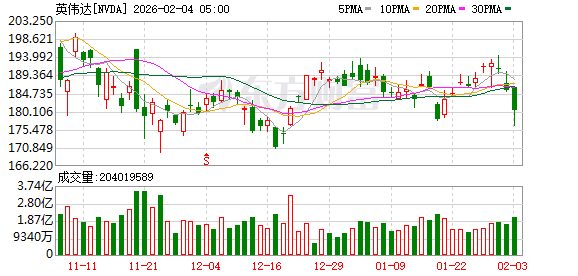
美东时间2月3日(周二),伴随着市场风格切换至周期和价值股,叠加新一轮"AI抢饭碗"的软件股抛售潮和美伊对峙升温影响,美国股市三大股指全线收 跌,纳斯达克指数盘中跌幅达2.39%,美股科技巨头走弱。 截至收盘,标普500指数跌0.84%,报6917.81点;纳斯达克综合指数跌1.43%,报23255.19点;道琼斯工业平均指数跌0.34%,报49240.99点。纳斯达克指数 近乎跌去年内涨幅。 美股科技七巨头中,仅微软收涨,英伟达、脸书、亚马逊跌幅均超过2%。 英伟达盘中一度跌超5%,截至收盘跌2.84%,市值一夜蒸发1281亿美元(约合人民币8888亿元)。 | 名称 | 现价 | 涨跌幅 ◆ | 成 三 | | --- | --- | --- | --- | | 微软(MICROSOFT | 411.210 | -2.87% | 186.93亿 | | MSFT.O | | | | | 英伟达(NVIDIA) | 180.340 | -2.84% | 262.88亿 | | NVDA.O | | | | | 脸书(META PLATF | 691.700 | -2.08% | 67.18亿 | | MET ...

激活置换循环,上海三区试点收购二手房补充保租房供给
Hua Xia Shi Bao· 2026-02-03 10:41
Core Viewpoint - Shanghai is enhancing its focus on public welfare construction, aiming to complete the construction of 74,000 affordable rental housing units by 2025, reaching a cumulative total of 610,000 units [2] Group 1: Affordable Housing Initiatives - The acquisition of second-hand housing for affordable rental housing has officially started, with pilot projects in Pudong New District, Jing'an District, and Xuhui District [2][3] - The selection criteria for housing sources include matching housing types, mature supporting facilities, and convenient transportation [3][4] - The acquisition process is led by government entities, focusing on older residential areas with clear property rights and a total price not exceeding 4 million yuan [4] Group 2: Financial Support and Operational Models - Financial support for the acquisition will be provided by China Construction Bank, which will offer a comprehensive financial service plan [5] - Xuhui District will use district-level financial funds and bank loans to ensure stable funding for the acquisition of small-sized housing units [5] - Jing'an District has established a specialized working group to manage the entire acquisition process, ensuring professional operations from source identification to contract signing [4][5] Group 3: Market Impact and Trends - In January, Shanghai's second-hand housing transactions reached 22,834 units, marking a three-month streak of over 22,000 transactions, the highest in five years [6] - The second-hand housing market has shown signs of price stabilization, with a 25% year-on-year increase in transactions compared to January of the previous year [6] - The pilot acquisition initiative is expected to further stabilize the market and enhance liquidity in the second-hand housing sector [6][7] Group 4: Broader Context and Similar Initiatives - Other regions, such as Hunan Province and Haikou City, are also exploring similar policies to acquire existing housing for public welfare, indicating a trend towards "buying old to replace with new" strategies [9][10] - The approach aims to combine public welfare, market stability, and housing security, addressing the challenges of increasing second-hand housing listings in major cities [10]

游戏等行业增值税税率要提高?游戏股“深V”震荡,专家:没有可信度
Hua Xia Shi Bao· 2026-02-03 10:40
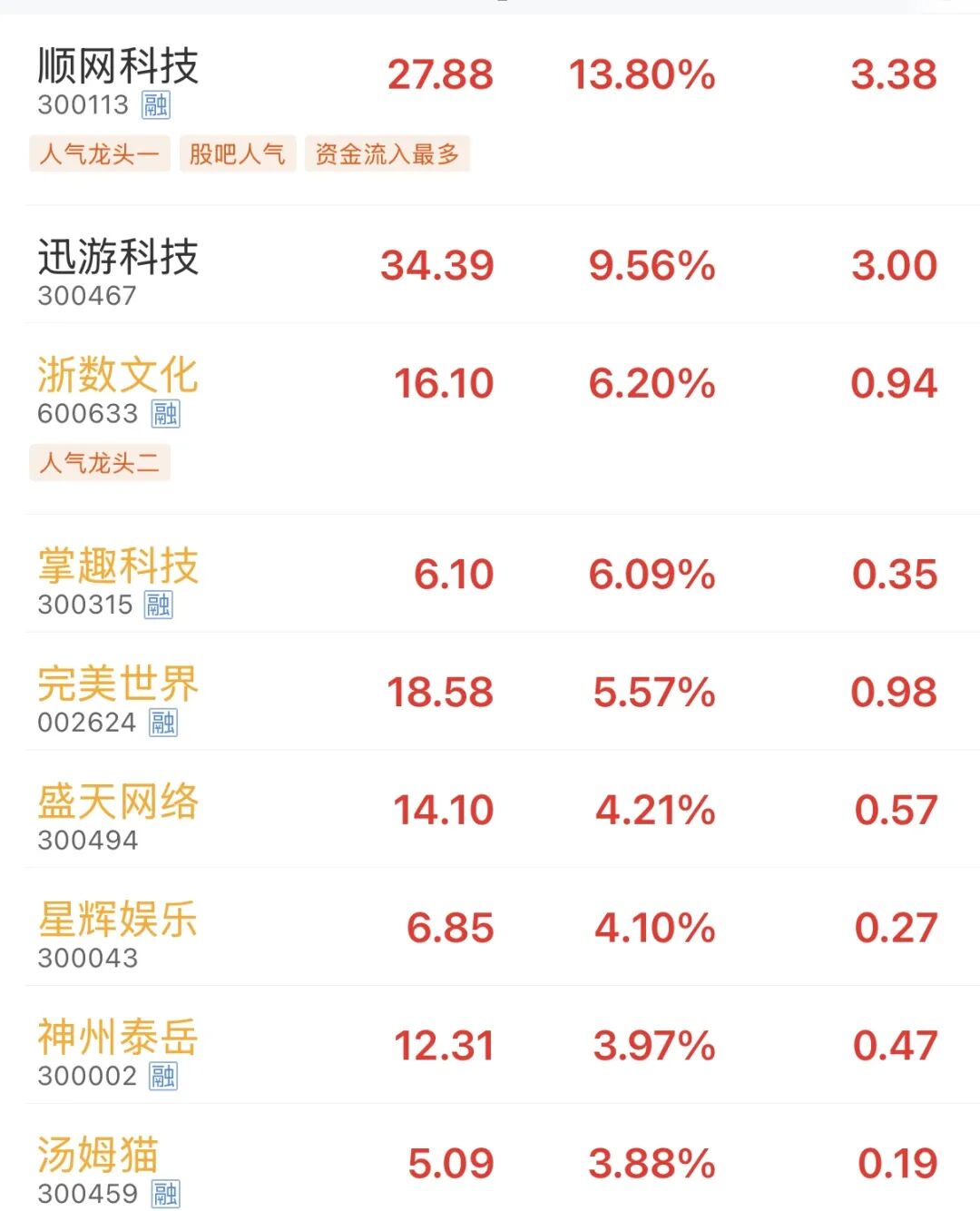
Core Viewpoint - Recent rumors regarding potential increases in value-added tax (VAT) rates for the gaming and financial industries have caused significant fluctuations in gaming stocks, but these rumors have been debunked by industry experts and authorities [3][4]. Group 1: Stock Market Reactions - On February 3, gaming stocks experienced a sharp decline, with Tencent (00700.HK) dropping over 6% and NetEase (09999.HK) falling more than 3% during intraday trading [1]. - A recovery was observed by the end of the trading day, with A-share gaming stocks rebounding, including Century Huatong and Gigabit Technology, both rising over 2% [1]. - The gaming index (BK1406) increased by more than 3.4%, with several component stocks, such as Shunwang Technology, surging by 13.8% [1]. Group 2: Tax Rumors and Clarifications - Recent rumors suggested that the VAT rate for the gaming industry could rise from 6% to 32%, which sparked concern among investors [3]. - Experts confirmed that these rumors lack credibility, stating that the maximum VAT rate in China is capped at 13%, and no adjustments to the tax policies for the gaming and financial sectors have been made [4]. - The implementation of the new VAT law and related announcements by the tax authorities have clarified that the tax rates for these industries are stable and well-defined [4].