
Hua Xia Shi Bao

Search documents
资本“逐空”!万亿低空赛道的融资狂欢与落地考验
Hua Xia Shi Bao· 2025-12-24 07:40
Core Viewpoint - The low-altitude economy in China is experiencing a significant surge in investment and development, driven by policy support, technological advancements, and the establishment of operational models in various application scenarios [2][6][7]. Group 1: Investment Trends - In the third quarter of 2025, the low-altitude sector witnessed 96 financing events, accumulating a total of 99.01 billion yuan, indicating a robust influx of capital [3][4]. - The financing landscape is shifting from a VC/PE-dominated model to a new paradigm characterized by collaboration between local state-owned capital and industrial capital [4][5]. - Companies like Yufeng Future have secured significant funding to advance their electric vertical takeoff and landing (eVTOL) aircraft, highlighting the focus on core technology and clear business models [3][4]. Group 2: Policy and Market Dynamics - The low-altitude economy has been integrated into national strategy, with over 30 provinces implementing specific development policies, enhancing the sector's growth potential [6][7]. - The market size for China's low-altitude economy is projected to reach 1.5 trillion yuan by 2025 and potentially exceed 3.5 trillion yuan by 2035, reflecting strong growth expectations [6][8]. Group 3: Application Scenarios and Challenges - The expansion of application scenarios, such as low-altitude logistics and emergency response, is becoming a core driver of industry development, with successful operational models emerging [6][9]. - Despite the positive outlook, challenges remain, including the need for a comprehensive low-altitude infrastructure and the complexities of commercializing eVTOL products [8][9][10].


保险不只是理赔,更是服务:中国平安“医险协同”重塑健康保障新模式
Hua Xia Shi Bao· 2025-12-24 06:28
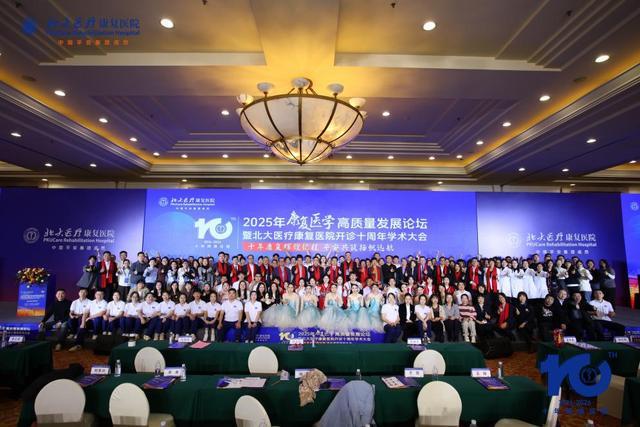
Core Viewpoint - The essence of commercial health insurance is not risk compensation but a systematic extension of health management, reflecting the core logic of the insurance industry's transformation and China's exploration of the "insurance-medical collaboration" strategy [1][3]. Group 1: Health Insurance Transformation - China Ping An is shifting from "post-claim" to "prevention, management, and rehabilitation," using insurance as a lever to initiate a health service revolution that covers the entire life cycle [3][4]. - The "Health China 2030" plan emphasizes the transition of healthcare services from a disease-centered approach to a health-centered one, creating a new historical mission for commercial health insurance [4]. - Ping An Health Insurance has proposed a dual-driven strategy of "health insurance + medical services," launching a digital health management platform in 2024 to provide continuous health support [4][6]. Group 2: Service Efficiency and Cost Savings - The "three savings" concept—saving worry, time, and money—underpins Ping An's health insurance collaboration system [5]. - The "post-hospital rehabilitation follow-up" project exemplifies professional closed-loop services, providing personalized training plans and real-time supervision for patients [6]. - Digital integration has reduced outpatient revisit frequency by 30%, and the time from accident report to hospitalization has been accelerated by 80% [6]. - Patients receiving follow-up care save an average of over 2000 yuan in medical expenses, while targeted rehabilitation interventions in auto insurance cases save an average of 22,000 yuan per case [6]. Group 3: Comprehensive Service Network - Ping An has established a vast service network through collaboration with Peking University Medical Group, including hospitals, rehabilitation centers, and health management centers across the country [7]. - Innovations such as "no companion wards" and "healthcare on wheels" are designed to meet the "three savings" goals, ensuring that insurance services are effectively implemented [7]. Group 4: Smart Rehabilitation and Long-term Care - The opening of Shenzhen Beida Rehabilitation Hospital marks a significant step in Ping An's "insurance-medical-health" ecosystem, featuring a family-oriented and intelligent rehabilitation environment [8][10]. - The hospital aims to provide seamless services by integrating medical insurance, commercial insurance, and cross-border insurance payment channels [10]. - Ping An is focusing on preventive health management, particularly for chronic diseases and the elderly, by developing specialized insurance products and integrating advanced healthcare technologies [10][11]. Group 5: Broader Vision and Commitment - Ping An's approach emphasizes that the ultimate value of insurance lies in extending life quality and safeguarding health dignity, moving beyond mere risk transfer [11]. - The company is building a comprehensive health ecosystem that encompasses prevention, diagnosis, rehabilitation, and elderly care, positioning insurance as an active health manager [11]. - The vision is to ensure that everyone can age healthily and gracefully, reflecting Ping An's commitment to the "Healthy China" strategy through the integration of finance, technology, and healthcare [11].

折扣店洗牌开始?好特卖多地闭店:“高成本选址”与“低价模式”矛盾凸显
Hua Xia Shi Bao· 2025-12-24 05:15
Core Viewpoint - The discount retail brand "Hao Te Mai" is facing significant challenges as it slows down its expansion and closes stores in key cities, amidst increasing competition from both internet giants and traditional supermarkets [1][2][4] Group 1: Company Overview - Hao Te Mai was established in 2020, initially focusing on selling near-expiry products, and has since evolved into a chain retail brand specializing in discount goods [2] - The company has received five rounds of financing, with the last round occurring on August 16, 2021, and its parent company, Shanghai Xinguo Technology Co., Ltd., has investors including Wuyuan Capital and Jiayuan Capital [2] - As of now, Hao Te Mai has over 1,000 stores nationwide, which is relatively modest compared to competitors like Mingming Henmang and Wancheng Group, both of which have over 15,000 stores [2] Group 2: Business Model and Challenges - Hao Te Mai's franchise model requires potential franchisees to prove they have over 1 million yuan in liquid assets, with initial investment costs starting at approximately 730,000 yuan [3] - The company's business model faces structural contradictions, as it operates in high-rent shopping centers while offering low-priced products, leading to unsustainable profit margins [3][5] - The brand is experiencing increased competition from major players like Meituan, JD.com, and Hema, which are rapidly expanding their discount retail presence [4][5] Group 3: Market Competition - Internet giants are aggressively opening new stores in the discount sector, with Meituan's "Happy Monkey" and JD.com's discount supermarkets launching multiple locations [4] - Traditional supermarkets are also adapting by launching their own discount formats, such as Wumart's "Wumart Super Value," which adds to the competitive pressure on Hao Te Mai [5] - Experts suggest that the current discount model is under severe challenge, as brands like Hema and Aldi are establishing differentiated advantages through strong private label systems [5]
从“卖风景”到“造场景”:中国文旅穿越“门票经济”走向“融合经济”
Hua Xia Shi Bao· 2025-12-24 05:13
Core Insights - The Chinese cultural and tourism industry is being positioned as a pillar industry, with a focus on deepening the integration of "culture and tourism" and expanding quality supply to foster new consumption scenarios and optimize the consumption environment [1][11] - Data from the Ministry of Culture and Tourism indicates a strong market recovery, with domestic tourist trips reaching 4.998 billion in the first three quarters of 2025, an increase of 760 million trips or 18.0% year-on-year [1] - The industry is transitioning from a traditional model reliant on ticket sales to a "fusion economy" that emphasizes experiences and integrated offerings [1][11] Industry Challenges - The competition among tourist attractions is intensifying, with traditional standardized routes and ticket-based revenue models losing market competitiveness [2][4] - Analysis of 51 cultural tourism groups shows that less than 20% of leading companies achieved profit growth in 2025, with nearly 30% experiencing revenue declines and over half reporting negative profit growth [2][3] - The reliance on ticket sales is leading to a phenomenon of "increased revenue but no profit," necessitating a shift in business models [2][3] Market Trends - The trend of "fusion economy" is emerging, with various regions introducing innovative products that combine tourism with education, sports, and other sectors [5][6] - Successful examples include the "village super" events in Guizhou, which attracted over a million visitors and significantly boosted local tourism revenue [6] - In urban areas like Xuzhou, strategies such as "event + tourism" packages and cultural product development have led to substantial increases in visitor numbers and sales [7] Strategic Innovations - Companies are increasingly focusing on personalized and customized offerings, integrating cross-industry resources to enhance competitiveness [4][5] - The implementation of policies supporting the integration of finance and tourism is aimed at creating new supply and stimulating demand through innovative consumption scenarios [8][11] - Successful case studies, such as Xiangyuan Cultural Tourism, demonstrate significant revenue and profit growth through deep experience product development and refined operations [8][10] Future Directions - The industry is undergoing a paradigm shift from resource exploitation to value release, aiming to build a comprehensive system centered on culture, ecology, and experience [11] - Challenges such as homogenization, innovation pressure, and talent shortages remain, but the direction for transformation is clear, with a focus on high-quality development [11]

从“明星基金经理”到“基金代销”:这场改革正在淘汰谁?|2025中国经济年报
Hua Xia Shi Bao· 2025-12-24 04:36
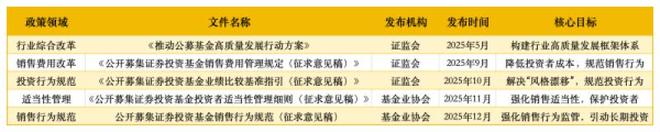
Core Viewpoint - The Chinese public fund industry is undergoing a significant transformation in 2025, shifting from a focus on scale expansion to prioritizing investor returns, as indicated by a series of regulatory policies aimed at enhancing the quality of development in the sector [1][2]. Policy Overview - The China Securities Regulatory Commission (CSRC) has released several key policy documents for 2025, including the "Action Plan for Promoting High-Quality Development of Public Funds," which aims to establish a framework for high-quality industry development [1]. - Other notable documents include regulations on sales expense management, performance comparison benchmarks, and investor suitability management, all designed to lower costs for investors and standardize sales practices [1]. Systemic Reform - The 2025 reforms address deep-rooted issues in the industry, such as the disconnect between fund managers and investors, short-term sales behaviors, and style drift in investments [2]. - The reforms are characterized as a comprehensive restructuring of the system, aiming to align the interests of fund managers with those of investors [2]. Investor-Centric Focus - The "Action Plan" emphasizes a "return-based" approach, introducing a floating management fee model for newly established actively managed equity funds, linking fees to fund performance [3]. - New requirements mandate that at least 60% of new actively managed equity funds must adopt floating fee rates within a year, disrupting the traditional fixed management fee model [3]. Performance Assessment Changes - The new regulations stipulate that the assessment of fund company executives must prioritize investment return metrics, with at least 50% weight on fund performance for executives and 80% for fund managers [3]. - Long-term performance metrics are emphasized, with a minimum of 80% weight on assessments over three years, discouraging short-term performance chasing [3]. Investment and Sales Regulations - The "Performance Comparison Benchmark Guidelines" aim to ensure that each fund's performance benchmark aligns strictly with its investment strategy, preventing arbitrary changes [4]. - Sales expense management regulations propose significant reductions in subscription and service fees, potentially saving investors hundreds of millions annually [6]. - The sales behavior regulations prohibit misleading short-term performance promotions and require sales personnel's performance assessments to be linked to investors' long-term outcomes [6]. Talent Demand and Industry Evolution - The reforms are expected to reshape talent requirements in the public fund industry, moving away from the "star manager" model towards a focus on disciplined, process-oriented investment strategies [8]. - Sales personnel are transitioning from product sales roles to asset allocation advisors, necessitating a broader skill set that includes financial planning and client relationship management [8]. - There is an anticipated surge in demand for compliance, risk management, and financial technology professionals to support the new regulatory environment [9]. Conclusion - The ongoing reforms in the public fund industry are part of a broader effort to enhance investor satisfaction and align the industry's operational framework with long-term growth and stability [9].
泡沫挤出、监管趋严与估值回归,23家退市背后的医疗资本大考|2025中国经济年报
Hua Xia Shi Bao· 2025-12-24 04:36
Core Viewpoint - The Chinese capital market is undergoing a significant "cleansing" process in 2025, with numerous healthcare companies delisting from various exchanges, reflecting a shift towards stricter regulatory enforcement and a return to rational valuation in the industry [2][4][10] Group 1: Delisting Trends - As of December 2025, multiple healthcare companies have exited the market, with 23 A-share companies delisting this year, marking the second-highest number in six years [3][4] - The delisting cases this year are characterized by cross-market and cross-sector trends, with notable companies like Jiangsu Wuzhong, Nohow Health, Kexing Bio, and Kangji Medical facing various delisting reasons including financial fraud and operational difficulties [4][5] - The surge in delisting is attributed to a combination of factors, including the bursting of valuation bubbles and stricter regulations on financial misconduct [3][4] Group 2: Company-Specific Cases - Jiangsu Wuzhong faced forced delisting due to significant financial fraud, with inflated revenues reported from 2020 to 2023, amounting to a total of 494.26 million yuan [5] - Nohow Health, once valued at over 40 billion HKD, was delisted after being accused of fabricating 90% of its sales revenue, with actual sales in 2022 estimated at only 7.695 million yuan [6][7] - Kexing Bio's delisting crisis stemmed from internal conflicts and governance issues, leading to a Nasdaq delisting notice due to failure to submit financial reports on time [7][8] - Kangji Medical opted for voluntary privatization, completing its delisting in December 2025, with a cash offer that represented a 21.7% premium over its last trading price [8] Group 3: Regulatory and Market Implications - The delisting wave signifies a fundamental shift in regulatory attitudes, emphasizing a "zero tolerance" approach towards financial misconduct, which is expected to enhance compliance awareness among listed companies [9][10] - The exit of problematic companies is anticipated to create opportunities for high-quality firms, promoting a more professional and regulated healthcare industry [9][10] - The ongoing delisting trend encourages companies to reassess the value of being publicly listed, with privatization becoming a strategic choice for those facing valuation challenges [9][10]

复星医药接力攻坚甘露特纳临床研究,积极布局阿尔茨海默病治疗领域
Hua Xia Shi Bao· 2025-12-24 04:12
Core Viewpoint - The Alzheimer's treatment drug, Ganluo Sodium Capsule, is entering a new phase under Fosun Pharma after facing scientific scrutiny and market challenges, with plans for post-marketing confirmatory clinical trials approved by the National Medical Products Administration (NMPA) [1][2]. Group 1: Clinical Development and Market Position - Fosun Pharma has announced a post-marketing confirmatory clinical trial plan for Ganluo Sodium Capsule, with an increased sample size of 1,950 participants, aiming for completion by the end of 2027 and data release in early 2029 [1][2]. - The drug was conditionally approved for marketing in November 2019 and has since benefited hundreds of thousands of patients, with sales exceeding 1 billion yuan since its inclusion in the national medical insurance catalog in 2021 [1][2]. - The price of the drug decreased from 895 yuan to 296 yuan after being included in the national medical insurance catalog, with over 2 million boxes expected to be sold in 2024 alone [1]. Group 2: Scientific and Regulatory Challenges - The drug faced challenges due to the NMPA not approving the extension of its conditional marketing authorization, leading to a supply interruption and various criticisms [2]. - Prior to conditional approval, Ganluo Sodium Capsule completed phase III confirmatory clinical trials with 818 participants across 34 clinical research centers, and real-world studies involving 3,300 participants have been submitted to validate its long-term safety and efficacy [3]. Group 3: Market Demand and Strategic Response - Alzheimer's disease has become a significant public health challenge in China, with nearly 17 million patients reported in 2021, representing 29.8% of global cases [4]. - The existing treatment options are limited and primarily symptomatic, highlighting a substantial unmet clinical need for effective therapies [4][5]. - The Chinese government is encouraging innovation in drug development, aligning with Fosun Pharma's strategic focus on addressing unmet clinical needs in the Alzheimer's treatment space [5]. Group 4: Company Capabilities and Future Outlook - Fosun Pharma's confidence in taking over the Ganluo Sodium project stems from its proven integrated capabilities in research, clinical trials, and commercialization, with ongoing investments in CNS-related products [6]. - The company has successfully launched several innovative drugs in China and is expanding its clinical and commercial teams in the U.S. to support global market entry [6]. - If clinical results are positive, Ganluo Sodium could re-enter the market post-2029, enhancing Fosun Pharma's capabilities in CNS diseases and attracting further collaborations [7].
黄金回收价冲上千元大关,智能回收机前门可罗雀,谁在“捂金”?
Hua Xia Shi Bao· 2025-12-24 03:31
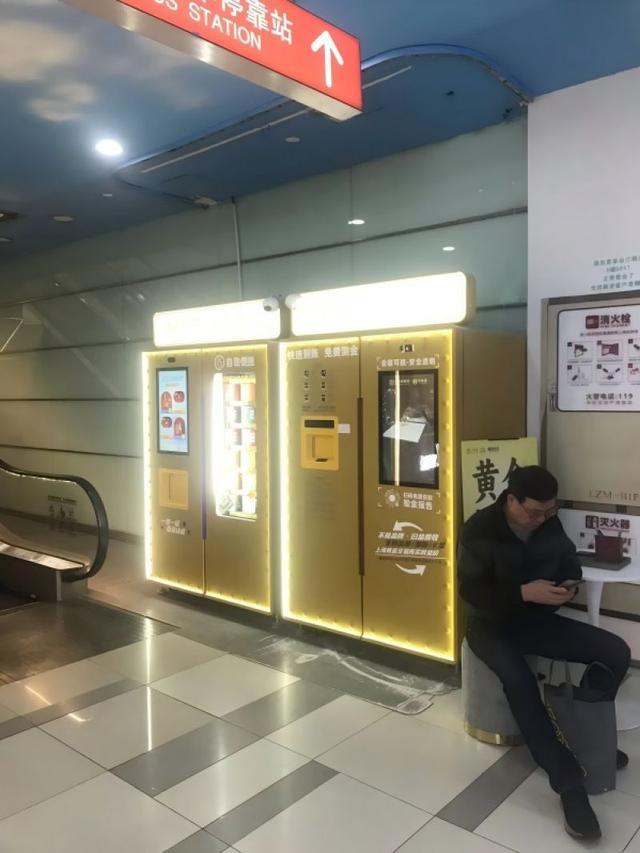
Core Viewpoint - The gold recycling market is experiencing a significant price surge, with gold recovery prices exceeding 1000 yuan per gram, driven by record international gold prices reaching historical highs [2][4][7]. Group 1: Market Trends - On December 23, international gold prices hit a record high, with London spot gold reaching 4490.67 USD per ounce and New York COMEX gold surpassing 4500 USD, peaking at 4589.5 USD per ounce [2]. - Domestic gold prices have also crossed the 1000 yuan mark, with bank interbank market gold investment bars priced at 1020.9 yuan per gram and physical store prices rising to 1400 yuan per gram [2]. - The Shanghai gold intelligent recycling machines raised their gold recovery price to 1010.5 yuan per gram, yet customer traffic has significantly decreased [3][4]. Group 2: Consumer Behavior - The initial popularity of gold recycling machines has waned, with reports of long queues in July when gold prices were around 780 yuan per gram, contrasting sharply with the current low customer turnout despite higher prices [4][5]. - Consumers who sold gold earlier at lower prices are expressing regret as they witness substantial price increases, with some reporting a difference of over 200 yuan per gram in just four months [5][6]. Group 3: Future Outlook - Analysts predict that the gold bull market will continue, with JPMorgan forecasting an average gold price of 5055 USD per ounce by Q4 2026 and further increases to approximately 5400 USD by the end of 2027, indicating over 10% potential growth in the coming year [7]. - The demand for gold is expected to remain strong, driven by central bank purchases and investor interest, with quarterly demand projected to average 585 tons [7]. Group 4: Industry Developments - The China Gold Association has introduced a new standard for gold recycling services, aiming to address issues such as pricing ambiguity and verification transparency, marking a shift towards a more regulated and professional industry [9][10]. - The new standards are anticipated to enhance consumer trust and promote healthy growth in the gold recycling market by clarifying service processes and protecting consumer rights [10].
从“突围化债”到“品质革命”,房地产迈向高质量发展新阶段
Hua Xia Shi Bao· 2025-12-24 01:26
Group 1 - The central economic work conference emphasizes stabilizing the real estate market and accelerating the construction of a new development model for real estate [1] - In 2023, the concept of a "new development model" for real estate was proposed, focusing on supply and demand reforms and debt resolution for real estate companies [1] - The high-quality development of real estate in China has significant potential, with ongoing repairs to both supply and demand sides and the gradual removal of unreasonable restrictive policies [1][2] Group 2 - The political bureau meetings throughout the year highlighted the importance of preventing and resolving risks in key areas, with real estate being a critical focus for expanding domestic demand [2] - Major measures to stabilize the real estate market include risk resolution, urban renewal, and increasing the supply of high-quality housing [2][3] - Cities have implemented various policies to stimulate demand, including reforms to the provident fund system and the cancellation of sales restrictions [2] Group 3 - Major cities like Beijing, Shanghai, and Shenzhen have relaxed purchase restrictions, significantly enhancing market vitality [3] - The central economic work conference indicates a potential further loosening of purchase restrictions in first-tier cities, emphasizing the importance of maintaining a "bottom line" in real estate [3][4] - The focus on stabilizing the market and resolving risks is expected to create a safer development environment for the real estate industry [4] Group 4 - The debt restructuring of several real estate companies has progressed, improving the overall health of the industry [4] - Kincai Real Estate Group, with a debt scale of 147 billion yuan, successfully completed its restructuring plan, marking a significant milestone in risk resolution for large real estate firms [4] - By November, 21 distressed real estate companies had completed debt restructuring, with a total debt resolution scale of approximately 1.2 trillion yuan [4] Group 5 - Financial support for real estate projects continues to strengthen, with the "Urban Real Estate Financing Coordination Mechanism" being a key tool [5][6] - The focus on improving the regulatory environment for home purchase funds and enhancing financing policies is expected to better protect project construction and delivery [6] Group 6 - The fundamental role of real estate is to serve the housing needs of the people, with an emphasis on providing higher quality products and enhancing urban living standards [7] - The central urban work conference outlined future urban development directions, focusing on creating livable, innovative, and sustainable cities [7][8] - The "15th Five-Year Plan" emphasizes optimizing the supply of affordable housing and improving housing quality, aligning with the public's aspirations for better living conditions [8]

“褪色”的《阿凡达3》:票房遇冷拖累博纳影业两日跌停,好莱坞大片难逃“内容为王”定律
Hua Xia Shi Bao· 2025-12-24 01:12
Core Viewpoint - The performance of "Avatar 3" is underwhelming compared to its predecessors, leading to concerns about the diminishing appeal of Hollywood blockbusters in the Chinese market [3][6][9]. Box Office Performance - "Avatar 3" has grossed 4.6 billion yuan as of December 23, with a projected total box office of 11.12 billion yuan, which is lower than the previous two films in the series [3][5]. - The film achieved a box office of 4.05 billion yuan in its opening week, capturing 54% of the market share, and is currently ranked fifth among imported films in China for the year [5][6]. - Despite strong competition, "Avatar 3" has surpassed "The Leisurely Production," which had been in theaters for 16 days [7]. Audience Reception - The film has received a rating of 7.6 on Douban, which is lower than the ratings of the first two films, 8.8 and 7.8 respectively [8]. - Audience feedback highlights impressive visual effects but criticizes the storyline [5]. Market Trends - There is a growing sentiment that the "Hollywood halo" is fading, as evidenced by the underperformance of other major films like "Mission: Impossible 8" and "Jurassic World: Rebirth" [4][9]. - The share of Hollywood films in the Chinese market has significantly decreased from 38.7% in 2017 to an estimated 15.1% in 2024 [9]. Competitive Landscape - "Zootopia 2" is performing well at the box office, with a cumulative total of 38.28 billion yuan and a forecast of over 41 billion yuan, potentially challenging the record of "Avengers: Endgame" [9][10]. - The marketing efforts for "Avatar 3" have been less aggressive compared to "Zootopia 2," which has received more promotional support in theaters [9][10]. Industry Insights - Analysts suggest that the success of animated films like "Zootopia 2" indicates a strong demand for quality content, regardless of the franchise [10]. - The evolving market dynamics suggest that the impact of different IPs will change over time, but high-quality content will continue to attract audiences [10].
