
Zhong Guo Neng Yuan Wang

Search documents
8000亿巨头的困局:工银瑞信规模停滞、业绩疲软与人才出走
Zhong Guo Neng Yuan Wang· 2026-01-19 09:21
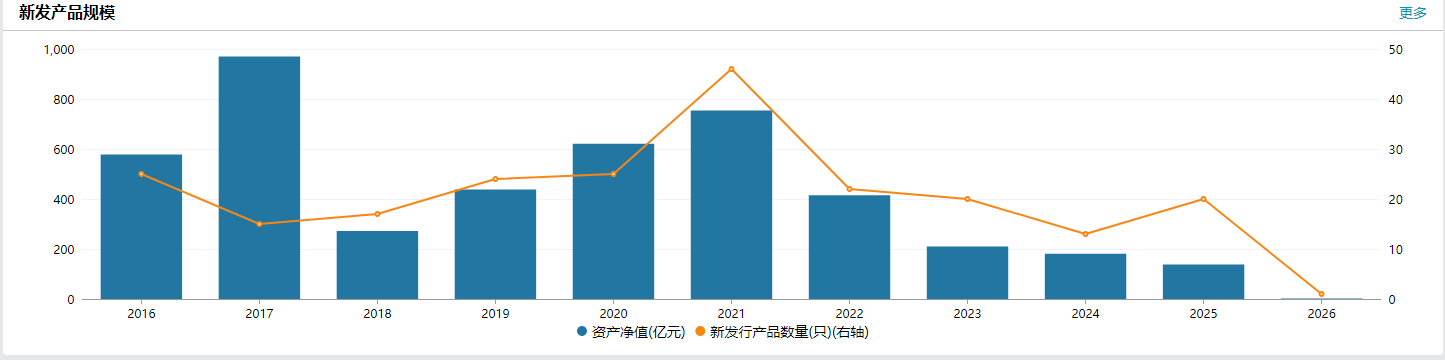
Core Insights - ICBC Credit Suisse Asset Management Co., Ltd. (ICBC Credit Suisse) has faced significant challenges, including stagnation in growth, weak equity performance, and talent loss, despite its rapid rise in the past [1] Group 1: Scale Challenges - ICBC Credit Suisse's asset management scale reached 800 billion yuan in 2021 but has seen minimal growth since, projected to only increase to 864.2 billion yuan by the end of 2025, while the overall public fund industry grew by 42% during the same period [2] - The company's ranking in the industry has dropped from 9th in 2021 to 14th by the end of 2025, indicating a diminishing competitive edge [2] - New product launches have declined since 2021, with active equity business shrinking significantly, which is critical for assessing the company's investment research capabilities [2][4] Group 2: Performance Issues - From 2022 to 2023, ICBC Credit Suisse's funds incurred substantial losses totaling 45.016 billion yuan, with 36.541 billion yuan in 2022 and 8.575 billion yuan in 2023, marking a period of severe scale contraction [5] - In 2024, the market recovery allowed the company to achieve a profit of 25.755 billion yuan, leading to a slight rebound in scale [5] - The long-term performance of equity products has been underwhelming, with annualized returns for stock and mixed funds ranking 53rd and 33rd in the industry, respectively, during the market recovery in 2024 [5] Group 3: Talent Loss - Since 2022, 18 fund managers have left ICBC Credit Suisse, including key figures, leading to a significant talent drain [7] - The departure of prominent managers has resulted in a gap in the investment research system, particularly affecting the company's ability to capitalize on key investment opportunities in sectors like technology and new energy [7][8] - The company has attempted to fill the talent gap by hiring 50 new fund managers, primarily from within, but these individuals lack the experience needed to quickly replace the lost expertise [7][8]

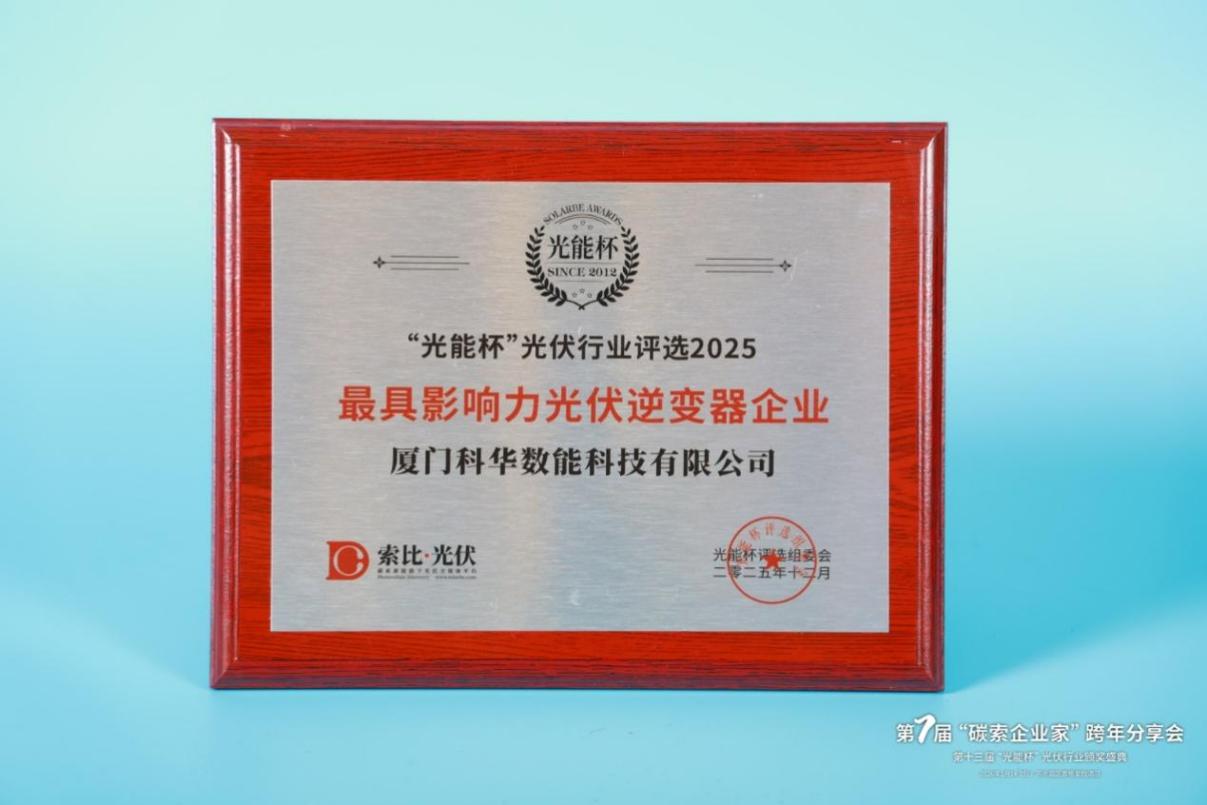
科华数能蝉联“最具影响力光伏逆变器企业”奖项
Zhong Guo Neng Yuan Wang· 2026-01-19 09:19
Core Insights - The seventh "Carbon Entrepreneur" New Year Sharing Conference was held in Suzhou, where Kehua Data was awarded the title of "Most Influential Photovoltaic Inverter Company" [1] - This recognition highlights Kehua Data's strong R&D capabilities, excellent product performance, and extensive project experience in the global energy storage industry [1] Group 1 - Kehua Data has 37 years of deep technical accumulation in the power electronics field and has been focused on photovoltaic inverters for 18 years [3] - The company emphasizes technological innovation as its core driving force, continuously launching efficient, safe, stable, reliable, and intelligent photovoltaic inverter products [3] - Kehua Data has developed the first domestic 1500V 5MW liquid-cooled centralized photovoltaic inverter and a new generation 320kW string inverter, receiving acclaim within the industry [3] Group 2 - The new generation string inverter achieves a maximum efficiency of 99.04% and has been successfully applied in various challenging project environments [3] - The 5MW liquid-cooled centralized photovoltaic inverter utilizes advanced liquid cooling technology, capable of operating at full load in 45°C environments, with a maximum MPPT voltage range increased to 1500V [3] - Kehua Data aims to continue its innovation efforts, enhancing product R&D levels and promoting photovoltaic technology advancements to provide more efficient, safe, and intelligent solutions for global users [3]

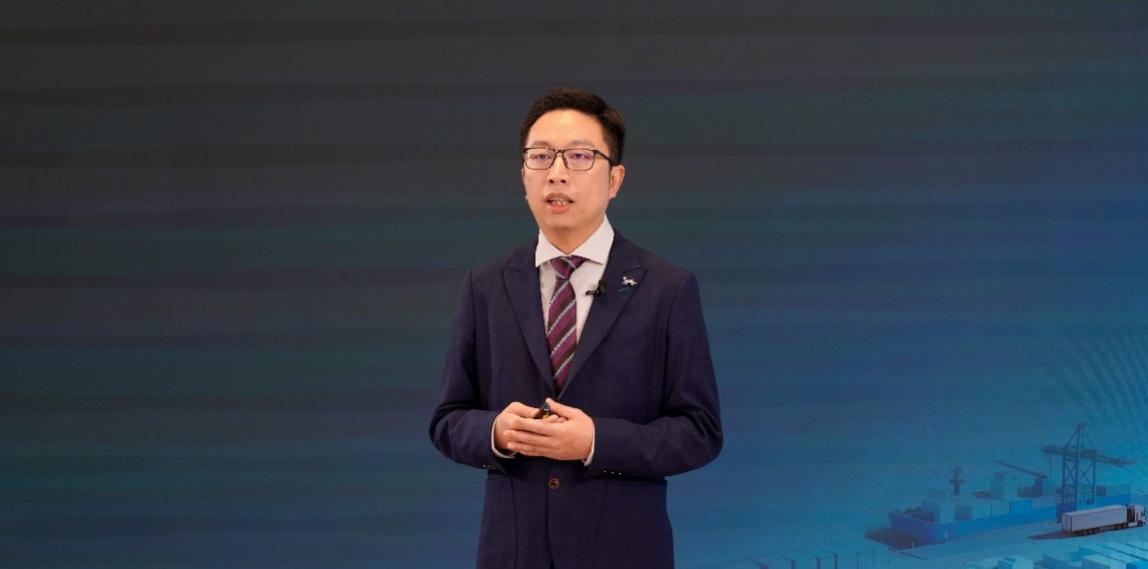
让有路的地方就有高质量充电|华为发布2026充电网络产业十大趋势
Zhong Guo Neng Yuan Wang· 2026-01-19 09:17
Core Viewpoint - Huawei emphasizes the ongoing evolution of the charging network industry, highlighting its potential for high-quality development and the transformative impact of electric logistics on energy and transportation [1]. Group 1: Industry Trends - Trend 1: High-Quality Development - The shift from passenger to commercial vehicles necessitates high-quality charging solutions, leading to the large-scale upgrade of outdated charging equipment to meet diverse energy needs [3]. - Trend 2: Comprehensive Supercharging - The market share of supercharging vehicles is expected to rise significantly, driven by the widespread adoption of third-generation semiconductor materials and high-capacity power batteries [5][6]. - Trend 3: Logistics Megawattization - The transition from diesel to electric in heavy-duty trucks is anticipated to create a commercial ecosystem, with declining battery costs and advancements in megawatt charging technology driving this trend [8]. - Trend 4: Station Megawattization - High-capacity stations (hundred-megawatt level) will become standard in all-electric logistics, benefiting from regional clustering effects due to technological barriers and scale advantages [9]. Group 2: Safety and Technology - Trend 5: Safety and Trustworthiness - The increased charging power for commercial vehicles necessitates a focus on safety, integrating robust electrical safety measures and cybersecurity protocols [11]. - Trend 6: Liquid Cooling for Supercharging - The adoption of liquid cooling technology is essential for efficient heat dissipation in challenging charging environments, transitioning from traditional air cooling to integrated vehicle and charging station cooling solutions [12]. - Trend 7: Direct Current Storage and Charging - Direct current storage and charging can effectively enhance power capacity, facilitating the rapid and cost-effective establishment of supercharging stations [14]. Group 3: Infrastructure and Innovation - Trend 8: Modular Station Construction - Modular solutions for station construction will streamline engineering and equipment setup, offering flexibility and cost-effectiveness for diverse charging scenarios [17]. - Trend 9: Microgrid Integration - The integration of photovoltaic systems and energy storage with advanced cooling technologies will create comprehensive solutions for power capacity enhancement and green energy utilization [18]. - Trend 10: AI Empowerment - The intelligent development of charging networks will enhance the overall charging experience for users, improving logistics efficiency through collaborative digital solutions [19]. Conclusion - By 2026, Huawei aims to collaborate with partners to build a seamless, high-quality supercharging network, seizing opportunities in the electric vehicle transition [21].
氢电耦合再突破 14平米箱体开创绿氢制造新范式
Zhong Guo Neng Yuan Wang· 2026-01-19 09:17
Core Insights - The "Compact Renewable Energy Electric Thermal Hydrogen Co-production System Module Key Technology" project was officially launched in Ningbo, Zhejiang, on January 16, marking a significant advancement in green hydrogen manufacturing technology [1] - The project enhances hydrogen production efficiency and safety while significantly reducing the space required for hydrogen production, storage, and fuel cell equipment, thus promoting the industrialization and accessibility of green hydrogen [1] Group 1 - The project utilizes only 14 square meters of container space, compared to the thousands of square meters previously required, achieving a breakthrough in lightweight and compact green hydrogen manufacturing technology [1] - Zhejiang province, being a major energy consumer with limited resources, is actively exploring green hydrogen to address its high fossil energy consumption and external energy dependency [1] - The State Grid Zhejiang Electric Power has implemented four hydrogen energy demonstration projects in various locations, innovatively integrating hydrogen energy with wind and solar power [1] Group 2 - The project has achieved a significant reduction in the size of hydrogen production devices while improving overall energy conversion efficiency, with a conversion efficiency exceeding 98% and a fuel cell combined heat and power efficiency over 97% [2] - The engineering employs low-pressure high-density solid-state metal hydrogen storage technology, which allows for hydrogen storage at normal pressure, significantly reducing leakage and explosion risks [2] - The system includes nearly 20 monitoring probes and features a pioneering hydrogen micro-leakage early warning and positioning technology, with a rapid response time of only 56 milliseconds for leak or fire risk management [2]
天风证券、长江证券等成立企业管理研究院公司,注册资本3000万
Zhong Guo Neng Yuan Wang· 2026-01-19 08:52
Group 1 - A new company, Hubei Yangtze River Enterprise Management Research Institute Co., Ltd., has been established with a registered capital of 30 million RMB [1] - The legal representative of the company is Tu Junshan, indicating a structured leadership [1] - The company's business scope includes social and economic consulting services, information technology consulting services, and enterprise management consulting [1] Group 2 - The company is jointly owned by Hubei Provincial Investment Company, Changjiang Securities Innovation Investment (Hubei) Co., Ltd., and Tianfeng Innovation Investment Co., Ltd., showcasing a collaborative investment approach [1]


凛冬保供进行时!“地下尖兵” 筑牢能源生命线
Zhong Guo Neng Yuan Wang· 2026-01-19 08:11
凛冬已至,民生供暖进入关键窗口期。能源保供,是关乎千家万户温暖的"头等大事"。神东煤炭补连塔 煤矿开足马力保生产,该矿综采二队12417工作面复杂地质条件给煤炭开采带来严峻考验。面对挑战, 综采二队全体干部职工化身"地下尖兵",以精准高效的硬核举措攻坚克难,在百米井下筑牢坚实的能源 保供生命线,用担当与坚守,守护万家冬日暖意。 ...
奋楫四十二载 赓续新篇 |煤炭运销公司:精准施策促增收,同心攻坚擘画百亿蓝图
Zhong Guo Neng Yuan Wang· 2026-01-19 07:07
2025年是"十四五"规划收官之年,也是能源行业深化供给侧结构性改革、推动高质量发展的关键之年。面对煤炭市场供需调整与价格波动 的复杂局面,煤炭运销公司全面落实国家电投内蒙古公司"绿色转型 奋进百亿"目标,坚持以市场为导向、以效益为中心,聚焦销售结构 优化与运营效能提升,全力以赴推动销售收入稳步增长,为"十四五"圆满收官贡献运销力量。 政策引领,精准施策,筑牢保供稳价基础 (煤炭运销公司 刘鹏 陈雪晗) "十四五"期间,国家持续推进能源革命,强调煤炭的"压舱石"作用与清洁高效利用。煤炭运销公司积极顺应政策导向,严格落实长协煤履 约机制,2025年长协煤兑现率稳定在90%以上,有效发挥稳价保供作用;在特殊时段,优先保障农牧民取暖、区域供热等民生用煤需 求,"十四五"期间累计供应民生保障用煤超过850万吨,切实履行了国有企业社会责任。同时,公司密切关注宏观经济走势与区域能源需 求变化,动态优化销售策略。迎峰度夏期间,全国多地出现持续高温暴雨等极端天气,电力负荷屡创新高,公司迅速响应,加强供需衔 接,保障全月日均运力45列以上,兑现"暴雨冲不垮输煤生命线"的承诺。2025年迎峰度夏期间,公司创下单日外运峰值近30万 ...
国际油价小幅上涨,丁二烯、环氧丙烷价格上涨
Zhong Guo Neng Yuan Wang· 2026-01-19 06:53
Core Viewpoint - The report highlights the current trends in the chemical industry, focusing on price movements, supply and demand dynamics, and investment opportunities in undervalued leading companies amid a backdrop of geopolitical tensions and changing market conditions [1][4][8]. Industry Dynamics - In the week of January 12-18, 49 out of 100 tracked chemical products saw price increases, while 20 experienced declines, and 31 remained stable. The average monthly price of 49% of products rose compared to the previous month [3]. - The average price of WTI crude oil futures increased by 0.54% to $59.44 per barrel, while Brent crude oil futures rose by 0.66% to $63.76 per barrel during the same week [4]. - As of January 9, U.S. crude oil production averaged 13.753 million barrels per day, a decrease of 58,000 barrels from the previous week but an increase of 272,000 barrels year-on-year. Total U.S. oil demand was 21.009 million barrels per day, up by 178,200 barrels from the previous week [4]. Price Movements - The price of butadiene rose by 4.04% to 9,663 yuan per ton as of January 18, with a month-on-month increase of 25.98% but a year-on-year decrease of 20.8%. The production of butadiene was 109,300 tons, down 2.85% from the previous week [5]. - Epoxy propane prices increased by 8.84% to 8,620 yuan per ton, with a year-on-year rise of 9.88%. The market operating rate was 65.38%, reflecting a 1.51% increase from the previous week [6][7]. Investment Recommendations - As of January 18, the price-to-earnings ratio (TTM) for the SW basic chemical sector is 14.68, at the 59.64% historical percentile, while the price-to-book ratio is 1.54, at the 40.20% historical percentile. The SW oil and petrochemical sector has a TTM P/E ratio of 13.44, at the 39.81% historical percentile [8]. - Investment suggestions include focusing on undervalued leading companies, the impact of "anti-involution" on supply in related sub-industries, and the growing importance of self-sufficiency in electronic materials and certain new energy materials amid rising prices [2][8]. - Recommended stocks include Wanhua Chemical, Hualu Hengsheng, and others, with a focus on sectors like semiconductor materials, OLED materials, and new energy materials [8][9].





北京市商业航天和低空经济产业基金等入股凌空天行
Zhong Guo Neng Yuan Wang· 2026-01-19 06:24
天眼查工商信息显示,近日,北京凌空天行科技有限责任公司发生工商变更,新增北京市商业航天和低 空经济产业投资基金(有限合伙)、嘉兴沃赋凌空股权投资合伙企业(有限合伙)、北京市新材料产业投资 基金(有限合伙)等为股东,同时,注册资本由约3535万人民币增至约3766万人民币,同时,多位主要人 员发生变更。 北京凌空天行科技有限责任公司成立于2012年8月,法定代表人为王毓栋,经营范围包括销售民用运载 火箭、电子产品、电气设备及零配件、机械设备等。股东信息显示,该公司现由王毓栋、刘波及上述新 增股东等共同持股。据媒体报道,此前,该公司因造出高超音速导弹引发关注。 ...
固态电池迈向工程化验证关键期
Zhong Guo Neng Yuan Wang· 2026-01-19 04:57
Market Performance - The electric equipment and new energy sector increased by 0.79% this week, with industrial automation rising by 4.19%, the new energy vehicle index up by 1.44%, the photovoltaic sector up by 0.87%, and the nuclear power sector up by 0.66%. Conversely, the power generation equipment fell by 2.27%, the lithium battery index decreased by 3.55%, and the wind power sector dropped by 4.74% [1][3]. Industry Insights - In the new energy vehicle sector, global sales are expected to grow rapidly, with projections of 16.49 million units sold in 2025, a year-on-year increase of 28.2%, and 19 million units in 2026, a 15.2% growth [4]. - The domestic power battery cumulative installation is projected to reach 769.7 GWh by 2025, reflecting a 40.4% year-on-year growth [4]. - The solid-state battery technology is approaching a critical engineering verification phase, with companies like BYD bidding for GWh-level solid-state battery equipment [4]. - The photovoltaic sector is expected to benefit from regulatory measures aimed at controlling upstream silicon material prices, which may enhance profitability in downstream battery components [2][4]. - Wind power demand is anticipated to continue growing, with government support for new projects [2][4]. Company Highlights - Tianji Co. expects a net profit of 70 million to 105 million yuan in 2025, marking a return to profitability [5]. - Siyuan Electric anticipates a net profit of 3.163 billion yuan in 2025, a 54.35% increase year-on-year [5]. - TCL Zhonghuan forecasts a net loss of 8.2 billion to 9.6 billion yuan in 2025 and plans to invest in new energy to accelerate its integrated strategy [5]. - Rongbai Technology signed a procurement agreement with CATL for lithium iron phosphate materials, with total sales expected to exceed 120 billion yuan [5].
