Zhong Guo Qing Nian Bao

Search documents
2030年,我国高职院校办学能力评估实现全覆盖
Zhong Guo Qing Nian Bao· 2025-12-29 03:11
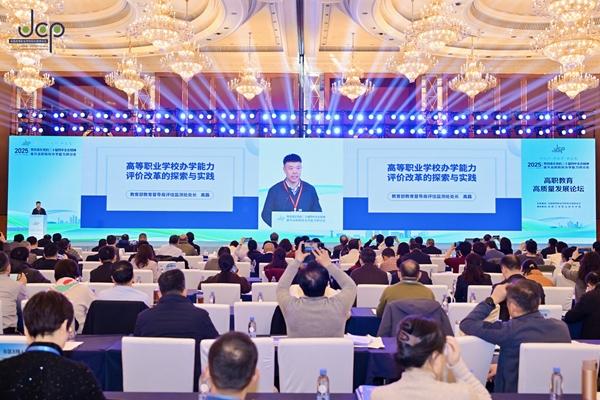
Core Viewpoint - The evaluation of the operational capabilities of higher vocational schools in China will be implemented annually, aiming for full coverage by 2030, with assessments officially starting in 2025 [1][2]. Group 1: Evaluation Implementation - The Ministry of Education has established an expert working group to develop evaluation indicators and frameworks, with pilot tests conducted in 30 schools across 15 provinces [1][2]. - The evaluation reform is a significant change in the vocational education assessment system, marking a new phase of high-quality development [2]. Group 2: Goals and Objectives - The primary goal of the evaluation is to enhance the internal quality of vocational schools, focusing on five key elements: majors, courses, teaching materials, teachers, and practical training [4]. - The evaluation aims to address current challenges in vocational education, such as the imbalance between scale and quality, and to promote deeper integration of education and industry [2][4]. Group 3: Strategic Importance - The evaluation is seen as a necessary step to align vocational education with national strategies, emphasizing the cultivation of high-quality skilled talents in response to emerging technologies and industrial restructuring [2][5]. - The evaluation process is designed to serve as a catalyst for development, encouraging schools to integrate assessment requirements into their operational processes [4]. Group 4: Synergy with Other Initiatives - The evaluation is closely linked to the "Double High Construction Plan," which aims to establish a national team in vocational education, with both initiatives supporting and enhancing each other [5]. - The "Double High" construction schools will be prioritized in the evaluation process to strengthen their role as benchmarks and engines for overall improvement in vocational education [5].

【中国青年报】“太空小鼠”返地后成功育仔
Zhong Guo Qing Nian Bao· 2025-12-29 03:02
Group 1 - The core finding of the experiment indicates that short-term space flight did not significantly affect the reproductive capabilities of mice, as evidenced by successful mating and birth of offspring after their return to Earth [1][2] - A total of 9 offspring were born from the space mice, with 6 surviving, demonstrating a normal survival rate [1] - The research provides valuable samples for future studies on the effects of space environments on mammalian reproduction [1] Group 2 - The experiment involved 4 mice launched aboard the Shenzhou 21 spacecraft, which were housed in a small mammal breeding facility on the Chinese space station [2] - During the mission, the mice faced a "food shortage" due to adjustments in the Shenzhou 20 return plan, prompting the ground research team to implement an emergency response [2] - The team successfully provided emergency food in the form of soy milk after evaluating various potential alternatives, ensuring the mice's survival during the mission [2]
别让“手机式童年”剥夺下一代的思考力
Zhong Guo Qing Nian Bao· 2025-12-29 02:45
Core Viewpoint - The issue of "smartphone addiction" among children and adolescents is alarming, as their underdeveloped nervous systems make them more susceptible to cognitive impairments caused by smartphone use [1] Group 1: Impact on Children - Younger children face significant risks such as attention fragmentation, weakened thinking abilities, and lack of empathy due to excessive smartphone use [1] - Outdoor play is essential for children to develop crisis management skills, physical fitness, psychological resilience, and social abilities, which are compromised when children grow up focused on screens [1] - Children raised with smartphones often rely on algorithmically curated information, losing opportunities for real-world interactions that foster critical thinking [1] Group 2: Navigating the Digital World - It is crucial to integrate children into the digital world without isolating them, focusing on how to use the internet as a tool for broadening perspectives rather than limiting growth [2] - Dependence on AI tools for problem-solving can hinder the development of independent thinking skills in children, as they may miss the learning process involved in problem-solving [2] - The "information cocoon" created by algorithms can stifle creativity and critical thinking, emphasizing the need for a diverse exposure to information rather than a narrow, tailored experience [2] Group 3: Emotional and Social Development - Negative online interactions can adversely affect children's emotional well-being, leading to a loss of empathy and healthy expression of thoughts [3] - Enhancing children's digital literacy requires a collaborative effort from families, schools, and society, with parents taking the lead in fostering meaningful interactions over screen time [3] - Schools should implement comprehensive digital literacy programs that teach not only how to use the internet but also how to discern information, protect oneself, and express opinions rationally [3]
国家医保局:长护险制度将从试点转向全面建制
Zhong Guo Qing Nian Bao· 2025-12-29 00:10
Group 1 - The long-term care insurance (LTCI) system has covered nearly 300 million people and benefited over 3.3 million disabled individuals, with total fund expenditures exceeding 100 billion yuan [1] - The LTCI system is recognized as a significant measure to address population aging and will transition from pilot programs to comprehensive establishment during the 14th Five-Year Plan, focusing initially on severely disabled individuals [1] - The National Healthcare Security Administration aims to adjust reimbursement ratios to favor home and community services, optimizing existing resources in grassroots healthcare institutions [1] Group 2 - The transition to a comprehensive LTCI system is expected to drive the development of the smart care equipment industry, boosting market confidence for companies in this sector [2]
云南“希望高中班”:托举梦想的翅膀
Zhong Guo Qing Nian Bao· 2025-12-28 22:41
Core Insights - The "Hope High School Class" initiative, launched by the Communist Youth League of Yunnan Province 12 years ago, has significantly impacted the education landscape in Yunnan, with plans to expand to Wenshan Zhuang and Miao Autonomous Prefecture in 2026 [1] - Over the past 12 years, 59 "Hope High School Classes" have been established across 20 high schools in Yunnan, benefiting 3,223 underprivileged yet talented students, with impressive academic outcomes [1][2] - The program provides comprehensive support, including financial aid ranging from 3,000 to 8,000 yuan per student per academic year, and additional scholarships for outstanding graduates [1][5] Group 1: Program Impact - In 2025, 350 students from seven "Hope High School Classes" successfully completed the college entrance examination, with two students ranking in the top 50 in the province and 97 scoring above 600 [1] - The initiative has fostered a supportive community among students, promoting mutual assistance and personal growth, as illustrated by individual success stories [2][4] - The program has evolved from simple financial aid to a multidimensional support system that includes mentorship and development opportunities [5] Group 2: Educational Approach - Schools involved in the program leverage local cultural resources to enhance educational experiences, including field trips to patriotic education sites and renowned universities [3] - A sustainable development mechanism has been established through the Dali No. 1 Middle School Education Development Fund, supporting broader educational innovations and teacher training [3] - The program emphasizes the integration of moral education with practical experiences, creating a nurturing environment for students [2][3] Group 3: Long-term Outcomes - The initiative has produced a generation of socially responsible and ambitious youth, with many graduates pursuing higher education at prestigious universities [4] - The program's success is reflected in the transformation of beneficiaries into contributors, creating a ripple effect of goodwill and support within the community [5] - By 2025, the Yunnan Youth Development Foundation had raised over 90.1 million yuan in funds and materials, benefiting youth across 16 prefectures and 88 former national-level poverty counties [5]
硬核创新铸底气 2025步履铿锵
Zhong Guo Qing Nian Bao· 2025-12-28 22:16
Group 1 - The Jiangmen neutrino experiment officially began data collection in August 2025, becoming the world's first large-scale, high-precision neutrino facility [2][7] - China's manned space program has successfully completed multiple missions, including emergency launches, marking significant milestones in the development of the Chinese space station [3][7] - The "Chang'e 6" mission returned 1935.3 grams of lunar soil from the moon's far side, contributing to ongoing research that enhances understanding of lunar geology [4][8] Group 2 - The National Space Administration's action plan for commercial space development outlines 22 key initiatives to promote high-quality growth in the commercial space sector [5] - The "DeepSeek" AI model has transformed search habits, indicating a significant shift in how people interact with technology [9][12] - The introduction of the revised National Natural Science Foundation regulations encourages collaboration between government, enterprises, and organizations to foster innovation [14][15] Group 3 - The "Youth Science and Technology Talent Cultivation Project" aims to support the development of young scientists, emphasizing the importance of nurturing talent for future innovation [18][20] - The "Deep Time Digital Earth" international scientific plan, initiated by China, aims to enhance global geological knowledge through international collaboration [23][24] - The ITER project, a major international nuclear fusion initiative, has seen significant progress with China's successful development of a critical component [24][26]

北京联通“青春影像”高校歌手征集活动总决赛在京举行
Zhong Guo Qing Nian Bao· 2025-12-28 10:00
Group 1 - The core event of the article is the final competition of the "Youth Image" singer recruitment activity held by Beijing Unicom, showcasing 12 finalists from various universities in Beijing [1] - The competition aimed to cover all universities in Beijing and took place over two months, culminating in the selection of 12 outstanding contestants [1] - The winners of the competition were Zhang Yuesheng from the Central Conservatory of Music, Qiao Ziyu from Beijing International Studies University, and Qi Jianing from the Central Conservatory of Music, who won first, second, and third place respectively [1] Group 2 - Beijing Unicom emphasizes its commitment to youth development and education, viewing it as an important social responsibility [1] - The company plans to continue investing in smart campus construction, supporting online teaching innovation with high-speed networks, and providing personalized education services through intelligent big data [1] - The initiative aims to empower youth to pursue their dreams and contribute to the development of the nation, fostering a new generation capable of shouldering the responsibilities of national rejuvenation [1]

在柬中企举办境外安全风险防控专题培训,提升风险防范应对能力
Zhong Guo Qing Nian Bao· 2025-12-28 09:22
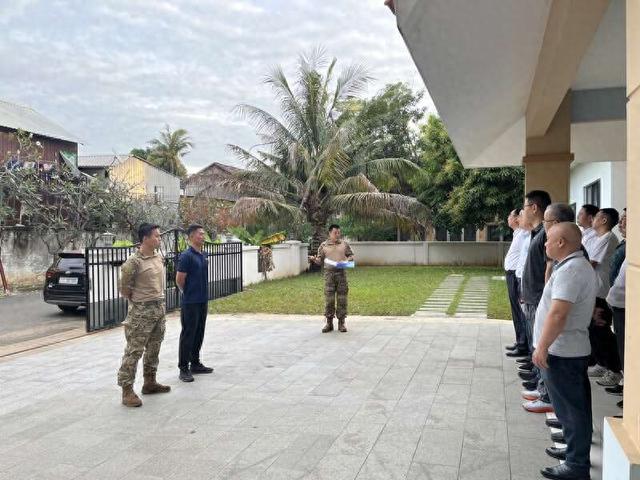
Core Viewpoint - The training conducted by China Railway Construction Port and Shipping Bureau in Cambodia aims to enhance overseas risk prevention and response capabilities, ensuring smooth business operations and employee safety in Cambodia [1][4]. Group 1: Training Details - The training focused on current regional situations and common risks associated with overseas projects, utilizing professional lectures and emergency simulations to improve overall security and emergency response capabilities [1][3]. - A specialized team from Zhongjun Junhong Group provided systematic guidance on key areas such as personal safety protection, geopolitical dynamics analysis, labor compliance management, and emergency response to public incidents [3]. - The training included explanations and simulations of emergency evacuation plans to strengthen organizational coordination and rapid response capabilities in crisis situations [3]. Group 2: Collaboration and Support - Zhou Yingping, General Manager of China Southern Airlines in Phnom Penh, discussed the emergency transportation support mechanism, detailing processes for emergency flight scheduling and personnel transfer coordination to facilitate quick and safe evacuations [3]. - The company emphasizes that overseas safety is fundamental to high-quality development and is committed to continuously improving its risk prevention system and normalizing safety management practices [3][4]. Group 3: Corporate Responsibility - As a significant Chinese enterprise in Cambodia, the company integrates safety production with social responsibility, reinforcing its commitment to risk prevention as part of its routine operations [4]. - The training is part of the company's efforts to provide a solid safety guarantee for the implementation of the Belt and Road Initiative projects in Cambodia [4].

刘际昕:回应年轻人对“意义感”的渴求
Zhong Guo Qing Nian Bao· 2025-12-28 01:19
Core Viewpoint - The article highlights the innovative teaching methods employed by Liu Jixin, a young teacher at China University of Political Science and Law, focusing on experiential case teaching to engage students in understanding governance and social issues through real-life examples [1][2][3]. Group 1: Teaching Methodology - Liu Jixin utilizes experiential case teaching to bridge theoretical concepts with practical applications, allowing students to grasp the complexities of grassroots governance [2][3]. - The teaching approach emphasizes the importance of personal experience in conveying the nuances of Chinese governance and societal issues, making the lessons more relatable and impactful for students [3][6]. - Liu's method has gained recognition, evidenced by his award in the Beijing Higher Education Political Theory Course Teaching Skills Competition, reflecting the effectiveness of his teaching style [3]. Group 2: Student Engagement - Students are encouraged to engage with real-world issues, such as community governance challenges, which fosters a deeper understanding of democratic processes and local governance [2][3]. - Feedback from students indicates that they find the political theory classes to be a source of emotional support and a way to connect with broader societal narratives [5][6]. - The incorporation of stories and real-life examples, such as the "backpack judge" initiative, helps students understand the practical implications of legal and governance concepts [6]. Group 3: Societal Impact - The article discusses the growing interest among young people in participating in meaningful activities, such as tree planting in the desert, indicating a desire for connection with national narratives [5]. - Liu Jixin's approach aims to instill a sense of civic responsibility in students, encouraging them to understand their role in society and governance [6]. - The focus on balancing professional education with civic education aims to prepare future legal professionals to engage with the complexities of social life and governance [6].
“百万英才汇南粤”秋季大型招聘会在深圳举办
Zhong Guo Qing Nian Bao· 2025-12-27 13:36
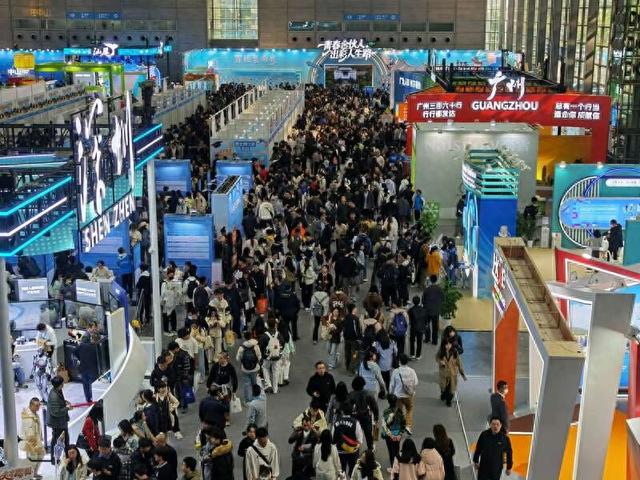
Group 1 - The "Million Talents Gathering in South Guangdong" autumn recruitment fair was held in Shenzhen, featuring 1,825 key employers and offering over 65,000 quality job positions [1][5] - The event attracted more than 120,000 students from over 1,700 universities, including participation from over 40 Fortune 500 companies and more than 300 listed companies [3][5] - The recruitment fair provided nearly 9,000 doctoral positions, over 12,000 master's positions, and more than 35,000 undergraduate positions, along with over 10,000 internship opportunities for 2027 graduates [5][8] Group 2 - A highlight of the fair was the establishment of a "Leading Enterprises Zone," where eight well-known companies, including BYD and Tencent, collaborated with over 80 supply chain companies to showcase talent needs across the entire industry chain [5] - The recruitment fair offered competitive salary packages, with nearly half of the positions offering annual salaries exceeding 200,000 yuan, and over 4,000 positions in the 500,000 to 1,000,000 yuan range [8] - An "APEC Talent Connection Service Zone" was set up to attract foreign and returning talents, leveraging the upcoming 2026 APEC summit in Shenzhen [8]