
Zhong Guo Qi Che Bao Wang

Search documents
助力二手车交易信任提升,懂车帝汽车商城武汉店投入运营一周年
Zhong Guo Qi Che Bao Wang· 2025-09-08 06:29
9月8日,懂车帝汽车商城武汉店迎来投入运营一周年。一年来,通过提供包括官方质检、直营一口价、多重售后保障在内的高品质二手车服 务,懂车帝汽车商城武汉店成为武汉及周边地区消费者购买二手车的首选之一,甚至有消费者在一年内来此连购两辆车。值得一提的是,除了线下 销售外,该门店还推出"线上购车、线下交付"的全国购模式,将高品质二手车销售至全国各地。 业内人士表示,一年来的市场变化表明,通过落地线下门店并结合线上购车方式,作为平台企业的懂车帝能够更好地发挥其服务特色和技术优势,在为 消费者创造良好的二手车消费环境、提高二手车交易透明度的同时,还能持续为提升二手车消费水平和交易信任做出贡献。 走进位于武钢云谷·606产业园的懂车帝汽车商城武汉店,一排排二手车映入眼帘,涵盖市面上的绝大部分主流车型,场面颇为壮观。据了解,该门店于 2024年9月8日正式投入运营,整体面积近2万平米,可同时容纳500余台展车,能够提供二手车一站式交易和汽车文化体验服务。这是懂车帝在全国落地的第 三家、也是迄今为止最大的线下直营门店。秉承"放心买车,就上懂车帝"的品牌理念,该门店能够提供二手车的交易、过户、物流、保险、售后维修、保养 等全流程服 ...


头部企业强强联合!一汽奔腾超85亿元增资落地叩响新发展阶段
Zhong Guo Qi Che Bao Wang· 2025-09-08 06:16
Core Viewpoint - The capital increase of FAW Bestune, amounting to 8.55 billion yuan, aims to enhance its capabilities in new energy technology research and development, smart manufacturing upgrades, and channel ecosystem construction, marking a significant step in its transformation towards becoming a leading player in the new energy vehicle sector [1][2][21]. Investment Details - Four major enterprises invested a total of 3.31 billion yuan in FAW Bestune: Jiangsu Yueda Automotive Group invested 1.71 billion yuan, Agricultural Bank of China’s investment platform invested 1 billion yuan, China Telecom invested 500 million yuan, and Horizon Robotics invested 100 million yuan [1][2]. - The controlling shareholder, China FAW Group, also increased its investment by 5.24 billion yuan, bringing its total shareholding to 79.0394% [1][2]. Strategic Implications - The collaboration with diverse investors is expected to create a synergistic effect, enhancing resource integration and strategic alignment, which will significantly boost FAW Bestune's transition to new energy vehicles [2][7][15]. - The investment from state-owned enterprises and technology leaders is anticipated to foster innovation in automotive finance, smart vehicle technology, and supply chain efficiency [10][15]. Performance Metrics - In 2024, FAW Bestune achieved a record sales volume of 151,000 vehicles, with new energy vehicle sales reaching 83,000 units, a year-on-year increase of 214% [5][6]. - For the first eight months of 2024, total vehicle sales reached 118,000 units, up 47.5% year-on-year, while new energy vehicle sales surged to 101,000 units, marking a 233.9% increase [5][6]. Future Plans - FAW Bestune plans to launch six new models under the Bestune Yuedi series, covering various market segments and powertrain options, including pure electric, hybrid, and range-extended vehicles [19][21]. - The company aims to establish a comprehensive product matrix that caters to a wide range of consumer needs, enhancing its competitive position in the new energy vehicle market [19][21].

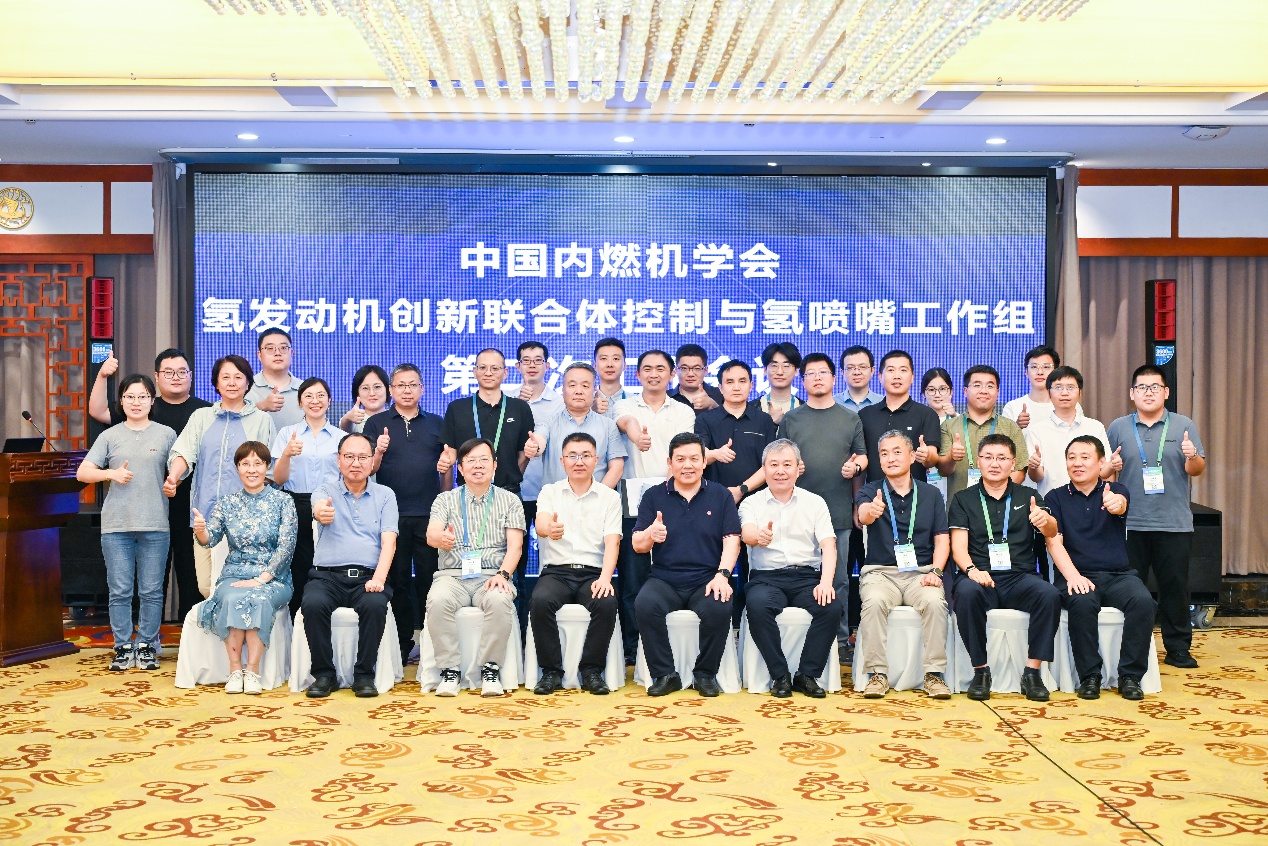
中国内燃机学会氢发动机创新联合体控制与氢喷嘴工作组第二次会议在潍坊召开
Zhong Guo Qi Che Bao Wang· 2025-09-08 04:23
氢内燃机作为传统内燃机向清洁高效方向转型的关键技术,其核心控制系统及氢喷嘴技术的突破与应用,将为行业带来深远的影响。在此背景下,控制 与氢喷嘴工作组应运而生,旨在凝聚行业智慧,推动氢内燃机电控和氢喷嘴技术的创新发展。 本次会议围绕氢内燃机控制与氢喷嘴技术的最新进展及未来发展方向,设置了多个专题报告和研讨环节,取得了丰硕的成果。 联合体副理事长兼控制与氢喷嘴工作组组长李志杰主持会议并简要介绍了会议背景及重要意义,为会议的顺利开展奠定了良好基础。 工作组汇报了氢发动机创新联合体控制与氢喷嘴工作组年度工作进展、后续工作计划。行业专家做了专题报告,与会专家、领导就氢内燃机控制、氢喷 嘴等技术发展进行了充分讨论,促进行业共性问题识别及解决。 联合体理事长、清华大学帅石金教授对工作组的工作给予了高度评价,并对氢内燃机技术的未来发展提出了殷切期望。帅石金表示,希望工作组能够继 续发挥行业引领作用,推动氢内燃机技术的快速落地与产业化应用。 在国家"双碳"战略目标的指引下,氢能源技术作为实现绿色低碳发展的重要路径,正在全球范围内掀起新一轮的技术革命。日前,在交通能源 与零碳动力大会期间,中国内燃机学会氢发动机创新联合体控制与氢 ...
现代汽车爆发罢工!要求上4.5天班并涨工资
Zhong Guo Qi Che Bao Wang· 2025-09-08 03:52
在因疫情罕见消停数年后,韩国汽车行业的固有"传统"——罢工似乎再次卷土重来。 根据现代汽车工会向其成员发出的通知,9月3日-5日,工会在现代汽车的蔚山、全州、牙山等地的多家工厂发起部分罢工。其中,9月3日和4日昼夜 各停工两小时,9月5日昼夜各停工四小时。另外,与现代汽车同属一个工会的现代摩比斯员工也参加了罢工。 不过,现代汽车管理层则认为,美国关税压力和电动汽车需求放缓将继续对未来的营业利润率构成下行风险。为此,资方提出的方案是,每月基本工 资增加9.5万韩元,在相当于月基本工资400%的绩效奖金基础上再增加1400万韩元奖励,并提供20万韩元商品券、30股股票激励方案,将普通工资的适用 范围扩大到部分津贴。工会拒绝了这些提议,谈判仍在继续。 值得注意的是,从工资水平来看,现代汽车去年已经进行过一次大幅加薪。当时资方同意将员工月基本工资提高11.12万韩元,使得平均年薪达到 9000万韩元(约合人民币46万元),并发放相当于基本工资500%的一次性绩效奖金,以及1800万韩元的额外奖励和25股公司股票。初步计算,去年加薪 后,现代汽车员工总年薪水平折合人民币约75万元。工会对此显然并不满足。 工会"狮子大开 ...

威马官宣9月复产计划!
Zhong Guo Qi Che Bao Wang· 2025-09-08 03:45
9月6日,公众号"威马汽车"时隔两年多再次更新,一份《致供应商白皮书》对外发布。深圳翔飞汽车销售有限公司(以下简称"翔飞")以威 马汽车重整投资人和新股东的身份,向供应商发出倡议,希望供应商配合威马复工复产。 根据今年4月初法院裁定批准的重整计划,翔飞已接管威马汽车科技集团有限公司、威马智慧出行科技(上海)股份有限公司、苏州威马智慧出行科 技有限公司、威马汽车制造温州有限公司,致力于推动威马EX5和E5车型在温州基地复产。 上述白皮书透露了新威马汽车复产及未来发展规划。复兴阶段(2025-2026),新威马计划今年9月复产EX5/E.5车型,确保年产销1万辆,争取实现产 销2万辆,并布局泰国KD工厂,开拓东南亚及中东市场,2026年计划量产10万辆。发展阶段(2027 - 2028),目标年销量从25万辆跃升至40万辆,同时量 产高阶辅助驾驶车型,并通过AI赋能研发、生产、营销全链条,启动 IPO 筹备。跨越阶段(2029 - 2030),计划在2030 年挑战产量100万辆、营收1200亿 元的目标。 可以看出,新股东拟定了一个宏大的复产计划,挑战可能不小。毕竟,现阶段市场竞争太激烈了,2024年理想汽车交 ...

造车新势力“盈利潮”来了,今年集体“上岸”?
Zhong Guo Qi Che Bao Wang· 2025-09-08 03:45
这是否意味着,造车新势力今年要集体"上岸"了吗? 理想:看似稳健,实则"最危险"? 盈利,成为当下造车新势力们亟待攻克的关键堡垒。 9月2日晚间,蔚来发布二季度财报。至此,主要新势力车企上半年业绩全部出炉。从上半年各家财报数据来看,理想持续领跑盈利榜单,零跑异军突 起首次实现半年度盈利,小鹏、蔚来全力冲刺四季度盈利,小米汽车今年"必然"盈利。 2025年上半年,理想汽车实现营收561.72亿元,同比微降1.99%,这是其自上市以来中期营收首次下滑。不过净利润为17.43亿元,同比微增2.82%。 第二季度表现亮眼,营收达302亿元,较一季度增长16.7%;净利润11亿元,较一季度大增69.6%,经营利润从一季度的2.72亿元跃至8.27亿元,环比提升 204.4%,已连续11个季度盈利。 理想汽车上半年交付量达20.39万辆,同比增长7.9%,但背后也有隐忧,最引市场关注的是其疲弱的第三季度业绩指引。理想汽车预计三季度车辆交 付量仅为9万至9.5万辆,同比降幅高达37.8%至41.1%。同时,公司预计三季度收入总额将同比锐减38.8%至42.1%,降至248亿元至262亿元之间。与此同 时,现金流也亮起红灯, ...

产品未出渠道先行,信心爆表还是急于卖车?
Zhong Guo Qi Che Bao Wang· 2025-09-08 02:59
Core Viewpoint - GAC Group and Huawei have launched a city channel recruitment plan for their joint venture, Huawang Automotive, which aims to penetrate the high-end smart new energy vehicle market using a "1+N" channel model [2][3] Group 1: Company Overview - Huawang Automotive was established with an investment of 1.5 billion yuan by GAC Group and is a key part of the strategic cooperation between GAC and Huawei [2] - The company plans to offer two models, a sedan and an SUV, targeting the 300,000 yuan market segment, with expected launch next year [2] - The recruitment plan for channels has been initiated even before the first model's details are fully disclosed, raising questions about the urgency to sell cars [2][8] Group 2: Channel Strategy - The channel recruitment focuses on five major regions in China, including key cities like Beijing, Shanghai, Guangzhou, and Shenzhen, adhering to a "few dealers, many stores" principle [3][4] - Huawang Automotive has set specific criteria for potential dealers, including experience with luxury or mainstream new energy brands and sufficient professional staff [4] - The strategy emphasizes leveraging existing resources within GAC's dealer network to support initial channel development, minimizing external recruitment needs [6][5] Group 3: Market Context - GAC's current market performance shows a declining trend in sales, with projections indicating a drop from 886,500 units in 2023 to 789,500 units in 2024 [8] - The new energy segment, particularly the Aion brand, is also facing challenges, with expected sales declines [8] - The urgency of the collaboration with Huawei is seen as a potential lifeline for GAC, but the timing may be late given the competitive landscape [8][9] Group 4: Challenges and Concerns - The rapid channel recruitment before product launch reflects GAC's anxiety about transformation and market entry [9] - Existing dealers may be hesitant to invest in new resources due to their own operational pressures, complicating the recruitment process [9] - The lack of a recognizable naming strategy for Huawang could hinder brand awareness and market penetration [9]


生态有多大,二手车出口的舞台就有多大
Zhong Guo Qi Che Bao Wang· 2025-09-08 02:51
Core Insights - The Chinese used car export industry has transitioned from an exploratory phase to a new stage of quality improvement and expansion, with export scale growing nearly 50% in the past two years and covering over 160 countries and regions globally [2][3][6] - The establishment of the used car source working group by the China Automobile Circulation Association marks a significant step towards enhancing the export ecosystem and indicates the beginning of a long-distance used car era [2][11] Industry Development - Since the pilot program began in 2019, the used car export sector has undergone a critical period of institutional improvement and experience accumulation, moving towards large-scale operations and sustainable development [3][4] - The industry has officially moved past the exploratory phase, with a focus on systematic output and enhanced competitiveness in the global market [3][4] Market Expansion - By 2024, China's used car exports are expected to exceed 400,000 units, with significant growth in markets beyond traditional regions, including the Middle East, Latin America, and parts of Europe [6][10] - The number of used car export companies has surged from 47 to 3,000, with a 40% reduction in customs clearance time, indicating a robust growth trajectory [6][10] Strategic Initiatives - The China Automobile Circulation Association emphasizes the need for a comprehensive ecosystem that includes parts export, local service capabilities, and a three-in-one ecological loop of vehicle sales, parts supply, and service assurance [4][12] - The working group aims to integrate domestic used car sources and expand overseas batch export opportunities, enhancing the reputation of Chinese used cars abroad [11][12] Key Challenges and Solutions - The industry faces challenges in establishing trust and scale in international trade, which can be addressed through proactive global outreach, resource integration, and standardization of used car offerings [10][11] - The focus is on creating a complete ecosystem from procurement to after-sales service to enhance the global competitiveness of Chinese used cars [7][10]

硬派越野车的“新三样”革命
Zhong Guo Qi Che Bao Wang· 2025-09-08 02:44
Core Insights - The Chengdu Auto Show is witnessing a revolution in the rugged off-road vehicle segment, with the introduction of smart electric off-road vehicles, indicating a shift from traditional fuel-powered models to electric and intelligent designs [2][10] - Consumers are demanding off-road vehicles that not only perform well but also integrate smart technology and lifestyle features, reflecting a change in market expectations [2][6] Electric Drive Transformation - The transition to electric drive is significantly reshaping the performance boundaries of off-road vehicles, with electric systems reducing fuel consumption and emissions, thus aligning with regulatory requirements [3] - The Fangcheng Leopard 8, equipped with a 2.0T hybrid system, showcases impressive performance with a maximum power output of 550 kW and a torque of 760 N·m, achieving 0-100 km/h in just 4.8 seconds while maintaining a fuel consumption of 1.79 L/100 km [3] Intelligent Driving Systems - The integration of intelligent driving technologies is redefining traditional perceptions of rugged off-road vehicles, with features like advanced driver assistance systems becoming standard [6][7] - The Haval Tank 500 and Dongfeng Warrior M817 are examples of vehicles that incorporate sophisticated sensor systems and autonomous driving capabilities, enhancing the driving experience in challenging terrains [6][7] Ecosystem Redefinition - The development of a connected ecosystem is transforming off-road vehicles into "mobile ecological platforms," catering to diverse lifestyles and outdoor activities [8][10] - The trend of "urban and wild" versatility is evident in new vehicle launches, with brands emphasizing lifestyle integration and outdoor capabilities [8] Market Dynamics - The rugged off-road vehicle market is evolving from a niche segment to a mainstream category, driven by the adoption of electric, intelligent, and ecosystem-oriented features [10] - The shift towards "light off-road" vehicles is blurring the lines between traditional off-roaders and urban SUVs, expanding the potential user base [10]

在成都车展寻找个性
Zhong Guo Qi Che Bao Wang· 2025-09-08 02:44
Core Insights - The automotive industry is facing unprecedented technological homogenization, prompting companies to redefine automotive individuality through design aesthetics, user experience, brand culture, and scenario customization [2][8] Design and Emotional Interaction - Automotive design is shifting from a "parameter competition" to "emotional resonance," with AI quantifying aesthetic design to blend aerodynamics and artistic expression [3] - Lighting has evolved from a simple illumination tool to a significant language for vehicle personality expression, as seen in models like the Zhiji LS6 and ZEEKR STARGATE [3] Personalized Innovations in Smart Cockpits - The focus on personalized innovations in smart cockpits is becoming a new competitive edge, with examples like the Avita 06's multi-screen system and the ZEEKR 9X's advanced sensor architecture [4] - Consumer demand is shifting from "large screen stacking" to "scenario adaptation," emphasizing the importance of natural voice assistants and seamless interaction [4] Brand Culture and Scenario Recreation - In a context of technological convergence, brand culture serves as the soul of product individuality, with companies like BYD creating a clear brand matrix to cater to different consumer segments [5] - Scenario customization is reshaping automotive product individuality, with companies transforming technical parameters into tangible scenario values that resonate with consumer needs [6] Regional Market Personalization - Companies are focusing on regional market personalization as a key strategy, with brands like Chery and Great Wall tailoring their offerings to local consumer preferences and cultural nuances [6] Continuous Innovation and User Co-Creation - The creation of automotive individuality is a dynamic process requiring ongoing maintenance, as demonstrated by brands like George Barris, which leverage limited editions and customization to maintain unique positioning [7] - Technological innovations, such as CATL's sodium-ion batteries, provide new dimensions for product individuality, enhancing performance and user safety [7] - User co-creation is redefining the logic of individuality, with systems like Huawei's HarmonyOS allowing users to actively participate in customizing their in-car experience [7] Industry Transformation - The innovations showcased at the Chengdu Auto Show indicate a shift in the automotive industry's competitive focus from "hard power" to "soft power," emphasizing the need for emotional resonance, brand value, and user engagement [8][9] - The industry is transitioning from merely meeting functional needs to creating emotional value, which will redefine future automotive experiences [9]

