
Zhong Guo Qi Che Bao Wang

Search documents
中国车企在澳大利亚市场逆势大涨77%!究竟是如何做到的?
Zhong Guo Qi Che Bao Wang· 2026-02-12 02:57
Core Insights - Chinese automotive brands are significantly increasing their presence in the Australian market, with a notable growth in sales and market share, indicating a shift in the local automotive landscape [1][2][4] Group 1: Market Performance - In January, the Australian automotive market saw sales of 87,753 vehicles, a slight increase of 0.1% year-on-year, with Chinese vehicles becoming the second-largest source of cars in Australia, showing a year-on-year sales increase of 68.6% [1][2] - Chinese automotive companies achieved a market share of 22.4% in Australia, surpassing Korean brands and marking a significant change in the market structure [2][4] Group 2: Product Quality and Consumer Perception - The quality of Chinese automotive products has improved significantly, with advancements in durability, configuration, and cost-effectiveness, altering consumer perceptions in Australia [2][4] - Chinese brands are now recognized for their high safety ratings, with multiple models receiving ANCAP five-star certifications, indicating international standards in safety performance [4] Group 3: Competitive Strategies - Chinese automotive companies leverage a strategy of "high value at low cost," offering vehicles that are 10%-20% cheaper than competitors while maintaining comparable quality and technology [5] - The introduction of electric and hybrid models has positioned Chinese brands as key players in the Australian market, aligning with local consumer preferences for sustainable options [4][5] Group 4: Localization Efforts - Chinese automotive brands are focusing on localizing their operations in Australia, enhancing after-sales service networks to compete with established Japanese brands [6][7] - Collaborations with local dealers to build charging infrastructure and provide home charging solutions are part of the strategy to alleviate consumer concerns regarding electric vehicle charging [6][7] Group 5: Future Challenges and Strategies - To sustain growth, Chinese brands need to optimize their supply chains and establish regional parts centers to improve service efficiency [7] - Building consumer trust requires ongoing efforts in marketing and brand development, including local sponsorships and tailored marketing strategies to resonate with Australian consumers [7][8]

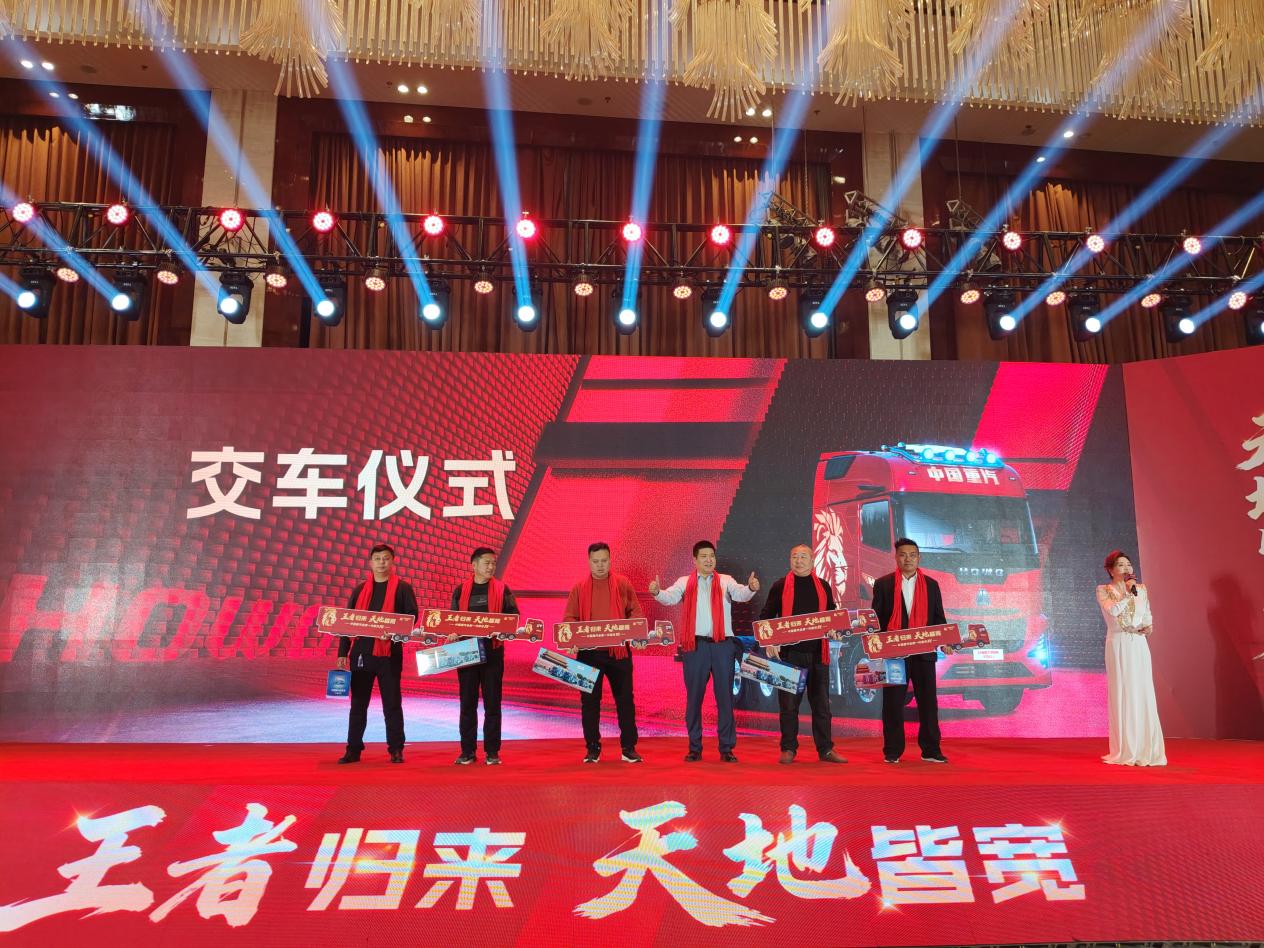
开启中国高端流新纪元 全新一代豪沃KS宿州上市
Zhong Guo Qi Che Bao Wang· 2026-02-12 02:27
Core Viewpoint - The launch of the new generation HOWO KS heavy truck by China National Heavy Duty Truck Group (CNHTC) marks a significant step towards a greener, smarter, and more efficient era in the commercial vehicle industry, responding to the demands of high-quality development and the national "dual carbon" strategy [2][3]. Group 1: Industry Benchmark and Market Strategy - The HOWO brand has established itself as a leader in the global heavy truck market over the past 22 years, with the new HOWO KS representing a culmination of technological advancements and market insights [3]. - The launch event in Suzhou, a logistics hub, emphasizes CNHTC's strategic focus on key markets to enhance the modernization of China's logistics system [5]. Group 2: Product Features and Innovations - The HOWO KS features a Weichai NG4.0 gas engine with a thermal efficiency exceeding 54%, promising significant operational cost advantages for fuel-sensitive customers [6]. - The truck incorporates advanced aerodynamic technologies, achieving a drag coefficient of 0.45Cd, which positions it among the best in its class for fuel efficiency [8]. - A new high-end electrical architecture reduces the complexity of the vehicle's electrical system, enhancing reliability and uptime [8]. - The truck's design includes ergonomic improvements for driver comfort, advanced fatigue monitoring systems, and comprehensive safety features, including a braking system that meets stringent European safety standards [10]. Group 3: Economic Impact and User Experience - The introduction of the HOWO KS is seen as a transformative opportunity for truck drivers and logistics companies, shifting the perception of trucks from cost centers to wealth-generating assets [11]. - Users report significant reductions in total lifecycle costs due to the truck's low drag design and high thermal efficiency, leading to improved fuel economy and reduced maintenance downtime [13]. - Enhanced driver comfort and safety features contribute to a better working environment, while supportive financial policies make the truck more accessible to a broader range of customers [13].

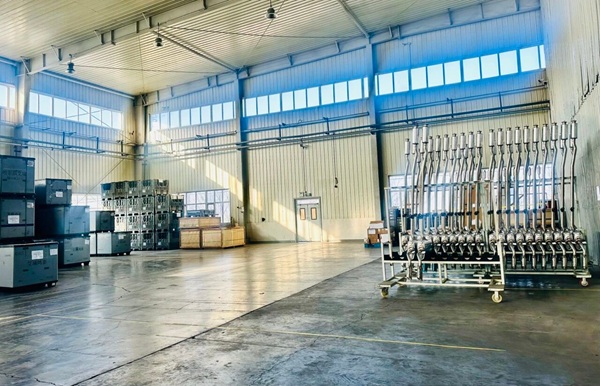
艾瑞汽车技术:扩产加码新车型配套业务
Zhong Guo Qi Che Bao Wang· 2026-02-12 02:24
目前,新厂房规划布局工作已全面启动。首批设备已于2月3日进场安装,预计3月完成全部设备进 场,4月完成调试并具备量产条件。项目全面达产后,预计可实现年产值1亿元,同时新增就业岗位100 个。 艾瑞(张家口)汽车技术有限公司紧抓新车型落地契机,成功承接新车型冷端消声器、热端三元催 化器等核心配套业务。为匹配新增业务需求,公司新增租赁厂房4300平方米,计划总投资2000万元,拟 增设焊接、消包、弯管等7条生产线,并配套投入20余台生产设备。 此次扩产不仅丰富了公司产品品类、提升了品牌竞争力,也成为当地零部件企业围绕龙头车企提质 增效、实现良性发展的典型范例。 ...
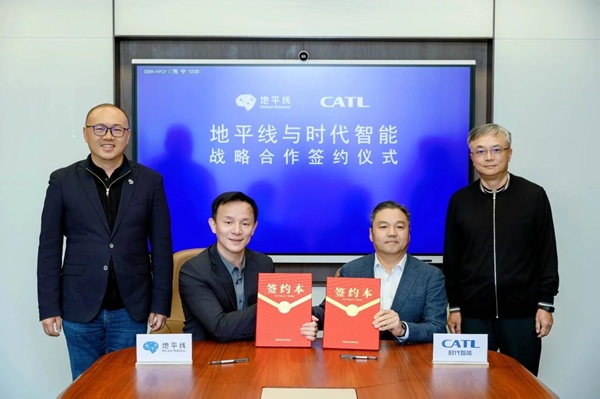
地平线 × 时代智能达成战略合作 软硬协同共筑新能源智能出行新生态
Zhong Guo Qi Che Bao Wang· 2026-02-12 02:24
2026年2月9日,地平线与宁德时代旗下子公司——宁德时代(上海)智能科技有限公司(简称"时 代智能")正式签署战略合作协议。双方将聚焦新能源汽车智能化升级趋势,围绕"高智能、高安全"的 核心目标,为全球整车企业及终端用户打造更优质的智能化出行体验。 从资本赋能到产品共创 共启新能源智能汽车新生态 地平线与宁德时代渊源深厚、互信共赢。早在2021年1月,宁德时代便联合Baillie Gifford、云锋基 金领投地平线C2轮融资,长期陪伴并支持地平线发展。此次地平线与时代智能达成战略合作,标志着 双方合作从资本层面,正式跨越至技术共研、产品共创的新阶段,携手迈入价值共创新时期。 地平线秉持"全维利他,开放共赢"的生态理念,坚持以用户价值为核心,为产业提供智能化关键技 术。目前已与超200家产业链伙伴建立合作生态,并与博世、电装、采埃孚等全球顶级Tier-1达成战略合 作,共同构建成熟的规模化量产交付体系与全球化产业生态。此次与时代智能携手,是地平线作为智能 驾驶计算方案引领者,拓展技术边界、深化商业场景的又一重要布局。 未来,地平线将联合时代智能、协同宁德时代,持续推动构建开放、创新的新能源智能汽车生态, 为 ...

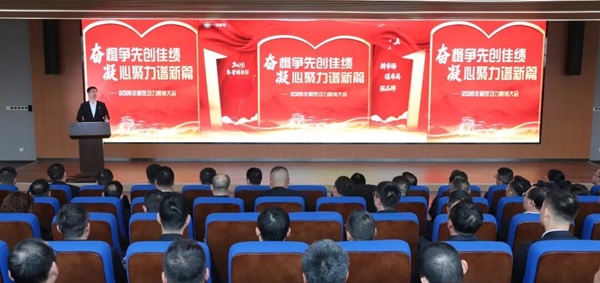
解放动力: 2026 年营销大会圆满举行
Zhong Guo Qi Che Bao Wang· 2026-02-12 02:24
2月10日,解放动力2026年营销大会隆重举行。一汽解放党委委员、总经理助理兼动力总成事业部 党委书记、总经理董亚洲,事业部副总经理、解放动力营销中心总经理糜锡东等领导,事业部相关部门 负责人及解放动力营销中心全体员工参会。大会全面总结年度工作成效,部署新一年目标任务,表彰先 进典型,以昂扬姿态吹响全年市场攻坚号角。 董亚洲在讲话中,充分肯定 2025 年营销战线取得的成绩与付出的努力,从战略、执行、士气三个 层面为营销将士鼓劲加压,并对 2026 年工作提出明确要求:一要以市场为中心,一切看向市场、一切 向市场倾斜;二要强化 "开局即决战"的紧迫意识,驻外人员节后第一时间奔赴市场,全力冲刺攻坚; 三要坚守成事文化,在事业部全方位支持下,坚决完成各项销售指标。他勉励全体营销人员坚定信心、 勇担使命、全力以赴,在正确的道路上奋力夺取最佳业绩。 糜锡东围绕营销战线工作提出三点要求:一要正视差距,着力补齐体系短板;二要坚定信心,精准 把握竞争形势;三要价值为本,系统谋划市场突破。 会上,解放动力营销中心副总经理杜健作营销工作报告,人力资源部部长鲍旭平解读营销薪酬激励 方案。大会对2025年度先进团队和个人进行表彰, ...
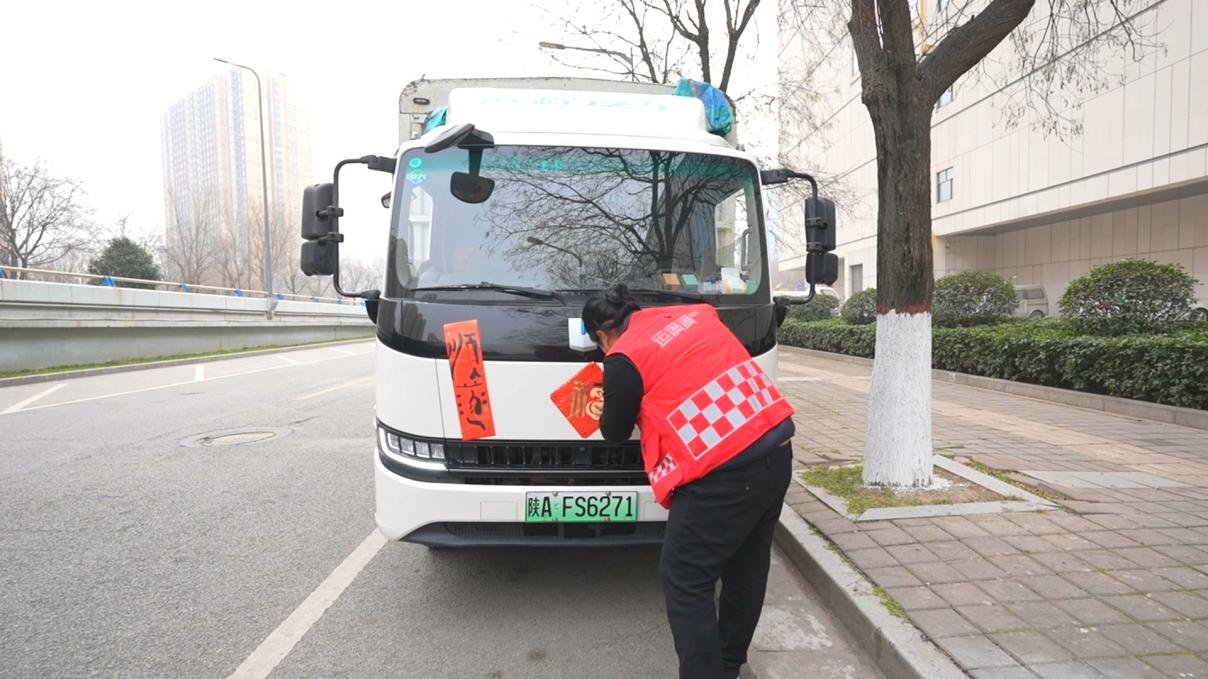
车轮载年味,数字连山河:五省司机“最后一单”里的中国物流图谱
Zhong Guo Qi Che Bao Wang· 2026-02-12 01:39
Core Insights - The article highlights the significance of the logistics network in China during the pre-Spring Festival period, showcasing the efficient transportation of goods across various regions, which reflects the economic dynamics of the country [1][3][4] Group 1: Regional Economic Characteristics - The logistics data reveals distinct economic characteristics across five provinces: Shandong, Guangdong, Shaanxi, Jiangsu, and Henan, emphasizing the role of digital freight platforms in connecting regional resources to the national market [4][7] - Shandong's economy is driven by both agriculture and industry, with a focus on shipping feed, grains, and organic fertilizers, while the demand for fruits has surged [7] - Guangdong maintains its position as a national supply chain hub, with high shipping volumes in consumer goods and a significant increase in textile-related shipments due to the textile industry's preparations [7] - Shaanxi balances energy and specialty agriculture, exporting coal and unique agricultural products, while experiencing a spike in corn shipments, indicating strong pre-holiday demand [7] - Jiangsu's manufacturing sector is prominent, with equipment parts and plastic pellets leading in shipments, while "three-wheeled vehicles" have seen the highest growth in incoming shipments [8] - Henan's logistics role is highlighted by its exports of grains and food products, with tropical fruits emerging as a significant incoming category, reflecting a shift towards diverse consumption [8] Group 2: Driver Stories and Human Element - The article shares personal stories of truck drivers who completed their last deliveries before the Spring Festival, illustrating their dedication and emotional connection to their families and the holiday spirit [9][12][14] - Drivers like Yu from Shaanxi and Hou from Guangdong exemplify the hard work and aspirations of the logistics workforce, with Yu completing 779 deliveries in 2025 and Hou achieving 815 [9][12] - The narratives emphasize the importance of the last delivery as a culmination of a year’s effort and a moment of anticipation for family reunions during the festive season [9][14] Group 3: Digital Freight Platform Impact - The digital freight platform, Yunmanman, has transformed the logistics industry by addressing challenges faced by truck drivers, such as finding loads and ensuring safety, thus enhancing operational efficiency [15][18] - The platform's innovations have shifted drivers from struggling to find work to confidently accepting jobs, significantly improving their income potential [15][18] - Features like route optimization, cost transparency, and a credit scoring system for drivers have contributed to a more reliable and efficient freight process, benefiting both drivers and shippers [15][18] Group 4: Future Outlook - As the Spring Festival approaches, truck drivers are set to return home, highlighting the cyclical nature of the logistics industry, which will resume operations with renewed hope and energy after the holiday [20] - The platform aims to continue serving as a connector for livelihoods and industries, reinforcing its role as an enabler for truck drivers in the future [20]
二度闯关IPO 绿控传动三大隐忧待解
Zhong Guo Qi Che Bao Wang· 2026-02-12 01:36
Core Viewpoint - Suzhou Green Control Transmission Technology Co., Ltd. (hereinafter referred to as "Green Control Transmission") is making a renewed attempt to go public, shifting its listing from the Sci-Tech Innovation Board to the Growth Enterprise Market, with a significantly increased fundraising target of 1.58 billion yuan. As a core supplier of electric drive systems for new energy commercial vehicles, the company has achieved rapid turnaround in performance but faces challenges such as high customer concentration, ongoing cash flow pressure, and aggressive capacity expansion [1]. Group 1: Business Model and Customer Dependency - Green Control Transmission has developed a unique "shareholder as customer" model, where major shareholders like SANY Group and XCMG Group are also key business partners, providing stable orders but imposing constraints on independent market development [2]. - Financial data indicates that this model significantly supports revenue, with the "SANY system" and "XCMG system" contributing over 40% of revenue from 2022 to 2024, and the top five customers maintaining a high revenue concentration [2][3]. - Long-term implications of this deep binding include weakened bargaining power, limited market expansion, and potential homogenization of technology, which may hinder the company's ability to compete effectively in the market [3]. Group 2: Financial Health and Cash Flow Challenges - Green Control Transmission has successfully turned a profit, improving its financial statements, but faces ongoing cash flow challenges, high accounts receivable, and rising interest-bearing debt, raising concerns about the quality of earnings and financial stability [5]. - From 2022 to the first half of 2025, the company reported negative net cash flow from operating activities totaling over 538 million yuan, contrasting sharply with its growing revenue and net profit, indicating a "paper wealth" situation [5][6]. - The high accounts receivable, amounting to 833 million yuan and constituting about 27% of total assets, exacerbates cash flow issues and operational efficiency, while the company's negative retained earnings and rising debt levels further strain its financial structure [5][6]. Group 3: Capacity Expansion and Market Risks - Green Control Transmission plans to raise 1.58 billion yuan, with nearly 90% allocated to expanding production capacity for electric drive systems, aiming for an annual production capacity of 100,000 units [8]. - The current industry is undergoing structural adjustments, and large-scale capacity expansion requires careful assessment of market capacity and competition to avoid overcapacity risks [8][9]. - The competitive landscape is intensifying, with multiple leading and emerging companies increasing their production capacity, raising the risk of homogenized competition. Without sufficient technological barriers and cost advantages, relying solely on scale expansion may not yield sustainable competitive strength [8][9].
芯片量产倒计时!Rapidus将如何影响汽车业?
Zhong Guo Qi Che Bao Wang· 2026-02-11 11:59
Core Viewpoint - Rapidus, a Japanese automotive chip company, plans to start production in the fiscal year 2028, with mass production of 2nm process products expected to begin in the latter half of 2027, aiming to quadruple production capacity within a year [1][3]. Group 1: Company Overview - Rapidus was established with significant backing from the Japanese government and major industry players like Toyota, aimed at revitalizing Japan's chip industry and addressing the automotive chip shortage [3][4]. - The company has received substantial subsidies from the Japanese government, totaling 1.7225 trillion yen [3]. - Rapidus has chosen Chitose City in Hokkaido as its factory location, symbolizing Japan's hopes for chip industry revival [4]. Group 2: Technology and Production - Rapidus employs a 2nm GAA (Gate-All-Around) transistor technology in collaboration with IBM, which enhances chip performance and reduces power consumption compared to traditional FinFET technology [4]. - The company has established a full-process production line that integrates wafer manufacturing, cutting, and packaging, aiming to streamline the supply chain and reduce delivery times for automotive manufacturers [6]. - Initial monthly production capacity is set at 6,000 wafers, with plans to increase to 25,000 wafers within a year after the start of mass production [6]. Group 3: Market Impact - The 2nm chips are expected to significantly outperform existing products in terms of computing power and energy efficiency, particularly for applications in autonomous driving and high-resolution displays [7]. - Rapidus's entry into the market is anticipated to alleviate the "computing power anxiety" faced by automotive manufacturers, challenging the dominance of traditional chip giants and potentially lowering prices [7]. - The collaboration between automotive manufacturers and Rapidus is seen as a strategic move to secure a more reliable and localized supply chain, reducing dependency on foreign chip suppliers [8][9]. Group 4: Strategic Collaboration - The partnership between Rapidus and Japanese automakers like Toyota and Honda is designed to create a tightly integrated local supply system, enhancing the competitive edge of Japanese car manufacturers [8][9]. - This "car manufacturer + chip company" model is viewed as a proactive approach to mitigate supply chain risks amid global uncertainties and trade protectionism [9]. - The development of a complete ecosystem from chip design to application is crucial for automotive chip companies to succeed in the market [9].

收官“十四五”布局“十五五” 法士特以自主创新坚定不移角逐行业新赛道
Zhong Guo Qi Che Bao Wang· 2026-02-11 10:19
"十五五"期间,法士特将始终紧盯行业"新四化"发展趋势,重点聚焦汽车传动、汽车安全、新能源等八大产业领域,持续巩固提升传动产品领先地位, 不断加快汽车安全制动业务拓展,积极抢抓新能源产业风口,快速放大新能源零部件产业规模,加速突破工程机械等重点领域,持续扩大行业领先优势,努 力构建多点突破、多轮驱动、多级赋能发展新局面。 r Cruss e 1998 d 12 per 1 didates rig t and the state E Judge e statio TRES 136 pper of 2026年是"十五五"规划谋篇布局之年。本报记者对商用车变速器领军企业——法士特进行了专题采访。法士特集团相关负责人表示:"十四五"期间,企 业在科技研发、新品推广、质量提升、市场开拓、国际布局等方面取得了长足进步。五年期间,累计实现营业收入超880亿元,其中海外销售收入超10.9亿 美元;销售总成产品超435万台,以实干实绩顺利收官"十四五"。 面对复杂多变的市场发展环境,企业也正面临着诸多挑战和压力,例如原材料成本上涨,国际市场出现下滑,行业"内卷"持续加剧,传统市场加速萎缩 等等。尤其是随着新能源市场快速攀升,行 ...

宁德时代将成股东!永太科技拟收购永太高新25%股权 股票即日起停牌
Zhong Guo Qi Che Bao Wang· 2026-02-11 09:57
Group 1 - The core point of the article is that Yongtai Technology plans to acquire the remaining 25% stake in Yongtai High-tech from CATL, making Yongtai High-tech a wholly-owned subsidiary, with CATL becoming a shareholder of Yongtai Technology [1][2]. - The transaction will be executed through a share issuance and the raising of supporting funds, with final pricing and share lock-up terms to be determined in the formal agreement [3]. - Yongtai Technology currently holds 75% of Yongtai High-tech, which specializes in key lithium battery materials such as lithium hexafluorophosphate and lithium bis(fluorosulfonyl)imide [2]. Group 2 - Yongtai Technology has a vertically integrated industrial chain covering lithium salts, additives, and electrolytes, with leading production capacities in solid lithium hexafluorophosphate (18,000 tons/year), liquid LiFSI (67,000 tons/year), and electrolytes (150,000 tons/year) [4]. - The company expects a significant reduction in net losses in 2025, projecting a loss of 25.6 million to 48.6 million yuan, compared to a loss of 478 million yuan in the previous year, driven by increased demand in the new energy vehicle and energy storage sectors [4]. - The investment by CATL is part of its strategy to deepen its lithium battery supply chain, having previously invested in various material companies to enhance supply chain security and cost advantages [4].
