
Zhong Guo Qi Che Bao Wang

Search documents
肇庆高新区数字政务再获两项重要成果,连续8年获评省级创新案例
Zhong Guo Qi Che Bao Wang· 2026-02-11 02:27
1月22日,第九届广东省数字政务发展论坛在广州市举行,肇庆高新区先后获《政务服务大厅人工智能数字人应用规范》团体标准参编单位、2025年度 广东省数字政务创新案例两项重要荣誉,彰显了近年来该区在数字政务建设领域的坚实成效与创新实力。 此次论坛汇聚了省内外政务服务、数据管理领域专家学者,聚焦数据要素、人工智能、数字低空等核心议题展开研讨。肇庆高新区综合办公室、肇庆高 新区行政服务中心、肇庆高新区兴旺数据公司三家单位凭借在政务服务智能化领域的扎实实践,成功入选《政务服务大厅人工智能数字人应用规范》团体标 准参编单位。 该标准由广州市政务服务中心联合广东省数字政务协会牵头编制,涵盖政务接待、宣讲服务、咨询导办、辅助填表、辅助受理、辅助审批、线上服务等 多元应用场景。肇庆高新区的参编身份,标志着其在政务服务智能化标准化建设方面迈入全省先进行列,为全省同行提供了可复制、可推广的"大旺经验"。 该案例聚焦企业跨境金融政策匹配难、结算效率低、融资便利性不足等痛点,整合"肇庆市惠企扶企政策服务平台"与"肇汇通"跨境贸易结算平台功能, 依托大数据、AI技术,构建政策智能匹配引擎与多源数据互通体系,提供政策精准推送、跨境结算线上 ...


一泻千里的进口车反转恐无望
Zhong Guo Qi Che Bao Wang· 2026-02-11 02:18
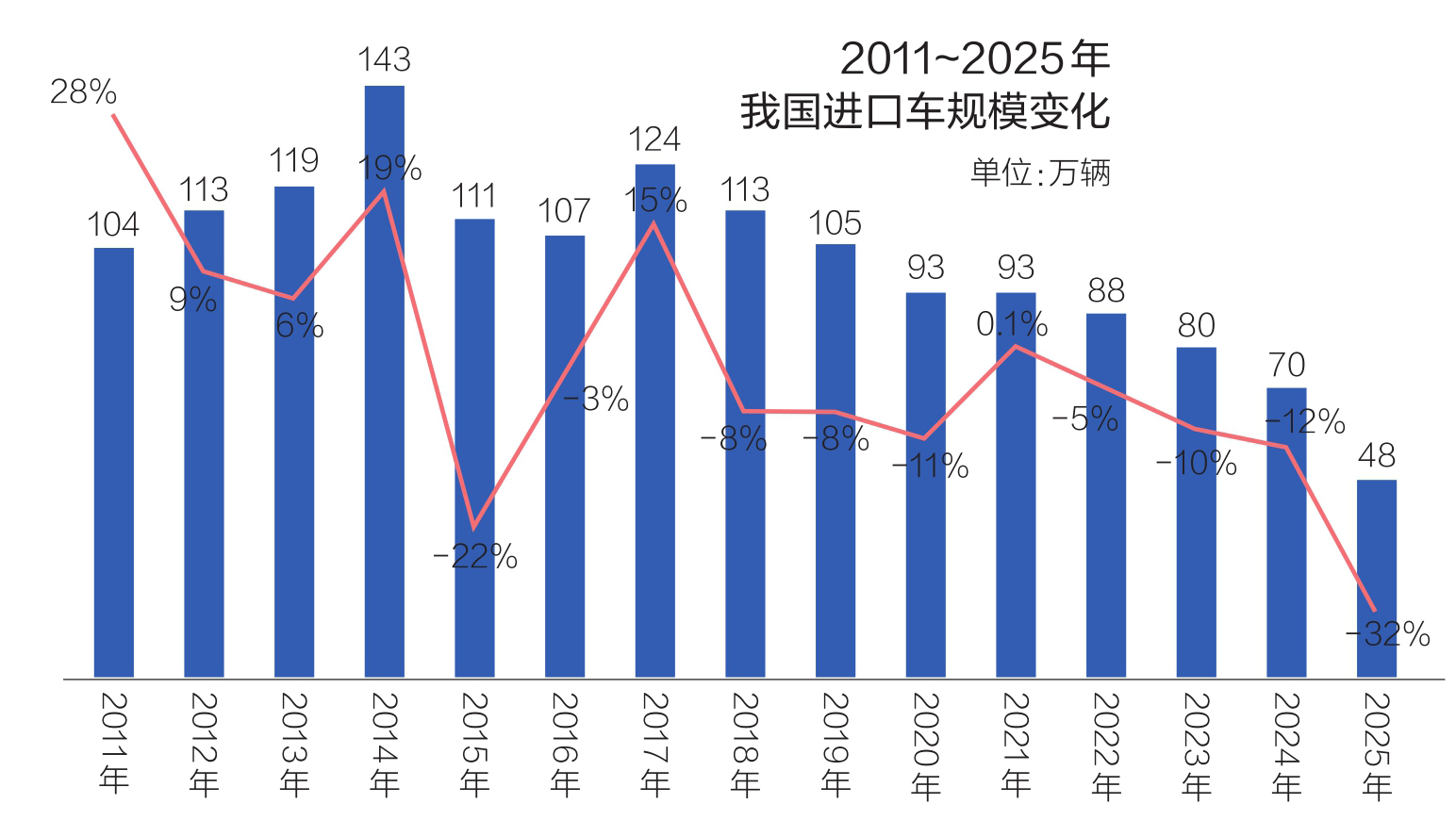
消失的100万辆去哪了 曾经,进口车凭借先进的技术、过硬的品质以及强大的品牌影响力,在国内汽车市场享受较高的品牌溢价,备受消费者追捧。"自主品牌全面崛起,'高 端化+新能源'给进口车市场带来巨大冲击。"中国汽车流通协会专家委员会委员颜景辉表示,近年来,国产新能源汽车在科技感、高端化和用户体验方面取 得重要突破。而进口车升级迟缓,注定了市场下滑的局面。 2025年进口车量价齐跌,整车进口金额同比下降39.7%,高于32.4%的销量降幅。"以往靠品牌高溢价赚钱的模式正逐渐失效。"郎学红谈到,随着自主 车型日益丰富,以及购车消费观念逐渐理性化,国内消费者不再迷信"进口即高端",客观上也印证了中国汽车的全球竞争力不断提升。 中国汽车流通协会乘用车市场信息联席分会秘书长崔东树认为,面对中国汽车出口结构持续优化、自主品牌快速崛起、产业链优势日益凸显的现实, 2026年进口量或再降10%。 曾经"高高在上"的进口车,正以一泻千里之势,滑落至车市边缘。 近日,中国汽车流通协会乘用车市场信息联席分会发布了关键词为"持续萎缩,压力增大"的2025年进口车市场成绩单。我国进口车市场在2014年达到 143万辆峰值后持续下行,期间虽 ...
“我不是车企”——聚焦车企新一轮转型
Zhong Guo Qi Che Bao Wang· 2026-02-11 02:10
Core Viewpoint - The automotive industry is undergoing a significant transformation, with companies shifting their focus from traditional vehicle manufacturing to becoming AI technology firms, reflecting a broader trend towards integrating AI into their business models [1][5][10]. Group 1: Company Transformations - Li Auto is restructuring its organization to focus on "embodied intelligence," moving away from its previous identity of creating "mobile homes" and aiming to become one of the top three intelligent companies globally [3][4]. - XPeng Motors has set its sights on becoming an AI technology company, emphasizing its commitment to AI and autonomous driving as core components of its future strategy [3][4]. - Chery Automobile is transitioning from "Technology Chery" to a "Global AI Technology Company," showcasing its AI strategy and technological advancements [4][5]. Group 2: Industry Trends - The shift towards AI technology is not limited to new car manufacturers; traditional automakers are also accelerating their transformations, with companies like Geely integrating AI into their operations [4][5]. - The automotive market is experiencing intense competition, with over 160 brands in China, leading to a need for differentiation through AI technology to avoid price wars and product homogenization [7][8]. - The trend of transitioning to AI technology companies is becoming a survival strategy for automakers, as the traditional automotive business model faces challenges from rising costs and market saturation [10][11]. Group 3: Strategic Implications - The integration of AI into automotive products is seen as essential for creating competitive advantages and enhancing user experiences, with AI-driven innovations becoming a standard expectation in the industry [9][12]. - Companies are recognizing that the future of automotive value lies in software and AI technology rather than hardware, necessitating a shift in focus to maintain relevance in the evolving market [11][12]. - The transition to AI technology firms is viewed as a critical step for automakers to enhance their market positioning and adapt to the changing landscape of the automotive industry [13][14]. Group 4: Future Directions - The development of a "smart ecosystem" is a key goal for automotive companies, aiming to integrate vehicles with smart home and office technologies to provide seamless user experiences [15][16]. - The future automotive landscape will see companies not only manufacturing vehicles but also leveraging AI to create intelligent, interconnected platforms that meet evolving consumer needs [16].



插混车型增程化行得通吗?
Zhong Guo Qi Che Bao Wang· 2026-02-11 02:01
Core Viewpoint - The emergence of range-extended vehicles is becoming a significant trend in the automotive industry, with various manufacturers launching new models, leading to a blurring of lines between plug-in hybrids and range-extended vehicles [1][3]. Group 1: Market Trends - Numerous car manufacturers, including XPeng and Volkswagen, are introducing range-extended models, indicating a growing interest in this segment [1]. - The market is witnessing a convergence in product experience between plug-in hybrids and range-extended vehicles, driven by consumer preferences for electric driving experiences [3][5]. - The share of plug-in hybrid vehicles in the new energy vehicle market is approximately 30%, while range-extended vehicles account for less than 10% [6]. Group 2: Technical Differences - Plug-in hybrids combine electric and internal combustion engine (ICE) power, while range-extended vehicles use the ICE solely to generate electricity for the electric motor [3][9]. - The structural simplicity of range-extended vehicles allows for a more focused integration of smart cabin and comfort features, enhancing product appeal [7]. - Despite the convergence in user experience, fundamental differences in technology and cost structures remain between the two types of vehicles [9][10]. Group 3: Consumer Preferences - Range-extended vehicles are particularly successful in the mid-to-high-end market, addressing consumer concerns about range anxiety with extended driving ranges exceeding 1000 kilometers [7]. - The trend of "range extension" in plug-in hybrids is driven by both market demand and policy changes, such as increased electric range requirements for tax incentives [8]. - Consumers are encouraged to choose vehicles based on practical use cases rather than technical specifications, with range-extended vehicles being preferable for urban commuting and plug-in hybrids for long-distance travel [10].
成本“风暴”来袭,价格竞争“退潮”
Zhong Guo Qi Che Bao Wang· 2026-02-11 01:53
Market Overview - The retail market for passenger cars is projected to reach approximately 1.8 million units in January 2026, reflecting a month-on-month decline of 20.4% and a year-on-year increase of 0.3% [1] - In December 2025, domestic passenger car sales were only 2.206 million units, down 8.6% month-on-month and 18.1% year-on-year, indicating a cooling trend in terminal sales during a traditionally strong sales season [1][3] - The combination of rising raw material prices and a cooling market is putting significant pressure on the profitability of car manufacturers [1][6] Policy Impact - The "two new" policies promoting vehicle trade-ins and tax exemptions for new energy vehicles have driven sales growth in 2025, with total trade-ins reaching 18.3 million units, nearly 60% of which were new energy vehicles [3] - However, the effectiveness of these policies is expected to diminish in 2026, as most consumers who needed to replace their vehicles have already done so, leading to potential sales pressure [3][4] Cost Pressures - The automotive industry is facing significant cost pressures, particularly from rising prices of memory chips, which have surged by 180% in the past three months, increasing the cost of a mid-level smart electric vehicle by approximately 1,300 yuan per unit [6][7] - The overall manufacturing cost of a typical mid-sized smart electric vehicle is expected to increase by 4,000 to 7,000 yuan due to rising metal raw material prices and chip shortages, leading to a potential compression of profit margins by 5% to 8% [7][8] Profitability Trends - The automotive industry achieved a profit of 461 billion yuan in 2025, a slight increase of 0.6% year-on-year, but the sales profit margin fell to 4.1%, the lowest in five years [8] - By December 2025, the profit margin had plummeted to 1.8%, a year-on-year decline of 57.4%, indicating severe profitability challenges compared to international peers [8] Shift in Competition Dynamics - The ongoing price competition in the automotive sector is seen as detrimental to the industry's health, with calls for a shift from price-based competition to value-based competition [9][10] - Companies are beginning to focus on technological advancements and enhancing user experience rather than solely competing on price, as evidenced by new product launches and upgrades [10][12] International Market Expansion - In 2025, China's automotive exports reached 7.098 million units, a year-on-year increase of 21.1%, indicating a growing international competitiveness [11] - The industry is transitioning from a phase of quantity expansion to one of quality enhancement, emphasizing value creation in global markets [11]
又一家巨头电动化大撤退
Zhong Guo Qi Che Bao Wang· 2026-02-11 01:53
继通用汽车、福特后,Stellantis集团的电动汽车战略也出现全面收缩。 近日,Stellantis集团抛出重磅公告,包括调整电动汽车战略在内,公司将对业务进行全面重组,并为此计提222亿欧元相关支出。受此影响,Stellantis预 告2025年下半年将录得190亿至210亿欧元的净亏损,并暂停2026年股息发放。这一消息引发资本市场剧烈震荡,Stellantis股价出现暴跌。 01 以巨额减值修正电动化路线 此次巨额减值并非偶然,而是Stellantis此前激进的电动化战略与市场现实严重脱节的集中体现。管理层承认,此前过度乐观地预估了全球电动汽车转型 的速度,导致公司战略与市场实际需求、消费者购买力及基础设施现状产生了严重脱节。 回首2022年,在前任CEO唐唯实的主导下,Stellantis发布了"Dare Forward 2030"战略。其中提出,到2030年,集团在全球范围内的纯电动汽车年销量达 到500万辆,在欧洲售出的所有乘用车均为纯电动汽车,在美国售出的乘用车及轻型卡车中有50%为纯电动汽车。与此同时,Stellantis还与LG新能源官宣合 作,组建合资企业,共同投资超37亿美元在加拿大温 ...

HEV能救燃油车吗?
Zhong Guo Qi Che Bao Wang· 2026-02-11 01:28
近日,吉利汽车表示,今年将密集推出混合动力汽车(HEV),未来燃油车全面HEV化,整个汽车行业都感受到了这一战略调整的分量。在新能源汽 车购置税减半征收政策落地、行业渗透率已突破50%的背景下,这种曾被插电式混动汽车(PHEV)和纯电动汽车(EV)挤压至边缘的车型,突然重回市场 中心。 2026年新能源汽车购置税减免政策的退坡,意外成为HEV的"政策红利"。根据规定,纯电与插混车型购置税从免征调整为减半征收,单辆减免上限1.5 万元。更严格的是PHEV的技术门槛:纯电续驶里程从43公里提升至100公里,亏电油耗需低于同级燃油车70%。"这直接将部分研发实力薄弱的PHEV企业 挡在门外,而HEV无需外接充电的特性和成熟技术路径,恰好填补了政策过渡的市场空白。"中国汽车工业协会专务副秘书长许海东的分析,点出了HEV复 苏的核心逻辑。在他看来,此次政策调整实际上为HEV创造了难得的市场窗口期。 同时,地方政策的倾斜更让HEV如虎添翼。近年来,广州、上海等城市的地方政策纷纷向HEV倾斜:广州市使其享受与新能源汽车同等的限行豁免政 策;上海则通过"节能车"标签间接提升HEV的市场认可度。这种政策端的"松绑",让HEV在 ...
蔚来CEO最新内部讲话:争取2026年实现全年盈利,今年再建1000座换电站
Zhong Guo Qi Che Bao Wang· 2026-02-11 01:28
目前蔚来已有3729座换电站,随着新站的铺开,用户补能体验还将持续升级,而换电作为能源服务 体系,也能解决电动车电池与车辆寿命不同的行业性难题。 除了换电,蔚来近期还迎来多个里程碑:1月6日第100万台量产车下线,这是纯电高端市场的高质 量百万台。 2月5日发布的2025年四季度盈利预告显示,公司实现了单季度GAAP与Non-GAAP双口径盈利,这 是在保持销量增长、研发投入与服务满意度下的突破。 李斌表示,今年将继续聚焦技术研发、换电基建与组织变革,在保证用户满意度的前提下,目标实 现40%-50%的年度增长,而换电体系的深化,正是支撑这一目标的核心基建之一。 2月9日下午,蔚来内部召开了一场全员会。会上,蔚来创始人、董事长、CEO 李斌表示,2025 年 是蔚来不平凡的一年,团队实现了"不可能的任务"。蔚来 2 月 5 日发布了其 2025 年四季度盈利预告, 预计录得经调整经营利润 7 亿元至 12 亿元。 李斌表示,接下来要继续坚决在技术和产品研发方面坚决进行投入,同时提高研发效率;持续布局 充换电基础设施和销售服务网络的建设;持续推行围绕用户价值创造的全员经营组织变革,争取在 2026 年实现 No ...

2026开年,汽车供应链拉响警报
Zhong Guo Qi Che Bao Wang· 2026-02-10 12:40
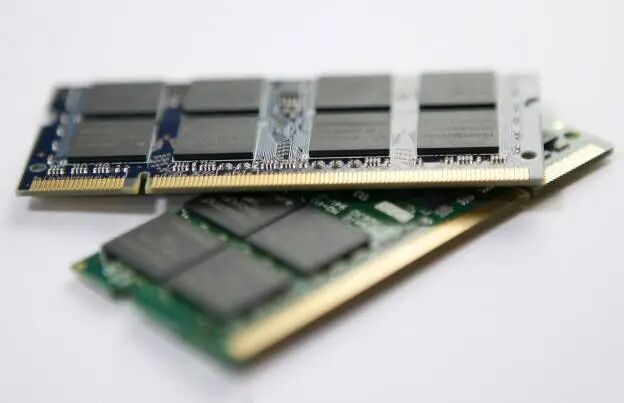
近期,富国银行、瑞银、标普全球等多家市场机构接连发出警告,指出由于DRAM(动态随机存取 存储器)的供应持续紧张,汽车行业2026年或面临这类存储芯片的严重成本压力与生产中断风险。 鉴于2020年底蔓延开来的芯片短缺危机曾给汽车产业带来阵痛,今年的这一供应链警报,不禁让汽 车行业神经紧绷。 今年存储芯片面临供应危机 高利润的AI业务正在系统性挤占车规级DRAM的产能与优先权。据了解,全球AI大模型爆发式增 长,正在创造对算力和高带宽内存(HBM)的海量需求。HBM是一种性能远超普通DRAM的高端内 存,其带宽可达后者的10倍以上,但成本和售价也极为高昂,为存储芯片巨头带来了丰厚的利润。 与之形成鲜明对比的是传统的车用DRAM业务。三星、SK海力士、美光科技这三家企业合计占据 全球DRAM市场超90%的份额,在车用DRAM市场的控制力也同样强大,但该业务对它们的营收贡献普 遍较低,且毛利率远低于HBM。有报道称,去年以来,三星、SK海力士、美光科技等存储巨头进行了 激进的产能战略调整。它们将最先进的制程和优质的晶圆资源优先用于生产HBM,并大幅增加相关投 资。同时,为将资源集中于HBM及高端DRAM,这些企业持 ...
汽车行业利润去哪了?
Zhong Guo Qi Che Bao Wang· 2026-02-10 12:40
1月27日,国家统计局发布的数据显示,2025年中国汽车行业呈现出规模增长与效益下滑并存的复杂局面,全年 汽车产量3478万辆,同比增长10%;营收11.18万亿元,同比增长7.1%;利润4610亿元,同比微增0.6%;全行业利润 率降至4.1%,为10年来的最低值,且相对于下游工业企业利润率5.9%的平均水平,汽车行业仍偏低。汽车行业的利 润究竟去哪儿了?哪些因素在影响汽车企业的利润水平?又该如何破局? 车越卖越多,钱越赚越少 "车越卖越多,钱却越赚越少"正在成为车市的一个"魔咒"。尤其是2025年12月,这一现象更为明显。中国汽车流通协 会乘用车市场信息联席分会(以下简称"乘联分会")的数据显示,2025年12月汽车行业收入1.16万亿元,同比下降 0.8%;成本1.01万亿元,同比增加0.8%;利润0.02万亿元,同比下降57.4%;汽车行业利润率1.8%,环比11月下降明 显,相较2024年12月的4.1%下降幅度较大。 "不仅有成本增长的原因,还有供应链涨价的因素。"乘联分会秘书长崔东树分析,在企业单位成本增长的同时,还面 临碳酸锂价格翻倍、大宗商品价格高位运行,以及中下游行业原料成本压力持续加大、 ...