Qian Zhan Wang

Search documents
2025年中国中硼硅玻璃供需现状 产能充足,销量下滑【组图】
Qian Zhan Wang· 2025-07-17 08:54
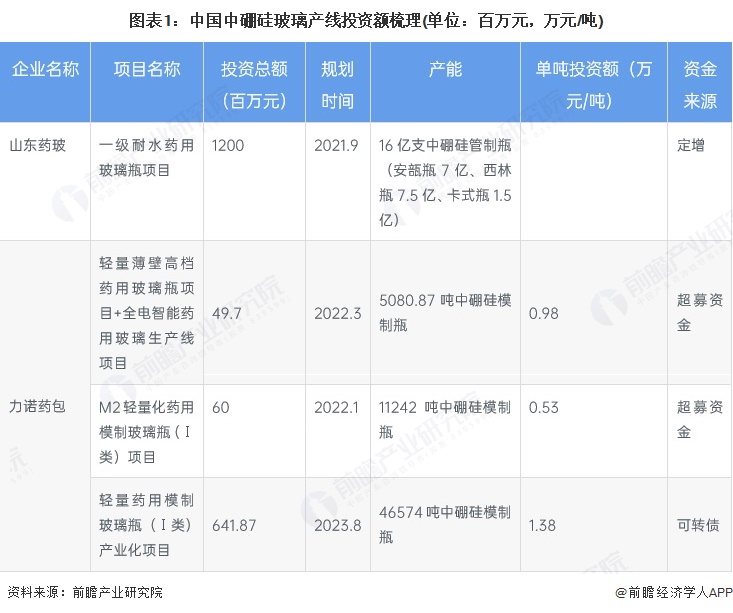
Core Insights - The investment enthusiasm for borosilicate glass production capacity in China is moderate, with companies like Linuo Pharmaceutical starting production with significant investments but requiring time for ramp-up [1][2] - The overall production capacity for borosilicate glass is sufficient, with major players like Shandong Pharmaceutical Glass and Linuo Pharmaceutical planning substantial increases in capacity by 2025 [2][4] - The production of borosilicate glass is generally on the rise, although some companies are experiencing declines in specific product lines [5] - Sales of borosilicate glass are declining across the industry, with most leading companies reporting lower sales figures compared to the previous year [6] - The overall production and sales rates for borosilicate glass companies are below 100%, indicating inefficiencies in the market [7][9] Production Capacity - Linuo Pharmaceutical's production capacity for borosilicate medicinal molded bottles is approximately 5,081 tons, with plans to increase capacity by an additional 46,574 tons by 2025 [4] - Shandong Pharmaceutical Glass will achieve a production capacity of 170,000 tons for molded bottles upon completion of its project [2][4] - Other companies like Shandong Dingxin and Kaisen Junheng are also expanding their production capabilities significantly [4] Production and Sales Trends - Linuo Pharmaceutical's production is expected to increase by 25.78% in 2024 compared to 2023, while other companies like Zhengchuan Co. are seeing a decrease in production [5] - Sales figures for borosilicate glass are generally declining, with Linuo Pharmaceutical showing a 20.57% increase in sales, while others like Zhengchuan Co. report a 15.87% decrease [6] - The production and sales rates for major companies are mostly below 100%, indicating potential overcapacity or inefficiencies [7][9]


【行业深度】洞察2025:中国建筑节能行业竞争格局及市场份额(附竞争梯队、企业竞争力分析等)
Qian Zhan Wang· 2025-07-17 07:15
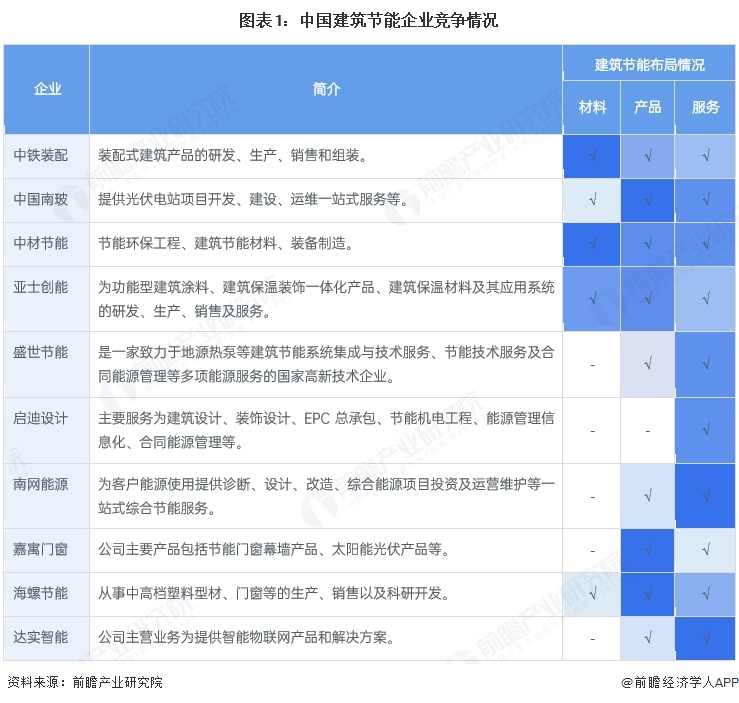
Core Insights - The article discusses the competitive landscape and strategic positioning of companies in China's building energy efficiency market, highlighting key players and their market strategies [1][4][7]. Company Layout - Major companies in the building energy efficiency sector include China National Materials Group (中材节能), Beixin Building Materials (北新建材), Qidi Design (启迪设计), and others, with a focus on providing comprehensive energy-saving solutions [1]. - Companies like Nanwang Energy (南网能源) and Dashi Intelligent (达实智能) are particularly focused on offering integrated energy-saving services to the construction industry [1]. Regional Distribution - The building energy efficiency companies are primarily concentrated in Eastern and Southeastern coastal regions of China, with Jiangsu and Guangdong having the highest representation [3]. Competitive Hierarchy - The industry is divided into three tiers: - The first tier includes leaders like Beixin Building Materials, Nan Glass Group (南玻集团), and Huajian Group (华建集团), which have strong market influence and comprehensive capabilities [4]. - The second tier consists of companies like Nanwang Energy and Qidi Design, which focus on niche areas but have notable professional advantages [4]. - The third tier includes smaller firms like China National Materials Group and Hengshang Energy, which are still in the process of market expansion and technology accumulation [4]. Strategic Cluster Analysis - The competitive landscape is analyzed through a four-quadrant model based on revenue and gross margin, identifying Beixin Building Materials as a leader due to its innovative technologies and sustainable practices [7]. - Other notable companies in the prominent category include Nan Glass Group and Huajian Group, which maintain their leadership through resource management and energy efficiency measures [7]. Market Segmentation - In specific segments, companies like China Nanbo (中国南玻) and Fuyao Glass (福耀玻璃) lead in low-energy glass, while the window industry remains fragmented with no clear leader [11]. Competitive Dynamics - The analysis using Porter's Five Forces model indicates that supplier bargaining power is moderate, while buyer power is slightly weaker due to cost sensitivity and regulatory requirements [13]. - The threat of new entrants is low due to high technical barriers and regulatory requirements, although some cross-industry players are entering through partnerships [13]. - The intensity of rivalry is high, driven by technological advancements and price competition, alongside a surge of capital into the sector [13].




2025年中国生猪养殖行业上游猪饲料市场分析 2024年全国猪饲料产量14391.3万吨【组图】
Qian Zhan Wang· 2025-07-17 05:29
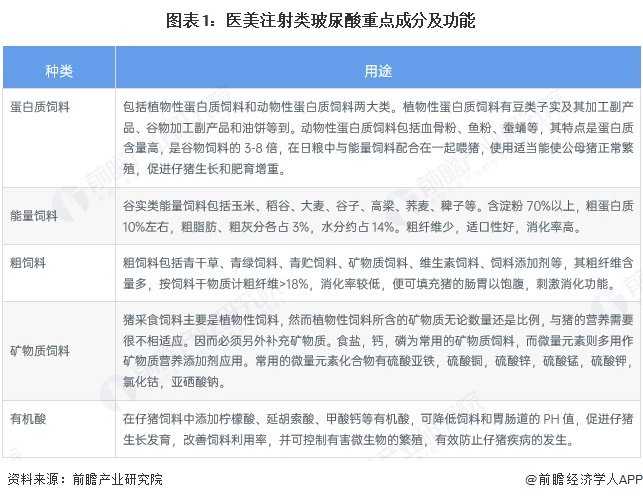
Core Viewpoint - The Chinese pig feed industry is experiencing a decline in production, with a projected output of 14,391.3 million tons in 2024, representing a year-on-year decrease of 3.9% [2]. Group 1: Production and Market Share - The share of pig feed in the overall industrial feed production has remained significant, with an expected share of 45.68% in 2024, maintaining above 40% since 2014 [3]. - The top ten provinces in pig feed production account for 66.3% of the national output, with Guangxi leading at 1,548.2 million tons, followed by Guangdong and Anhui [4]. Group 2: Industry Trends - The pig feed industry in China is highly competitive and fragmented, with an ongoing trend of consolidation among smaller producers. Larger companies with technological advantages are expected to dominate the market [7]. - The push for environmentally friendly and antibiotic-free feed is becoming mainstream, driven by government policies such as green agriculture and antibiotic-free farming [7][9]. - By 2025, it is anticipated that antibiotic-free feed will constitute around 40% of the pig feed market, presenting new investment opportunities [9]. - The concentration of the pig feed market is expected to increase, with the top ten companies projected to hold over 50% market share by 2030 [9].



2025年中国艺术表演团体运营现状分析 2024年艺术表演演出收入37.7亿元【组图】
Qian Zhan Wang· 2025-07-17 04:45
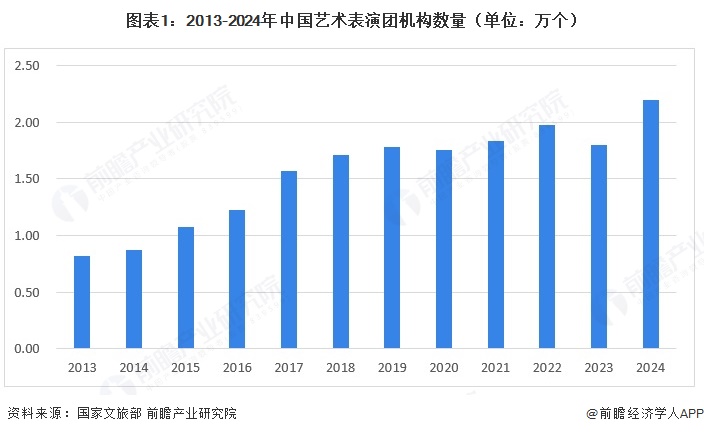
转自:前瞻产业研究院 行业主要上市公司:华侨城(000069.SZ)、张家界(000430.SZ)、三湘印象(000863.SZ)、曲江文旅 (600706.SH)、复星旅游文化(01992.HK)、宋城演艺(300144.SZ)等 本文核心数据:机构数量;从业人员数量;演出场次 1、中国艺术表演团体机构数量 2013-2022年,我国艺术表演团机构数量不断增加,2023年数量出现减少情况,2013年仅为0.82万个, 至2023年增长至1.80万个,较2022年减少0.17万个。2024年我国艺术表演团机构数量进一步增长至2.20 万个。 2、中国艺术表演团体从业人员 2013-2023年,我国艺术表演团从业人员数量整体呈波动态势,2021年达到顶峰45.33万人后逐步下降, 2024年艺术表演团从业人员数量达41.90万人,比上年末增加3.40万人。 3、中国艺术表演团体演出场次 从演出场次来看,2013-2024年,我国艺术表演团演出场次呈波动态势,由于统计口径的收缩,2024年 我国艺术表演团演出场次仅38.50万场,较2023年出现较大幅度的下滑。 4、中国艺术表演观众人次 近年来,我国各地农村形成 ...
预见2025:《2025年中国阿胶行业全景图谱》(附市场现状和发展趋势等)
Qian Zhan Wang· 2025-07-17 01:16
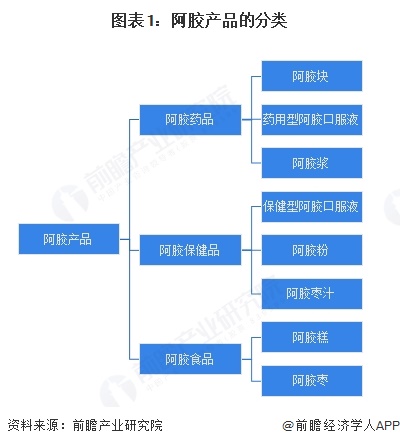
Industry Overview - Ejiao is a solid glue made from the dried skin or fresh skin of donkeys, known for its health benefits such as blood replenishment and immune enhancement [1][4] - The industry is currently in a growth phase, with over 200 manufacturers in China, and the market is expected to expand due to rising health awareness and disposable income [6][16] Product Classification - Ejiao products can be classified into three categories: medicinal products, health supplements, and food products, with specific regulatory approvals required for each [2] Industry Chain Analysis - The ejiao industry chain consists of donkey breeding (upstream), ejiao production and processing (midstream), and sales channels including hospitals, retail pharmacies, and e-commerce platforms (downstream) [4][5] Market Size and Growth - The ejiao market size in China is projected to reach approximately 29.1 billion yuan by 2024, with a significant increase in production from 7,460 tons in 2019 to 13,768.84 tons in 2024 [13][16] Competitive Landscape - The ejiao market is characterized by a duopoly, with Dong'e Ejiao and Fupai Ejiao dominating the market, holding 70% and 10% market shares respectively [20][21] - The top brands in the ejiao industry include Dong'e Ejiao, Fupai Ejiao, and Tongrentang, with Dong'e Ejiao leading in brand recognition [18][19] Regional Development - Shandong province is a key player in the ejiao industry, with 203 production enterprises and significant government support for industry development [21][23] - The consumption of ejiao is particularly strong in East China, where traditional practices drive demand [24] Industry Trends - The ejiao industry is expected to see a shift towards high-end and differentiated products, with increasing competition as new players enter the market [28] - The market is projected to grow to nearly 40 billion yuan by 2030, with a compound annual growth rate of 5.3% [29]


百度萝卜快跑与Uber达成战略合作:数千辆无人驾驶车将接入全球出行网,李彦宏称系全球化重要里程碑【附自动驾驶行业市场分析】
Qian Zhan Wang· 2025-07-16 11:30
Core Insights - Baidu's autonomous driving service platform "Luobo Kuaipao" has entered a strategic partnership with Uber to integrate thousands of autonomous vehicles into Uber's global ride-hailing network, aiming to provide safe and reliable autonomous transportation services worldwide [2][3] - The initial deployment of the sixth-generation autonomous vehicles is planned for Asia and the Middle East by the end of this year, with future expansions to more global markets [2] - The vehicles are equipped with Baidu's latest Apollo autonomous driving system, featuring Level 4 (L4) autonomous driving capabilities, suitable for complex urban environments [2] Industry Trends - The partnership signifies a shift in the autonomous driving industry from technology development to commercial application, highlighting the growing demand for safe and efficient transportation solutions [3] - The Chinese government aims to establish a comprehensive intelligent connected vehicle technology and industry system by 2035, promoting large-scale application of highly autonomous vehicles [4] - The advancement of technologies such as 5G, cloud computing, and the Internet of Things (IoT) is enhancing the perception accuracy and decision-making efficiency of autonomous driving systems [10] Market Dynamics - China is emerging as a "super testing ground" for autonomous driving technology, with cities like Beijing, Shanghai, and Wuhan opening extensive testing roads and allowing paid operations of autonomous taxis [12] - Companies like Luobo Kuaipao and Pony.ai have accumulated millions of orders, providing vast data for technology optimization, while Uber's involvement is expected to connect Chinese technology with global markets [12]



2025年中国演唱会票务市场分析:针对黄牛倒票行为和票务平台退款问题整治不足
Qian Zhan Wang· 2025-07-16 05:10
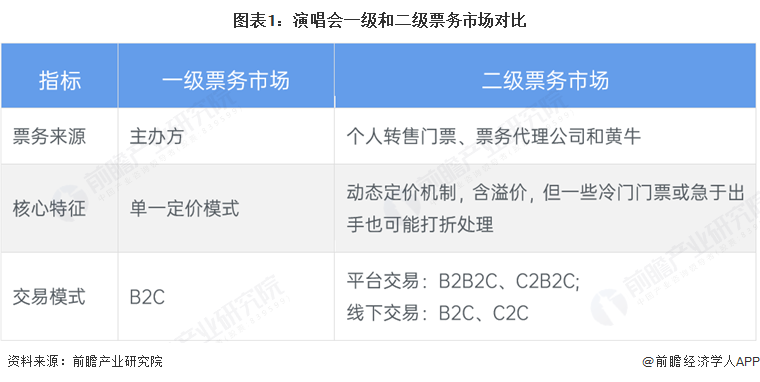
Core Insights - The Chinese concert ticketing market is experiencing rapid growth, with ticket sales expected to exceed 26 billion in 2024, representing a year-on-year increase of 78.1% [4] - The secondary ticket market plays a crucial role in redistributing ticket resources, providing additional purchasing avenues for consumers unable to secure tickets through primary sales [1][2] Group 1: Market Dynamics - The ticketing market consists of a primary market with fixed pricing and a secondary market characterized by dynamic pricing, allowing for price fluctuations based on demand [1][2] - The secondary market enhances consumer satisfaction and market vibrancy by addressing supply-demand imbalances, particularly for popular events [1] Group 2: Industry Growth - The concert ticketing market is projected to grow significantly, with the number of attendees surpassing 29 million in 2024, marking a 45.0% increase year-on-year [4] - Major ticketing platforms like Maoyan and Damai are reporting substantial growth in gross merchandise volume (GMV), with Maoyan's concert ticketing GMV increasing by approximately 90% and Damai's revenue reaching 2.057 billion, up 236% [5][7] Group 3: Regulatory Challenges - Despite regulatory efforts to curb ticket scalping and refund issues, challenges remain, with reports indicating that publicly available tickets for some concerts are less than 50% of total ticket sales [9] - The 2023 regulations mandate real-name ticket purchases and entry, but enforcement and compliance issues persist, leading to ongoing consumer complaints [9][11] Group 4: Consumer Complaints - The primary complaint in the online ticketing sector is related to refund issues, accounting for 56.94% of complaints, followed by unfair terms at 19.44% [11][14] - Recommendations include improving legal frameworks for refunds, enhancing consumer awareness of rights, and increasing penalties for scalping to maintain market order [14]



【投资视角】启示2025:中国丝绸行业投融资及兼并重组分析(附投融资事件和兼并重组等)
Qian Zhan Wang· 2025-07-16 03:15
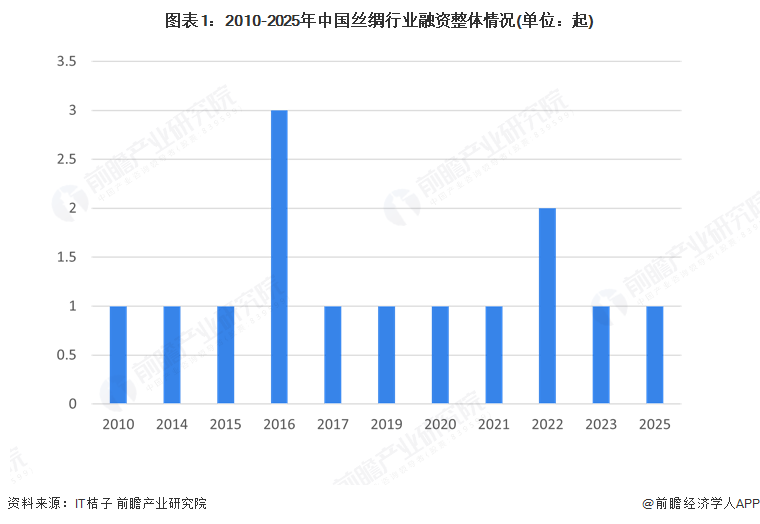
Group 1 - The core viewpoint of the article highlights the low investment and financing activity in the domestic silk industry in recent years, with a notable exception in 2016 due to the Hangzhou G20 Summit, which saw three financing events [1] - Since 2010, the silk industry has experienced a lack of financing, with only one financing event occurring in 2025, indicating potential for growth and development in the sector [1] - The financing events in the silk industry are primarily concentrated in Zhejiang and Jiangsu provinces, which have a rich history in silk production and a developed capital market [8] Group 2 - The average single financing amount in the silk sector is around tens of millions, with seed round financing exceeding 20 million RMB and angel round financing in the millions [2] - The majority of financing events are focused on companies that are already listed, reflecting a preference for established firms in the silk industry [7] - Key investment areas within the silk industry include clothing and other silk products, with a total of 14 financing events categorized into six main types, including upstream silk, home textiles, and fashion [10][16] Group 3 - The investment entities in the silk industry are evenly split between capital organizations and industrial enterprises, with notable investors including Taiheng Investment and Liangjiang Venture Capital [16] - Recent mergers and acquisitions in the silk industry are primarily horizontal, aimed at expanding scale and enhancing technological capabilities, involving both traditional silk companies and tech-driven firms [18] - Specific acquisition examples include Wan Shili's acquisition of Baoyang New Materials to enhance business strength and Anuoqi's acquisition of Colorful Jump to improve product application services [19]


全球首例!深圳机器人自主搭地铁送货,解决地铁商户配送实际难题【附深圳智能机器人产业链分析】
Qian Zhan Wang· 2025-07-16 03:10
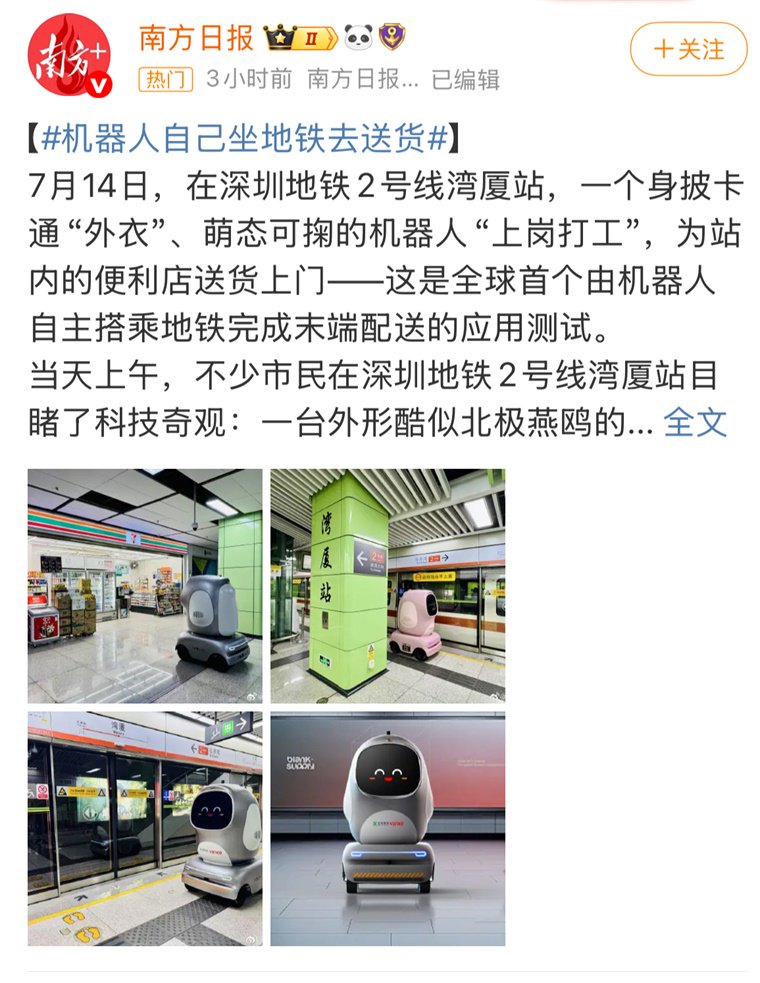
Core Insights - The article highlights the launch of the world's first autonomous delivery robot that can ride the subway, addressing delivery challenges faced by merchants in subway stations [1][4]. - The collaboration between Shenzhen Metro Group and Vanke has led to the development of this innovative delivery model, which utilizes AI scheduling algorithms and advanced robotics technology [1][4]. Group 1: Innovation and Technology - The delivery robot is inspired by the Arctic Tern and integrates multiple advanced technologies, including AI scheduling algorithms, panoramic laser radar, and a mechanical chassis [1]. - The intelligent scheduling system acts as the "brain," optimizing delivery routes based on various factors such as order status, location, and subway capacity [1][4]. - The robot can autonomously navigate through the subway system, including using elevators and recognizing train arrivals, enhancing its operational efficiency [1]. Group 2: Economic Impact - The robot delivery system reduces the cost of a single trip to under 3 yuan, providing a more convenient service for merchants [4]. - With 41 robots integrated into the subway transport network, the system can meet the peak delivery demands of 7-Eleven stores across Shenzhen's subway stations [4]. - The initiative is expected to save merchants over 30% in logistics costs while increasing non-ticket revenue for the subway [4]. Group 3: Industry Development - Shenzhen's intelligent robotics industry is part of the "20+8" industrial cluster, featuring a complete ecosystem from core components to application scenarios [5]. - The city hosts a dense concentration of global suppliers for robotic hardware, enhancing the speed of product iteration and manufacturing [7]. - The total output value of the robotics industry chain in Shenzhen reached 178.7 billion yuan in 2023, reflecting an 8.7% year-on-year growth [8]. Group 4: Future Aspirations - Shenzhen aims to cultivate over 10 "chain leader" enterprises by 2025, positioning itself as a global innovation hub for robotics [9].

2025年中国食用油价值链分析:原材料是食用油生产成本的主要来源
Qian Zhan Wang· 2025-07-15 08:41
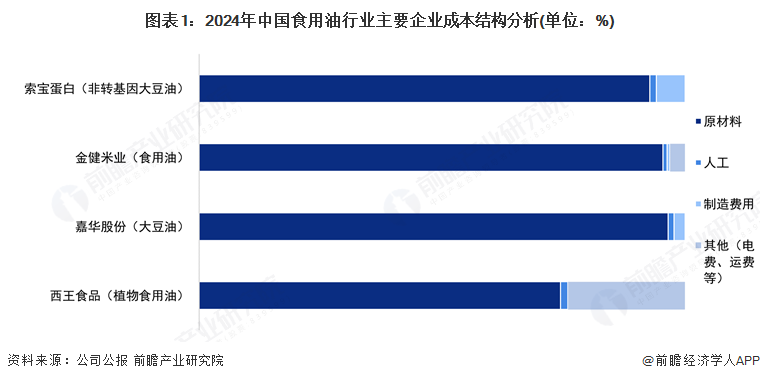
Group 1 - The core point of the article highlights that raw materials constitute the largest cost component in the edible oil production process, with companies like Xiwang Food showing a raw material cost ratio of 74.39% in 2024, while others exceed 92% [1] - Labor costs in the edible oil industry are relatively low, ranging from 0.85% to 1.51%, while manufacturing expenses fluctuate between 0.6% and 5.9% [1] - The cost structure of Jin Jian Rice Industry's edible oil products shows that direct materials account for around 95% from 2019 to 2024, indicating significant sensitivity to raw material price fluctuations [2] Group 2 - The pricing of edible oil in China is influenced by supply-side factors, manufacturing value-added premiums, and consumer demand elasticity, creating a "price-demand-price" transmission mechanism [6] - The edible oil industry value chain includes stages such as oilseed cultivation, pressing, refining, packaging, and distribution, with oilseed cultivation showing high gross profit margins [6] - The gross profit margin for oilseed crops like sunflower seeds can reach up to 72.6%, while downstream sales channels exhibit varying margins, with offline sales maintaining around 16% [8]