
Zhong Guo Zi Ran Zi Yuan Bao

Search documents
海洋生态产品核算国家标准通过审查
Zhong Guo Zi Ran Zi Yuan Bao· 2025-12-18 10:09
Core Viewpoint - The National Standard "Technical Guidelines for Accounting the Total Value of Marine Ecological Products" has been approved, providing a technical framework for marine ecological product value accounting in China, filling a significant gap in national standards for the marine sector [1][2] Group 1: Technical Guidelines Overview - The guidelines outline the procedures, indicator system, accounting methods, and data sources for marine ecological product value accounting [1] - It includes 10 key procedures and a framework consisting of three main categories: marine material products, regulatory services, and cultural services, with a total of 10 indicators [1] Group 2: Collaborative Efforts and Research - The development of the guidelines involved collaboration among various organizations, including the Ministry of Natural Resources and the Chinese Academy of Sciences, supported by multiple research projects [1] - Pilot projects and method validation were conducted in locations such as Yantai and Yancheng to ensure the scientific and practical applicability of the standards [1] Group 3: Implications and Applications - The guidelines are expected to provide scientific data support for marine ecological resource management and policy-making by relevant departments [2] - The accounting results can be applied to assess marine ecological sustainability, contributions to coastal socio-economic welfare, performance evaluation of marine ecological protection and restoration, and management of ecological assets [2] - The guidelines will facilitate the assetization of marine ecological resources, providing quantitative basis for ecological compensation, blue finance, and the transformation of the "Two Mountains" concept [2]
新矿物背后的奥秘
Zhong Guo Zi Ran Zi Yuan Bao· 2025-12-18 03:02
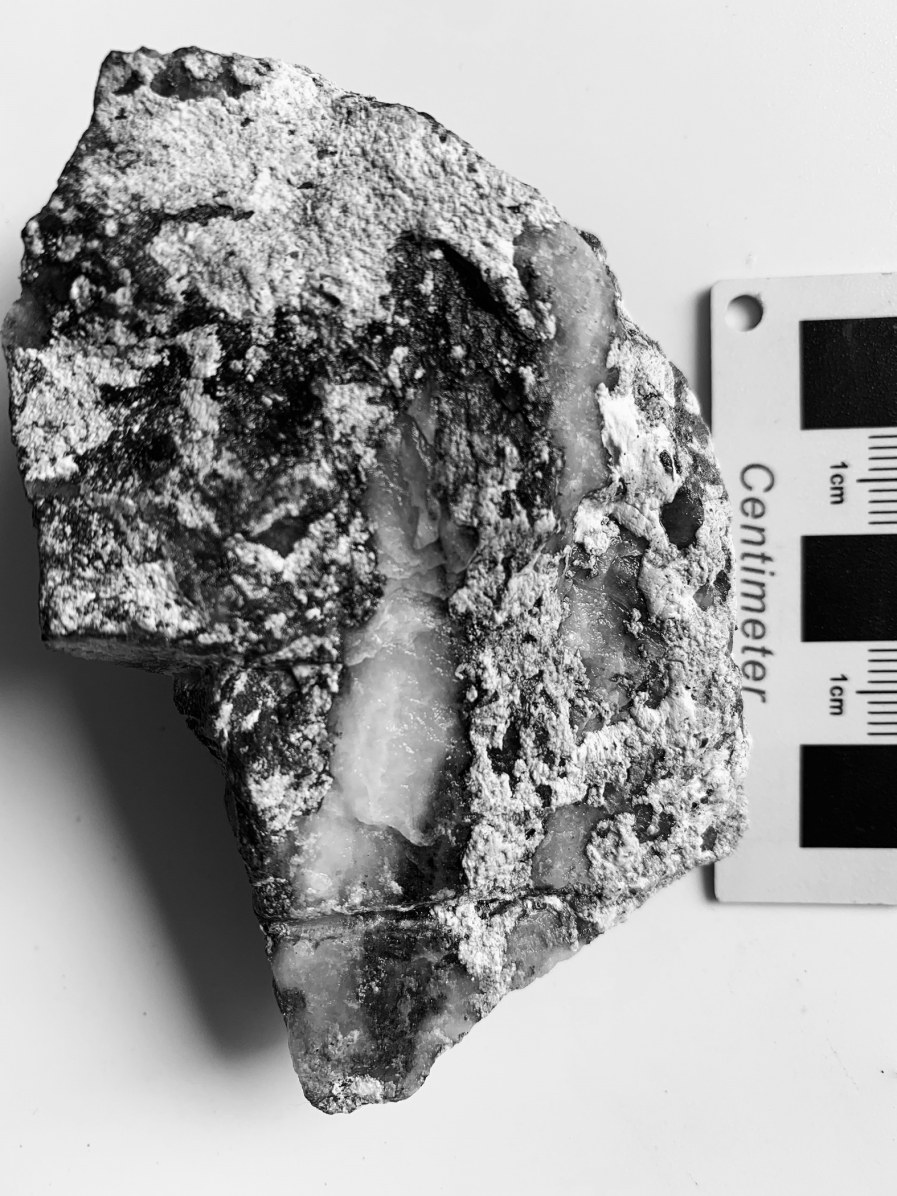
Core Viewpoint - The discovery of two new minerals, Gui Xiang Nickel-Bismuth Ore and Jin Xiu Ore, by the Chinese Academy of Geological Sciences marks a significant advancement in mineralogy and reflects China's growing influence in this field [5][12][22]. Group 1: New Mineral Discoveries - The new minerals were officially recognized by the International Mineralogical Association (IMA) after a thorough review process [12][25]. - As of 2025, China has discovered over 200 new minerals, positioning the country as a global leader in this area [9][26]. - The discoveries of Gui Xiang Nickel-Bismuth Ore and Jin Xiu Ore are part of a broader strategic initiative to enhance mineral exploration in China [10][22]. Group 2: Importance of Nickel-Cobalt Resources - Nickel and cobalt are critical minerals for various industries, including aerospace, chemical, and mechanical manufacturing, and are essential components in lithium batteries [11][27]. - The Longhua Nickel-Cobalt deposit, where the new minerals were found, has an average nickel grade of 7.48% and cobalt grade of 0.64%, indicating a medium-sized resource [11][27]. - China's reliance on imported cobalt highlights the strategic importance of domestic nickel-cobalt resources [11][27]. Group 3: Research and Technological Advances - The discoveries were facilitated by advancements in research techniques and persistent efforts from the geological team [13][19]. - New technologies, such as electron probes and transmission electron microscopy, have enabled the identification of smaller and previously undetectable minerals [19][21]. - The research team emphasizes that the identification of new minerals contributes to a deeper understanding of mineral formation processes and geological events [21][22].

“云宇星空”大模型在沪发布
Zhong Guo Zi Ran Zi Yuan Bao· 2025-12-18 03:01
Core Insights - The launch of the "Yunyu Xingkong Model (Professional Version)" marks a significant transformation in intelligent governance within the planning and resource sector in Shanghai, transitioning from "data finding people" to "data answering people" [1][2] - The model aims to address long-standing challenges in planning resource operations, such as data complexity, high professional thresholds, and lengthy decision-making processes [1] Group 1: Model Capabilities - The model is designed with five core capabilities: "unanswerable questions," "image adjustment," "statistical analysis," "image recognition," and "report generation" [1] - It features a professional knowledge base covering over ten fields, including overall planning and ecological protection, with more than 100,000 high-quality Q&A pairs [1] - Users can access planning maps, real-time images, and public service facility layers through natural language commands, significantly lowering the GIS operation barrier [1] Group 2: Development and Future Plans - The model was developed over several months by the Shanghai Municipal Planning and Natural Resources Bureau in collaboration with various technical teams, having processed over 900 planning documents [2] - By June next year, the model aims to achieve full coverage of over 60 professional knowledge graphs in the planning resource sector [2] - Future enhancements will focus on expanding the model's application in project approval, regulatory decision-making, and public services, while exploring new directions like "spatial intelligence" [2]
自然资源部第一地理信息制图院用科技与脚步丈量秦岭
Zhong Guo Zi Ran Zi Yuan Bao· 2025-12-18 01:07
Core Viewpoint - The articles highlight the ongoing efforts and achievements in the ecological protection of the Qinling Mountains, emphasizing the dedication of the personnel involved in monitoring and restoring the environment [1][6][7]. Group 1: Ecological Monitoring and Restoration - The Shaanxi Surveying and Mapping Geographic Information Bureau has been actively involved in the ecological monitoring and restoration of the Qinling Mountains, completing inspections of approximately 2000 surveillance cameras over five months [1][6]. - The ecological restoration of a former gold mining site in Xiangzichai Village has shown significant improvement, with high survival rates of newly planted white pines and a return of clear water and green mountains [2][6]. - The proportion of actual ecological issues identified in the region has decreased from around 80% to less than 20% over five years, indicating a successful reduction in environmental problems [6]. Group 2: Technological Integration and Systematic Approach - The integration of institutional regulation, intelligent technology, and grid-based responsibility has created a comprehensive monitoring system for ecological protection in the Qinling region [6]. - The establishment of the "Shaanxi Province Qinling Ecological Problem Reporting Hotline" has seen a decline in effective reports, reflecting the improved ecological conditions [6]. Group 3: Challenges and Community Support - Field personnel face significant challenges, including difficult terrain and unpredictable weather, which can lead to dangerous situations during monitoring tasks [3][4][5]. - Local community support has been crucial for the personnel working in remote areas, with residents often providing assistance and hospitality during challenging times [4][5]. Group 4: Future Commitment - The commitment to protecting the Qinling Mountains continues, with a focus on maintaining the ecological balance and ensuring the sustainability of the region [7]. - The ongoing efforts of the young "guardians of the mountains" reflect a deep-seated dedication to preserving the natural beauty and ecological integrity of the Qinling area [7].
汇聚蓝碳力量 共绘海洋蓝图
Zhong Guo Zi Ran Zi Yuan Bao· 2025-12-17 05:54
Core Insights - The recent 2025 Blue Carbon International Symposium and West Pacific Blue Carbon Ecosystem Restoration Workshop highlighted the importance of blue carbon ecosystems, particularly mangroves, in climate change mitigation and ecological restoration efforts [1] Group 1: Marine Carbon Sequestration - The ocean is identified as the largest active carbon sink with significant negative emission potential. A new negative emission strategy, BCMS, integrates four carbon pumps to maximize ocean carbon storage [3] - The "International Grand Science Plan for Marine Negative Emissions," initiated by Chinese scientists, has gained international recognition with participation from over 80 research teams across 35 countries [3] Group 2: Importance of Mangrove Restoration - Tropical tidal wetland forests, such as mangroves, are crucial for carbon storage and biodiversity. Their degradation transforms them from carbon sinks to significant emission sources, necessitating restoration efforts [5] - Scientific approaches to mangrove restoration should prioritize ecosystem-based methods, focusing on ecological characteristics, restoration goals, and suitable species configurations [5] Group 3: Global Research and Monitoring Initiatives - Research on blue carbon ecosystems has rapidly developed since 2010, with a focus on coastal wetland carbon sinks and greenhouse gas emissions. However, Southeast Asia's research on mangroves remains limited [6] - International cooperation has been initiated for mangrove monitoring, utilizing remote sensing data to support policy-making and enhance data comparability [6] Group 4: National and Regional Case Studies - Malaysia emphasizes the protection of existing mangroves over post-damage restoration, implementing various protective measures and community involvement in restoration efforts [11][13] - Thailand has integrated mangrove carbon sinks into climate policy, allowing community and corporate partnerships to develop carbon credit projects, with 90% of the revenue benefiting the participants [17] Group 5: Funding and Investment Strategies - Sustainable funding is essential for large-scale mangrove restoration, with blue finance tools like blue bonds and carbon credits being explored to support ecological restoration efforts [19] - The establishment of a long-term financing system for mangrove and coastal wetland restoration is crucial, requiring collaboration among government, financial, and social institutions [19] Group 6: Challenges and Future Directions - Indonesia faces challenges in achieving its mangrove restoration goals due to ecological pressures and the need for reliable scientific assessments to guide restoration efforts [21] - Cambodia's mangrove restoration efforts are hindered by illegal logging and land use changes, necessitating enhanced cooperation and community engagement [39][41]
南极纪行之中国第42次南极考察|冰原接力,仙女峰上巡星河
Zhong Guo Zi Ran Zi Yuan Bao· 2025-12-16 04:00
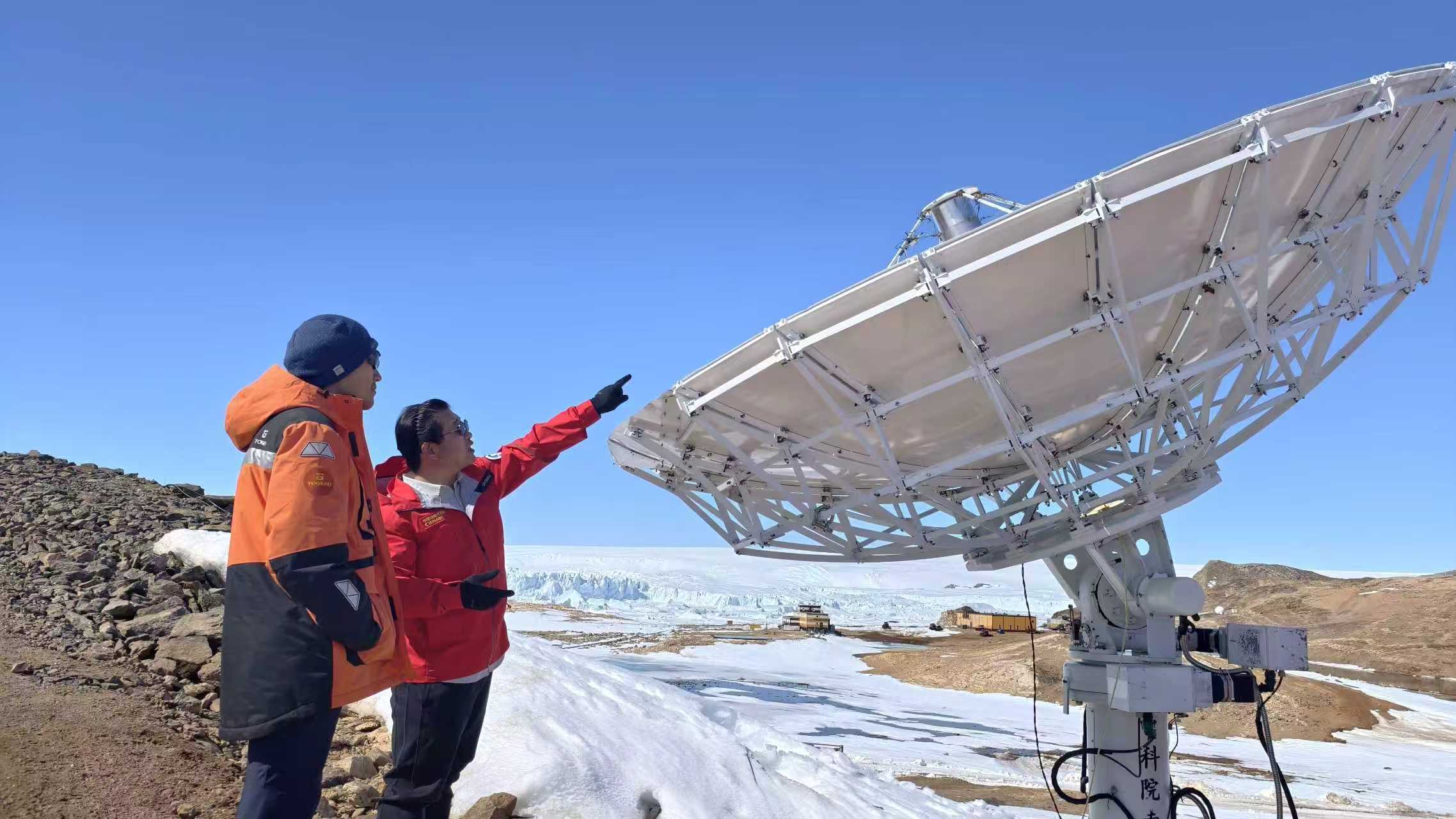
Core Viewpoint - The article discusses the handover of responsibilities between two members of China's Antarctic research team, focusing on the operation of astronomical observation equipment at the Xian Nü Peak site, which is crucial for space debris monitoring and radio astronomy [4][5][6]. Group 1: Astronomical Observation Equipment - The Xian Nü Peak astronomical observation platform includes a 310mm space debris telescope and a 150mm space debris observation telescope, both newly installed, significantly enhancing China's capability to monitor and track space debris [4][5]. - The space debris consists of fragments from celestial bodies, satellites, and rocket remnants, which pose risks to spacecraft; monitoring in polar regions provides critical data for assessing collision risks and aiding decision-making [5]. Group 2: Operational Procedures and Training - The outgoing team member, Zhang Yi, provides training to the incoming member, Zhou Xingyu, on the operation of the radio telescope, emphasizing the importance of monitoring for magnetic and static interference that could affect the telescope's positioning [5][6]. - Zhang Yi also instructs on the necessity of weather monitoring and equipment safety measures, particularly in extreme weather conditions, where wind speeds can reach up to level 12 [5][6]. Group 3: Infrastructure and Support - The astronomical observation building, constructed from standard shipping containers, is equipped with essential facilities for remote monitoring and data analysis, allowing operations to continue indoors during the harsh Antarctic winter [6]. - The building was completed in April of the current year, marking a significant step in the development of astronomical observation capabilities at the Antarctic station [6].
福建推进矿业权有偿使用制度改革
Zhong Guo Zi Ran Zi Yuan Bao· 2025-12-16 02:56
Core Viewpoint - The Fujian Provincial Department of Natural Resources is advancing the reform of the paid use system for mining rights, aiming to establish a more orderly and effective management system for mining rights [1] Group 1: Mining Rights Management - A total of 12 mining rights have been transferred in the province this year, including 8 exploration rights and 4 mining rights [1] - The department has conducted research through grassroots investigations, seminars, and field visits to improve the management of mining rights transfer revenue [1] - New regulations such as the "Fujian Province Mining Rights Competitive Transfer Work Registration Regulations" and "Implementation Details for Agreement Transfer of Mining Rights" have been issued to standardize the transfer process [1] Group 2: Efficiency Improvement - The department is building a unified project database for mining rights transfer based on the principle of "unified construction, hierarchical management, and dynamic adjustment" [1] - A "Mining Rights Transfer Block Suggestion" module has been established on the department's website and in the comprehensive mining management system to provide information on mining rights transfer blocks [1] - A competitive transfer system for mining rights has been fully implemented, with all rights being auctioned or tendered except for those explicitly allowed for agreement transfer by the state [1] Group 3: Policy Coordination - The department is implementing the revised "Mining Rights Transfer Revenue Collection Measures" issued by the Ministry of Finance, Ministry of Natural Resources, and the State Taxation Administration [1] - A review of mining enterprises affected by the transition between old and new policies is being conducted, with relevant information reported to the provincial finance department and the Fujian Provincial Taxation Bureau [1]
浙江温州首次开展地热矿产资源确权登记
Zhong Guo Zi Ran Zi Yuan Bao· 2025-12-16 02:56
Core Insights - The successful completion of the natural resource rights registration for the HL2 geothermal well in Ruian marks the first extension of the unified registration system in Wenzhou from solid minerals and water resources to liquid geothermal resources, filling a gap in this field [1][2] Group 1: Registration Process and Mechanism - The Wenzhou Natural Resources Bureau has established a collaborative work mechanism involving government leadership and multi-department coordination to address the existing gaps in registration subjects, procedures, and standards for geothermal resources [2] - The transition from "dispersed management" to a "systematic collaboration" registration model has significantly improved registration efficiency and data authority, laying a solid foundation for future resource planning and comprehensive utilization [2] Group 2: Technical Innovations and Standards - An innovative model combining "administrative promotion, expert validation, and technical support" was adopted to revise registration unit division rules, information reporting standards, and database structure under expert guidance [2] - A cadastral survey internal audit mechanism has been established to dynamically update the database, addressing technical challenges related to spatial boundary delineation and dynamic monitoring of geothermal resources [2] Group 3: Economic and Environmental Impact - The registration results will facilitate the "geothermal + " multi-dimensional green development, with plans to introduce "hot spring + " cultural tourism integration projects, transforming resource advantages into industrial and developmental advantages [2] - The project is expected to save approximately 2,106 tons of standard coal annually and reduce carbon dioxide emissions by 5,025.5 tons, equivalent to the annual absorption of over 200,000 trees [2] - The registration outcomes can be integrated into the national carbon market trading system, illustrating the transformation path of "green mountains and clear waters are as valuable as mountains of gold and silver" and exploring a new model for resource development, industrial growth, ecological protection, and improvement of people's livelihoods [2]
中国第42次南极考察队完成中山站卸货任务
Zhong Guo Zi Ran Zi Yuan Bao· 2025-12-16 01:25
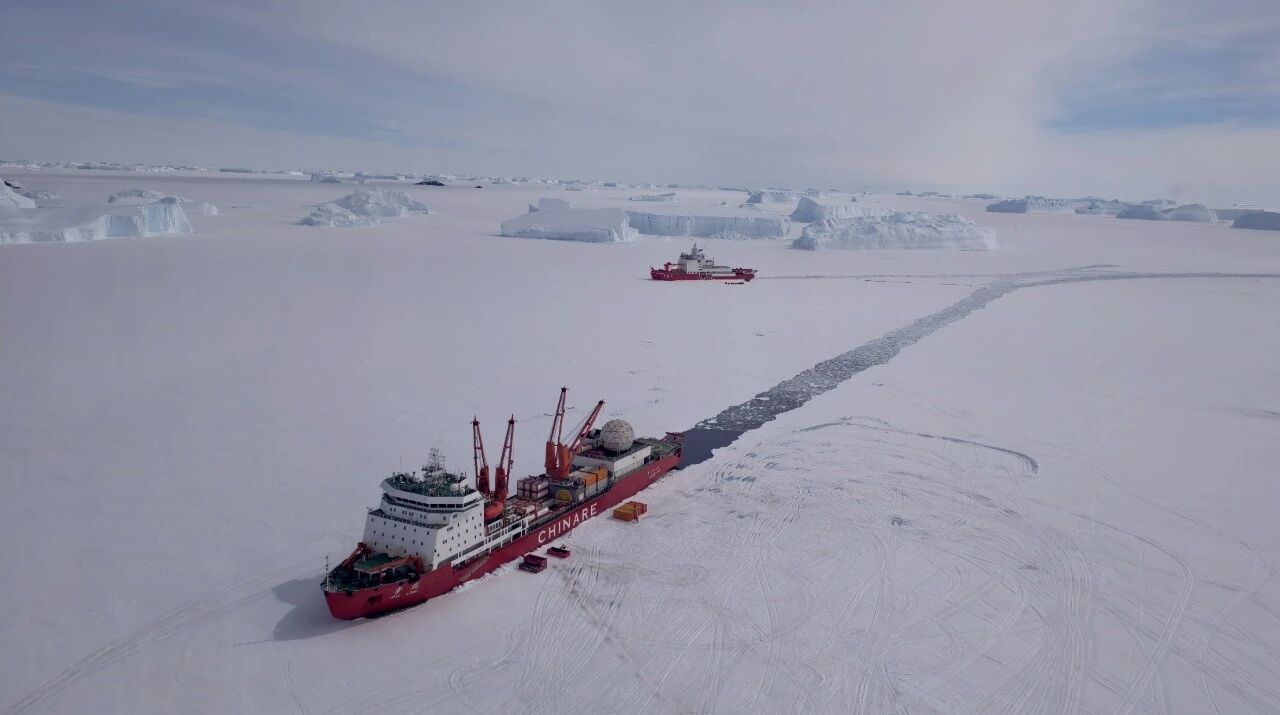
Core Points - The 42nd Chinese Antarctic Expedition successfully completed the unloading task at Zhongshan Station, delivering nearly 2000 tons of supplies and fuel over 12 days [1][3] - The operation involved efficient coordination between the "Xuelong" and "Xuelong 2" vessels, utilizing helicopter and sea ice transport methods [1][3] Group 1 - The "Xuelong 2" vessel docked at Punta Arenas, Chile, for resupply and to pick up oceanographic research team members before proceeding to the Great Wall Station for further material transport [3] - The next phase of the expedition will focus on conducting ocean investigation and monitoring tasks [3] - Currently, "Xuelong 2" is assisting "Xuelong" in icebreaking navigation, with both vessels operating in different directions for their respective research missions [3]
推动“人工智能+海洋经济”走深走实
Zhong Guo Zi Ran Zi Yuan Bao· 2025-12-15 10:59
Core Insights - The release of two significant large models at the 2025 Xiamen International Marine Week marks a technological breakthrough in the integration of artificial intelligence with the marine economy, indicating a transformative shift towards a blue economy [2] - The Chinese government is promoting the deep integration of artificial intelligence across various sectors, with a focus on high-quality development driven by technological innovation in the marine economy [2] - Coastal regions are rapidly implementing action plans to develop the "AI + Marine" sector, with initiatives from provinces like Zhejiang and Guangdong to create landmark application scenarios [2] Group 1: Opportunities in AI and Marine Economy - AI is becoming a key driver for high-quality development in the marine economy, with applications ranging from smart ports to underwater robotics [3] - The transition towards intelligent marine economic practices is underway, but challenges remain in fully integrating AI into this sector [3] Group 2: Challenges in Integration - There is a lack of top-level design in the integration of AI and the marine economy, necessitating a strategic framework that aligns with local industry characteristics and resources [4] - The current application scenarios are often limited to single industries, highlighting the need for innovation that breaks traditional boundaries and promotes multi-scenario collaboration [4] - Data fragmentation in the marine sector poses a significant challenge, requiring improved data governance and the establishment of a unified marine data system [4] - The scarcity of interdisciplinary talent who understand both marine science and AI is a major bottleneck, necessitating educational reforms and collaborative efforts to cultivate skilled professionals [4]
