
Zhong Guo Zi Ran Zi Yuan Bao

Search documents
南中国海区域海啸预警工作组召开第十三次会议
Zhong Guo Zi Ran Zi Yuan Bao· 2025-11-30 11:38
11月18日~19日,太平洋海啸预警与减灾系统政府间协调组南中国海区域工作组(WG-SCS)第十 三次会议(以下简称南海工作组会议)以线上视频会议形式召开。南中国海周边中国、印尼、马来西 亚、菲律宾、新加坡、泰国、越南等7个成员国以及联合国教科文组织政府间海洋学委员会秘书处参加 本次会议。 会议重点回顾了南海工作组第十二次会议决议的落实情况。南中国海区域海啸预警中心 (SCSTAC)报告了年度工作进展;总结了南中国海区域地震海啸预警和减灾能力提升情况;报告了 2025年SCSTAC国际职员的工作和交流情况。与会成员国代表讨论了由国家海洋环境预报中心牵头编写 的《南中国海区域海啸预警中心产品手册》(修订版),并就实施南海区域海啸灾备认可项目,以及进 一步强化南中国海区域海啸预警能力建设和服务任务组(TT-CDS)职能开展了协商。 会议选举产生了新一届南海工作组和任务组主席、副主席。国家海洋环境预报中心高级工程师王宗 辰当选WG-SCS副主席,香港天文台高级科学主任林静芝当选TT-CDS主席,充分体现了我国在南海海 啸预警与减灾系统框架下的持续领导力和影响力。 ...
我国海底冷泉原位智能监测站海试成功
Zhong Guo Zi Ran Zi Yuan Bao· 2025-11-30 11:38
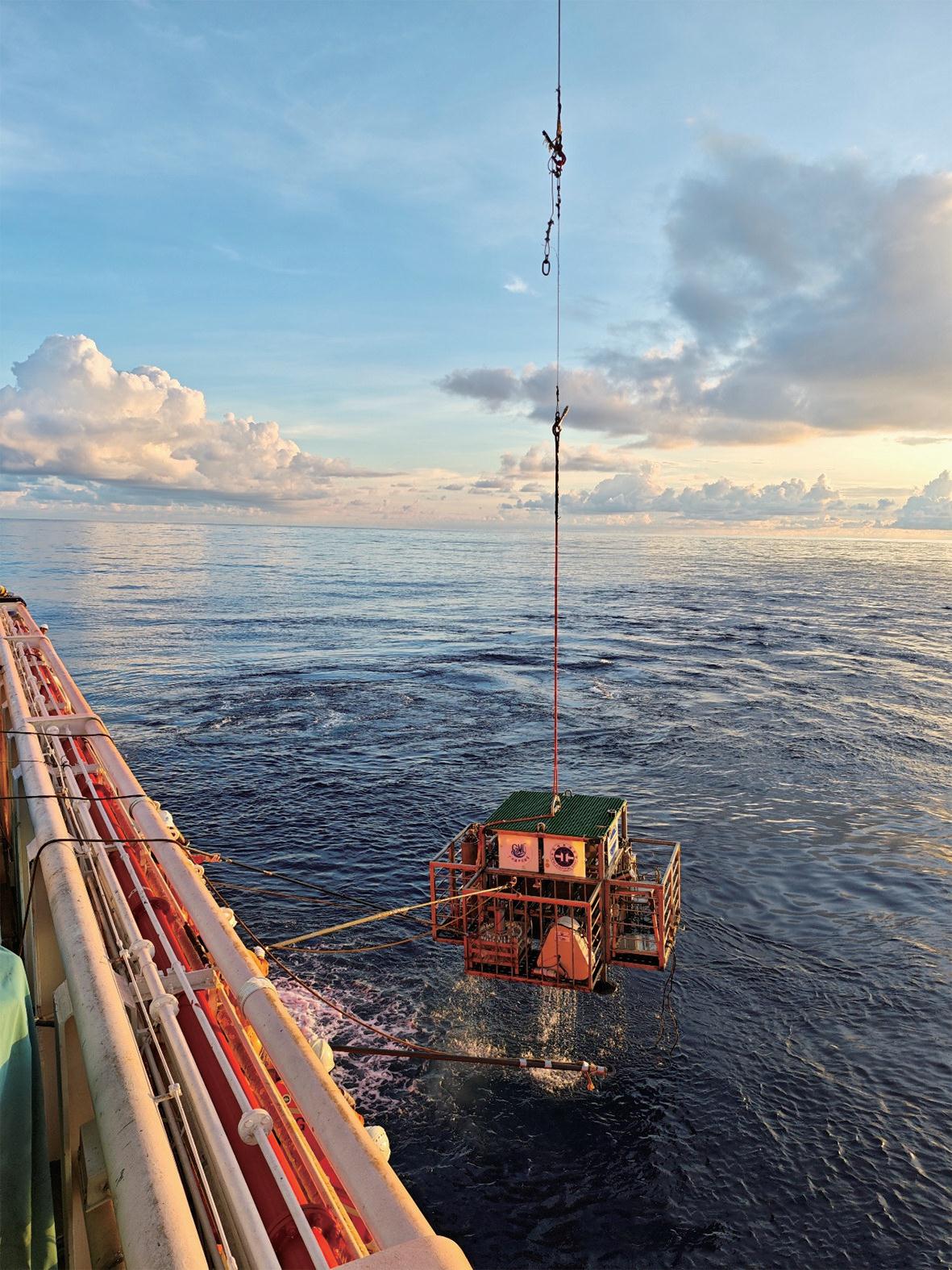
Core Viewpoint - The successful sea trial of the "In-situ Intelligent Monitoring/Detection Station for Seafloor Cold Springs" marks a significant advancement in China's in-situ monitoring technology for seafloor cold springs, providing valuable data for deep-sea scientific research and resource exploration [2]. Group 1 - The monitoring station was developed by the Guangzhou Marine Laboratory and has passed a 1500-meter sea trial in the Haima cold spring area of the South China Sea [2]. - This project is a key research outcome of Guangdong Province's major research and development plan, aimed at evaluating marine natural gas hydrate resources and studying the ecological environment of cold spring areas [2]. - The station was deployed six months ago and has completed in-situ observations, collecting critical data on seafloor methane, temperature, and microseismic activities [2]. Group 2 - The data collected reveals the coupling relationships and control mechanisms between deep fluids, shallow sediments, biological communities, and environmental effects in the Haima cold spring area [2]. - The system allows for real-time, long-term monitoring of the formation and evolution of seafloor cold springs, facilitating the evaluation of combustible ice resources and environmental impacts [2]. - The successful recovery of the monitoring station signifies a new beginning for China's deep-sea in-situ detection technology, injecting new momentum into the country's deep-sea scientific research and marine resource exploration efforts [2].

中印尼海洋技术培训班开班
Zhong Guo Zi Ran Zi Yuan Bao· 2025-11-30 11:38
Core Viewpoint - The training program aims to enhance Indonesia's marine industry by sharing advanced technologies and successful cases from China in marine ecological restoration and sustainable aquaculture [1] Group 1: Training Program Overview - The China-Indonesia Marine Technology Training Course was successfully launched in Jakarta, co-hosted by the Ministry of Natural Resources and the Ministry of Marine Affairs and Fisheries of Indonesia [1] - The training lasts for four days and features six experts from various Chinese institutions, including the Ministry of Natural Resources, the Ministry of Agriculture and Rural Affairs, and the Chinese Academy of Sciences [1] Group 2: Focus Areas - The training focuses on cutting-edge topics such as blue economy development, marine ecological restoration, and sustainable aquaculture [1] - The program is designed to meet the urgent needs of Indonesia's marine industry, providing valuable technical support and sharing Chinese experiences [1] Group 3: Application and Impact - Knowledge and experiences shared during the training can be directly applied to Indonesia's marine industry, promoting sustainable development of its marine economy [1] - The initiative aims to build an efficient platform for technical exchange and experience sharing, contributing to the enhancement of technology and talent cultivation in Indonesia's marine fisheries sector [1]
海南印发低碳岛建设方案
Zhong Guo Zi Ran Zi Yuan Bao· 2025-11-30 11:38
Core Viewpoint - The Hainan Provincial Government has officially issued the "Hainan Low Carbon Island Construction Plan," which outlines three major timeline goals and aims to systematically promote low carbon island construction to support the green and high-quality development of the free trade port [1][3]. Group 1: Timeline Goals - By 2030, the province aims to achieve carbon peak emissions [1]. - By 2045, Hainan plans to fully establish a low carbon island, reducing annual carbon dioxide emissions by 70% compared to peak levels [1]. - By 2060, the province targets achieving carbon neutrality [1]. Group 2: Key Tasks - The plan includes seven key tasks focusing on energy, industry, urban and rural areas, transportation, ecology, smart management, and long-term carbon governance [1][2][3]. Group 3: Energy Sector Initiatives - The plan emphasizes the development of offshore wind power and enhancing the capacity for green electricity consumption [1]. - It promotes localized green electricity supply models to improve the low-carbon competitiveness of export products [1]. Group 4: Industry Decarbonization - The plan aims to foster innovation through application and establish a multi-level low-carbon technology innovation and application platform [1]. - It encourages the integration of smart manufacturing with green low-carbon development [1]. Group 5: Urban and Rural Decarbonization - The initiative promotes low-carbon and livable transformations in urban spaces, including optimizing ecological cooling sources and planning green community spaces [2]. Group 6: Transportation Decarbonization - The plan advocates for the clean energy transition in transportation, including upgrading railway equipment and promoting alternative energy in shipping [2]. Group 7: Ecological Carbon Sequestration - The plan focuses on enhancing forest carbon storage and exploring geological carbon storage capabilities [2]. - It aims to establish a land ecological space pattern and conduct research on carbon mineralization potential [2]. Group 8: Smart Carbon Management - The plan proposes establishing a multi-level smart management system for energy and carbon emissions, including the creation of foundational databases [2]. Group 9: Long-term Carbon Governance - The plan aims to create an international low-carbon exchange platform and strengthen cooperation with countries along the Belt and Road Initiative [3]. - It includes the establishment of the Hainan International Blue Carbon Research Center and the Carbon Emission Trading Center [3].
湖南开展自然资源调查监测劳动和技能竞赛
Zhong Guo Zi Ran Zi Yuan Bao· 2025-11-28 06:53
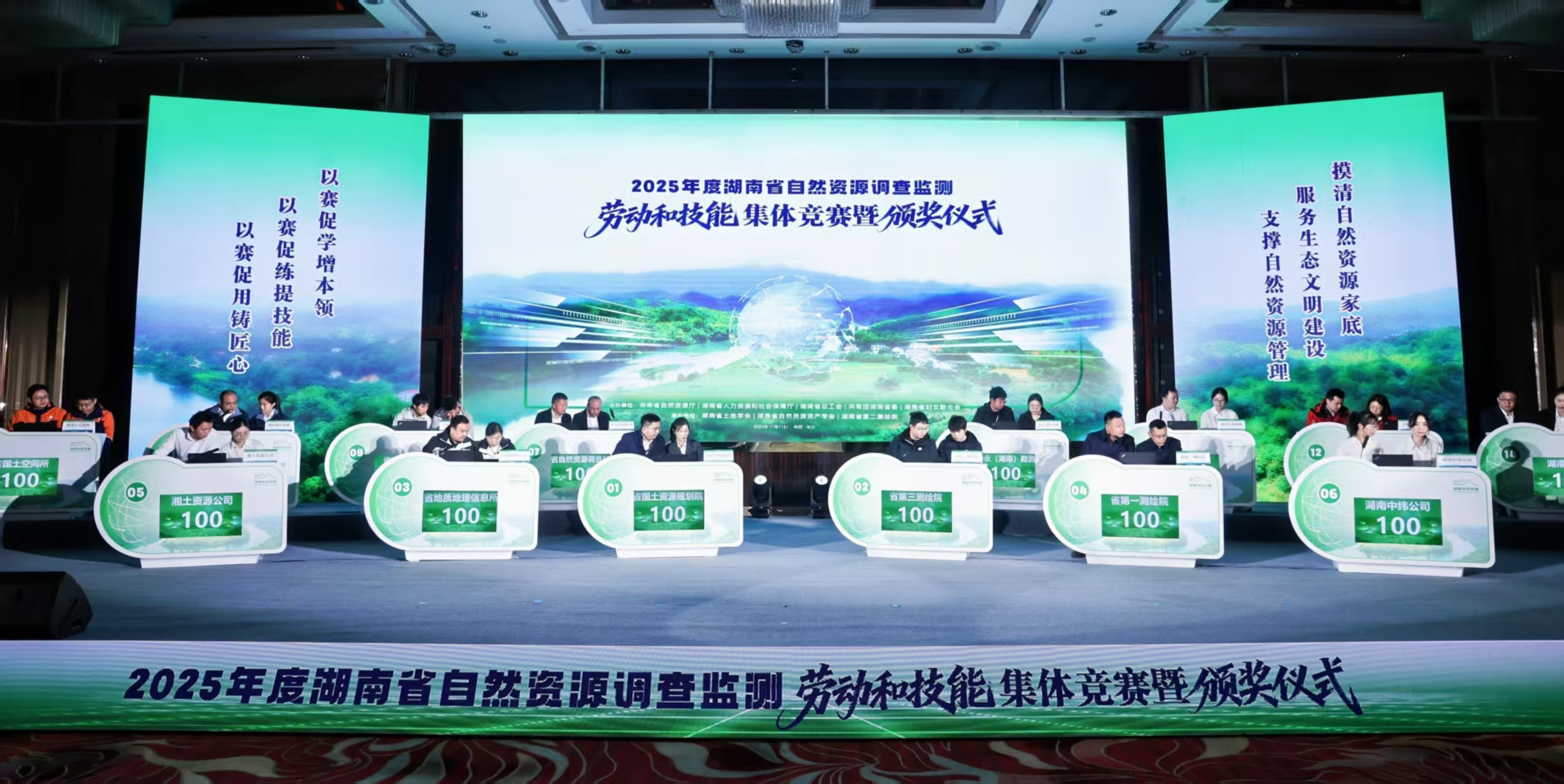
Core Viewpoint - The 2025 Hunan Province Natural Resources Survey and Monitoring Labor and Skills Competition was held in Changsha, featuring various competitive segments for participants [1] Group 1 - The competition included multiple segments such as internal mapping database exams, external practical competitions, and on-site Q&A [1] - A total of 31 teams and 124 participants from across the province competed fiercely [1]
2024年度自然资源科学技术奖出炉
Zhong Guo Zi Ran Zi Yuan Bao· 2025-11-28 06:53
Core Insights - The 2024 Natural Resources Science and Technology Award announced 223 winning achievements, including 159 in the Science and Technology Progress Award category, 14 in the Prospecting Award, and 50 in the Youth Science and Technology Award [1][2] Group 1: Science and Technology Progress Awards - Four achievements received the Special Award, including innovations in deep detection technology and key technologies for the design, manufacturing, and installation of bimetallic composite subsea pipelines [1] - 54 achievements received the First Prize, with notable projects focusing on efficient land use in urban clusters based on natural ecology [1] - 101 achievements were awarded the Second Prize, highlighting advancements in satellite remote sensing for complex regional land use [1] Group 2: Prospecting Awards - Five achievements received the First Prize, including breakthroughs in the coupling mechanism of rare metal and lead-zinc deposits in the western edge of the Yangtze block [1] - Nine achievements were awarded the Second Prize, focusing on key theoretical innovations in deep-sea reservoir configurations [1] Group 3: Youth Science and Technology Awards - The average age of the Youth Science and Technology Award winners is 41, with the youngest being 36, indicating a significant role of young researchers in the field [2] - The achievements reflect the strong support measures implemented by the Ministry of Natural Resources, including policy planning and talent support systems [2] Group 4: Evaluation Process - The awards were determined based on the interim regulations of the Natural Resources Science and Technology Award, involving a comprehensive evaluation process by multiple industry associations [2]
集体林权制度改革|江西:亿亩山林“点翠成金”
Zhong Guo Zi Ran Zi Yuan Bao· 2025-11-28 06:16
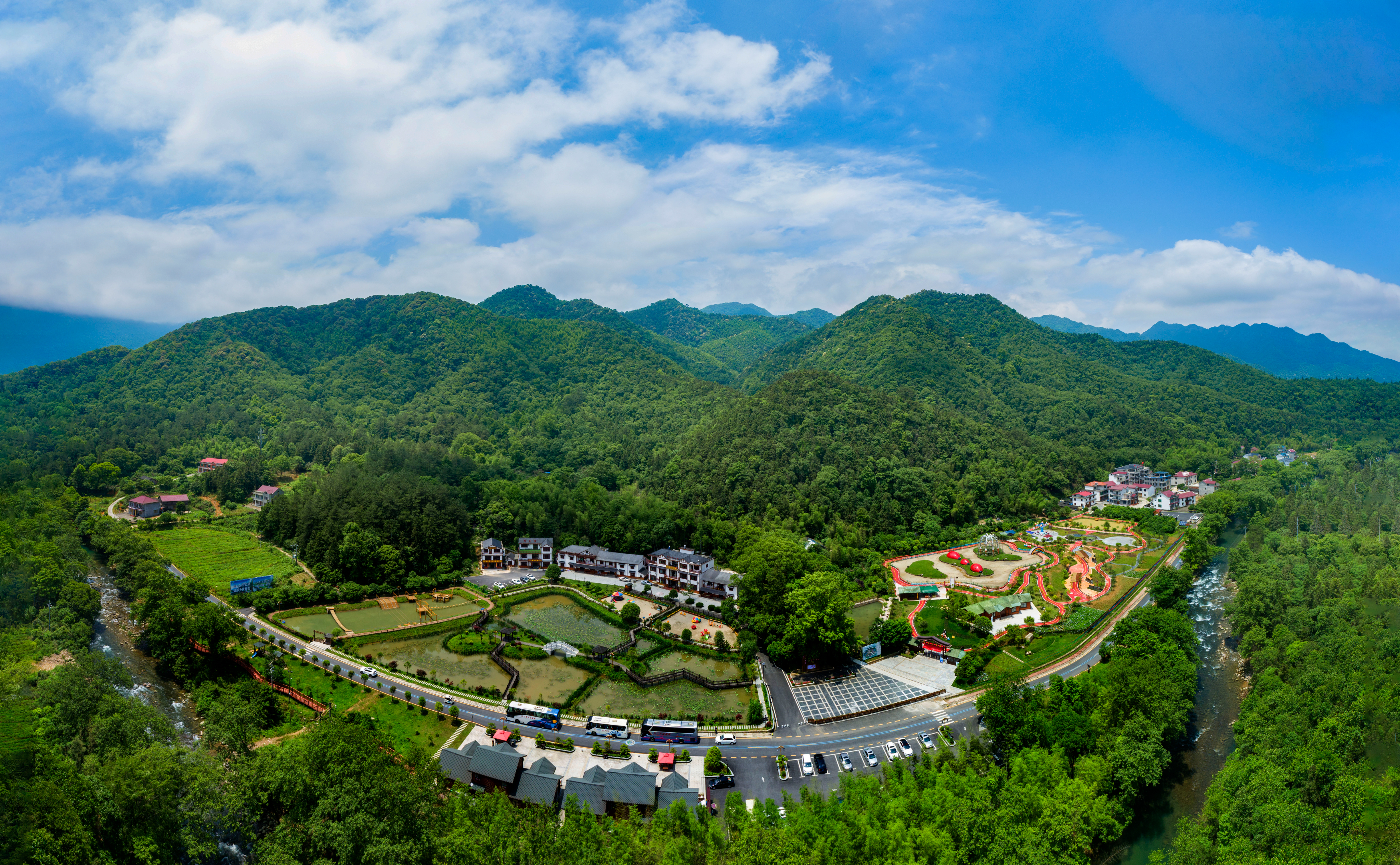
Core Viewpoint - Jiangxi Province is actively implementing collective forest rights reform, enhancing the economic value of forest resources and improving the livelihoods of local communities through innovative policies and practices [5][14]. Group 1: Forest Rights Reform - Jiangxi has over 60% of its land as forest, with more than 85% of forest land owned collectively, making collective forest land a crucial production resource for farmers [7]. - The province has extended the contract period for collective forest land, ensuring long-term stability for land rights, with 8.74 million acres of contracts extended [7]. - Innovative management systems and databases have been established, resolving historical issues and issuing over 63,400 property rights certificates [7][8]. Group 2: Economic Activation of Forest Resources - Jiangxi has introduced a forest management rights certificate system, allowing for the transformation of dormant assets into liquid capital, with 2,301 certificates issued covering 900,200 acres [8]. - The quantification of collective forest land income rights has led to significant income increases for villagers, with some households receiving over 50,000 yuan [9]. - The province has optimized logging methods, resulting in a 9% increase in collective timber harvesting from January to August 2025 [11]. Group 3: Sustainable Development and New Industries - Jiangxi is developing a modern forestry industry system focusing on oil tea, bamboo, and under-forest economy, with over 15 specialized industrial parks established [15]. - The total forestry output value reached 713 billion yuan, with a year-on-year growth of 9.7%, positioning Jiangxi among the top provinces in the country [15]. - The province has initiated a financial support policy for new forestry operating entities, with 5,988 new entities established, covering 31 million acres of land [13]. Group 4: Financial Innovations and Carbon Trading - Jiangxi has developed a mechanism for forest rights collateral and financial support, raising 1.367 billion yuan for fragmented forest rights [16]. - The province is engaging in carbon trading projects, with 256,540 tons of carbon credits approved, transitioning from timber sales to carbon credits and ecological products [17]. - The establishment of trading scenarios for ecological products is expected to generate a cumulative transaction volume of 15 billion yuan [17].
探秘微塑料 科普进校园
Zhong Guo Zi Ran Zi Yuan Bao· 2025-11-28 06:14
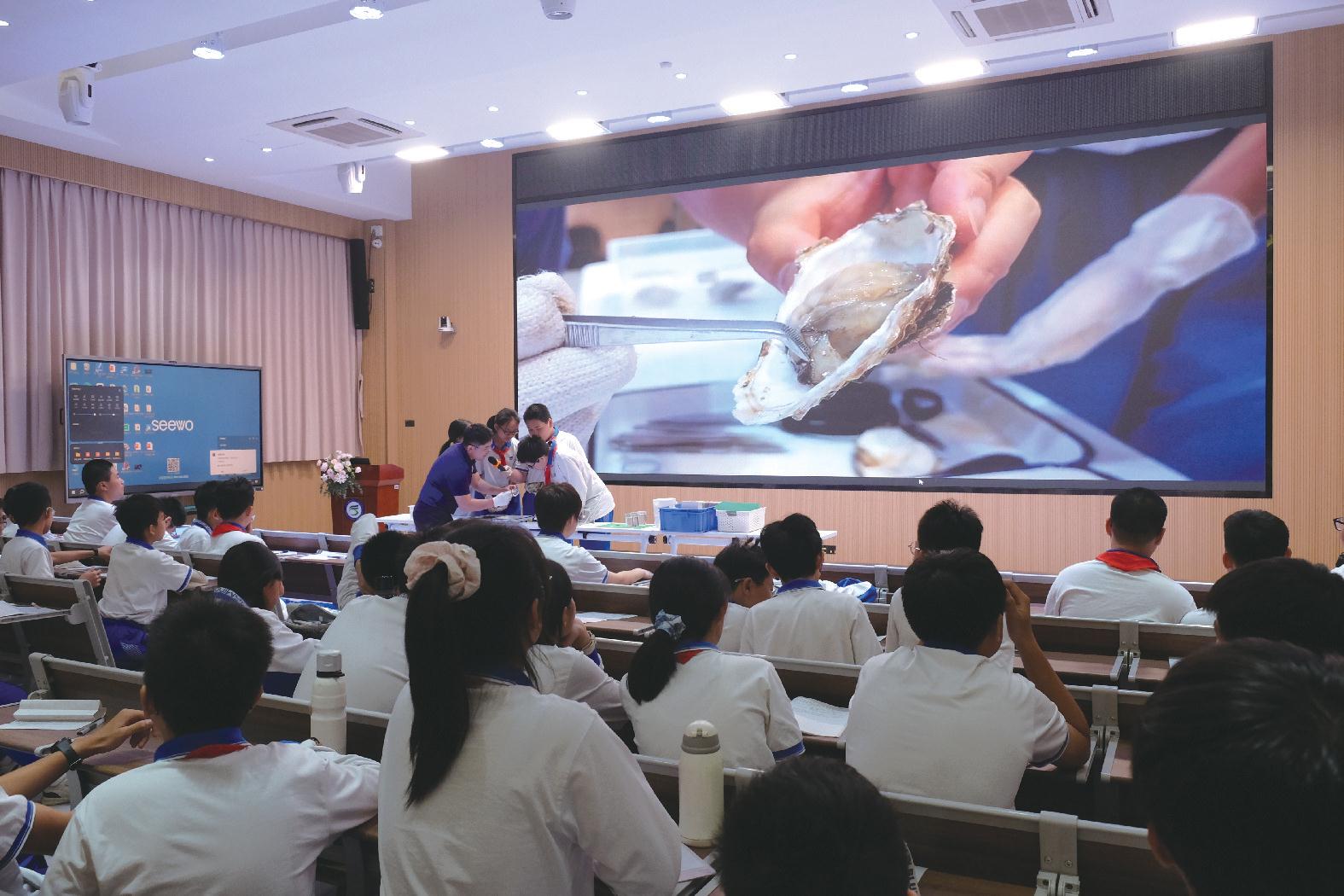
Group 1 - The event was organized by the South China Sea Islands Center of the Ministry of Natural Resources, focusing on the impact of microplastics on oysters [3] - The interactive science class aimed to educate students about the journey of microplastics from the ocean to the dinner table, highlighting the unique feeding habits of oysters [3] - Students participated in hands-on activities, including dissecting oysters to observe their anatomical structures and search for traces of microplastics, which sparked their interest in scientific exploration [3]
我国首套远洋鱿鱼溯源装备发布
Zhong Guo Zi Ran Zi Yuan Bao· 2025-11-28 06:14
11月18日,由上海海洋大学科研团队牵头研发的我国首套远洋鱿鱼全过程溯源装备发布,标志着我 国远洋渔业迈入"从深海到餐桌"的数字化透明监管新时代。 未来,研发团队计划将远洋鱿鱼全过程溯源装备技术逐步推广至全国远洋鱿鱼捕捞企业,助力构建 全球远洋渔业可持续监管网络。 系统发布后,有助于提升我国远洋鱿鱼产品在国际市场的公信力,破解国际贸易中的溯源壁垒。消 费者只需通过手机扫码,即可清晰查看鱿鱼从"海洋到餐桌"的全流程信息,让"舌尖上的安全"看得见、 摸得着,进一步增强市场消费信心。 远洋鱿鱼全过程溯源装备系统堪称远洋渔业的"智慧监管中枢",具备深度集成多模态数据融合、AI 智能图像识别、北斗定位追踪与区块链可信存储四项关键技术。装备可在鱿钓作业现场实时采集捕捞时 间、经纬度坐标、作业船舶编号、企业资质等核心数据,并通过区块链技术构建不可篡改的"数据账 本"。从远洋渔船的捕捞作业,到冷链运输的温度监控,再到加工环节的品质检测,直至终端市场的流 通信息,全链条数据均可通过系统实现可视化追溯,为每一批鱿鱼产品赋予独一无二的"数字身份证", 实现"一鱼一码、全程可溯、可信可查"。 "长期以来,远洋渔业因作业区域偏远、数据 ...
大型邮轮创新创意大赛决赛举行
Zhong Guo Zi Ran Zi Yuan Bao· 2025-11-28 06:14
Group 1 - The competition aims to inspire youth innovation and promote deep integration of industry, academia, and research, facilitating the transformation of excellent creative results in the large cruise ship industry [1] - The event attracted 309 teams from 34 universities across the country, focusing on innovative design aspects such as functional aesthetics, green technology, and human experience [1] - The competition featured three main topics: thematic elements and artistic design, exterior shape and painting, and interior functional area design [1] Group 2 - The first prize winners included teams from Harbin Engineering University, Dalian University of Technology, and Wuhan University of Technology [1] - The second prize was awarded to teams from Tsinghua University and Shanghai University of Engineering Science, among others [1] - The competition was guided by the China Shipbuilding Engineering Society and organized by several institutions, including the Shanghai Shipbuilding and Marine Engineering Society and Shanghai Waigaoqiao Shipbuilding Co., Ltd. [2]