Zhong Guo Zi Ran Zi Yuan Bao

Search documents
从试点探索迈向全面推进 西藏推动绿色矿山建设提质增效
Zhong Guo Zi Ran Zi Yuan Bao· 2025-08-20 07:42
Core Viewpoint - Tibet has prioritized green mine construction as a key support for ecological civilization and high-quality economic development, transitioning from pilot exploration to comprehensive promotion [1][2]. Group 1: Institutional Standards - Tibet has established interim management measures, standards, and management regulations for green mine construction, clarifying goals, application procedures, and management requirements [1]. - The management mechanism is structured as "government guidance, departmental collaboration, enterprise initiative, third-party evaluation, regular review, and public supervision" [1]. - By the end of 2024, Tibet aims to have 14 green mines, including 7 at the national level and 7 at the regional level [1]. Group 2: Ecological Protection - Green mine enterprises in Tibet have invested over 900 million yuan in ecological restoration, completing over 11 million square meters of mine area restoration [2]. - An investment of 267 million yuan has been made to upgrade wastewater treatment facilities, achieving an annual wastewater treatment capacity of 18.63 million tons with a 100% compliance rate for wastewater discharge [2]. - The initiative promotes the synergy of resource development and ecological protection [2]. Group 3: Safety Risk Prevention - Green mine enterprises have invested over 90.98 million yuan to establish an intelligent risk prevention system, including underground safety systems and vehicle monitoring systems, achieving a warning accuracy rate of over 90% [2]. - Real-time monitoring of geological disasters, equipment status, and personnel dynamics has been implemented [2]. Group 4: Economic Development and Livelihood Improvement - Green mine enterprises in Tibet are adopting advanced technologies to enhance mining recovery rates and overall resource utilization [2]. - In 2024, the industrial output value of green mines in Tibet is projected to reach 17.9 billion yuan, with tax contributions of 2.8 billion yuan, creating job opportunities for over 3,000 local residents [2]. Group 5: Supervision and Management - Tibet has established a closed-loop regulatory framework for green mines, implementing a strict multi-departmental review mechanism during the selection phase [3]. - Regular on-site comprehensive inspections and third-party evaluations are conducted annually, utilizing an online regulatory system for transparency [3]. - Measures such as rectification deadlines, removal from the list, credit penalties, and administrative sanctions are enforced for poor management [3].
以案说法|大棚里直播带货农产品,算不算改变设施农用地用途
Zhong Guo Zi Ran Zi Yuan Bao· 2025-08-20 02:43
Core Viewpoint - The article discusses the regulatory challenges and implications surrounding the use of agricultural greenhouses for commercial activities, particularly focusing on the "greenhouse housing" issue and its impact on agricultural practices and compliance with land use regulations [5][11]. Group 1: Regulatory Actions and Compliance - An inspection team discovered that a local economic cooperative was using a greenhouse for commercial sales of citrus fruits, which led to a violation of agricultural land use regulations [3][4]. - The local government responded by revoking the greenhouse's agricultural land use approval and issued warnings to responsible officials [3][4]. - The cooperative contested the government's actions, arguing that the greenhouse was essential for sorting and storing citrus fruits and that the temporary use for live streaming sales did not constitute a permanent change in land use [4][6]. Group 2: Definition and Standards of "Greenhouse Housing" - The "greenhouse housing" issue is defined by specific criteria set by the State Council, which includes illegal construction of non-agricultural facilities on agricultural land [5][11]. - There is a lack of quantifiable standards for identifying "greenhouse housing," leading to ambiguity in enforcement and compliance [5][6]. - The determination of whether live streaming activities in greenhouses constitute a violation hinges on the nature of the activities and whether they maintain agricultural purposes [7][12]. Group 3: Impact on Agricultural Practices - The use of greenhouses for live streaming agricultural products is seen as a response to the government's push for rural e-commerce development, which aims to enhance farmers' income and promote agricultural products [8][11]. - The article emphasizes the need for a balanced approach in regulating such activities to avoid harming farmers' interests while ensuring compliance with land use regulations [10][11]. - The cooperative's temporary use of the greenhouse for promotional activities was deemed a minor violation, but strict enforcement could disrupt local agricultural operations and increase costs for farmers [10][11].



科学家发现亚南极鱼类南迁证据
Zhong Guo Zi Ran Zi Yuan Bao· 2025-08-20 00:59
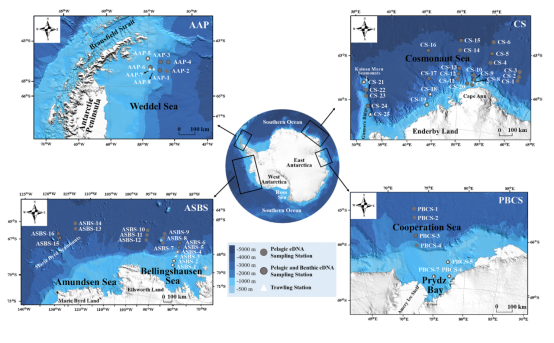
近几十年来,南极海域经历了一系列气候变化驱动的环境变迁。这些变化直接作用于海洋生态系 统,引发结构性响应。生物群落层面的反馈可能导致多样性格局变动,包括物种分布范围变化等。当 前,气候变化影响在西南极海域显著而在东南极较弱,呈现空间异质性,但其效应预计将从西南极向东 南极延展,进而引发大尺度时空范围内的南极鱼类多样性格局变化。 近日,自然资源部第三海洋研究所林龙山研究员课题组在国际期刊《多样性与分布》发表了题为 《气候变化对南极鱼类多样性的影响:基于eDNA宏条形码的环南极评估》的研究论文。该研究聚焦南 极鱼类这一重要生态类群,在国际上首次报道了亚南极鱼类分布范围南扩至南极海域的证据。这一发现 可能是气候变化影响的关键信号,预示南极海洋生态系统的长期演变趋势。 eDNA和底拖网采样站位示意图 研究团队依托中国第37次南极科学考察航次(2020年~2021年),同步采集了南极半岛周边海域、 阿蒙森海-别林斯高晋海等西南极与普里兹湾-合作海、宇航员海等东南极典型海域的鱼类生物和eDNA 样品,率先实现了环南极尺度鱼类多样性格局的eDNA宏条形码评估分析。研究揭示了阿蒙森海-别林斯 高晋海潜在鱼类多样性热点及亚南极 ...
国际期刊《自然》聚焦中国南极考察
Zhong Guo Zi Ran Zi Yuan Bao· 2025-08-20 00:59
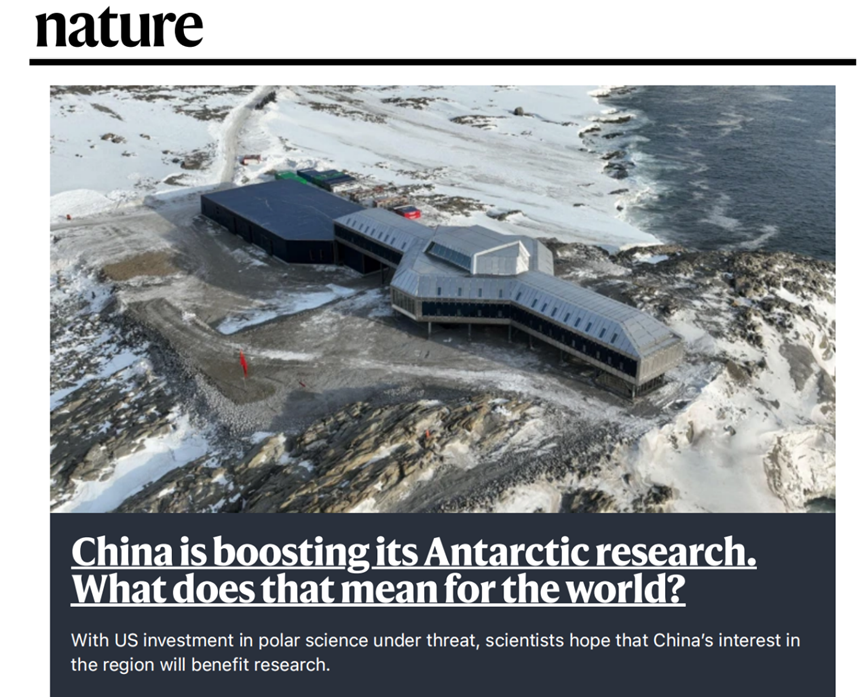
Group 1 - China's Antarctic research capabilities have significantly improved over the past decade, with the launch of the fifth Antarctic research station, the Qinling Station, in 2024, which is strategically located to address current research challenges [3] - The Qinling Station is equipped with a clean energy system, including solar panels, wind turbines, batteries, and hydrogen storage, expected to meet over 50% of its energy needs, showcasing China's commitment to green and low-carbon polar research [3] - The station is particularly suitable for studying the formation mechanisms of Antarctic deep water, which plays a crucial role in global heat storage and carbon absorption, as well as providing important conditions for researching polar biodiversity [3] Group 2 - The United States plans to significantly reduce its polar research budget by 2026, while China's continuous investment and expanding research activities are expected to "fill the global research gap" and ensure the continuity of key research tasks [4] - Climate change has made Antarctic research an urgent task that transcends national borders, with China's active participation injecting new hope into the global scientific community and contributing significantly to international cooperation in addressing climate and ecological challenges [4] - The Qinling Station's first winter research mission is underway, with team members actively installing and debugging various facilities, and the clean energy system has generated over 260,000 kilowatt-hours, saving an estimated 150 tons of fuel annually [4]
每一张照片,都是大海的馈赠
Zhong Guo Zi Ran Zi Yuan Bao· 2025-08-20 00:59
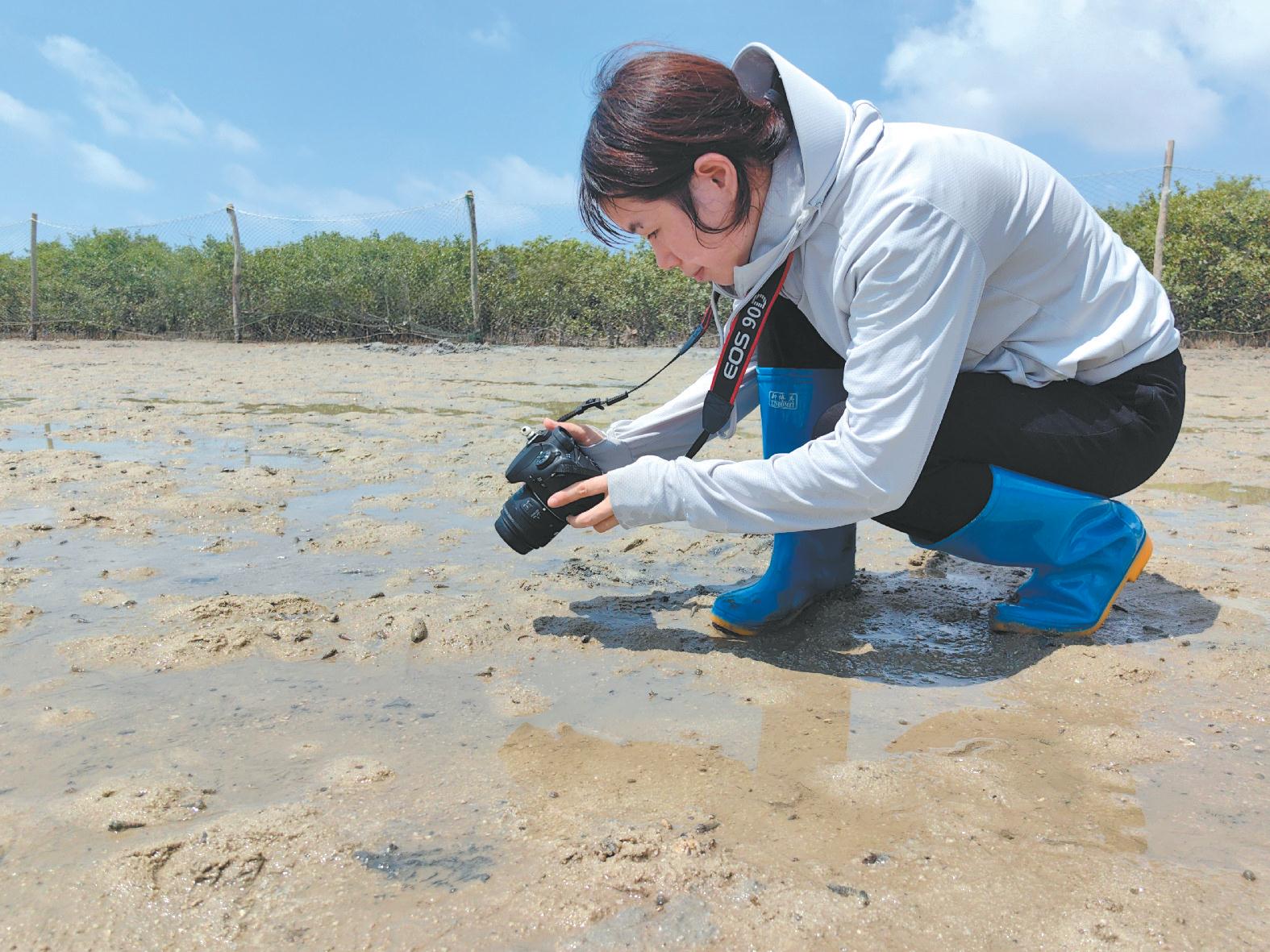
Group 1 - The core event was a public photography activity titled "Using the Lens to Protect the Blue," held at the Beihai National Coastal Wetland Park in Guangxi, where over 20 participants captured the beauty of intertidal zone organisms while learning photography skills and the importance of nature conservation [2][9] - The activity included a theoretical class led by Zhao Xintong, co-founder of Blue Puddle Ecology, who used engaging examples to teach participants about photography techniques and the ecological significance of the organisms they were photographing [4][5] - Participants actively engaged in outdoor practice, capturing various species such as the fiddler crab and the colorful Oliva shell, while also receiving practical photography tips from Zhao Xintong [6][9] Group 2 - The event allowed participants to create visual records of marine life, contributing to the biodiversity documentation of the coastal wetland and assisting researchers in updating species databases [9] - The feedback from participants highlighted the transformative power of photography in fostering a connection with nature and promoting marine conservation efforts [8][9]
妈祖故里的生态复兴
Zhong Guo Zi Ran Zi Yuan Bao· 2025-08-20 00:59
Group 1: Marine Ecological Restoration - The Ministry of Natural Resources has initiated a campaign to collect typical cases of marine ecological protection and restoration, with the blue bay restoration action in Putian City being selected as a notable example [2] - The blue bay restoration project has restored 16.72 kilometers of coastline and 534 hectares of coastal wetlands, significantly enhancing the ecological resilience of the coastal area and promoting sustainable marine economic development [2][4] Group 2: Mazu Cultural and Economic Development - The Mazu City beach camp project, with a total investment of 120 million yuan, aims to integrate marine culture with economic development, featuring various recreational and dining facilities [4] - The project includes ecological restoration and reinforcement of the Mazu City seawall, focusing on biodiversity recovery and coastal protection [4][5] Group 3: Ecological Landscape and Biodiversity - The Ziyu Lake wetland restoration project, with an investment of 35 million yuan, aims to create diverse habitats and improve water quality, covering an area of 9.11 hectares [8] - After restoration, Ziyu Lake has transformed into an ecological landscape area, providing recreational opportunities for residents and enhancing local biodiversity [9] Group 4: Environmental Improvement and Economic Benefits - The restoration efforts have led to a 60% increase in the diversity index of benthic organisms and a 20% increase in bird diversity at the Mulan River estuary [14] - The ecological improvements have also benefited local aquaculture, with an increase of over 800 mu in seaweed cultivation area due to better water quality [14]

一条长漫,带你解锁“八不准”
Zhong Guo Zi Ran Zi Yuan Bao· 2025-08-20 00:56
Core Viewpoint - The article emphasizes the importance of promoting and implementing Xi Jinping's ecological civilization thought and cultural thought, particularly through innovative media practices in natural resource management [1]. Group 1: Policy Promotion - The article discusses the launch of a comic titled "A Long Comic to Unlock the 'Eight No's'" by the Zhejiang Provincial Natural Resources Department, aimed at educating the public about policies against illegal occupation of arable land for construction [2][1]. - The comic illustrates eight scenarios that highlight the "Eight No's" policy, which encourages the public to conserve land and adhere to the red line of arable land [2][1]. Group 2: Specific Regulations - The "Eight No's" policy includes prohibitions such as: 1. No occupation of permanent basic farmland for construction [21]. 2. No forcible occupation of arable land [21]. 3. No buying or selling of arable land for construction [21]. 4. No illegal construction on contracted or transferred arable land [21]. 5. No violation of regulations to occupy arable land for construction [21]. 6. No illegal approval for occupying arable land [21]. 7. No illegal sale of houses built on occupied arable land [21]. 8. No construction on arable land without proper approval [21].

暑期来国家海洋博物馆,见证海洋传奇丨自然资源探馆系列③
Zhong Guo Zi Ran Zi Yuan Bao· 2025-08-19 11:09
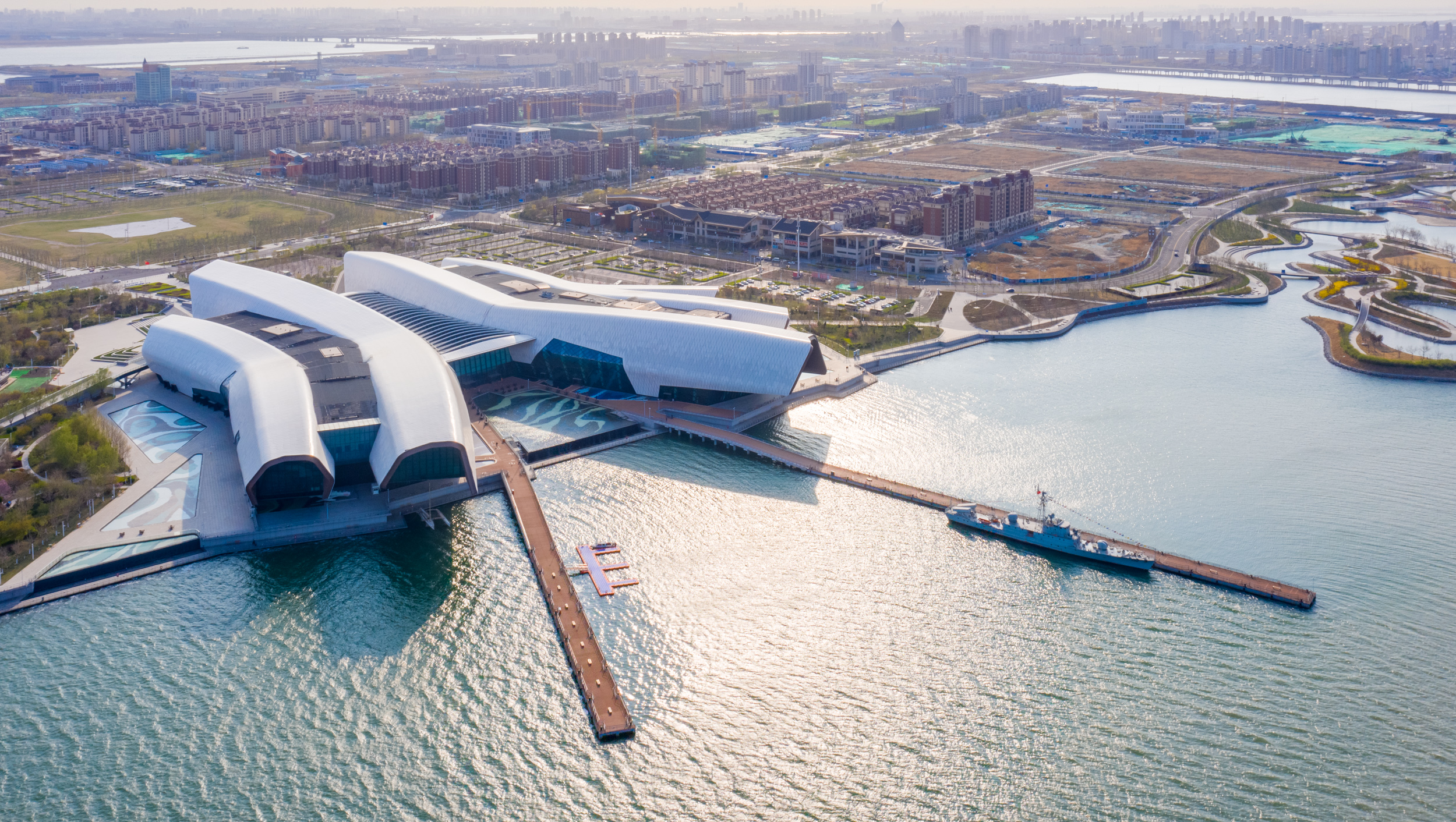
Core Insights - The National Ocean Museum in Tianjin serves as China's first national comprehensive marine museum, symbolizing the nation's aspiration to strengthen its maritime capabilities and cultural identity [2][19][21] - The museum features a collection of 39,000 artifacts, including cultural relics, fossils, and biological specimens, making it unique among marine museums in China [5][6] - The museum's design and exhibition layout emphasize the relationship between humanity and the ocean, showcasing historical and contemporary maritime achievements [9][22] Collection and Exhibits - The museum houses a diverse collection that includes artifacts from various historical periods, such as Neolithic pottery and Ming dynasty cannons, reflecting China's maritime history [6][22] - Biological specimens, including fossils of ancient marine creatures and preserved specimens of modern marine life, provide insights into marine biodiversity [6][10] - The museum employs a smart collection management system to ensure the safety and efficiency of artifact preservation [6] Educational Initiatives - The museum aims to make marine knowledge accessible to all, featuring a 3,000 square meter education center with programs for all age groups [18] - Collaborations with schools and universities enhance educational outreach, offering hands-on learning experiences related to marine science [18][19] - The museum utilizes digital platforms for knowledge dissemination, including social media and interactive applications [18] Visitor Engagement - Since its opening in May 2019, the museum has attracted over 13 million visitors, becoming a key cultural landmark in the Beijing-Tianjin-Hebei region [23] - The museum offers interactive experiences, such as a marine disaster simulation hall, to engage visitors in understanding oceanic phenomena [10][19] - Outdoor activities, including sailing experiences, are integrated into the museum's offerings to promote a deeper connection with the ocean [22]
“辽”望蓝绿山海情——全国生态日主题采访走进辽宁
Zhong Guo Zi Ran Zi Yuan Bao· 2025-08-19 11:08
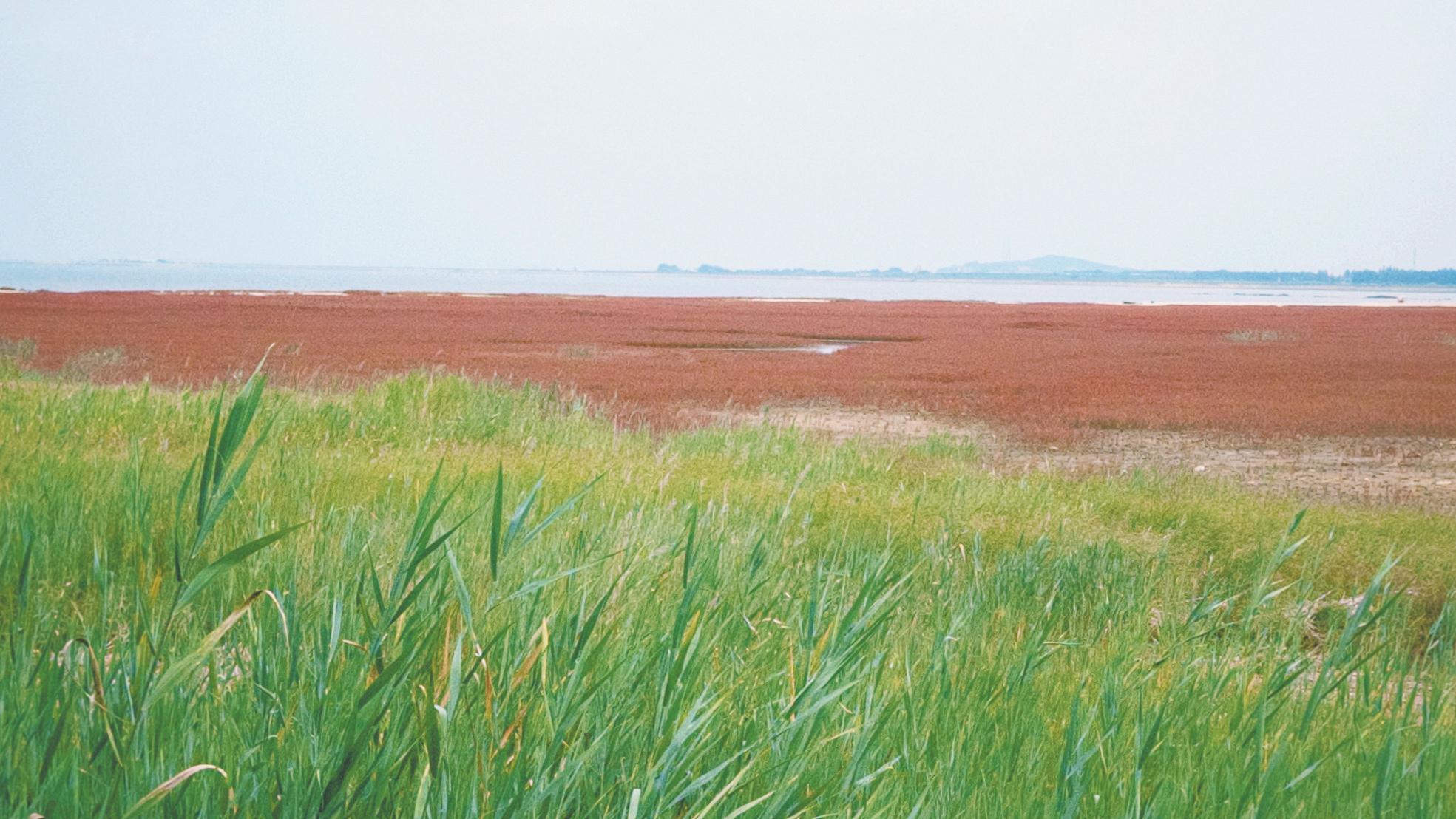
Core Viewpoint - The article highlights the significant ecological restoration efforts in Liaoning Province, showcasing successful projects that have transformed degraded environments into thriving ecosystems, benefiting both nature and local communities [4][10]. Group 1: Ecological Restoration Efforts - The Dagu Mountain Iron Mine, the first iron mine in New China to resume production, has undergone extensive ecological restoration since 2004, achieving a plant survival rate of over 95% in its restored areas [6][14]. - The Yinkou City has implemented measures to restore coastal wetlands by removing aquaculture facilities, leading to the recovery of natural coastal attributes and increased biodiversity [7][10]. - The Panjin City has seen a significant ecological recovery, with 8.59 million acres of aquaculture land restored to its natural state, and the population of the endangered red-crowned crane has increased from 5 to 187 over the years [9][10]. Group 2: Economic and Social Benefits - The use of iron tailings to improve saline-alkali land has not only enhanced soil quality but also allowed for the cultivation of crops, demonstrating a dual benefit of ecological restoration and agricultural productivity [14][15]. - The transformation of abandoned fishing boats into cultural corridors in the Tuan Mountain National Marine Park has expanded recreational spaces for residents, enhancing community engagement with the environment [16]. Group 3: Comprehensive Ecological Management - Liaoning Province has adopted an integrated approach to ecological protection and restoration, completing a total of 96,457 hectares of ecological restoration, including 30.3 kilometers of coastline and 2,690.75 hectares of coastal wetlands [18]. - The province's efforts are part of a broader initiative to harmonize natural resource management, aiming to restore the ecological balance and improve the quality of life for local residents [4][18].
为海洋强省建设强基赋能
Zhong Guo Zi Ran Zi Yuan Bao· 2025-08-19 09:57
Core Viewpoint - The article highlights the proactive measures taken by the Natural Resources Department's service team in Jiangsu to support the timely production of enterprise projects, particularly in addressing land and sea use issues, thereby enhancing the confidence and momentum for marine industry development in the region [1][6]. Group 1: Marine Industry Development - Jiangsu, as a marine province, has a coastline of 954 kilometers and accounts for one-fourth of the country's tidal flat resources, with a marine GDP projected to exceed 1 trillion yuan by 2024, up from 677.65 billion yuan in 2018 [1]. - The city of Nantong is accelerating the attraction and construction of marine projects, aiming to strengthen its marine industry and has already resolved 20 issues related to land and sea use for project construction [1][4]. Group 2: Project Highlights - The Blue Ocean New Materials project, with a total investment of 50 billion yuan, is a strategic collaboration between China National Petroleum Corporation and Jiangsu Province, set to produce high-end polyolefin materials for various industries, including aerospace and healthcare [4][5]. - The project is divided into two phases, with the first phase expected to be operational by June 2026, and it includes the construction of a 1.25 million tons/year ethylene facility [5]. Group 3: Service Team Initiatives - The service team has conducted 19 meetings and surveyed 28 projects, collecting 71 suggestions to facilitate project implementation and address local demands [8]. - The team has improved the efficiency of land and sea use approvals by implementing a dynamic service mechanism that provides support from the project entry stage, significantly reducing approval times [5][6]. Group 4: Economic Impact - The successful approval of land and sea use for various projects, including the Huisheng Marine Equipment Base, is expected to generate significant economic benefits, with projected annual taxable sales of 20 billion yuan from the production of large floating LNG devices [9][10]. - The service team's efforts have led to the activation of previously idle land, allowing for the introduction of 46 quality projects with a total investment of 55.3 billion yuan in the Tongzhou Bay area [15].