
Zhong Guo Huan Jing Bao

Search documents
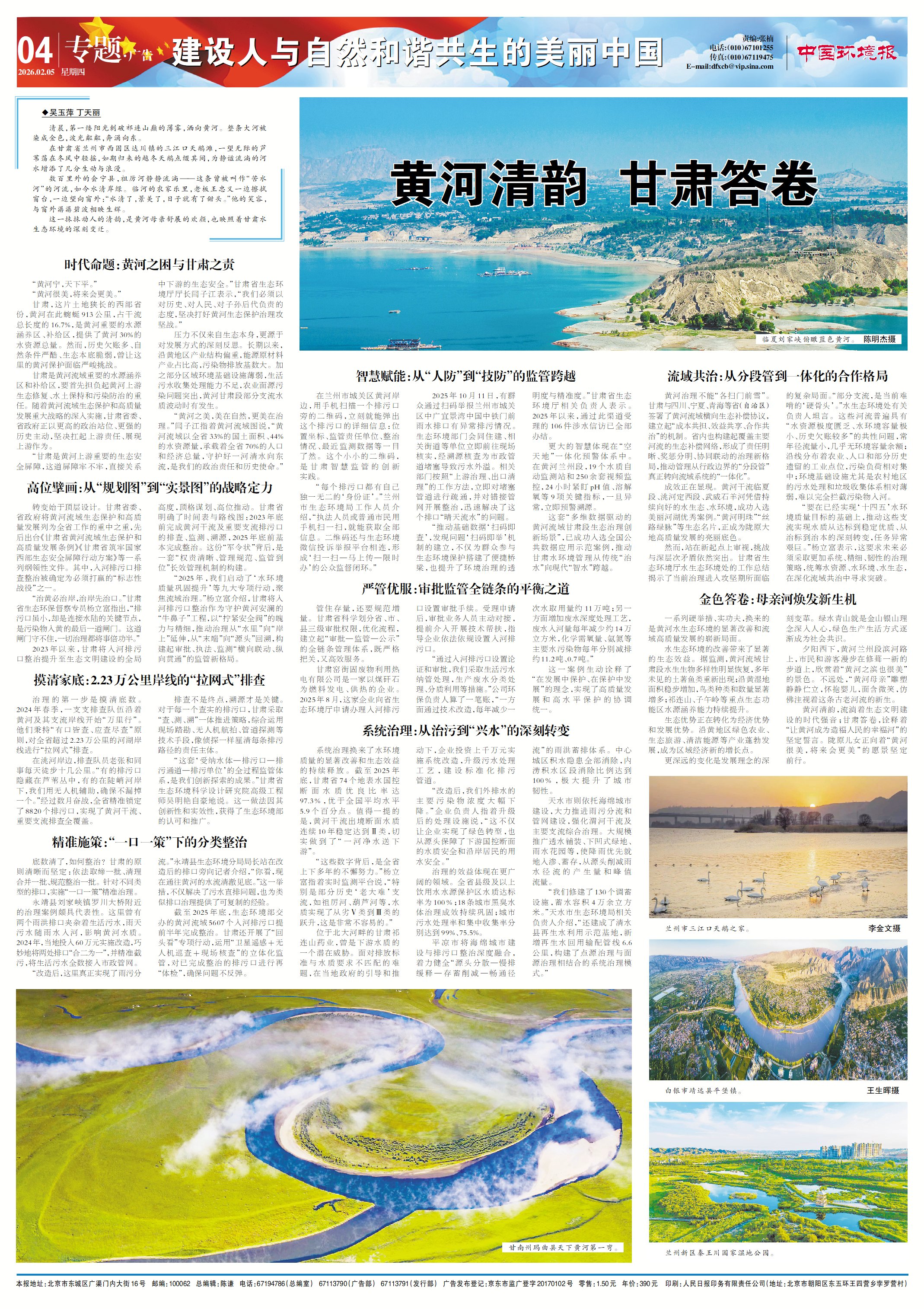
黄河清韵 甘肃答卷
Zhong Guo Huan Jing Bao· 2026-02-05 01:17
清晨,第一缕阳光刺破祁连山巅的薄雾,洒向黄河。整条大河被染成金色,波光粼粼,奔涌向东。 在甘肃省兰州市西固区达川镇的三江口天鹅滩,一望无际的芦苇荡在冬风中轻摇,如期归来的越冬天鹅点缀其间,为静谧流淌的河水增添了几分生动与浪 漫。 数百里外的会宁县,祖厉河静静流淌——这条曾被叫作"苦水河"的河流,如今水清岸绿。临河的农家乐里,老板王忠义一边擦拭窗台,一边望向窗外:"水 清了,景美了,日子就有了甜头。"他的笑容,与窗外潺潺碧波相映生辉。 这一抹抹动人的清韵,是黄河母亲舒展的欢颜,也映照着甘肃水生态环境的深刻变迁。 时代命题:黄河之困与甘肃之责 "黄河宁,天下平。""黄河很美,将来会更美。" 甘肃,这片土地狭长的西部省份,黄河在此蜿蜒913公里,占干流总长度的16.7%,是黄河重要的水源涵养区、补给区,提供了黄河30%的水资源总量。然 而,历史欠账多、自然条件严酷、生态本底脆弱,曾让这里的黄河保护面临严峻挑战。 甘肃是黄河流域重要的水源涵养区和补给区,要首先担负起黄河上游生态修复、水土保持和污染防治的重任。随着黄河流域生态保护和高质量发展重大战略 的深入实施,甘肃省委、省政府正以更高的政治站位、更强的历史主动,坚决 ...

以燃放方式集中销毁烟花爆竹莫忘公众的环保诉求!
Zhong Guo Huan Jing Bao· 2026-02-04 11:26
然而,在生态文明理念深入人心的今天,笔者认为,任何公共政策的执行都不能只顾及单一目标。 当"安全销毁"演变为"集中排污",政策自身的合理性就会在公众眼中大打折扣。这种"为解决一个问题 而制造另一个问题"的做法,本质上反映了管理思维存在的局限和部门协同的不足。 烟花爆竹销毁工作能否找到更绿色的路径?答案是肯定的。例如,可与垃圾发电项目协同,通过科学配 比、浸泡发酵等预处理方式,使火药失活后再用于燃烧发电,实现废物的资源化。这种方式或许操作更 复杂,但却契合了政策的初衷。 日前,某地集中销毁烟花爆竹的视频引发热议。画面中火光冲天、浓烟滚滚,与环保政策初衷形成刺眼 反差,也招致公众的广泛质疑。人们不禁要问:为何烟花爆竹在销毁环节制造了如此明显的污染?这一 矛盾现象,暴露出当前社会治理中亟待弥合的断层。 从安全角度看,传统的烟花爆竹焚烧销毁方式有其依据。2016年出台的《国家安全监管总局办公厅 公 安部办公厅关于做好关闭烟花爆竹生产企业遗留危险性废弃物排查清理处置工作的通知》明确销毁方式 为燃放或焚烧。但这种销毁方式更多着眼于安全方面的考量。 每一次引发关注的公共事件,都是推动治理进步的良好契机。烟花爆竹销毁引发的争 ...
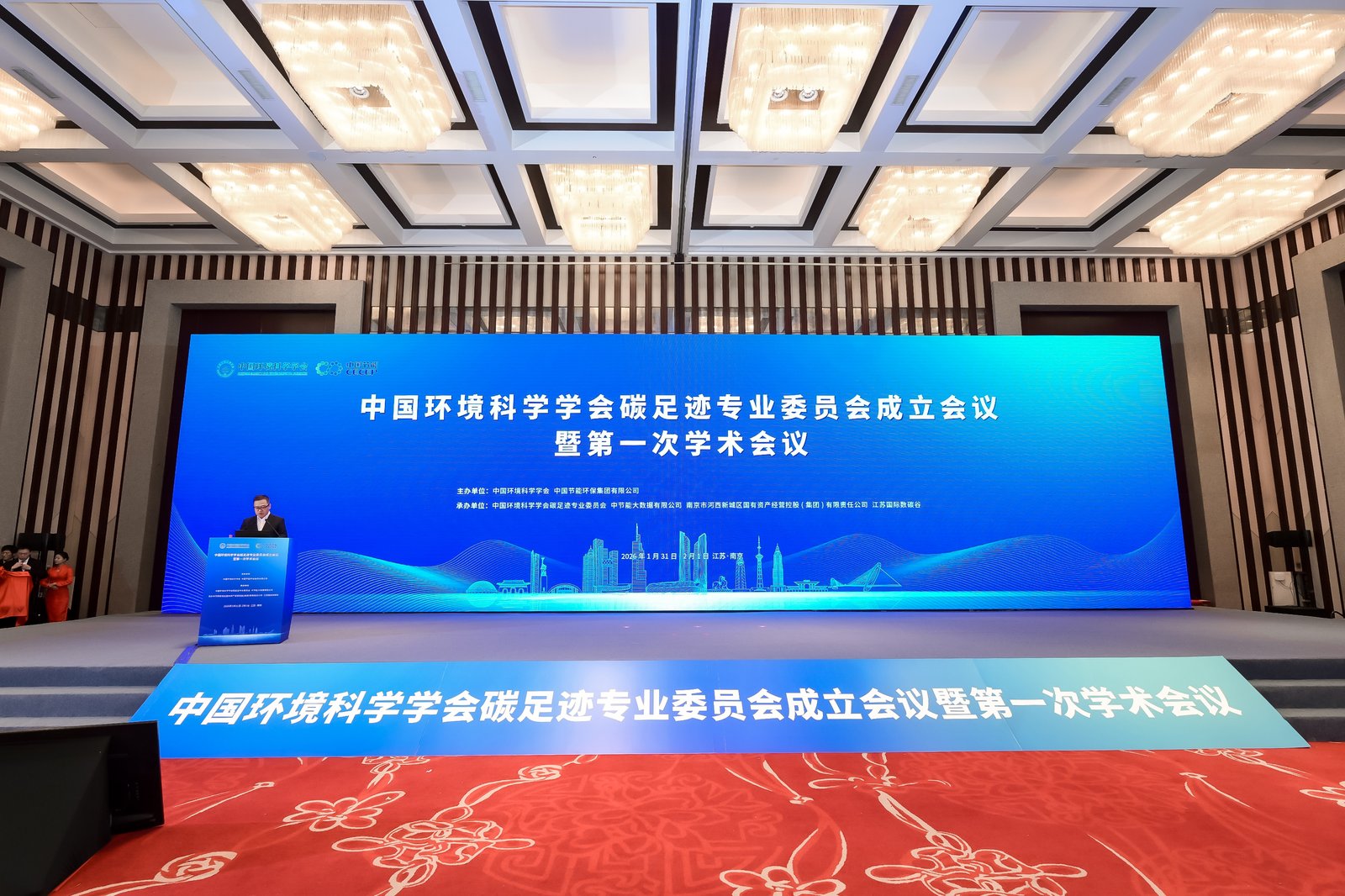
织密碳足迹管理网络 擘画绿色发展新图景 ——中国环境科学学会碳足迹专业委员会成立
Zhong Guo Huan Jing Bao· 2026-02-04 08:28
在全球气候治理规则加速演进、我国"双碳"战略纵深推进的背景下,中国环境科学学会碳足迹专业委员会(以下简称专委会)日前在江苏省南京市正式成 立。 自2025年6月26日公开发布征集通知以来,专委会筹建工作得到社会各界热烈响应。截至2026年1月29日,共收到委员及发起单位申请413份,最终整合来自 知名高校、科研院所、龙头企业等领域的专家近300名,吸纳百余家成员单位作为发起单位。在组织架构上,中国环境科学学会秘书长夏祖义当选为第一届 主任委员兼秘书长,中国环境科学研究院副院长陈胜当选为执行主任委员,同时选举产生53名常务委员、9名副主任委员。 "碳足迹是落实'双碳'目标、建设美丽中国提出的新要求。"夏祖义在成立会议上指出,"专委会的定位是以支撑生态环境部碳足迹管理工作为根本任务,以加 强政策方法学研究为牵引,建立碳足迹团体标准体系,以数据质量评估助力碳足迹可信数据空间建设。"这一平台的建立,填补了我国碳足迹领域跨区域、 跨行业协同治理机构的空白。 立柱架梁:"1+6"工作体系破解管理难题 自2023年11月国家发展改革委等部门发布《关于加快建立产品碳足迹管理体系的意见》以来,多个部委密集出台配套文件。生态环境 ...
要重视残留融雪剂的收集处理
Zhong Guo Huan Jing Bao· 2026-02-04 06:41
一场大雪后,街头残留的"雪粒"数日不化,初看是冬趣,细察却是过量施用的融雪剂。这一场景折射出 城市雪天治理中一个容易被忽视的课题:在融雪剂使用后如何加强管理尽量消除其环境影响上,尚未形 成良好的闭环管理体系。 融雪剂之弊,早已不是秘密。其主要成分氯化物在高效融雪的同时,也具有显著腐蚀性。它不仅可能损 害行人鞋底,更对汽车底盘、道路路面、绿化植被构成长期威胁。尽管环保型融雪剂正在推广,但由于 其成本与性能难以兼顾,现实中氯盐类产品仍占主流地位。 融雪剂问题的关键,不在于使用行为本身,而在于使用方式的粗放与管理体系的断层。"满地雪粒"正是 过量施用的直观后果。不少除雪作业者为求立竿见影的效果,忽视科学用量,导致大量残余物滞留路 面。雪已融尽,药剂犹存,不仅浪费资源,也带来了潜在的环境风险。更值得警惕的是,这些残余物通 常缺乏有效的收集与专业处置举措,最终随雨水冲刷进入土壤、管网,造成次生污染。 融雪剂事关公共安全与生态健康,其使用理应是一项精细的系统工程。一方面,要严守科学使用关,依 据雪情精确控制施用时机与剂量,杜绝"宁多勿少"的思维。另一方面,要补上事后收集处置的关键一 环,将残留融雪剂视为待处理的"废弃物" ...
农村人居环境整治要存点“古韵”留点“土味”
Zhong Guo Huan Jing Bao· 2026-02-04 05:47
"柏油路,排排房,张村李村差不多,东乡和西乡一个样……"这句顺口溜虽带戏谑,却真实反映出当前 个别乡村在人居环境整治中逐渐失去特色、走向同质化的问题。 近年来,随着农村人居环境整治工作持续推进,农村基础设施不断完善,环境面貌显著提升,干净的道 路、整齐的广场、卫生的厕所已成为许多村庄的标配。然而,个别地方在追求整洁的同时,也让乡村失 去了本应有的生活气息与独特风貌,"村中不闻鸡鸣,池塘不见鸭鹅"成为令人遗憾的现实。农村人居环 境整治的根本目的,是让农村更美、农民生活更好,能否在整治中保护好乡村特色、避免"千村一面", 应成为衡量这项工作成效的重要标尺。 乡村之美,贵在个性。我国地域广阔,风土各异,本应形成"十里不同天、一村一景观"的生动局面。然 而,在个别地方推进整治的过程中,却出现了简单照搬城市规划、盲目追求"整齐划一"的现象。流淌千 年的小河被改道,生长百年的老树被移走,青石小路变成柏油大道,传统宅院因"不够新潮"而被拆 除……在这种大拆大建的思维下,许多蕴含农耕文化记忆的景观逐渐消失,乡村变得"城不像城、村不 像村",独特的风韵荡然无存。 乡村的持久魅力,正来源于其不可复制的特色。江西省婺源县在这方面提 ...
抄作业!北京“不分类不收运”倒逼垃圾分类落地见效!
Zhong Guo Huan Jing Bao· 2026-02-04 03:07
Core Viewpoint - The article emphasizes the need for strict enforcement of waste classification and collection policies in Beijing, highlighting the "no classification, no collection" approach as a critical measure to address the ongoing issues of mixed waste collection and to enhance the effectiveness of waste management efforts [1][2]. Group 1: Current Challenges - Despite years of promoting waste classification, some areas still struggle with implementation, leading to a situation where actions do not match the rhetoric [1]. - The mixed collection and transportation of waste undermine residents' trust and risk turning waste classification into a mere formality [1]. - The core issue lies in the lack of a rigid enforcement mechanism, where both compliant and non-compliant behaviors are treated similarly, failing to incentivize proper waste management practices [1]. Group 2: Proposed Solutions - Establishing a "no classification, no collection" mechanism is essential to create a closed-loop system that clearly defines responsibilities and enhances supervision [2]. - The article suggests learning from innovative practices in other regions, such as Beijing's full-chain traceability enforcement model, which clarifies the responsibilities of residents, property management, waste collection companies, and waste producers [2]. - The "four-level rejection" responsibility chain from Zhuhai is highlighted as a valuable reference, where specific rejection standards and procedures are established to ensure compliance at all stages of waste management [2]. Group 3: Community Engagement - Waste classification requires collective participation from the public, transforming it from a government-led initiative into a community-driven effort [3]. - The article advocates for diverse engagement strategies, including community outreach, educational videos, and interactive activities, to shift residents' behaviors towards active participation in waste classification [3]. - The goal is to cultivate a culture where every resident supports and practices the "no classification, no collection" policy, contributing to the normalization and sustainability of waste classification efforts [3].
谁说生态治理只投入无收益?环境好了也能赚“钞票”
Zhong Guo Huan Jing Bao· 2026-02-04 01:48
Core Insights - The transaction of 8,784 tons of carbon credits from the Hanfeng Lake National Wetland Park in Chongqing, valued at 703,000 yuan, marks the first instance of ecological carbon credit trading in a reservoir in China, demonstrating that ecological governance can generate tangible economic value [1][2] Group 1: Economic Value of Ecological Governance - The case challenges the traditional perception that ecological governance only incurs costs without generating revenue, showing that ecological protection can directly translate into economic value and serve as a new growth point under the "dual carbon" goals [2] - The successful carbon credit transaction illustrates a complete cycle of "ecological restoration—carbon credit accounting—market trading—funding feedback," providing a replicable model for realizing the ecological value of reservoirs nationwide [1][2] Group 2: Importance of Scientific Assessment and Market Development - To convert ecological advantages into economic benefits, a clear understanding and scientific assessment of the "green assets" are essential, requiring collaboration between government and research institutions for accurate carbon credit monitoring [2] - Establishing a healthy "buyer market" is crucial, as the success of the Hanfeng Lake carbon credit transaction relied on proactive purchasing by companies, which helps alleviate emission reduction pressures and supports long-term corporate development [3] Group 3: Government's Role in Carbon Market - Local governments should act as both managers of ecological assets and facilitators for market connections, actively building platforms to promote supply-demand matching for carbon credit products [3] - The emphasis on reducing carbon emissions and enhancing carbon sequestration capabilities has become a vital task for high-quality development, with ecological governance contributing to both environmental improvement and economic benefits through carbon trading [3]
蓝天碧水映照幸福生活——“十四五”以来,渭南深入打好污染防治攻坚战,生态环境质量持续改善
Zhong Guo Huan Jing Bao· 2026-02-04 01:09
冬日清晨,渭河生态运动公园里晨练、散步的人渐渐多了起来。6时30分许,健身达人杨扬完成了跑前 热身,一边调整呼吸,一边抬头看向天空。东方朝霞晕染开了一片澄澈的蓝。他感慨:"五六年前'重度 污染''轻度污染'常见,我几乎都是在健身房锻炼,不敢来户外锻炼。现在你看这天,蓝得透亮。" 杨扬的感受是渭南市生态环境质量持续改善的一个例证。"十四五"以来,渭南市以持续改善环境质量为 核心,深入打好污染防治攻坚战,统筹推进生态保护与修复,全市生态环境保护工作取得显著成效,为 美丽渭南建设奠定了坚实基础。同时,蓝天常驻、青山叠翠、碧水绕城的生态变革,也悄然浸润百姓的 日常生活,成为触手可及的幸福。 天蓝了,心里更敞亮了 9时多,住在宏帆人和府的马娟娟顺手点开手机上的空气质量APP——临渭区,良,AQI指数69。她 说:"最近几天天气好,人的心情也跟着好起来了,我和孩子每天都去公园散步。" 这份让居民乐享其中的好天气,正是渭南市通过调整产业结构、能源结构、运输结构等多维度系统治理 所取得的显著成效。 无独有偶。富平县石川河上水鸟成群,河边游人悠然信步。63岁的魏美玲住在富平县石川河湿地公园附 近,她说:"原来石川河到了枯水期就 ...
“煤炭+新能源”将碰撞出怎样的火花?
Zhong Guo Huan Jing Bao· 2026-02-04 00:29
Core Viewpoint - Shanxi Province is making significant progress in energy transition, with renewable and clean energy installations surpassing coal power for the first time, indicating a shift towards a more sustainable energy system [1] Group 1: Energy Transition in Shanxi - The installed capacity of renewable and clean energy in Shanxi increased by 18.29 million kilowatts year-on-year, reaching 90.48 million kilowatts, accounting for 55.1% of the total energy mix [1] - The construction of a new energy base in the coal mining subsidence area of Jinbei is accelerating, with total investments exceeding 50 billion yuan [1] - Thirteen green electricity industrial parks have been initiated, with green electricity trading volumes ranking among the top in the country [1] Group 2: Coal and Renewable Energy Synergy - The relationship between coal and renewable energy is evolving from competition to collaborative coexistence, enhancing the overall efficiency and resilience of the energy system [2] - Coal's stable supply is crucial for energy security, especially in the context of increasing extreme weather events affecting renewable energy output [2] - Existing coal infrastructure, such as land and power transmission systems, provides a foundation for the large-scale development of renewable energy [2] Group 3: Technological Innovation and Value Upgrade - The integration of coal power with renewable sources like wind and solar can create a flexible energy system that enhances grid stability [3] - Utilizing idle land in mining areas for distributed solar power not only supports mining operations but also promotes ecological restoration [3] - Technological advancements, such as the use of green hydrogen and carbon capture, are essential for reducing emissions and driving the coal industry towards a more sustainable model [3] Group 4: Deep Integration of Energy Sectors - Successful examples from regions like Yulin in Shaanxi demonstrate the potential of integrating renewable energy with coal mining operations through smart microgrids [4] - The application of clean technologies in mining operations can significantly reduce carbon emissions and enhance resource efficiency [4] - The coal industry is transitioning from a single fuel focus to a dual role as both fuel and raw material, creating new high-value green materials [4] Group 5: Future Outlook and Systemic Change - The energy sector in China is at a critical juncture, where the development of renewable energy is driving the upgrade of traditional energy systems [5] - Mechanisms such as green electricity trading and distributed solar access are being implemented to optimize energy use in mining areas [5] - The integration of coal and renewable energy is expected to evolve into a comprehensive energy hub, contributing to China's dual carbon goals and sustainable development [5]
确保清洁化运输不在“最后一公里”走偏
Zhong Guo Huan Jing Bao· 2026-02-03 23:09
完善激励与约束并重的政策组合拳,激发企业内生动力,引导其从"成本视角"转向"效益视角"看待绿色 转型。当前政策多强调强制性达标要求,容易让企业视清洁运输为单纯的成本负担和合规要求。未来应 在严格坚守排放标准与绩效评级(如A级、B级企业门槛)这一"约束底线"的同时,强化"激励高线"。 例如,对清洁运输比例持续领先或采用零排放车辆进行中长途运输的企业,给予更大幅度的税收减免、 环境税优惠、绿色信贷额度及利率支持。同时,推动将供应链的清洁化水平纳入龙头企业供应商评价体 系,并鼓励金融机构开发与碳减排量挂钩的金融产品,让企业的绿色投入能够转化为市场竞争力和融资 便利。通过经济杠杆和市场机制,使清洁运输成为企业提升竞争力、塑造品牌形象的内在驱动。 整治清洁运输"最后一公里换车头"的乱象,绝非一蹴而就的简单任务。它要求我们必须正视政策执行中 的复杂性,强化系统性思维。要在监管上实现从"末端核查"到"全程穿透"的升级,在保障上完成从"压 力传导"到"服务支撑"的转变,在激励上推动从"被动合规"到"主动求效"的跃迁,在责任上构建从"单一 主体"到"多元共治"的格局。唯有如此,才能真正杜绝形式主义,畅通绿色运输政策落实渠道,让 ...