
晚点LatePost

Search documents
在抖音上重做一遍线下生意
晚点LatePost· 2025-12-26 10:26
本地推已成为生活服务商家 "幕后加速器"。 文 丨 陈然 三年前,95 后赣州人谢敏还因生意失败,背负上百万元的债务;如今,他已是连锁餐饮品牌 "谢记大 树烤肉" 的老板,在全国 42 个城市拥有门店。 抖音是改变他命运的转折点。2022 年底刚开始运营抖音账号时,他还不敢出镜,要面对镜子提前练习 台词;现在,他能连续直播几个小时,首场直播 GMV 就超过 30 万元。 通过他的视频和抖音生活服务一站式营销平台本地推,消费者了解大树烤肉的品牌, 并涌入线下店铺 消费。和商家通过运营内容获得、具有随机性、一定程度上依靠 "运气" 的自然流量相比,商业流量为 付费流量,其效果更加稳定、确定。也正是这些稳定的流量,带来确定的增长,帮助大树烤肉在一年 内拓展连锁加盟店铺至 320 余家。他一直以来的梦想,实现 "自产自销",也即将实现。去年,他投资 的养殖场和屠宰场项目已经开始建设。 谢敏的故事, 只是数百万在抖音获得生意增长商家的缩影。 随着抖音生活服务广告业务基建、产品 和团队进一步完善,货架心智逐步建立,抖音得以更好地服务各类行业、各种体量的商家。相比单纯 的货架平台,抖音拥有短视频内容心智, 还有超过 6 亿 ...


长续航、大空间与低能耗:红旗 HS6 PHEV 的平衡解法
晚点LatePost· 2025-12-24 13:41
Core Viewpoint - The launch of the Hongqi HS6 PHEV represents a strategic opportunity in the growing market of large five-seat SUVs, particularly in the plug-in hybrid segment, which has been relatively underserved compared to pure electric and range-extended models [4][6]. Group 1: Market Context and Product Positioning - The large five-seat SUV segment is one of the fastest-growing and most competitive areas in the new energy market, primarily targeting family users who demand range, space, and intelligent features [4]. - The Hongqi HS6 PHEV is priced between 178,800 to 228,800 yuan, with a pure electric range of 248 kilometers, making it the longest-range and lowest-priced large five-seat plug-in hybrid SUV currently available [4][6]. - The vehicle is built on the latest "Honghu" hybrid platform, which enhances electric range while maximizing performance and passenger space [4][6]. Group 2: Technical Specifications and Performance - The Hongqi HS6 PHEV features a maximum pure electric range of 248 kilometers and a total range of 1,650 kilometers with a 60L fuel tank, catering to both urban commuting and long-distance travel needs [6]. - The hybrid platform achieves a thermal efficiency of 45.21% with a self-developed 1.5T engine, resulting in a low energy consumption of 5.1L/100km for the two-wheel-drive version and a combined fuel consumption as low as 0.4L/100km [8]. - The vehicle has set a Guinness World Record for the longest measured range of 2,327.343 kilometers for a plug-in hybrid SUV [8]. Group 3: Design and User Experience - The Hongqi HS6 PHEV emphasizes spaciousness, with second-row legroom of 1,070mm and headroom of 1,034mm, ensuring comfort for taller passengers [7]. - The interior design includes 31 storage spaces for family travel essentials, a 6L onboard refrigerator, and features like zero-gravity front seats and heated rear seats [14]. - The vehicle incorporates advanced intelligent driving assistance systems, focusing on reliability and user safety rather than merely stacking features [14]. Group 4: Brand Evolution and Market Strategy - Hongqi is transitioning from a symbol of national pride to a brand that closely aligns with user needs, marking the beginning of a new product cycle with the HS6 PHEV as its first model [5][11]. - The brand has segmented its offerings into three sub-brands to cater to different user demographics, with the Hongqi sub-brand focusing on mainstream family users [11]. - The HS6 PHEV retains traditional design elements while integrating modern technology, aiming to provide a well-rounded option for family users seeking balance in space, range, and intelligent features [11][17].

“产品经理” 王诗沐,造了个 3D 游戏模型丨100 个 AI 创业者
晚点LatePost· 2025-12-24 13:41
Core Viewpoint - The article discusses the entrepreneurial journey of Wang Shimu, founder of Seele, focusing on the development of 3D content creation through AI technology, aiming to lower production barriers and enhance interactivity in gaming [4][5][6]. Group 1: Company Overview - Wang Shimu, previously known for founding NetEase Cloud Music, has shifted focus to 3D content creation, establishing Seele in late 2022 to develop a large-scale 3D game model [4][5]. - Seele's platform has attracted over 1 million users and generated more than 30,000 games, showcasing the potential of user-generated content in the 3D gaming space [5][6]. Group 2: Technology and Innovation - The integration of AI and 3D technology is central to Seele's mission, with the aim of creating a 4D "world model" that allows for real-time game generation [5][6]. - The company has developed a unique application called koko, which allows users to upload 3D models and create interactive avatars, thus accumulating valuable 3D data for training their models [7][8]. Group 3: Market Potential and Strategy - The gaming industry has historically faced high production costs for 3D content, often requiring large teams and significant investment, which Seele aims to disrupt by lowering these barriers [6][9]. - Seele's business model currently relies on subscription fees, but future plans include revenue generation through advertising partnerships, allowing creators to earn from in-game advertisements [10][11]. Group 4: Organizational Structure and Culture - Seele maintains a lean team of around 40 employees, with plans to grow to a maximum of 1,000, emphasizing a flat organizational structure without a dedicated HR department [11][12]. - The company prioritizes a culture of diligence over mere intelligence, valuing the ability to learn and adapt, which is reflected in their team's commitment to understanding the underlying technology [12][13].

偏科极客、死亡焦虑,第一个消费级外骨骼的诞生
晚点LatePost· 2025-12-24 13:41
Core Viewpoint - The article discusses the journey of a startup, Hypershell, founded by Sun Kuan, focusing on the development of consumer-grade exoskeletons that enhance human capabilities rather than replace them. The narrative emphasizes the challenges faced in a field often deemed "impossible" and highlights the potential for innovation in this space [5][7][13]. Group 1: Company Background - Sun Kuan, the founder of Hypershell, has a background in creating complex hardware, having developed a 3D printer during his university years, which instilled in him the belief that "nothing is impossible" if one is willing to think and solve problems [5][12][13]. - Hypershell aims to redefine exoskeletons from being viewed as medical devices for the disabled to being seen as desirable tools for enhancing human performance, targeting outdoor enthusiasts and active individuals [6][7][27]. Group 2: Development Challenges - The development of the first consumer-grade exoskeleton took 40 months, during which the company faced significant financial difficulties, including a point where only 200,000 yuan remained in the account [29][48]. - The first product prototype received poor user feedback, scoring below 50 out of 100, leading to a complete redesign to improve comfort and functionality [35][40]. Group 3: Market Position and Strategy - Hypershell has secured $70 million in funding and has achieved a shipment volume of several thousand units, capturing over 90% of the consumer-grade exoskeleton market [7][29]. - The company focuses on creating a product that is not only functional but also visually appealing, aiming to integrate seamlessly with the user's body and lifestyle [31][32]. Group 4: Future Outlook - The company recognizes the need for continuous innovation and adaptation to market demands, with plans to explore lower-priced versions of their products to reach a broader audience [64][65]. - The long-term vision includes establishing a community around exoskeletons similar to the evolution seen in the 3D printing market, where user-generated content and experiences can drive mainstream adoption [66][67].

钉钉 “杀死” 钉钉
晚点LatePost· 2025-12-23 11:09
Core Viewpoint - The article discusses the transformative opportunity for DingTalk in the AI era, emphasizing the need for a fundamental shift in how work is conducted, with AI becoming the primary agent in decision-making and execution, while humans take on a more strategic role [2][4][5]. Group 1: Return of Chen Hang - Chen Hang, after a four-year absence, returned to lead DingTalk, recognizing the potential of AI to revolutionize work processes [3]. - Upon his return, he found DingTalk struggling to adapt to the changing market and identified the need for a significant transformation to remain competitive [3][4]. - The initial focus was on understanding customer needs and re-engaging with the team to foster a startup mentality [6][8]. Group 2: AI Integration and Product Development - The core transformation involves shifting from a human-centric platform to an AI-centric operating system, where AI takes the lead in tasks and decision-making [4][5]. - DingTalk aims to enhance productivity for users and businesses, positioning itself as an intelligent operating environment that integrates AI capabilities [5][10]. - The introduction of AI forms, such as AI tables and the A1 hardware, is designed to connect AI with the physical world, enabling data collection and analysis for better decision-making [10][12][14]. Group 3: Team Dynamics and Innovation - Chen Hang emphasized the importance of a team with a strong belief in AI, encouraging a culture of innovation and rapid iteration [6][7]. - The team structure was adjusted to smaller groups to enhance collaboration and accountability, fostering a more agile development process [7][8]. - A significant increase in team engagement with AI initiatives was noted, with belief in AI transformation growing from 10% to 30% within months [8]. Group 4: Future Directions and Challenges - The launch of the Agent OS marks a pivotal shift for DingTalk, moving away from traditional application frameworks to an AI-driven operational model [15]. - The future of DingTalk's AI products remains uncertain, but the direction is clear: to continuously optimize the work environment for clients by integrating AI into various operational scenarios [16][17]. - The company is experiencing rapid growth in AI usage, with a fivefold increase in daily AI calls and a threefold increase in the number of AI agents created by users and developers [16].

晚点独家丨春晚 AI 冠名落定:火山引擎将登台、豆包也会参与
晚点LatePost· 2025-12-23 05:56
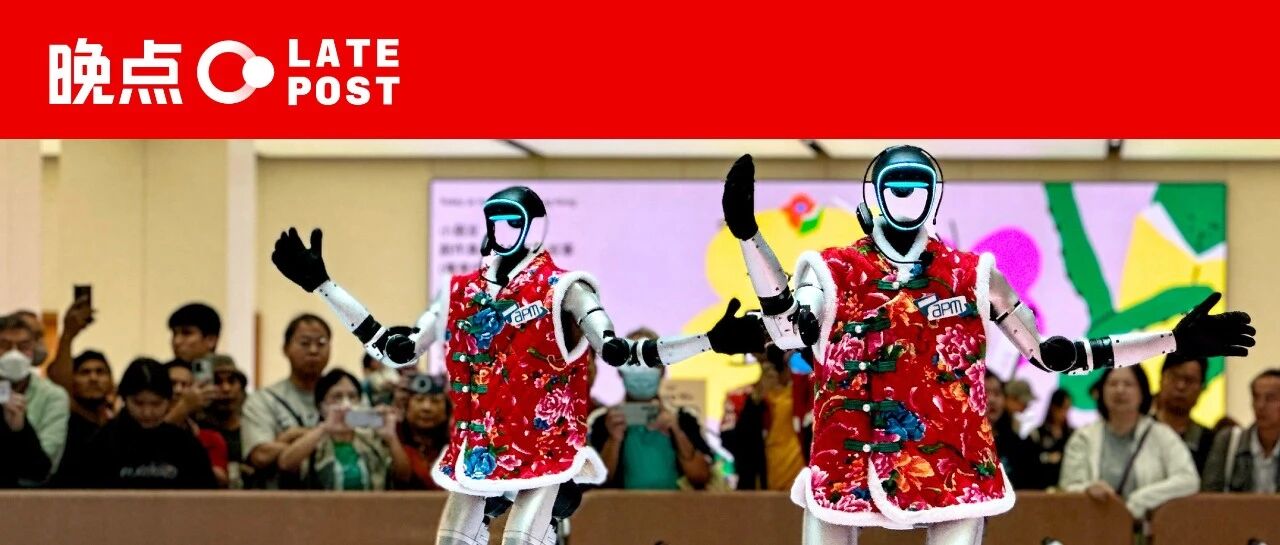
Core Insights - Volcano Engine will be the exclusive AI cloud partner for the 2026 Spring Festival Gala, with Doubao, a smart assistant from ByteDance, participating in various interactive features [3] - The Spring Festival Gala remains one of the few "national-level" platforms in China, serving as a significant channel for user growth for internet products [3] - The AI industry has rapidly developed over the past three years, with companies recognizing the opportunity presented by the Spring Festival Gala [4] Group 1: AI Assistant Market Dynamics - AI assistant products are emerging as potential super entry points, with ChatGPT achieving 100 million monthly active users within two months of launch and currently having 800 million weekly active users [6] - Doubao has surpassed 50 million daily active users, making it the largest AI assistant product in China [6] - Tencent's AI assistant, Yuanbao, was launched nearly a year later than Doubao and has seen rapid growth, reaching ten times its daily active users within a week of its release [6][8] Group 2: Competitive Landscape - The competition among AI super entry points is intensifying, with companies like Alibaba shifting focus to their Qianwen app after initial attempts with the Quark browser [7] - Despite the competition, AI products have not yet demonstrated significant economies of scale, as growth rates are closely tied to marketing investments [7][8] - Model capabilities will determine the long-term success of these products, with companies like Google and OpenAI feeling competitive pressure from emerging models [8]


2026 AI 商业中场:从原生多模态到超级入口
晚点LatePost· 2025-12-22 13:39
Core Insights - The article discusses the evolution of AI technology and its commercialization potential, emphasizing the shift from text-based models to native multimodal models that can understand and process various types of data simultaneously [5][8][14]. Group 1: AI Technology Evolution - AI technology has faced challenges in finding practical applications, but advancements in models like DeepSeek and OpenAI's GPT-4o are reshaping user perceptions of AI's value [6][7]. - The introduction of native multimodal models, such as Baidu's Wenxin 5.0 and Google's Gemini 3, is expected to enhance AI's understanding of images, videos, and audio, thereby improving its commercial viability [12][14]. Group 2: Commercialization Challenges - The high cost of reasoning in AI models has been a barrier to widespread adoption, with predictions that reasoning tasks will consume over 50% of token usage by 2025 [17]. - Companies are focusing on reducing reasoning costs through full-stack optimization, which includes advancements in algorithms, architectures, and hardware [20][21]. Group 3: Competitive Landscape - The competition in the AI industry is evolving from merely scaling models to providing deeper intelligence at lower costs, with companies like Baidu and Google leading the charge [21][24]. - The concept of a "super entrance" is emerging, where companies are transitioning from traditional app-based platforms to intelligent multimodal assistants that can interact with users in more sophisticated ways [22][23]. Group 4: Strategic Developments - Baidu is leveraging its technological foundation to create a comprehensive ecosystem that integrates its AI capabilities with various applications, positioning itself as a leading player in the AI landscape [24]. - Tencent is also ramping up its AI efforts by establishing new departments and recruiting top talent to enhance its research and development capabilities [26].


冲刺第一股,中国最大独立模型厂商的成色、能力与野心
晚点LatePost· 2025-12-22 13:39
智谱带来 AI 市场估值新叙事。 文 丨 江思远 243.77 亿元,17 日通过港交所聆讯的智谱在网上公开的招股书中确认了它自己的最新估值,这也是第 一次,人们确切知道中国大模型公司的估值金额。 这是一个恰切的时间点,ChatGPT 在业界投下的震撼弹已经过去三年,经历了百模大战的喧嚣,留在 牌桌上的中国大模型选手,在证明了自己创新与技术能力不逊色于任何人之后,开始向资本市场发起 冲刺。 在 "少年走向成年" 的关键转型期,市场期待大模型公司如何向所有人论证,"新奇类、炫技型" 的模 型技术向 "实际类、适配型" 的大模型端到端落地的过程。 作为百团大战中第一家成功 "上岸" 的公司,智谱给出的回答不那么让人满意。招股书披露的亏损规模 远大于收入增长,而研发费用还在大幅增加,似乎没有要停止 "烧钱" 的趋势。 如果是一个成熟公司,这样的资产负债表实在让人难以满意,但大模型是特殊的。 智谱是中国成立最早的独立大模型公司之一,但它也只有不到 6 年历史,AI 行业让无数人兴奋的原因 是它在潜在未来的革命性,而这很难从过往的历史中直接推导出来,因为变革往往在某个时刻突然以 指数级形式发生。 这是智谱的赌注,或者可 ...

鸿蒙星光盛典:一个数字生态的 “成年礼”
晚点LatePost· 2025-12-21 08:30
Core Viewpoint - The article emphasizes the rapid adoption of the HarmonyOS ecosystem across various industries, marking a significant transition from a survival phase to a collaborative growth phase, symbolized by the "Harmony Starry Night" event [3]. Group 1: HarmonyOS Development - HarmonyOS has surpassed 1 billion connected devices, indicating a robust physical connection network [5]. - The application ecosystem has exceeded 300,000 applications, covering 18 major sectors, ensuring high usability and performance [5]. - The latest iteration, HarmonyOS 6, showcases unique features that enhance user experience, moving from mere usability to a more personalized and functional interaction [5][6]. Group 2: Technological Innovations - Features like "Smart Grip" and "Tap to Connect" demonstrate the system's ability to adapt to user needs and facilitate seamless interactions between devices [6][7]. - The integration of AI as a core service within the ecosystem allows for contextual understanding and collaboration with various partners, enhancing the overall intelligence of the system [7][8]. Group 3: Market Position and Competition - HarmonyOS has achieved an 18% market share in the Chinese smartphone operating system market, surpassing iOS at 14%, marking a pivotal shift in the competitive landscape [9][10]. - Major tech giants like Tencent, Alibaba, and ByteDance have integrated their services into the HarmonyOS ecosystem, indicating its growing influence and the establishment of a developer community [10]. Group 4: Industry Impact and Future Outlook - The article highlights the transformation of HarmonyOS into a critical digital infrastructure across various industries, with over 70 industry-specific versions developed [11]. - The "Harmony Starry Night" event is positioned as a potential annual showcase for technological advancements, reflecting the ongoing evolution of the ecosystem [11].
看似无边界扩张的京东,业务更聚焦了
晚点LatePost· 2025-12-21 08:30
Core Viewpoint - JD.com is shifting its focus back to the industry itself, avoiding price wars on platforms and emphasizing the optimization of its supply chain to create long-term value [2][4][17] Group 1: Strategic Approach - JD.com's founder Liu Qiangdong emphasizes a decision-making framework called "strategic three questions" for entering new industries, focusing on identifying pain points, leveraging JD's strengths to address them, and ensuring long-term value creation [3][4] - The company aims to avoid entering already saturated markets where competition leads to low profits, instead seeking opportunities in industries with significant dissatisfaction among merchants and consumers [4][5] Group 2: Supply Chain Optimization - JD.com is implementing a "super supply chain" strategy, which involves deep engagement in every aspect of the product lifecycle, from design to after-sales service, to enhance efficiency and reduce costs [4][6] - The company is not merely a platform for transactions but is actively involved in improving product quality and supply chain processes, contrasting with competitors like Alibaba and Meituan that focus on traffic and matchmaking [4][12] Group 3: New Business Ventures - In 2023, JD.com expanded into food delivery and hospitality, launching initiatives like the Seven Fresh Kitchen and focusing on improving supply chain efficiency in these sectors [6][7] - The company is also innovating in the apparel sector by segmenting products into detailed categories based on consumer preferences, leading to higher sales concentration with fewer SKUs [7][8] Group 4: Long-term Value Creation - JD.com operates on a long-term value creation model, prioritizing sustainable profits over short-term gains, and sharing profits with partners to foster a healthy ecosystem [13][14] - The company believes that enhancing the profitability of upstream participants in the supply chain will lead to better investment in innovation and a positive feedback loop [9][10] Group 5: Efficiency and Innovation - JD.com is focused on improving operational efficiency across the supply chain, including logistics and inventory management, to ensure faster delivery and better service [15][16] - The company is leveraging data analytics to optimize inventory placement and streamline operations, aiming to reduce costs and improve service quality [16][17]

