晚点LatePost

Search documents
贝壳 “造房” 第二年:给房地产多一点确定性
晚点LatePost· 2026-01-04 14:31
Core Viewpoint - The article discusses the strategic shift of Beike's subsidiary, Beihome, towards a light-asset model in real estate development, emphasizing the importance of customer-centric approaches and the C2M (Customer-to-Manufacturer) model in adapting to changing market dynamics [3][4][5]. Group 1: Project Performance and Strategy - Beihome's projects, such as Beichen S1 in Chengdu and Beilian C1 in Shanghai, have shown promising results, ranking high in sales despite the challenging market conditions [3][4]. - The Beichen S1 project took 14 months from land acquisition to launch, reflecting a commitment to quality over speed, with a sales price of approximately 60,000 yuan per square meter, close to the cost price [4][5]. - Beihome aims to validate its C2M model through these projects, focusing on long-term brand recognition rather than immediate sales volume [4][5]. Group 2: C2M Model Implementation - Beihome has expanded its C2M services to cover the entire development chain, including product positioning, design, quality control, and marketing, recognizing the need for comprehensive control over the development process [5][6]. - The company emphasizes the importance of data-driven insights to align product offerings with customer preferences, moving from merely selling properties to ensuring quality and customer satisfaction [6][7]. Group 3: Market Adaptation and Customer Insights - The article highlights a shift in the real estate market from quantity to quality, with consumers becoming more discerning about their housing choices [6][8]. - Beihome's research indicates that customer preferences have evolved, with a focus on features like scenic views over traditional design norms, leading to innovative architectural decisions [8][10]. - The company has implemented a "variable housing" concept, allowing for flexible unit configurations to meet diverse customer needs, which has been positively received in their projects [12][13]. Group 4: Future Directions and Partnerships - Beihome plans to maintain its light-asset model, focusing on providing solutions to other developers rather than becoming a traditional developer itself, thus avoiding the pitfalls of heavy capital investment [14][15]. - The company has established partnerships with various leading real estate firms across major cities, enhancing its collaborative approach to project development [15][16]. - Beihome's strategy includes early involvement in project planning to ensure alignment with market demands and customer expectations, thereby reducing uncertainty in the development process [16][18].



钱、节奏和耐心:一家公司如何跨越 GPU 创业的前六年
晚点LatePost· 2026-01-04 14:31
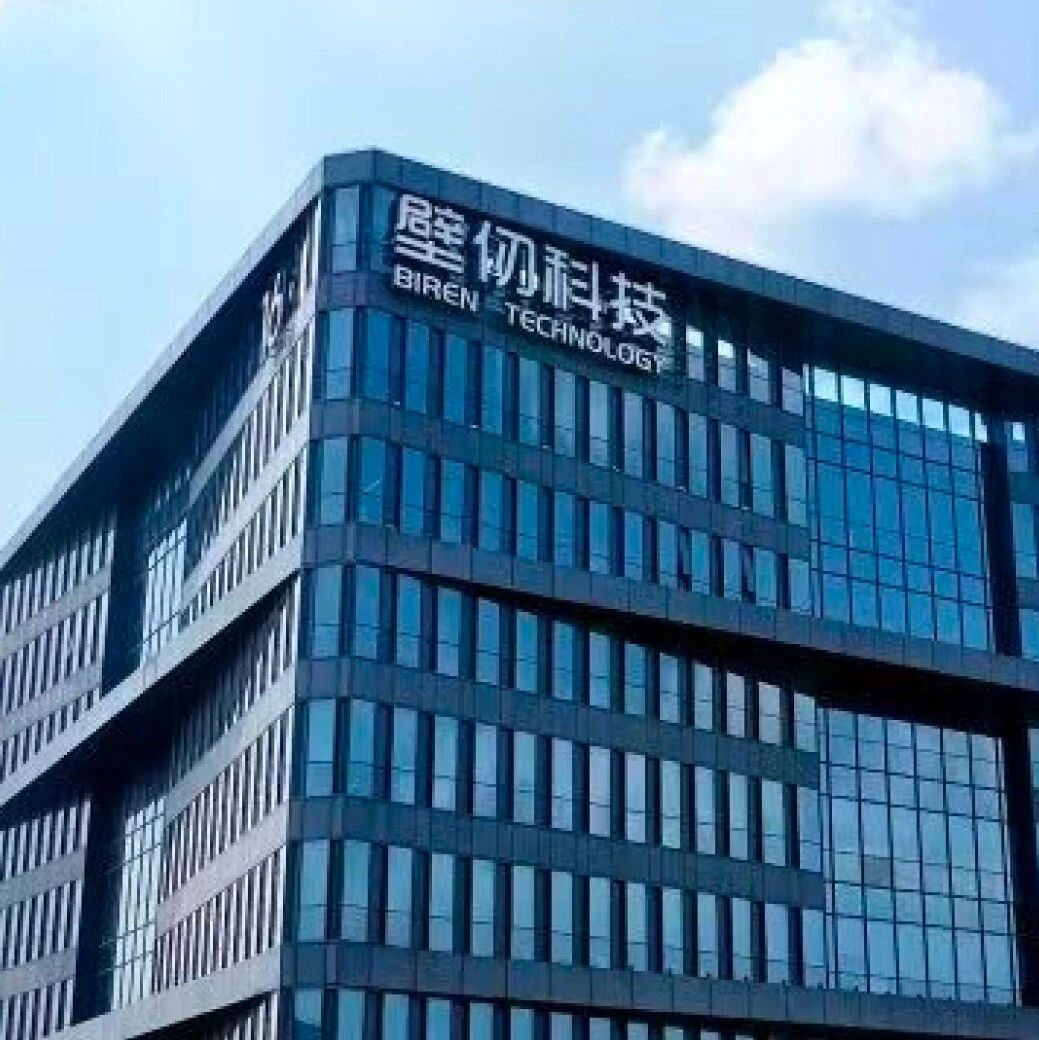
Core Viewpoint - The article discusses the journey of Biren Technology, a GPU manufacturer, which became the first company to go public in Hong Kong in 2026, marking six years since its founding by Zhang Wen. This timeline reflects the significant evolution in the GPU industry, particularly with the rise of generative AI, which has transformed GPUs into a critical infrastructure for the tech sector [2][4]. Group 1: Company Background and Development - Biren Technology was established in a challenging environment dominated by NVIDIA and AMD, with high risks and low success rates in the GPU sector. The development cost for a single GPU is at least $200 million, and it typically takes five years to see significant revenue [5]. - Zhang Wen, the founder, had a diverse background, including law and management roles, but lacked direct GPU experience. His unique approach helped lower the barriers for entrepreneurship in the GPU field [6][7]. - Zhang's ability to attract top talent was crucial. He successfully recruited a team with experience from leading GPU companies, which significantly contributed to Biren's early success [8][9]. Group 2: Strategic Decisions and Challenges - Biren Technology chose a more challenging path by focusing on GPGPU (General-Purpose Graphics Processing Unit) rather than specialized accelerators, which required a comprehensive software stack and long-term developer ecosystem investment [10][11]. - The company maintained a rigorous validation process during product development, emphasizing long-term sustainability over short-term efficiency. This decision was driven by the belief that reliance on specialized chips would not support sustainable growth in general computing power [11][12]. - Despite facing skepticism in 2022 regarding the industry's viability, Biren completed its chip production on schedule, which led to further investment from partners [12][13]. Group 3: Market Position and Future Prospects - By 2023, Biren Technology had demonstrated its capability to adapt and innovate, achieving significant milestones in product development and market acceptance. The company has established a full-stack autonomous controllable system, which includes both hardware and software components [15][18]. - The revenue growth from 2022 to 2024 is notable, with figures increasing from $49,900 to $337 million, and a projected revenue of approximately $589 million in the first half of 2024, reflecting a growth rate exceeding 2500% over three years [16][20]. - Biren has secured over $1.2 billion in orders, indicating strong market demand, although the overall market share for domestic GPUs remains below 1% [20][21]. Group 4: Competitive Landscape - The competition in the GPU industry is intensifying, and the article suggests that Biren's listing is not an endpoint but a new phase in a long-term competitive landscape, similar to NVIDIA's trajectory post-IPO [16][17]. - The focus is shifting from merely achieving product performance to building a sustainable competitive advantage through ecosystem development and cost structure optimization [17][21].
晚点独家丨李斌定调 2026:继续 “结硬寨,打呆仗”,没有片刻放松的资格
晚点LatePost· 2026-01-03 15:02
Core Viewpoint - NIO has achieved significant milestones in 2025, delivering over 326,000 vehicles, marking a historical high, despite not meeting the quarterly target of 50,000 units. The company is optimistic about the future of electric vehicles, anticipating a market penetration of over 90% for new energy vehicles by 2030, with pure electric vehicles accounting for over 80% of that market [4][5][11]. Group 1: Company Performance - In 2025, NIO delivered a total of 326,028 vehicles, a year-on-year increase of 46.9%, indicating a return to a high growth trajectory [8]. - The NIO ES8 and the L90 model have set records in their respective categories, with the ES8 delivering 22,256 units in December alone, and the L90 becoming the top-selling large pure electric SUV [8]. - The company has built 3,737 battery swap stations globally, providing over 96 million battery swap services, which enhances user convenience and supports sales growth [9]. Group 2: Strategic Outlook - The automotive industry is entering a phase of intense competition, where operational efficiency will be crucial for survival. NIO emphasizes the need for strategic focus and resilience in the face of challenges [7][11]. - NIO plans to continue investing in its core technologies and infrastructure, with a goal of constructing over 1,000 new battery swap stations in 2026, aiming to reach a total of over 4,600 stations by year-end [12]. - The company is set to launch three new models in 2026, aiming to strengthen its market share in the high-end vehicle segment [12]. Group 3: Market Trends - As of November 2025, pure electric vehicles accounted for 61.9% of the new energy vehicle market, significantly outpacing hybrid and plug-in models [11]. - The anticipated growth in the electric vehicle market is supported by advancements in technology and infrastructure, which are expected to enhance user experience and drive adoption [11].


“人们常常低估了五年能有的改变”丨晚点小数据 2025
晚点LatePost· 2026-01-03 15:02
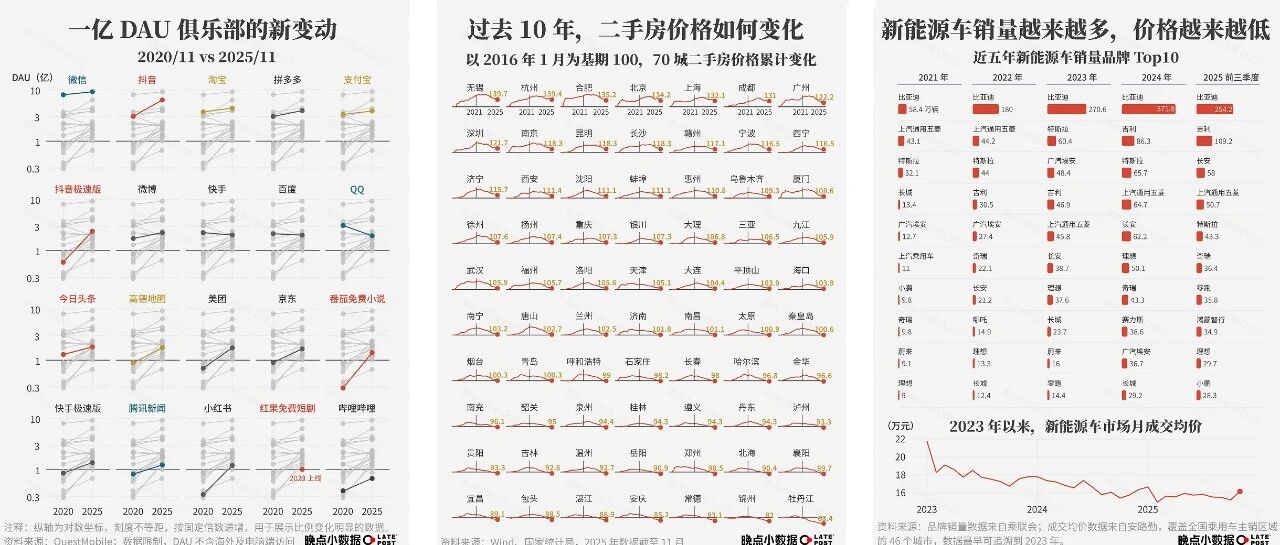
Core Viewpoint - The article emphasizes the long-term changes in consumer behavior and industry dynamics over the past five years, highlighting how events from 2021 continue to shape the current landscape [4][5]. Group 1: Industry Changes - In 2021, several industries were just beginning to emerge, such as AI and new energy vehicles, with companies like Li Auto and NIO selling cars priced at 300,000 to 500,000 yuan, while BYD set mainstream models above 200,000 yuan [5]. - The penetration of internet platforms into daily life was less pronounced five years ago, with platforms like Pinduoduo just starting to become profitable and not yet dominating the market [5]. - By 2025, ByteDance has become a significant player in various sectors, including e-commerce, with its GMV ranking third in the industry, while maintaining high growth rates [12]. Group 2: Company Performance - Alibaba's CFO stated that maintaining profits would be foolish given the competitive landscape, indicating a shift towards aggressive investment strategies among major players [9]. - Pinduoduo has significantly closed the gap with Taobao in terms of user base and shopping habits, focusing solely on retail without diversifying into AI or food delivery [11]. - ByteDance's revenue and profit levels are projected to reach those of Meta by 2025, with a strong focus on AI driving its growth [14]. Group 3: AI Development - The AI sector in China saw significant investment, with ByteDance spending 150 billion yuan in one year, while Alibaba announced a three-year investment plan of 380 billion yuan [33]. - Chinese AI companies are facing different challenges compared to their Silicon Valley counterparts, particularly in user monetization and computational resources [33]. - The user base for AI applications in China is limited, with only about 100 million daily active users across various platforms, indicating a need for more engaging and entertaining products to attract users [43]. Group 4: Consumer Behavior and Market Trends - Over the past five years, consumer spending has increased, but inflation has stagnated, leading to a trend of low-margin sales across industries [50]. - The average price of new energy vehicles in China has dropped to 169,000 yuan, reflecting intense competition and a return to traditional automotive industry dynamics [64]. - The automotive market is characterized by a price war, with companies like Geely and BYD adjusting their strategies to maintain competitiveness [75].


“只有通用硬件能存活”,光帆科技董红光聊 AI 硬件和 AI 操作系统丨100 个 AI 创业者
晚点LatePost· 2025-12-31 08:04
Core Viewpoint - AI hardware is expected to be one of the hottest trends by 2025, with various companies exploring different approaches to define the future of AI hardware [4][24]. Group 1: Company Insights - Lightwear, founded by Dong Hongguang, offers a unique combination of products including headphones, a computing earphone case, and a smartwatch, all integrated with an independent operating system [6][10]. - The product aims to provide a seamless user experience by enabling multi-device collaboration and offering services such as shopping and ride-hailing through voice interaction [6][10]. - Dong Hongguang emphasizes that the choice of headphones over glasses is due to user acceptance and practicality, as headphones are easier to adopt and use in various scenarios [8][9]. Group 2: Market Trends - The article discusses the dichotomy in AI hardware, distinguishing between specialized hardware for specific tasks and general-purpose hardware that can adapt to various applications [24][22]. - It is suggested that while specialized hardware is necessary in the short term, general-purpose hardware will likely dominate in the long run, similar to the evolution seen with smartphones [24][25]. - The current landscape of AI hardware is characterized by intense competition, but it is expected that over time, a more defined market structure will emerge as companies find their niches [16][24]. Group 3: Technology and Development - Lightwear's operating system is designed to facilitate voice and visual interactions, focusing on task-oriented applications rather than traditional app interfaces [15][17]. - The integration of cloud and edge computing is highlighted as a critical aspect of their technology, allowing for efficient task execution while managing hardware resources effectively [18][20]. - Dong Hongguang notes that the future of wearable devices will likely involve a variety of form factors, with sensors and functionalities distributed across different devices to enhance user experience [13][10]. Group 4: User Experience and Market Adoption - The company aims to address specific user needs in scenarios where accessing a smartphone is inconvenient, such as driving or cooking, thereby creating a complementary relationship with smartphones [11][12]. - There is a recognition that consumer acceptance of AI hardware is still developing, with parallels drawn to the early days of smartphones when users were hesitant to adopt new technology [28][24]. - The article concludes that the evolution of AI hardware will depend on the maturation of AI capabilities, cost reductions, and improved consumer understanding of the technology's benefits [28][24].

晚点独家丨Kimi 完成 5 亿美元新融资,杨植麟:账上有超百亿元人民币
晚点LatePost· 2025-12-31 08:04
Core Insights - The article discusses the recent $500 million Series C funding round for Kimi, led by IDG with participation from Alibaba, Tencent, and other existing investors, resulting in a post-money valuation of $4.3 billion [2] - The company has over 10 billion RMB in cash reserves, indicating strong financial health and the ability to delay an IPO [2][6] - Kimi's recent product developments, including the Agent feature "OK Computer," have led to significant growth in paid user subscriptions and API revenue [4][9] Funding and Valuation - Kimi completed a $500 million Series C funding round, with IDG leading the investment of $150 million [2] - The post-funding valuation of Kimi reached $4.3 billion, reflecting strong market interest [2] - The company has accumulated a total investment of $70 million from investor Wang Huiwen [2] Product Development and Revenue Growth - Kimi launched the "OK Computer" feature, which allows users to perform various tasks such as website development and data analysis [4] - The company has initiated a membership fee structure with different pricing tiers, expecting to generate $100 million in revenue within a year from these features [4] - Kimi reported a monthly growth rate of 170% in global paid users and a fourfold increase in overseas API revenue since November [4][9] Strategic Focus and Future Plans - Kimi aims to focus on specific areas such as large models, logic layers, and productivity tasks, avoiding competition in entertainment and multimodal generation [5] - The Series C funding will be used to aggressively expand GPU resources and accelerate the training and development of the K3 model [10] - The company plans to enhance its incentive programs significantly for 2026, doubling the average incentives compared to 2025 [10] Competitive Positioning - Kimi's K3 model is expected to reach the forefront of pre-training capabilities, with plans to improve its performance significantly [7][10] - The company is not rushing to go public, as it believes it can raise more funds from the primary market compared to secondary market offerings [9] - Kimi's unique approach and innovations are positioned to contribute significantly to advancements in artificial general intelligence (AGI) [11]

累计交付超百万辆,鸿蒙智行加速全品类产品矩阵落地
晚点LatePost· 2025-12-30 04:01
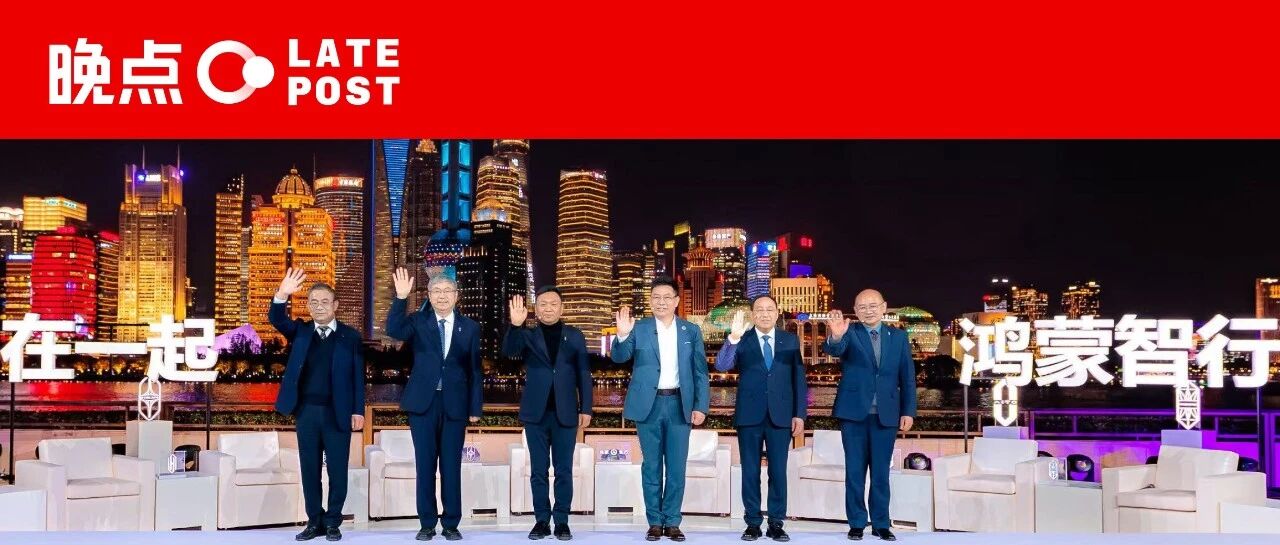
Core Viewpoint - Hongmeng Zhixing is revitalizing the automotive industry by leveraging Huawei's philosophy, methods, and technology, aiming for significant growth and transformation in the sector by 2025 [1][2]. Market Performance - By October 2023, Hongmeng Zhixing achieved over 1 million vehicle deliveries in just 43 months, setting a record for the fastest sales growth among innovative brands [2][14]. - In November 2023, Hongmeng Zhixing's monthly sales reached 83,241 units, surpassing the previous month's 81,864 units, marking a historic monthly sales record [3][14]. Business Model - Hongmeng Zhixing's rapid expansion is attributed to its unique business model, which differs from traditional automotive supply or simple OEM models. Huawei leads the entire process from product definition to brand marketing, allowing for effective utilization of its technological and channel advantages [5][7]. - The collaboration between Huawei and traditional automakers has led to a significant cultural and operational shift, with both parties learning from each other to enhance their capabilities [7][8]. Technological Advancements - Hongmeng Zhixing's core competitiveness lies in cross-domain technology iteration and solution reuse, particularly evident in its advanced driver-assistance systems (ADAS), which have undergone four major updates in three years [11][12]. - The integration of Huawei's technology from various fields, such as communication and consumer electronics, into automotive products enhances user experience and operational efficiency [11][12]. Brand Strategy - Hongmeng Zhixing has established five brands covering price ranges from 150,000 to over 1 million yuan, with each brand targeting specific market segments [14][17]. - The Wanjie brand has emerged as a sales leader in the mid to high-end market, while other brands like Zunjie and Xiangjie cater to luxury and entry-level segments, respectively [14][17]. Future Plans - In 2026, Hongmeng Zhixing plans to expand its product matrix to cover sedans, SUVs, and MPVs, with new models set to be launched across its brands [20]. - The company aims to create a replicable model that combines traditional manufacturing capabilities with digitalization, fostering a new ecosystem in the automotive industry [20][21]. Industry Impact - Hongmeng Zhixing's approach signifies a shift in the automotive industry, moving from competition to collaboration, which may offer a more efficient path for upgrading traditional automotive manufacturing [23].
晚点独家丨Meta 数十亿美元收购 Manus,肖弘将出任 Meta 副总裁
晚点LatePost· 2025-12-29 22:23
Meta 成立以来的第三大收购。 文 丨 贺乾明 同期,Meta 向顶尖的 AI 研究者开出上亿美元年薪 offer,重组 AI 研究团队。数十亿美元并购蝴蝶效 应,是扎克伯格推进 "超级智能" 愿景的一部分。 蝴蝶效应成立于 2022 年,创始人肖弘是江西吉安人,毕业于华中科技大学,创业起点在武汉,曾开 发过两款微信生态的插件:微信公众号排版工具壹伴和企业微信客户关系管理工具微伴,卖给一家独 角兽公司。 蝴蝶效应第一款产品是浏览器 AI 插件 Monica,提供大模型驱动的聊天、搜索、阅读、写作、翻译等 功能。那时行业里更看好开发大模型的公司做产品,肖弘选择在大模型基础上开发插件,被指为 "套 壳"。但 Monica 是中国 AI 行业少有的盈利产品。 2024 年初,Monica 刚开始高速增长时,字节跳动高层曾与肖弘在香港单独会面,出价 3000 万美元收 购蝴蝶效应。同一年,Cursor、Devin 等调用大模型解决复杂任务的产品让模型具备了更强的能力, 成了他们开发新产品的灵感来源。 经过真格基金投资人的撮合,曾开发出猛犸浏览器、Magi 知识搜索引擎的 90 后连续创业者季逸超, 曾在多家公司担任 ...


万台猛士 M817 下线,华为乾崑如何打造豪华智能越野?
晚点LatePost· 2025-12-28 14:20
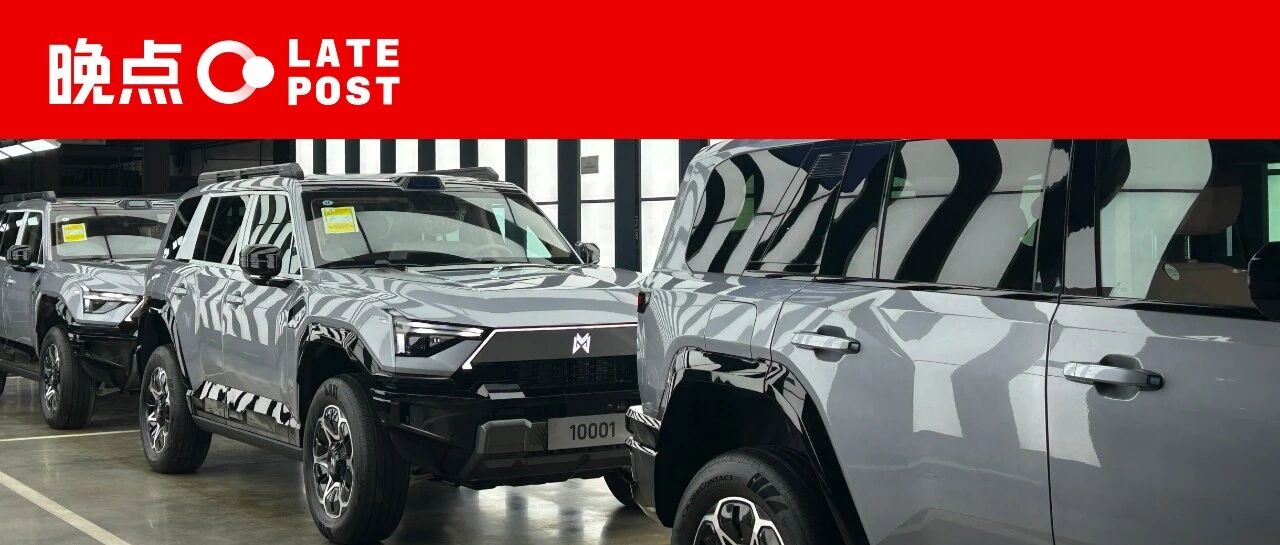
Core Viewpoint - The success of the Mengshi M817 represents a case study on how Huawei QianKun aids automakers in producing high-quality vehicles, leading to the establishment of a new product category and a novel collaboration paradigm [2][4]. Group 1: Product Launch and Performance - The Mengshi M817, a rugged off-road vehicle developed in collaboration with Huawei QianKun, has achieved a significant milestone with the production of its 10,000th unit [3]. - Since its delivery began in September, the Mengshi M817 has experienced a continuous month-on-month sales increase, with nearly 2,000 units sold in November alone [3]. - The factory's design capacity was originally set at 2,200 units per month, but due to the sustained sales growth of the Mengshi M817, the production capacity has been increased to 2,500 units per month [3]. Group 2: Market Potential and Trends - The off-road vehicle market in China is relatively small, contributing less than 4% to the total automotive sales, with an expected sales volume of 940,000 units in 2024 [5]. - Despite the small base, the off-road vehicle segment is anticipated to grow, particularly with the rise of electric vehicles, which are expected to lower usage costs and enhance the riding experience [5][6]. - The trend towards outdoor activities post-pandemic has led to a growing interest in off-road vehicles, with a notable preference for "boxy" designs [6]. Group 3: Technological Integration and Innovation - The Mengshi M817 incorporates Huawei QianKun's full-stack solutions, including intelligent driving, cockpit, vehicle control, and communication systems, tailored specifically for off-road scenarios [3][4]. - The vehicle features advanced driving assistance systems (ADS) that enhance safety and usability in both urban and off-road environments, with capabilities such as automated parking and long-distance driving without intervention [7][8]. - The integration of 27 sensors, including a 192-line LiDAR and multiple cameras, allows the Mengshi M817 to maintain high perception accuracy in various environmental conditions [9][10]. Group 4: New Collaboration Paradigm - The partnership between Huawei QianKun and Mengshi marks a shift from traditional supplier relationships to a collaborative model where both parties define requirements and co-develop products [15][17]. - This new approach not only enhances product offerings but also transforms Mengshi into a user-centric enterprise, focusing on rapid response to customer feedback and needs [16]. - Future collaborations will expand into product definition, marketing, and ecosystem services, indicating a deeper integration of Huawei's capabilities into the entire vehicle development process [17][18].

晚点独家丨智能房车 KEPLO 完成 4500 万天使轮融资,团队成员多来自理想汽车
晚点LatePost· 2025-12-26 10:26
Core Viewpoint - KEPLO aims to become the "Model 3 of the RV industry" by entering the mass market with its innovative range-extended trailers designed for the North American market, addressing the pain points of traditional RV experiences [4][10]. Company Overview - KEPLO, established in 2023, has recently completed an angel financing round of 45 million RMB (approximately 6.3 million USD) from well-known investment institutions and family offices [5]. - The company is currently in the mass production testing and market validation phase for its first product, with plans to launch and start pre-sales soon, targeting official deliveries in the U.S. market by Q3 2026 [5]. Team Background - The founding team, led by Lü Jiangtao, has deep ties to Li Auto and includes members with experience from major automotive companies like Volkswagen, Daimler, and BMW, as well as senior executives from U.S. RV companies [7][8]. - The team has a strong background in product development, smart technology, supply chain, and manufacturing, which is crucial for KEPLO's mission [8]. Market Insights - The U.S. RV market has a significant scale, with an estimated ownership of over 10 million units and an annual market size of approximately 30 billion USD (around 217.6 billion RMB) [9]. - KEPLO's research indicates that traditional RVs lack innovation and comfort, while emerging electric RV companies face challenges related to local supply chains and high costs [9]. Product Strategy - KEPLO's first product is priced around 80,000 USD, with plans to cover a price range from 40,000 to 100,000 USD in its product line [10]. - The company has established a factory with a capacity of 10,000 units, leveraging its experience and supply chain advantages in China to penetrate the electric RV market [10]. Technological Approach - KEPLO focuses on using range-extending technology to alleviate users' concerns about mileage and charging, particularly in remote areas where RVs are often used [8][9]. - The company believes that the integration of electrification and intelligence can redefine RVs as mobile living spaces, enhancing the overall user experience [9].