商业洞察

Search documents
史无前例!资金大挪移开始了......
商业洞察· 2026-01-14 09:29
Core Viewpoint - A significant capital migration is underway, involving approximately 90 trillion yuan, expected to reach 120 trillion yuan by the end of the year, primarily driven by household savings in banks, which total 162 trillion yuan, averaging 115,000 yuan per person, marking a historical high [3][4]. Group 1: Historical Context of Savings - There have been two major peaks in household savings over the past 30-40 years: the first in 1996, where savings increased by 51.9% due to high inflation and a surge in M2 growth, leading to a peak inflation rate of 24.1% in 1994 [7][8]. - The second peak occurred in the last five years, driven by interest rate cuts, falling housing prices, and increased cash flow emphasis, resulting in a rush for large-denomination time deposits with rates around 4% [9]. Group 2: Current Trends in Fund Allocation - As three- and five-year deposits mature, approximately 120 trillion yuan will need to find new investment avenues, with 60 trillion yuan maturing by the end of 2025 and another 30 trillion yuan in early 2026 [11]. - The capital migration is evident in five main directions: 1. Funds are moving from large banks to smaller banks, with smaller banks offering higher interest rates (2.6% compared to 1.8% from large banks) [13]. 2. A significant portion of funds is transitioning from deposits to wealth management products, estimated at 7.5 trillion to 9 trillion yuan, with returns around 2.7% [15]. 3. Insurance products, particularly dividend insurance with a structure offering 3%-3.5% returns, are attracting around 500 billion yuan [15]. 4. Some funds are being used for early mortgage repayments, with an estimated 500 billion yuan expected to be allocated this way [16]. 5. The stock market is seeing an influx of funds, with direct investments below 100 billion yuan but an estimated 1 trillion to 2 trillion yuan entering through private equity and insurance channels [17]. Group 3: Economic Implications - The ongoing capital migration reflects a broader economic transformation, indicating the start of a new wealth movement among the populace, emphasizing the importance of being proactive in financial decisions [19]. - The stock market is positioned as a new vehicle for wealth accumulation, akin to the previous real estate boom, with its influence on employment, income, and economic growth becoming increasingly significant [21][23]. - The shift towards high-tech and high-end manufacturing sectors is seen as the new economic pillar, with stock investments being the primary means for the general public to participate in this growth [25].


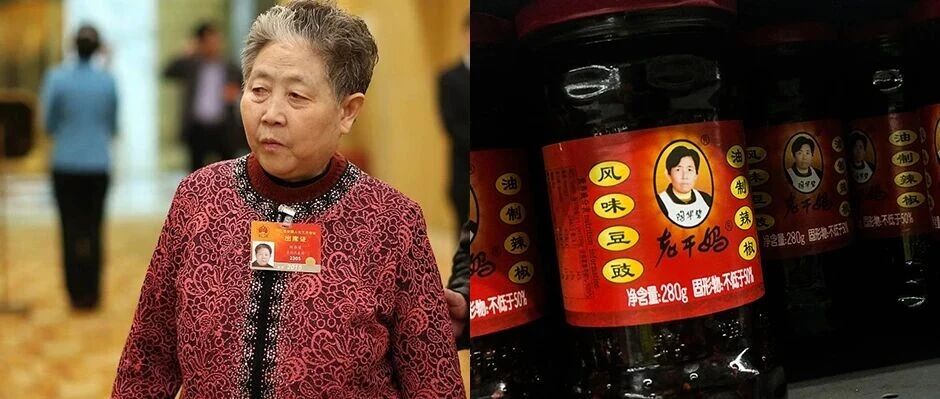
老干妈,出山救子,又赚翻了
商业洞察· 2026-01-13 09:19
Core Viewpoint - Lao Gan Ma, a national brand founded in 1996, has made a remarkable recovery in revenue, approaching 5.4 billion yuan in 2024, nearly reaching its historical peak from 2020 [3][47]. Group 1: Revenue Recovery and Market Position - Lao Gan Ma has regained its position in the market after a significant drop in revenue in 2021, completing a "bottom rebound" in three years [3]. - The brand holds approximately 20% market share in China's chili sauce industry, maintaining its status as the leading brand [5]. Group 2: Challenges and Management Decisions - The founder, Tao Huabi, who is nearly 80 years old, has returned to the front lines to address quality issues after a management decision to switch from high-quality Guizhou chili peppers to lower-cost Henan peppers led to a decline in product quality and consumer trust [7][19]. - The decision to revert to using Guizhou chili peppers, despite increased costs, was pivotal in restoring the brand's reputation and sales [20][24]. Group 3: Business Philosophy and Strategy - Lao Gan Ma's business model is characterized by a conservative approach, avoiding loans, advertisements, and external debts, which has allowed the company to maintain strong cash flow [31][45]. - The brand focuses on core products, ensuring consistent quality and taste, which has been crucial for its long-term success [36][45]. Group 4: Market Expansion and Global Reach - Lao Gan Ma has successfully expanded into over 160 countries, with overseas revenue growth outpacing domestic averages, achieving a year-on-year growth rate of approximately 30% in 2023 [47]. - The brand's international success is attributed to its strong reputation and competitive pricing, making it appealing to consumers abroad [49][50]. Group 5: Consumer Connection and Brand Loyalty - The brand's success is rooted in consumer habits and emotional connections, as many consumers view Lao Gan Ma as a reliable staple in their diets [53]. - The return to traditional flavors and quality has resonated with consumers, reinforcing their loyalty to the brand [53][54].
最长最省最优!比亚迪开年放大招!
商业洞察· 2026-01-13 09:19
Core Viewpoint - The article highlights the growing demand for hybrid vehicles with long pure electric range, emphasizing the market gap for models with over 200km electric range, particularly as new regulations set to take effect in 2026 raise the bar for plug-in hybrid electric vehicles (PHEVs) [1][2][4]. Group 1: Market Demand and Trends - The current market for hybrid vehicles shows that models priced around 100,000 yuan typically offer a pure electric range of 80-120km, while those exceeding 200km range are priced above 200,000 yuan, indicating a significant market gap [2]. - The upcoming 2026 regulations will increase the requirements for plug-in hybrid electric vehicles, making "enhanced electric power" a necessary trend in the industry [4]. Group 2: BYD's Strategic Moves - BYD has launched a "large battery plug-in hybrid" era by introducing four popular PHEV models with a pure electric range of 210km and a comprehensive range exceeding 2110km, effectively filling the market void [4]. - The models Qin PLUS DM-i and Sea Lion 05 DM-i are priced between 89,800 to 99,800 yuan, while the Qin L DM-i and Sea Lion 06 DM-i start at 116,800 yuan, offering significant value in the hybrid segment [6]. Group 3: Competitive Advantages - BYD's vehicles are characterized by the longest range, optimal configurations, and cost efficiency, allowing the company to effectively penetrate the mainstream sedan market [7]. - The pure electric range of BYD's models is reportedly double that of competitors in the same class, with a daily commuting cost as low as 0.2 yuan per kilometer, supported by 20-minute fast charging and extended overall range [8]. Group 4: Market Leadership - As a leader in the plug-in hybrid segment, BYD has achieved cumulative sales of over 7.86 million PHEVs, with the four newly launched models consistently ranking among the top sellers last year [10]. - BYD aims to make long-range PHEVs accessible to ordinary families through technological advancements, driving the market towards a "long-range + high intelligence" upgrade [11]. Group 5: Consumer Focus - The practicality and peace of mind associated with hybrid vehicles are key factors for consumers, and BYD's recent initiatives align perfectly with the core needs of family cars [13].


汪小菲再「发疯」,麻六记也卖不动了
商业洞察· 2026-01-13 09:19
Core Viewpoint - The article discusses the recent controversies surrounding Wang Xiaofei and his brand, Ma Liu Ji, highlighting the impact of his erratic behavior on the brand's performance and public perception [4][11][30]. Group 1: Wang Xiaofei's Controversial Actions - On January 5, 2025, Wang Xiaofei publicly criticized Douyin's vice president Li Liang, claiming he was unfairly judged and announcing plans to sue him [6][10]. - This outburst was linked to a previous announcement by Douyin regarding the banning of accounts, including Wang's, for exploiting the death of his ex-wife, which he vehemently denied [10][11]. - Wang's unpredictable behavior has led to a perception of instability, which is seen as a significant risk for the Ma Liu Ji brand [11]. Group 2: Ma Liu Ji's Business Performance - Ma Liu Ji's revenue heavily relied on live-streaming sales driven by Wang Xiaofei and his mother, Zhang Lan, contributing to monthly sales exceeding 100 million yuan [14][18]. - Following the ban of their accounts, the brand struggled to maintain sales, leading to a "human sea tactic" where employees took on live-streaming roles, resulting in temporary spikes in sales [15][16]. - However, this initial success was short-lived, with significant drops in viewership and sales following the initial surge [18]. Group 3: Challenges and Risks - The brand faced operational challenges, including the closure of several stores, which were attributed to poor performance and failure to meet commercial requirements [20]. - Ma Liu Ji also encountered food safety issues, with products being recalled due to contamination, raising concerns about quality control and reliance on third-party manufacturers [21][22]. - The launch of a new sub-brand, "Xiao Ma Liu," aimed at lower-tier cities, appears to be a strategic retreat in response to declining performance in the main brand [22][29]. Group 4: The Impact of Public Image - Wang Xiaofei's public persona, characterized by dramatic personal events, has been both a marketing tool and a liability for Ma Liu Ji, with sales often spiking during personal controversies [25][26]. - The brand's sales were significantly boosted by public interest in Wang's personal life, but this reliance on sensationalism has led to a volatile business model [29][30]. - As public interest wanes, the brand faces the challenge of sustaining sales without the backing of Wang's controversial public image [30].

椰树彻底不装了,“大尺度”新年挂历炸翻全网!
商业洞察· 2026-01-12 09:26
以下文章来源于财经三分钟 ,作者杨瑞 财经三分钟 . 4 亿中产财经资讯平台,专注深度财经商业报道。由财经媒体人杨瑞团队执笔,出品《广州租售同 权》、《北京学区房多校划片》、《国家抢占人工智能制高点》等多篇千万级刷屏文章。 作者: 杨瑞 来源:财经三分钟 2026年开年,椰树又凭挂历火了。 只是这一次,火的理由和往年完全不同。 没有了网友调侃的"视觉暴击",没有身材火辣的"椰树女 郎"扎堆出镜,满屏都是加粗到刺眼的大红大绿字体,和一整篇创始人的励志奋斗史。 ------------------------------ ▲ 图源:小红书 反差感拉满的画风,让网友忍不住调侃:"椰树这是把PPT直接印成了挂历?""以前看挂历费眼, 现在看挂历费脑,得耐着性子读企业传记"。 但吐槽归吐槽,不少人转头就求购:"有没有海南本地的朋友,愿意出跑腿费+快递费求一本"。 其实 这本挂历的转变,远不止画风调整那么简单。 椰树 似乎 给自己画的一道分界线, 开始 告别坚持多年的"擦边营销",一头扎进了"安全牌"的怀 抱。 而这背后 恐怕 是老品牌在流量红利见顶与监管收紧双重压力下,最现实的求生选择。 谁记得椰树以前的挂历长什么样 ...

宜家中国一次性关闭7家门店,20年来罕见
商业洞察· 2026-01-12 09:26
Core Viewpoint - IKEA is not exiting the Chinese market but is undergoing a significant structural adjustment, closing seven stores while focusing on smaller, urban stores and enhancing online presence [4][9]. Group 1: Store Closures and Adjustments - IKEA will close seven stores in China by February 2, 2026, including major locations like Shanghai Baoshan, which was once the largest IKEA in Asia [4]. - The closures are part of a broader strategy to shift from large-scale expansion to targeted development, with plans to open over ten smaller stores in key markets like Beijing and Shenzhen [9][20]. Group 2: Market Trends and Consumer Behavior - The retail landscape, particularly in the home goods sector, is evolving, with IKEA adapting by opening smaller stores that focus on consultation and experience rather than large warehouse-style outlets [20]. - Changes in consumer behavior, such as reduced frequency of visits to large stores due to the rise of online shopping and instant retail, have prompted IKEA to rethink its business model [14][20]. Group 3: Competitive Landscape - IKEA faces increasing competition from local brands that offer better price-performance ratios, necessitating a shift in strategy to maintain market share [24]. - The company has been reducing prices in response to competition from local brands like GenShuMuYu and LinShiJiaJu, indicating a need to enhance supply chain efficiency [24]. Group 4: Future Challenges - Despite the strategic shift, IKEA's response speed to changes in the Chinese market has been criticized as slow, which may hinder its competitiveness [27][28]. - The challenge lies in maintaining the brand's experiential essence while transitioning to smaller formats and online channels, as the immersive "showroom" experience is difficult to replicate in smaller stores [29][32].

中国汽车第一城,变了!
商业洞察· 2026-01-11 09:23
Core Viewpoint - The article discusses the significant shifts in China's automotive industry by 2025, highlighting the rise of new cities as automotive powerhouses and the decline of traditional leaders, emphasizing the importance of innovation, government support, and strategic partnerships in shaping the future of the industry [5][6][52]. Group 1: The Rise of New Leaders - In 2025, Chongqing emerged as "China's Automotive Capital" with nearly 2.5 million vehicles produced, marking a 12.1% year-on-year increase, surpassing traditional leaders like Shanghai and Guangzhou [8][15]. - Chongqing's success is attributed to the combination of state-owned enterprises and aggressive private sector strategies, particularly the partnership between Seres and Huawei, which transformed traditional manufacturing into high-end smart vehicle production [16][17]. - Hefei became the "New Energy Capital" with over 1.246 million new energy vehicles produced, showcasing a model of government investment and strategic partnerships with companies like NIO and Volkswagen [21][23]. Group 2: The Decline of Traditional Leaders - Shenzhen, once a leader with nearly 3 million vehicles produced in 2024, saw its data become ambiguous in 2025 due to changes in statistical methods that shifted focus from corporate registration to actual production locations [28][30]. - Guangzhou experienced a 20% decline in traditional vehicle production, primarily due to the slow transition of Japanese automakers to electric vehicles, highlighting the risks of reliance on outdated business models [45]. - Shanghai's production remained strong at 1.6 million vehicles, but without Tesla's contribution, the figures would be significantly lower, indicating challenges in revitalizing the local automotive supply chain [46]. Group 3: Emerging Trends and Insights - The competition in the automotive industry is shifting from "production capacity" to "supply chain integration," with cities like Hefei and Chongqing demonstrating the importance of a comprehensive ecosystem that includes manufacturing and technology [49]. - The future of the automotive sector will increasingly depend on advanced technologies such as AI and automated driving, positioning cities with strong tech capabilities, like Beijing, for potential advantages [50]. - The article emphasizes the growing "Matthew Effect" in urban development, where leading cities attract more resources and talent, while smaller cities face significant challenges, potentially leading to a decline in their automotive industries [51].

预警“活下去”的郁亮谢幕,万科仍困“深渊”
商业洞察· 2026-01-11 09:23
Core Viewpoint - The retirement of Yu Liang marks the end of an era for the Chinese real estate industry, symbolizing the transition from a period of rapid growth to a more uncertain future for the sector [5][23]. Group 1: Yu Liang's Career and Impact - Yu Liang, known as the "whistleblower" of the real estate industry, has been a pivotal figure in the development of Vanke, demonstrating keen insight into industry trends [7]. - He joined Vanke in 1990 and rose through the ranks, becoming the general manager in 2001 and later the chairman in 2017, leading the company to significant milestones, including surpassing 100 billion yuan in sales in 2010 [10][8]. - Yu Liang's cautious approach, influenced by his financial background, led him to predict industry downturns, coining terms like "silver age" and "black iron age" to describe the evolving market conditions [11][12]. Group 2: Vanke's Challenges and Management Changes - Vanke has faced severe challenges, with total interest-bearing liabilities reaching 362.93 billion yuan by Q3 2025, and a cash short-term debt ratio of only 0.43, indicating liquidity issues [19]. - In January 2025, significant management changes occurred, with Yu Liang stepping down as chairman and the introduction of new executives from the Shenzhen state-owned enterprise system, marking a shift to a dual management model [15][13]. - The company has been actively seeking to address its debt crisis, with the major shareholder, Shenzhen Metro Group, providing nearly 30 billion yuan in financial support and engaging in debt restructuring efforts [20][23]. Group 3: Industry Context and Future Outlook - The retirement of Yu Liang signifies the end of the "wild growth" era in the Chinese real estate sector, as the industry faces a deep adjustment phase characterized by management upheavals and financial distress [23][24]. - The ongoing debt crisis has led to a decline in Vanke's revenue, with a reported 26.61% year-on-year decrease in revenue for the first three quarters of 2025 [19]. - The future of Vanke and the broader real estate industry remains uncertain, as the sector grapples with the consequences of past growth strategies and the need for sustainable development [24].


王石和田朴珺,风向变了
商业洞察· 2026-01-10 09:35
Core Viewpoint - The article discusses the contrasting life philosophies of Tian Pujun and Wang Shi, highlighting the generational conflict between traditional entrepreneurial values and modern social dynamics [7][9][10]. Group 1: Tian Pujun and Wang Shi - Wang Shi was once a hero in the real estate industry, embodying the spirit of entrepreneurship through self-discipline and professional accumulation [9]. - In contrast, Tian Pujun's success is characterized by leveraging social connections and information asymmetry, often seen as a "leveraged route" to success [10][11]. - The relationship between Wang Shi and Tian Pujun is framed not as a typical romantic narrative but as a clash of values, where traditional principles meet modern opportunism [12][13]. Group 2: The Consequences of Their Dynamics - The article suggests that the current social environment rewards individuals like Tian Pujun, who utilize social strategies to achieve success, undermining the traditional values of hard work and integrity [13][26]. - Wang Shi's adherence to traditional business ethics is likened to the historical figure Song Xiangong, who was ridiculed for his moral principles, suggesting that such values may be out of place in today's competitive landscape [14][15]. - The narrative indicates that Wang Shi's attempts to influence Tian Pujun's values ultimately led to his own public image suffering, as he became a tool for her ambitions rather than a partner [24][25].

茅台新帅上任66天,放了个大招
商业洞察· 2026-01-10 09:35
Core Viewpoint - The launch of the 53-degree 500ml Flying Moutai on the "i Moutai" platform marks a significant step in Moutai's market-oriented transformation, aiming to regain pricing power and enhance consumer access to the product [4][10]. Group 1: Market Strategy and Sales - The "i Moutai" platform, operational since May 2022, has now begun selling the core product Flying Moutai directly to consumers, which was previously not available on the platform [4][6]. - On January 1, 2026, the price for Flying Moutai was set at 1499 yuan per bottle, leading to an immediate sell-out as thousands of consumers flooded the platform [4][5]. - Moutai's direct sales strategy is expected to increase profit margins, with a profit of 330 yuan per bottle compared to the wholesale price of 1169 yuan [7][9]. Group 2: Industry Context and Challenges - The Chinese liquor industry is currently facing challenges such as inventory buildup and sluggish sales, with Moutai's market price dropping below 1700 yuan per bottle [4][10]. - The introduction of direct sales through "i Moutai" is seen as a way to combat the dual pricing system that has allowed for significant price discrepancies and speculation by resellers [7][8]. Group 3: Consumer Focus and Market Control - Moutai aims to regain control over market pricing and distribution, reducing the influence of resellers and ensuring that more products reach consumers directly [9][10]. - The company is implementing measures to limit the quantity each consumer can purchase, thereby preventing bulk buying by resellers and ensuring fair access for all consumers [9][10]. Group 4: Future Outlook and Transformation - Moutai's new strategy emphasizes a shift towards consumer-centric operations, with a focus on expanding its consumer base and increasing the frequency of consumption [10][12]. - The company is moving away from traditional distribution methods, urging distributors to adapt to new market demands and consumer behaviors [11][12].