投资界

Search documents
大佬说了什么
投资界· 2025-12-05 02:34
Core Insights - The 25th China Venture Capital & Private Equity Annual Forum highlighted the recovery of the secondary market, with the value of newly invested Chinese companies' IPO shares held by VC/PE institutions exceeding 410 billion yuan, marking a three-year high [6] - The forum emphasized the importance of inclusivity in the private equity market to drive innovation, aligning with the central government's strategy to enhance the attractiveness and inclusivity of domestic capital markets [9] - There is a strong belief in maintaining a steady investment pace in early-stage ventures, as innovation opportunities are more influenced by industry development trends than by the current investment environment [14] Investment Trends - The AI, energy, and biomedicine sectors are viewed as promising areas for future investment [30] - The upcoming year is expected to see a surge in mergers and acquisitions, supported by new financial policies and increased bank lending for such activities [36] - There is a recognition that the current valuation discrepancies in the IPO market could create a false perception of company values, particularly in the Hong Kong market [27] Market Dynamics - The current low debt levels of listed companies in China present a favorable environment for mergers and acquisitions, indicating strong demand for such activities [47] - The forum discussed the cyclical nature of financial bubbles, suggesting that past technological revolutions have often been preceded by periods of speculative excess [39] - The importance of maintaining reasonable valuations and strong cash flow to support leverage and dividends was highlighted as critical for controlling risks in merger investments [45] Future Outlook - The next five years are deemed crucial for companies like Kingdee, which aims to significantly increase revenue from AI, focusing on large-scale acquisitions of overseas AI startups [52] - The rapid development of generative AI is expected to accelerate application growth in the coming year, despite current slower-than-expected adoption rates [78] - The competition in the AI field is characterized as a race between Chinese and overseas talents, with ongoing learning and adaptation between the two [75]




这里为何盛产院士
投资界· 2025-12-05 02:34
Core Viewpoint - The article emphasizes the importance of high-level talent, particularly academicians, in driving technological innovation and urban development in China, highlighting the role of cities like Guangzhou in attracting and nurturing such talent [3][21]. Group 1: Academicians and Talent Pool - In 2025, a total of 144 new academicians were elected, bringing the total number of academicians in China to 1,910, with Guangdong province contributing 9 new members, showcasing its status as a leading province in technological innovation [4][5]. - Guangzhou ranks sixth in the global research city rankings published by Nature magazine, reflecting its growing prominence in scientific research and innovation [5][6]. - The newly elected academicians in Guangzhou are closely linked to the Huangpu District and the Guangzhou Development Zone, indicating a strong local innovation ecosystem [6][8]. Group 2: Innovation Ecosystem - The Huangpu District and Guangzhou Development Zone have established a diverse and multi-layered technological innovation capability, with a significant number of academicians and high-level talent [9][10]. - The area has attracted 120 academic team projects and 958 A-class foreign high-end talents, ranking first in the city for high-level talent [9][10]. - The R&D intensity in Huangpu District reached 6.81% in 2024, significantly higher than the provincial and national averages, indicating a robust innovation environment [10][13]. Group 3: Industrial Strength and Future Prospects - Huangpu District is home to over 20,000 technology companies and more than 3,000 national high-tech enterprises, positioning it as a key player in China's industrial landscape [13][16]. - The district is developing five major trillion-level and three five-hundred-billion-level industrial clusters, aligning with national strategic directions in emerging industries [19][20]. - The focus on strategic emerging industries such as new energy and materials is expected to create significant economic opportunities in the coming decade [19][20]. Group 4: Talent Attraction and Retention - The article highlights the competitive landscape for talent, emphasizing the need for cities to not only attract but also retain high-level talent through favorable policies and a conducive environment [21][22]. - Guangzhou Development Zone and Huangpu District have implemented various talent development initiatives aimed at creating a high-level talent hub in the Guangdong-Hong Kong-Macao Greater Bay Area [22][23]. - The region's economic growth, with a GDP surpassing 4 trillion yuan, reflects its commitment to fostering an innovative and supportive ecosystem for both talent and businesses [22][23].


3000亿,科创板今年最大IPO诞生
投资界· 2025-12-05 02:34
Core Viewpoint - The successful IPO of Moore Threads marks a significant milestone for the domestic GPU industry in China, positioning it as a potential leader in the market akin to Nvidia, with a strong backing from venture capital and private equity firms [2][10]. Company Overview - Moore Threads officially listed on the Sci-Tech Innovation Board on December 5, 2023, with an IPO price of 114.28 yuan per share, raising 8 billion yuan and achieving a market capitalization exceeding 300 billion yuan at opening [2]. - The company, founded by Zhang Jianzhong, a former Nvidia executive, has rapidly evolved from a startup to one of the "Four Little Dragons" of domestic GPUs in just five years [2][3]. Financial Performance - Moore Threads has successfully produced five chips and completed four iterations of its GPU architecture, with a diverse product matrix covering AI computing, high-performance computing, graphics rendering, and more [8]. - Revenue projections indicate significant growth, with expected revenues of 460.88 million yuan in 2022, 1.24 billion yuan in 2023, and 4.38 billion yuan in 2024, with a remarkable increase in the first half of 2023 reaching 702 million yuan [8]. - The company anticipates a revenue increase of 177.79% to 241.65% in 2025 compared to 2024 [8]. Market Position and Product Focus - AI computing products are projected to dominate Moore Threads' revenue, accounting for 77.63% in 2024 and 94.85% in the first half of 2025, driven by rising demand for large model training and GPU cloud services [9]. - Despite the impressive revenue growth, Moore Threads has not yet achieved profitability, with net losses projected at -1.89 billion yuan in 2022, -1.70 billion yuan in 2023, and -1.61 billion yuan in 2024, with expectations to reach profitability by 2027 [9]. Investment Landscape - The company has attracted over 80 institutional investors and has undergone multiple rounds of financing, reflecting strong confidence in its potential [10]. - Notable investors include Sequoia Capital and various other prominent venture capital firms, highlighting the competitive landscape for GPU development in China [11][12]. Industry Context - The IPO of Moore Threads is seen as a pivotal moment for the domestic GPU sector, with other companies like Muxi and Suyuan Technology also preparing for their IPOs, indicating a growing trend in the market [15][16]. - The demand for domestic AI chips is increasing as China aims to reduce reliance on foreign technology, with a focus on developing a self-sufficient AI ecosystem [17][18].

2025VENTURE50重磅揭晓
投资界· 2025-12-04 07:01
Core Insights - The 2025 VENTURE50 results were announced, highlighting key companies in the sectors of AI, hard technology, and life sciences, with a focus on high-growth enterprises [2][26] - AI companies dominated the selection, accounting for 49% of the total, with a shift from technology validation to commercial implementation driven by policy support and market demand [2] Group 1: Company Categories - The "Fengyun 50" category includes companies that have completed Series B funding or were established before 2022, while the "Xinya 50" category includes those in Series B or earlier and established after 2022 [2] - The selected companies in the AI sector are focusing on embodied intelligence, generative AI, and "AI + vertical scenarios," indicating a trend towards practical applications [2] Group 2: Geographic Distribution - The majority of selected companies are located in first-tier cities such as Shanghai, Beijing, and Shenzhen, which account for 72% of the total, showcasing the concentration of innovation resources and talent [3] - Emerging first-tier cities like Suzhou and Hangzhou are becoming significant innovation hubs, while core cities in central and western China are also seeing notable entries, reflecting a nationwide effort to enhance the quality of the industrial ecosystem [3] Group 3: Selected Companies - Notable companies in the 2025 VENTURE50 include: - Beidou Zhili (BICV) focusing on automotive intelligence and navigation - Megatech specializing in AI and automation technologies - Tianbing Technology, a private liquid rocket developer - Yuyuan Technology, a provider of intelligent robots [4][5][6][7][8][9][10][11][12][13][14][15][16][17][18][19][20][21][22][23][24][25] Group 4: Investment and Growth Metrics - Since its inception in 2006, VENTURE50 has seen over 81,000 companies participate, with cumulative follow-up financing exceeding 351.76 billion RMB, and a follow-up financing rate of 34.64% in the last three years [26] - The initiative aims to connect thousands of tech innovation companies with hundreds of leading investment institutions, facilitating the growth of startups into unicorns and promoting deep integration between industry and capital [26]
靳海涛:中国创投往何处去
投资界· 2025-12-04 07:01
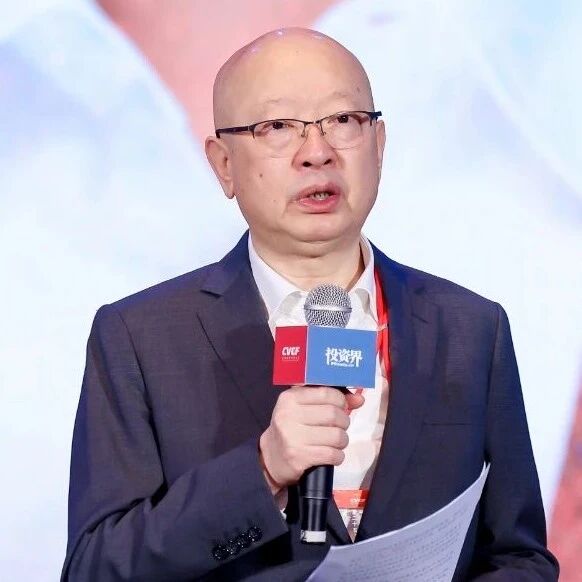
Core Viewpoint - The article emphasizes the strategic role of venture capital in driving innovation and economic growth in China, highlighting the importance of aligning national strategic needs with investment fund demands [2][5][11]. Group 1: National Strategic Perspective - Innovation is recognized as a core development strategy for countries, with two main paths: innovation investment-driven strategy and traditional investment-driven strategy. The former supports small enterprises and disruptive technologies, while the latter relies on traditional financing methods [3][4]. - Countries like the US, Israel, and China exemplify the innovation investment-driven strategy, leading to significant capital inflow into technology innovation and economic growth [4][5]. - China has adopted an innovation investment-driven strategy, resulting in a GDP growth of over 13 times since 1999, with investment contributing over 43% to this growth [5][6]. Group 2: Investment Fund Demand - Investment funds prioritize creating good returns for investors, focusing on five key processes and directions that are expected to yield favorable investment returns [7]. - The first focus is on addressing "bottleneck" issues in industries, ensuring supply chain security through technological breakthroughs, with significant investments in the semiconductor sector [7][8]. - The second focus is on the digital transformation of traditional industries, enhancing efficiency through the integration of software and hardware [8][9]. - The third focus is on the carbon neutrality process, which has evolved from being finance-driven to policy-driven, and now to demand-driven, necessitating external funding support for disruptive innovations [9][10]. - The fourth focus is on the health sector, shifting from "symptomatic treatment" to "curative treatment," with predictions that China will lead in biopharmaceuticals in the next seven to eight years [10]. - The fifth focus is on consumer upgrades, which are crucial for economic growth and should receive more attention from capital markets [10]. Group 3: Market Outlook and Recommendations - The article suggests seven key recommendations for the next phase of China's equity investment, including fostering "patient capital" and encouraging innovation while being tolerant of failure [11][12]. - It advocates for a balanced capital source structure in the equity investment industry, comprising government capital, various financial capitals, and family wealth [12]. - Emphasis is placed on enhancing post-investment management and services to support companies in overcoming challenges and accelerating growth [13]. - The development of S funds and follow-up funds is crucial for maintaining a vibrant investment ecosystem, preventing potential exit crises [14]. - The article calls for a balanced support for various industries to ensure that innovation thrives across sectors, avoiding excessive concentration in specific areas [14][15].
老登经济有了新欢
投资界· 2025-12-03 09:38
Core Viewpoint - The article discusses the changing consumption patterns and values of the "old generation" (老登), particularly in relation to luxury goods such as fine liquor, watches, and cars, highlighting a shift towards health and practicality over status symbols [2][4][9]. Group 1: Changing Consumption Patterns - The traditional consumption triangle of fine liquor, luxury watches, and fuel vehicles is losing its appeal among the older generation, who are now more concerned with health and practical expenses [2][4]. - The demand for high-end liquor, particularly Moutai, is declining, with prices dropping significantly; for instance, the price of a 53-degree Moutai has fallen to around 3,150 yuan for a double bottle [8]. - The secondary market for luxury watches has seen drastic price reductions, with models like the "Green Gold Daytona" dropping from over 1 million yuan to around 400,000 yuan [7]. Group 2: Health and Lifestyle Changes - There is a growing emphasis on health among the older generation, leading to reduced alcohol consumption; for example, one individual noted that drinking two bottles of Moutai in a meal is no longer common [9][10]. - The younger generation's aversion to traditional drinking culture is influencing older consumers, as they seek alternatives like light wines that are more affordable and less harmful [10]. - The shift in values is evident as older consumers prioritize health-related expenses, such as medical insurance and wellness products, over luxury items [13][14]. Group 3: New Consumption Trends - The article notes a transition in leisure activities, with older consumers increasingly spending on experiences like travel and entertainment rather than luxury goods; for instance, there has been a significant increase in outbound travel orders among those aged 55 and above [12]. - The entertainment industry is seeing a rise in older audiences, with a notable percentage of concert-goers now being over 45 years old, indicating a shift in how this demographic chooses to spend their leisure time [13]. - Businesses in the liquor industry are adapting to these changes by exploring new product lines and marketing strategies, although results have been mixed [13].


中国工厂震撼西方高管
投资界· 2025-12-03 09:38
Core Insights - The article highlights the transformative impact of automation and AI in China's manufacturing sector, showcasing how Western executives are both impressed and fearful of China's advancements in smart manufacturing [3][4][5][8]. Group 1: Automation and Smart Manufacturing - China's factories are increasingly automated, utilizing AI, IoT, and robotics to achieve full-process automation with minimal human intervention [4][5]. - Executives from Western companies, such as Ford and Octopus Energy, express astonishment at the high levels of automation and the significant productivity gains achieved in Chinese factories [4][5]. - By 2025, AI algorithms are expected to make 80% of manufacturing decisions in some Chinese factories, optimizing production parameters and resource allocation autonomously [4]. Group 2: Robotics Industry Growth - China has become the world's largest industrial robot market for 12 consecutive years, with over 200,000 industrial robots operating in factories by 2024 [11]. - The density of robots in China has increased nearly 19 times over the past decade, reaching 470 robots per 10,000 manufacturing workers, surpassing the US and Germany [14]. - By 2024, Chinese domestic manufacturers are projected to capture 57% of the domestic market share for robots, a significant increase from 28% a decade ago [15]. Group 3: Global Economic and Geopolitical Implications - The automation revolution in China is reshaping global economic competition and geopolitical dynamics, with implications for manufacturing and supply chain control [16][19]. - The competition in AI and robotics is likened to a new arms race, with significant stakes for national economies, particularly for the US, which views AI and robotics as crucial for revitalizing its manufacturing sector [16][19]. - China's advancements in automation are seen as a means to secure its position in global supply chains, moving beyond reliance on cheap labor to efficient automated systems [19][20]. Group 4: Challenges and Strategic Responses - The US is urged to develop a national robotics strategy and enhance workforce skills to compete effectively with China's automation advancements [24][25]. - Key strategies include fostering technological alliances, focusing on differentiated innovation, and addressing infrastructure challenges related to energy consumption by AI and robotics [24][25]. - China’s advantages lie in its large-scale deployment of robots, comprehensive industrial ecosystem, and strong governmental support for technological advancements [26][27]. Group 5: Future Outlook - The ongoing industrial revolution driven by robotics and AI is expected to have profound and far-reaching effects, presenting both opportunities and responsibilities for all stakeholders involved [28][30]. - The historical context of great powers rising through technological revolutions underscores the importance of seizing the current wave of automation and AI advancements [30].

清科倪正东:今年VC/PE行业回暖了
投资界· 2025-12-03 09:38
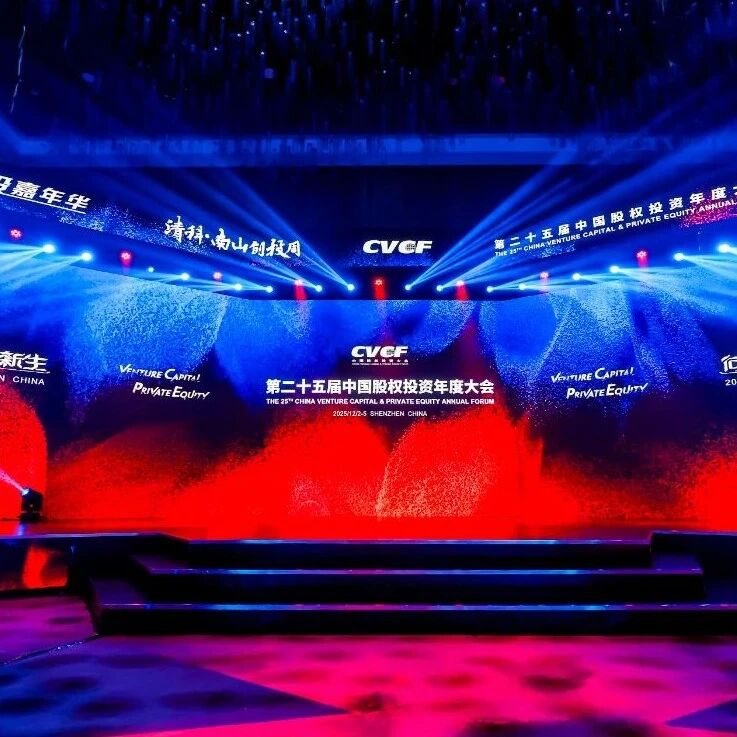
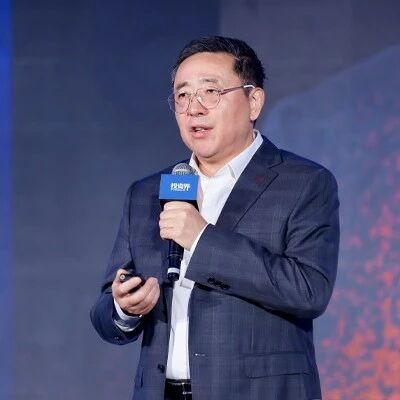
晴雨表。 报道/投资界PEdaily 一年一度创投圈盛会如约而至。2 0 2 5年1 2月2 - 5日,由清科控股(0 1 9 4 5 .HK)、投资 界主办,汇通金控、南山战新投联合主办的第二十五届中国股权投资年度大会在深圳举 行 。 本 届 大 会 集 结 逾 千 位 顶 尖 投 资 人 、 领 军 企 业 家 , 打 造 兼 具 深 度 洞 察 与 互 动 活 力 的"创·投嘉年华",致力成为观察中国科技创新的窗口。 开 场 环 节 , 清 科 集 团 创 始 人 、 董 事 长 ; 清 科 控 股 董 事 长 兼 CEO 倪 正 东 带 来 一 组 全 新 数 据,解读中国创投行业最新景象。告别冬天,创投市场体感明显回暖;数字背后,也反 映着创投行业的拐点到来。此情此景,相信每一位从业者都有一番切身体会。 以下为演讲实录, 经投资界(ID: p e d a i l y 2 0 1 2)编辑: 时间非常快,一晃2 5年。今天在深圳南山,也特别感谢深创投、达晨、同创伟业、东方 富 海 、 基 石 资 本 等 深 圳 老 伙 计 们 的 一 路 陪 伴 。 我 2 0 0 1 年 到 深 圳 , 那 时 中 ...

毅达资本应文禄:GP的灵魂拷问
投资界· 2025-12-03 09:38
Core Viewpoint - The core message emphasizes the importance of adhering to market-oriented principles and returning to the original intent of venture capital, which serves as a guide for future direction and a source of revitalization for the industry [3]. Group 1: Structural Changes in the Industry - The venture capital industry is undergoing profound structural changes, with three key transformations: reshaping of the global technology landscape, reconstruction of economic order, and revaluation of Chinese asset values [5]. - Predictions made at the beginning of the year regarding a favorable funding environment and active primary market investments are being validated, with significant capital flow into technology assets [5]. Group 2: Global Consensus on Innovation - A clear global consensus has emerged that innovation-driven growth is the main theme of the era, as evidenced by the significant rise in technology stocks in the U.S. capital markets since the 2009 financial crisis [6]. - The weight of technology stocks in global mutual funds and ETFs has increased to 28.5%, reflecting a nearly 10 percentage point rise over the past five years [6]. Group 3: Domestic Innovation Practices - Since 2018, China's focus on high-quality development driven by technological innovation has yielded substantial results, with advancements in various sectors such as renewable energy and artificial intelligence [7]. - The success of the Sci-Tech Innovation Board has provided crucial financing platforms for hard-tech enterprises, leading to a systemic revaluation of technology assets [8]. Group 4: Investment Opportunities - Three definitive investment opportunities have been identified: 1. Technological self-reliance driven by external pressures [9]. 2. The pervasive impact of AI across all industries [9]. 3. Mergers and acquisitions in the context of a stock economy, as the market shifts towards high-quality development [9]. Group 5: Returning to the Original Intent - The essence of investment lies in investing in people, with a focus on the transformation of founders from technical experts to comprehensive leaders capable of guiding companies through various stages of growth [10][11]. - The majority of failures in startups can be traced back to the limitations of the founders, highlighting the need for their continuous evolution [10]. Group 6: Upholding Market-Oriented Principles - The importance of maintaining market-oriented value creation capabilities is emphasized, especially in the context of the increasing dominance of state-owned limited partners (LPs) [12]. - Four core capabilities are essential for venture capital firms: 1. Professional return capabilities centered on DPI [12]. 2. Comprehensive compliance and risk control abilities [12]. 3. Ecosystem symbiosis as "super connectors" [12]. 4. Market adaptability to navigate through cycles [13]. Group 7: Conclusion - The mission of the venture capital industry is to identify and invest in the 5% of key variables that can change the world, which includes "creative destruction" technologies and exceptional entrepreneurs [14]. - To fulfill this mission, venture capital firms must remain committed to market-oriented principles and maintain independent judgment to become rare variables in the industry [14].
11位勇士围殴OpenAI
投资界· 2025-12-02 08:36
Core Insights - Anthropic has achieved a valuation of $350 billion, marking a significant shift in the enterprise AI market with its Claude series capturing 32% market share, effectively ending OpenAI's dominance [1][2] Group 1: Leadership and Team Composition - Anthropic's leadership consists of 11 diverse and legendary figures, including former key players from Instagram and OpenAI, showcasing a blend of expertise and vision [2] - Dario Amodei, the CEO, made a pivotal decision to leave OpenAI due to disagreements over safety issues, bringing along six trusted colleagues to establish Anthropic [5][6] - Daniela Amodei, the president and Dario's sister, plays a crucial role in operational management, ensuring the company's growth is sustainable [8] Group 2: Key Personnel and Their Backgrounds - Mike Krieger, co-founder of Instagram, joined Anthropic to transform AI models into widely used products, indicating a shift towards user-centric design [11] - Rahul Patil, the CTO, left OpenAI due to concerns over safety and has found a resonant mission at Anthropic focused on optimizing for human prosperity in the post-AGI era [15] - Jared Kaplan, the chief science officer, applies principles from theoretical physics to guide the company's long-term research direction [17] Group 3: Security and Policy - Vitaly Gudanets, the chief information security officer, brings experience from Netflix to safeguard Anthropic's data amidst a rapidly evolving tech landscape [22] - Jack Clark, the policy lead, transitioned from journalism to policy-making at OpenAI and now aims to establish AI regulations through his role at Anthropic [26] - Krishna Rao, the CFO, is tasked with developing a financial strategy that could lead Anthropic towards a trillion-dollar valuation [28]