投资界

Search documents
县城中产,被批量收割
投资界· 2025-12-08 09:44
以下文章来源于图数室 ,作者图数室 图数室 . 新浪新闻出品《图数室》栏目。 关注我们,用数据读懂热点。 财富粉碎机。 作者/图数室 来源/图数室 人到中年梦碎奶茶店 想辞职开店的朋友有福了!某创业导师的连麦直播奉上最新电子榨菜:抵押房子开6层 奶茶大厦的大哥,用洗脚盆放榨汁工具的大姐,负债开中药奶茶店的离异宝妈……一群 中年人押上半生积蓄,加盟一家名不见经传的奶茶店,却敢于和雪王中门对狙。 他 们 的 创 业 结 局 让 人 心 惊 胆 战 : " 投 6 0 万 开 奶 茶 店 血 本 无 归 " , " 砸 3 3 万 日 销 仅 1 0 0 " , " 2 8 万 一 个 月 亏 精 光 "…… 这 些 " 商 业 新 秀 " 的 故 事 , 足 以 打 消 普 通 人 9 9 % 不 切 实 际的暴富幻想。 (ID:sina-tushushi) 县城奶茶一条街上,正牌连锁店门口排着队,几步外招牌相似的"追随者"们却总开了又 倒 , 循 环 挣 扎 。 不 少 中 年 人 为 寻 事 业 " 第 二 春 " 加 盟 开 店 , 反 被 " 快 招 " 套 路 掏 空 半 生 积 蓄。 县城中年有自己的 ...


300亿,北京并购基金诞生
投资界· 2025-12-08 09:44
Core Viewpoint - The article discusses the recent establishment of the "Beijing Jingguo Chuangzhi Computing M&A Equity Investment Fund" with a registered scale of 30 billion RMB, highlighting a new wave of state-owned enterprise (SOE) mergers and acquisitions (M&A) in China, particularly in Beijing [5][12]. Group 1: Fund Establishment - The "Beijing Jingguo Chuangzhi Computing M&A Fund" has a total registered capital of 30 billion RMB, with the main contributor being Beijing Energy Group, which has committed 29.99 billion RMB [9]. - The fund is managed by Beijing Jingguo Fund Management Co., Ltd., which is a subsidiary of Beijing Innovation Industry Investment Co., Ltd. [9][10]. Group 2: National Trends in M&A - There is a growing trend of SOEs establishing M&A funds across various regions in China, including Fujian, Shanghai, and Zhejiang, indicating a nationwide push for M&A activities [5][12]. - The article notes that since last year, M&A has become a key focus in the investment community, with numerous policies being introduced to promote M&A across different provinces [13]. Group 3: Policy Support - The recent policy from Beijing encourages high-quality listed companies and various investment entities to establish and operate M&A funds in a market-oriented manner, aiming to enhance the synergy between government investment funds and M&A funds [11][12]. - The establishment of these funds is seen as a strategic move to optimize the layout of state-owned capital and support the development of high-tech industries and small to medium-sized enterprises [10][15]. Group 4: Broader Implications - The article emphasizes that the current wave of M&A is not just a financial maneuver but a strategic response to global economic shifts and competitive pressures, aiming to reshape industrial landscapes and foster globally competitive enterprises [15][16]. - The establishment of SOE-led M&A funds is expected to attract more social capital towards strategic emerging industries, indicating a significant transformation in the investment landscape [15][16].
张予彤,出任月之暗面总裁
投资界· 2025-12-08 09:44
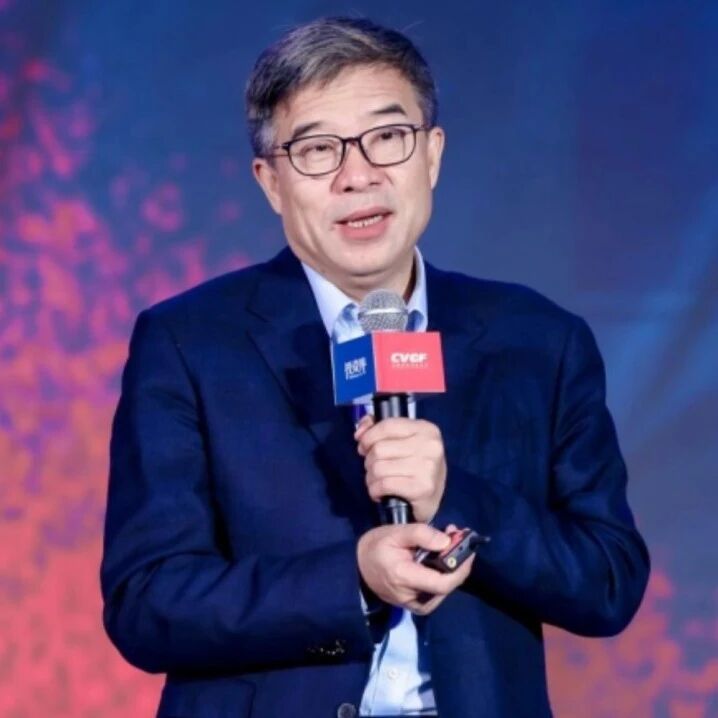
新征程。 作者/ 周佳丽 吴琼 报道/投资界PEdaily 近日,张予彤意外出现在清华大学的一场交流会上。 不同于以往,这一次她带着新t i t l e亮相——月之暗面Kimi总裁,"算是第一次以这个职 务身份亮相"。 投资界从接近 Ki m i 人士了解到,张予彤已经出任月之暗面总裁一职,"负责公司的整 体战略与商业化,包括融资,也会参与一些新产品的开发。" 就这样,杨植麟邀请张予彤作为联合创始人加入月之暗面。 根据 他此前的声明,张予 彤的股份按照多年兑现(v e st i n g),兑现的条件是持续性为公司提供多年的服务及产 出业绩。 此 后 , 创 投 圈 见 证 了 月 之 暗 面 的 融 资 速 度 , 身 后 集 结 了 红 杉 中 国 、 真 格 基 金 、 砺 思 资 本、今日资本等知名基金以及阿里、美团、小红书等大厂,估值也是螺旋式上升,早已 挺进3 0亿美元大关。 这当中,张予彤起到了不可或缺的作用。尤其是月之暗面阿里融资案中,她被认为是背 后最重要的推动者。杨植麟此前也在一份声明中提到,(张予彤)在业务、战略以及多 场融资战役中对公司做出了重要贡献。 回想过去一年,张予彤与老东家金沙江 ...

东方富海陈玮:中国股市未来至少增加100万亿市值
投资界· 2025-12-07 07:26
Group 1 - The annual China Private Equity Annual Conference will be held from December 2 to 5, 2025, in Shenzhen, focusing on observing China's technological innovation [2] - The chairman of Dongfang Fuhai, Chen Wei, predicts that the Chinese stock market will increase by at least 100 trillion yuan in value [2][16] - The current market dynamics show that the U.S. tech giants have a dynamic P/E ratio of around 28 times, while the Hang Seng Tech index is at 24 times, indicating a lower valuation compared to the internet bubble era [7] Group 2 - AI investments are projected to reach $1.4 trillion from 2025 to 2027, with $500 billion already invested in AI this year [4] - The global investment in data center construction is expected to be between $5 trillion to $7 trillion over the next five years, with the U.S. leading the charge [4] - The current AI user penetration is only 10% of mobile phone users, indicating that AI is still in its early stages compared to the internet's growth [8] Group 3 - Historical comparisons suggest that the current AI wave may resemble the early internet phase, with significant potential for future growth [6][11] - The internet infrastructure investment from 1995 to 2023 totaled $11 trillion, while AI infrastructure investments from 2023 to 2025 are projected to be only $1 trillion, indicating room for growth [8] - The potential for AI to revolutionize productivity and wealth generation is significant, with past technological revolutions leading to exponential economic growth [10][11] Group 4 - The Chinese stock market is expected to see a significant increase in market value, potentially adding 100 trillion yuan, driven by technological advancements and innovation [16][17] - The era of large tech companies in China is emerging, with a notable increase in the number of companies valued at over 100 billion yuan [17] - The investment ecosystem in China is robust, with a focus on innovation and technology, positioning it as a center for creating miracles in the industry [17]
一位女博士又融资了
投资界· 2025-12-07 07:26
Core Viewpoint - The article highlights the emergence of Xingya Semiconductor, founded by Dr. Luo Weiwei, who is recognized for her expertise in GaN technology. The company has attracted significant investment from prominent firms like Sequoia China and Hillhouse Capital, indicating strong market interest in its innovative approach to silicon-based Micro LED technology [2][3][5]. Company Overview - Xingya Semiconductor was established in September 2022 and is led by Dr. Luo Weiwei, who also heads Innoscience Technology, a publicly listed GaN power semiconductor company [3]. - The company focuses on silicon-based Micro LED technology, targeting applications in next-generation AI and consumer electronics, including AR glasses and wearable devices [3][4]. Technology and Production - Xingya Semiconductor has adopted an 8-inch silicon-based GaN LED epitaxy and hybrid bonding technology, creating an IDM model that is highly compatible with mainstream CMOS semiconductor processes. This technology offers rapid response times, excellent contrast and color saturation, high stability, and long lifespan, making it suitable for AR/MR glasses [4]. - The company completed its factory construction and equipment installation in just eight months after establishing its operations in Wuhan's Optics Valley. It has surpassed 100 intellectual property rights and launched its first 8-inch silicon-based GaN Micro LED production line in September 2023, marking a significant milestone as the first of its kind in China [4]. Investment and Growth - Xingya Semiconductor has successfully attracted a diverse group of investors, including Henan State-owned Luoyang Science and Technology Innovation Group, Huaden International, and others. The recent addition of Sequoia China and Hillhouse Capital as investors signals a strong endorsement of the company's potential [5][6]. - The production line is expected to achieve an annual output of 12,000 8-inch Micro LED chips, with a factory area of approximately 1,600 square meters [4]. Leadership and Vision - Dr. Luo Weiwei's entrepreneurial journey is marked by her transition from a successful career at NASA to founding multiple high-tech companies in China. Her commitment to developing "China's chip" has led to significant advancements in the semiconductor industry [6][7]. - The company aims to fill the gap in the domestic market for 8-inch silicon-based GaN technology, which has seen a substantial increase in yield and cost efficiency compared to smaller wafer sizes [7]. Industry Context - The article emphasizes the growing presence of female leaders in the semiconductor and technology sectors, with Dr. Luo Weiwei serving as a prominent example of breaking gender stereotypes in a traditionally male-dominated field [9][10].

招银国际周可祥:中国创新药迎来爆发时代
投资界· 2025-12-07 07:26
Core Insights - The article emphasizes that the Chinese innovative drug industry has significantly improved its systemic capabilities, leading to explosive growth in overseas business, with a transaction scale reaching approximately $100 billion in the first three quarters of 2025, including upfront payments of $5 billion [3][4] - The market is being activated by a series of major transactions, with companies like Kangfang Biotech, Hengrui Medicine, and Kelun Pharmaceutical making significant moves, resulting in a frenzied atmosphere in the Hong Kong IPO market [3][4] Innovative Drug Sector - China's innovative drug industry has a competitive edge over the U.S. in terms of R&D efficiency, costs, and clinical research, supported by a large clinical patient population and unique regulatory advantages [4] - The article draws parallels between the innovative drug sector and the semiconductor industry, suggesting that as traditional innovation approaches its limits, new technologies like dual antibodies and ADCs will become the core of innovation, leveraging China's industrial advantages [5] - Key factors for investment in innovative drugs include innovation, speed, and positioning, with companies needing to develop unique drug candidates or dominate specific niches to achieve profitability [6] Challenges in the Innovative Drug Market - Despite having the capability to develop original innovative drugs, the Chinese market is limited, leading companies to rely on overseas expansion, with only 3% of the global innovative drug market size compared to the U.S. [6][7] - Chinese innovative drug companies face challenges in late-stage clinical research capabilities and global commercialization, which are critical for competing in high-value markets like the U.S. [7][8] Biomanufacturing Sector - The biomanufacturing sector faces complexities, particularly in product selection, where over 90% of companies fail due to poor choices [9] - Successful biomanufacturing requires a focus on cost control, engineering capabilities, and commercial value, with a strong emphasis on collaboration among scientists, industry experts, and project managers [10][11] - The market size is crucial for biomanufacturing companies, as only those targeting trillion-level markets can potentially develop into leading enterprises [10] Investment Considerations - The article suggests that investment in innovative drugs and biomanufacturing should align with national strategies and market demands, emphasizing the importance of selecting companies that can create real value [11][12] - Investors should focus on identifying entrepreneurs with ambitious goals and the potential to lead in their fields, as well as being open to disruptive business models [13][14] - The investment landscape is characterized by a need for precision in selecting companies with core competitive advantages, as the barriers to entry are low but the potential for high returns is significant [14]
LP圈发生了什么
投资界· 2025-12-06 07:56
Core Insights - The article highlights the recent establishment of various investment funds across different regions in China, focusing on technology innovation, industrial upgrades, and strategic sectors such as AI, biotechnology, and renewable energy. Fund Establishments - Fujian (Xiamen) Social Security Science and Technology Innovation Fund launched with an initial scale of 200 billion RMB, aimed at supporting national innovation strategies and enhancing local industrial systems [2] - Beijing Jingguochuang Intelligent Computing M&A Fund established with a registered scale of 300 billion RMB, primarily funded by Beijing Guoguan and other local entities [3] - Fudan University launched an overseas investment fund with a target scale of 100 million USD to enhance its global innovation ecosystem [4] - Southern Power Grid and ICBC established a 140 billion RMB fund focusing on new energy systems and infrastructure [5] - Wuhan's Hongshan District government fund expanded to 100 billion RMB, targeting investments in AI, semiconductor, and biomedicine sectors [7] - Xiamen set up a 50 billion RMB industrial M&A fund to promote technology and industrial integration [8] - Fujian launched three M&A funds with a target scale of 25 billion RMB, focusing on new materials and biotechnology [9] - Anhui's first AIC fund established with a scale of 10 billion RMB, focusing on local economic development [10] - Fuzhou initiated its first low-altitude industry fund with a total investment of 5 billion RMB, targeting smart infrastructure and AI applications [12] - Zhejiang established a 5 billion RMB intelligent ship industry fund to support local innovation [13] - Shaanxi launched a QFLP fund with a scale of 1.85 billion RMB, focusing on early-stage projects in new energy and materials [14] - Ningbo's low-altitude economy fund registered with a total scale of 10 billion RMB, emphasizing market-oriented operations [15] - Huhehaote's biomedical industry fund registered with an initial scale of 5 billion RMB, focusing on high-tech projects [17] - Guotai Junan launched a 1.5 billion RMB technology investment fund, focusing on AI infrastructure and applications [18] - The Guangzhou Angel Mother Fund announced its fifth batch of sub-funds, with a total planned scale of 123.75 billion RMB [22] - The Shaanxi Science and Technology Innovation Mother Fund selected three GP management institutions to support strategic emerging industries [24] - Changsha's Wangcheng District announced plans for a 50 billion RMB mother fund to drive local economic development [25] - Hebei's Xiong'an Satellite Fund aims to raise 200 million RMB for investments in satellite internet technologies [27] - Xianning's industrial development fund focuses on supporting local industrial upgrades and technological transformation [28] - The Guangzhou Angel Mother Fund aims for a total scale of 100 billion RMB, focusing on technology innovation and transformation [29]

万亿国资去重庆了
投资界· 2025-12-06 07:56
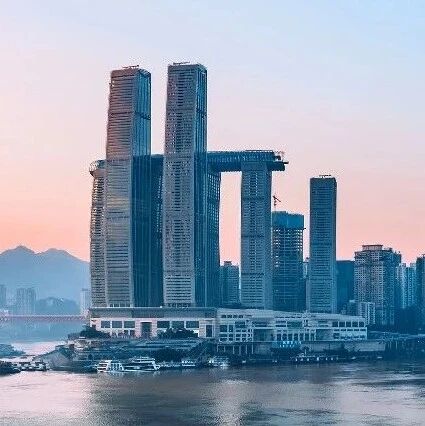
中国国新落地重庆。 作者/周佳丽 正式亮相。 1 2 月 1 日 , 国 新 控 股 ( 重 庆 ) 有 限 公 司 ( 以 下 简 称 : 国 新 重 庆 ) 正 式 揭 牌 。 投 资 界 获 悉,国新重庆由 中国国新控股有限责任公司(以下简称:中国国新) 作为控股股东出 资7 0 %, 渝富控股集团 出资2 0 %, 重庆市江北区国有资本投资运营管理集团有限公司 (以下简称:江北国投) 出资1 0 %,是今年央地合作重大成果之一。 "重庆经济社会高质量发展成效明显,令人倍感振奋。"中国国新党委书记、董事长徐思 伟表示,中国国新对重庆未来发展充满信心,将持续加大在渝布局力度。 作为此次重庆方出资主体之一, 渝富控股集团 成立于2 0 0 4年,二十余年来积累了丰富 的重庆本地产业投资经验,可为国新重庆提供更多地方产业资源,实现双方优势互补, 为重庆产业发展注入新的活水。 中国国新落地重庆 渝富出资20% 创投圈对中国国新并不陌生。 成 立 于 2 0 1 0 年 , 中 国 国 新 是 国 务 院 国 资 委 监 管 的 中 央 企 业 之 一 。 自 创 立 以 来 , 中 国 国 新已累计对外投资超过 ...
万字复盘:今年VC心情好多了
投资界· 2025-12-06 07:56
Core Insights - The investment sentiment in the Chinese venture capital market is generally positive, with many industry leaders expressing optimism about the upcoming years, potentially marking the beginning of a "golden three years" for the sector [6][13][30] - The performance of the Hong Kong stock market, particularly in the biotech sector, has been strong, with some companies seeing stock price increases of 5 to 10 times, which contributes to the overall positive outlook [13][18] - There is a consensus that while opportunities exist in various sectors, including AI and healthcare, caution is warranted due to potential market bubbles, particularly in emerging technologies like robotics [20][25][29] Investment Climate - The overall investment climate is described as "good," with many firms reporting increased investment activity compared to the previous year, with some firms doubling their investment amounts [8][9][12] - Several firms have successfully exited investments through IPOs, indicating a healthy exit environment, with expectations for more IPOs in the near future [10][11][14] - The investment pace has accelerated, with many firms reporting a significant increase in the number of projects funded this year compared to last year [9][12][14] Market Opportunities - Key opportunities identified include advancements in AI, biotechnology, and the globalization of Chinese enterprises, which are seen as long-term growth drivers [17][20][25] - The robotics sector is highlighted as a rapidly growing area, although concerns about potential bubbles exist due to the influx of capital and competition [20][25] - The healthcare sector, particularly innovative pharmaceuticals, is also viewed as a significant opportunity, with many firms focusing on integrating into global supply chains [23][24][30] Challenges and Risks - The venture capital industry faces challenges related to fund duration and the need for extensions, which could impact the stability of the sector if not addressed [6][44] - There are concerns about the valuation discrepancies in the market, particularly in the Hong Kong stock market, where some companies are overvalued compared to their performance [18][19] - The regulatory environment, including IPO approval processes and tax policies, is seen as a barrier to optimizing the investment landscape, necessitating reforms to enhance market efficiency [42][43][44]

外语学院,正在批量消失
投资界· 2025-12-05 02:34
Core Viewpoint - The article discusses the transformation and restructuring of foreign language programs in higher education institutions in response to the challenges posed by advancements in technology, particularly AI, and changing job market demands [2][6]. Group 1: Current State of Foreign Language Programs - Foreign language programs have historically been popular in China, with over 1,022 higher education institutions offering undergraduate programs in 55 languages as of 2024 [6][7]. - However, the expansion of these programs has led to issues related to quality, layout, and job market demand, resulting in a significant number of program closures. Between 2018 and 2022, 28 foreign language-related programs were discontinued across 109 institutions [7][8]. - Many universities have halted admissions for certain foreign language programs due to low employment rates, with specific languages like Spanish and Korean being flagged in various provinces for poor job prospects [8][10]. Group 2: Institutional Responses and Innovations - In response to the challenges, several universities have merged and restructured their foreign language departments to create interdisciplinary programs that combine language skills with other fields such as technology and international relations [4][10]. - Notable examples include Hunan University of Technology, which formed a new Language Culture and Media College, and Jilin University, which established a Foreign Language and Culture College [4][10]. - The article highlights that 30 universities received an A+ rating in foreign language programs, indicating a focus on integrating language education with practical applications in various sectors [11][12]. Group 3: Embracing Technology and AI - Institutions are increasingly incorporating AI and technology into their curricula, with Beijing Foreign Studies University leading the way by exploring "language + AI" talent development models [17][19]. - Other universities, such as Guangdong University of Foreign Studies, have launched dual degree programs that combine foreign languages with data management and applications, aiming to produce graduates with strong language skills and data analysis capabilities [18][19]. - The article emphasizes that embracing technology rather than resisting it may provide a more effective solution for foreign language programs in the face of AI advancements [21][22].