投资界

Search documents
从负资产到涨十倍:一家港股上市公司的逆境突袭
投资界· 2025-09-26 07:20
Core Viewpoint - The article discusses the transformation of Shoucheng Holdings (0697.HK) from a struggling company on the verge of delisting to a leading player in infrastructure and technology investments, highlighting its "entrepreneurial evolution" over the past eight years [3][4][6]. Group 1: Company Transformation - Shoucheng Holdings faced significant challenges from 2013 to 2015, accumulating losses of nearly 6.4 billion HKD and an additional 1.6 billion HKD in 2016, leading to a crisis of survival [3][4]. - The company successfully transitioned from a traditional steel manufacturing and iron ore trading business to a modern asset management operator by divesting heavy asset businesses and focusing on parking assets and infrastructure management [7][8]. - In 2018, the company turned profitable with a profit increase of 516.4% to 3.53 billion HKD, following strategic investments from notable institutions like Orix and JD Group [8][9]. Group 2: Financial Performance - In the first half of 2025, Shoucheng Holdings reported total revenue of 731 million HKD, a year-on-year increase of 36%, and a net profit of 339 million HKD, up 30% [6]. - The company has fully repaid its bank loans, achieving a low interest-bearing debt ratio of 7.9%, reflecting its strong financial health and operational efficiency [6]. Group 3: Entrepreneurial Spirit and Governance - The company's success is attributed to a market-oriented team with a strong entrepreneurial spirit, characterized by proactive engagement and a sense of responsibility among employees [11][12]. - Shoucheng Holdings has established an agile governance structure that combines a decision-making board with an empowered executive committee, ensuring effective and timely decision-making [15][16]. Group 4: Market Position and Strategic Focus - The company has positioned itself as a significant player in the REITs market and is actively involved in the development of smart parking solutions and robotics, addressing urban upgrading and industrial transformation needs [19][20][21]. - Shoucheng Holdings has created a "three-in-one" ecosystem in the robotics sector, integrating fund investment, industrial operation, and leasing services, which has led to substantial returns on investment [22][23]. Group 5: Future Outlook - The company aims to continue its growth trajectory by addressing real societal challenges and leveraging its financial stability to attract long-term capital for new market opportunities [24].


蔡浩宇,正在招人
投资界· 2025-09-26 07:20
Core Viewpoint - The article discusses the ongoing recruitment efforts by Anuttacon, a company founded by former Mihayou CEO Hugh Tsai, highlighting the fierce competition for AI talent in the industry [3][5][11]. Company Overview - Anuttacon is focused on developing AGI (Artificial General Intelligence) and has begun hiring extensively for roles such as AI trainers, with a particular emphasis on pre-training and LLM (Large Language Model) talent [5][7]. - The company aims to create a highly creative team to innovate in the AI and gaming sectors, reflecting a shift in game development paradigms due to advancements in AI technology [5][6]. Recruitment Strategy - Anuttacon's recruitment efforts have expanded beyond the initial focus on the San Francisco Bay Area to include locations such as Singapore and Beijing, indicating a broader strategy to attract global AI talent [7]. - The company is offering competitive salaries for positions, with AI trainers earning between $20 to $30 per hour [7]. Industry Context - The AI industry is experiencing a talent war, with top-tier AI experts being a scarce resource. Companies are willing to invest heavily to secure these individuals, as evidenced by Meta's $15 billion investment in Scale AI [12][13]. - The article notes that the number of elite AI experts globally is less than a thousand, primarily concentrated in major tech firms like OpenAI, Google, and Meta, highlighting the competitive landscape for talent acquisition [12][13]. Talent Landscape - Chinese AI researchers are particularly sought after, with 50% of AI research personnel globally coming from China, indicating a significant talent pool that companies are eager to tap into [12][13]. - The article suggests that the future of AI competition may hinge on the ability to attract and retain top talent, with many of these individuals coming from prestigious academic backgrounds [12][13].

生物医药开始翻身了
投资界· 2025-09-26 07:20
Core Viewpoint - The article emphasizes the importance of staying updated with investment trends and market dynamics to identify potential opportunities and risks in the investment landscape [1] Summary by Relevant Sections - The article highlights the significance of following investment circles and trends to gain insights into market movements and investment strategies [1]
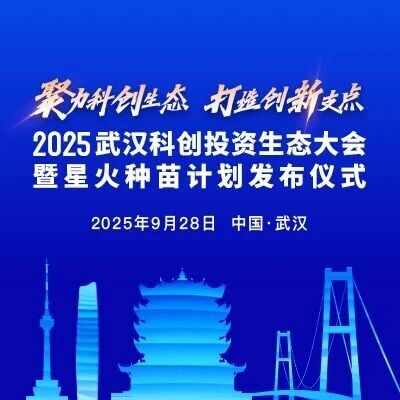
2025武汉科创投资生态大会暨星火种苗计划发布仪式
投资界· 2025-09-25 03:51
Core Viewpoint - The 2025 Wuhan Science and Technology Innovation Investment Ecology Conference aims to enhance the city's innovation capabilities and promote high-level technological self-reliance through the "Spark Seedling Plan" and efficient capital-industry connections [1]. Event Agenda - The event will take place on September 28, 2025, in Wuhan, featuring a series of activities including guest sign-in, speeches, policy interpretations, and the launch of the "Spark Seedling Plan" [5][6]. - Key sessions include discussions on early investment market trends, patient capital, and empowering future innovations through smart services [5]. Participating Organizations - The conference is organized by various governmental and financial institutions, including the Wuhan Municipal Finance Bureau and the Wuhan Industry Investment Holding Group [10][11]. - The event will also feature a range of innovative companies showcasing their technologies, such as DaMeng Data and Tianyuan Biology, among others [7][8].
泰国苦等中国游客
投资界· 2025-09-25 03:51
Core Viewpoint - The Thai tourism industry is facing significant challenges due to a sharp decline in Chinese tourist arrivals, leading to price reductions and a series of government interventions to stimulate demand [5][19]. Group 1: Current Situation of Thai Tourism - The Thai hotel industry has seen a downturn after four years of price increases, primarily due to a substantial drop in visitors from China, with foreign tourist numbers decreasing by 7.2% year-on-year as of August [5][6]. - In the second quarter of 2025, foreign tourist arrivals in Thailand totaled 717,000, generating approximately 312 billion Thai Baht in revenue, a 12% decline compared to the previous year, with Chinese tourists down by 46% [5][6]. - The lack of Chinese tourists has led to a reliance on European visitors, but this is insufficient to compensate for the loss, indicating a structural issue in the tourism market [6][19]. Group 2: Factors Affecting Chinese Tourist Confidence - The incident involving Wang Xing, who was kidnapped at the Thai-Myanmar border, has severely impacted Chinese tourists' confidence, causing many families to choose alternative destinations like Japan and Singapore [8][9]. - Predictions suggest that in 2025, only about 500,000 Chinese tourists will visit Thailand, with most trips being business-related rather than leisure, a stark contrast to pre-pandemic figures [9][19]. - Neighboring countries such as Japan and Vietnam are experiencing significant increases in Chinese tourist arrivals, further eroding Thailand's market share [12][14][17]. Group 3: Government Response and Market Strategies - The Thai government has implemented various measures to attract tourists, including virtual currency exchanges, free domestic flight tickets, and subsidies, but these efforts have not yielded the desired results [6][18]. - The tourism industry is struggling with the effectiveness of traditional stimulus measures, as the loss of Chinese tourists represents a fundamental shift in travel preferences rather than a temporary setback [18][19]. - There are concerns that ongoing government support programs are not reaching smaller hotels effectively, leading to financial strain on these businesses [19][20].

今年最大造车IPO诞生了
投资界· 2025-09-25 03:51
Core Viewpoint - Chery Automobile has successfully completed its IPO on the Hong Kong Stock Exchange, marking the largest IPO in the automotive sector this year, with a market capitalization nearing 200 billion HKD and a share price of 30.75 HKD, reflecting strong investor confidence and growth potential [3][5]. Group 1: Company Position and Growth - Chery is the second largest independent passenger car brand in China and the eleventh largest globally, with significant growth in both new energy and traditional fuel vehicle sales, achieving over 25% growth across all categories [7]. - From 2022 to 2024, Chery's revenue is projected to grow from 92.618 billion RMB to 269.897 billion RMB, with a compound annual growth rate (CAGR) of 70.7%, while net profit is expected to rise from 5.806 billion RMB to 14.334 billion RMB, with a CAGR of 57.1% [8][9]. Group 2: Sales and Revenue Performance - In Q1 2025, Chery reported revenue of 68.223 billion RMB, a year-on-year increase of 24.2%, with net profit soaring over 90% [8]. - The sales of new energy vehicles (NEVs) have seen remarkable growth, with plug-in hybrid and range-extended electric vehicles generating 1.07 billion RMB in Q1 2025, a 314% increase year-on-year, while pure electric vehicle revenue reached 795.6 million RMB, up 295% [8][10]. Group 3: Research and Development - Chery has invested heavily in R&D, with over 14,400 R&D personnel, accounting for more than 50% of non-production staff. R&D expenditures have increased significantly, reaching 10.544 billion RMB in 2024 [10]. - The company has established a comprehensive R&D system with multiple centers globally, focusing on innovation and technology development, which has led to breakthroughs in hybrid and electric vehicle technologies [10]. Group 4: International Expansion - Chery has been a leader in exporting Chinese passenger vehicles, maintaining the highest export volume among independent brands for 22 consecutive years, with overseas revenue projected to grow significantly from 30.387 billion RMB in 2022 to 100.897 billion RMB in 2024 [21][22]. - The company has established a robust global dealer network and production bases, enhancing its competitive edge and enabling localized production, as seen with its joint venture in Spain [23]. Group 5: Future Outlook - The global automotive market is expected to grow, with a projected CAGR of 3.5% from 2025 to 2030, and Chery aims to capitalize on this by enhancing its presence in international markets, particularly in Europe and South America [20][21]. - Chery's strategic focus on new energy vehicles and technological innovation positions it well for future growth, with ambitious sales targets set for its iCAR and other brands [17][18].
80后博士,一举融资20亿
投资界· 2025-09-25 03:51
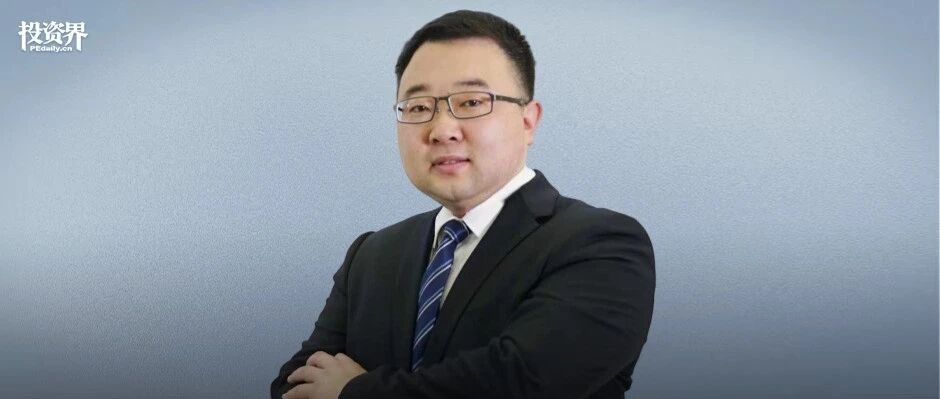
Core Viewpoint - The successful launch of the sixth batch of satellites by Time Space Path (时空道宇) marks the completion of the first phase of the Chinese private satellite constellation, indicating a significant leap from experimental networking to a complete satellite constellation in the low Earth orbit communication sector [3][11]. Group 1: Company Overview - Time Space Path has successfully launched a total of 64 satellites, establishing itself as a key player in China's commercial aerospace industry [3]. - The company recently completed a strategic financing round of 2 billion yuan, with its global headquarters now located in Hangzhou [3]. - CEO Wang Yang, an 80s PhD graduate with a background in Huawei and the Chinese Academy of Sciences, has been pivotal in driving the company's vision and operations [3][4]. Group 2: Development Journey - Wang Yang's career began in 2004 at Huawei, where he gained valuable experience in the telecommunications industry, which later influenced his decision to enter the aerospace sector [4][5]. - After joining the Chinese Academy of Sciences in 2008, he contributed to numerous successful satellite projects, which laid the groundwork for his future entrepreneurial endeavors [7][8]. - The launch of the first commercial satellite, Jia Ding No. 1, in 2018 marked a significant milestone in Wang Yang's journey towards establishing a private aerospace company [8]. Group 3: Technological Advancements - Time Space Path has innovatively integrated satellite manufacturing with automotive production techniques, establishing a satellite super factory in Zhejiang to enhance production efficiency [12]. - The factory can produce 500 satellites annually, significantly reducing production costs by 45% and shortening the manufacturing cycle to 28 days [12]. - The team consists of highly experienced engineers, with 14 out of 18 founding members having extensive backgrounds in significant national satellite projects [12][13]. Group 4: Market Position and Strategy - The global satellite industry is projected to exceed $300 billion, with significant opportunities in both manufacturing and application sectors [17]. - Time Space Path's strategy includes expanding into emerging markets in the Middle East, Southeast Asia, Central Asia, Africa, and Latin America, focusing on local partnerships to enhance service delivery [18][20]. - The company aims to create a comprehensive ecosystem that integrates satellite technology into everyday applications, making it accessible to the general public [13][21]. Group 5: Future Outlook - The completion of the first phase of the satellite constellation signifies a turning point for low Earth orbit communication, with the potential for sustainable commercial services [13]. - Time Space Path is positioned to leverage its technological advancements and market strategies to become a leading player in the global commercial aerospace sector [21].
黄土高原,崛起一个算力重镇
投资界· 2025-09-24 07:56
Core Viewpoint - The article highlights the transformation of Qingyang from a traditional energy city to a key hub in China's computing power landscape, driven by the "East Data West Computing" national strategy, with a focus on attracting AI and digital economy enterprises [2][4][12]. Group 1: Industry Transformation - Qingyang is emerging as one of the eight major computing power hubs in China, leveraging its abundant renewable energy resources to establish a national data center cluster [4][10]. - By August 2025, Qingyang's computing power scale is expected to exceed 66,000 PFlops, with projections to surpass 100,000 PFlops by the end of the year, positioning it among the top tier of national computing power clusters [4][10]. - Over 300 digital economy enterprises have gathered in Qingyang, with half being leading companies in the AI sector [4][10]. Group 2: Investment and Infrastructure - Significant investments have been made in Qingyang's computing infrastructure, including projects from China Telecom, China Mobile, and China Energy, with total investments reaching billions [11]. - In 2023, China Telecom invested approximately 4.47 billion yuan in the first phase of its smart recovery center, while China Energy committed 5.5 billion yuan to a zero-carbon big data industrial park [11]. - The establishment of a 1 billion yuan computing power voucher policy aims to reduce R&D costs for enterprises by 30%, attracting major AI companies to set up training bases [7][16]. Group 3: Emerging Sectors - Qingyang is also developing a low-altitude economy, with investments in drone technology and related industries, positioning itself as the first "low-altitude economy city" in the province [12][14]. - The city has introduced a 10 billion yuan industrial development guidance fund to support emerging industries such as AI and low-altitude economy, leveraging a "fiscal + financial" model to attract social capital [14][16]. - The establishment of a comprehensive planning system for low-altitude economic development is underway, ensuring orderly progress in this sector [16]. Group 4: Challenges and Future Outlook - Despite the advancements, challenges remain, including an incomplete supporting industrial chain and difficulties in attracting high-end talent [16]. - The article expresses optimism for Qingyang's future as it continues to develop its computing power capabilities and explore new industrial narratives [17].




500亿,苏州争抢AI
投资界· 2025-09-24 07:56
Core Insights - Suzhou aims to accelerate the development of its AI industry, targeting over 3,000 AI companies and an annual growth rate of over 20% in the smart economy sector by the end of 2026 [4][6] - The city plans to establish an AI fund cluster exceeding 50 billion yuan, reflecting its strong commitment to the AI sector [6][7] Group 1: AI Development Plans - Suzhou's "Artificial Intelligence +" action plan includes four main directions: AI + Technology, AI + Industry, AI + Livelihood, and AI + Governance [6] - The city aims to create 20 municipal AI industrial parks and develop 350 vertical large models and 200 typical application scenarios by 2026 [6] - Suzhou's AI computing power is expected to reach 17,000 PFLOPS, with plans to lead 100 AI standards and build five national open-source platforms [6] Group 2: Investment Initiatives - The city has previously announced a total investment of nearly 100 billion yuan in various specialized industry funds, including a 10 billion yuan AI industry fund and a 10 billion yuan embodied robotics fund [6][7] - A 6 billion yuan AI chip industry fund was established to support local innovative enterprises with key technologies and development potential [7] Group 3: Competitive Landscape - Other cities like Shanghai, Hangzhou, and Shenzhen are also heavily investing in AI, with Shanghai launching a 60 billion yuan national AI industry investment fund and Hangzhou planning a fund cluster exceeding 100 billion yuan [9][10] - Beijing has set up a 100 billion yuan government investment fund to support AI and robotics, indicating a competitive race among major cities for AI dominance [10]
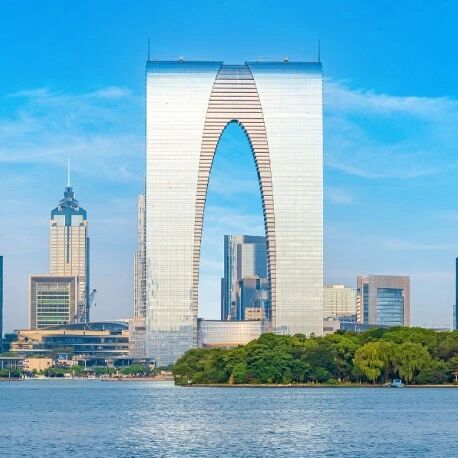
成都国资,一笔回报1000亿
投资界· 2025-09-24 07:56
Core Viewpoint - The article highlights the remarkable investment journey of Haiguang Information, which has generated significant returns for its investors, particularly Chengdu State-owned Assets, through strategic investments and market positioning in the CPU industry [3][7][10]. Investment Journey - Haiguang Information was established in October 2014 amid a global CPU market dominated by American companies, with a focus on CPU research and development [5]. - Chengdu State-owned Assets invested approximately 8.13 billion yuan for a 6.5 billion share stake in Haiguang Information in January 2016, which has since yielded substantial returns [6][8]. - The company successfully launched its first CPU product, Haiguang No. 1, in 2018, followed by Haiguang No. 2, leading to increased investor interest and subsequent funding rounds [6][7]. Financial Performance - As of September 2023, Haiguang Information's stock price reached 259 yuan per share, representing over a sevenfold increase from its IPO price, with a market capitalization exceeding 600 billion yuan [3][7]. - Chengdu State-owned Assets has realized a paper profit exceeding 100 billion yuan from its holdings, having recouped its initial investment prior to the IPO through share transfers [8][10]. Strategic Importance - The investment in Haiguang Information has not only been financially rewarding but has also contributed to the local economy by establishing key subsidiaries in Chengdu, which have become major revenue contributors [10][11]. - The article emphasizes the importance of strategic investments by local governments to foster industry growth, drawing parallels with other successful cases in China [11].