投资界

Search documents
上海一举出资17家GP
投资界· 2025-06-05 03:17
罕见一幕。 欢迎加入投资界读者群 超级创投活水。 作者 I 周佳丽 报道 I 投资界-解码LP 以下文章来源于解码LP ,作者周佳丽 解码LP . 投资界(PEdaily.cn)旗下,专注募资动态 投资界-解码LP获悉,上海三大先导产业母基金发布第二批子基金遴选结果公示。这一 次,共有17只子基金入选——集成电路2只、生物医药1 0只、人工智能5只。拟投资金额 共4 1 .5亿元,基金总规模2 41.5亿元,放大倍数5 .8 2倍。 从去年7月正式签约,到如今不到一年时间,总规模89 0亿元的上海三大先导产业母基金 的遴选与出资工作紧锣密鼓地进行中。4月,上海国投先导基金年度会议透露,两批子基 金带来近20 0个招引企业,覆盖从光子芯片到基因治疗的硬科技前沿。 目之所及,一张极具想象力的产业版图正在上海徐徐铺开。 上海国资出资40亿 投17只基金 据悉,上海三大先导产业母基金第二批子基金遴选共有79家机构踊跃申报,经过专家评 审、立项尽调、现场答辩、正式投决等流程,最终筛选出17只优质子基金。具体来看入 选名单: 第二批集成电路子基金共有两只,既有聚焦特定产业场景的CVC 基金,也有依托地方国 资的生态整合枢 ...


39岁,华科校友要IPO了
投资界· 2025-06-04 08:34
Core Viewpoint - Shenzhen Le Dong Robot Co., Ltd. is preparing for an IPO on the Hong Kong Stock Exchange, focusing on the lawn mower robot sector and has sold over 10,000 units in a year [2][9]. Company Overview - Founded by Zhou Wei, an entrepreneur born in the 1980s, Le Dong Robot has attracted investments from notable institutions such as Huaye Tiancheng and New Hope Group [2][11]. - The company specializes in visual perception technology for robots, with a product range that includes sensors and laser radar, widely used in various robotic applications [6][9]. Financial Performance - Le Dong Robot reported revenues of 234 million RMB, 277 million RMB, and 467 million RMB for the years 2022, 2023, and 2024 respectively, with net losses of 73 million RMB, 68 million RMB, and 56 million RMB during the same period [11][12]. - Revenue from visual perception products accounted for 44.3%, 60.5%, and 72.9% of total revenue in the respective years [11]. Investment and Growth - The company has completed four rounds of financing, with significant investments from Huaye Tiancheng and others, indicating strong backing from venture capital [13]. - Le Dong Robot's growth is supported by a robust ecosystem in Shenzhen Nanshan, which houses over 200 quality robot companies and is a hub for the robotics industry [14]. Industry Trends - A wave of robotics companies is preparing for IPOs, including Xian Gong Intelligent and Yun Ji Technology, indicating a growing interest in the sector [15][16]. - The industry is experiencing a "GPT moment," where the focus is shifting from functional robots to intelligent robots, similar to the pre-explosion phase of the electric vehicle market [17][18].

福建县城,诞生多少豪门
投资界· 2025-06-04 08:34
Core Viewpoint - The article explores the phenomenon of "霸总" (tycoons) in Fujian's Jinjiang, highlighting the region's unique economic landscape, family business dynamics, and the intertwining of wealth and social relationships through marriage alliances [3][4][10]. Group 1: Economic Landscape - Jinjiang has over a thousand enterprises with a valuation exceeding one billion, producing a total wealth of 750 billion RMB [3][5]. - The region is known for its dominance in the sportswear industry, with brands like Anta, Xtep, and 361° being major players, producing one in every five pairs of sports shoes globally [6][10]. - Jinjiang's GDP ranks third among China's top 100 counties, with a total market value of nearly 4 trillion RMB and a significant number of listed companies [11][12]. Group 2: Family Business Dynamics - The business landscape in Jinjiang is characterized by family-run enterprises, with a strong emphasis on local connections and family ties [3][4]. - The article notes that over half of the entrepreneurs in the 2022 Hurun Rich List from Quanzhou are from Jinjiang, indicating a concentration of wealth and influence [5]. - The region's businesses often collaborate through family alliances, leading to a network of interrelated companies that support each other [25][24]. Group 3: Marriage Alliances - Marriages among the wealthy families in Jinjiang are strategic, often involving significant financial transactions, such as a reported 1.8 billion RMB in wedding gifts [15][16]. - The article describes how these alliances are not just personal but also serve to strengthen business ties and create synergies among companies [20][24]. - The social dynamics of these marriages often reflect a preference for partners within the same socioeconomic background, emphasizing the importance of local language and culture [20][22]. Group 4: Historical Context - Many of Jinjiang's tycoons are self-made, having risen from humble beginnings, which reflects the entrepreneurial spirit of the region [27][28]. - The development of Jinjiang's economy is attributed to a model of specialization, where different towns focus on specific industries, enhancing efficiency and reducing costs [28][29]. - The article highlights the role of overseas Chinese communities in supporting local businesses, contributing to the wealth accumulation in Jinjiang [31].

互联网女皇340页AI报告刷屏
投资界· 2025-06-04 08:34
Core Insights - The report by Mary Meeker emphasizes that the AI-driven transformation is unprecedented and irreversible, marking a golden era filled with opportunities and critical moments for the industry [3]. Group 1: AI Cost Dynamics - The cost of AI inference has dramatically decreased by 99.7% in just two years, despite the training costs for top models reaching $1 billion, which has surged 2400 times over the past eight years [7][12]. - The energy consumption of Blackwell GPUs has decreased by 10,500 times compared to NVIDIA's Kepler GPUs released in 2014, indicating a significant shift in the industry's operational efficiency [12]. Group 2: Market Dynamics and Competition - India has emerged as the second-largest market for ChatGPT applications, with 13.5% of monthly active users coming from India, surpassing the U.S. at 8.9% [14][16]. - Chinese AI models are rapidly capturing market share at an unprecedented speed, with OpenAI's valuation at $300 billion appearing excessively high compared to its annualized revenue of approximately $9.2 billion, resulting in a valuation-to-revenue multiple of 33x [21][24]. - The competition between U.S. and Chinese AI models is intensifying, with Chinese models like Baidu's ERNIE 4.5 Turbo costing only 0.2% of GPT-4.5, showcasing a significant cost advantage [25][28]. Group 3: User Growth and Market Trends - ChatGPT achieved 800 million users in just 17 months, a record-breaking growth rate in technology history [38]. - OpenAI's annual search volume has reached 365 billion, which is 5.5 times that of Google, demonstrating a significant shift in the search market landscape [43]. - The global AI landscape is evolving into a new "space race," primarily between the U.S. and China, with both countries releasing a comparable number of large-scale AI systems from 2017 to 2024 [34][36]. Group 4: Future User Base and Infrastructure Changes - The next billion internet users are expected to transition directly into an AI-centric ecosystem, bypassing traditional application layers, which will fundamentally alter the current internet technology landscape [55][58]. - The potential for satellite-driven internet access could significantly increase connectivity for the 32% of the global population that is currently offline, further expanding the user base for AI applications [52][55].

广东一纸震撼创投圈
投资界· 2025-06-04 08:34
Core Viewpoint - The article discusses the recent issuance of the "Guangdong Provincial Government Investment Fund Management Measures," which introduces significant changes to the management fees and operational guidelines for government investment funds, emphasizing a market-oriented approach and the importance of performance evaluation [1][3]. Group 1: Management Fee Changes - Government investment fund management fees will be determined through market negotiation and will be based on the fund's performance evaluation results [1][27]. - Management fees should generally be calculated based on the actual contributions or investments made, and are to be paid from fund earnings or interest, with prepayment from principal allowed only if no earnings are generated [1][27]. - No management fees can be charged after the fund's duration has expired [1][27]. Group 2: Impact on the Venture Capital and Private Equity Industry - The new regulations are expected to stir discussions within the VC/PE community, particularly regarding whether these rules apply only to parent funds funded by the government or also to sub-funds [2]. - There are concerns about potential conflicts of interest between government investment funds and social limited partners (LPs) regarding management fees [2]. - The venture capital industry, previously a minor player, is now recognized as a crucial part of national strategic planning, highlighting its role in industrial upgrades and technology transfer [3]. Group 3: Government Investment Fund Structure - The government investment funds are categorized into industrial investment funds and venture capital funds, focusing on supporting key industries and early-stage enterprises [12][13]. - The establishment of these funds requires approval from local governments, with specific guidelines on fund management and performance evaluation [15][19]. - The funds are designed to operate under a market-oriented framework, with a focus on long-term investments and risk-sharing among stakeholders [22][26].
估值暴涨30倍,蔡崇信又赚了
投资界· 2025-06-03 07:38
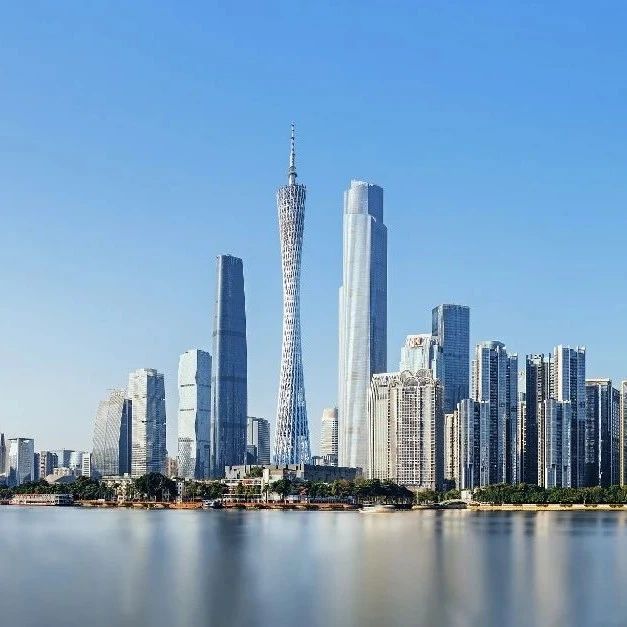
Core Viewpoint - The article highlights the significant increase in the valuation of the New York Liberty, a women's professional basketball team, under the ownership of Joe Tsai and Clara Wu Tsai, showcasing the potential of women's sports as a lucrative investment opportunity [1][3][5]. Group 1: Valuation and Investment - The New York Liberty was valued at $450 million, setting a record for women's professional sports teams [1][3]. - The team was purchased in 2019 for between $10 million and $14 million, indicating a 30-fold increase in valuation over five years [3][5]. - The funds raised from the sale of 20% equity will be used to build a new training facility costing $8 million, expected to open in 2027 [3][4]. Group 2: Management and Strategy - Clara Wu Tsai has been instrumental in improving the team's infrastructure and operations, including relocating the team's home games to the Barclays Center [4][5]. - The Liberty's roster has been enhanced with high-profile player signings, contributing to their success, including reaching the WNBA Finals in 2023 [4][5]. - The couple's strategic vision positions the Liberty to potentially become the first women's sports team valued at $1 billion by the mid-2030s [5]. Group 3: Broader Context and Future Outlook - The cumulative value of women's sports leagues like WNBA and NWSL is projected to increase by $1.6 billion in the next three years due to rising viewership and commercial revenue [5]. - The Tsai couple's ownership of both the Liberty and the Brooklyn Nets underlines their commitment to investing in sports and entertainment [7][8]. - The recent sale of a portion of the Nets for $6 billion reflects the growing financial potential of professional sports franchises [7][8].

北京300亿母基金诞生
投资界· 2025-06-03 07:38
Core Viewpoint - The article discusses the establishment of the "Chengtong Science and Technology Innovation Investment Fund" led by China Chengtong Holdings Group, which aims to support technological innovation and industrial upgrading through a significant investment fund of 30 billion yuan, with a focus on hard technology sectors [4][11]. Group 1: Fund Overview - The Chengtong Science and Technology Innovation Investment Fund has a total planned scale of 30 billion yuan and a duration of 15 years, with an initial phase of 10 billion yuan [4][5]. - The fund is a collaboration between China Chengtong, Sinopec, China Aviation Oil, and the Haidian District government, creating a multi-faceted cooperative structure [6][8]. Group 2: Investment Focus - The fund will primarily target hard technology sectors, specifically new materials, advanced manufacturing, and next-generation information technology, employing a combination of equity investment and ecological incubation strategies [7][8]. - It aims to invest in seed-stage, early-stage, and growth-stage technology innovation companies, focusing on nurturing innovative production capabilities [8][9]. Group 3: Strategic Importance - The establishment of the fund aligns with national policies aimed at promoting the development of strategic emerging industries and enhancing the role of state-owned enterprises in technological innovation [11][12]. - The fund is positioned to provide long-term financial support for the commercialization of scientific research outcomes, addressing challenges in technology validation and market entry [9][12].

港股的热闹
投资界· 2025-06-03 07:38
Core Viewpoint - The article discusses the transformation of the Hong Kong stock market, highlighting its resurgence as a capital haven despite previous challenges, driven by significant reforms and an influx of southbound capital from mainland investors [3][6][12]. Group 1: Market Performance and Trends - Xiaomi completed a HKD 4.25 billion placement, marking the third-largest flash placement in Hong Kong's history, following Meituan and BYD [3]. - In 2023, Hong Kong's IPO financing reached HKD 653.25 billion, a year-on-year increase of 691.33%, while total placements surged to HKD 1,242.68 billion, up 853.47% [4]. - The first quarter of 2023 saw a new high of 27% in equity holdings of Hong Kong stocks by actively managed public funds [4]. Group 2: Challenges Faced by the Market - Prior to 2023, Hong Kong stocks faced a four-year decline, with IPO fundraising dropping to HKD 46.3 billion in 2022, an 86% decrease from 2021, making it the lowest in 20 years [3][4]. - The market suffered from liquidity issues, with large-cap stocks contributing 90% of liquidity, while small-cap stocks struggled [9][10]. - The market's challenges were exacerbated by external factors such as aggressive interest rate hikes by the Federal Reserve and geopolitical tensions [8][10]. Group 3: Reforms and Strategic Changes - The new leadership at the Hong Kong Stock Exchange, including CEO Chen Yiting and Chairman Tang Jiacheng, aims to address liquidity issues and attract competitive companies [12][13]. - Reforms include lowering the listing thresholds for companies, with market capitalization requirements for commercialized companies reduced from HKD 60 billion to HKD 40 billion [13]. - The introduction of the FINI platform has improved the efficiency of new stock subscriptions, significantly reducing the time funds are frozen during the process [14][16]. Group 4: Capital Inflows and Market Dynamics - The influx of southbound capital has been a key driver of market resilience, with significant investments in technology and new consumer sectors [18][20]. - Public funds have increased their holdings in major stocks like Tencent and Alibaba, with a notable rise in technology-related ETFs [20][22]. - Insurance funds have actively increased their stakes in high-dividend stocks, contributing to the overall liquidity of the market [23].






骑行退潮了
投资界· 2025-06-03 07:38
Core Viewpoint - The Chinese bicycle industry is experiencing a significant shift from a "difficult-to-obtain" market in 2020 to a "de-stocking" phase in 2025, characterized by aggressive price cuts and rising inventory levels among dealers [3][4]. Group 1: Market Dynamics - The bicycle market has seen drastic price reductions, with some models experiencing price cuts of 20% to 50% since June 2024, leading to a situation where dealers face the dilemma of either selling at a loss or holding onto unsold inventory [3][4][6]. - Major brands like Merida and Giant have implemented substantial price reductions, with some models dropping by over 20,000 yuan, reflecting a broader trend of de-stocking across the industry [3][4][10]. - The inventory levels for companies like Zhonglu and Shanghai Phoenix have increased significantly, with Zhonglu's inventory rising by approximately 170% year-on-year and Shanghai Phoenix's by about 84% [4]. Group 2: Dealer Challenges - Dealers are struggling with high inventory levels and declining sales, with some reporting a two-thirds drop in sales since August 2024, leading to painful clearance sales at a loss [6][12]. - Many dealers, having stocked up during the previous growth phase, are now facing financial strain as they attempt to sell high-cost inventory at reduced prices, often incurring losses of around 1,000 yuan per bike sold [6][8]. - The lack of adequate manufacturer support for price reductions has left many dealers feeling abandoned, with only a few receiving minimal subsidies for their losses [8][10]. Group 3: Market Trends - The "cycling boom" that fueled demand from 2020 to mid-2023 has begun to wane, leading to a more rational market environment as consumer enthusiasm declines [10][11]. - The Chinese Bicycle Association reported that while mid-to-high-end bicycle sales surged over 20% during the peak of the cycling trend, demand has since cooled, indicating a shift towards a more balanced supply-demand dynamic [10][11]. - The rapid increase in the number of bicycle stores, particularly in urban areas, has contributed to market saturation, with some cities seeing a doubling of store numbers in just two years [13]. Group 4: Future Outlook - Many industry insiders predict a "store closure wave" in the latter half of 2024 as dealers reassess their operations in light of ongoing financial pressures and stagnant sales [16]. - Dealers are preparing for potential closures by evaluating their inventory and sales performance, with some indicating that if seasonal sales do not cover operational costs, they will initiate closure procedures [16].

第一开批零食店的人,赚够离场
投资界· 2025-06-02 07:25
Core Viewpoint - The snack retail industry, particularly the bulk snack stores, continues to thrive despite a wave of store closures, with significant revenue growth reported by leading companies in the sector [3][5][24]. Group 1: Industry Trends - The bulk snack industry is experiencing a "violent rise," with major players like Mingming Hen Mang and Wancheng Group achieving nearly 200% compound annual growth rate in revenue from 2022 to 2024 [3][5]. - In the first quarter of this year, 1,094 snack stores closed, while 1,400 new stores opened, indicating a dynamic and competitive market [5][24]. - The average annual revenue for successful snack stores can reach 6 million, with some owners reportedly making their first million [3][10]. Group 2: Business Model and Consumer Behavior - The business model of bulk snack stores relies heavily on low pricing and high SKU variety, with many stores offering private label products that do not carry brand premiums [10][11]. - The strategy of offering low prices is supported by economies of scale, allowing larger brands to negotiate better prices with suppliers [10][11]. - High customer retention is evident, with Mingming Hen Mang reporting 16 billion transactions in 2024 and a repurchase rate of 75% [10][11]. Group 3: Challenges and Competition - The market is becoming increasingly saturated, with reports of aggressive competition leading to price wars among stores [18][20]. - Franchisees face pressure from brand headquarters to lower prices and increase product variety, which can lead to diminishing returns for individual store owners [20][22]. - The rapid expansion of stores in close proximity has resulted in a zero-sum game, where one store's gain is another's loss, leading to significant revenue declines for many [18][20]. Group 4: Location and Market Dynamics - The success of snack stores is often linked to their location, with rural areas showing stronger consumer demand compared to urban settings, where competition and costs are higher [16][24]. - Store owners have reported that poor location choices can lead to significant financial losses, emphasizing the importance of market research before opening a new store [16][24]. - The trend of opening stores in lower-income areas is seen as a strategy to capture a more engaged customer base, as these consumers are less likely to shop online [16][24].