母基金研究中心

Search documents
证监会:遵循股权投资的基本法律原则
母基金研究中心· 2025-06-05 08:00
Group 1 - The core viewpoint emphasizes the importance of nurturing and expanding long-term and patient capital, particularly in the context of private equity funds and their alignment with the development characteristics of technology innovation enterprises [1] - The China Securities Regulatory Commission (CSRC) is advocating for the optimization of long-cycle assessment mechanisms for private equity funds to better support technology innovation [1] - There is a push to support the development of secondary market funds (S funds) and to promote the regularization of fund share transfer business, which aims to enhance the virtuous cycle of fundraising, investment, management, and exit [1] Group 2 - The initiative includes encouraging long-term capital to enter the market and continuously improving the "long money long investment" system [1] - The CSRC aims to establish a fair and reasonable legal relationship between private equity investment funds and technology innovation enterprises, as well as their founding shareholders [1] - The Mother Fund Research Center has officially launched the 2025 special list evaluation to recognize outstanding institutions and talents in the private equity fund industry, promoting healthy development in the sector [3]


折价低于10%,耶鲁拟出售25亿美元PE资产
母基金研究中心· 2025-06-05 07:31
Group 1 - Yale University is preparing to sell up to $2.5 billion in private equity assets in the secondary market as part of the "Gatsby Plan" [1] - The sale is expected to have an overall discount of less than 10%, although some asset valuations have seen discounts as high as 15% [1] - This transaction is a significant adjustment under CIO Matt Mendelsohn's leadership for the university's $41 billion endowment fund, marking one of the largest secondary market transactions of the year [1] Group 2 - The university's endowment fund is facing dual pressures: a lack of distributions from private equity funds and the prospect of rising investment income tax burdens [1] - Proposed tax rate increases for certain private school endowments by the Republican party could raise the tax rate from 1.4% to 21%, prompting elite institutions like Yale to reassess their investment strategies [1] Group 3 - The "Yale Model," pioneered by the late David Swensen, revolutionized endowment fund investment by increasing allocations to alternative assets such as hedge funds, venture capital, and private equity [2] - As of June 30, Yale holds over $10 billion in leveraged buyout and venture capital funds, with 56% of U.S. higher education endowment funds allocated to alternative investments for the 2024 fiscal year [2] - The ongoing asset sale discussions include a "mosaic transaction" allowing buyers to select specific investment funds, with several buyers, including Lexington Partners and HarbourVest Partners, evaluating the portfolio [2] Group 4 - The Mother Fund Research Center has officially launched the 2025 special list evaluation to encourage excellence in the private equity mother fund and fund industry [3] - The center will release the 2025 special list in July based on existing data and research analysis to promote healthy development in the equity investment industry [3]

唐劲草:管理费应该要基本保证基金管理团队的正常运营,并应交由市场决定
母基金研究中心· 2025-06-05 01:32
Core Viewpoint - The new management regulations for government investment funds in Guangdong Province have sparked significant industry debate, particularly regarding the calculation and payment of management fees, which may disrupt existing practices and affect the interests of general partners (GPs) and limited partners (LPs) [1][2][4]. Summary by Sections Management Fee Calculation - The management fees for government investment funds are to be determined based on actual contributions or investment amounts, which deviates from the traditional market practice where fees are typically based on committed capital [2][3]. - The established norms in the private equity industry suggest that management fees should be set by market forces to ensure the operational viability of fund management teams [2][3]. Impact on Fund Operations - The new regulations may lead to inconsistencies in management fee standards across different LPs within the same fund, potentially creating conflicts of interest [1][2]. - If management fees are excessively low, it could hinder the normal operations of private equity funds, negatively impacting the industry's health and the ability of GPs to provide quality services [2][3]. Concerns Over Fee Payment Structure - The stipulation that management fees should primarily be paid from fund earnings or interest, with the possibility of prepayment from principal, raises concerns about the financial burden on GPs if funds do not generate returns [4][5]. - There is ambiguity regarding whether "earnings" refers to book profits or cash returns, which could impose significant pressure on GPs to prioritize short-term gains over long-term investments [4][5]. Broader Implications for the Industry - The implementation of such regulations in Guangdong could set a precedent for other regions, potentially leading to widespread changes in the private equity landscape [6]. - The survival of many small to medium-sized GPs may be jeopardized if management fees are reduced, as these fees are crucial for maintaining operational stability during challenging market conditions [6][7].

北京这个区,正在打造“LGC”特色新模式
母基金研究中心· 2025-06-05 01:32
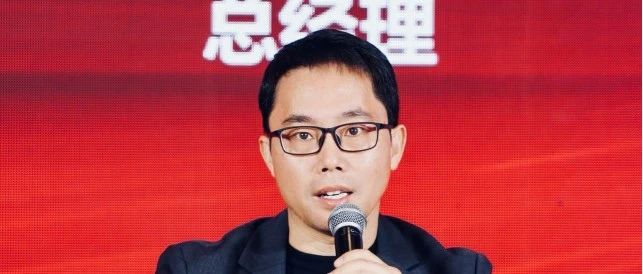
Core Viewpoint - The article discusses the innovative "LGC model" developed by Shunyi District in Beijing, aiming to address the alignment of interests between General Partners (GP) and Limited Partners (LP) in government investment funds, especially in the context of uncertain capital market exit environments [1][2]. Group 1: LGC Model and Its Features - The LGC model integrates both GP and LP roles within the government, leveraging state-owned financial licenses for credit financing, thus creating a unified investment and lending mechanism [1][2]. - The Shunyi model is characterized by a focus on enhancing capital efficiency and fostering collaboration between different financial entities within the same system, avoiding fragmentation seen in other regions [17][18]. Group 2: Background of Key Personnel - Lyu Yajun, the General Manager of Shunyi State-owned Assets Company, has a diverse background, including experience in international finance and government negotiations, which positions him uniquely to lead the district's investment initiatives [2][5][9]. - His previous roles include significant positions in major financial institutions, where he managed large-scale investment banking teams and participated in high-profile transactions exceeding $20 billion [5][9]. Group 3: Economic Development and Investment Strategy - Shunyi District is transitioning from an industrial zone to an investment-driven area, focusing on developing a modern industrial system with key sectors including new energy vehicles, third-generation semiconductors, and aerospace [10][11]. - In 2023, Shunyi's GDP reached 220.3 billion yuan, with a year-on-year growth of 7%, indicating a strong economic performance [10][11]. Group 4: Investment Fund Development - The Shunyi government initiated its first guiding fund in 2017, with a subscribed scale of 10 billion yuan, and has since established multiple sub-funds, attracting over 350 billion yuan in management scale [11][12]. - The second phase of the guiding fund, with a total scale of 10 billion yuan, is set to be established in 2024, focusing on direct investments managed by local teams [13][20]. Group 5: Market Trends and Future Outlook - The article emphasizes the importance of "patient capital" in the current investment landscape, where long-term investments are becoming more critical due to increased uncertainty in exit strategies [23][24]. - Shunyi aims to redefine investment returns by considering various factors such as financial returns, regional economic contributions, and industry development impacts, with a goal to elevate the district's investment capabilities within 2-3 years [28][29].
刚刚,300亿战新并购母基金落地上海
母基金研究中心· 2025-06-03 14:44
Core Viewpoint - China Pacific Insurance has launched a total of 500 billion yuan in two funds aimed at promoting mergers and acquisitions, particularly focusing on the reform of state-owned enterprises and the development of key industries in Shanghai [1][3]. Fund Details - The Taibao Zhanxin M&A Private Fund has a target size of 300 billion yuan, with an initial phase of 100 billion yuan, focusing on key areas of Shanghai's state-owned enterprise reform and modern industrial system construction [3][4]. - Half of the fund's size will be allocated as a mother fund to invest in sub-funds, which is expected to inject patient capital into the mother fund industry [3][4]. Policy Context - The recent release of the CSRC's "Major Asset Restructuring Management Measures" has sparked a wave of discussions around mergers and acquisitions in the primary market, encouraging private investment funds to participate in listed company mergers [4][5]. - The revised measures introduce a "reverse linkage" arrangement for private equity funds, significantly reducing lock-up periods for investments, which is a major benefit for private equity funds engaging in mergers [4][5]. Long-term Capital Dynamics - Long-term capital has been a critical issue for the development of venture capital in China, with the penetration rate of such funds only around 2%-3% [5][6]. - Recent policy changes have positively impacted the entry of long-term capital into the primary market, with the National Financial Regulatory Administration increasing the investment concentration ratio for insurance funds in venture capital funds [6][7]. Investment Trends - Insurance capital has increasingly become a significant player in private equity investments, with over 50 insurance companies participating in funding private equity funds since 2023 [6][7]. - The focus of insurance private equity investments is primarily on sectors closely related to insurance, such as elderly care and health, as well as key areas supported by national strategies like new infrastructure and renewable energy [6][7]. Shanghai's Investment Landscape - Shanghai is actively promoting venture capital and private equity, with significant fund launches and government support for mergers and acquisitions [9][10]. - The city has established a robust ecosystem for mother funds, with over 40 mother funds and a leading position in the country regarding the scale of assets under management [10][11].


这个市迎来一支人工智能产业母基金 | 科促会母基金分会参会机构一周资讯(5.28-6.03)
母基金研究中心· 2025-06-03 08:54
Group 1 - The establishment of the "China International Science and Technology Promotion Association Mother Fund Branch" aims to enhance the role of mother funds in China's capital market and promote the healthy development of the investment industry, particularly the mother fund sector [1][18][20] - A new artificial intelligence industry mother fund of 1 billion yuan has been launched, with an initial subscription of 300 million yuan, focusing on the "AI+" sector, including hardware manufacturing and core technology research [2][6] - The collaboration between CICC Private Equity and Haixing Electric aims to create a new global supply chain ecosystem, emphasizing the importance of private equity in fostering the rapid development of new productivity enterprises [5][7] Group 2 - The establishment of the Bay Area Artificial Intelligence Industry Innovation Alliance, initiated by Yuexiu Industrial Fund, Hong Kong University of Science and Technology (Guangzhou), and Huawei, aims to integrate resources for high-quality industrial development in the Guangdong-Hong Kong-Macao Greater Bay Area [12] - China Life Investment Company and Wan Guo Data signed a strategic cooperation agreement to focus on data center assets and promote multi-level cooperation in REITs and private funds [14] - The launch of the first "non-financial joint guarantee" performance guarantee business by Xiangchuang Guarantee aims to support local enterprises and stimulate regional economic growth [15] Group 3 - Shanghai Guotou Xiandai Artificial Intelligence Industry Mother Fund led the investment in Zhiyuan Robotics, marking a significant milestone in the field of embodied intelligence and showcasing the fund's commitment to supporting innovative technology [16][17] - The ongoing development of the global embodied intelligence market presents significant potential, with the need for patient capital to nurture emerging players in this sector [17] - The focus on deepening the ecological layout of artificial intelligence by Guotou Xiandai aims to transition China's AI industry from "catching up" to "leading" through strategic investments [17]


唐劲草:发债募资,能治本吗?
母基金研究中心· 2025-06-03 08:54
Group 1 - The current venture capital industry in China faces significant challenges in the entire "fundraising, investment, management, and exit" chain, particularly in terms of insufficient funding supply and ineffective exit mechanisms, which severely restrict the industry's ability to serve the real economy and technological innovation [1] - The introduction of a "technology board" in the bond market aims to support experienced private equity and venture capital firms in issuing long-term technology innovation bonds, thereby attracting more funds for early, small, long-term, and hard technology investments [1][2] - The People's Bank of China plans to create risk-sharing tools for technology innovation bonds, providing low-cost refinancing funds to support private equity firms in issuing low-cost, long-term bonds, which will help reduce their reliance on traditional equity financing [1][2] Group 2 - The introduction of technology bonds increases financial costs and repayment pressure for venture capital firms, which traditionally operate on a "light asset" model, relying on management fees and performance rewards rather than their own capital [2] - The root cause of the fundraising difficulties in the venture capital industry lies in the lack of long-term stable funding supply, with technology bonds being a new fundraising avenue, but the industry also urgently needs market-oriented long-term funds like social security and insurance funds [2][3] Group 3 - Attracting long-term funds into the venture capital sector can create a virtuous cycle of "capital input - project cultivation - value realization - capital circulation," fundamentally addressing the fundraising challenges and promoting technological innovation and industrial upgrading [3] - The key to solving the venture capital investment dilemma and fostering innovation momentum is to promote the entry of long-term funds from social security and insurance into venture capital funds, establishing a market-oriented, long-term capital supply mechanism [3] Group 4 - Recommendations for optimizing long-term fund management include a three-tiered collaborative model involving central government guidance, local platform implementation, and professional institutional operation, aiming to create a robust ecosystem for technology innovation funds [4] - The establishment of a local mother fund ecosystem that coordinates provincial, municipal, and county levels, ensuring efficient fund operation and preventing idle capital [5] Group 5 - A scientific classification and evaluation system for venture capital institutions should be established to enhance the effectiveness of market-oriented operations, focusing resources on high-quality entities [6] - A dynamic management mechanism should be implemented to monitor and adjust the classification of institutions based on performance and compliance, ensuring that support resources are directed towards professional and efficient market-oriented sub-funds [7] Group 6 - To address the exit challenges in venture capital, a standardized secondary market for private equity should be developed, expanding participation from long-term funds and enhancing market liquidity and transaction efficiency [8] - The establishment of a complete ecosystem involving central and local government collaboration, market-oriented fund operation, and efficient exit mechanisms is essential for providing stable capital support for technological innovation strategies [8]

对赌回购的人间真实
母基金研究中心· 2025-06-02 08:36
Group 1 - The article discusses the reality of buybacks in the investment market, particularly focusing on the dynamics between general partners (GPs), limited partners (LPs), and project founders [2][3] - It explains that the typical duration of a fund is around 7 to 8 years, and GPs may request buybacks from project founders if they anticipate that the projects will not be ready for IPO by the end of the fund's term [3][5][6] - The article highlights that many founders may feel compelled to accept buyback terms due to the pressure of securing funding and the lack of alternatives [8][9][12] Group 2 - It points out that the buyback terms are often predetermined in investment agreements, and founders may not fully understand the implications of these terms [8][10][12] - The article notes that the buyback interest rates have increased over time, with rates now reaching 10% to 12% as GPs seek to ensure their returns within the fund's lifecycle [14][16][17] - It emphasizes that the misalignment between the funding cycle and the development cycle of startups leads to the frequent use of buyback clauses, which can be detrimental to the companies involved [20][22][24] Group 3 - The article concludes that the issues surrounding buybacks reflect the immaturity of the investment market, suggesting that a collective effort from all participants is necessary for improvement [23][24][26] - It also indicates that the perspectives on buybacks vary significantly among different stakeholders in the investment ecosystem, including GPs, LPs, and founders [24][25]

2025,母基金如何探索多元化退出之路?
母基金研究中心· 2025-06-01 09:05
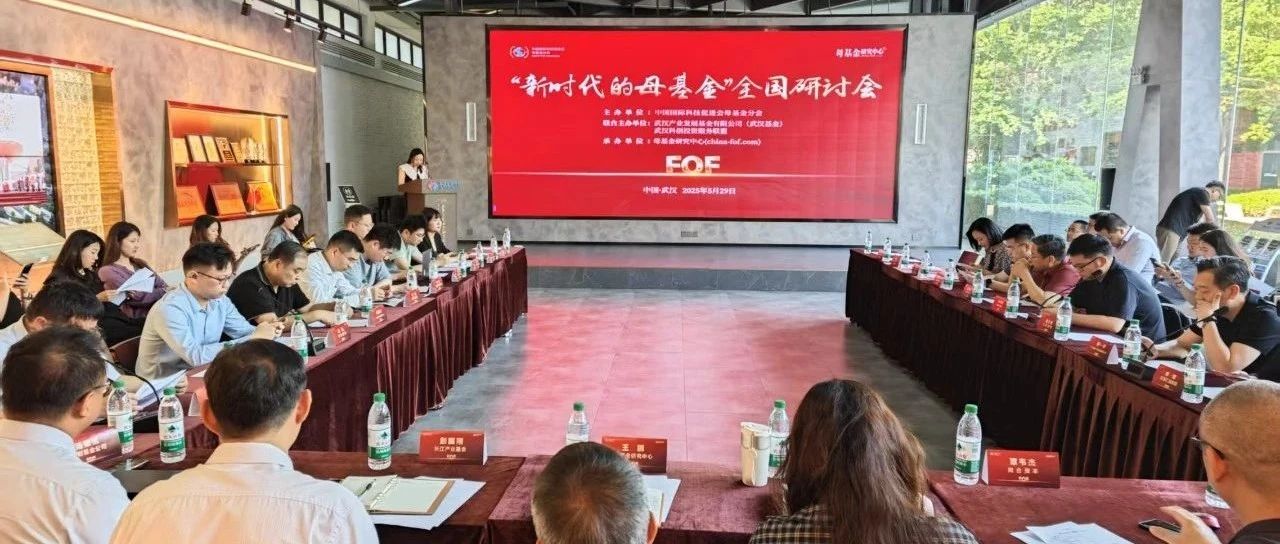
2 0 2 4年,中国国际科技促进会母基金分会和母基金研究中心(c h i n a -f o f. c om,下同)在深 圳、上海、武汉、广州、成都、杭州、合肥连续举办七场研讨会。为加强私募股权行业内各机 构的合作交流,促进母基金行业健康发展,中国国际科技促进会母基金分会和母基金研究中心 于2 0 2 5年继续在全国各地举办多场LP&GP研讨会。 2 0 2 5年的首场深圳站研讨会已于3月2 6日成功举办,探讨"国办1号文后母基金行业的未来趋 势"。第二场上海站研讨会已于4月2 4日成功举办,探讨"母基金在并购领域的机遇"。第三场研 讨会来到了武汉—— 2 0 2 5年5月2 9日,2 0 2 5 "新时代的母基金"全国研讨会(武汉站)在武汉 市成功举办 。本次研讨会,由中国国际科技促进会母基金分会主办,武汉产业发展基金有限公 司(武汉基金)、武汉科创投资服务联盟联合主办,母基金研究中心承办。本场研讨会的主题 为探讨 " 母基金的多元化退出策略 ",来自政府机构、行业协会、政府引导基金、市场化母基 金、一流投资机构代表等6 0余人齐聚一堂,为中国股权投资行业建言献策。武汉市委金融办资 本市场处相关领导出席会议 ...
这支母基金,一次投资17支子基金
母基金研究中心· 2025-05-31 08:44
Core Viewpoint - The Shanghai National Investment Pioneer Fund has announced the selection of institutions for the second batch of funds under the Shanghai three major leading industries mother fund, focusing on biotechnology, integrated circuits, and artificial intelligence [1][5]. Group 1: Biotechnology - The selected institutions for the biotechnology sector include Sany Innovation Investment, Shanghai Pudong Private Fund Management, and Shanghai Zhangjiang Technology Venture Capital [2][5]. - The total investment amount for the Shanghai three major leading industries mother fund is 89 billion yuan, with a focus on long-term investments in hard technology [5]. Group 2: Integrated Circuits - Selected institutions in the integrated circuit sector include Shanghai Zizhu Xiaomiao Langkun Venture Capital and China International Capital Corporation [4][5]. - The fund aims to support the development of the integrated circuit industry through strategic investments and partnerships [5]. Group 3: Artificial Intelligence - The article does not provide specific details on selected institutions for the artificial intelligence sector, but it is included as one of the three major industries targeted by the fund [3][5]. - The fund's strategy emphasizes early-stage investments and the integration of innovative technologies [5]. Group 4: Fund Structure and Strategy - The Shanghai three major leading industries mother fund has a duration of 15 years and is managed by Shanghai National Investment Company, which aims to create a comprehensive fund matrix [5][6]. - The fund structure includes various sub-funds focusing on early-stage startups, future industries, and mergers and acquisitions, designed to match the long development cycles of hard technology [5][6]. Group 5: Future Outlook - The mother fund research center anticipates that the efficient operation of the Shanghai three major leading industries mother fund will serve as a model for the industry, injecting more long-term capital into the market [6]. - The center is also launching a 2025 special list evaluation to encourage excellence in the private equity mother fund sector [7].