理想TOP2

Search documents
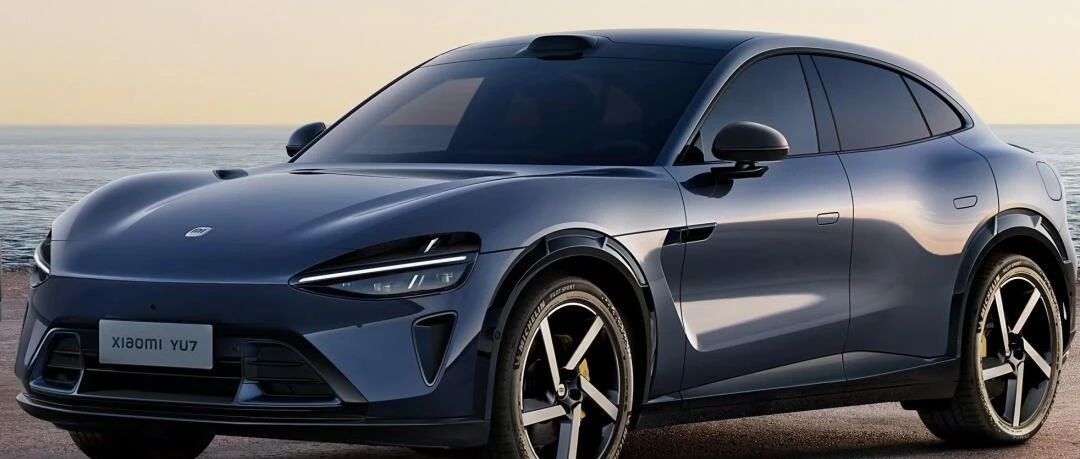
我认为小米YU7只有50%概率可以稳态2.8万+, 交给时间验证
理想TOP2· 2025-06-25 15:28
Core Viewpoints - The company believes there is a 50% probability that YU7 will stabilize below 28,000 units and a 50% probability that it will stabilize above 28,000 units, with future stabilization potentially below 20,000 or above 40,000 units [1][7] - YU7 has significant product highlights, but if autonomous driving arrives quickly, the product definitions of SU7/YU7 may not remain classic, with the ideal of range-extending/pure electric becoming the new standard [1][5] - The current state of Xiaomi's YU7 is similar to the state of Li Auto's MEGA prior to its launch in March 2024, but YU7's sales are unlikely to reach the planned 8,000 units, as it has struggled to exceed 1,000 units for seven consecutive months [1][6] Detailed Analysis - The 28,000 unit figure is based on SU7's sales from March to May 2025, where SU7 delivered over 28,000 units for three consecutive months. Optimistic market views on YU7 sales are based on the historical performance of SUVs over sedans in China and comparisons to the sales ratio of Model Y to Model 3 [2][6] - TOP2 believes YU7 has a 50% chance of not surpassing SU7's peak sales. SU7's core product values include aesthetics, handling, and emotional value, with SU7's design being superior to any other model under 500,000. YU7's aesthetic appeal compared to SU7 is uncertain, but generally, SUV designs are less appealing than SU7 [3][4] - SU7's emotional value is enhanced by its design and association with the "Dream Car" concept, which may not be as strong for YU7. The perception of SU7 as a desirable vehicle is reinforced by its performance and brand association, while YU7 may not evoke the same emotional response [4][5] - If the autonomous driving era arrives quickly, larger space and comfort will become the primary product definitions, overshadowing aesthetics and handling. The design philosophy will evolve to prioritize functionality over form, as seen in the shift from traditional combustion engine aesthetics to modern electric vehicle designs [5][6] - There are seven similarities between YU7's current state and MEGA's pre-launch status, including strong internal confidence, a belief in a potential market shift, and recent safety incidents affecting public perception. Both companies have experienced significant market valuation fluctuations leading up to their respective launches [6][7] - Unlike MEGA, which faced a challenging launch environment, YU7 is expected to avoid similar pitfalls due to lessons learned from past experiences and proactive measures taken by Xiaomi to manage public perception [7][8]

理想超充站2542座|截至25年6月25日
理想TOP2· 2025-06-25 15:28
Core Viewpoint - The article discusses the progress of the construction of supercharging stations by a company, highlighting the current status and future targets for the year 2025 [1]. Group 1: Construction Progress - The total number of supercharging stations has increased from 2525 to 2542, with a goal of exceeding 4000 stations by the end of 2025 [1]. - The progress rate for new stations this year has improved from 35.11% to 35.86%, indicating a positive trend towards meeting the annual target [1]. - With 189 days remaining in the year, the time progress value stands at 48.22%, necessitating the completion of approximately 7.71 stations per day to achieve the year-end goal [1]. Group 2: New Stations Details - A total of 17 new supercharging stations have been constructed, with locations including: - Beijing: Fangshan District, Li Bayuan South Road, a 4C × 6 station [1]. - Fujian: Xiamen Longrun Parking Lot, a 4C × 6 station [1]. - Guangdong: Guangzhou Xiyue Kelton Hotel, a 4C × 6 station [1]. - Guangdong: Shenzhen Meisheng Chuanggu Technology Innovation Park, a 4C × 6 station [1]. - Hebei: Handan Wudeli Building, a 4C × 4 station [1]. - Hebei: Zhangjiakou High-speed Railway Station Parking Lot, a 4C × 6 station [1]. - Hubei: Yichang Three Gorges Dam Mountain Resort Hotel, a 4C × 6 station [1]. - Inner Mongolia: Ordos Daxing International Commercial Center, a 4C × 6 station [1]. - Shandong: Jinan Huaiyin West Road, a 5C station with specifications of 2C × 3 and 5C × 1 [3]. - Shandong: Weifang Kuiwen Shuiying Happiness City, a 5C station with specifications of 2C × 3 and 5C × 1 [3]. - Shandong: Yantai Zhi Fu Yujin Tai, a 4C station with specifications of 4C × 4 [3]. - Shaanxi: Xi'an Dujiabao Parking Lot, a 4C station with specifications of 4C × 4 [3]. - Shanghai: Baoshan District, Shanghai Lianghang Creative Park, a 4C × 6 station [3]. - Shanghai: Baoshan District, Shanghai Baoshan Changlin Road, a 4C × 4 station [3]. - Shanghai: Fengxian District, Shanghai Paimile South Bridge Central, a 4C × 6 station [3]. - Shanghai: Jiading District, Shanghai Jiading Cao'an Highway, a 4C × 6 station [3]. - Zhejiang: Ningbo Yinzhou Tiangong Xiyue Hotel (Wanda Plaza Store), a 4C × 6 station [3].

L系列订单不佳, MEGA有望50万以上纯电与全价位纯电MPV第一
理想TOP2· 2025-06-24 15:19
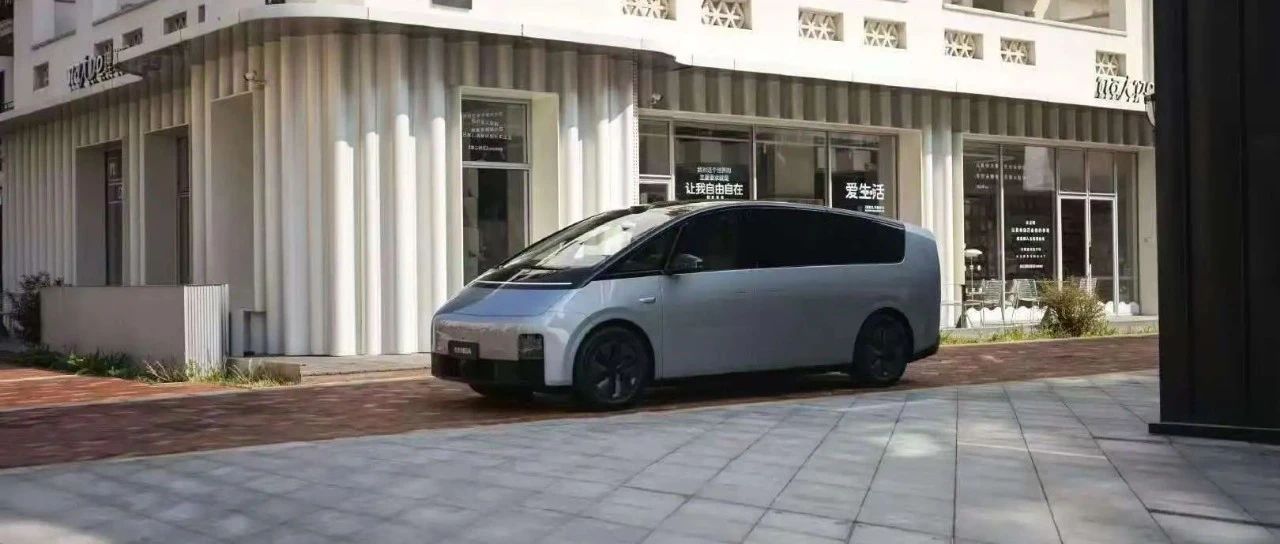
Core Viewpoint - The company expresses confidence that the sales of the refreshed model will soon return to a monthly sales level of 50,000 units, despite current challenges in order numbers and market conditions [1][2]. Group 1: Sales Performance and Orders - From April 21 to June 1, the company recorded over 10,000 orders for six consecutive weeks, indicating a strong fundamental basis for achieving the 50,000 sales target [2]. - The order situation for the L series has deteriorated or failed to meet expectations, as indicated by recent conference calls [2]. - Between June 2 and June 22, the L series insurance numbers were significantly below the required 45,000 monthly deliveries, with figures of 7960, 7392, and 8290 respectively [1]. Group 2: MEGA Model Insights - The MEGA model's insurance numbers from May 26 to June 22 were 538, 310, 482, and 640, with a total of approximately 2208 units expected for June and around 3000 units for July if the trend continues [3]. - The MEGA model has become the top-selling pure electric MPV in its price segment as of June 16-22, with the main competitor being the Jihu Kaola [4]. - To maintain a monthly delivery of 3000 units for the MEGA, the company needs to secure monthly orders of over 2000, while aiming for 4000 requires orders exceeding 3000 [5]. Group 3: Competitive Landscape - The main competitors for the MEGA model include the Jihu M9 and SU7U, which currently do not show the potential to achieve monthly deliveries of 3000 units [3][5]. - The Jihu Kaola has previously achieved monthly deliveries of over 3000 units, posing a significant competitive threat [4].
理想超充站2525座|截至25年6月24日
理想TOP2· 2025-06-24 15:19
Core Insights - The article discusses the progress of the company's supercharging station construction, highlighting the increase in the number of stations and the targets set for the end of 2025 [1]. Group 1: Supercharging Station Progress - The total number of supercharging stations has increased from 2514 to 2525, achieving a progress rate of 35.11% towards the goal of over 4000 stations by the end of 2025 [1]. - The company has 190 days remaining this year to meet its target, requiring an average of 7.76 new stations to be built daily [1]. - The current time progress value stands at 47.95%, indicating that the company is slightly behind schedule in terms of the annual target [1]. Group 2: New Stations Details - Eleven new supercharging stations have been constructed, with locations including: - Beijing, Fengtai District, with specifications of 4C × 8 and 4C × 6 [1]. - Suzhou, Jiangsu Province, at the Suzhou Gusu Marriott Hotel, with specifications of 4C × 6 [1]. - Various locations in Chongqing, including multiple service areas with specifications of 5C stations [2][3].
理想超充站2514座|截至25年6月23日
理想TOP2· 2025-06-23 12:52
Core Viewpoint - The company is progressing towards its goal of establishing over 4000 supercharging stations by the end of 2025, with a current completion rate of 34.62% for this year [1]. Group 1: Supercharging Station Development - The total number of supercharging stations has increased from 2507 to 2514 [1]. - The company has a target of adding 7.78 stations daily to meet the year-end goal [1]. - The current progress for this year is at 34.62%, with 191 days remaining [1]. Group 2: New Stations Details - Seven new supercharging stations have been completed, including locations in Beijing, Hunan, Inner Mongolia, and Chongqing [1]. - Specific details of the new stations include: - Beijing Chaoyang: 4C × 6 configuration - Beijing Fengtai: 4C × 6 configuration - Beijing Tongzhou: 4C × 6 and 5C × 2 configurations - Hunan Huaihua: 4C × 4 configuration - Hunan Yueyang: 4C × 6 configuration - Inner Mongolia Hohhot: 4C × 6 configuration - Chongqing Yuzhong: 2C × 3 and 5C × 1 configurations [1].
理想25年7月可能会3000超充站, 静候中国市场纯电补能体系最优解
理想TOP2· 2025-06-23 12:52
Core Viewpoint - The article discusses the development and strategic positioning of Li Auto's supercharging network, emphasizing its potential to become the optimal solution for electric vehicle charging in China before the widespread commercialization of solid-state batteries [4][13]. Charging Network Development - Li Auto's target for 2025 is to establish 3,000 supercharging stations, a revision from the previously stated goal of 4,000 stations, which included 1,200 high-speed stations [1][2]. - According to the Ministry of Transport, China has 190,700 kilometers of highways in 2024, suggesting that approximately 1,900 supercharging stations would be needed for a 200-kilometer coverage, while 3,800 stations would saturate the market [3]. Product Value and Design - The Li Auto supercharging system is based on a combination of 5C batteries and 5C supercharging stations, along with a forward-thinking design for electric vehicles [4]. - The core of the pure electric design focuses on reducing wind resistance for better highway range and maximizing internal space by eliminating the front trunk, which is a more advanced concept compared to competitors [5]. Competitive Landscape - Currently, only NIO and Li Auto are actively addressing high-speed charging needs, with NIO having an advantage in charging speed and a greater number of charging stations [8]. - However, Li Auto excels in practical range, internal space, and marginal cost of iteration, areas where NIO is lagging [9]. Charging Infrastructure and User Value - Li Auto aims for all its electric vehicles to feature 5C charging capabilities, focusing on practical highway ranges of 400-450 kilometers in summer and 300-350 kilometers in winter [11]. - Other automakers are falling behind in high-speed charging infrastructure, with Li Auto being the only company to redefine electric vehicle standards beyond Tesla's approach [12][14]. Innovation and Market Position - Li Auto's products are characterized by innovative thinking, distinguishing them from competitors like Xiaomi and Huawei, which may replicate successful elements but lack the unique innovative capability [14].
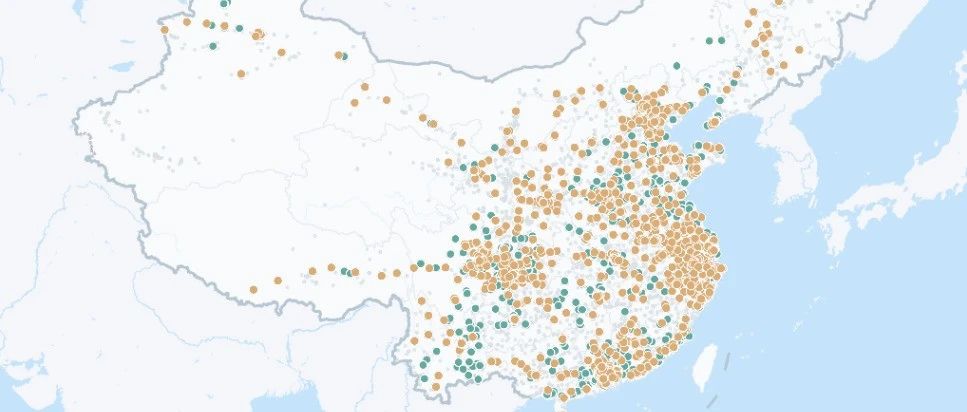
理想超充站2507座|截至25年6月22日
理想TOP2· 2025-06-22 14:57
Group 1 - The core viewpoint of the article highlights the progress of the company's supercharging station construction, with a current total of 2507 stations built as of June 22, 2025, and a target of over 4000 stations by the end of the year [1] - The article indicates that the progress towards the annual addition target is at 34.27%, with 193 days remaining in the year, suggesting a need for an average of 7.74 new stations to be built daily to meet the year-end goal [1] - Two new supercharging stations have been established in Xi'an, Shaanxi Province, and Pudong, Shanghai, with specifications of 4C × 6 and 4C × 4 respectively, contributing to the overall growth of the charging infrastructure [1]
理想产品经理长文深度分析i8六大用户价值点
理想TOP2· 2025-06-22 14:57
Core Viewpoint - The article discusses the launch of the Li Auto i8, a six-seat pure electric SUV that aims to provide long range, spacious interior, and competitive pricing, positioning itself as a strong contender in the market against existing models like Tesla Model X, AITO M9, and NIO ES8 [1][7][15]. Summary by Sections Product Features - The i8 offers a maximum CLTC range of 720 km, surpassing competitors such as the Tesla Model X (700 km), AITO M9 (630 km), and NIO ES8 (605 km) [1][14][15]. - It features a standard 400 kW all-wheel drive and 265 tires, ensuring uncompromised power and traction [1][13]. - The design prioritizes interior space, with a larger third-row seating area compared to the Model X, achieved by eliminating the front trunk [1][2][3]. Market Positioning - The i8 targets the growing demand for large six-seat SUVs in the Chinese family market, particularly among users transitioning to pure electric vehicles [7][8]. - The vehicle is designed to address common issues faced by existing large electric SUVs, such as weight and range limitations, by optimizing its electric architecture [8][12]. Design and Engineering - The i8's design incorporates aerodynamic principles to achieve low drag and high efficiency, contributing to its superior range [16][25]. - The vehicle's low center of gravity enhances driving comfort and handling, making it competitive with traditional SUVs [41][46]. - The front visibility for drivers is significantly improved due to a shorter hood and a more sloped windshield, enhancing the driving experience [47][48]. Competitive Analysis - The i8's dimensions and design choices allow it to maximize interior space while maintaining a competitive price point, avoiding the typical pricing of over 500,000 yuan seen in similar models [1][15][16]. - The article emphasizes that the i8's design philosophy is rooted in user value, contrasting with competitors that may prioritize aesthetics over functionality [50]. Future Outlook - The company anticipates that the i8 will undergo a market adaptation period similar to previous models, with expectations of growing acceptance and appreciation from consumers over time [39][40].
理想近期订单不利源自优秀理念暂时未匹配有效解决方案
理想TOP2· 2025-06-21 15:03
Core Viewpoint - The article analyzes why the company's recent reforms are temporarily unable to achieve their intended goals, focusing on the need for sales to concentrate on value delivery to create a positive order cycle [1]. Group 1: Current Challenges - The company's current approach to solving problems is not effective in achieving its objectives, although it is believed that with time, the company will eventually reach its goals, albeit with a potential impact on sales in the interim [2]. - The pressure on sales teams to generate orders is excessive, with managers frequently pushing for orders, which can lead to negative outcomes [3][7]. - The internal motivation of store managers is crucial; they need to take initiative rather than being micromanaged, and they should receive support when necessary [4]. Group 2: Management and Structure - Effective management of sales requires the cooperation and management of store managers, who typically oversee a limited number of sales personnel, emphasizing the importance of personal management within their capacity [5]. - The company's recent reforms have included various attempts to focus sales on value delivery, such as eliminating the sales PIP system and enforcing stricter commission policies, but the existing pressure for orders undermines these efforts [6]. - The current environment has led to confusion regarding roles and responsibilities among various functions, although some improvements have been noted recently [10]. Group 3: Impact on Sales - The overwhelming focus on short-term order generation has transformed sales personnel into mere policy transmitters, detracting from their ability to communicate the value of the company's products effectively [11]. - The belief that frequent pressure for orders is beneficial for short-term sales has hindered the ability to deliver value, as there is a lack of autonomy for store managers and insufficient support for them [12]. - The inability to effectively convey value and its impact on orders is seen as a natural consequence of the current approach [13].
理想超充站2505座|截至25年6月20日
理想TOP2· 2025-06-21 15:03
Core Viewpoint - The article discusses the progress of the company's supercharging station construction, highlighting the current status and future targets for expansion [1]. Group 1: Supercharging Station Development - The total number of supercharging stations has increased from 2505 to 2506 [1]. - The company aims to achieve a target of over 4000 supercharging stations by the end of 2025 [1]. - The progress towards this year's target is at 34.27%, with 193 days remaining in the year [1]. - To meet the year-end goal, the company needs to build an average of 7.74 new stations per day [1]. Group 2: Recent Additions - A new supercharging station has been completed in Shanghai, specifically at the Shanghai Pudong Xinghe Bay Hotel [1]. - This new station is categorized as a 4C station, with specifications of 4C × 4 [1].