理想TOP2

Search documents
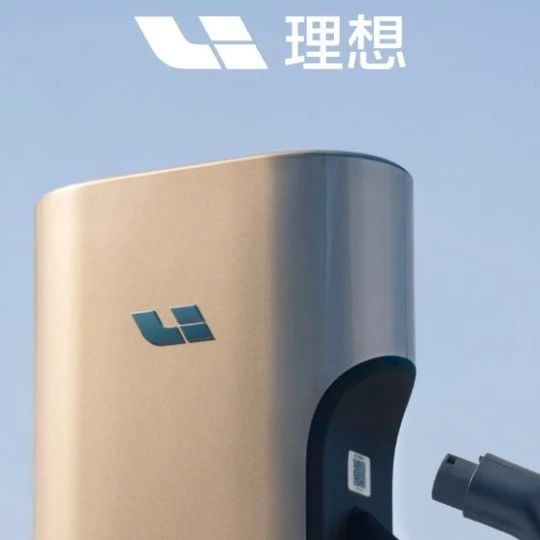
理想超充站2851座|截至25年7月1日
理想TOP2· 2025-07-01 15:06
Core Insights - The article discusses the progress of the company's supercharging station construction, highlighting the increase in the number of stations and the targets set for the end of 2025 [1] Group 1: Supercharging Station Progress - The total number of supercharging stations has increased from 2841 to 2851, with a goal of exceeding 4000 stations by the end of 2025 [1] - The progress towards this year's target is at 49.45%, with 183 days remaining in the year [1] - To meet the end-of-year target, the company needs to build an average of 6.28 stations per day [1] Group 2: New Stations Details - Ten new supercharging stations have been completed in various locations, including: - Xiamen, Fujian Province: 4C × 6 configuration - Nanning, Guangxi Zhuang Autonomous Region: 4C × 6 configuration - Harbin, Heilongjiang Province: 2C × 3 and 5C × 1 configuration - Jilin City, Jilin Province: 4C × 4 configuration - Suzhou, Jiangsu Province: 4C × 6 configuration - Wuxi, Jiangsu Province: 4C × 8 configuration - Hangzhou, Zhejiang Province: 4C × 6 configuration - Ningbo, Zhejiang Province: 4C × 8 configuration - Taizhou, Zhejiang Province: 4C × 6 and 4C × 8 configurations [1][3]


理想超充站商业价值分析
理想TOP2· 2025-06-30 14:35
Core Viewpoint - The key factors for the success of charging stations are site resources and transaction volume, which are essential for ensuring stable long-term cash flow and preventing sudden rent increases [1][2]. Group 1: Charging Station Economics - Charging stations can be highly profitable if they are located in good sites with sufficient operational volume, potentially achieving a return on investment within three years [2]. - The cost structure of charging stations is relatively low, with significant components being the site and the cost of individual transformers [1][2]. - The depreciation of charging station equipment varies, with transformers having a long lifespan of 20 years, while charging piles require maintenance every five years [1]. Group 2: Market Dynamics - The current market for charging stations is becoming more competitive, making it challenging to secure good locations, especially for new entrants [1][2]. - The profitability of charging stations is heavily dependent on the number of electric vehicles in operation, which remains a variable factor [2]. - For private enterprises, a strict evaluation of operational volume and site lease terms is crucial to avoid financial losses due to rising rental costs before recovering initial investments [2].
单日新增201, 理想超充站2830座|截至25年6月30日
理想TOP2· 2025-06-30 14:35
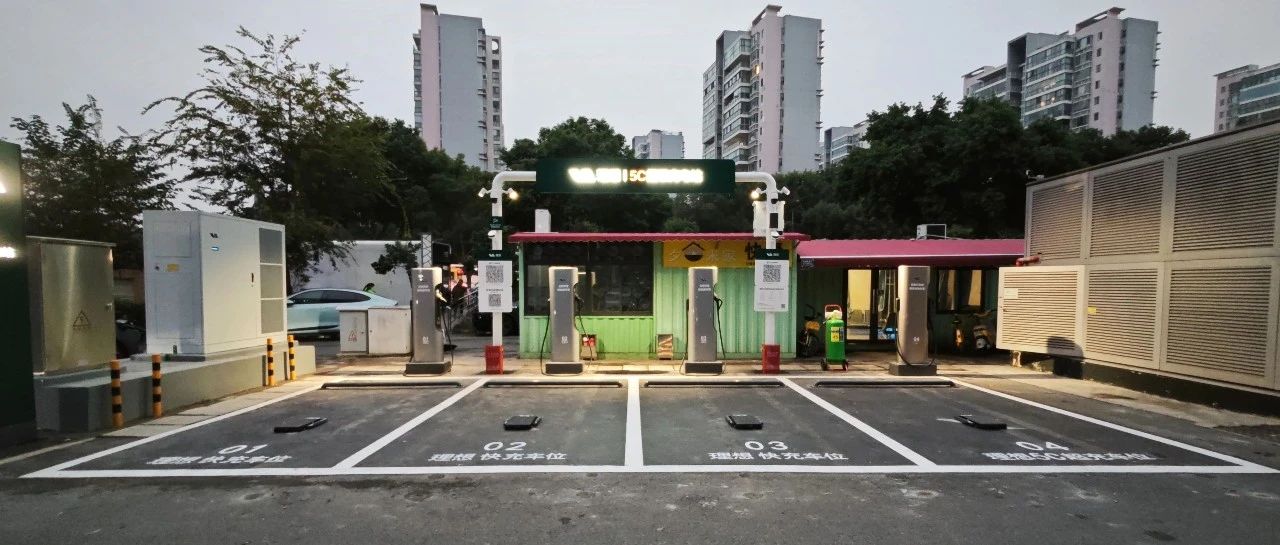
Core Viewpoint - The company is rapidly expanding its supercharging station network, aiming to exceed 3000 stations by July 2025, with a current count of 2736 stations as of June 30, 2025 [1][2]. Group 1: Expansion Progress - As of June 30, 2025, the company has added 107 new supercharging stations, bringing the total from 2629 to 2736 stations [2]. - The company has achieved a progress rate of 44.39% towards its goal of over 4000 stations by the end of 2025, with 184 days remaining in the year [2]. - To meet the year-end target, the company needs to install an average of 6.87 stations per day [2]. Group 2: Station Specifications - The newly added stations include various locations in Beijing and other provinces, with specifications typically featuring 4C and 5C configurations [2][4][5][6][7][8][9][10][11][12][13]. - The stations are primarily located in urban and commercial centers, as well as highway service areas, indicating a strategic focus on accessibility for electric vehicle users [4][5][6][7][8][9][10][11][12][13].
不用给理想入选ICCV高评价, 牛的是理想的工作, 不是ICCV
理想TOP2· 2025-06-29 15:06
Core Viewpoint - The article discusses the unique characteristics of the AI academic community compared to other disciplines, highlighting the rapid growth and the implications for the quality and significance of research papers submitted to top conferences [5][7][8]. Group 1: Characteristics of AI Academic Community - AI conferences are more important than journals due to the fast-paced development of AI, which makes the lengthy journal review process inadequate [5]. - The number of submissions and acceptances to top AI conferences has significantly increased over the past decade, with acceptance rates declining, indicating a surge in competition [5][7]. - The rapid increase in submissions has led to a shortage of qualified reviewers, resulting in a decline in the quality of accepted papers [8]. Group 2: Implications for Research Quality - The increase in accepted papers does not guarantee high-quality research, as many accepted papers may lack substantial contributions [8]. - The job market for AI researchers is becoming increasingly competitive, with the demand for high-quality publications rising faster than the availability of quality positions [8]. Group 3: Company-Specific Insights - Li Auto's recent achievement of having multiple papers accepted at ICCV is used as a promotional tool to showcase its advancements in assisted driving technology [9]. - The original innovation level of Li Auto's VLA is compared to DeepSeek's MoE level, indicating that few Chinese companies can achieve such a high level of innovation [11][12]. - Li Auto's approach to autonomous driving has evolved from following Tesla to developing its unique systems, particularly in the integration of fast and slow systems in its VLM [12][13].
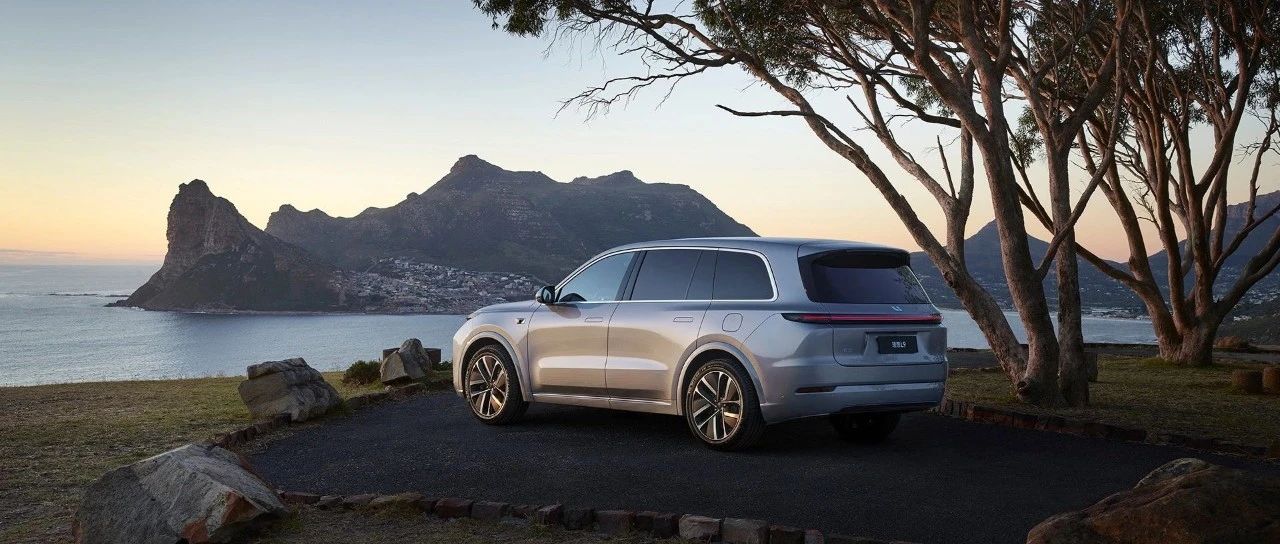
理想超充站2629座|截至25年6月29日
理想TOP2· 2025-06-29 15:06
Core Insights - The article discusses the progress of the construction of supercharging stations by the company, highlighting the increase in the number of stations and the targets set for the year 2025 [1]. Group 1: Supercharging Station Progress - The total number of supercharging stations has increased from 2605 to 2629, achieving a progress rate of 39.68% towards the goal of over 4000 stations by the end of 2025 [1]. - The company has 185 days remaining in the year, with a time progress value of 49.32%, indicating the need to build an average of 7.41 stations per day to meet the year-end target [1]. Group 2: New Stations Details - A total of 24 new supercharging stations have been constructed, with locations including various districts in Beijing, Guizhou, and Hainan, among others [1][3][4]. - The specifications for the new stations vary, with most being 4C stations, and some being 5C stations, indicating a mix of charging capabilities to cater to different needs [1][3][4].
理想首次在湖南高速布局8站, 全部为5C桩
理想TOP2· 2025-06-28 14:30
Core Viewpoint - The company has launched its first high-speed supercharging stations in Hunan, featuring all 5C charging piles, which are designed to prioritize charging for its own electric vehicles while also accommodating other brands [1][3]. Group 1: Charging Station Operations - The newly opened stations in Hunan consist of eight locations, each equipped with four 5C charging piles, and are open to all new energy vehicles [1][5]. - The charging capacity of each station varies, with most ranging from 480-600 kW, limiting the simultaneous use of multiple 5C piles [2]. - The company plans to focus on high-speed stations with all 5C piles, while city stations may have more operational flexibility [3]. Group 2: Strategic Expansion - The company aims to secure charging resources in densely populated areas and high-traffic highways, with a willingness to invest in regions with limited charging infrastructure [4]. - The company has already made progress in provinces with no existing high-speed charging stations and is actively pursuing opportunities for expansion [4]. Group 3: Product Value Proposition - The supercharging system is positioned as the optimal solution for the Chinese market ahead of the large-scale commercialization of solid-state batteries, integrating 5C batteries, supercharging stations, and next-generation electric vehicle designs [5]. - The company emphasizes a balanced approach to cost, real-world range, charging speed, capacity limitations, and overall user value, aiming for positive user experiences to drive sales [5].
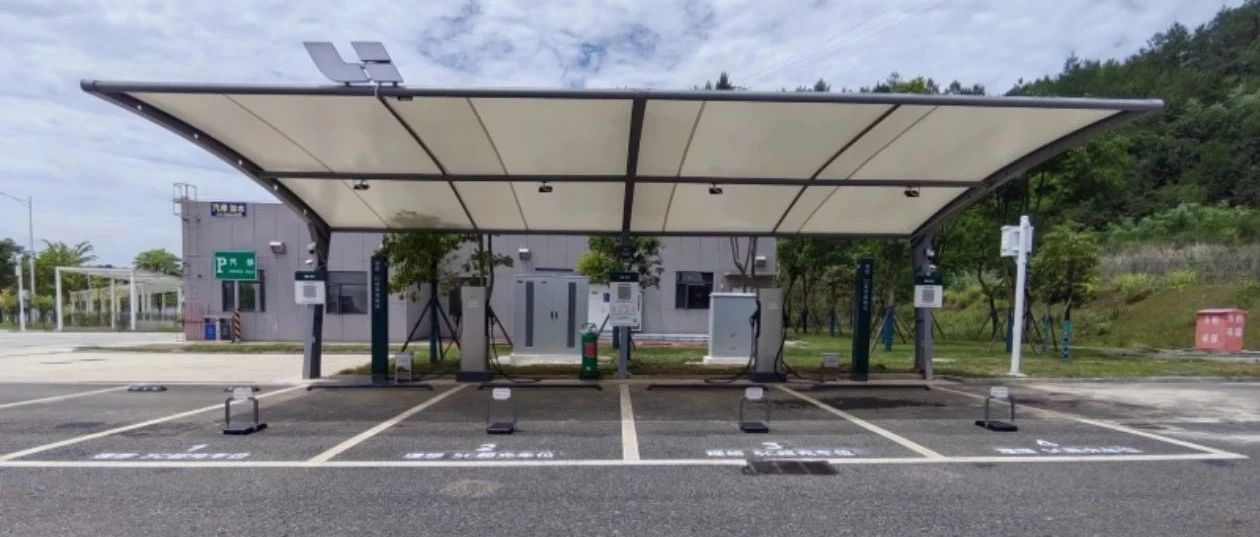
理想两天建成60座超充站,目前2605座|截至25年6月28日
理想TOP2· 2025-06-28 14:30
Core Insights - The article discusses the progress of the Ideal Auto's supercharging station construction, highlighting the increase in the number of stations and the target for the end of 2025 [1][2]. Summary by Sections Supercharging Station Construction Progress - The total number of supercharging stations has increased from 2582 to 2605, with a recent addition of 23 stations [1]. - The previous count was 2545, indicating a growth of 37 stations recently [1]. - The current progress towards the goal of over 4000 stations by the end of 2025 stands at 38.63%, with 186 days remaining in the year [1]. - To meet the year-end target, an average of 7.50 stations need to be constructed daily [1]. New Stations Details - A total of 60 new stations have been established across various provinces, including: - Anhui: 4C × 4 at Baolong Plaza, Bengbu City - Beijing: Multiple locations with specifications of 4C × 6 and 4C × 4 [1][3][4]. - Guangdong: New stations in Guangzhou with specifications of 4C × 6 and 4C × 4 [1][3]. - Other provinces include Hunan, Jiangsu, and Zhejiang, with various configurations of 4C and 5C stations [3][4][7][8].
提前10天成功判断理想无法完成25Q2交付指引, 今天再下5个判断
理想TOP2· 2025-06-27 10:17
Core Viewpoint - The company is unlikely to meet its Q2 2025 delivery guidance due to insufficient sales momentum and historical performance trends [1][2]. Group 1: Delivery Guidance and Sales Performance - The company's Q2 2025 delivery guidance is set between 123,000 and 128,000 units, with April and May deliveries recorded at 33,939 and 40,856 units respectively, indicating a need for June deliveries to be between 48,205 and 53,205 units [1]. - Historical data shows that the company has only exceeded weekly insurance numbers of 13,000 units six times, with the highest two-week total being 28,020 units in December 2024, suggesting that achieving the required sales volume in June is unlikely [2]. - If the company does not update its delivery guidance, it will mark the third time in history that it fails to meet quarterly delivery targets [2]. Group 2: Strategic Changes and Market Position - Recent reforms aim to enhance sales focus on value delivery, but current strategies are not effectively achieving this goal, which may impact sales in the short term [4]. - The company is expected to eventually align its strategies with its values, but this process may take time, leading to potential short-term sales declines [4]. - The recent success of a competitor, YU7, has prompted reflections on the company's unique strengths and areas for improvement, suggesting that the company should learn from the competitor's successful strategies [5]. Group 3: Market Dynamics and Consumer Perception - The company’s core product lines face challenges in maintaining consumer confidence, as repeated cycles of performance fluctuations can lead to loss of trust among consumers [6]. - The strong leadership of the company's founder is seen as a potential long-term advantage in competing with established players like Xiaomi, although the timeline for realizing this advantage remains uncertain [6]. - The current market perception of YU7 as a high-value vehicle is driven by consumer beliefs in its resale value, indicating that the company may need to enhance its product appeal to compete effectively [6][7].

理想超充站2545座|截至25年6月26日
理想TOP2· 2025-06-27 10:17
Core Viewpoint - The article discusses the progress of the company's supercharging station construction, highlighting the current number of stations and the targets set for the end of 2025 [2]. Group 1: Supercharging Station Construction - The total number of supercharging stations has increased from 2542 to 2545, with a goal of exceeding 4000 stations by the end of 2025 [2]. - The progress towards this year's target shows an increase from 35.86% to 35.99%, indicating a steady advancement in construction [2]. - There are 188 days remaining this year, and the current time progress is at 48.49%, necessitating the completion of 7.74 stations daily to meet the year-end goal [2]. Group 2: New Stations Built - Three new supercharging stations have been completed in different locations: - Haikou City, Hainan Province: A 4C station with specifications of 4C × 4 [2]. - Zhanjiang City, Guangdong Province: A 4C station with specifications of 4C × 6 [2]. - Changzhou City, Jiangsu Province: A 5C station with specifications of 4C × 6 and 5C × 4 [2].
理想产品经理对消费者为什么要选理想的理解
理想TOP2· 2025-06-26 09:53
Core Viewpoint - The article discusses how the company successfully positioned its first mass-produced vehicle, the Li Auto ONE, as a family-oriented car, achieving significant sales milestones in the Chinese automotive market [1][17]. User Identification - A critical decision in the development of Li Auto ONE was identifying the target user group, which ultimately became "family users," specifically families with children [3][5][6]. - The clarity of the "family user" profile allowed the company to tailor the vehicle's features to meet specific needs, distinguishing it from other user categories [7]. Product Features for Family Users - The vehicle was designed with intelligent in-car interactions to cater to all family members, including elderly and young passengers, allowing them to control various functions through voice commands [8][9]. - The introduction of a multi-zone voice interaction system enabled personalized service for each passenger, enhancing the overall user experience [9]. - The vehicle also features a larger passenger screen for entertainment, addressing the common need for rear-seat entertainment during long trips [10]. Innovative Layout and Design - The Li Auto ONE introduced a 2-2-2 seating layout, which improved accessibility to the third row and enhanced the overall passenger experience compared to traditional 2-3-2 layouts [11][12]. - The vehicle included electric adjustments for the second-row seats, making it more user-friendly for families with elderly or young members [12]. Technological Advancements - The company adopted a range-extended electric vehicle (REEV) technology, which became a mainstream choice for large SUVs, addressing range anxiety for family trips [14]. - The Li Auto ONE was equipped with a large-capacity hybrid battery, providing a significant pure electric range of 180 km, which was among the best in its class at the time [15][16]. Market Impact and Recognition - The Li Auto ONE became the first domestic vehicle priced over 300,000 yuan to achieve monthly sales exceeding 10,000 units, marking a significant milestone in the Chinese automotive market [17]. - The vehicle's design and features were praised for meeting the unspoken needs of families, leading to high customer satisfaction and loyalty [18]. Brand Positioning - The company has consistently focused on family users since the launch of its first vehicle, establishing itself as a leader in the family car segment through continuous innovation and attention to user needs [19][21]. - The brand is now recognized as the go-to choice for family vehicles in the market, differentiating itself from competitors by emphasizing user-centric design and functionality [22].