芯世相

Search documents
15份料单更新!出售TI、NXP、MPS等芯片
芯世相· 2025-11-13 07:02
Core Insights - The article discusses the challenges of managing excess inventory in the semiconductor industry, highlighting the financial burden of storage and capital costs associated with unsold materials [1] - It emphasizes the services provided by Chip Superman, which has served 21,000 users and offers rapid inventory clearance solutions [8] Group 1: Inventory Management - A significant amount of obsolete materials is held in inventory, leading to monthly storage and capital costs of at least 5,000, resulting in a potential loss of 30,000 over six months [1] - The article suggests that companies struggling to sell their excess inventory can utilize Chip Superman's services for better pricing and faster transactions [9] Group 2: Inventory Offerings - Chip Superman has a vast inventory of over 50 million chips across more than 1,000 models from around 100 brands, with a total inventory value exceeding 100 million [7] - The article lists various semiconductor components available for sale, including specific models, quantities, and years of manufacture, indicating a diverse range of products [4][5] Group 3: Demand for Components - There is a demand for specific semiconductor components, as indicated by the request for various part numbers and quantities from different brands [6] - The article highlights the importance of maintaining a robust supply chain to meet the needs of customers in the semiconductor market [6]



那些芯片代理商老板的风格、特点
芯世相· 2025-11-13 07:02
Core Viewpoint - The article discusses the different management styles of chip distribution company owners and how these styles impact company culture, operations, and sales performance [6][10]. Group 1: Management Styles of Chip Distribution Company Owners - Owner Zhang San adopts a brotherly and results-oriented management style, focusing on performance rather than strict oversight, which has led to significant company profits [7]. - Owner Li Si is a business-oriented leader who maintains tight control over client and supplier relationships, resulting in a lack of employee retention and a reliance on his own capabilities for sales [8]. - Owner Wang Wu emphasizes structured management and process adherence, which, while ensuring company profitability, has led to high employee turnover due to strict oversight [9]. - Owner Zhao Liu, while being the largest shareholder, faces challenges in decision-making due to shared control among partners, but has recently moved towards standardizing company practices for better governance [10]. Group 2: Industry Trends and Challenges - The article highlights that successful experiences in the chip distribution industry can be replicated, but companies must adapt their management approaches as they grow to avoid decline [10]. - In the increasingly competitive chip distribution market, owners need to balance management with maintaining client and supplier relationships, as excessive focus on management can hinder business growth [10].

大量英伟达GPU开始吃灰
芯世相· 2025-11-13 07:02
Group 1 - Microsoft is facing a significant issue with a surplus of GPUs that are currently idle due to a lack of power and space in data centers [4][5][6] - The primary challenge is not the supply of chips but rather the infrastructure needed to support their operation, particularly in terms of power supply and data center readiness [7][9] - The demand for electricity has surged in the past five years, driven by the rapid expansion of AI and cloud computing, outpacing the capacity of utility companies to meet this demand [11][12] Group 2 - Data center developers are increasingly opting for "behind-the-meter" power solutions to bypass public grids and meet their energy needs directly [12][14] - Solar energy is seen as a flexible and quick-to-deploy solution, but its implementation still takes considerable time, which does not align with the fast-paced demands of AI [14] - Concerns exist that if AI demand slows down, the investments in power plants and energy storage to support AI may become underutilized, although some industry leaders believe AI energy needs will continue to grow [15][17] Group 3 - Microsoft has decided not to stockpile single-generation GPUs due to the risk of obsolescence and depreciation if they cannot be powered in time [15][19] - The shift in focus from chip performance to energy efficiency is becoming more relevant as power shortages become a critical issue [17][19] - Microsoft announced plans to invest $8 billion in data centers and AI projects in the Middle East over the next four years, indicating a strategic move to regions with abundant energy resources [20]



11份料单更新!出售MPS、萨瑞微、DIODES等芯片
芯世相· 2025-11-12 08:44
Core Insights - The article discusses the challenges of managing excess inventory in the semiconductor industry, highlighting the financial burden of storage and capital costs associated with unsold materials [1] - It promotes a service called "Chip Superman," which has served 21,000 users and offers rapid inventory clearance, claiming transactions can be completed in as little as half a day [8] Group 1: Inventory Management - Excess inventory of 100,000 units incurs monthly storage and capital costs of at least 5,000, leading to a potential loss of 30,000 after six months [1] - The article emphasizes the difficulty in promoting and selling surplus materials, suggesting that companies can seek assistance from Chip Superman to improve sales outcomes [1] Group 2: Inventory Offerings - A detailed list of available materials for sale is provided, including various brands and models, with quantities ranging from 2,500 to 345,000 units, and years of manufacture from 21+ to 25+ [4][5] - The inventory includes significant quantities from brands like MPS, AKM, and others, indicating a diverse selection for potential buyers [4][5] Group 3: Company Capabilities - Chip Superman operates a 1,600 square meter smart warehouse with over 1,000 models and 50 million chips in stock, valued at over 100 million [7] - The company also has an independent laboratory in Shenzhen for quality control, ensuring that each material undergoes inspection [7]

NXP、英飞凌等汽车芯片大厂最新业绩PK:谁开始好起来了?
芯世相· 2025-11-12 08:44
Core Insights - The global automotive chip market is showing signs of recovery, with major manufacturers reporting varying degrees of growth and inventory adjustments [3][35][38] Group 1: Infineon - Infineon's Q3 revenue reached €3.943 billion, with a 6% quarter-over-quarter increase and a 1% year-over-year increase [4] - Automotive business revenue rose to €1.921 billion, a 3% quarter-over-quarter increase but a 2% year-over-year decline, driven by growth in smart power, microcontrollers, and electric vehicle solutions [4][9] - Infineon expects moderate growth in the automotive sector despite cautious customer behavior and ongoing inventory adjustments [9] Group 2: NXP - NXP's Q3 revenue was $3.17 billion, a 2% year-over-year decline, but the automotive segment (57.9% of total revenue) saw a 6% quarter-over-quarter increase, reaching $1.837 billion [11][12] - The automotive chip oversupply phase is ending, with demand increasing in emerging markets like smart cockpits and high-voltage battery management systems [12] - NXP's inventory levels are at 9 weeks, below the long-term target of 11 weeks, indicating a cautious supply chain approach [12] Group 3: STMicroelectronics - ST's Q3 revenue was $3.187 billion, a 2% year-over-year decline but a 15.2% quarter-over-quarter increase, with automotive revenue (39% of total) down 17% year-over-year but up 10% quarter-over-quarter [13][18] - The automotive business is expected to remain low or decline throughout 2024, with a significant drop in Q1 2025 before gradual recovery [16] - ST's inventory at the end of Q3 was $3.17 billion, reflecting ongoing inventory digestion by automotive and industrial customers [18] Group 4: Texas Instruments - Texas Instruments reported Q3 revenue of $4.74 billion, with a net profit of $1.36 billion, reflecting a 7% quarter-over-quarter increase and a 14% year-over-year increase [20] - The automotive market, accounting for 35% of TI's revenue, showed steady growth with a high single-digit year-over-year increase and approximately 10% quarter-over-quarter growth [20][22] - TI anticipates a gradual recovery in the automotive market, with inventory levels stabilizing and a shift towards direct customer collaborations [22] Group 5: Renesas - Renesas' Q3 revenue was ¥334.2 billion, a 2.9% quarter-over-quarter increase but a 3.2% year-over-year decline, with automotive sales down 14.1% year-over-year [25][30] - The automotive market is expected to reach a low point in Q4 2024, with a slow recovery anticipated thereafter [25] - Renesas is experiencing demand primarily for older discontinued series, indicating a cautious market outlook [30] Group 6: Onsemi - Onsemi's Q3 revenue was $1.55 billion, exceeding expectations, with automotive revenue at $787 million, a 7% quarter-over-quarter increase but a 17.3% year-over-year decline [32][33] - The automotive market began to stabilize in Q3, although significant year-over-year declines remain [32] - Onsemi's inventory levels are within target ranges, and the company is preparing for future demand with a focus on die bank inventory [33] Group 7: Overall Market Outlook - The automotive semiconductor market is gradually recovering, with signs of stabilization and growth expected in 2025 [35][38] - Inventory levels are improving, with a forecasted increase in demand driven by electric vehicle adoption and more complex in-vehicle electronics [38] - Analysts predict a 16.5% year-over-year growth in the global automotive semiconductor market by 2026, indicating a strong rebound after a period of moderate expansion [38]



文晔、大联大,10月营收下滑!
芯世相· 2025-11-11 06:27
Core Viewpoint - The article analyzes the recent revenue performance of major chip distributors, WPG Holdings and Auras Technology, highlighting their month-over-month declines but year-over-year growth, indicating a mixed market outlook driven by AI demand and seasonal trends [4][5]. Group 1: Revenue Performance - WPG Holdings reported a revenue of NT$126.88 billion in October, a month-over-month decrease of 5.97% but a year-over-year increase of 28.69%, marking the second-highest monthly revenue in its history [6][8]. - Auras Technology achieved a revenue of NT$83.39 billion in October, down 6.4% month-over-month but up 11.4% year-over-year, reflecting strong demand in AI-related sectors [7][15]. - For the first ten months of the year, WPG's cumulative revenue reached NT$962.75 billion, a year-over-year increase of 20.93%, surpassing its total revenue for the previous year [8][14]. Group 2: Market Trends and Outlook - WPG's Chairman expressed optimism for the upcoming year, citing strong growth in AI semiconductor demand driven by cloud service providers' data center expansion plans [7][10]. - Auras Technology noted that the demand for AI-related products is expected to continue strong through 2026, with significant growth in various sectors including cloud servers and autonomous vehicles [7][15]. - Both companies are experiencing a seasonal slowdown in consumer electronics, with expectations of a slight decrease in revenue for the fourth quarter, although the year-over-year growth trend remains positive [6][10]. Group 3: Comparative Performance - In the first three quarters of the year, WPG led the global chip distribution market with a cumulative revenue of approximately USD 270.37 billion, while Auras followed with USD 240.59 billion [16]. - The article highlights that WPG's performance remains robust compared to its competitors, indicating a strong position in the market as the industry begins to recover [16].

9份料单更新!出售安世、三星、MPS等芯片
芯世相· 2025-11-11 06:27
Core Insights - The article discusses the challenges of managing excess inventory in the semiconductor industry, highlighting the financial burden of storage and capital costs associated with unsold materials [1] - It promotes a service called "Chip Superman," which has served 21,000 users and offers rapid inventory clearance solutions [9] Inventory Management - A significant amount of obsolete materials is held in inventory, leading to monthly storage and capital costs of at least 5,000, resulting in a potential loss of 30,000 over six months [1] - The article emphasizes the difficulty in promoting and selling these materials, suggesting that companies can seek assistance from Chip Superman for better pricing and faster transactions [1][11] Inventory Offerings - Chip Superman has a substantial inventory, including over 5,000,000 chips across more than 1,000 models from around 100 brands, with a total inventory value exceeding 100 million [8] - Specific inventory items are listed, including various brands and models, with quantities ranging from thousands to hundreds of thousands [4][5] Service Features - The service claims to facilitate transactions within half a day, providing a quick solution for companies looking to clear their excess inventory [9] - Chip Superman operates a smart warehouse of 1,600 square meters, ensuring quality control for each item through an independent laboratory [8]

11份料单更新!出售安世、TI、MPS等芯片
芯世相· 2025-11-10 04:37
Core Insights - The article discusses the challenges of managing excess inventory in the semiconductor industry, highlighting the financial burden of storage and capital costs associated with unsold materials [1] - It emphasizes the services provided by "Chip Superman," which has successfully served 21,000 users and offers rapid inventory clearance solutions [8] Inventory Management - A significant amount of excess inventory, specifically 100,000 units, incurs monthly storage and capital costs of at least 5,000, leading to a potential loss of 30,000 if held for six months [1] - The article suggests that companies struggling to sell their excess inventory can utilize the services of Chip Superman for better pricing and faster transactions [1][10] Product Offerings - Chip Superman lists various semiconductor components available for sale, including brands like ON, 安世 (Anshi), MPS, and TI, with quantities ranging from 1,000 to 90,000 units [4][5][6] - The total inventory includes over 50 million semiconductor components, with a total value exceeding 100 million [7] Service Efficiency - Chip Superman claims to complete transactions in as little as half a day, providing a quick solution for companies looking to clear their inventory [8] - The company operates a 1,600 square meter smart storage facility with over 1,000 different models and conducts quality control checks on all materials [7]



罗姆最新目标:SiC实现营利,研发能力不输中国
芯世相· 2025-11-10 04:37
Core Insights - The company aims to achieve sales exceeding 500 billion yen by the fiscal year 2028, with an operating profit margin of over 20% and a return on equity (ROE) of over 9% [3][4][6] Group 1: Financial Goals - The company has set a target to achieve net sales exceeding 215 billion yen in its LSI business, with an operating profit margin of over 23% [7] - The goal for the power device business is to achieve net sales exceeding 175 billion yen, with an operating profit margin of over 14% [11] - The company aims for sales exceeding 110 billion yen in general equipment and other businesses, with an operating profit margin of over 22% by the fiscal year 2028 [16] Group 2: Strategic Focus Areas - The company plans to focus on power and analog semiconductors, particularly in the automotive sector, which is expected to account for 55% of total sales, approximately 275 billion yen [4] - There will be an increased investment in optical devices for sensing applications, aiming to cultivate this area as a next-generation growth pillar [4] - The company intends to enhance its competitive edge through proprietary technologies, including the development of Chiplet architecture and AI technologies [10] Group 3: Operational Improvements - To achieve the target of 100 billion yen in operating profit, the company will optimize its business portfolio, reduce manufacturing costs, and adjust pricing strategies [6] - The company is focusing on improving the production of SiC substrates and aims to transition to 8-inch wafers for better yield and quality [14] - The company plans to enhance the sales of high-value SiC power modules and expects to triple its customer base in Europe and the Americas by the fiscal year 2028 [13]

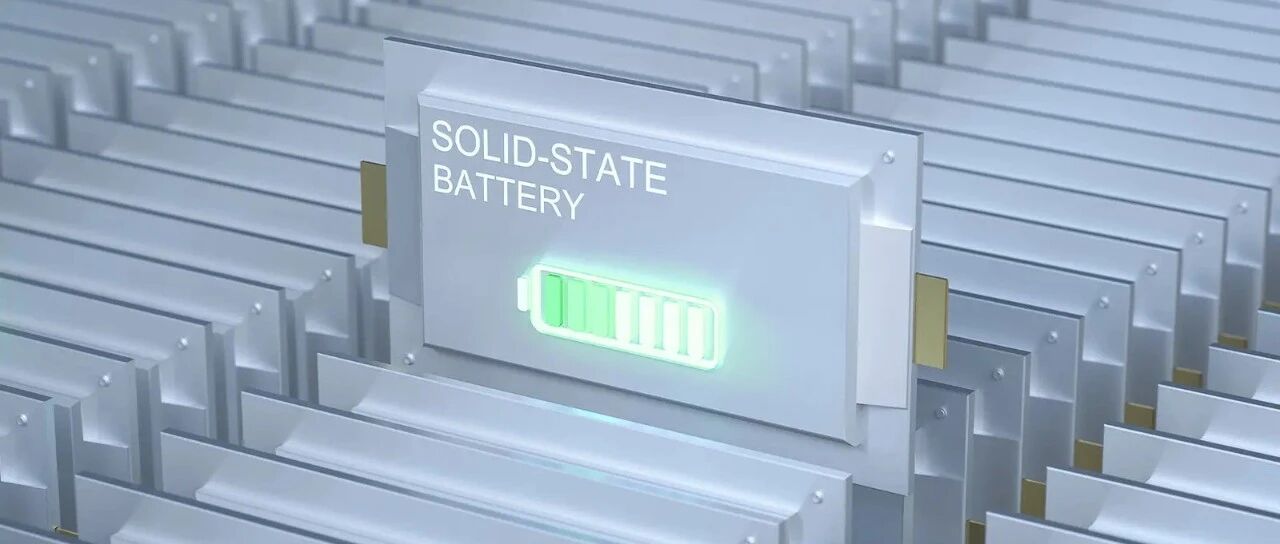
不要对固态电池有太多幻想
芯世相· 2025-11-08 01:05
Core Viewpoint - Solid-state batteries have significant potential advantages over liquid batteries, particularly in energy density and safety, but current high production costs and technical challenges hinder widespread adoption [10][30][40]. Group 1: Differences Between Solid-State and Liquid Batteries - The fundamental difference between solid-state and liquid batteries lies in the state of the electrolyte, with solid-state batteries using solid materials and liquid batteries using liquid electrolytes [19][25]. - Solid-state batteries can theoretically achieve much higher energy densities, with potential levels of 400-500 Wh/kg compared to the 300 Wh/kg limit of liquid batteries [30][32]. Group 2: Advantages and Disadvantages of Solid-State Batteries - The primary advantages of solid-state batteries include higher energy density potential and improved safety due to the absence of flammable liquid electrolytes [28][30]. - However, solid-state batteries currently face challenges such as lower ion conductivity and higher production costs, which limit their practical application [37][40]. Group 3: Cost Challenges of Solid-State Batteries - The production costs of solid-state batteries are significantly higher than those of liquid batteries, with costs ranging from 1.5 to 5 RMB/Wh compared to 0.4 to 0.8 RMB/Wh for liquid batteries [38][40]. - Factors contributing to high costs include expensive raw materials, low yield rates, complex manufacturing processes, and insufficient order volumes to achieve economies of scale [44][45]. Group 4: Market Development and Future Outlook - The solid-state battery market is still in its early stages, and significant advancements in technology and production efficiency are needed to lower costs and improve yield rates [43][49]. - Recent technological breakthroughs, such as the development of an anion regulation technique, indicate progress in addressing the challenges faced by solid-state batteries [53][54].